

 20 September, 2026
 You’re weighing a banquet hall vs event space—and the choice will shape your timeline, guest flow, and the experience your brand delivers. This in-depth, list-style guide compares both options with practical checklists, real-world scenarios, and local context from Mississauga Convention Centre at 75 Derry Rd W in Mississauga. Whether you’re planning a conference, awards gala, South Asian wedding, prom, trade show, or milestone celebration, you’ll find a clear path to the right fit.
Introduction
Here’s the thing—most events today combine multiple formats in one day: learning tracks, networking, exhibits, a plated dinner, and a high-energy program. That’s why the banquet hall vs event space decision isn’t binary anymore. It’s about matching your agenda to a venue that actually supports it, without last-minute workarounds.
- What you’ll learn in this guide:
- • The true differences between a traditional banquet hall and a flexible event space
- • Where each one wins for business outcomes and guest experience
- • How a hybrid venue (like Mississauga Convention Centre) removes trade-offs
- • Step-by-step frameworks, checklists, and expert tips you can use today
Summary
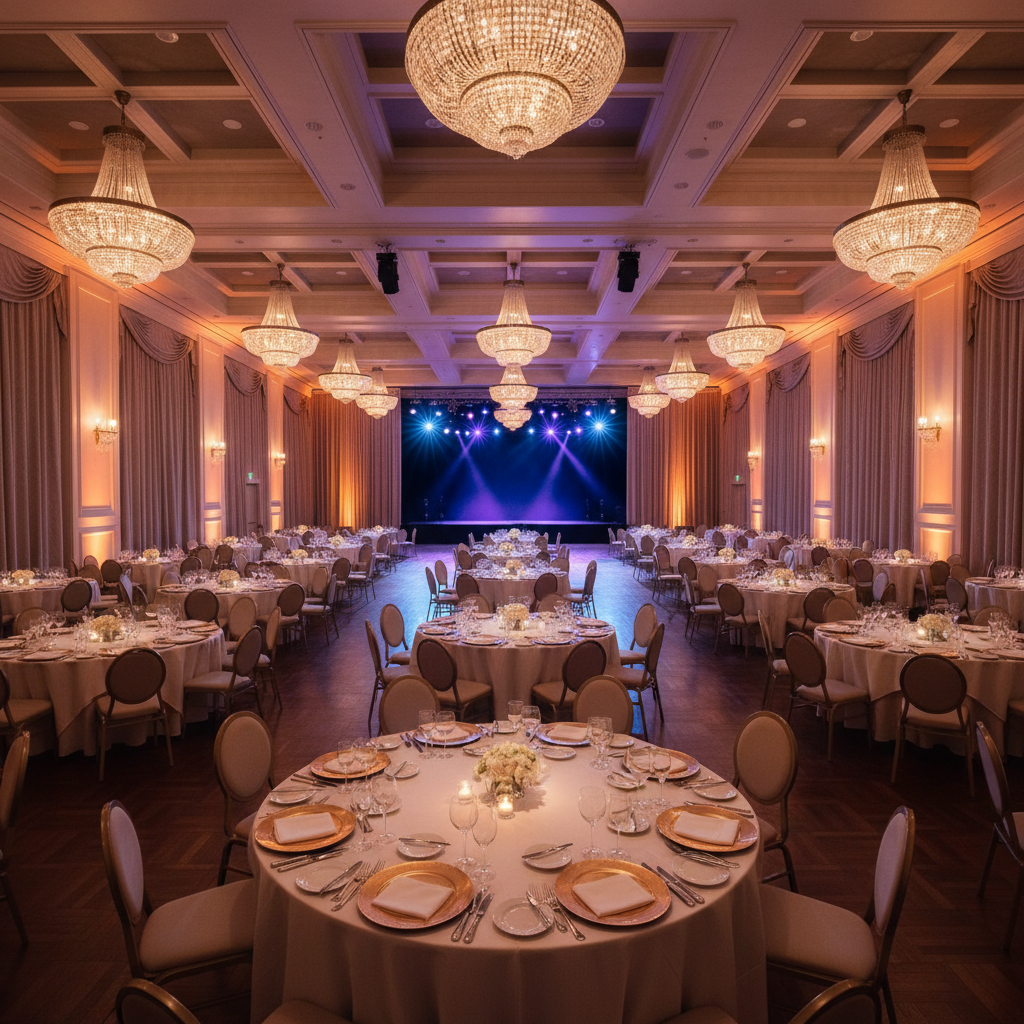
- Banquet halls excel at plated dining, stage-forward programs, and a timeless, elegant look.
- Event spaces shine for exhibits, activations, and layouts that pivot quickly between segments.
- Hybrid venues combine both—ideal when your agenda mixes education, networking, and a formal gala.
- Near-airport access, on-site parking, and in-house AV often matter as much as décor and room size.
Quick Answer
If you’re choosing between a banquet hall vs event space near Toronto Pearson, pick a hybrid that does both well. At 75 Derry Rd W in Mississauga, Mississauga Convention Centre blends elegant ballrooms with configurable event halls, in-house AV, staging, and multicultural catering—so you don’t have to compromise.
Banquet Hall vs Event Space: Quick Comparison
| Factor | Banquet Hall | Event Space |
|---|---|---|
| Look & Feel | Pre-styled elegance, chandeliers, upscale finishes | Blank canvas, industrial/modern, highly brandable |
| Layout Flexibility | Defined seating for plated dinners and formal programs | High configurability for expos, activations, and lounges |
| In-House Support | Often includes catering, décor, and banquet teams | May require outside vendors; hybrid venues cover both |
| AV & Staging | Usually built-in packages and tech support | Varies widely; some turn-key, others are bare shells |
| Food & Beverage | In-house menus; some offer Halal and cultural cuisines | Bring-your-own or preferred caterers (policies differ) |
| Capacity & Flow | Great for seated meals, speeches, awards, and dances | Ideal for exhibits, breakouts, hackathons, activations |
| Parking & Access | Often on-site lots; easy guest wayfinding | Urban spaces may rely on street/garage parking |
Our Top Pick: The Hybrid Venue (Best of Both Worlds)
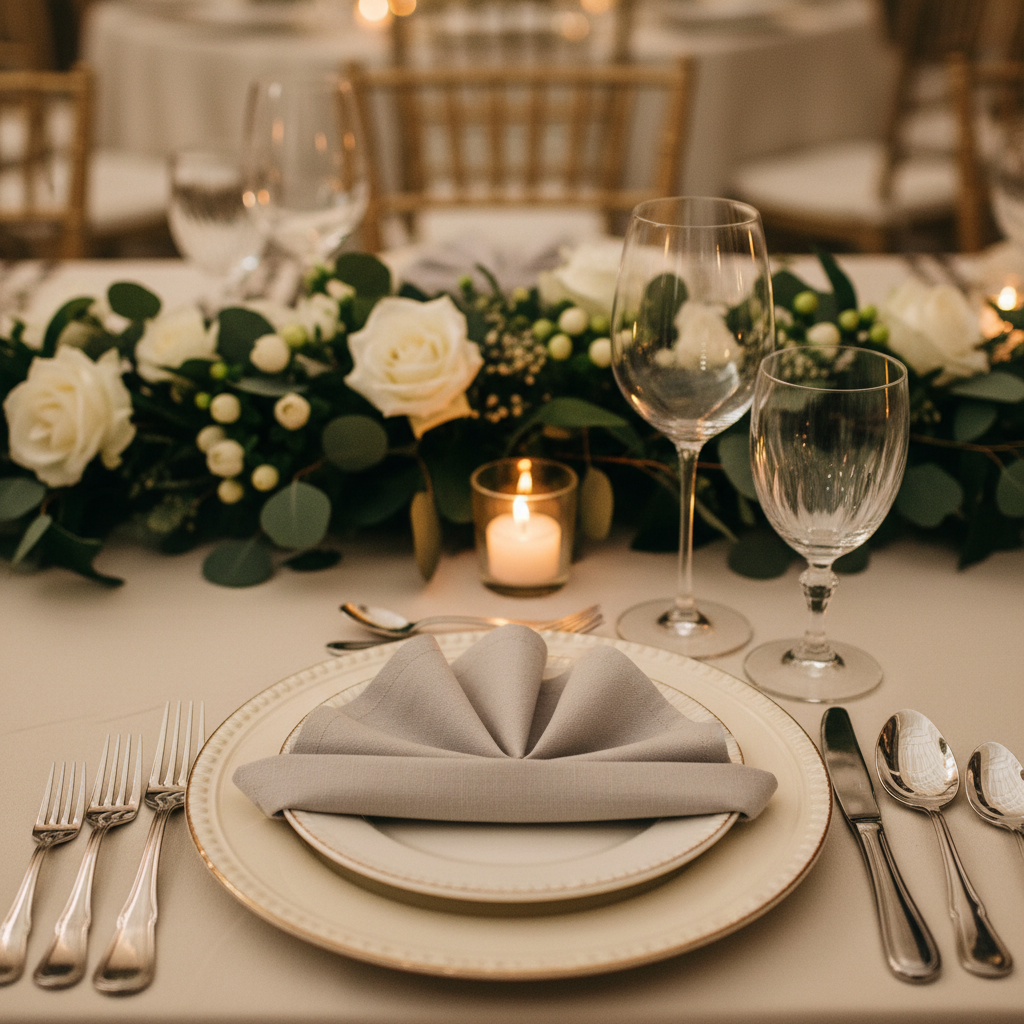
A hybrid venue blends banquet-hall polish with event-space flexibility. That’s crucial when your agenda moves from learning tracks to a plated gala—without bussing guests across town. At Mississauga Convention Centre, seven elegant halls of roughly 4,250 square feet each can host concurrent sessions by day and unite for an evening awards program.
- Parallel possibilities: Run keynotes, breakouts, and sponsor lounges simultaneously, then convert one hall into a formal dinner setup while sessions continue elsewhere.
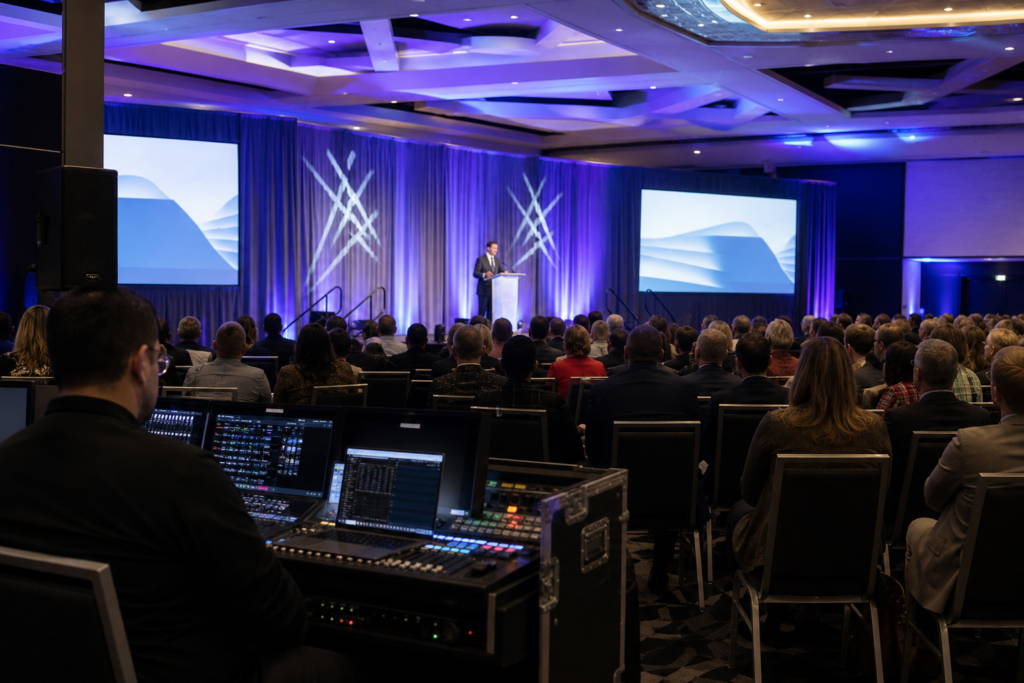
- On-site technology: State-of-the-art audiovisual systems, lighting, staging, and technical support help you avoid last-minute vendor scrambles.
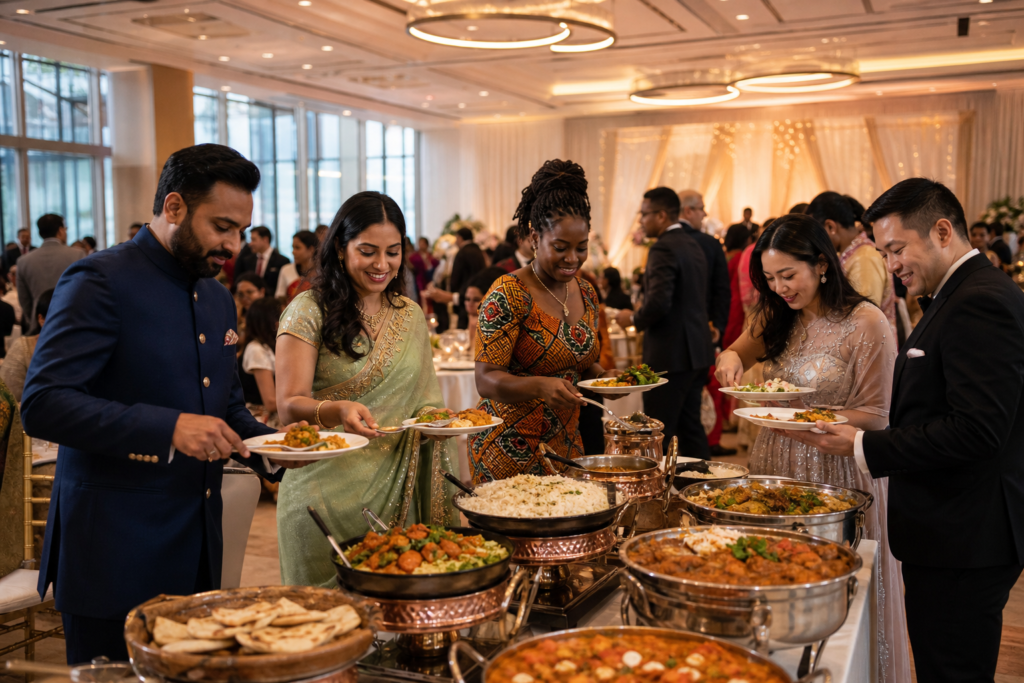
- Multicultural menus: In-house catering includes South Asian, Pakistani Halal, Middle Eastern, Sri Lankan, Caribbean, and Continental cuisines—ideal for diverse guest lists and cultural weddings.
- Access and logistics: Minutes from Toronto Pearson and major highways with approximately 700 free on-site parking spaces simplifies arrivals for attendees and production crews.
- Outdoor moments: A customizable patio supports ceremonies, cocktail hours, or photo sessions with an easy indoor backup.
For a deeper breakdown of what corporate planners should check in any venue, see our plain-language take on key corporate event elements so your stage, sightlines, and sound are flawless.
Entry #2–10: Where Each Venue Type Wins
2) Classic Banquet Hall (Formal Dinners, Galas, Award Nights)
- Why it works: Built for plated service, spotlight moments, and timeless photos under chandeliers.
- Best when: You want elegant ambiance with minimal build, a reliable banquet team, and a clear stage focal point.
- Watch-outs: Ceiling rigging, aisle widths, and load-in schedules can limit complex installations—get diagrams early.
- Pro move: Use in-house lighting packages to elevate stage presence without overcomplicating production.
Planning an awards night? Our short guide on choosing the right banquet hall covers stage placement, lectern angles, and dinner pacing that keep your show tight.
3) Flexible Event Space (Exhibits, Hackathons, Activations)
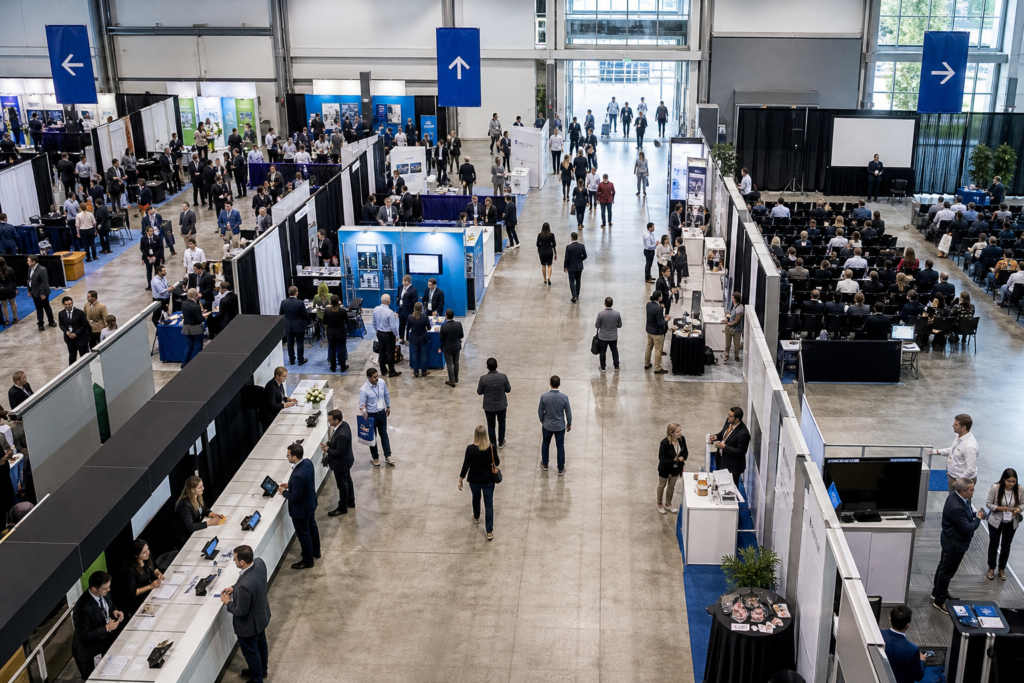
- Why it works: Open floor plans adapt to zones—registration, demos, lounges, and workshops—so sponsors get face time and guests circulate.
- Best when: You prioritize interaction over plated dining and need fast transitions from sessions to receptions.
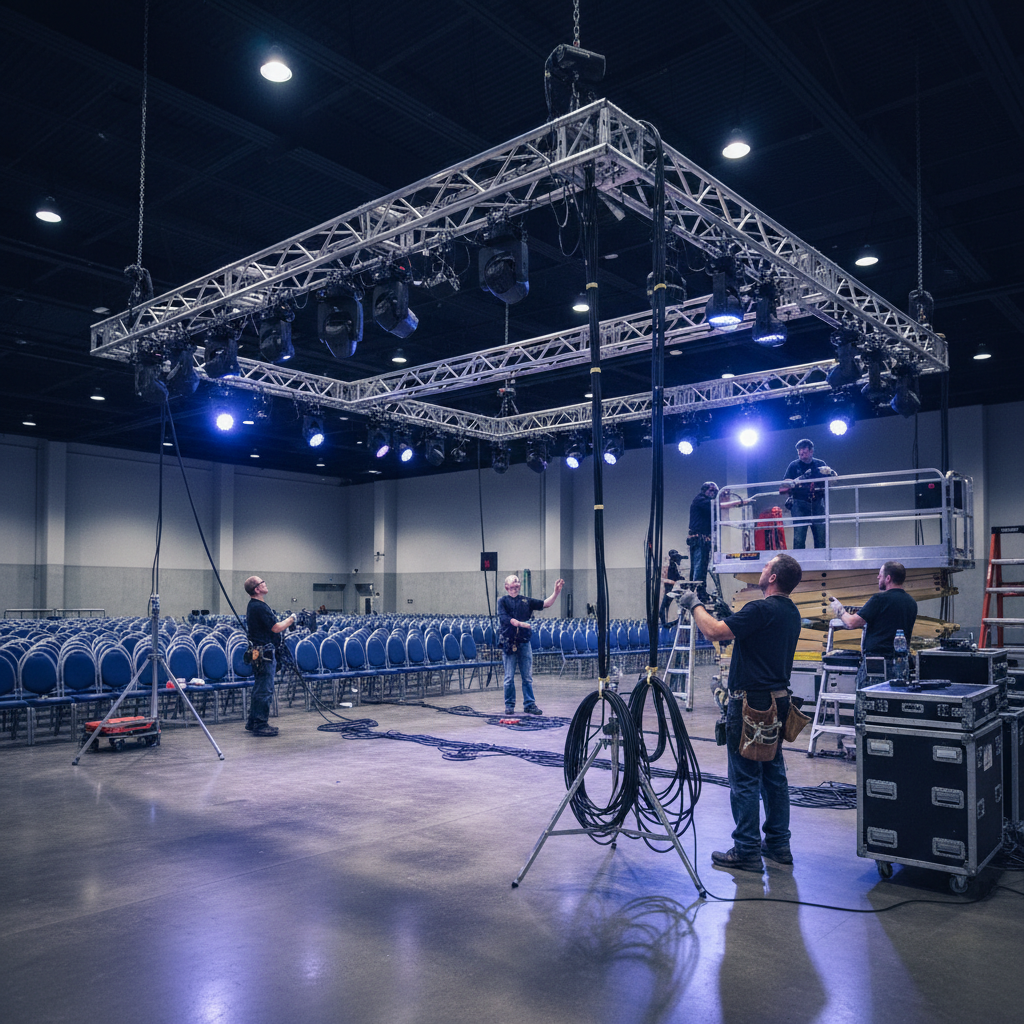
- Watch-outs: Some sites are BYO for AV and catering; confirm power distribution and rigging points early.
- Pro move: Use modular furniture to flip from classroom to networking without a full reset.
Curious how multi-room configurations support complex programs? Explore our thinking on multipurpose halls that let you scale up or split down without losing flow.
4) Conference Center (Plenaries + Breakouts + Expo)
- Why it works: Purpose-built for learning and networking with integrated projection, sound, and stagecraft.
- Best when: Your agenda includes a keynote, concurrent tracks, exhibitor demos, and an evening awards program.
- Watch-outs: Preferred dates book early—align production timelines with hold windows to avoid compromises.
- Pro move: Leverage on-site staging teams to optimize sightlines, camera positions, and audio coverage.
5) Hotel Ballroom (When Travel Logistics Dominate)
- Why it works: Sleeping rooms plus meeting space reduce shuttle complexity for out-of-town VIPs.
- Best when: Your attendees arrive from multiple time zones and you need minimal transit friction.
- Watch-outs: Ceiling height and décor rules vary—request technical sheets before designing scenic elements.
- Pro move: Block room nights early and place speakers on quiet floors.
6) Museum or Gallery (High-Design Receptions)
- Why it works: Architectural drama and curated ambiance for launches and donor events.
- Best when: You favor strolling receptions, passed canapés, and conversation-forward formats.
- Watch-outs: Load-in rules, lighting restrictions, and catering policies can be strict—plan accordingly.
- Pro move: Use soft lighting washes that flatter art without glare.
7) Outdoor Patio or Garden (Ceremonies, Summer Mixers)
- Why it works: Natural backdrops, golden-hour photos, and relaxed energy for ceremonies and welcome receptions.
- Best when: You have a covered backup and quick indoor access if the forecast shifts.
- Watch-outs: Power, accessibility, and sound ordinances—confirm neighbor and timing rules.
- Pro move: Pair with an adjacent ballroom so you can pivot indoors in minutes.
8) Trade Show Hall (Large Footprints, Heavy Power)
- Why it works: High ceilings, dock access, exhibitor services, and wide aisles for equipment and crowds.
- Best when: You need dedicated freight paths, floor drains, and robust power for product demos.
- Watch-outs: Union labor rules, marshaling yards, and advance ordering deadlines.
- Pro move: Zone by audience journey—discover, engage, convert—to drive booth ROI.
9) School or University Hall (Proms, Graduations)
- Why it works: Built for big groups with clear procession routes and stage access.
- Best when: You want formal walk-throughs, reserved seating blocks, and photo-friendly backdrops.
- Watch-outs: AV limits and décor rules; coordinate chaperone ratios and rehearsal windows.
- Pro move: Rehearse procession timing the day before to avoid bottlenecks.
10) Cultural or Community Center (Traditions First)
- Why it works: Spaces designed around cultural ceremonies and community programming.
- Best when: You require Halal-friendly kitchens, traditional staging, or faith-aligned layouts.
- Watch-outs: Vendor policies and schedules shaped by ceremony times—plan menus and stage cues accordingly.
- Pro move: Build the run-of-show around cultural touchpoints—processions, blessings, and key family moments.
Mid-article CTA: Thinking of a hybrid agenda? One campus, parallel sessions, and a plated gala—no buses required. Ask about on-site AV, staging, and multicultural menus at Mississauga Convention Centre.
How to Choose: A Simple Framework
1) Define Success in One Sentence
- Write this now: “If guests leave saying X, we nailed it.” Keep it specific and measurable.
- Example: “Attendees learned three practical tactics and made five strong contacts.”
- Why it matters: Your definition of success drives room layout, staging, and food service style.
2) Map the Program First, Then the Room
- List major beats: keynote, demos, plated dinner, awards, dance floor, ceremony, reception.
- Choose the venue type that supports those beats with the fewest resets and room flips.
- Reality check: If two big moments need different setups, a hybrid venue prevents delays.
3) Lock the Non-Negotiables
- Accessibility for all guests, including ramps and washroom access.
- Load-in logistics, ceiling height, and rigging points for your scenic plan.
- Parking capacity on-site for attendees and production vehicles.
If you’re deciding between multiple room types, skim our focused notes on large event spaces to understand sightlines, aisle widths, and stage sizes that keep programs moving.
4) Decide on Food Strategy Early
- In-house catering streamlines tastings, staffing, and allergen controls.
- Multicultural menus can be the centerpiece—align kitchen capabilities to your traditions.
- Plated vs stations: Pick based on program pacing, not just preference.
5) Plan for Pivots (Weather, Timelines, Tech)
- Have weather and timeline backups, especially for outdoor ceremonies or patio cocktails.
- Walk the route from entrance to stage to dessert station—fix friction points before show day.
- Share a draft run-of-show with the AV team to tune lighting, audio, and camera positions.
Buying Guide (Optional): Field-Ready Checklists
Banquet Hall Readiness
- Stage, lectern, and wash lighting included or available on-site
- Seating charts for 8-top and 10-top tables, plus dance floor sizing
- In-house catering with vegetarian, vegan, and Halal-friendly options
- Green room or bridal suite adjacent to the main hall
- Coat checks, wayfinding, and accessible entrances
- Photo locations and controlled lighting for awards or first-look moments
Event Space Essentials
- Power map and rigging points for lighting, LED walls, or heavy décor
- Loading dock access and setup windows for vendor freight
- Breakout capacity and sound isolation between rooms
- Preferred vendor list or clear BYO policies
- Parking plan for guests, exhibitors, and trucks
- Clear sightlines for demo zones and sponsor signage
Hybrid Hall Must-Haves
- Multiple rooms of similar size (around 4,000–4,500 sq ft) to run parallel tracks
- On-site technical team for lighting, audio, and stage management
- Kitchen capable of plated dining and cultural menus on the same day
- Outdoor area for ceremonies, receptions, or photo ops with an indoor backup
- Near-airport location and on-site parking to reduce transit friction
FAQ
Is a banquet hall or event space better for corporate awards?
For formal awards with plated service, a banquet hall shines. If your program includes exhibits, breakouts, or activations, a flexible event space wins. A hybrid venue lets you do both on the same day without moving attendees.
What should multicultural weddings consider in this choice?
Kitchen capabilities and cultural experience matter most. Look for Halal-friendly and regional menus (South Asian, Pakistani Halal, Middle Eastern, Sri Lankan, Caribbean) and space to stage ceremonies and receptions. On-site teams who know traditions simplify the day.
How early should I involve AV?
Right after you secure the date. Share a draft run-of-show so the venue’s AV team can shape lighting, audio, and sightlines. This prevents last-minute compromises and ensures the stage supports your content.
Can we combine outdoor ceremonies with indoor receptions?
Yes—choose a venue with both options on-site to avoid transportation delays. Confirm a weather backup plan, outdoor power access, and smooth guest flow from patio to ballroom.
What about parking and airport access for out-of-town guests?
Prioritize venues near major highways and the airport, ideally with large on-site parking. This reduces friction for attendees and production crews and helps sessions start on time.
Methodology
- We evaluated venue types based on program flow, technical infrastructure, culinary breadth, accessibility, and guest experience.
- We prioritized hybrid advantages because many modern events combine learning, exhibits, and formal dining in one itinerary.
- Local context: proximity to Toronto Pearson, highway access, and on-site parking materially affect timelines and satisfaction.
Key Takeaways
- Banquet halls excel at formal dining and stage-forward programming.
- Event spaces win on configurability for exhibits and activations.
- A hybrid venue near the airport with in-house AV and multicultural catering removes trade-offs.
Local Tips
- Tip 1: For rush-hour arrivals near 75 Derry Rd W, stagger guest check-in and open doors 30 minutes early to smooth parking flow across the on-site lots.
- Tip 2: Spring and fall book fast for proms, graduations, and conferences—secure your date and AV holds together to avoid schedule gaps.
- Tip 3: Planning a cultural ceremony? Coordinate rehearsal windows with the on-site team to align décor, staging, and menu timing with traditions.
IMPORTANT: Match your program to venue capabilities—kitchen, AV, and staging will determine how smooth the day feels.
Ready to design a no-compromise agenda? Host learning tracks by day and a plated gala at night—on one campus. Ask about integrated AV, staging, and multicultural menus at Mississauga Convention Centre.
Want to see flows in person? Book a site visit at 75 Derry Rd W to map your agenda, tasting, and run-of-show in one walkthrough.