

 20 September, 2026
 Planning a large event menu that respects halal standards, delights diverse palates, and runs on time doesn’t have to be stressful. With the right halal catering menu planning framework—and a venue partner that truly understands multicultural events—you can serve unforgettable food while keeping operations smooth from prep to plating. At Mississauga Convention Centre (75 Derry Rd W), our in-house team plans South Asian, Pakistani Halal, Middle Eastern, Sri Lankan, Caribbean, and Continental menus every week for corporate programs, school formals, and weddings across the GTA.
Quick Summary
- Build your halal event menu around clear dietary standards, cross-contamination controls, and reliable sourcing.
- Match service style (buffet, plated, family-style, stations) to your agenda, guest count, and room flow.
- Sequence courses and service timing to protect stage programs, prayer breaks, and networking windows.
- Design a multicultural menu that feels cohesive: familiar classics, balanced heat levels, and thoughtful vegetarian options.
- Use a planning timeline, tasting, and run-of-show rehearsal to remove last-minute surprises.
Quick Answer
For halal catering menu planning, lock standards first (sourcing and prep), then build balanced courses around your agenda and guest mix. At Mississauga Convention Centre at 75 Derry Rd W, our in-house halal-friendly kitchens coordinate menus, AV, and service timing so everything lands hot and on cue.
What you’ll find in this guide
- What Is Halal Catering Menu Planning?
- Why It Matters for Corporate, School, and Social Events
- How Halal Menu Planning Works (Front & Back of House)
- Service Styles and Menu Approaches
- Best Practices and Checklists
- Tools, Templates, and Resources
- Mini Case Studies (GTA Scenarios)
- FAQ
- Conclusion & Next Steps
What Is Halal Catering Menu Planning?
Halal catering menu planning is the end-to-end process of designing, sourcing, preparing, and serving food that aligns with Islamic dietary principles while delivering an outstanding guest experience. It connects culinary creativity with operational controls—so your menu is both delicious and compliant.
- Standards first: Clarify halal requirements early (permitted proteins, alcohol-free cooking, no cross-contact with non-halal items).
- Sourcing you can trust: Work with verified suppliers for meats and ingredients, and document what’s used in each dish.
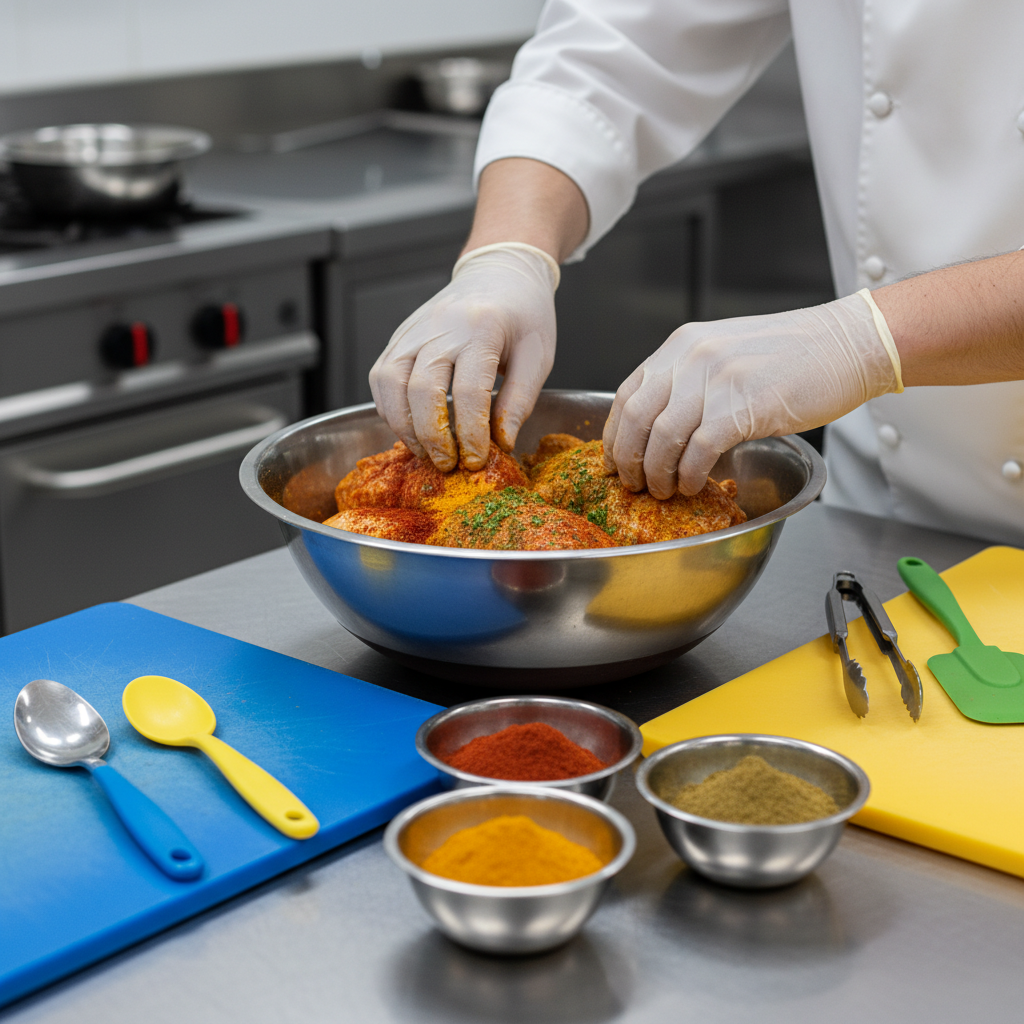
- Kitchen controls: Separate prep zones, color-coded tools, and labeled storage reduce cross-contamination risk.
- Menu composition: Balance cuisines, spice levels, vegetarian and seafood options, and common allergens.
- Service integration: Time food with your program agenda, prayer breaks, and venue logistics.
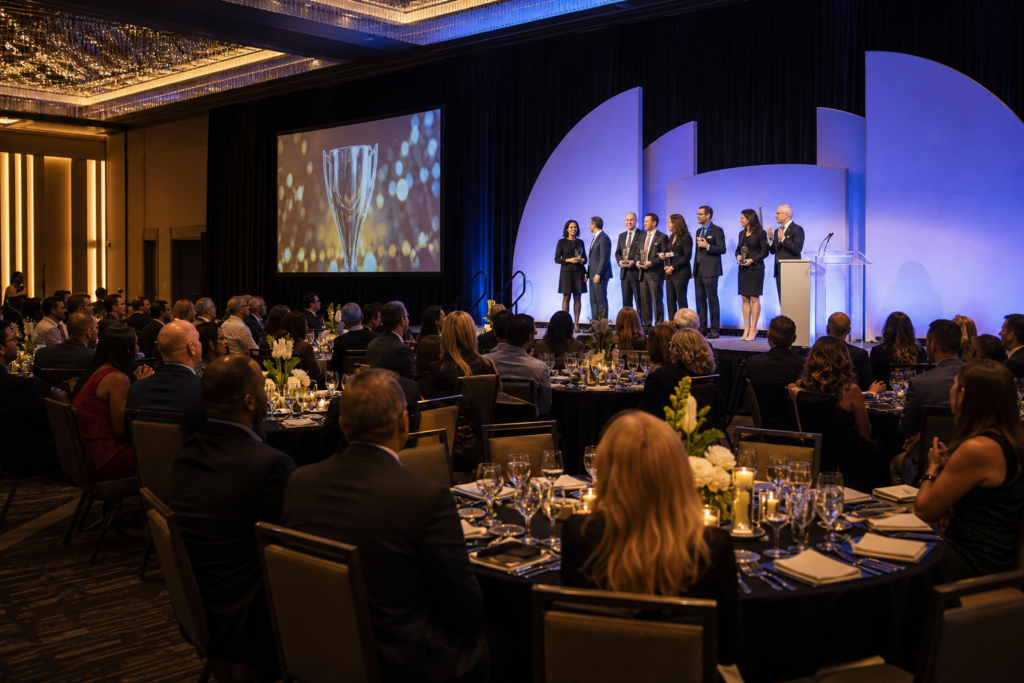
At a high-capacity venue like Mississauga Convention Centre, these controls are integrated with room layouts, AV cues, and staffing so that 200 or 2,000 guests enjoy consistent quality. The result: a menu that honors halal principles and moves flawlessly with your event.
Why Halal Menu Planning Matters
Great food shapes guest memory and brand perception. When you add halal expectations to a large program, precision matters even more.
- Respect and inclusion: Proper halal planning shows cultural fluency, which builds trust with attendees and families.
- Risk management: Clear standards, labeled dishes, and trained staff reduce compliance, allergy, and cross-contact risks.
- Program flow: A well-timed menu protects keynote energy, keeps networking alive, and prevents agenda overruns.
- Operational efficiency: Coordinated BOH/FOH teams avoid bottlenecks at buffets, bars (non-alcoholic), and stations.
- Venue synergy: Menus are easier to execute when kitchens, service corridors, AV, and staging live under one roof.
Here’s the thing: big events rarely fail because the chicken wasn’t flavorful. They fail when meals run long, lines form, or allergens are mishandled. A halal-centered plan eliminates those pressure points before show day.
How Halal Menu Planning Works
The process links discovery, design, verification, and rehearsal. You’ll align culinary goals with guest needs and your run of show.
1) Discovery and dietary mapping
- Attendee profile: Demographics, cuisines loved, heat tolerance, and special diets (vegetarian, vegan, gluten-free, nut-free).
- Religious observances: Prayer times, Ramadan/Iftar plans, and ceremonial moments (duas, blessings) that affect timing.
- Format and flow: Seated awards, expo traffic, or heavy networking dictate service style and portioning.
- Kitchen brief: Confirm halal sourcing expectations, alcohol-free prep, gelatin substitutes, and dessert strategies.
- Room selection: Choose among seven elegant halls (about 4,250 sq ft each) to match guest count and service style, then map traffic routes.
- Access considerations: Leverage 700 on-site parking spots and proximity to Toronto Pearson for stress-free arrivals.
2) Menu architecture
- Anchor proteins: Consider classics such as chicken tikka, seekh kebabs, lamb curry, grilled salmon, or shrimp masala (all halal-sourced).
- Balanced sides: Fragrant biryani or pulao, pilafs, roasted vegetables, dal, raita, mixed salads, and fresh-baked breads.
- Vegetarian heroes: Paneer entrées, chana masala, aloo gobi, mixed vegetable korma, Mediterranean mezze, or Sri Lankan jackfruit curry.
- Heat spectrum: Offer mild, medium, and spicy markers; present chutneys and sauces on the side for control.
- Dessert plan: Gulab jamun, kheer, ras malai, carrot halwa, baklava; use halal-friendly gelatin substitutes when required.
- Beverage program: Non-alcoholic mocktails, spiced chai, mint lemonade, fruit-infused waters, and lassi for daytime events.
- Kids and elders: Provide softer textures and milder spice paths; reserve a quiet corner table block if helpful.
3) Sourcing and kitchen controls
- Verified suppliers: Document halal proteins and key ingredients; keep copies of product specs on file for the event.
- Storage and labeling: Dedicated shelves and sealed containers; label by dish and service time (lunch, plenary, gala).
- Prep segregation: Color-coded boards and knives; separate fryers and pans; assigned staff for halal-only prep lines.
- Allergen protocol: Identify common allergens; use discreet but clear signage and staff briefings to guide guests safely.
- FOH/BOH coordination: Sync plating diagrams, server scripts, and tray maps with AV cues to eliminate confusion.
4) Run-of-show integration
- Service timing: Map when plates leave the kitchen vs. when microphones turn on. Avoid serving during intros or awards.
- Prayer breaks: Build a short window between courses and coordinate quiet zones and signage as needed.
- Temperature control: Chafers, heat lamps, and hot boxes staged near service doors reduce walking distance and heat loss.
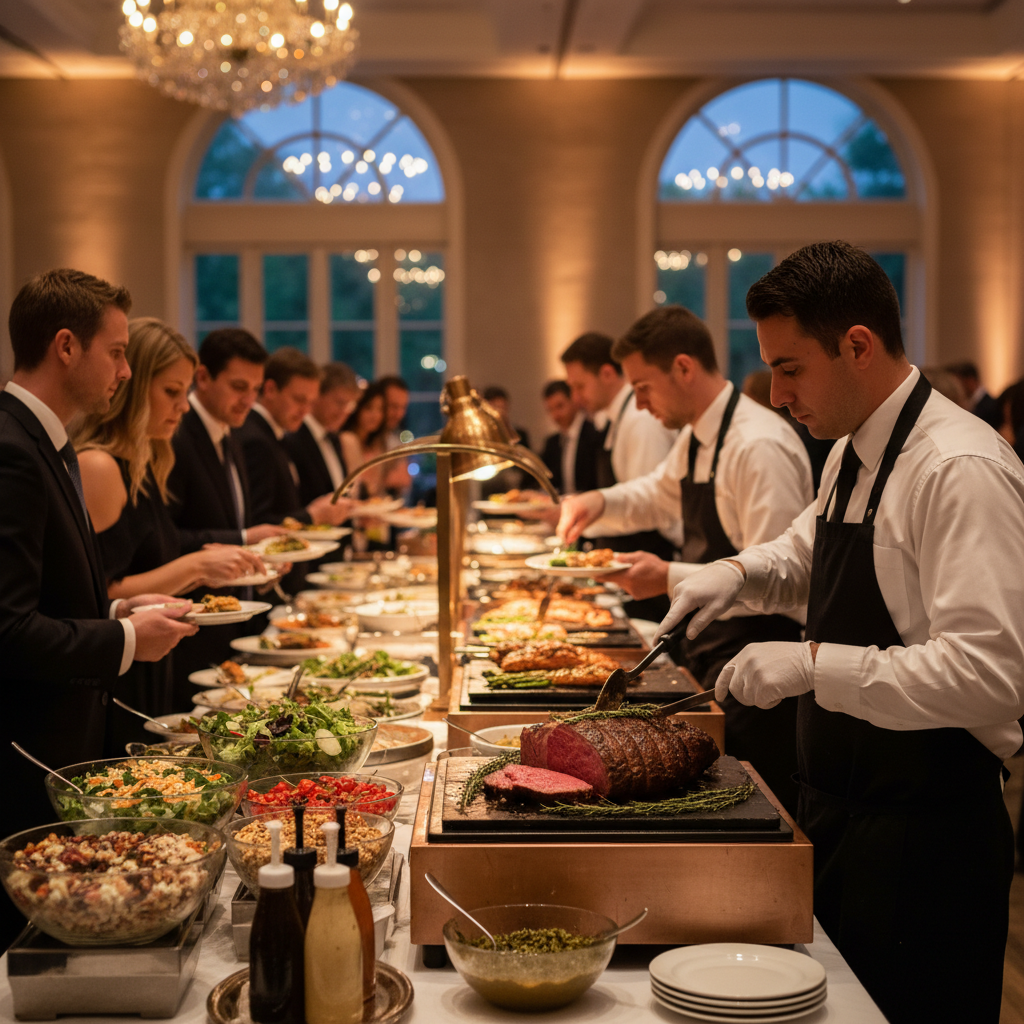
- Traffic design: Stagger table releases and use dual-sided buffets to shrink lines and maintain a positive vibe.
- AV alignment: Cue courses with walk-in music or video rolls; avoid service during live remarks for a polished experience.
5) Tasting, training, and rehearsal
- Menu tasting: Validate flavors, heat levels, and portion sizes; confirm final plating pictures for FOH teams.
- Staff briefing: Review dish ingredients, allergens, and halal talking points so servers answer questions confidently.
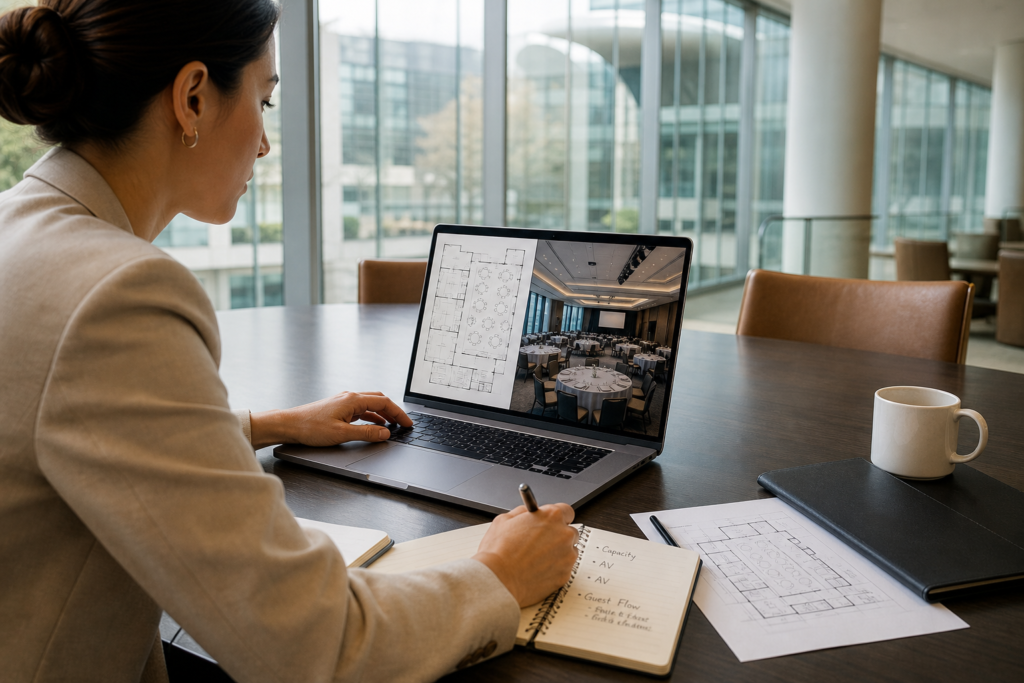
- Dry run: Walk the route from kitchen to floor; time a sample service to surface bottlenecks before show day.
- Signage check: Place sample tent cards with icons (halal, vegetarian, nut-free, gluten-free) to verify visibility and clarity.
Service Styles and Menu Approaches
Choose a service style that supports your agenda and audience. Each has trade-offs in speed, elegance, and interactivity.
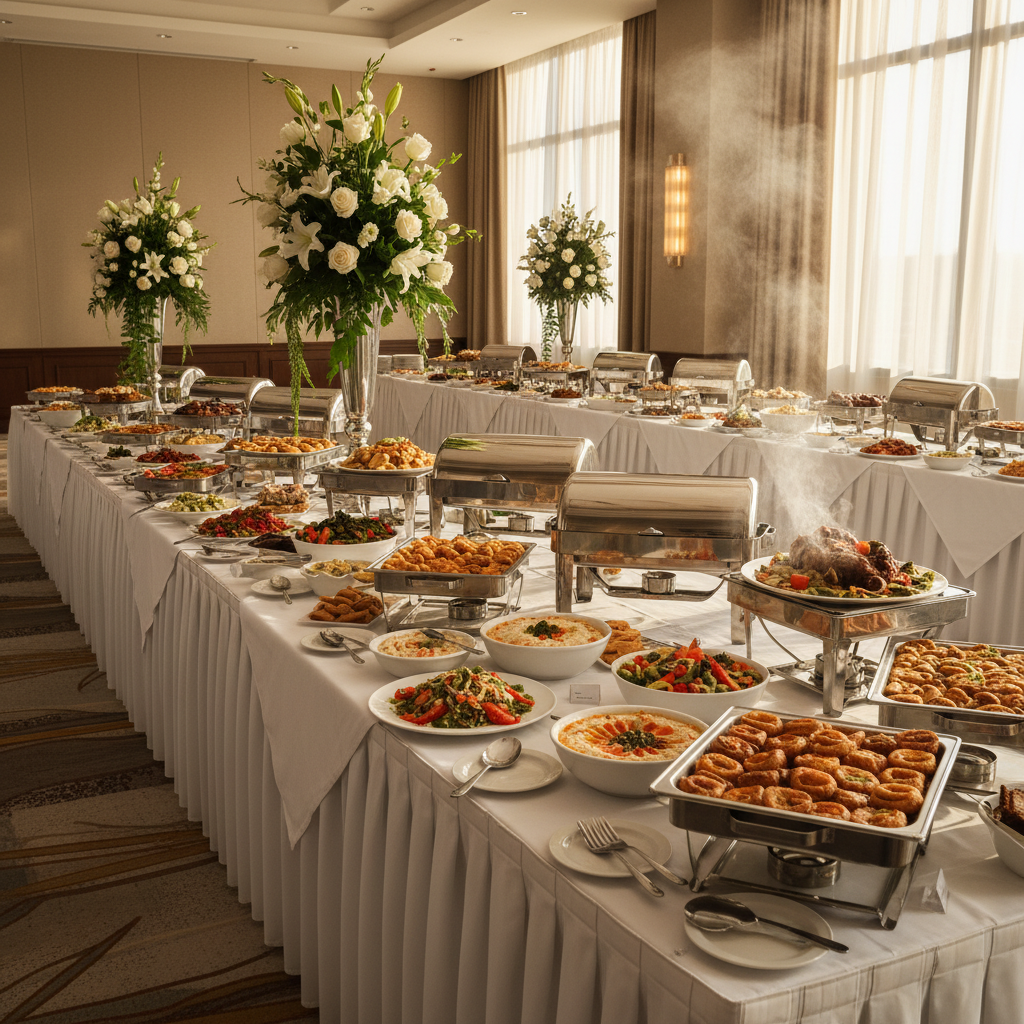
Buffet service
- Best when: You expect varied appetites and want guests to customize portions.
- Advantages: Faster for large groups; multiple cuisines and spice levels on one line.
- Watch-outs: Monitor replenishment and label dishes clearly (halal, vegetarian, allergens).
- Pro move: Use mirrored dual-sided buffets to halve lines; position popular items at both ends.
Plated service
- Best when: You have a formal program with keynotes, awards, or a tight timeline.
- Advantages: Predictable pacing and presentation; easier to script around speeches.
- Watch-outs: Requires detailed seating charts and pre-selected entrées to avoid delays.
- Pro move: Send the first course before the opening address; clear under video playback, then fire mains.
Family-style service
- Best when: You want communal energy and shared dishes.
- Advantages: Encourages conversation; good for social and cultural celebrations.
- Watch-outs: Table space and portion control need careful planning.
- Pro move: Pre-set breads, raita, and salads to free up table real estate for hot platters.
Action stations
- Best when: You want interactivity (carving, chaat carts, shawarma, dosa).
- Advantages: Freshly prepared items; guests engage with chefs; easy to signal halal compliance at each station.
- Watch-outs: Extra staffing and line management are essential; position near power and ventilation where required.
- Pro move: Spread stations around the room perimeter to disperse crowds and keep networking fluid.
| Service Style | Speed | Guest Experience | Best Use Case |
|---|---|---|---|
| Buffet | Fast for 300+ with dual lines | Choice + variety | Conferences, mixed audiences |
| Plated | Predictable tempo | Elegant presentation | Galas, awards, formal weddings |
| Family-Style | Moderate | Communal, warm | Social + cultural celebrations |
| Stations | Flexible | Interactive | Networking-heavy programs |
Best Practices for Halal Catering Menu Planning
These habits turn a good plan into a great event. Use them as a checklist with your caterer and venue.
Standards and labeling
- Ingredient transparency: Maintain a master recipe file with halal status and allergens for every dish.
- Signage system: Simple icons for halal, vegetarian, vegan, nut-free, and gluten-free help guests self-navigate.
- Server scripts: Provide short, accurate answers to common guest questions.
- Table tent consistency: Match wording across buffets, plated menus, and event apps to avoid confusion.
- Color cues: Use consistent color-coding for special diets so FOH can spot plates at a glance.
Cross-contact prevention
- Dedicated tools: Color-coded knives and boards; separate tongs at buffets; no shared fryers with non-halal items.
- Tray discipline: Label and stage trays by course; never mix dietary categories in one hot box.
- Allergen line: Create a clearly marked area for special plates to avoid mix-ups during rush periods.
- Glove changes: Enforce regular glove and utensil changes at stations during peak flow.
- Waste control: Separate bins for allergens to prevent back-of-house contamination.
Menu composition
- Three-part balance: One popular entrée, one adventurous option, one vegetarian centerpiece.
- Heat ladders: Mild baselines with optional house-made chutneys or sauces on the side.
- Fresh finishes: Herbs, pickles, and crisp salads to brighten richer mains.
- Seasonality: Lean into produce at its peak for better flavor and presentation.
- Texture mix: Pair velvety sauces with crunchy elements to keep palates engaged.
Timing and flow
- Buffer time: Add 10–15 minutes between courses for speeches and prayer windows.
- Dual access: Two-sided buffets and staggered table calls keep lines moving.
- AV sync: Cue courses to walk during video rolls, not over speaker remarks.
- Dessert strategy: Open stations while coffee pours to prevent end-of-night queues.
- Exit lanes: Leave space behind stations for bussers and replenishment to move freely.
Guest comfort
- Water and non-alcoholic options: Feature mocktails and fruit-infused waters that fit halal guidelines.
- Prayer considerations: Provide a quiet room and note timings on your agenda or event app.
- Kids and elders: Make softer, milder choices easy to find and serve.
- Seating access: Keep a few aisles wider for mobility devices and family seating.
- Comfort foods: Include a familiar classic on every menu—biryani, pulao, or grilled chicken never fails.
Tools, Templates, and Resources
A simple toolkit makes complex events repeatable. Start here and tailor to your program.
Planning timeline (90–0 days)
| Week | Milestones |
|---|---|
| 12–10 weeks | Discovery, goals, guest profile, initial halal requirements, short-list menus |
| 9–7 weeks | Menu design, sourcing plan, service style, room flow, preliminary run-of-show |
| 6–5 weeks | Tasting, finalize dishes, allergen mapping, signage plan, rentals/decor tie-ins |
| 4–3 weeks | Staffing grid, server scripts, AV cues, table release plan, dessert/coffee strategy |
| 2–1 weeks | Final counts, seating charts, special plates, BOH/FOH rehearsal |
| Show week | Load-in, line checks, guest comms, prayer room signage, last-mile confirmations |
Downloadable checklists
- Halal sourcing + storage checklist (suppliers, labeling, segregated tools).
- Menu design worksheet (entrées, sides, heat levels, vegetarian anchors, dessert).
- Service plan (buffet diagrams, table release order, station power needs).
- FOH scripts + signage list (allergens, icons, dish descriptions, prayer time note).
Soft CTA: Plan a tasting
Want to test-drive your menu and timing? Schedule a walk-through and tasting at our Mississauga venue. We’ll align food, AV, and floor flow in one visit—plus you can explore our in-house catering guide and preview our wedding menu template for inspiration.
Helpful: If you’re still choosing a venue, prioritize integrated kitchens, experienced halal-friendly teams, robust AV, and easy highway/airport access. Those four variables will save you hours—and headaches—throughout planning.
Mini Case Studies (GTA Scenarios)
Real-world snapshots illustrate how halal catering menu planning adapts across formats.
1) Corporate leadership summit, 600 guests
- Goal: Keep main-stage content tight while serving a hot, satisfying halal-friendly lunch in 60 minutes.
- Approach: Dual-sided buffets on both sides of the ballroom; three entrée choices (chicken tikka, grilled salmon, paneer tikka masala); labeled allergens and spice icons.
- Result: All guests served within 45 minutes; dessert stations opened as networking resumed; zero bottlenecks at beverage points.
- Why it worked: Traffic mapping and mirrored menus reduced decision time and walking distance.
2) South Asian wedding reception, 500 guests
- Goal: Honor family traditions with a Pakistani Halal menu while keeping program elements (entrances, speeches, dances) on schedule.
- Approach: Plated first course to control timing, then family-style mains for communal energy; tea and mithai service tied to dance break.
- Result: Seamless pacing; elders seated comfortably with mild options; DJ cues synced to service runs.
- Why it worked: Hybrid service unlocked elegance early and social warmth later without overrunning the program.
3) Prom and graduation dinner, 350 students
- Goal: Crowd-pleasing halal-friendly menu with clear vegetarian choices, served fast to maximize dance time.
- Approach: Buffet with kid-friendly spice levels; build-your-own shawarma and chaat stations; color-coded tent cards for allergens.
- Result: Lines moved briskly with staggered table calls; students loved interactive stations; minimal food waste.
- Why it worked: Stations spread across the perimeter prevented bottlenecks and kept energy high.
4) Ramadan iftar for 400 attendees
- Goal: Create a welcoming, timely iftar that supports prayer then a beautiful dinner.
- Approach: Dates, water, fruit, and light snacks ready at sunset; prayer room set; buffet opens after prayers with hot entrées and soup.
- Result: A calm, reflective start, followed by warm conversation and a hearty shared meal.
- Why it worked: Program timing respected religious observance while protecting meal temperature and quality.
5) Multicultural charity gala, 800 guests
- Goal: Elegant plated dinner that satisfies halal guidelines and impresses donors.
- Approach: Pre-selected entrées (chicken, fish, vegetarian) with subtle South Asian and Mediterranean notes; pastry team uses halal-friendly gel alternatives.
- Result: On-time awards; polished service; guests praised flavor and presentation.
- Why it worked: Pre-selections compressed decision time and let the stage program run flawlessly.
Mid-article tip: Lock your seating chart and special-diet list at least 10 days out. It’s the single best lever to prevent delays during plated service.
Plan with a venue partner
When halal menus, AV cues, and large guest counts intersect, an experienced venue team becomes your greatest advantage. Look for integrated kitchens, seasoned banquet captains, detailed floorplans, and proven halal-friendly menus under one roof. Explore our halal food insights and custom event menus to get started.
Local Tips
- Tip 1: For events near 75 Derry Rd W, plan arrivals via Hwy 410 and Hurontario to smooth load-in and guest parking (700 spots on site).
- Tip 2: Spring and fall gala seasons book quickly across the GTA; reserve kitchens and a tasting date early to secure your halal menu lineup.
- Tip 3: If your agenda includes prayer breaks, coordinate room assignments and quiet zones during your site walk and list them on your event-day signage.
IMPORTANT: These tips reflect how large, halal-friendly programs flow best around our Mississauga location and typical GTA traffic patterns.
Sample Halal Menu Blueprints
Use these as starting points. Adjust heat levels, allergens, and portion counts with your culinary team.
Conference lunch buffet (mixed audience)
- Salads: Cucumber-mint salad; chickpea, tomato, and herb salad; seasonal greens with lemon vinaigrette.
- Mains: Chicken tikka masala (mild); grilled salmon with lemon-herb drizzle; paneer tikka masala (vegetarian).
- Sides: Jeera rice; roasted seasonal vegetables; naan and mini parathas.
- Condiments: Mango chutney, raita, cilantro-lime sauce (clearly labeled for spice).
- Desserts: Gulab jamun; assorted fruit platters.
- Beverages: Mint lemonade; still/sparkling water; masala chai station.
Evening gala plated (formal)
- Starter: Mediterranean mezze trio (hummus, tabbouleh, olives) with warm pita.
- Entrée options: Herb-roasted chicken with saffron jus; seared Atlantic salmon with chermoula; paneer korma (vegetarian).
- Sides: Saffron rice pilaf; roasted carrots with cumin and honey; haricot verts with lemon zest.
- Dessert: Pistachio baklava or ras malai (with halal-friendly gel alternatives as needed).
- Beverages: Sparkling mocktails; coffee and tea service.
Wedding family-style (Pakistani Halal focus)
- Appetizers: Seekh kebabs; samosas; mini chicken tikka skewers.
- Mains: Nihari; chicken karahi; dal makhani; palak paneer.
- Accompaniments: Biryani; garlic naan; kachumber salad; assorted pickles.
- Desserts: Kheer; assorted mithai; fruit platters.
- Beverages: Rooh Afza spritzers; lassi; infused waters.
Ramadan iftar (followed by dinner)
- Iftar: Dates; water; fruit; light soup.
- Dinner mains: Grilled chicken with herbed yogurt; chickpea curry; aromatic rice; sautéed greens.
- Dessert: Semolina halwa; fresh fruit.
- Beverages: Tamarind refresher; chai; coffee.
Operations Playbook: From Kitchen to Ballroom
Turn your menu into a smooth service using these production tactics.
Kitchen production
- Batching: Cook sauces and curries in scalable batches; finish proteins closer to service for texture.
- Par-cooking: Par-cook vegetables to retain color and snap; finish under heat lamps.
- Hot holding: Use hotel pans with lids; rotate based on time stamps to avoid over-holding.
- Allergen mise en place: Store allergen-free garnishes separately and label boldly in BOH.
Front-of-house choreography
- Server zones: Assign zones by table blocks to reduce crossover and plate travel time.
- Runner lanes: Keep a clear center aisle for runners; bussers move counter-flow.
- Table release plan: Release every third table first; alternate to balance lines at buffets and stations.
- Communication: Use headsets or cue cards synced with AV for precise course calls.
Quality control
- Line checks: Taste and temp-test every 30 minutes at buffets and stations.
- Plate pictures: Keep reference photos at expo to maintain consistency.
- Feedback loop: Station captains radio issues (replenishment, heat, signage) to BOH in real time.
Venue Advantages at 75 Derry Rd W
Mississauga Convention Centre combines scale, location, and integrated services to elevate halal-focused events.
- Seven halls (~4,250 sq ft each): Configure rooms for buffets, stations, or plated service with generous service corridors.
- Capacity for 2,200+ guests: Host parallel sessions, multi-room weddings, and campus-style galas.
- Advanced AV in-house: Lighting, staging, and technical support keep courses and cues in harmony.
- In-house multicultural catering: South Asian, Pakistani Halal, Middle Eastern, Sri Lankan, Caribbean, and Continental menus.
- 700 free parking spots: Simplify guest arrival patterns and motorcoach staging.
- Near major highways and Pearson: Easy access for GTA and out-of-town attendees.
- Outdoor patio option: Ideal for welcome receptions, tea ceremonies, or dessert under the stars.
- Virtual tour: Preview spaces to finalize your flow before site walk.
Key Takeaways
- Standards drive success: Define halal sourcing, prep segregation, and labeling before anything else.
- Design for flow: Choose service styles that support your agenda and networking.
- Rehearse to win: Tasting, staff scripts, and route timing remove surprises.
- Think guest-first: Balance spice levels, celebrate vegetarian dishes, and add prayer-friendly timing.
- Leverage your venue: Integrated AV, kitchens, and parking make execution faster and safer.
FAQ: Halal Catering Menu Planning
How do I confirm a menu is fully halal-compliant?
Ask your venue or caterer to outline sourcing for proteins and critical ingredients, describe their separate prep tools and storage, and provide clear dish labels and server scripts. Request a tasting to verify flavors and discuss any substitutes (like halal-friendly gelatin) for desserts.
What service style is best for a mixed corporate audience?
Buffets with dual lines and clearly labeled spice/allergen icons are effective for 300+ guests. If your stage program is tight, consider a plated first course then switch to family-style mains for energy and speed.
How should I plan for Ramadan or prayer times?
Place a light iftar at sunset (dates, water, fruit, soup), open main service after prayers, and keep the room layout flexible so people can move comfortably. Add prayer times on your agenda and brief staff to guide guests.
Do I need a tasting even if I’ve selected classics?
Yes. A tasting aligns heat levels, portion size, presentation, and allergen handling. It also finalizes FOH talking points so servers can confidently answer guest questions.
How can I reduce lines at stations?
Use dual-sided layouts, position popular stations apart, and release tables in waves. Put water and mocktails in multiple locations so guests aren’t clustering in one spot.
Conclusion & Next Steps
- Anchor your plan: Set halal standards, sourcing, and kitchen controls first.
- Design for people: Match service style to agenda, mobility needs, and spice comfort.
- Rehearse the run: Tasting, staff training, and route timing prevent surprise delays.
- Think holistically: Food, AV, staging, and floor flow must work as one system.
Ready to turn your program into a seamless, halal-friendly experience? Our Mississauga team brings integrated kitchens, advanced AV, seven elegant halls, and multicultural menus together—so your guests remember the meal and the message. Explore our in-house catering guide, browse wedding menu templates, and review halal food insights. Then book your tasting and walk-through at 75 Derry Rd W.