You’ve got your speakers confirmed, your menu set, and your timeline dialed in. But without professional event lighting design, even the best-planned program can feel flat. Lighting is the fastest way to shape mood, guide attention, and bring brand and culture to life—especially in large, flexible spaces like the seven elegant halls at Mississauga Convention Centre (75 Derry Rd W). In this complete guide, we break down what lighting design is, why it matters, how it works, and how to execute it confidently for corporate meetings, multicultural weddings, school formals, galas, and trade shows across the GTA.
Quick Answer
Professional event lighting design turns any room into an experience by shaping mood, visibility, and flow. At our 75 Derry Rd W venue in Mississauga, in-house AV and lighting designers integrate uplights, washes, gobos, and cues with staging and décor to elevate corporate programs, weddings, and galas—delivering seamless execution without multiple vendors.
At a Glance
- What you’ll learn: Definitions, core principles, lighting types, step-by-step workflow, best practices, tools, and real examples.
- Why it matters: Lighting drives brand impact, photography quality, guest comfort, and program timing.
- Where we apply it: Seven modular halls (~4,250 sq ft each), customizable outdoor patio, and on-site staging at Mississauga Convention Centre.
- Who it’s for: Corporate planners, wedding couples and families, school administrators, and gala committees planning GTA events.
- Result: A practical playbook you can use to brief vendors or collaborate directly with our in-house team.
Table of Contents
- What Is Professional Event Lighting Design?
- Why Lighting Design Matters in Mississauga and the GTA
- How Professional Event Lighting Design Works (Step-by-Step)
- Types of Event Lighting and When to Use Each
- Best Practices for Flawless Results
- Tools and Resources
- Case Studies and Real-World Examples
- FAQ
- Key Takeaways
- Conclusion and Next Steps
Local Tips
- Tip 1: If your agenda includes early load-in, plan arrival via Derry Road West with wayfinding for crew; our on-site parking (~700 spots) streamlines gear drops and guest arrivals.
- Tip 2: Seasonal light timing matters. In winter, sunset hits during receptions—schedule warm uplights and pinspots earlier so photos shine without harsh overheads.
- Tip 3: Hosting VIPs flying into Toronto Pearson? Coordinate rehearsals around flight windows; our location minutes from the airport makes last-minute cue checks realistic.
IMPORTANT: These tips reflect our on-site operations and design process at 75 Derry Rd W to help planners avoid surprises.
What Is Professional Event Lighting Design?
Think of lighting as both architecture and storytelling. Professional event lighting design is the intentional use of light—its color, angle, intensity, texture, and timing—to support your program and guest experience.
- Core elements:
- Visibility: Ensures speakers, performers, and décor are clearly seen without glare.
- Mood: Sets the emotional tone—from energetic product launches to romantic first dances.
- Focus: Guides attention using spotlights, pinspots, and scene changes.
- Brand expression: Applies brand colors, gobos, and scenic lighting to reinforce identity.
- Flow: Uses cue-based transitions to keep timing tight and moments memorable.
- Where MCC fits:
- Seven modular halls (~4,250 sq ft each) to scale from board meetings to 2,000+ guest galas.
- On-site AV, lighting, staging, and technical support for a single, integrated team.
- Diverse event formats across corporate, weddings, school events, trade shows, and cultural celebrations.
- Why this matters right now:
- Attendees expect immersive experiences; lighting is the fastest lever to pull.
- Photos and video content rely on high-quality, flattering light.
- In-house design shortens planning cycles and reduces vendor complexity.
At Mississauga Convention Centre, professional event lighting design is built into our planning workflow. We align color palettes with décor and cuisine themes (including South Asian, Pakistani Halal, Middle Eastern, Sri Lankan, Caribbean, and Continental menus) to create cohesive experiences.
Why Lighting Design Matters in Mississauga and the GTA
Great lighting is more than sparkle—it’s strategic. Here’s how it impacts outcomes for GTA planners:
- Brand recall and perception: Color-consistent keynote lighting and clean stage washes boost photo quality and post-event content.
- Program clarity: Lighting cues move the room’s attention—house lights down, spot on podium, walk-in music, go.
- Guest comfort: Balanced levels prevent eye strain, especially in full-day conferences and seminars.
- Wayfinding and zoning: Uplights and texture gobos delineate lounges, bars, exhibits, and networking areas.
- Culture-forward celebrations: Thoughtful hues and patterns celebrate traditions without overwhelming skin tones or attire.
If you’re mapping corporate goals or social milestones, align lighting with outcomes. For corporate teams, we often link design choices to objectives detailed in our successful corporate event framework, ensuring delivery feels on-brand and purposeful.
How Professional Event Lighting Design Works (Step-by-Step)
Use this practical workflow with any venue or collaborate directly with our in-house designers and technicians on site.
- Discovery and goals
- Align on purpose: education, celebration, fundraising, product launch, or networking.
- Collect brand assets: logo, colors (Pantone/RGB/HEX), fonts, and mood boards.
- Confirm room layout and guest count for one of our seven halls or outdoor patio.
- Space analysis
- Measure ceiling height, rigging points, power access, and sightlines.
- Note reflective surfaces (mirrors, chrome) and dark absorptive elements (black drape).
- Define photo angles with your photographer for consistent exposure.
- Design concept
- Choose color family (two primaries + one accent) for cohesion.
- Map lighting zones: stage, seating, dance floor, entrances, bars, exhibits.
- Storyboard key moments: walk-ins, reveals, awards, first dance, toasts.
- Technical plan
- Select fixtures (moving heads, wash LEDs, profiles, pinspots, wireless uplights).
- Draft plots with beam angles, throw distances, and mounting (truss, stands, ceiling).
- Program DMX universes and safety power distribution.
- Rehearsal and programming
- Build cue stacks for speakers, awards, performances, and transitions.
- Balance color temperature to flatter skin tones and attire.
- Tech run with MC, stage manager, and photo/video team.
- Show call and adjustments
- Operator follows the run of show with real-time tweaks for pacing.
- Backup scenes prepared for contingency (late speakers, extended toasts).
- Strike and load-out scheduled to minimize disruption and protect décor.
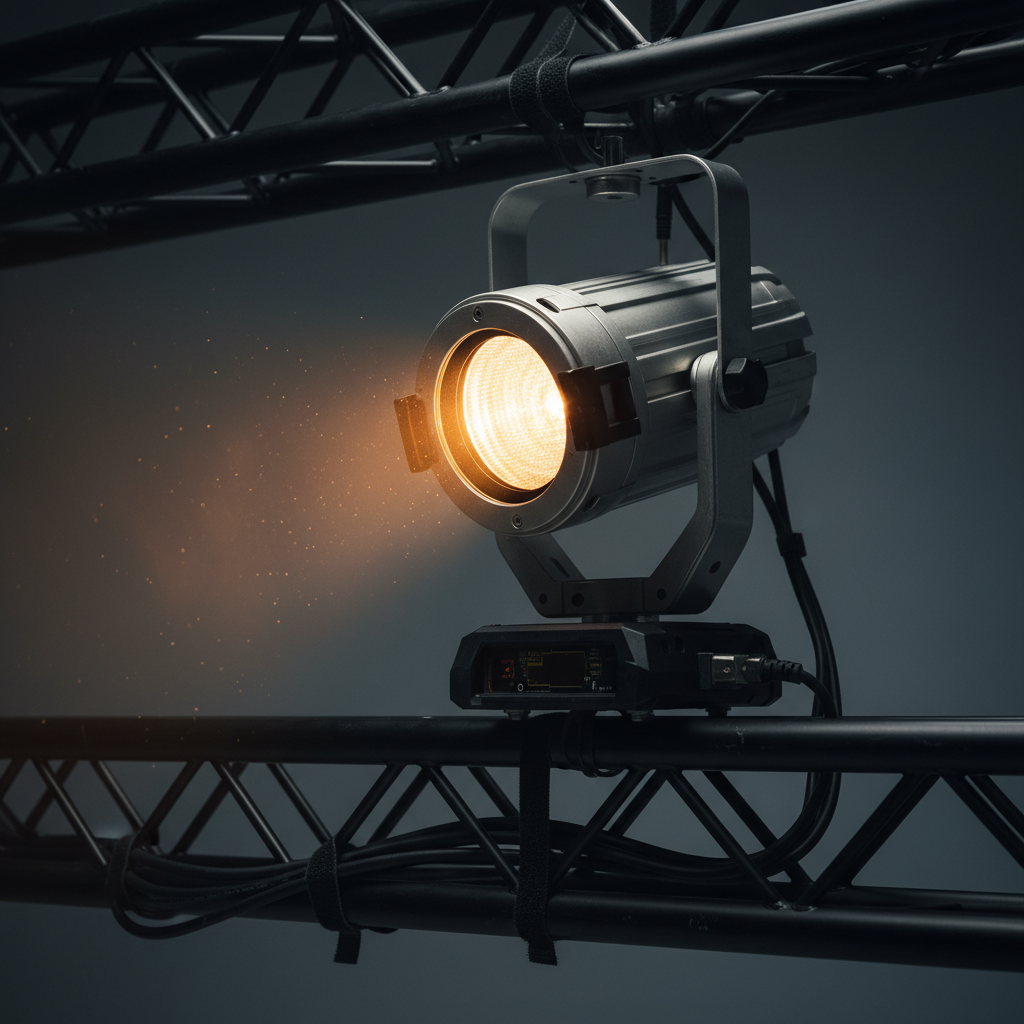
Lighting Design Process: Roles and Responsibilities
- Producer/Planner: Owns objectives, budget guardrails (non-price), and timeline.
- Lighting Designer: Interprets goals into plots, fixture choices, and looks.
- Technical Director: Oversees rigging, power, and safety.
- Programmer/Operator: Builds cues and executes show call.
- Photographer/Videographer: Confirms exposure and angles; coordinates rehearsals.
Typical Timeline (For a One-Day Program)
- T-minus 6–8 weeks: Discovery, concepts, walk-through, and preliminary plot.
- T-minus 2–3 weeks: Final plot, power plan, cue list, and rental confirmations (if needed).
- Show week: Load-in schedule, programming time, and full rehearsal.
- Show day: Preflight checks, cue execution, and operator on headset.
Workflow Comparison Table
| Approach | Pros | Watch-outs |
|---|---|---|
| In-house lighting at MCC | Single team, faster decisions, familiar with hall rigging and power, streamlined show call | Share brand assets early so plots match identity |
| Hybrid (in-house + specialty vendor) | Adds unique fixtures, projection mapping, or kinetic elements | Clarify roles, cue authority, and load-in timing to avoid overlap |
| External only | Brings a preferred touring rig or sponsor-mandated system | Requires additional coordination with venue for power and compliance |
Types of Event Lighting and When to Use Each
Below are common fixtures and techniques we deploy across corporate events, multicultural weddings, school proms and graduations, galas, and trade shows. Choose a handful that suit your goals—less is often more.
- Stage wash LEDs: Even, natural-looking light for speakers and panels.
- Profile spots (ellipsoidals): Crisp, shaped beams for podiums and lecterns.
- Pinspots: Tight beams to make centerpieces, awards, or cakes pop.
- Uplighting: Color on walls or drape; coordinates with décor palettes.
- Moving heads: Dynamic looks for reveals, awards, and dance floors.
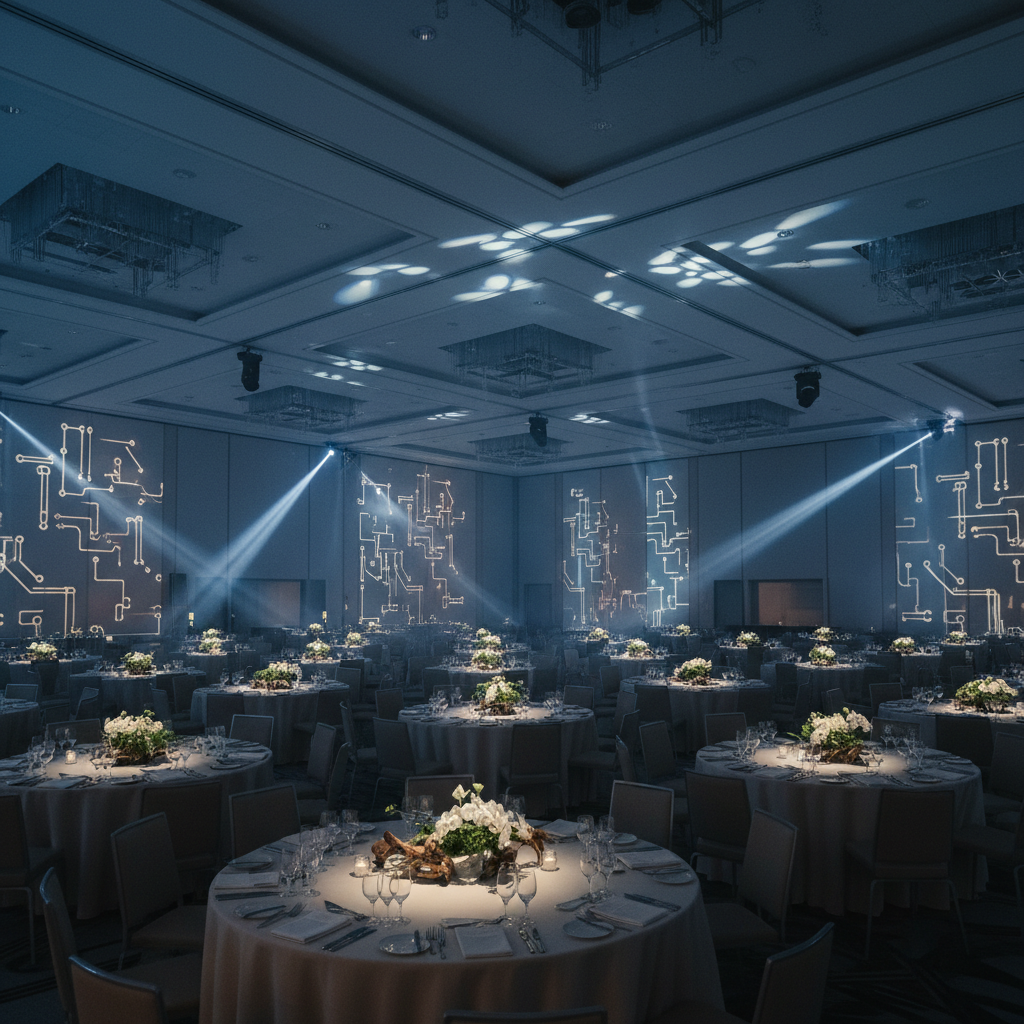
- Gobo projection: Logos, textures, or patterns to brand or add dimension.
- Textured washes: Breakups across walls to avoid flat surfaces in photos.
- Haze (subtle): Makes light beams visible; use sparingly for elegance.
- String and bistro lights: Warm ambiance for patio ceremonies and receptions.
- Wireless uplights: Flexible placement where power is limited.
- RGBW and tunable-white: Accurate skin tones and brand colors.
- Followspots: Manual tracking for presenters or first dances.
- Dance floor effects: Tasteful energy shifts after dinner service.
- Accent lighting: Entrances, bars, lounges, and food stations.
- Exhibit lighting: Track lights and key lights for trade show booths.
Choosing by Outcome (Quick Matrix)
| Goal | Recommended Types | Notes |
|---|---|---|
| Executive keynotes | Stage wash, profiles, subtle backlight | Avoid saturated colors on faces |
| Awards reveals | Moving heads, gobos, haze | Program cue stacks for timing |
| Romantic receptions | Warm uplights, pinspots, string lights | Aim 2700–3200K on skin tones |
| Trade show booths | Track heads, accent floods | Highlight products, limit glare |
Color Strategy That Photographs Well
- Keep fronts neutral: Use warm or neutral key lights on faces; push color to backgrounds.
- Limit saturated mixes: Too many colors at once feels chaotic in person and in photos.
- Honor culture and attire: Our multicultural menus often inspire palettes—coordinate lighting to flatter vibrant fabrics and décor.
Best Practices for Flawless Results
Professional event lighting design succeeds when it’s intentional and invisible—guests feel it more than they notice it.
- Design to the run of show: Every cue should support a moment—entrance, announcement, toast, or reveal.
- Light for cameras first: Photos and video are your long-tail ROI; collaborate with shooters from the start.
- Balance energy: Keep dinner lighting warm and low; raise levels for awards; add movement for dancing.
- Simplify the palette: Two hero colors plus one accent prevent visual noise.
- Protect skin tones: Avoid greens and deep blues on faces; use backlight for separation.
- Mind power and safety: Proper distribution, cable management, and emergency egress are non-negotiable.
- Test and rehearse: Program, walk the room, and review through a camera—then refine.
- Plan for changeovers: Build presets to pivot quickly from dinner to program to after-party.
For social celebrations, couples often preview “looks” during a site visit. If you’re exploring engagements and receptions, our team can align lighting with décor concepts featured in our engagement planning guide and our celebration overview.
Tools and Resources
Whether you’re briefing a vendor or working with our in-house team, these tools and frameworks keep planning crisp and collaborative.
- Design assets:
- Brand color specs (Pantone/RGB/HEX) and any gradients or secondary hues.
- Logo files for gobos (vector preferred) and sample photography for mood.
- Room diagrams and seating charts per selected hall.
- Planning templates:
- Lighting brief (objectives, moments, vibe words, must-avoid colors).
- Run of show with timestamps and cue labels (e.g., “Awards Reveal 1”).
- Photo/video shot list with key lighting dependencies.
- Technical references:
- Fixture plot with positions, heights, and focus notes.
- DMX universe layout and channel allocation.
- Power distribution map and cable paths with safety notes.
- Venue resources at MCC:
- Integrated AV, lighting, staging, and on-site technical support.
- Seven halls with consistent dimensions for modular scaling.
- Outdoor patio for ceremonies and cocktail hours with string lighting and wireless uplights.
- On-site catering spanning South Asian, Pakistani Halal, Middle Eastern, Sri Lankan, Caribbean, and Continental cuisines to inspire palette choices.
To connect lighting with the broader event plan, explore the kinds of programs we host in our events overview; it helps you translate inspiration into specific room setups and timelines.
Case Studies and Real-World Examples
Here are practical snapshots from events we regularly deliver. Names and specifics are generalized, but the scenarios are real.
- GTA corporate awards night (900 guests):
- Goal: Polished staging with high-impact reveals.
- Design: Neutral face light, deep blue wall wash, logo gobos, and moving head sweeps for winner walk-ups.
- Result: Sharp photography, tight pacing, and a finale light chase synced to walk-out music.
- South Asian wedding reception (600 guests):
- Goal: Romantic warmth that complements vibrant attire and décor.
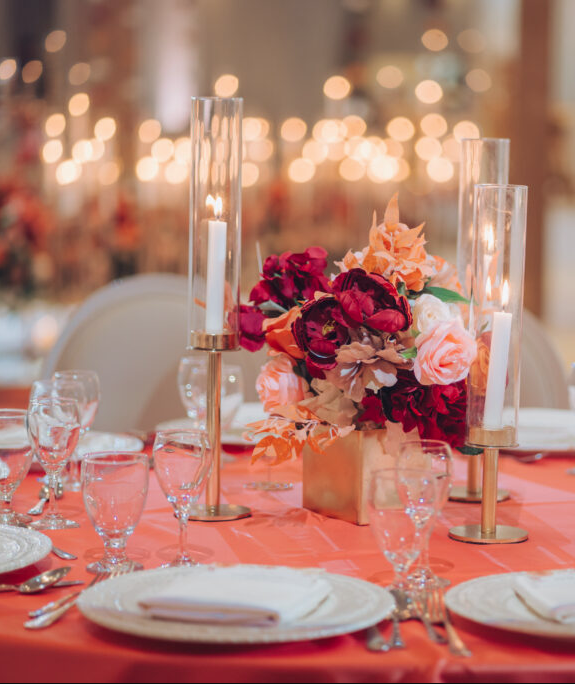
- Design: 3000K front light, warm amber uplights, delicate pinspots on centerpieces, and blush accents on backdrop drape.
- Result: Flattering portraits and a smooth transition to a lively dance floor look after toasts.
- High school prom (500 students):
- Goal: Photo-friendly atmosphere with energetic dance floor moments.
- Design: Neutral room wash for arrivals, then color-mapped moving heads and haze (light touch) for dance sets.
- Result: Safe, well-lit environment with wow-factor when the music kicks in.
- Trade show + breakout sessions:
- Goal: Product-forward lighting that reduces glare and hot spots.
- Design: Exhibit accent lights with controlled beam angles; breakout rooms with clear, even lecture lighting.
- Result: Consistent brand presentation and easier reading/viewing for attendees.
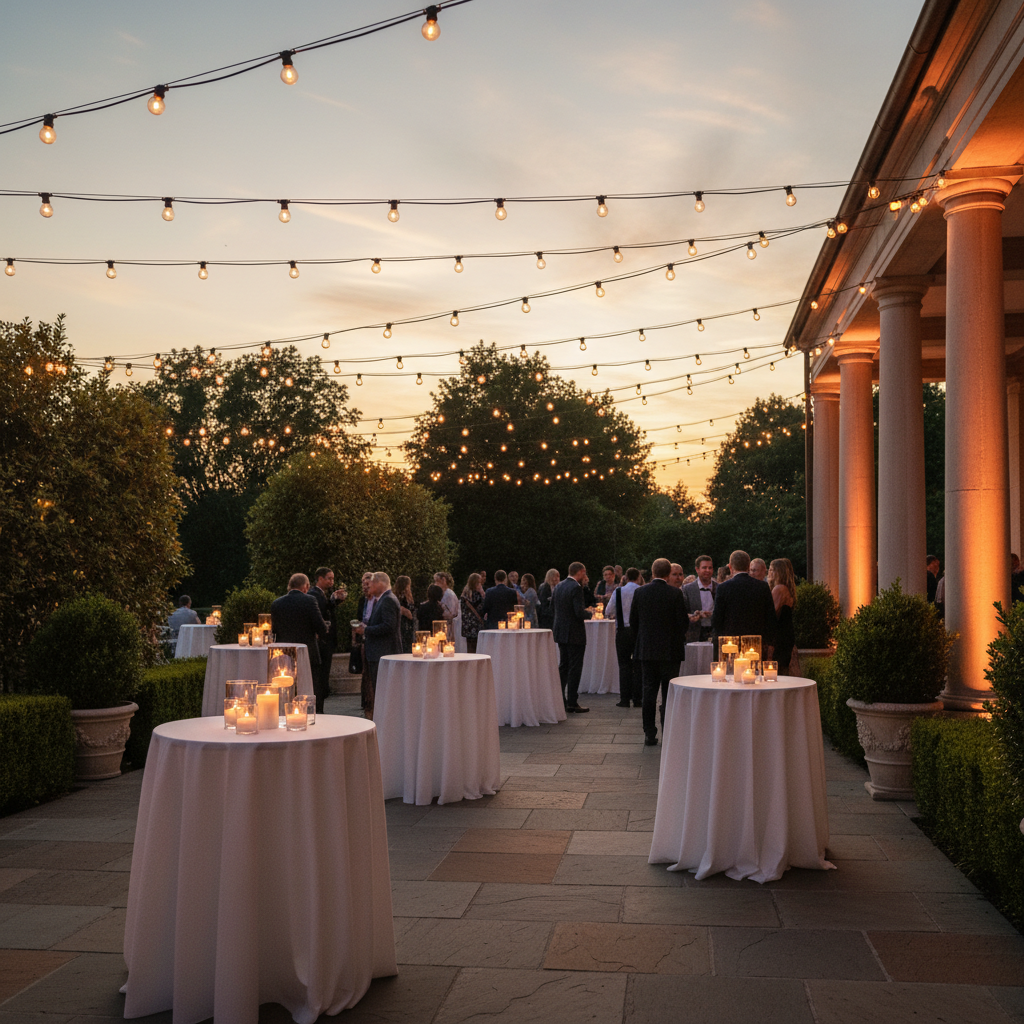
15 Practical Lighting Ideas to Steal
- Pinspot the cake and podium—never rely on room wash for focal items.
- Gobo your monogram or logo on the dance floor or wall (vector art reads best).
- Warm uplights behind the head table; cooler tones at the perimeter for depth.
- Accent entrances to cue arrivals and photography backdrops.
- Swap static looks for gentle movements only after speeches finish.
- Use backlight to separate presenters from draped backgrounds.
- Add haze sparingly to reveal beams during reveals and finales.
- Set a “house look” that operators can return to between moments.
- Light buffets and food stations—beautiful cuisine deserves beautiful light.
- Use wireless uplights on columns outdoors to avoid cable runs.
- Time sunset cues on the patio—fade string lights up as natural light drops.
- Keep lectern lighting steady; reserve color changes for transitions.
- Pre-focus photo corners for sponsors or family portraits.
- Coordinate lighting fades with emcee scripts—silence + fade equals attention.
- Test from the back row; what looks bright at FOH can be dim at the perimeter.
FAQ
- How do I start a professional event lighting design brief?
List your top three objectives, include brand colors, note which moments need emphasis (e.g., keynote open, award reveals, first dance), and attach sample photos that show your desired vibe. Share your agenda and any stage drawings so a designer can propose fixture types, plots, and cues that support the run of show.
- What lighting works best for multicultural weddings?
Warm, flattering front light on faces (around 3000K) with romantic uplights and pinspots for décor. Add soft blush or gold on backdrops and keep dynamic movement for post-dinner dancing. Align hues with attire and décor details—our team often references menu and décor palettes to build a cohesive look.
- Do I need haze for beam effects?
Only a little. Subtle haze helps beams read for reveals and finales, but heavy haze can feel theatrical and affect photos. We favor restrained use that adds drama when you need it and remains invisible when you don’t.
- How early should we program cues?
Lock your plot and cue list 2–3 weeks out, then schedule programming time during load-in. A short rehearsal with the emcee and photo/video team ensures pacing and exposure match your plan. On show day, we keep backup looks ready in case timelines shift.
- Can lighting help with wayfinding at a trade show or gala?
Yes. Use contrasting colors and texture gobos to define lounges, bars, and exhibits, while keeping aisles and signage bright and neutral. This supports traffic flow and improves the attendee experience without adding clutter.
Key Takeaways
- Professional event lighting design shapes mood, focus, and flow—fast.
- Design to your agenda: cue-based transitions make moments land.
- Keep faces neutral; push color to walls, drape, and scenic elements.
- Less is more: a few well-programmed looks outperform busy rigs.
- In-house AV at Mississauga Convention Centre simplifies planning and execution.
Conclusion and Next Steps
Lighting is the quiet partner that turns a schedule into a story. When you translate your goals into color, angle, and timing, everything else—photos, pacing, and guest comfort—falls into place. At Mississauga Convention Centre, our integrated team designs, programs, and executes lighting that fits your brand and culture across seven flexible halls and an outdoor patio.
- Next steps:
- Book a site visit at 75 Derry Rd W to preview looks in hall lighting conditions.
- Bring brand palettes, décor ideas, and key moments for live color mixing.
- Use our planning checklist to align cues, staging, and timelines.
- Looking for broader inspiration? Our events overview and corporate event guide show how lighting integrates with space and service.