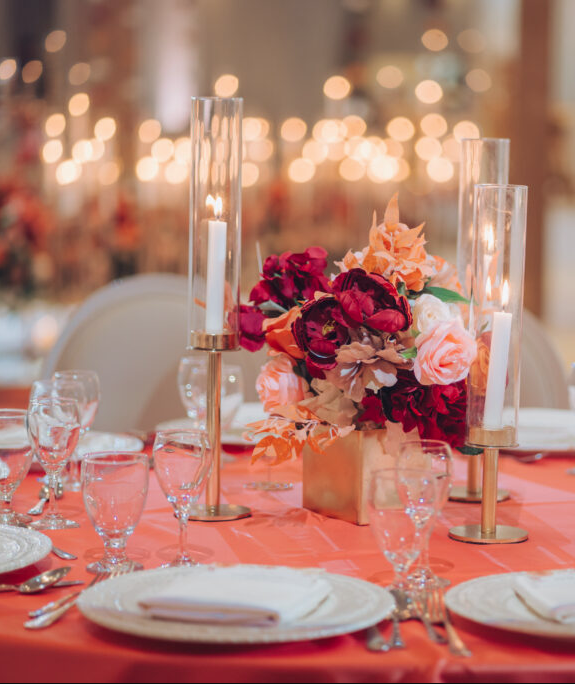

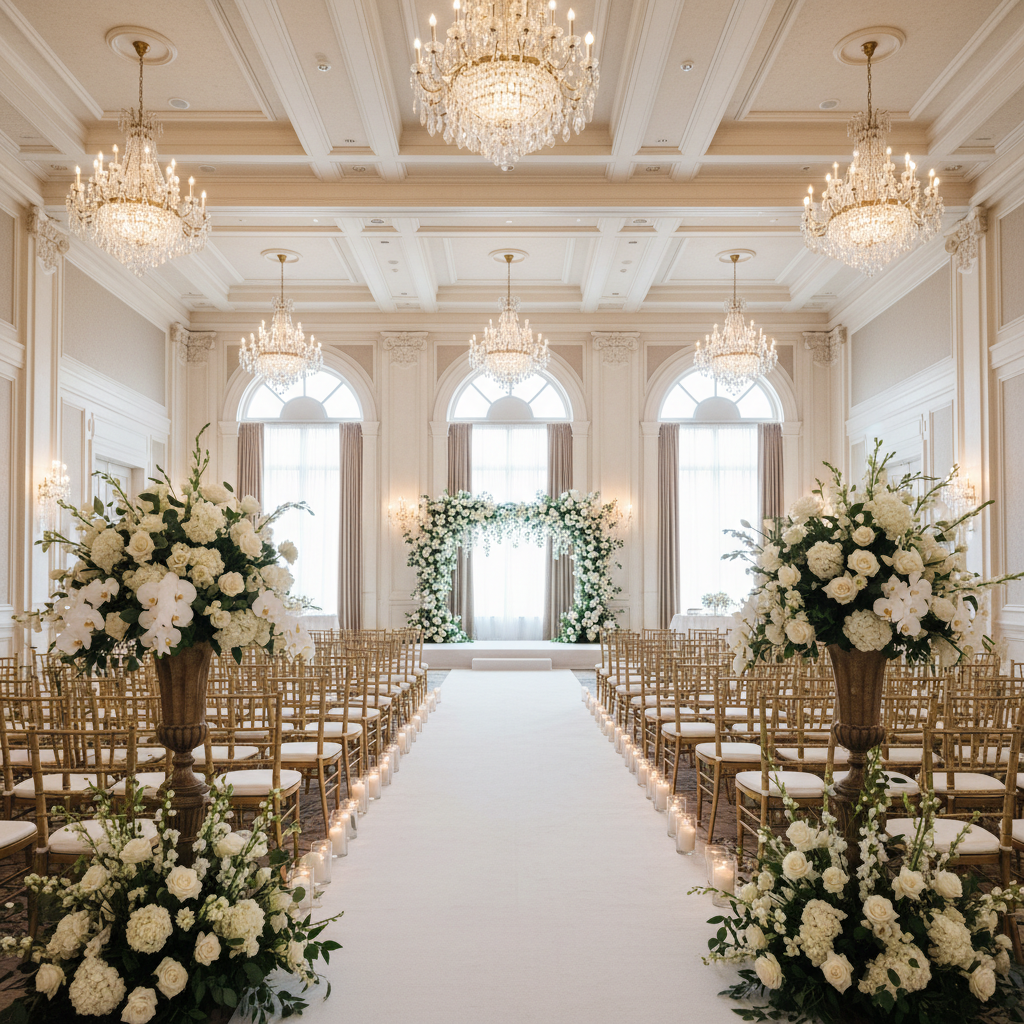
A wedding ceremony timeline is the minute-by-minute plan for the prelude, processional, vows, ring exchange, pronouncement, recessional, and photos. The best timelines are realistic to the venue and team. At 75 Derry Rd W in Mississauga, our on-site AV, staging, and seven halls make it easy to keep every moment on schedule.
By Preet Dass • Mississauga Convention Centre • Last updated: 2026-06-05
Quick Summary: What you’ll get in this guide
Use this guide to design a clear, stress-free wedding ceremony timeline from guest arrival to the recessional. You’ll get step-by-step instructions, ready-to-use templates (20, 30, 60+ minutes), cultural variations, AV cues, and a run-of-show table you can hand to your officiant, DJ, and photographer.
Here’s the thing—ceremony minutes move fast. A solid plan prevents delays, protects your photo time, and keeps family relaxed. This guide is written for couples planning in the Regional Municipality of Peel and across the GTA, with venue-backed examples from our team on Derry Road.
- Plain-language definitions and roles
- Step-by-step build-out with exact minutes
- Templates for 20, 30, 45, and 60+ minutes
- Cultural formats: civil, Christian, South Asian, interfaith
- Audio/visual cues, staging, and accessibility notes
- Hand-off tools: run sheet, lineup order, mic plan
Local considerations for 75 Derry Rd W
- Build 10–15 minutes of cushion for traffic along Hurontario St At Derry Rd; it helps on busy weekends and during airport peaks.
- Winter arrivals need coat-check flow; summer patios require shaded hydration. Weather buffers protect your timeline.
- Schedule an AV check on-site; our in-house team coordinates mics, walk-in music, and lighting so cues hit on time.
What is a wedding ceremony timeline?
A wedding ceremony timeline is a detailed schedule covering arrival windows, processional order, readings, vows, ring exchange, pronouncement, recessional, and immediate photos. It assigns minutes to each segment, names who cues what (officiant, DJ, coordinator), and bakes in buffers so the ceremony starts and ends on time.
Think of it as your show flow. It lists who enters when, which song plays, how long vows run, and who dismisses rows after the recessional. Typical ceremonies run 20–30 minutes for civil formats, 30–45 for many religious services, and 60+ for South Asian traditions. Your version can be shorter or longer—just make every minute intentional.
- Scope: Guest arrival, prelude music, lineup, processional, welcome, readings or rituals, vows, rings, pronouncement, kiss, recessional, post-ceremony photos.
- Ownership: Officiant (script), coordinator (flow), DJ/band (music cues), AV tech (mics, lighting), photographer (positions), venue (doors, seating, accessibility).
- Deliverables: One-page run sheet, lineup chart, AV cue sheet, contact list, backup plan for weather or late arrivals.
Why your ceremony timing matters
Ceremony timing protects the rest of your day. When the vows start and end on schedule, you preserve portraits, cocktail hour, and dinner service. A clear timeline also calms family, reduces vendor questions, and keeps your reception program running smoothly.
We’ve seen it repeatedly: a five-minute delay during lineup can cost 15–20 minutes later, especially when relocating for photos. On-site parking for roughly 700 cars at our venue reduces late arrivals, and multiple halls mean you can stage portraits immediately without shuttling. Precision early means a relaxed reception later.
- Lighting windows: Golden-hour photos typically land 45–60 minutes before sunset—anchor your ceremony end time to protect that light.
- Guest comfort: Seating, climate, and audibility make or break the experience; mic checks and aisle width matter more than people realize.
- Catering flow: Starting dinner on time protects food quality. A delayed recessional often compresses cocktail hour.
How to build your wedding ceremony timeline (step-by-step)
Start with your hard times: invitation time, ceremony start, golden hour, dinner service. Then assign minutes to each ceremony segment, add 10–15 minutes of buffers, and confirm who cues music, doors, and mics. Share the run sheet with officiant, DJ, photographer, and venue.
1) Lock non-negotiables
- Venue access: Confirm earliest load-in and guest-seating times; our seven halls open on a precise schedule to support décor and AV.
- Photography: Map family lists and time blocks; 30–45 minutes is common right after the recessional.
- Dinner service: Coordinate with catering so appetizers and mains hit peak quality; a reliable handoff avoids bottlenecks.
2) Draft the segment minutes
- Preshow music: 15–20 minutes while guests arrive and are seated.
- Processional lineup: 5–8 minutes, depends on aisle length and party size.
- Welcome and remarks: 2–4 minutes.
- Reading or ritual: 3–7 minutes each.
- Vows: 2–4 minutes (personalized vows may add 2–3 minutes each).
- Rings: 2 minutes, with mics angled for audibility.
- Pronouncement and kiss: 1 minute.
- Recessional: 2 minutes, then move to portraits.
3) Set ownership and cues
- Officiant: Holds script and pacing; gives nods for music and entrances.
- DJ/band: Manages prelude, processionals, and recessional tracks at specified timecodes.
- AV tech: Tests lapel and handheld mics; sets lighting levels; monitors for feedback.
- Coordinator: Stages processional lineup, straightens attire, and keeps doors synchronized.
4) Add the buffers
- Include 5 minutes between lineup and first entrance; people breathe, photos look better.
- Hold 10 minutes between recessional and portraits for hugs and tissue breaks.
- Plan 10–15 minutes for weather or traffic contingencies if you’re using the outdoor patio.
Want a reception that stays calm too? See our comprehensive reception timeline and the matching reception timeline template you can copy.
Wedding ceremony timeline templates (20, 30, 60+ minutes)
Use these ready-made timelines to fit your style and photo plan. Civil ceremonies often run 20–25 minutes, many religious services 30–45 minutes, and South Asian rituals 60+ minutes. Choose a base template, then adjust entrances, readings, and vows to match your officiant and cultural traditions.
20-minute civil ceremony (indoor ballroom)
- Guest arrival and prelude music: 15 minutes
- Processional (parents, wedding party, partner): 5 minutes
- Welcome and brief reading: 4 minutes
- Vows and ring exchange: 6 minutes
- Pronouncement, kiss, recessional: 2 minutes
- Immediate portraits near ceremony arch: 30 minutes
30–35 minute Christian ceremony
- Prelude: 15 minutes
- Processional and hymn: 7–8 minutes
- Welcome, prayer, and reading: 7–9 minutes
- Homily: 5–6 minutes
- Vows and rings: 6–8 minutes
- Pronouncement, hymn, recessional: 3 minutes
60–75 minute South Asian-inspired ceremony (fusion)
- Ganesh puja/opening blessing: 8–10 minutes
- Kanyadaan or family blessing: 8–10 minutes
- Varmala/garland exchange: 5 minutes
- Saptapadi/seven steps with vows: 12–15 minutes
- Mangalsutra/sindoor or ring ceremony: 6–8 minutes
- Closing blessings and recessional: 6–8 minutes
Planning a South Asian celebration? Our South Asian venue checklist covers staging, seating, and Halal-friendly catering so your rituals run seamlessly.
Lineup order and roles (who walks when, and why)
Finalize the processional by relationship, tradition, and accessibility. A common order: officiant, grandparents, parents, wedding party, ring bearer/flower child, partner A, then partner B. For recessional, reverse the order. Assign an usher to steady anyone who needs support.
- Grandparents and parents: Seat closest relatives last so they’re easy to cue.
- Wedding party: Pair by height and aisle width; 6–8 seconds between pairs keeps the song phrasing smooth.
- Ring bearer/flower child: Give a simple task and a landmark; our long center aisles help with confidence.
- Partners: Decide entrances—solo, with parents, or together—to match your story and tradition.
Polish these choices during rehearsal. We stage rehearsals in the same hall or a mirror-size space when another ceremony is live—consistency keeps nerves low.
Music and AV cues that make moments land
Script your audio like a soundtrack: prelude for arrival, one processional for family, one for the wedding party, and a distinct entrance track. Use matched volume, clean fades, and mic checks. Confirm backups offline in case Wi‑Fi drops.
- Prelude: 15–20 minutes of ambient instrumentals set the tone.
- Processional: 2–3 cues: family, party, main entrance. Name timestamps.
- Mic plan: Lapels for officiant and readers; handheld at podium for vows if preferred.
- Redundancy: Have tracks on phone and USB. Our team can patch either in under a minute.
- Lighting: Soft wash for prelude; tighten spots for vows and pronouncement. Dim house lights slightly for photos.
For a venue-wide plan, explore our wedding venue rental in Mississauga page—AV, staging, and floor plans help you spot cue timing early.
Traditions and variations (civil, religious, interfaith, fusion)
Match your timeline to your tradition. Civil ceremonies emphasize brevity and personalization; religious services add readings and blessings; interfaith and fusion formats honor two cultures in one flow. Anchor to what guests need to see and hear to feel included.
- Civil: 15–25 minutes with a welcome, short reading, vows, rings, pronouncement, and recessional.
- Christian: 30–45 minutes including prayer, readings, message, vows, and blessing.
- South Asian: 45–90+ minutes with rituals like saptapadi; microphones and seating sightlines are essential for inclusion.
- Interfaith: Combine core rituals in sequence and provide a printed guide so guests follow along.
When timelines get longer, comfort details matter: cushioned seating, water stations, and clear audio. That’s where an indoor hall with controlled lighting, plus our customizable outdoor patio for rituals, makes a big difference.
Sample run-of-show table you can hand off
Use this one-page run sheet to align your officiant, coordinator, DJ, AV tech, and photographer. Fill the times, confirm who cues each step, and attach your lineup chart. Print extras for family and ushers so everyone knows the plan.
| Segment | Minutes | Lead/Cue | Notes |
|---|---|---|---|
| Guest arrival & prelude | 15–20 | DJ/AV | Doors open; ADA seating priority |
| Lineup & final checks | 5 | Coordinator | Attire straightened; bouquets/florals ready |
| Processional | 5–8 | Coordinator/DJ | Song A (family), Song B (party), Song C (entrance) |
| Welcome & reading | 4–6 | Officiant | Mic levels fixed; photographer position 1 |
| Vows & rings | 6–8 | Officiant | Handheld ready for vows if needed |
| Pronouncement & kiss | 1 | Officiant/DJ | Recessional track queued +10 sec |
| Recessional | 2 | Coordinator/DJ | Ushers dismiss rows for hugs |
| Portraits | 30–45 | Photographer | Family list in order; water on standby |
Our halls average ~4,250 sq ft each, so you can stage portraits in the same space or step to an adjacent hall. That saves 10–15 minutes versus moving outdoors—time that often protects your cocktail hour.
Common pitfalls—and how to avoid them
Most timeline issues come from unclear ownership and unrealistic minutes. Assign every cue, test audio, and add buffers. Print the run sheet and place it with the officiant and DJ. If anything slips, use your buffers—not the photo window—to catch up.
- Unassigned music cues: Solve with a cue sheet listing exact track order and timestamps.
- No mic test: Schedule a 10-minute sound check; feedback or dead batteries cost minutes.
- Late starts: Close doors 2 minutes before the first entrance; ushers seat latecomers after the processional.
- Overlong readings: Cap each at 3–4 minutes; print large-font copies for readers.
- Weather surprises: If using the patio, pre-stage an indoor backup with identical layout.
For venue fit and flow, see our venue comparison guide to align guest count, room size, and accessibility with your ceremony plan.
Checklists, tools, and helpful resources
Centralize your documents: one-page run sheet, lineup chart, AV cues, and vendor contacts. Share a single source of truth at least a week out. Store digital copies offline and print five hard copies for the day.
- Run sheet + lineup: Keep to one page each; hand to officiant, DJ, photographer, coordinator, and an usher.
- AV cue sheet: Track names, timestamps, mic plans, lighting notes, and backups (USB + phone).
- Rings and rituals: Prep your exchange wording and ring placement; for inspiration, browse this practical wedding ring guide.
- Dessert timing: If you’re planning traditional sweets for post-ceremony tea, this brief wedding menu planning overview can spark ideas for your dessert table lineup.
- Heirloom guidance: When confirming ring metals and care, this engagement ring guide offers helpful context to discuss with your jeweler.
Bookmark and adapt what works for you, but keep your final documents short and readable. Your team needs clarity, not a novel.
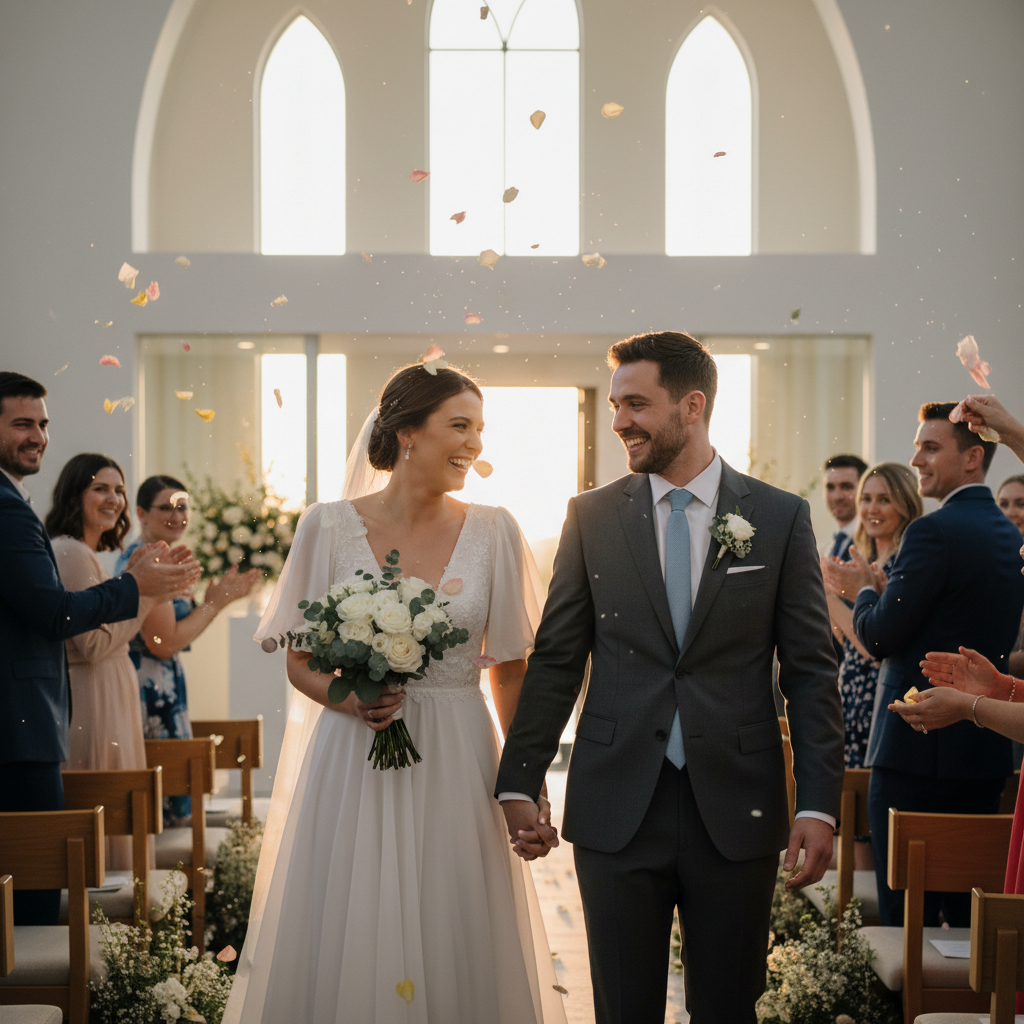
Case examples from Mississauga couples
Real schedules beat theory. These three Mississauga case examples show how buffers, AV cues, and room choice keep ceremonies smooth. Each example preserved portraits and started dinner on time, which kept guests happy and the reception energy high.
Example A: 30-minute indoor civil ceremony, 180 guests
- Room: single hall (~4,250 sq ft) with center aisle and 3 camera positions
- Prelude 15, lineup 5, processional 6, welcome/reading 5, vows/rings 6, pronouncement/recessional 3
- Portraits 35 minutes using the ceremony arch; cocktail hour began on time
Example B: 45-minute Christian ceremony with live musicians, 220 guests
- Room: two combined halls; side stage for quartet, lapels for officiant and readers
- Prelude 20, processional 8, prayer/readings 10, message 7, vows/rings 6, recessional 2
- Portraits 40 minutes in adjacent hall to keep cocktail traffic flowing
Example C: 70-minute South Asian–inspired ceremony, 300 guests
- Room: combined halls; mandap center-stage, dedicated seating for elders up front
- Key rituals: blessings 10, varmala 5, saptapadi 14, mangalsutra/sindoor 8, readings 10, pronouncement/recessional 3
- Portraits 45 minutes; mandap stayed intact for family photos, then repurposed for reception stage
Need a walkthrough without leaving home? Use our virtual resources alongside your run sheet to visualize guest flow and cue timing before rehearsal.
Venue and logistics considerations at 75 Derry Rd W
At 75 Derry Rd W in the Regional Municipality of Peel, easy highway access, ~700 free parking spots, and seven similarly sized halls simplify ceremony logistics. That flexibility shortens changeovers, preserves photo time, and keeps dinner service punctual.
- Access and parking: On-site parking reduces late arrivals and stress for elderly guests.
- Parallel staging: Use an adjacent hall for portraits or tea service to save 10–15 minutes.
- AV readiness: In-house lighting, mics, and staging mean faster sound checks and consistent audio.
- Outdoor patio: Offer rituals or tea outdoors, then move seamlessly inside if weather turns.
Considering room options and décor? Our Mississauga banquet hall overview outlines layout choices that support your timeline.
Rehearsal and day-of execution
Rehearse the lineup, song changes, and mic handoffs. On the wedding day, post copies of the run sheet backstage, brief ushers on late seating, and start prelude music 15–20 minutes before the first entrance. Have tissues, water, and safety pins ready.
- 60 minutes before: Mic check, music test, and lighting levels.
- 30 minutes before: Family arrives at lineup room; bouquets and boutonnieres checked.
- 10 minutes before: Doors close, final attire straightening, entrance cue confirmed.
- Post-ceremony: Ushers guide couple to a private pause before portraits; coordinator secures gifts/documents.
For a fully coordinated evening program, align this plan with your reception sequence so dinner, speeches, and dances feel effortless.
Frequently Asked Questions
These concise answers cover timing, buffers, and coordination. Share them with your wedding party and vendors so everyone speaks the same language and understands how the ceremony connects to portraits and reception service.
How long should a wedding ceremony be?
Most civil ceremonies run 20–25 minutes. Many religious services are 30–45 minutes, and South Asian rituals can be 60 minutes or longer. Pick the length that fits your traditions and photo plan, then add 10–15 minutes of buffer to protect transitions.
When should guests arrive and be seated?
Invite guests 15–30 minutes before the ceremony start. Begin prelude music as doors open. Close doors about 2 minutes before the processional so the entrance feels intentional, and seat any latecomers after the wedding party has entered.
How do we keep the processional on beat?
Pair attendants by aisle width and set a pace of roughly 6–8 seconds between pairs. Use three distinct tracks (family, party, main entrance). The coordinator and DJ should agree on cues and fades during rehearsal to keep music phrasing tight.
Where should ring exchange items be during the ceremony?
Place rings with the ring bearer or an honor attendant who stands nearest the officiant. Keep one small tray or box on the front row as a backup. Angle mics toward hands and voices so guests can both see and hear the exchange clearly.
Should we do a receiving line or greet guests later?
Skip a receiving line if you’re tight on time. A quick private pause after the recessional, then moving directly into curated portraits, usually protects your photo window and keeps cocktail hour on schedule. Greet tables efficiently during dinner instead.
Wrap-up and next steps
Lock your ceremony start time, assign minutes to each segment, and print a one-page run sheet. Share it with your officiant, DJ, photographer, and venue. Use buffers to absorb hiccups so your portraits and reception begin exactly when planned.
- Key takeaways:
- Start with fixed times (golden hour, dinner service), then build backward.
- Keep the run sheet short and clear; assign every cue to a person.
- Use adjacent spaces for portraits to save 10–15 minutes.
- Protect audio quality with lapels, a handheld backup, and a 10-minute sound check.
Need a venue-aligned plan? Our team can review your run sheet, map entrances, and coordinate AV cues so every moment lands. Book a walkthrough at Mississauga Convention Centre and experience how the right hall choice simplifies your day.