 20 September, 2026
Last updated: October 2026
Build a Caribbean Catering Menu
Caribbean catering is not one fixed menu. The region includes distinct culinary traditions, ingredients, cooking methods, and levels of heat, so the best menu gives guests a clear sense of place while remaining practical for the event format. A useful brief identifies the occasion, guest count, meal period, budget parameters, dietary requirements, desired spice level, and the experience the host wants to create.
For an event at Mississauga Convention Centre, the in-house culinary team can help translate that brief into a menu that works for a corporate reception, wedding, gala, school celebration, or cultural gathering. A tasting is especially valuable when the menu includes several rich or spicy dishes: it lets the host compare seasoning, portion size, garnish, texture, and presentation before the final menu is confirmed.
Start with recognizable signature dishes
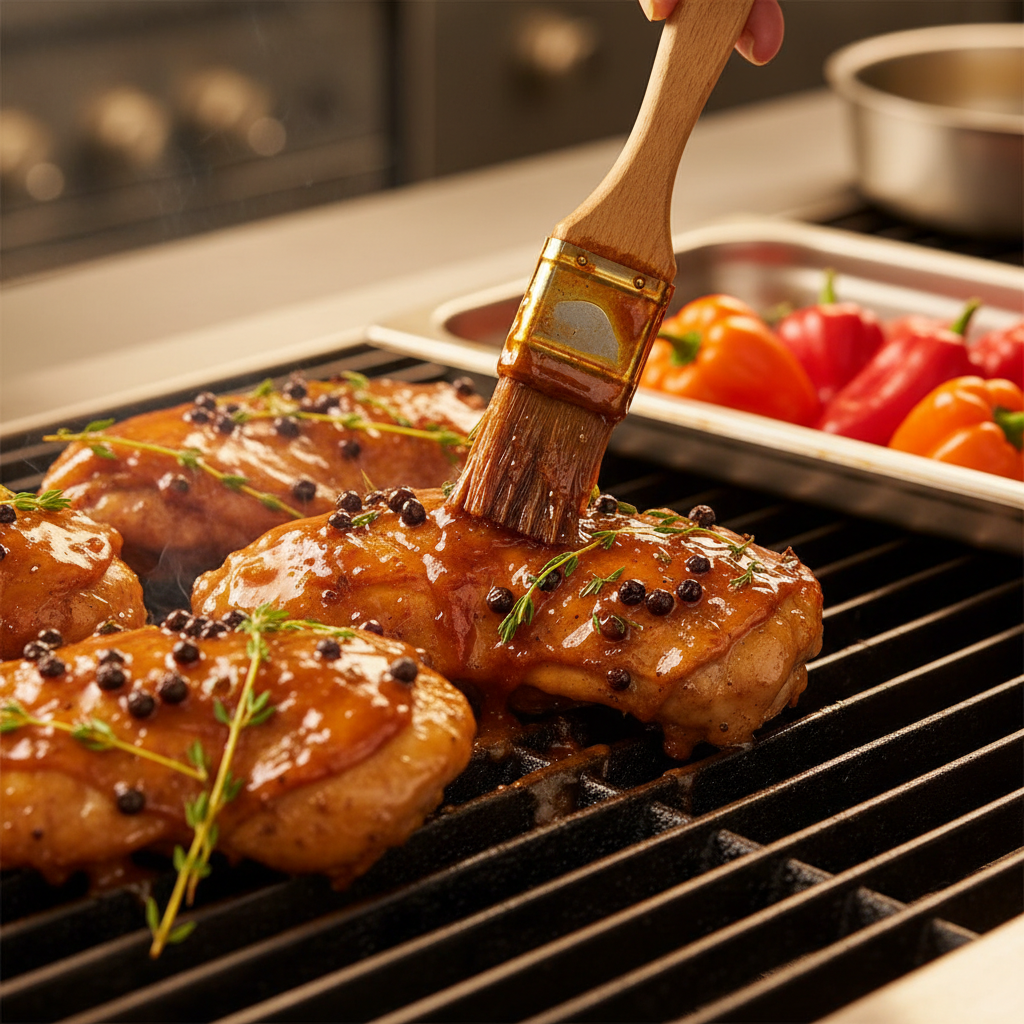
Popular Caribbean menu components can provide familiarity while still leaving room for regional character. Depending on the final menu and culinary direction, options may include jerk chicken, curry goat, braised oxtail, escovitch fish, pepper shrimp, rice and peas, roti, fried plantains, callaloo, stewed cabbage, mango slaw, festival, patties, cod fritters, doubles, rum cake, coconut tart, and tropical fruit.
Build contrast rather than selecting several dishes that taste or feel alike. A rich braise benefits from something fresh and acidic, such as a citrus slaw; a spicy entrée can be paired with a mild starch and cooling garnish; and a buffet with multiple proteins should include vegetables that are substantial enough to serve as a main option.
Balance heat, richness, and texture
- Heat: Offer sauces or pepper-based condiments separately when guests have different spice tolerances. Label the level clearly rather than assuming every guest wants the same intensity.
- Richness: Pair braised meats, creamy sides, or fried items with greens, slaw, fruit, or citrus-forward accompaniments.
- Texture: Combine tender proteins and soft starches with crisp slaw, fried plantains, dumplings, or fresh garnishes.
- Dietary variety: Include a substantial vegetarian selection and, where appropriate, a seafood option rather than treating dietary dishes as afterthoughts.
- Meal progression: Use lighter starters during cocktail hour, satisfying mains for dinner, and smaller sweets or fruit for the final course.
Write a menu brief guests can understand
Dish names and tent cards should give guests useful information without overcrowding the buffet. State the main ingredient, identify significant allergens through the venue’s established process, and distinguish vegetarian, seafood, and Halal-friendly pathways where applicable. If a dish is very spicy, say so directly; if pepper sauce is served separately, place it beside the dish it complements.
A concise menu brief also helps the kitchen and service teams. Include the final dish name, serving temperature, garnish, dietary designation, portion expectation, replenishment order, and the person responsible for answering guest questions. This reduces last-minute interpretation when the room is busy.
Choose the Right Service Style
The best service style depends on the agenda, guest count, room layout, staffing plan, and the level of interaction desired. Buffet, plated, family-style, and action-station service can all work with Caribbean food, but each creates different demands for timing, equipment, and guest movement.
| Service style | Best fit | Planning priority |
|---|---|---|
| Buffet | Large receptions, conferences, school events, and flexible dinner periods | Use clear signage, accessible lines, replenishment plans, and separated beverage or dessert stations |
| Plated | Formal dinners, awards programs, and schedules with defined course cues | Coordinate kitchen timing with speeches, stage activity, table numbers, and dietary substitutions |
| Family-style | Weddings, celebrations, and events built around shared dining | Allow table space for platters and confirm how dietary meals will be delivered |
| Action stations | Receptions and programs seeking interaction or made-to-order service | Plan queue space, power or equipment needs, staff positions, and a backup replenishment method |
When a buffet is the practical choice
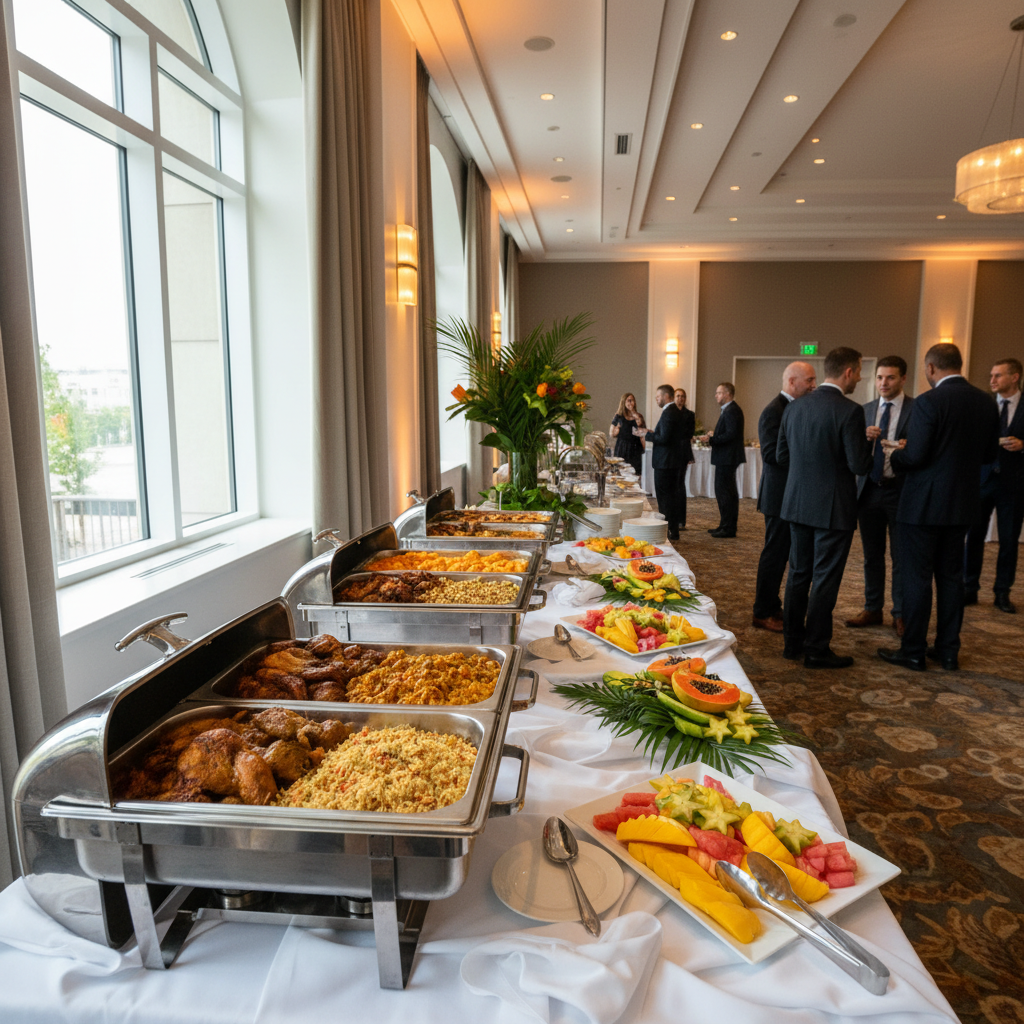
A buffet gives guests control over portion size and lets the host present several dishes in one visual display. It is often effective for a varied guest list because people can choose their preferred protein, starch, vegetables, and heat level. The trade-off is that a buffet needs deliberate traffic planning: guests should not have to cross the room repeatedly for plates, cutlery, condiments, or drinks.
For a large group, consider more than one access point, duplicate high-demand dishes where appropriate, and place slower or more specialized items after the core plates are built. Beverage and dessert satellites can keep the main line moving. Hosts or service staff can release tables in stages when the dinner is tied to a speech or presentation schedule.
When plated or family-style service works better
Plated service creates a polished, synchronized experience and makes portion control easier, but it requires accurate guarantees, table assignments, dietary tracking, and close coordination with the kitchen. It suits formal corporate dinners, galas, and weddings where the meal is part of a structured program.
Family-style service encourages conversation and generosity at the table. It needs sufficient table space, a clear replenishment plan, and a reliable method for delivering vegetarian, seafood, allergen-aware, or other special meals without confusion.
Use action stations for theater with a plan
A roti, carving, finishing, or other live station can make the meal feel interactive. It should not be added solely for visual effect: the station needs adequate queue space, a defined service rate, clear menu information, and enough prepared backup to prevent a visible pause. Place it where guests can watch without blocking the main dining route.
Follow a Reliable Event Workflow
A strong Caribbean cuisine catering guide must address more than recipes. The event succeeds when the menu, room, equipment, staffing, agenda, and guest communication are treated as one operating plan. The following workflow gives planners a practical sequence from first conversation to post-event review.
1. Confirm the event brief
Record the date, venue space, estimated attendance, event type, meal period, guest arrival pattern, agenda, budget framework, and service expectations. Ask whether guests will be seated, circulating, or moving between sessions. Corporate events may need a fast meal window between presentations, while weddings and cultural celebrations may place more emphasis on family-style dining, speeches, dancing, or late-night food.
At Mississauga Convention Centre, the brief should also identify the selected hall, room setup, staging requirements, audiovisual needs, parking expectations, and any breakout or reception areas. The Centre offers seven halls of approximately 4,250 square feet each and total capacity of more than 2,200 guests, so room selection should follow the event’s actual format rather than headcount alone.
2. Schedule a tasting and lock the menu direction
Use the tasting to compare spice levels, sauces, portion sizes, side-dish balance, presentation, and service temperature. Bring the people who can approve the menu, and document decisions immediately. A final menu brief should distinguish confirmed dishes from alternatives and should list dietary accommodations in language the kitchen and service teams can use.
Do not wait until the event week to decide whether a dish is mild, medium, or hot. Heat expectations affect sauces, signage, guest communication, and sometimes the order in which food is presented.
3. Select the room layout and service route
Map guest entry, registration, coat check, seating, buffet or station access, beverage placement, washrooms, exits, stage sightlines, and kitchen or service-door routes. Keep guest traffic separate from staff replenishment paths wherever possible. If the program includes a keynote, awards, or speeches, confirm that food service will not interrupt sightlines or sound cues.
For a buffet, show where plates begin, where the main dishes sit, and how guests reach cutlery, condiments, and drinks. A simple diagram can reveal bottlenecks before furniture and equipment are moved into the room.
4. Build the production and staffing plan
Assign ownership for kitchen production, replenishment, dietary meals, buffet presentation, guest questions, clearing, temperature checks, and communication with the event lead. The staffing plan should reflect service complexity, not just guest count. A plated dinner, live station, and multi-room program require different roles even when attendance is similar.
Prepare backup pans and replacement utensils before guests arrive. Assign one person to monitor the buffet and communicate when a dish needs replenishment, rather than relying on several staff members to notice the same issue independently.
5. Coordinate food, AV, and show cues
Food service should appear in the run-of-show alongside speeches, performances, awards, room transitions, and lighting changes. Decide who announces table releases, who signals the kitchen, and who can pause or redirect service if the agenda changes. Integrated audiovisual, lighting, staging, and technical support can make these handoffs easier when the responsibilities are agreed in advance.
| Planning milestone | What to confirm |
|---|---|
| Initial consultation | Guest profile, event purpose, date, room, meal period, and service goals |
| Tasting stage | Dish selection, heat levels, portions, presentation, and dietary pathways |
| Menu and layout lock | Final menu, room plan, staffing roles, equipment, signage, and AV needs |
| Final guarantee period | Attendance, table plan, special meals, agenda changes, and delivery timing |
| Event day | Temperature checks, service cues, replenishment, guest questions, and debrief notes |
Plan Dietary Needs and Food Safety
Inclusive Caribbean catering begins with accurate information. Ask guests or the event organizer to identify vegetarian, vegan, seafood, allergy-related, and Halal-friendly requirements using the venue’s established process. A dietary tracker should record the guest or table, required meal, service method, and any communication needed at the event.
Keep dietary service clear
Do not rely on color alone to identify a special meal. Use readable labels and, for plated or family-style events, a controlled delivery process that lets service staff confirm the recipient without announcing private medical information. Separate utensils and serving vessels should be used according to the kitchen’s food-safety procedures.
For a multicultural guest list, a Caribbean menu can sit alongside South Asian, Pakistani Halal, Middle Eastern, Sri Lankan, or Continental selections when the menu is designed as a coherent whole. Explain the relationship between dishes, avoid implying that one cuisine is a substitute for another, and use clear labels so guests can make informed choices.
Control holding, handling, and replenishment
Hot foods should be held at 140°F or warmer and cold foods at 40°F or below, with the applicable requirements and procedures confirmed with the relevant public-health authority before execution. Use calibrated probes, documented checks, clean serving utensils, and planned swap intervals. The exact operating procedure should be set by the responsible food-service team rather than improvised during service.
Temperature control begins before the buffet opens. Stage hot boxes, induction chafers, heat lamps, sneeze guards, backup pans, and thermometers where staff can use them efficiently. Replenish in smaller, timely batches when appropriate instead of leaving a large quantity exposed for the entire meal period.
Build a guest-friendly flavor experience
Place sauces, pepper condiments, citrus, and garnishes where guests can access them without reaching over other dishes. Use mild and hotter options with direct labels. Staff should know how to describe the menu accurately, including whether a dish contains meat, seafood, dairy, nuts, or significant heat.
Coordinate Venue Logistics in Mississauga
Venue logistics influence how well a Caribbean menu is received. A room can have excellent food and still feel disorganized if guests cannot find the buffet, if the queue blocks the entrance, or if stage cues compete with service. A planning conversation should connect catering with access, parking, room layout, audiovisual support, staging, and the timing of vendor arrivals.
Mississauga Convention Centre is located at 75 Derry Road West, minutes from major highways and Toronto Pearson International Airport. Its approximately 700 on-site parking spaces can simplify arrival planning for local and out-of-town guests, while the seven halls support different combinations of dining, presentations, receptions, and breakout activity.
Plan arrival and load-in details
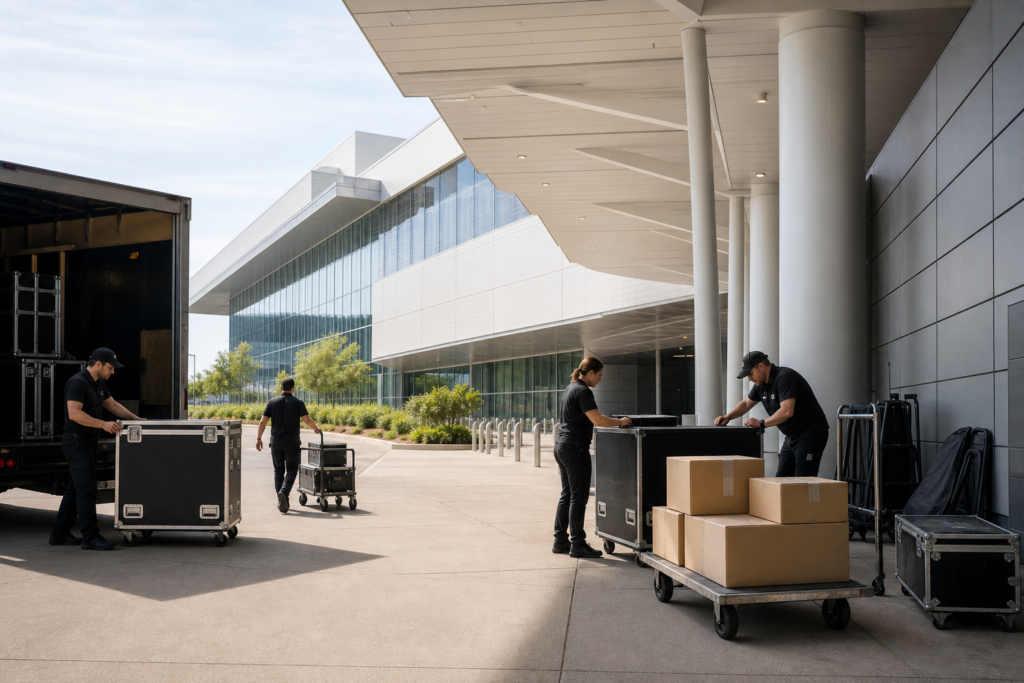
Confirm where catering equipment, décor, entertainment, and technical vendors will enter and when each team can access the room. Build a realistic setup sequence that allows the kitchen and service team to complete food staging before guests arrive. If several suppliers are involved, assign one event contact to coordinate access and prevent overlapping deliveries.
Winter events need particular attention to coats, wet footwear, arrival queues, and the transition from parking to the entrance. These are operational considerations rather than menu details, but they affect when guests reach the room and how quickly a reception can begin.
Use the venue’s in-house capabilities
In-house catering, audiovisual systems, lighting, staging, and technical support can reduce the number of separate handoffs in the event plan. Discuss which services are included, which require advance specifications, and who owns each decision. If the program includes a Caribbean buffet, confirm lighting that shows the food clearly without creating glare, as well as microphones for table-release or service announcements.
When comparing venues, use this guide to choose an event venue in Mississauga based on access, capacity, room flexibility, parking, catering, and technical support rather than appearance alone.
Match the space to the guest experience
A corporate dinner may need a clear view of the stage and a fast meal interval. A wedding may need space for a dance floor, family-style platters, and photography. A school celebration may benefit from visible signage, controlled entry, and a menu with approachable heat levels. The same Caribbean dishes can feel very different depending on where guests encounter them and how the room directs movement.
Use the Final Planning Checklist
Review the plan with the venue and catering team before the final deadline. The checklist below is designed to expose gaps while changes are still manageable.
- Guest information: Confirm the best attendance estimate, guest profile, meal period, age range where relevant, and dietary requirements.
- Menu: Approve the dishes, serving sizes, spice levels, sauces, desserts, labels, and substitutions.
- Service: Confirm buffet, plated, family-style, or action-station format, including the service start and expected duration.
- Room: Approve the floor plan, table arrangement, buffet position, beverage and dessert locations, stage, dance floor, and guest routes.
- Equipment: Verify chafers, hot boxes, sneeze guards, serving utensils, thermometers, signage, and backup pans.
- Safety: Confirm holding procedures, allergen communication, utensil separation, hand hygiene, and the responsible temperature-check process.
- Show flow: Add meal service, table releases, speeches, performances, lighting changes, and AV cues to one run-of-show.
- Arrival: Confirm parking information, vendor access, setup windows, coat-check arrangements, and the event-day contact list.
- Review: After the event, record guest feedback, replenishment timing, popular dishes, unused items, and changes for the next program.

Frequently Asked Questions
What should a Caribbean catering menu include?
A balanced menu typically includes one or more signature proteins, a starch such as rice and peas or roti, vegetables, a fresh or acidic side, and dessert. Include a substantial vegetarian option and identify seafood, allergens, and spice levels clearly. The final selection should reflect the event format, guest profile, and kitchen capacity.
Which Caribbean catering service style is best for a large event?
A buffet is often practical when guests need flexibility and the meal must move efficiently, while plated service suits formal programs with precise course timing. Family-style service supports shared dining, and action stations add interaction when queue space and staffing are available. The venue layout and agenda should determine the choice.
How far in advance should an event menu be planned?
Begin with the menu conversation as soon as the venue and event format are known. Schedule a tasting early enough to make changes, then confirm the final dishes, dietary meals, room layout, and run-of-show before the event’s final planning deadline. The exact timing depends on event complexity, guest count, and availability.
How can planners manage spicy food and dietary requests?
Offer clearly labeled heat levels and place hotter sauces separately when appropriate. Gather dietary requirements through a structured tracker, use separate utensils and serving vessels according to food-safety procedures, and train service staff to answer menu questions accurately. Never assume that a dish is suitable for an allergy or religious dietary requirement without confirmation from the responsible culinary team.
What should planners confirm with a Mississauga event venue?
Ask about room capacity and layout, in-house catering, kitchen and service access, audiovisual and staging support, parking, vendor arrival times, dietary processes, and the event-day contact structure. At Mississauga Convention Centre, these details can be coordinated around the selected hall, the 75 Derry Road West location, and the program’s dining and presentation requirements.
Plan Your Caribbean Catering Event
Bring your guest count, event date, preferred dishes, service style, and agenda to the planning conversation. Mississauga Convention Centre can help coordinate Caribbean catering with the room, in-house audiovisual support, staging, lighting, and event-day workflow at 75 Derry Road West.
Contact Mississauga Convention Centre to begin a menu and venue discussion.