

 25 July, 2026
 Choosing among catering halls can feel overwhelming—so many menus, room sizes, and add‑on services to weigh. The good news: a structured approach makes decisions faster and more reliable, whether you’re planning a wedding, gala, banquet, conference dinner, prom, or milestone celebration. This guide walks you through the criteria that matter most, the questions venues expect and respect, and practical checklists you can apply on your very next site visit.
What catering halls offer
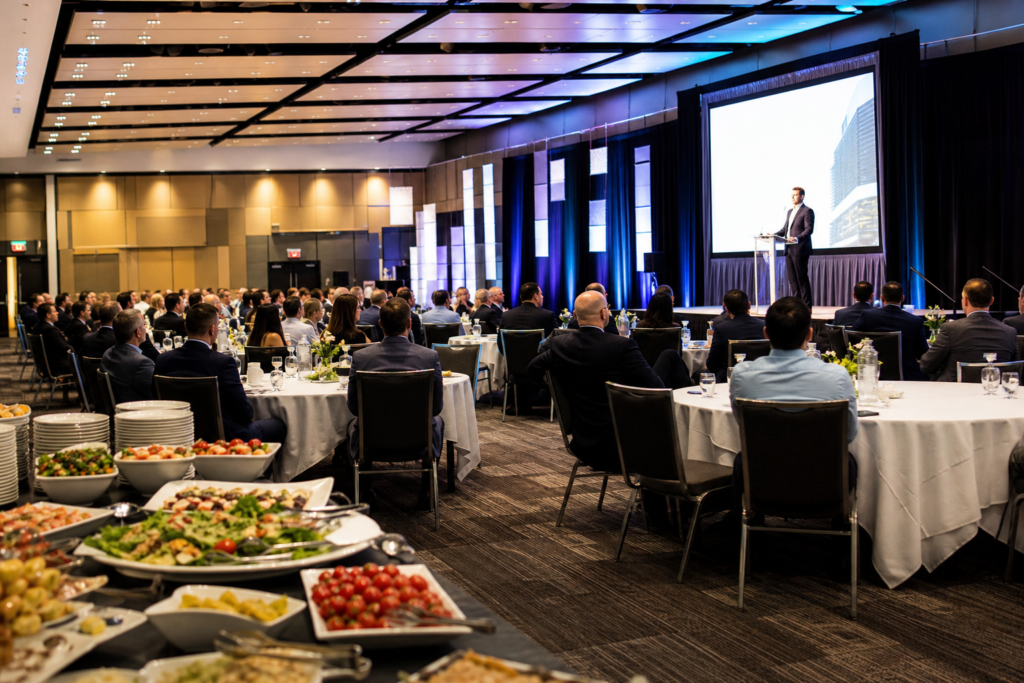
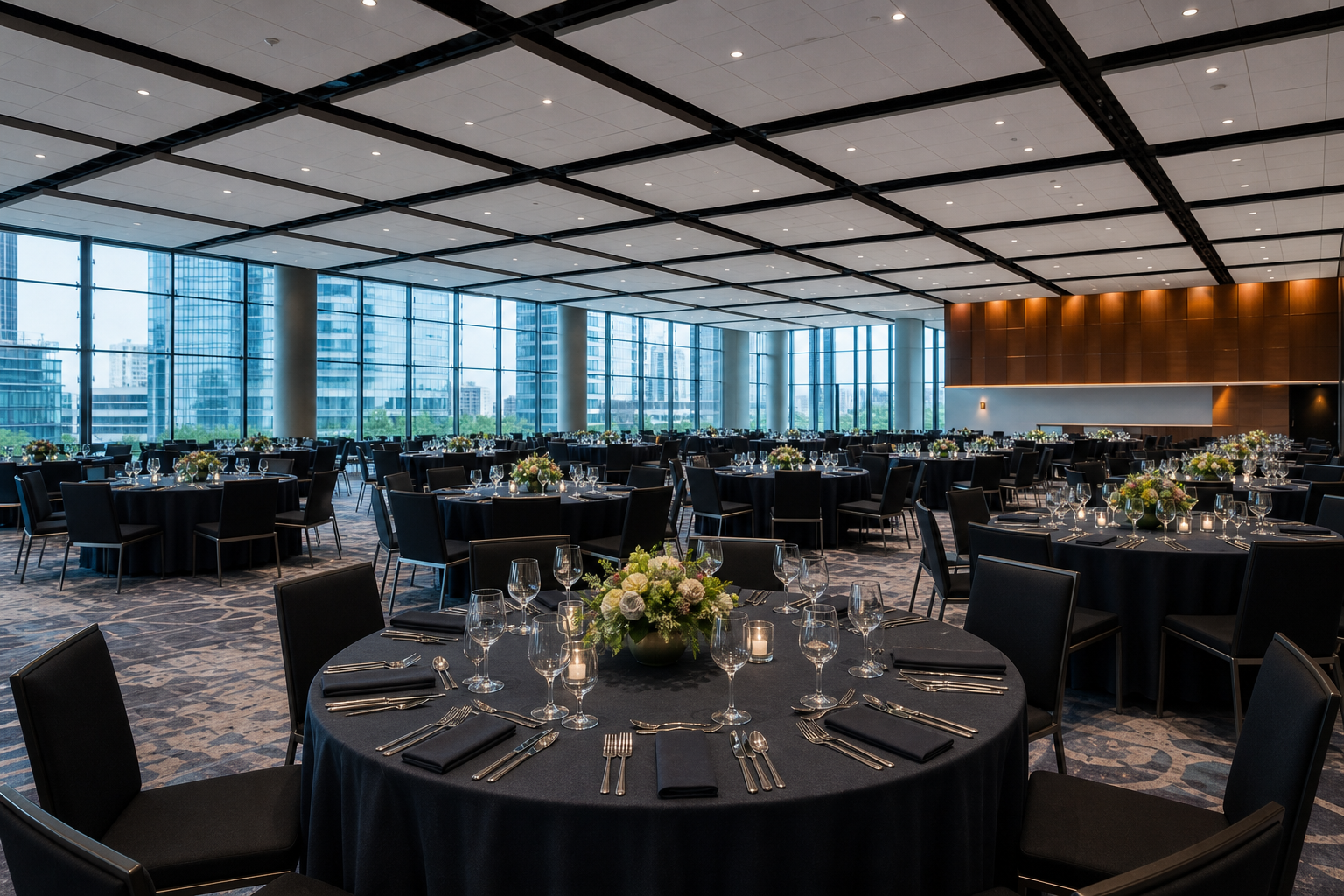
At their core, catering halls combine an event-ready space with food and beverage service under one roof. That integration simplifies vendor coordination and can improve timeline control on the day of your event. Typical inclusions vary, but often encompass:
- Dedicated rooms or ballrooms with defined capacity ranges and configurable layouts
- In-house catering with set menus and options to customize courses and service style
- Event essentials such as tables, chairs, standard linens, flatware, glassware, and service staff
- House audiovisual (AV) capabilities for speeches, presentations, and entertainment
- Load-in access, parking arrangements, and day-of coordination touchpoints
Because offerings differ significantly, the smartest way to compare catering halls is to break your decision into five workstreams: space, menu, service, logistics, and commercial terms.
Space and layout checks
Start with the physical fit. A room that’s too small restricts flow; one that’s too large can dilute energy and inflate décor costs. Align your event vision to the venue’s hard realities:
- Capacity and comfort: Ask for maximum seated and standing capacities by layout (banquet rounds, theatre, classroom, cocktail), and what guest count the venue recommends for comfort—not just the legal maximum.
- Flow mapping: Sketch how guests will move between ceremony, cocktail hour, dinner, dessert, presentations, and dance floor. Confirm doors, pillars, ceiling heights, rigging points, and any line-of-sight constraints.
- Adjacent spaces: If you need green rooms, prayer or quiet areas, exhibitor staging, or photo backdrops, identify them during the walkthrough.
- Acoustics and noise bleed: Ask to hear the room when empty and, if possible, during a live event to gauge echo and sound containment.
- Accessibility: Verify elevators, ramps, accessible restrooms, and seating plans that support mobility devices.
Pro tip: Take photos and note exact room names during tours so your floorplan revisions stay aligned with the venue’s internal terminology.
Menus, dietary, and service style
Menus are the centerpiece of most experiences in catering halls. Comparing options requires clarity about guest needs and the event’s pacing:
- Cuisine range: Review sample menus for variety across appetizers, mains, sides, and desserts. Look for vegetarian and vegan options as part of the core offering rather than last‑minute substitutions.
- Allergens and dietary accommodations: Ask how the kitchen handles nut-free, gluten-free, dairy-free, or other restrictions. Clarify labeling on buffet cards and plating indicators for staff.
- Religious and cultural considerations: Confirm processes for Halal or other faith-based requirements, including sourcing, storage, and kitchen protocols.
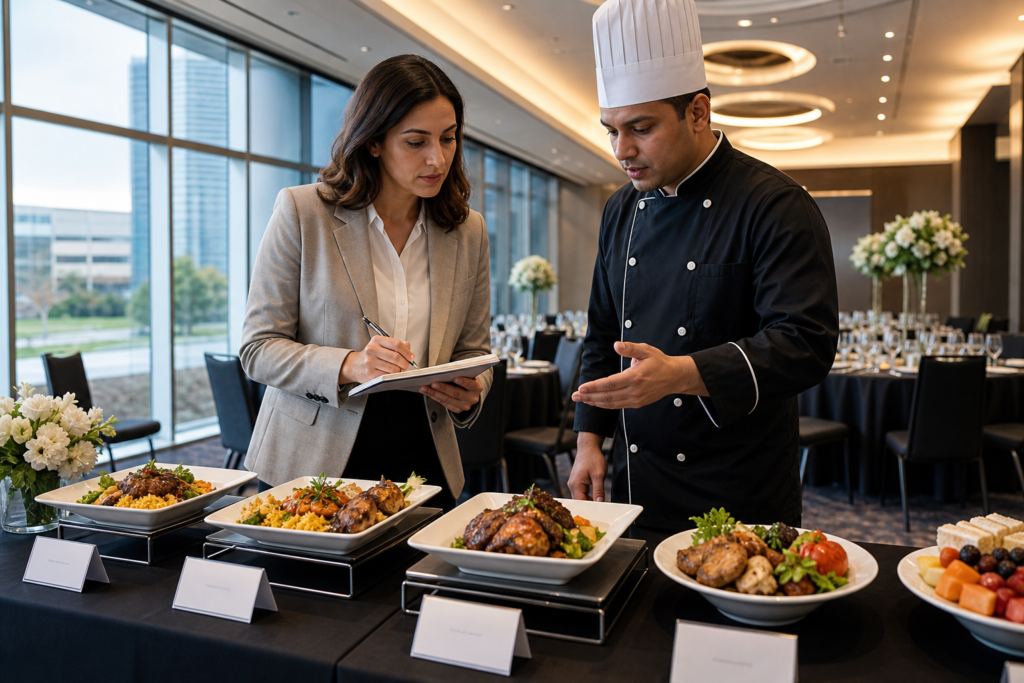
- Tastings: Check if tastings are offered, what’s included, and the lead time to schedule them.
- Service style alignment: Plated, buffet, family-style, or stations each change timeline, staffing, and guest interaction. Pick the style that supports your program (speeches, awards, or dancing).
- Beverage approach: Understand options such as host bar, drink tickets, wine service with dinner, or non-alcoholic pairings.
Document menu choices early, then build your run of show around how long each service style typically takes. That creates realistic expectations for speakers, performers, or program milestones.
AV, lighting, and program flow
Great content falls flat without the right technical support. Even for social events, clean audio and intentional lighting elevate the experience. When evaluating catering halls, align on the following:
- Audio: Microphones (wired, wireless, lapel), speaker placement, mixers, and an operator if your program includes multiple sources.
- Video: Screens or projection, sightlines, switching between laptop feeds, and compatibility with your content aspect ratio.
- Lighting: Dimming controls, stage wash for podiums or head table, dance-floor effects, and color temperature for photos.
- Power and rigging: Confirm circuits, outlets near the stage, and any limitations on hanging décor or lighting.
- Rehearsal: Ask about a run-through slot to test microphones, walk cues, and confirm content formatting.
Share a draft agenda with the venue in advance. A short tech advance that lists every cue, mic handoff, and content change prevents surprises.
Staffing and guest experience
The difference between a good event and a great one often comes down to people. Clarify these service elements:
- Point of contact: Who is your planning contact and who leads on the event day?
- Service ratios: Typical server-to-guest guidelines for the chosen service style.
- Coat check, registration, ushers: What’s included or available as an add-on?
- Vendor coordination: Procedures for DJs, live bands, photographers, décor teams, or photo booths.
- Back-of-house flow: Location of prep spaces and timing for vendor load-in and strike.
Capture names, call times, and on-site phone numbers in a shared contact sheet your team can access on event day.
Logistics, parking, and access
Smooth arrivals and efficient load-ins reduce stress dramatically. Compare catering halls on:
- Parking: On-site capacity, proximity to entrances, and any overflow plan.
- Transit access: Nearby stops and how you’ll communicate directions in guest communications.
- Load-in paths: Dock access, elevators, and time windows for vendors.
- Signage: Options for wayfinding from lobby to registration to ballroom.
- Cloakrooms and restrooms: Adequacy for peak times like pre-function or intermission.
Draft a guest arrival map with arrows and quick notes. Include it in calendar invites or event microsites so fewer people stop at the entrance desk asking for directions.
Budgeting without surprises
Even without negotiating line items, a clear budget framework helps you compare apples to apples across venues:
- Food and beverage: Base menus, upgrades, specialty stations, late-night snacks, and beverage structure.
- Room and setup: Any room rental, minimum spend requirements, early access fees, or reset charges between ceremony and reception.
- AV and lighting: Included gear versus third-party rental needs and operator support.
- Décor and enhancements: Linens beyond standard, centerpieces, draping, staging, or custom backdrops.
- Labor and overtime: Service staff, security (if required), coat check, and after-hours fees.
- Taxes and service charges: Understand how service charges apply and what they cover.
- Contingency: Reserve a buffer for last-minute guest count changes or program additions.
Request a sample banquet event order (BEO) or a pro forma that aligns with your anticipated guest count. Use the same assumptions when requesting quotes from multiple catering halls so each estimate reflects a consistent scope.
Timeline from shortlist to contract
Work backward from your target event date and place key decisions on a simple timeline:
- Months out: Define vision, guest count range, and budget; build a shortlist of catering halls; request proposals.
- After proposals: Conduct site visits and tastings; refine floorplans and run of show.
- Before signing: Confirm holds, deposit structure, cancellation and attrition terms, and any exclusivity on vendors.
- Post-contract: Lock in menu selections, AV plan, and staffing assumptions; schedule a tech advance and final walkthrough.
- Event week: Reconfirm counts and timelines; share contact sheets; label deliveries; finalize signage and seating charts.
Keep version control across documents. Title files with dates and version numbers so your team and venue always reference the latest plan.
Site visit walkthrough checklist
Use this list during tours to capture specifics that influence guest comfort and production flow:
- Measure the stage area and confirm dance floor dimensions
- Stand at likely podium position and test sightlines to all tables
- Identify power outlets for DJ/band, screens, and photo booths
- Check ambient lighting and dimming during daytime and after sunset (if relevant)
- Locate storage for gifts, prizes, or swag and confirm staff oversight
- Walk load-in path from dock to ballroom; time it and note any chokepoints
- Confirm HVAC controls, including pre-cooling or pre-heating options before doors open
- Verify restroom proximity and capacity for peak intermissions
Take short videos of key areas. They help remote stakeholders visualize the space and speed approvals.
Contract questions to ask
Before you commit, align on the fine print. These questions make comparisons between catering halls much clearer:
- What is the deposit schedule and when are final payments due?
- What are cancellation, postponement, and force majeure terms?
- Are there food and beverage minimums by day of week or season?
- Which vendors are exclusive, preferred, or open choice? Are certificates of insurance required?
- What décor or rigging limitations apply (open flames, confetti, ceiling attachments)?
- Are tastings included and how many attendees can participate?
- What are the policies on outside food items (e.g., specialty desserts) and handling?
Ask for all verbal commitments to be reflected in the final contract or addendum so expectations remain clear for both sides.
Sample decision matrix
To make your final choice more objective, score each venue 1–5 across categories that reflect your priorities, then total the results:
- Room fit and flow
- Menu alignment and dietary accommodations
- AV and lighting support
- Logistics (parking, load-in, access)
- Service approach and staffing clarity
- Contract flexibility and transparency
- Total estimated cost versus value
Invite two or three stakeholders to score independently. Differences in perspective often reveal blind spots to resolve before signing.
FAQs
How far in advance should I book a catering hall?
Lead times depend on your date and guest count, but many planners begin inquiries several months in advance to secure preferred rooms and tasting windows. If your event falls on a high-demand date, start earlier and ask the venue about tentative holds while you finalize details.
What’s the best way to compare menu proposals?
Create a shared baseline: identical guest count, the same number of courses, comparable beverage structures, and similar service styles. Then assess variety, dietary accommodations, tasting availability, and the venue’s ability to pace service alongside your program.
Do I need my own AV vendor if the hall has in-house equipment?
It depends on your program. Many events run smoothly with house systems for speeches and basic playback. If you have complex switching, live performances, or strict branding and lighting needs, discuss whether in-house capabilities meet your spec or if a third-party vendor is recommended.
What should I include in a final walkthrough?
Confirm floorplans, seating charts, signage placements, power drops, mic types, lighting looks, arrival maps, and timing for each run-of-show cue. Rehearse critical transitions (grand entrance, awards, first dance, or keynote handoffs) and align on a backup plan for delays.
How can I keep last-minute changes under control?
Set a firm internal deadline for guest counts, communicate it to attendees, and build a small contingency into seating and menu counts. Use a single point of contact for the venue and circulate an updated contact sheet and versioned documents the week of the event.
Next steps