

 20 September, 2026
Last updated: October 2026
By Preet Dass – Mississauga Convention Centre • Last updated: 2026-10-29
Corporate package budgeting tips at a glance
Corporate package budgeting is the process of assigning money to the parts of an event that must work together: venue space, food and beverage, audiovisual production, staffing, décor, accessibility, and contingency. The goal is not simply to find the lowest quoted total. It is to create a scope that is clear enough to approve, practical enough to deliver, and flexible enough to handle normal changes.
- Start with the event objective, audience, date, schedule, and attendance range.
- Separate essential inclusions from optional upgrades before comparing packages.
- Model at least two or three attendance tiers instead of relying on one optimistic headcount.
- Prioritize clear audio, safe movement, comfortable service, and reliable transitions before decorative extras.
- Ask whether HST, service charges, administration fees, minimum spends, staffing, internet, rigging, and overtime are included.
- Keep a documented contingency for late additions, accessibility accommodations, and approved scope changes.
How to build a corporate event package budget
A strong budget begins with a decision framework rather than a list of disconnected prices. Write down what the event must achieve, who needs to approve it, how many people may attend, and which moments cannot fail. A training day may depend on room acoustics and meal timing, while a gala may place more weight on service pacing, lighting, and stage presentation.
1. Define the outcome and event format
Identify whether the programme is a meeting, conference, seminar, exhibition, trade show, sales kickoff, awards gala, or reception. Then record the number of sessions, breakouts, meals, networking periods, speakers, exhibitors, and hosted activities. This prevents a package designed for a simple meeting from being stretched into a production-heavy conference.
Write the outcome in one sentence, such as “attendees leave with a clear implementation plan” or “sales teams celebrate results and connect with clients.” Each proposed inclusion should support that outcome. If an upgrade does not improve learning, communication, hospitality, branding, or flow, move it to the optional column.
2. Establish attendance tiers
Use a planning range rather than a single number. For example, model 100, 250, and 500 attendees if registration is still open, and note what changes at each tier: room configuration, meal quantities, staffing, stage size, registration capacity, and washroom or coat-check flow. A tiered model makes stakeholder conversations more precise than saying the event will have “about 300 people.”
Keep a small reserve for executive, client, or speaker additions, but do not treat unconfirmed guests as guaranteed revenue. Confirm the final operational headcount and dietary information against the venue’s stated deadline. The earlier the budget shows what changes with attendance, the less likely a late adjustment is to become an emergency.
3. Lock the core scope before upgrades
Core scope commonly includes the hall, tables and chairs, food and beverage, basic service staffing, essential microphones, presentation display, setup, teardown, and a named planning contact. The exact inclusions vary, so request them in writing rather than assuming that “all-inclusive” means every production or décor item is covered.
Ask for a line-by-line package summary and a list of exclusions. Confirm whether the proposal includes delivery, setup, technician hours, rehearsal time, power, internet, recording, streaming, specialty furniture, linens, security, cleaning, and overtime. This is one of the most effective corporate package budgeting tips because it turns a persuasive package label into a comparable scope.
What to check in corporate packages in Mississauga
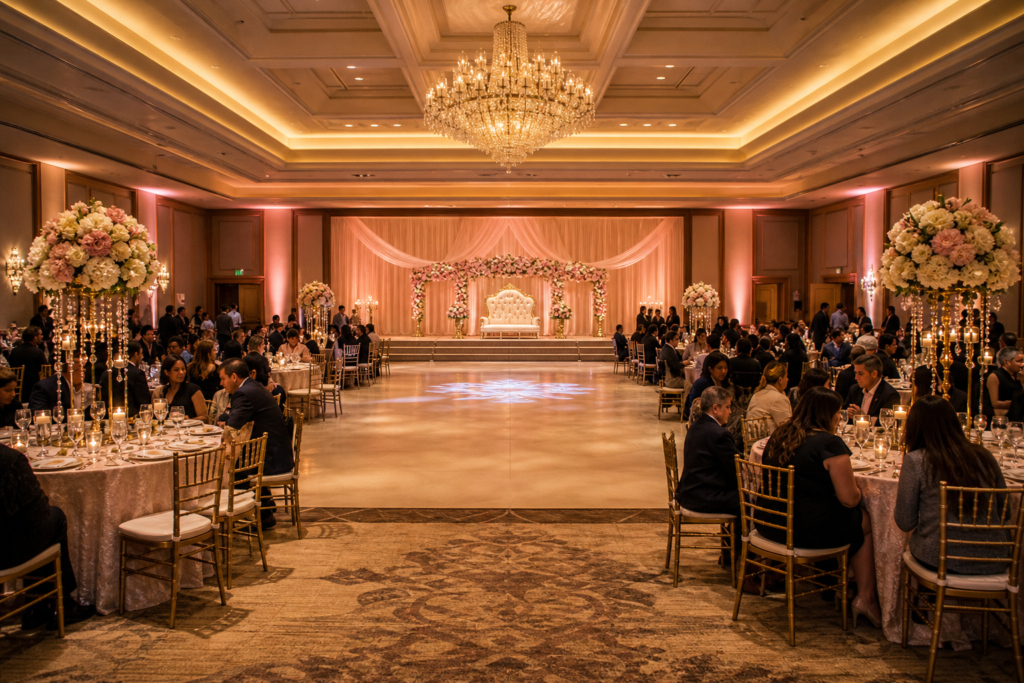
Mississauga Convention Centre is located at 75 Derry Road West and serves corporate programmes across Mississauga, Toronto, Brampton, and the wider GTA. The Centre has seven halls of approximately 4,250 square feet each, total capacity of more than 2,200 guests, and approximately 700 on-site parking spaces. Those characteristics can help planners evaluate scale and arrival logistics, but the correct room depends on the programme, layout, and final attendance.
Venue capacity and room flow
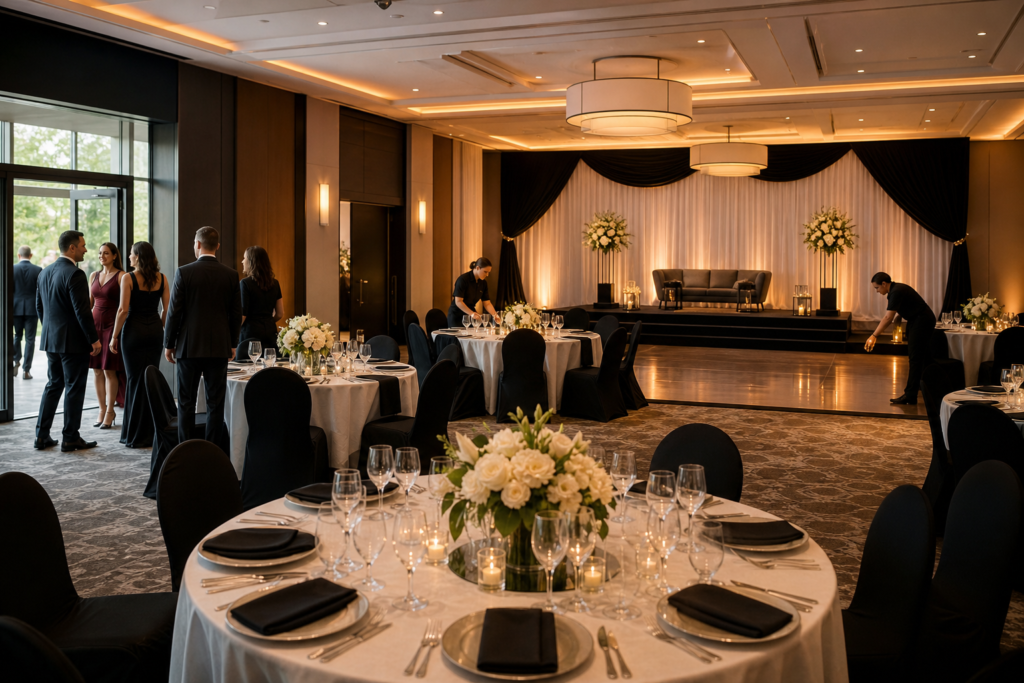
Compare layouts rather than relying only on maximum capacity. A theatre setup, classroom arrangement, banquet dinner, exhibition floor, and stage-led programme require different circulation paths and sightlines. Ask where registration, sponsor displays, coat check, meal service, breakout traffic, and accessible routes will be positioned.
For larger programmes, the venue’s multiple halls can support plenary, breakout, exhibition, or reception needs. Confirm room turnover timing and whether concurrent spaces create additional staffing, AV, or décor requirements. A room that appears inexpensive can become less economical if it requires duplicate equipment or a rushed flip.
Catering and service style
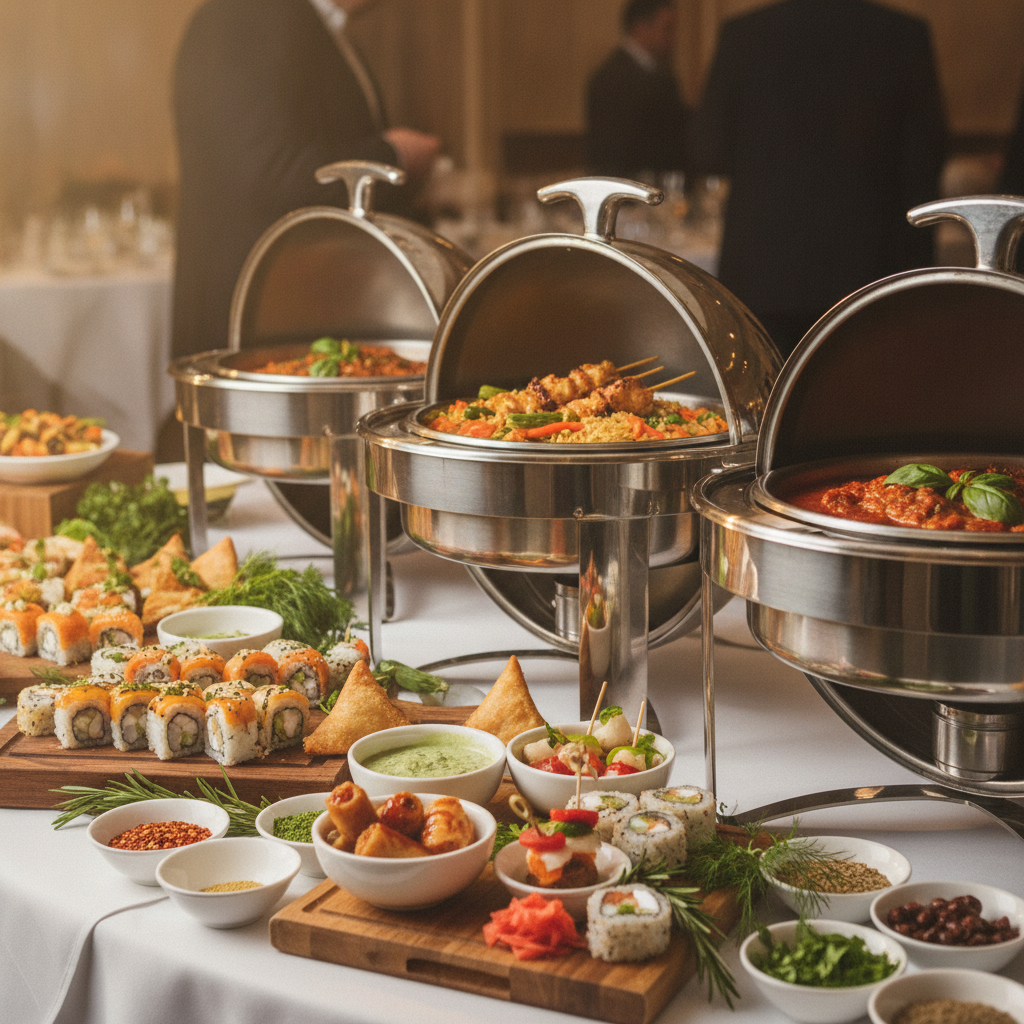
Choose plated, buffet, station, or reception service according to the agenda and networking objective. Plated service can create a controlled dining rhythm, while stations or a reception format may give attendees more freedom to move. Discuss menu choices, service timing, dietary labelling, allergy handling, and how food service interacts with speeches or award cues.
The Centre’s in-house catering includes South Asian, Pakistani Halal, Middle Eastern, Sri Lankan, Caribbean, and Continental cuisines. Use that range to plan for the actual audience rather than adding separate vendors by default, while still documenting vegetarian, vegan, halal, gluten-free, allergy, and other accommodation needs.
AV, staging, and technical support
Right-size AV around communication first. A small meeting may need a podium microphone, presentation display, and confidence monitor; a conference may also need multiple microphones, stage lighting, projection, recording, streaming, or a technician assigned to the show. Ask who supplies each item, who operates it, how many rehearsal hours are included, and what backup equipment is available.
Protect speech clarity and sightlines before adding scenic elements. A visually impressive stage cannot compensate for a speaker who cannot be heard or slides that are unreadable from the rear of the room. Put every technical requirement into the run-of-show and Banquet Event Order so the planner, venue, AV team, and speakers share one version of the plan.
Match the budget to the event format
| Event format | Budget priorities | Questions to resolve |
|---|---|---|
| Day meeting | Comfortable room, clear presentation audio, refreshments, working lunch | How quickly can the room be set, and are breaks timed around the agenda? |
| Conference | Plenary AV, breakouts, registration, wayfinding, meal pacing | Are room transitions, technician coverage, and attendee routes coordinated? |
| Gala or awards event | Dining service, stage cues, lighting, décor, rehearsal | Can meal service and award moments run without competing for attention? |
| Trade show or exhibition | Booth layout, power, signage, registration, traffic flow | Are exhibitor requirements, learning spaces, loading, and teardown included? |
Use the table to identify the cost drivers that matter for your programme. Avoid paying for a standard bundle that includes items designed for another format, and avoid removing an operational item merely because it is less visible to guests.
Corporate package budgeting tips that protect the total
Ask for the complete price structure
When comparing an event venue in Mississauga, ask whether the proposal identifies HST, service charges, administration fees, food and beverage minimums, attrition terms, overtime, and cancellation or rescheduling conditions. Also ask about exclusive vendor requirements for catering, AV, internet, power, or rigging. These questions make two proposals genuinely comparable and reduce surprises during final approval.
Use swaps before adding extras
Value engineering works best when it preserves the attendee outcome. Consider changing a decorative element, service style, menu component, or room configuration before simply adding another line item. For example, lighting accents may create more visual impact than extensive florals, while a reception station may support networking better than a long seated dessert course.
Protect the schedule
Include doors-open time, speaker calls, meal service, rehearsal, room turnover, and teardown in the budget discussion. A ten-minute buffer between major segments can protect the programme when microphones change, guests move between rooms, or a meal service takes longer than expected. Confirm who has authority to make day-of decisions and who communicates changes to each team.
Budget accessibility and inclusion at the start
Accessibility is an event-design requirement, not a last-minute add-on. Review routes through the venue, seating, stage access, signage, registration, washrooms, hearing or visual support, dietary needs, and communication methods during the first planning conversation. Ontario’s guide to accessible events recommends considering the routes people will take through an event and gathering feedback after it.
Accommodation services can also carry direct costs. The Government of Canada’s inclusive event planning guidance identifies examples such as ASL interpreters, attendants, and simultaneous translation. Add known requirements to the initial budget instead of treating them as an unfunded exception.
A practical package-budget workflow
- Discovery: Record objective, date, attendance range, format, stakeholders, and approval deadline.
- Scope: List venue, catering, AV, staging, staffing, décor, accessibility, internet, parking, and schedule requirements.
- Compare: Separate included, optional, excluded, taxable, and conditional items.
- Model: Build attendance tiers and show which costs are fixed, per-person, or triggered by a change.
- Review: Walk through room layouts, menus, access routes, technical needs, and the run-of-show with the venue.
- Approve: Record the chosen scope, assumptions, payment milestones, change process, and contingency.
- Deliver: Reconfirm headcount, dietary information, speaker materials, staffing, and final cues before the event.
A shared workbook should include the owner, due date, status, decision, and budget effect for every open item. This creates an audit trail for finance and gives marketing, HR, sales, executives, and venue partners one practical source of truth.
Planning tools worth keeping
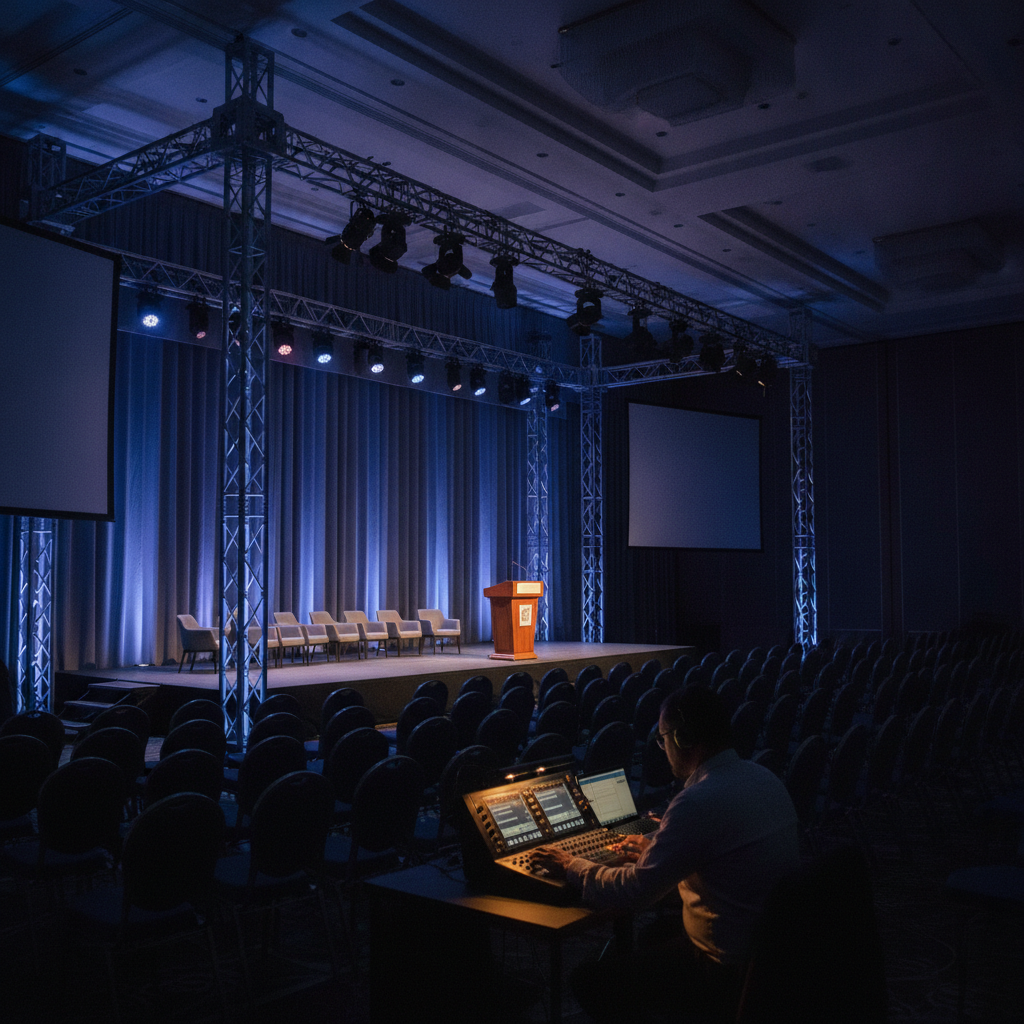
Use a headcount grid for each attendance tier, a menu matrix for dietary requirements, an AV checklist for microphones and displays, a room-flow sketch for registration and networking, and a run-of-show with speaker, catering, and technical call times. These tools are simple, but they expose conflicts before the event date.
For an accessibility review, compare your plan with Ontario’s accessibility rules for businesses and non-profits. For broader cost categories, current Canadian event-planning guidance identifies venue and catering as major budget lines alongside production, speakers, and marketing. Use external benchmarks as prompts for questions, not as a substitute for a venue-specific proposal.
Local planning considerations for 75 Derry Road West
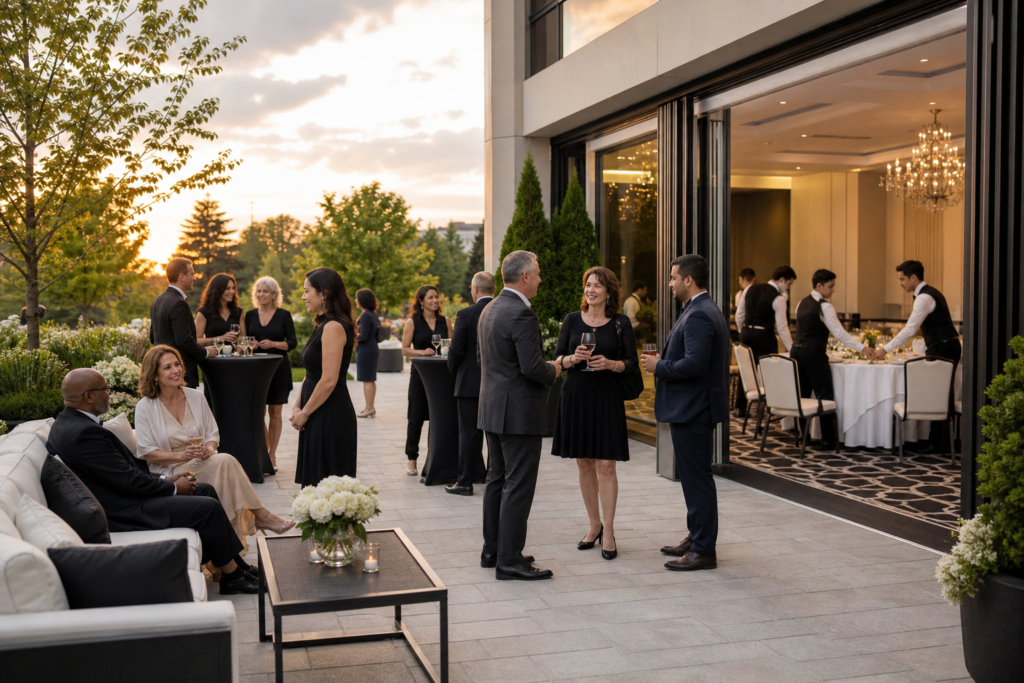
For a programme at 75 Derry Road West, plan arrival information around the Mississauga location, regional traffic, and the needs of guests travelling from Toronto, Brampton, the wider GTA, or Toronto Pearson International Airport. Approximately 700 on-site parking spaces can support many corporate arrivals, but the event plan should still specify drop-off, registration opening time, accessible parking, and staff arrival windows.
Winter programmes benefit from extra time for outerwear, arrivals, and room transitions. If the event serves a multicultural or interfaith audience, ask about menu communication and scheduling preferences early. These are practical planning decisions, not decorative details: they affect staffing, service timing, attendee comfort, and the final package scope.
Frequently Asked Questions
What should a corporate package budget include?
At minimum, review venue space, catering, service charges, HST, AV, staging, staffing, setup, teardown, accessibility, décor, internet, parking or transportation arrangements, and contingency. Ask the venue to identify what is included, optional, excluded, taxable, or subject to a minimum. This makes the proposal easier for finance and stakeholders to evaluate.
How much contingency should a corporate event budget hold?
The appropriate amount depends on how settled the scope is, how much production is involved, and how likely attendance or programme changes are. A small documented reserve can absorb late additions and approved changes, but it should not conceal missing requirements. Keep the contingency separate from the core package so decision-makers can see what is committed and what remains flexible.
How can I reduce a corporate package without hurting the attendee experience?
Start by protecting clear audio, readable visuals, safe routes, comfortable seating, reliable meal service, and adequate transition time. Then compare swaps such as lighting instead of extensive décor, a better-fitting service style, or a simpler stage footprint. Removing an item is sensible only when it does not undermine the event’s objective or create a new operational risk.
When should accessibility and dietary requirements enter the budget?
They should be included during initial discovery and updated as registration information becomes available. Consider accessible routes, seating, stage access, signage, communication support, dietary labelling, allergies, halal, vegetarian, vegan, and other documented needs. Early planning gives the venue time to confirm what can be provided and prevents accommodation costs from appearing as an avoidable surprise.
Plan a clearer corporate package budget
Define the outcome, model attendance tiers, compare the complete cost structure, and place accessibility, catering, AV, staffing, and contingency in the scope from the beginning. To discuss a corporate package in Mississauga at 75 Derry Road West, contact Mississauga Convention Centre about your date, format, headcount range, and planning priorities.