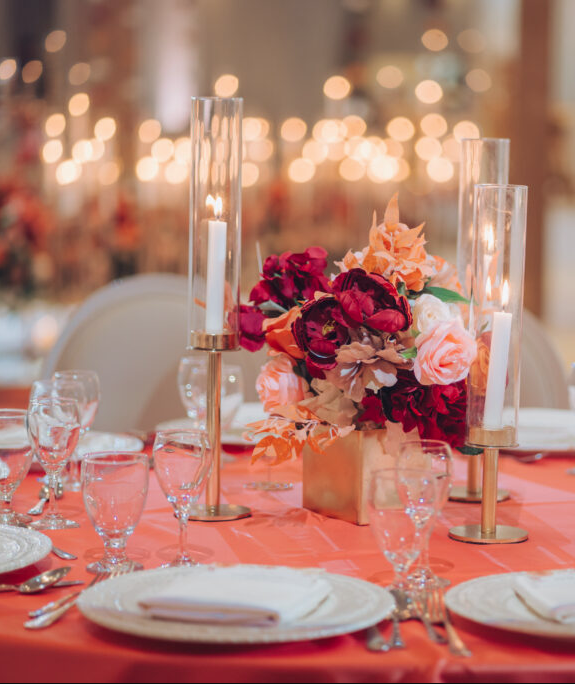

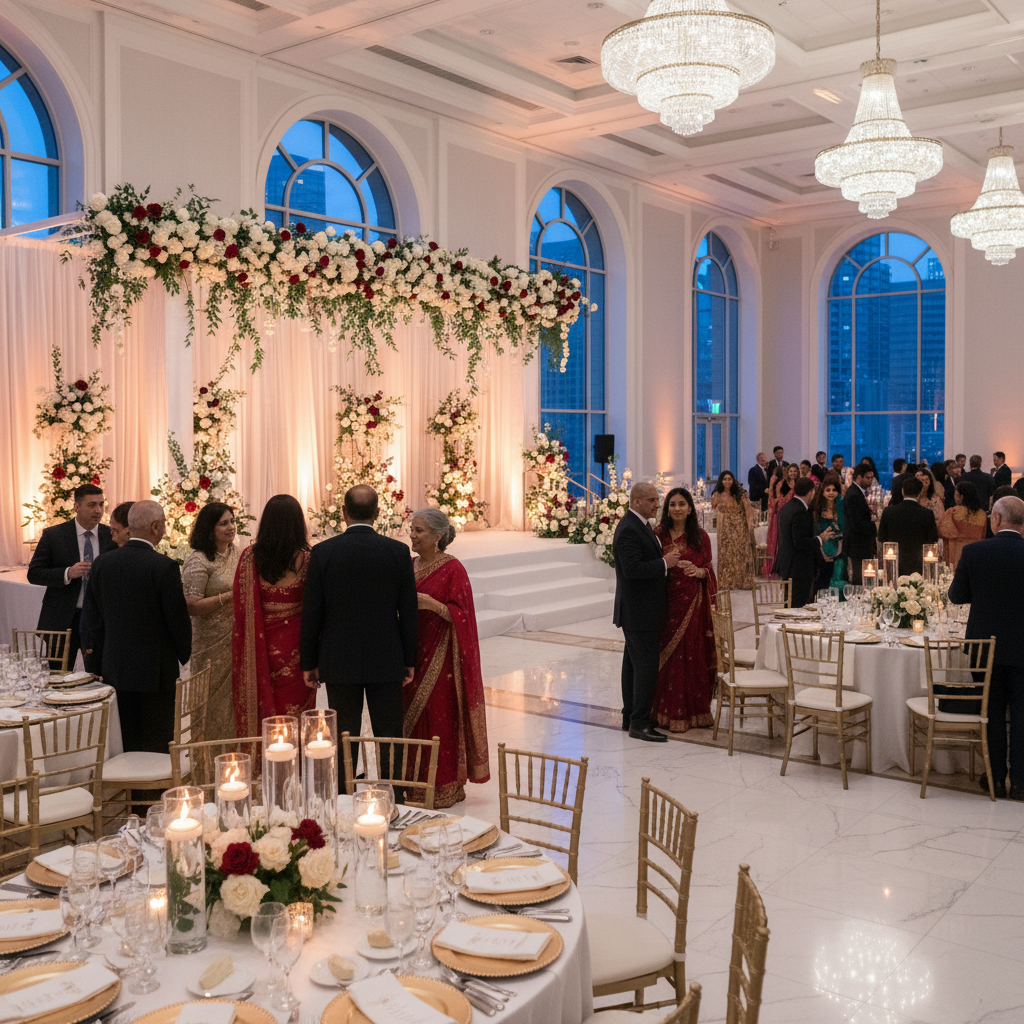
South Asian wedding venue checklist refers to a structured, step-by-step list of venue features, cultural setup needs, logistics, and vendor coordination items that ensure multi-day celebrations run smoothly. At 75 Derry Rd W in Mississauga, Mississauga Convention Centre supports this with seven elegant halls, in-house AV, and multicultural Halal-friendly catering.
By Preet Dass — Mississauga Convention Centre
Last updated: 2026-05-10
Above-the-Fold Overview
Use this South Asian wedding venue checklist to confirm capacity, mandap or stage requirements, Halal-certified menus, AV and lighting, procession logistics, and parking. It streamlines multi-event planning across mehndi, sangeet, ceremony, and reception while aligning décor, guest flow, and vendor access at Mississauga Convention Centre.
Planning a South Asian wedding means coordinating several events over two to three days. Your venue choice sets the tone for everything else. This overview helps you scan what matters now and click deeper for fine details and templates tailored to Mississauga Convention Centre’s capabilities.
- What you’ll learn: room sizing, seating math, staging specs, outdoor/indoor flow, vendor loading, and timeline tips.
- Why it matters: small oversights (aisle width, power runs, plate counts) ripple across hundreds of guests.
- How we help: seven ~4,250 sq ft halls, 700 on-site parking spots, integrated AV, and multicultural, Halal-friendly menus.
Quick Summary
Choose a venue that fits guest count and multi-day rituals, supports Halal and regional cuisines, includes robust AV, and offers easy access and parking. Mississauga Convention Centre provides modular halls, on-site technicians, and diverse menus to simplify complex South Asian wedding plans.
Here’s the short list we use with couples and families. If you’re short on time, confirm these first, then return to the deeper sections.
- Capacity and layout confirmed for each event (mehndi, sangeet, ceremony, reception).
- Mandap or stage dimensions, ceiling height, rigging points, and safe power.
- Halal-certified menus and regional dishes for elders and diverse guests.
- AV plan: mics for vows and speeches, dance-floor lighting, and screen sightlines.
- Parking and shuttle plan for peak arrival waves; clear signage for elders.
- Vendor access windows, staging area, and overnight storage if needed.
Local considerations for 75 Derry Rd W
- Plan guest arrival windows around typical weekend traffic patterns in Mississauga and the GTA; stagger check-in and valet/parking guidance to smooth peaks.
- Consider winter conditions: build indoor photo alternatives and coat-check capacity; in summer, schedule outdoor patio ceremonies in cooler late afternoon slots.
- For multicultural menus, confirm Halal certification and regional spice profiles during tastings to satisfy elders and out-of-town guests.
What Is a South Asian Wedding Venue Checklist?
A South Asian wedding venue checklist is a comprehensive set of cultural, technical, and logistical requirements that ensure multi-event celebrations—mehndi, sangeet, ceremony, and reception—run flawlessly. It translates traditions into clear specs: room sizes, staging, Halal menus, AV needs, guest flow, and vendor timelines.
Think of this as your blueprint. It turns big ideas—grand baraat, a beautifully dressed mandap, a high-energy sangeet—into line items you can confirm with your venue team in minutes. At Mississauga Convention Centre, we align this checklist with seven modular halls (~4,250 sq ft each) that can be combined or kept separate for parallel events.
- Scope and format: one master list, four mini-lists (mehndi, sangeet, ceremony, reception).
- Numbers to note: total capacity over 2,200 guests across halls; ~700 on-site parking spots support peak arrivals.
- Built-in support: modern AV, lighting, staging, and on-site technicians reduce vendor coordination load.
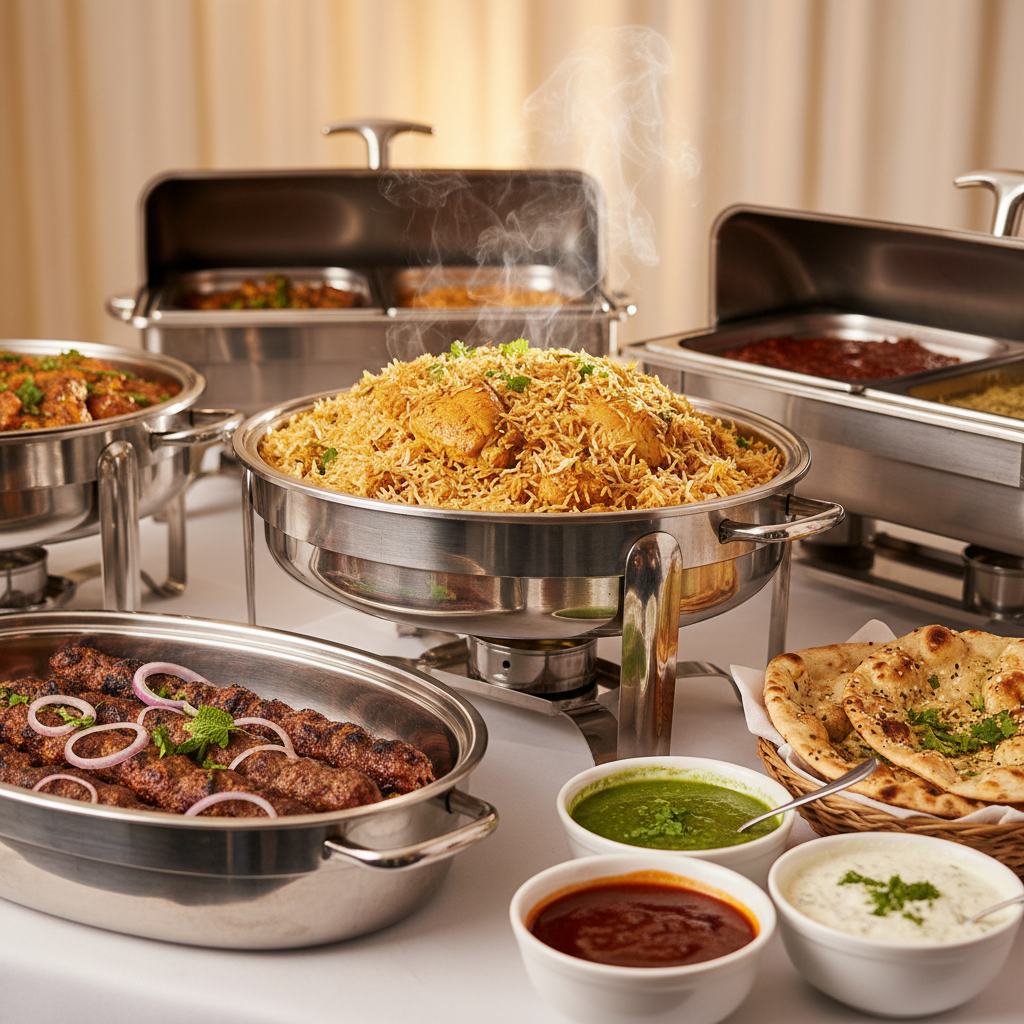
- Menus that matter: South Asian, Pakistani Halal, Sri Lankan, Middle Eastern, Caribbean, and Continental options are available in-house.
When families use a single, unified checklist, setup accuracy rises and last-minute changes drop. We’ve seen smoother baraat timing, better speech audibility, and fewer table reconfigurations simply because specs were consolidated early.
Why This Checklist Matters
This checklist prevents bottlenecks in capacity, stage safety, food service, and guest logistics. It captures cultural details—like mandap dimensions and procession space—alongside technical items (power, lighting, audio) so each event runs on-time with fewer last-minute surprises.
South Asian weddings blend tradition with production-level logistics. The ceremonies are sacred; the receptions are spectacular. Small oversights—stage height, aisle width, mic placement—can echo across 300–600 guests. Our team routinely supports multi-day sequences, so we’ve distilled what consistently drives smooth execution.
- Predictability: One accurate floor plan prevents table relays and delayed intros.
- Respect: Halal-certified service and regional spice profiles make elders comfortable.
- Clarity: Vendor load-in times and storage zones keep back-of-house organized.
- Comfort: Reliable climate control and coat-check space matter in winter ceremonies.
We’ve also found that standardizing measurements—like 10-foot aisles for lehenga-friendly movement—dramatically improves guest flow and photo framing.
How the Checklist Works (Step-by-Step)
Work event-by-event: set guest counts, choose a hall, confirm staging and AV, finalize menus, and lock logistics. Use one master timeline with vendor access windows and a final walk-through 10–14 days prior to your wedding to validate every line item.
Here’s the process we use with couples and planners at Mississauga Convention Centre.
- Define events and counts. Mehndi, sangeet, ceremony, reception; draft minimums/maximums by RSVP wave.
- Match halls to events. Use modular ~4,250 sq ft rooms and combine as needed for dance-heavy sangeets or large receptions.
- Stage and mandap specs. Typical mandaps work in the 8’×8’ to 12’×12’ range; plan a 24–30 inch stage height for sightlines.
- AV and lighting plan. Wireless mics for vows and speeches; warm ambient uplighting; spotlight or wash for first dance.
- Menu and service style. Halal-certified stations and buffets; late-night bites for post-program energy.
- Guest flow and parking. 700 on-site spots; stage arrival windows and clear signage for elders and families with kids.
- Vendor logistics. Load-in routes, staging room, power distribution, and overnight storage if necessary.
- Final walk-through. 10–14 days out, confirm floor plans, timelines, and all rentals with our coordination team.
Each step reduces uncertainty. When you confirm specs in order, décor and entertainment decisions become faster and more confident.
South Asian Wedding Venue Checklist (Editable)
Use this checklist to validate room fit, staging, cultural rituals, menu planning, and guest logistics for each event. Confirm measurements, power, and access details in writing so every vendor aligns to the same plan on the day.
Capacity and layout
- Guest counts for each function (mehndi, sangeet, ceremony, reception) with a 10–15% buffer.
- Banquet vs. theater vs. mixed seating; target 20–24 sq ft per guest for dinner + dance layouts.
- Aisle width 8–10 ft for baraat and bridal party movement; reserve 3–4 ft around head tables.
- Photo and video line-of-sight lanes; avoid pillar obstructions in key moments.
Mandap/stage and décor
- Mandap footprint (8’×8’ to 12’×12’) and ceiling clearance; flame-free or flameless alternatives if required.
- Stage height 24–30 inches; step unit on left and right; anti-slip trim for safety.
- Backdrop rigging points and drape height; confirm weight limits with venue technicians.
- Centerpiece heights that preserve sightlines; low-profile options near the dance floor.
AV, lighting, and power
- Wireless handhelds and lavaliers; spare batteries staged backstage.
- Dance-floor wash + spotlight, warm uplighting on pillars, dimmable house lights.
- Projector screens visible from 80% of seats; test sangeet video packages during rehearsal.
- Dedicated power for DJs/bands; separate circuits for catering and décor.
Menus and service
- Halal certification confirmed; tastings for elders; spice-level tiers by dish.
- Regional favorites: biryani, seekh kebab, chaat, pani puri, hoppers, kottu roti, and vegetarian mains.
- Allergen flags and kid-friendly options; late-night snacks after program peaks.
- Service style by event: passed appetizers for sangeet, buffet or plated for reception.
Guest comfort and access
- Wayfinding and signage; coat check plan for colder months; stroller parking zones.
- Accessible seating pods near aisles; reserved seats for elders with clear sightlines.
- Prayer room or quiet space designation; hydration stations near dance areas.
- Parking distribution plan across ~700 spots; escort teams during peak arrivals.
Vendors and timing
- Load-in windows per vendor; single point of contact; day-of radio channel plan.
- Staging room for décor and gifts; secure storage option between events.
- Run of show with minute marks for entrances, rituals, toasts, and dances.
- Strike and load-out sequence to restore halls rapidly for next-day events.
To further refine your plan, see how we structure ceremonies and receptions on our Weddings at Mississauga Convention Centre page and the wedding venue rental overview.
Buying Guide: How to Choose Your Venue
Prioritize capacity fit, cultural menu capability, stage/mandap flexibility, and on-site AV. Then evaluate guest access (parking and airport proximity), vendor support, and multi-hall options to keep events on schedule without extra transport or late-night resets.
Use this buyer’s framework to compare options head-to-head—hotel ballrooms, dedicated banquet centers, and smaller halls—in the Greater Toronto Area.
- Capacity and scaling. Can the venue scale up to 500+ for a reception and scale down for an intimate mehndi?
- Cuisine capability. Is Halal certification in place and can they execute regional classics consistently?
- Production readiness. Does the venue include technicians, lighting, staging, and reliable power?
- Logistics footprint. Is there abundant on-site parking, clear load-in routes, and storage space?
- Parallel event support. Can multiple halls run simultaneously without sound bleed or guest confusion?
- Planner alignment. Will there be a final walk-through with floor plans and a day-of coordinator?
For a structured comparison, review our wedding venue comparison guide and the how to choose an event venue primer.
Comparison Table: Venue Types for South Asian Weddings
Purpose-built convention and banquet centers usually offer the best combination of capacity, Halal-friendly catering, and on-site AV. Hotels add room blocks but may limit menus; smaller halls can be intimate but often lack production and parking scale.
| Venue Type | Capacity & Space | Cuisine Flexibility | AV & Staging | Parking & Access | Best For |
|---|---|---|---|---|---|
| Convention/Banquet Center | Large, modular halls (~4,250 sq ft each) | High; Halal-friendly, regional menus on-site | Integrated AV, lighting, staging | Abundant on-site parking | Multi-day, 300–700+ guest flows |
| Hotel Ballroom | Medium–large, fixed rooms | Moderate; menu restrictions common | Good house AV, some vendor limits | Valet/garage; limited surface parking | Out-of-town guests needing room blocks |
| Community Hall | Small–medium | Varies; often outside catering only | Minimal in-house AV | Surface lots; limited traffic control | Budget-friendly pre-wedding events |
When you compare these side-by-side, consider how each handles sangeet sound checks, ceremony staging, and late-night vendor access. Our wedding venue capacity guide breaks down seat-math for dance-forward receptions.
Best Practices for South Asian Weddings
Lock floor plans early, standardize aisle widths and stage heights, and plan audio for vows and speeches separately from dance segments. Confirm Halal certification and host a tasting with elders to align spice levels and regional dishes.
Floor plan and flow
- Use 10 ft aisles for lehenga and sherwani movement; widen near the mandap and photo zones.
- Seat VIP family within 30–40 ft of the stage for better audibility and expressions on camera.
- Create a 24’×24’ dance floor minimum for 300+ guests; ring it with low-profile centerpieces.
Production and sound
- Separate ceremony audio (clear, intimate) from reception audio (dynamic, bass-managed).
- Rehearse entrances and first dance lighting; keep a spotlight operator or pre-program scenes.
- Stage spare microphones and batteries backstage with a labeled cue sheet.
Menus and hospitality
- Offer vegetarian, Halal, and kid-friendly lanes on buffets to speed service.
- Balance regional classics (chaat, biryani) with lighter options and late-night snacks.
- Confirm dessert timing around speeches to keep the program moving.
Explore dishes and tasting tips in our multicultural wedding catering guide.
Tools and Resources
Use editable floor-plan templates, a unified run-of-show, and a vendor access schedule. Reference venue-provided diagrams and conduct a final walk-through to verify measurements, power, and sightlines before printing programs.
- Room diagrams from our coordination team for each hall and breakout area.
- Editable guest-flow maps and signage plan covering parking, coat check, and restroom paths.
- Master run-of-show with hard cues for entrances, rituals, and speeches.
- Vendor access matrix: who arrives when, via which door, with what equipment.
For broad planning inspiration, some couples review outside venue blogs; for example, planning overviews such as this Mississauga-focused article or a Toronto-area perspective like this planning write-up can help you brainstorm questions to bring to our team.
How Mississauga Convention Centre Supports Your Checklist
Seven modular halls, integrated AV and lighting, and multicultural Halal-friendly catering reduce vendor complexity. On-site technicians, 700 parking spots, and coordinated timelines keep mehndi, sangeet, ceremony, and reception on schedule with fewer resets.
Our venue model is built for scale and sensitivity—scale for guest counts and show elements; sensitivity for cultural rituals and family dynamics. Here’s how we align with your plan.
- Spaces: seven ~4,250 sq ft halls support parallel events and fast room turns.
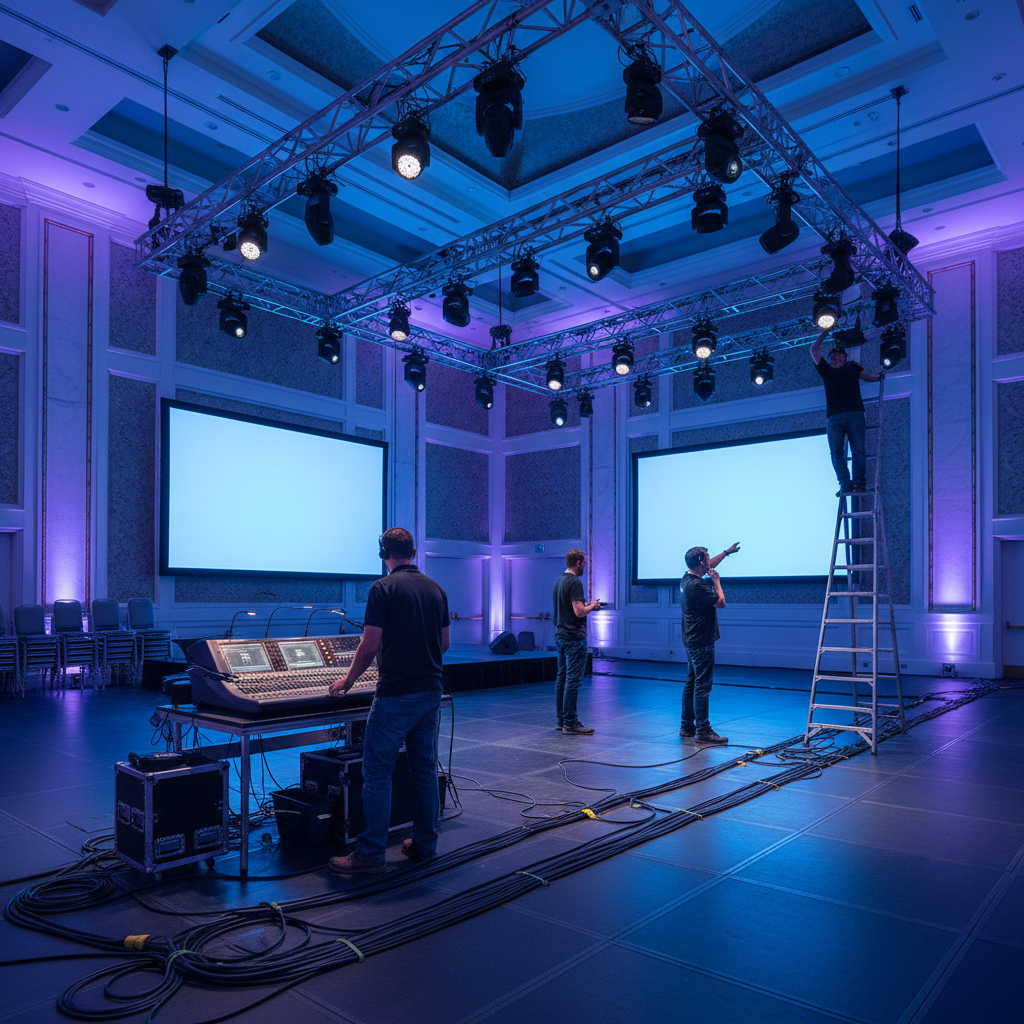
- AV + lighting: professional systems with staging and technical support on-site.
- Catering: South Asian, Pakistani Halal, Sri Lankan, Middle Eastern, Caribbean, and Continental menus in-house.
- Access: ~700 free parking spots with clear wayfinding and arrival support.
- Coordination: final walk-throughs and day-of communication help every vendor execute.
See a high-level overview in our wedding venue rental guide and examples on Weddings at Mississauga Convention Centre.
Free planning consult: Unsure how to size rooms or schedule multi-day events? Share your guest counts and event list—we’ll build a draft floor plan and menu flow you can review with family.
Case Studies and Examples
Success comes from precise floor plans, clear audio, and menu alignment with elders. In recent events, standardized aisle widths and staged microphones improved ceremony clarity and reduced timeline delays across 300–500 guests.
Example 1: Two-day celebration, 420 guests. We assigned one hall for mehndi and sangeet with a 24’×24’ dance floor and used a paired hall for the ceremony and reception. Dual wireless mics and a lavalier ensured vows were heard in the back rows.
Example 2: Parallel vendor access for décor and catering. A detailed access matrix staggered setup for florals and staging while kitchen prep ran in parallel. Result: on-time sangeet intros and hot appetizers without hallway congestion.
Example 3: Elders-first tasting. Final tasting verified Halal certification and adjusted spice levels on kebabs and curries. Feedback was incorporated into the reception buffet with clearly labeled lanes.
Browse more inspiration and layouts within our Weddings gallery and stories.
Timeline and Operations
Build a unified timeline that maps vendor load-in, rehearsals, rituals, and show segments. Stagger arrivals, pre-stage backup mics, and confirm power runs so ceremonies and receptions start on time and end with a lively dance floor.
- Vendor matrix: list each team, arrival time, door, and equipment. Color-code for clarity.
- Rehearsals: run entrance blocking and mic checks; film a quick run to share with MCs.
- Ritual timing: assign a family lead to coordinate with our floor manager.
- Program pacing: lock speech order and time limits; keep dessert service aligned with entertainment.
If you’re exploring early-stage venue questions, skimming venue blogs like this planning piece can prompt topics to include in your final walk-through with us.
Outdoor Ceremony and Photo Ops
Outdoor or semi-outdoor moments add variety to photos and guest experience. Schedule during cooler hours, confirm backup indoor plans, and coordinate power and audio for processions and officiants.
Our customizable outdoor patio option supports ceremonies or cocktail segments with décor flexibility. For summer timelines, we often stage processions later in the day for comfort and golden-hour images. Indoors, our ballrooms provide controlled lighting for consistent photography in winter months.
- Ceremony backup plan with indoor hall on hold.
- Power and audio plan for live musicians.
- Hydration and shade in summer; coat check and warm drinks in winter.
Food and Beverage Planning
Anchor your plan with Halal certification, regional favorites, and timing that supports speeches and dancing. Arrange an elders-first tasting, label buffets clearly, and pace late-night snacks to keep energy high.
Our culinary team offers South Asian, Pakistani Halal, Sri Lankan, Middle Eastern, Caribbean, and Continental menus in-house. We routinely plan for vegetarian variety and spice-level tiers so guests across generations feel considered. Clear labeling on buffets speeds service and reduces line clustering.
- Tasting: confirm Halal, regional profiles, and spice adjustments.
- Service style: passed appetizers for mingling-heavy sangeets; buffet or plated for receptions.
- Buffer timeline: 10–15 minutes between speeches and dessert to avoid collisions at the dance floor.
Safety and Accessibility Considerations
Prioritize safe stage heights, clear egress, and accessible seating. Use anti-slip edging on platforms, keep aisles uncongested, and plan reserved sections for elders and guests with mobility needs.
In our experience, stage edges with anti-slip trim and dual step units reduce trip risks. Aisles widened to 10 feet near the mandap ease movement and improve ceremony images. Coat-check space and clear signage minimize congestion during peak arrivals and exits.
- Mark edges of stages; secure cables with covers.
- Reserve front-row accessible seating with companion chairs.
- Keep fire exits visible; maintain clear paths around buffet lines.
Frequently Asked Questions
These concise answers address common planning questions for South Asian weddings at Mississauga Convention Centre—from mandap sizing and audio checks to menu planning and guest parking flow.
How far in advance should we book halls for a multi-day South Asian wedding?
Book as early as you can to secure adjacent halls and ideal dates. Many couples reserve 9–12 months ahead, then use a final walk-through 10–14 days prior to validate floor plans, AV cues, and menu details with our team.
What mandap and stage dimensions work best for ceremonies?
We commonly see 8’×8’ to 12’×12’ mandaps paired with a 24–30 inch stage height for strong sightlines. Ensure step units on both sides and confirm ceiling clearance and rigging needs with our technicians.
Can you accommodate Halal and regional menu preferences?
Yes. Our in-house culinary team offers South Asian, Pakistani Halal, Sri Lankan, Middle Eastern, Caribbean, and Continental menus. We recommend an elders-first tasting to align spice levels and regional favorites ahead of time.
How do you keep mehndi, sangeet, ceremony, and reception on schedule?
We build one master timeline with vendor access windows, lock floor plans early, and pre-stage mics and lighting cues. On-site technicians and clear wayfinding keep programs moving and guest flow smooth.
Conclusion and Next Steps
Confirm capacity, stage specs, AV, menus, and logistics in one unified plan. With modular halls, integrated production, and diverse in-house catering, Mississauga Convention Centre makes multi-day South Asian weddings simpler to execute.
- Lock guest counts by event; choose halls accordingly.
- Finalize mandap and stage specs; rehearse lighting and audio.
- Host an elders-first tasting; align spice levels and labeling.
- Publish a master timeline and vendor access matrix.
Ready to plan? Explore our wedding venue rental guide and comparison framework, then contact our team to map your celebration at 75 Derry Rd W.
Related Articles
Deepen your planning with venue selection frameworks, capacity math, and menu planning guides. These resources help you finalize floor plans, hall choices, and tasting strategies for South Asian weddings.
For capacity math and dance-floor planning, see our in-depth wedding venue capacity guide. If you’re weighing options across the GTA, our wedding venue comparison guide outlines trade-offs among hotels, banquet halls, and purpose-built convention spaces.
Key Takeaways
Map your South Asian wedding venue checklist to five pillars: capacity, staging, AV, menus, and logistics. Validate each in writing, rehearse cues, and coordinate vendor access to keep multi-day programs on time and guests comfortable.
- Capacity fit and aisle/egress measurements prevent delays and reseats.
- Mandap and stage safety with clear sightlines improve ceremony impact.
- Halal-certified, regional menus honor traditions and please elders.
- Integrated AV and lighting ensure clear vows and a vibrant dance floor.
- Parking, signage, and vendor matrices smooth every arrival and reset.