

 20 September, 2026
 Trade show booth logistics is the end-to-end coordination of shipping, material handling, installation, and dismantle for exhibits. It covers carrier booking, marshaling yards, drayage, labor, and outbound returns. Done right, it protects your budget, timeline, and team energy—especially when your show is at 75 Derry Rd W in Mississauga.
By Mississauga Convention Centre • Last updated: 2026-06-05
Quick Summary
Successful booth logistics starts with a backward-planned timeline, accurate weights and labels, and clear responsibilities for freight, onsite labor, and show services. Book carriers early, confirm target move-in, and prepare a clean outbound plan. At Mississauga Convention Centre, our staging access, AV, and parking simplify execution.
Before diving into the full guide, here’s your at-a-glance overview of how to approach trade show booth logistics at a modern venue like ours.
- Plan backward from show open: lock ship dates, dock appointments, and labor windows.
- Document everything: crate counts, weights, labels, tracking numbers, and service orders.
- Know the rules: targeted move-in, POV limits, overtime windows, and drayage cutoffs.
- Build the show binder: floorplan, electrical, internet, AV, rigging, and emergency contacts.
- Stage outbound early: preprint bills of lading, carrier PRO, and return labels.
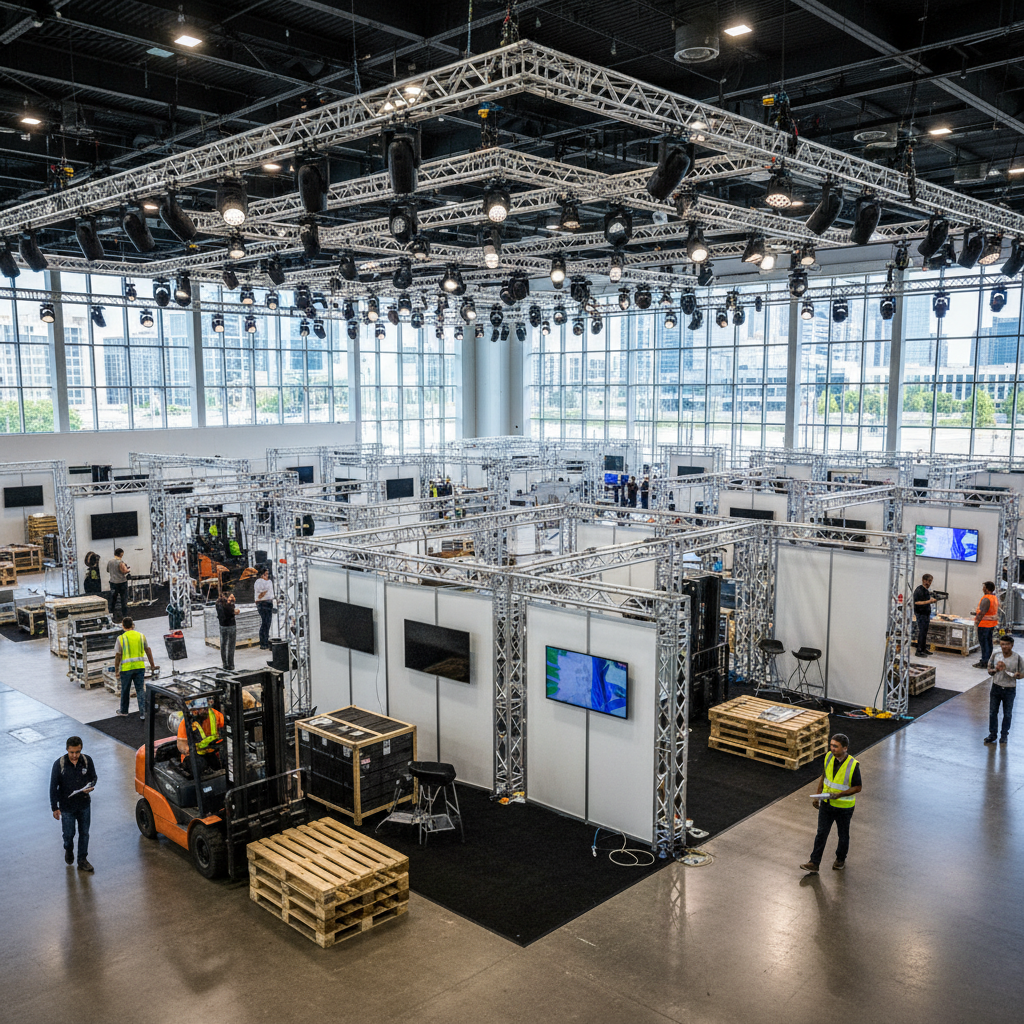
For a sense of how exhibits flow in our building, explore our trade shows and expos overview describing hall configurations and onsite access.
What Is Booth Logistics and Why It Matters
Booth logistics is the operational backbone of exhibiting: shipping to show, drayage/material handling, installation and dismantle labor, service orders, and outbound returns. It matters because timing and handling fees hinge on accuracy. When each handoff is planned, you avoid rush fees, damage, and missed show opens.
In our experience supporting corporate meetings, exhibitions, and galas across the GTA, logistics is the silent driver of ROI. Without it, even great designs stumble. With it, small teams manage complex moves smoothly.
- Scope: freight (LTL/FTL/air), marshaling, dock scheduling, drayage, I&D, electrical/AV, internet, and returns.
- Outcomes: on-time booth readiness, controlled fees, protected assets, and a calmer team.
- Risk reduction: accurate weights/labels and confirmed windows prevent reweighs or holdovers.
You can complement this logistics playbook with our booth layout tips to convert foot traffic into conversations once the crates are on the floor.
Before You Start (Prerequisites)
Lock your show goals, floorplan, power drops, internet, and asset list before booking freight. Capture crate weights and dims, choose your shipping method, and gather target move-in details. Confirm venue access, dock heights, staging space, and onsite contact info to prevent day-one surprises.
Strong logistics begins with accurate inputs. Here’s what to finalize before a single crate moves.
Core information to confirm
- Exhibit goals and KPIs: demos per hour, meetings per day, lead targets.
- Booth spec: size, height limits, rigging, flooring, furnishings, and graphics inventory.
- Services: electrical amperage, power locations, internet speed, AV packages, and rigging notes.
- Assets: case counts, dimensions, certified weights, and photo inventory for damage control.
- Rules: targeted move-in date/time, POV policies, advance warehouse cutoffs, and show-site delivery windows.
Choose your shipping path
Pick the approach that fits your timeline, risk, and budget control.
| Method | When it shines | Watch-outs |
|---|---|---|
| Advance warehouse | When you want predictable check-in and first-day delivery to booth | Storage timeframes; plan labels and cutoff dates carefully |
| Direct-to-show | When your target move-in is tight and you can hit your dock window | Traffic, weather, or lineups at the marshaling yard can delay you |
| Local staging + short-haul | When you pre-stage near venue to consolidate last-mile delivery | Extra handling; align hours with show and venue schedules |
If you’re exhibiting with us, skim our conference logistics guide and event parking logistics for site flow fundamentals that help your carrier and crew.
Trade Show Booth Logistics: Step-by-Step Process
Build a backward timeline, label everything, and book services early. Ship to advance warehouse when possible, confirm target move-in, arrive with I&D labor scheduled, and keep outbound paperwork prefilled. This sequence minimizes dwell time, overtime, and last-minute scrambles.
Follow these ten steps to move from planning to show-ready, then out the door without drama.
1) Create the master timeline
- Work back from show open: install milestones, service deadlines, and proofing dates.
- Block critical windows: advance warehouse cutoff, freight pickup, and targeted move-in.
- Assign owners: name the person for freight, services, I&D, and outbound.
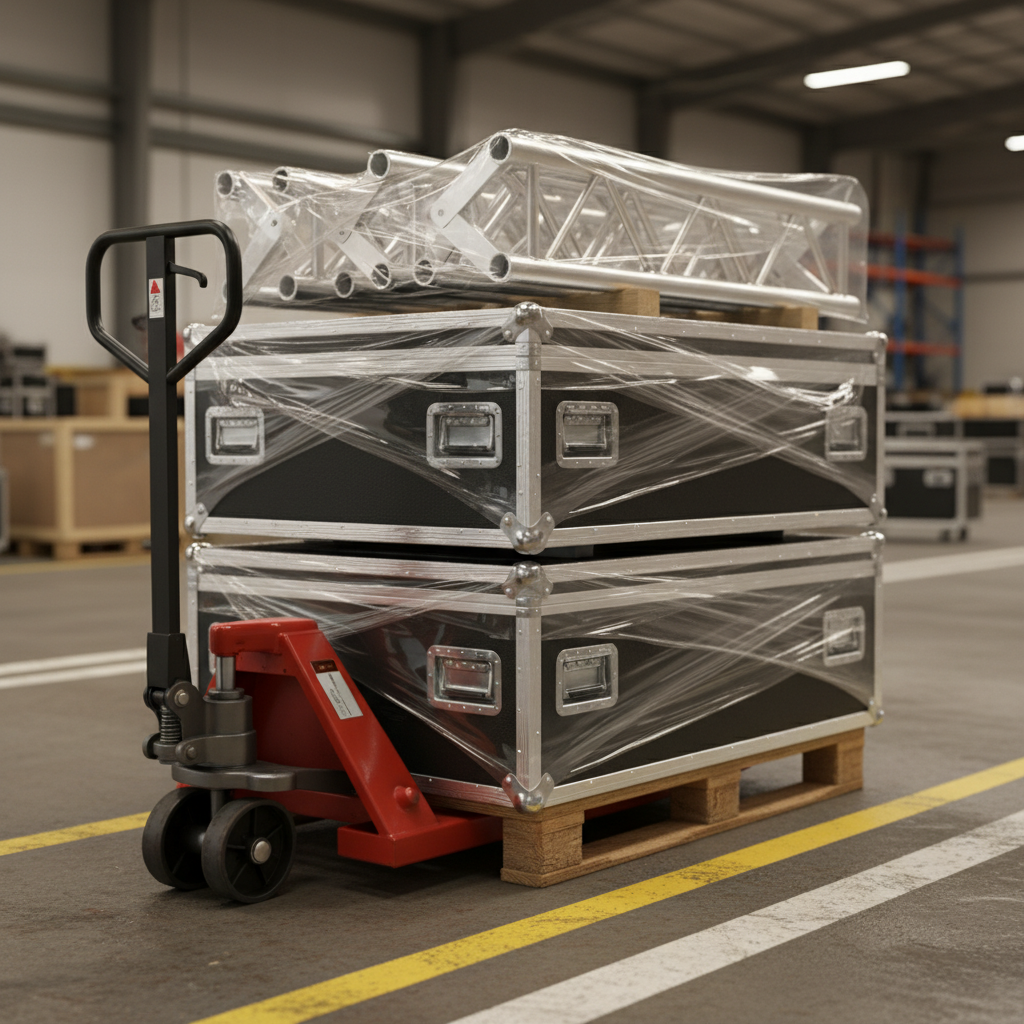
2) Inventory and label assets
- Unique IDs on every case: booth name, hall/aisle, and “Case 1 of X.”
- Include weights/dimensions: reduce reweighs or misroutes; add “team contact” label inside.
- Crate hierarchy: mark “Open First” for tools, flooring, and key hardware.
3) Select and book your carrier
- Match mode to risk: LTL for durable crates; dedicated truck for custom exhibits.
- Request dock appointments: protect your window; share venue dock info and contacts.
- Get real-time tracking: require live status for peace of mind.
4) Prepare show services
- Electrical and internet: mark drops on plan; bring cable ramps/ties.
- AV and lighting: coordinate with our in-house team for screens, sound, and stage needs.
- Rigging and signage: submit drawings for any overhead elements or tall structures.
For engagement strategy once you’re live, pair this logistics checklist with our traffic-boosting booth layouts.
5) Ship to advance warehouse or direct
- Advance warehouse: smoother first-day deliveries to booth; fewer lineups.
- Direct-to-show: fine for tight timelines; confirm marshaling and target time.
- Documentation: attach BOLs on two sides; include consignee and booth number.
6) Check in at marshaling and material handling
- Marshaling yard: carrier gets in queue, then to dock as bays free up.
- Drayage/material handling: freight is weighed, recorded, and delivered to booth.
- Save receipts: keep scale tickets, inbound forms, and receiving logs.
7) Install with I&D labor
- Tool-first crate: unload flooring and structure in the right order.
- Assign leads: one person calls steps; two floaters solve snags.
- Test everything: power, screens, internet, lighting aim, and demo stations.
8) Show operations
- Daily open/close checklist: power-on, collateral restock, giveaway counts.
- Lead capture: confirm scanner logins; back up data nightly.
- Reorders: keep spare cables, gaffer tape, and cleaning kits at the booth.
9) Dismantle and outbound
- Preprint outbound BOLs: include carrier, destination, and after-hours contacts.
- Pack by zones: protect graphics; coil cables; photograph crate interiors.
- Carrier check-in: confirm marshaling instructions for pickup timing.
10) Post-show debrief
- Score the timeline: what slipped, what helped, what to automate next time.
- Damage and claims: file photos, weights, and BOLs promptly.
- ROI review: leads, meetings, and follow-up SLA alignment.
Local Logistics at 75 Derry Rd W (Regional Municipality of Peel)
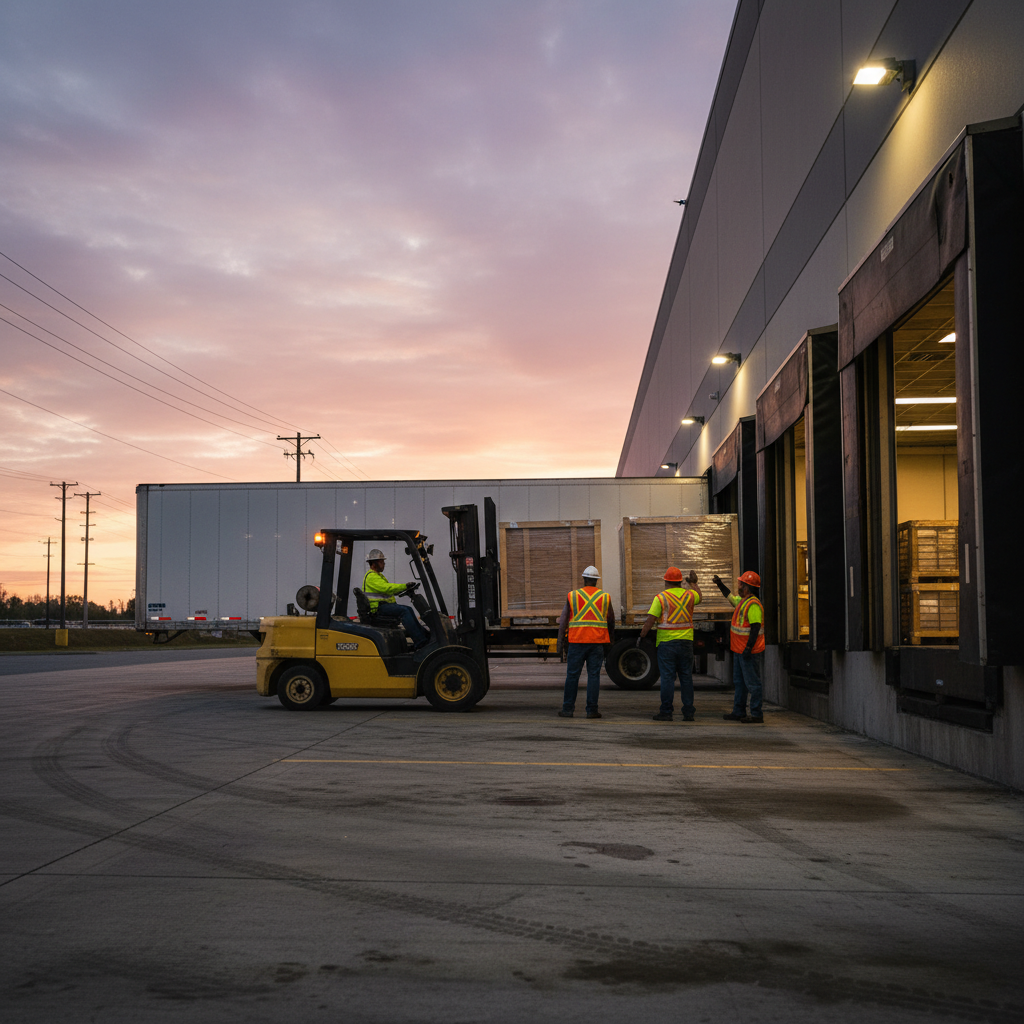
For shows at 75 Derry Rd W in Mississauga, plan around Regional Municipality of Peel traffic rhythms and our onsite flow. Confirm dock timing, leverage 700 free parking spots for staff, and coordinate AV through our in-house team to cut variables and keep I&D moving.
Whether your attendees fly into Toronto Pearson or drive in on major highways, the final mile sets the tone. Here’s how to localize your plan for Mississauga Convention Centre.
- Final-mile timing: avoid peak commute windows for direct-to-show trucks; share a live map link with drivers.
- Wayfinding: designate a team member to guide carriers from marshaling to our docks.
- Parking strategy: use our free onsite parking to stage crew vehicles and quick runs to hardware stores.
- AV synergy: our integrated AV and lighting team reduces vendor crossover and rework.
Local considerations for 75 Derry Rd W
- Plan carrier arrivals to miss rushes near Hurontario St At Derry Rd so trucks glide into their dock window.
- Seasonal tip: winter brings early dusk—stage extra lighting at your vehicle and protect crates from slush.
- Quiet-hours reminder near Mississauga’s Ram Mandir: keep radios low and coordinate with your dock lead.
As you map your footprint, our corporate venue rental guide explains hall adjacencies and how parallel sessions or expo aisles can be configured to your needs.
Troubleshooting and Risk Controls
Most logistics issues trace back to missing information or missed windows. Protect yourself with duplicate labels, redundant paperwork, photo inventories, and a clear escalation tree. If a crate falls off schedule, pivot to a local rental or replacement plan to keep the booth show-ready.
Issues will pop up. The trick is containing them fast and keeping the attendee-facing experience spotless.
Common problems and fast fixes
- Missed dock window: ask the general contractor about alternative times or advance warehouse check-in; keep a spare day in build schedule.
- Damaged graphics: photograph on receipt and flag immediately; consider local reprint vendors for same-day patches.
- No-show labor: cross-train two team members on basic I&D tasks; confirm labor reconfirmations 24 hours prior.
- Power shortfalls: carry power strips and cable ramps; log a service desk ticket with your exact drop map.
- Scanner failure: switch to backup QR forms and manual badge notes; sync to CRM post-show.
For staff meals when timelines compress, these event food planning tips can stabilize energy without pulling people off build tasks.
Advanced Tips (Pro Moves for Smoother Shows)
Pre-stage a “Day 0” crate, digitize your show binder, and color-code cases by zone. Combine advance warehouse for heavy items with a small direct-to-show run for last-minute materials. These moves keep momentum even when schedules shift.
Operational accelerators
- “Open First” kit: tools, PPE, gaffer, zip ties, wipes, spare cables, and a charged drill.
- QR-coded labels: link to photos/instructions for each case; reduce assembly errors.
- Red/amber/green case system: flooring (red), structure (amber), graphics (green) to guide I&D flow.
- Digital binder: store floorplan, orders, and contacts in a shared folder with offline access.
- Two-mode shipping: heavy cases via advance warehouse; hand-carry literature within POV limits.
Engagement and flow
- Zone plan: demo, meeting, and storage zones reduce congestion during peaks.
- AV rehearsals: run a full show cue-to-cue with our AV lead before the floor opens.
- Giveaway logistics: split boxes across cases to avoid total loss if one goes missing.
Want more ideas? Our seminar logistics article shows how the same operational discipline scales across formats.
Pricing Considerations (Value-First, No Numbers)
Treat logistics like insurance for your show objectives. Early bookings, accurate data, and smart shipping reduce rush fees, storage, and rework. Score options by risk and reliability, not only sticker price, and document everything to prevent surprise charges.
Exhibiting is an investment in pipeline and brand. A value-first approach weighs reliability and risk control over line-item minimization.
- Time is money: overtime windows, missed targets, and redeliveries are preventable with tight timelines.
- Data prevents disputes: certified weights and photos curtail reweighs and claim friction.
- Bundling: in-house AV and consolidated services can reduce change orders and handoffs.
- Local reprints: keep a vetted same-day printer bookmarked for graphic emergencies (see large-format printing guidance in Mississauga).
For inspiration on optimizing space and flow—key drivers of perceived value—review our booth layout guidance.
Frequently Asked Questions
Here are fast answers to common booth logistics questions: shipping timing, drayage basics, hand-carry limits, and preventing overtime. Each response is concise so you can act quickly during planning.
What is drayage, and why does it matter?
Drayage (material handling) is the show contractor’s service to receive freight at the warehouse or dock, move it to your booth, and return it after the show. Your weights, labels, and timing affect handling and can influence overall move-in and move-out efficiency.
How early should I ship my exhibit?
Ship to the advance warehouse when possible to smooth day-one delivery. If shipping direct-to-show, book a dock appointment aligned with your targeted move-in and build a cushion for traffic or weather. Always confirm warehouse cutoffs and show-site receiving hours.
Can I hand-carry items instead of using a carrier?
Most shows allow hand-carry within certain limits for small items and literature. Large crates or pallets usually require marshaling and material handling. Review the exhibitor manual for POV rules and coordinate timing so you don’t block dock flow.
How do I prevent overtime charges during I&D?
Front-load your build. Ship early, confirm targeted move-in, and start installation at straight-time hours. Pack a labeled “Open First” kit so labor stays productive. If overtime is unavoidable, prioritize tasks that unlock booth readiness first (power, flooring, structure).
Additional Resources
Use venue-specific guides, local vendor playbooks, and tag pages covering Mississauga trade show updates. Integrate these into your digital binder so contacts, maps, and escalation steps are handy online and offline for your crew.
To visualize exhibit flow in our halls, our tradeshow and expo page outlines how aisles, registration, and staging can be arranged for different industries.
For a pulse on upcoming exhibits and planning insights in the area, bookmark the Mississauga trade shows tag and add it to your pre-show checklist.
Hungry crews build faster. Share these concise event food planning tips with your floor lead so meal breaks don’t derail the schedule.
Conclusion
Booth logistics succeeds when timelines, labels, labor, and services snap together. Plan backward, document thoroughly, and use venue resources. At Mississauga Convention Centre, integrated AV, ample parking, and flexible halls help your team stay on time and on brand.
Key takeaways
- Work backward from show open and assign owners for freight, services, and I&D.
- Use advance warehouse for predictability; keep outbound paperwork ready on Day 1.
- Digitize your show binder and color-code cases to reduce errors.
- Localize plans for 75 Derry Rd W and the Regional Municipality of Peel.
Next steps
- Review our booth layout guide and confirm your electrical/AV plan.
- Share dock and parking notes from event parking logistics with your carrier.
- Tour our halls virtually and speak with our team about access, AV, and catering logistics.
Planning a Mississauga exhibit? Let’s map your load-in, AV, and crew flow in one quick consult. We host corporate meetings, expos, and galas across the GTA with integrated support.