
In Mississauga, a conference center is a purpose-built venue for professional meetings, trade shows, and corporate gatherings. At 75 Derry Rd W, Mississauga Convention Centre combines seven halls, on-site AV, and multicultural catering to streamline planning. If you’re searching for a conference centre in Mississauga, this guide explains how to choose, plan, and execute with confidence.
By Preet Dass 4 Mississauga Convention Centre
Last updated: 2026-06-05
Overview and Table of Contents
This guide shows how to evaluate and use a Mississauga conference center effectively: space planning, AV, catering, run-of-show, and local logistics. You’ll find checklists, room setup examples, and insider tips specific to 75 Derry Rd W so you can deliver a polished, on-time event with fewer vendor handoffs.
What you’ll learn at a glance
- The definition and core functions of a modern conference center
- Why location, capacity, and flow drive attendance and experience
- How AV, staging, and catering integrate behind the scenes
- Room setup types, when to use them, and a quick comparison
- Best practices we apply at Mississauga Convention Centre
- Local logistics for 75 Derry Rd W in the Regional Municipality of Peel
- Real scenarios for corporate, education, social, and multicultural events
Table of contents
- What is a conference center?
- Why location and space matter in Mississauga
- How a modern conference center works
- Event types and room setups
- Best practices for planning
- Tools and resources
- Case studies and examples
- Frequently Asked Questions (FAQ)
- Key takeaways
- Conclusion and next steps
What is a conference center?
A conference center is a professional venue designed for meetings, seminars, conventions, and trade shows. It integrates flexible rooms, staging, audiovisual systems, catering, and on-site coordination. The best centers make logistics seamless by aligning room flow, technology, and service teams to support agendas from morning keynotes to evening receptions.
At Mississauga Convention Centre, the model is simple: scalable rooms, integrated AV, and in-house multicultural catering under one roof. That reduces coordination time, minimizes risk from third-party handoffs, and preserves program flow when agendas change on the fly.
Core components that matter
- Scalable halls and breakouts: Seven elegant halls of approximately 4,250 sq ft each allow parallel tracks or modular combinations for plenaries and workshops.
- Integrated AV and staging: Professional audio, lighting, and technical support prevent last-minute scrambles and ensure consistent sound and sightlines.
- In-house catering: South Asian, Pakistani Halal, Middle Eastern, Sri Lankan, Caribbean, and Continental menus support diverse audiences without outside catering complexity.
- Guest experience: Clear signage, comfortable seating, and logical circulation keep attendees focused, not lost.
Because the venue hosts corporate events, school celebrations, weddings, and trade exhibitions, cross-discipline standards elevate everything from acoustics to kitchen timing. The result: a consistent, polished feel across agendas and formats.
Why location and space matter in Mississauga
Location determines attendance, timing, and logistics. At 75 Derry Rd W in Mississauga (Regional Municipality of Peel), proximity to major highways and Toronto Pearson streamlines arrivals. Inside, right-sized rooms and efficient flow cut transition time, support networking, and keep programs on schedule without costly overruns.
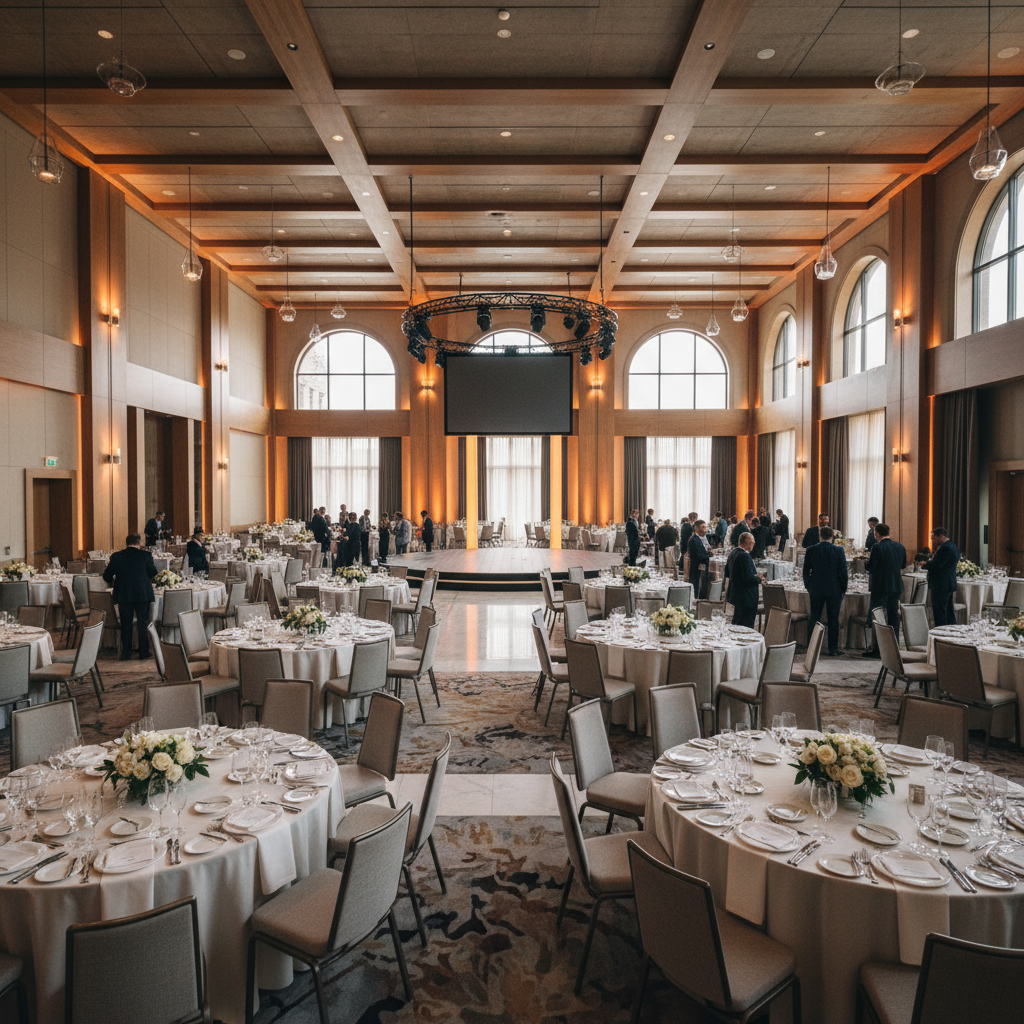
We’ve learned that space planning isn’t abstract—it drives punctuality and energy. Seven similar halls let you scale from a 60-person leadership offsite to a 1,000+ guest plenary, with adjoining foyers for registration and sponsor activations.
Local considerations for 75 Derry Rd W
- Leverage nearby transit at Hurontario St At Derry Rd during peak arrival windows to stagger check-in lines.
- For evening receptions, consider a quiet window around services at Mississauga’s Ram Mandir to ease neighborhood traffic sensitivity.
- Winter months bring early dusk—plan brighter wayfinding and coordinate coat checks to keep registration under 6 minutes per guest.
On-site parking (approximately 700 spaces) keeps arrivals predictable even during simultaneous events. For international or regional guests, being minutes from airport corridors reduces missed sessions and keeps keynote timings intact.
How a modern conference center works
A modern conference center synchronizes five systems: rooms, AV, staging, catering, and operations. A single coordinator maps agendas to rooms, locks AV requirements, sequences kitchen service, and runs real-time change control. This integration trims handoffs, cuts delays, and protects the attendee journey from check-in to closing remarks.
Back-of-house flow
- Agenda mapping: We align session density with hall size—e.g., keynote in the largest hall, three breakouts in adjacent rooms with 30-second walking paths.
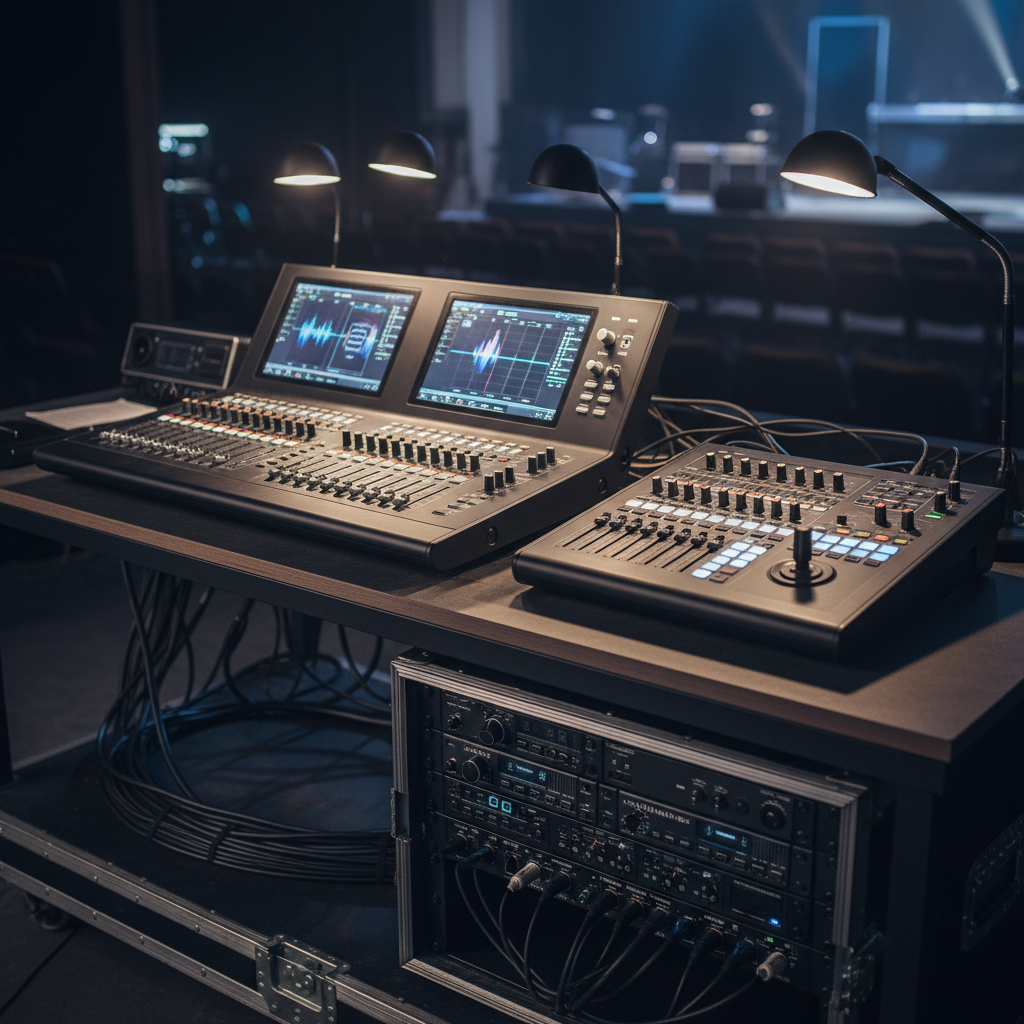
- AV and staging lock: Line checks, mic distribution, and light cues are set before doors open; changes route through a single technical director.
- Kitchen timing: If a plenary overruns by 8 minutes, hot holding and service stations flex to keep food quality high.
- Change control: One radio channel for producers, one for floor managers; updates are timestamped to keep the show on time.
Front-of-house experience
- Registration velocity: We target sub-3-minute average check-ins using clear queue lanes and pre-badged VIP pickup.
- Wayfinding and dwell: Sponsor tables sit along natural footpaths, maximizing impressions without crowding fire lanes.
- Acoustics and comfort: Staging height, speaker angle, and seating pitch are tuned to room geometry for audibility at the back row.
To see how these pieces come together, our team often references internal frameworks like the venue selection checklist and a planning overview, so planners and producers stay aligned.
Event types and room setups
Match room setups to outcomes. Theater boosts keynote energy and capacity; classroom supports note-taking; banquet elevates dining and awards. With seven ~4,250 sq ft halls, you can combine rooms for plenary scale, then split into adjacent breakouts to shorten transitions and keep sponsors visible.
Common formats we host
- Corporate conferences: Plenary + 3–5 breakouts, sponsor expo, leadership dinner.
- Seminars and training: Classroom seating, rolling AV carts, dual screens.
- Trade shows and exhibitions: Island booths, wide aisles, perimeter power drops.
- Galas and awards: Banquet rounds, elevated stage, walk-up audio, spotlighting.
- School proms and graduations: Dancefloor, photo zones, faculty lounge setup.
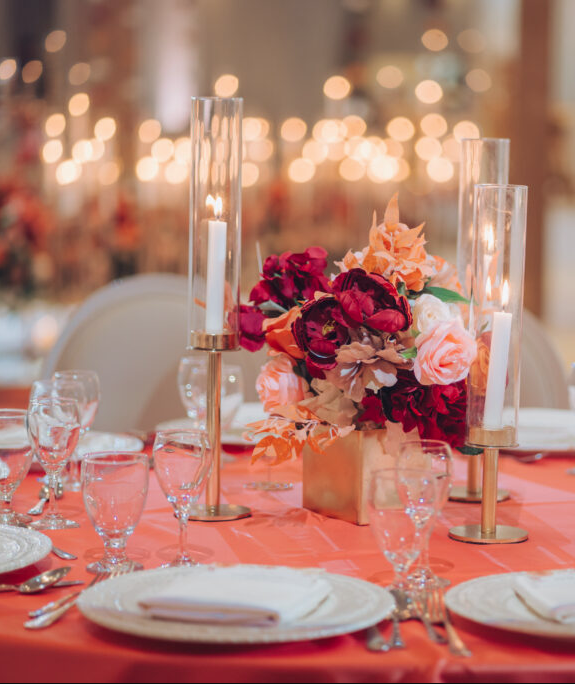
- Weddings and social celebrations: Ceremony to reception flow, outdoor patio micro-moments, multicultural menus.
Setup selection quick table
| Setup Type | Best For | Pros | Considerations |
|---|---|---|---|
| Theater | Keynotes, product launches | Max capacity, strong energy | Limited surfaces for notes |
| Classroom | Workshops, training | Note-taking, stable focus | Lower capacity than theater |
| Banquet | Galas, awards, networking | Conversation-friendly, dining | Stage sightlines need tuning |
| U-Shape | Board discussions, panels | High interaction, visibility | Not ideal for large groups |
| Exhibit | Trade shows | Brand exposure, demos | Power and aisle planning |
For deeper layout thinking, see our planner’s guide and this companion post on catering that supports agendas. Both help you translate program goals into space and service decisions.
Best practices for planning
Lock outcomes first, then design the space, AV, and menu around them. Build a single timeline that combines run-of-show, technical cues, and kitchen service. Confirm access schedules and buffer transitions. This alignment reduces overruns, protects content quality, and keeps attendee satisfaction high throughout the day.
Our field-tested checklist
- Define success metrics: Registrations, session ratings, sponsor leads, or content capture goals.
- Right-size rooms: Keep fill between 70–90% to balance energy with comfort.
- AV preproduction: Request session decks 72 hours prior; run line checks before doors.
- Menu pacing: Plan service to match session energy; quick lunch for dense agendas, plated for gala pacing.
- Wayfinding & signage: Place directional cues at decision points and distance markers near long hallways.
- Accessibility & flow: Maintain clear 44-inch paths; seat heights and ramps aligned to mobility needs.
- Risk planning: Define thresholds for adding overflow seating, switching to handheld mics, or moving to backup rooms.
- Content capture: Reserve camera risers, audio feeds, and power early if you’re archiving or streaming.
- Stakeholder comms: Daily standups with producers, culinary, and tech keep updates under 10 minutes.
- Post-event loop: Debrief within 48 hours while memory is fresh.
Need a fast orientation? Explore our corporate event overview and wedding venue rental pages for examples of layouts and timelines that translate across formats.
Tools and resources
Use planning templates, a virtual walk-through, and benchmark guides to de-risk decisions. Start with a venue checklist, preview spaces via tour content, and align session density with capacity references. The right tools shrink meeting prep time and make on-site execution feel effortless on show day.
- Venue selection checklist: A practical list of 10 must-check items is outlined in our how to choose an event venue article.
- Capacity referencing: Review balanced seat maps in our in-depth corporate venue guide.
- Key elements overview: For a quick refresher on essentials, skim the key elements of a successful venue.
- Program-to-menu fit: See how food pacing supports content in corporate catering options.
- Event capacity guide: Use this capacity reference to right-size rooms and foyers.
When you’re ready to ideate, our coordinators can share past floor plans that fit your agenda structure, from single-track seminars to multi-room conferences with sponsor zones.
Case studies and examples
Real events show what works. These snapshots cover corporate conferences, school galas, multicultural weddings, and exhibitions hosted across our seven ~4,250 sq ft halls. Each example highlights layout, AV, and menu choices that kept programs on time and guest satisfaction high from arrival to closing.
Leadership summit with parallel breakouts
- Scale: 600 attendees, keynote plus four breakouts.
- Layout: Plenary in two combined halls; adjacent rooms for tracks with 45-second walking paths.
- AV & staging: Dual screens, four wireless mics per room, confidence monitors.
- Catering: Continental breakfast, buffet lunch, light reception; vegetarian and Halal options.
- Outcome: Sessions stayed within 5 minutes of schedule; sponsor dwell times rose with foyer placements.
Trade show + product theater
- Scale: 80 exhibitors, 1,800 daily footfall across foyers and halls.
- Layout: Exhibit islands with wide aisles; product theater seating 120 in short-throw projection zone.
- AV & power: Perimeter power, show control desk, aisle lighting cues for safety.
- Catering: Coffee carts, grab-and-go stations to smooth peaks.
- Outcome: Load-in/out windows met without night resets; sponsor signage hit visibility targets.
School prom and graduation
- Scale: 450 students and guests.
- Layout: Banquet + dancefloor, reserved faculty lounge, separate photo zone for lines.
- AV & staging: DJ riser, dynamic lighting, controlled decibel ceiling.
- Catering: Student-friendly menus with vegetarian and allergen-aware labeling.
- Outcome: Smooth coat check and early arrivals; program finished on time with high feedback scores.
Multicultural wedding weekend
- Scale: Two-day program, 700+ guests across ceremonies and reception.
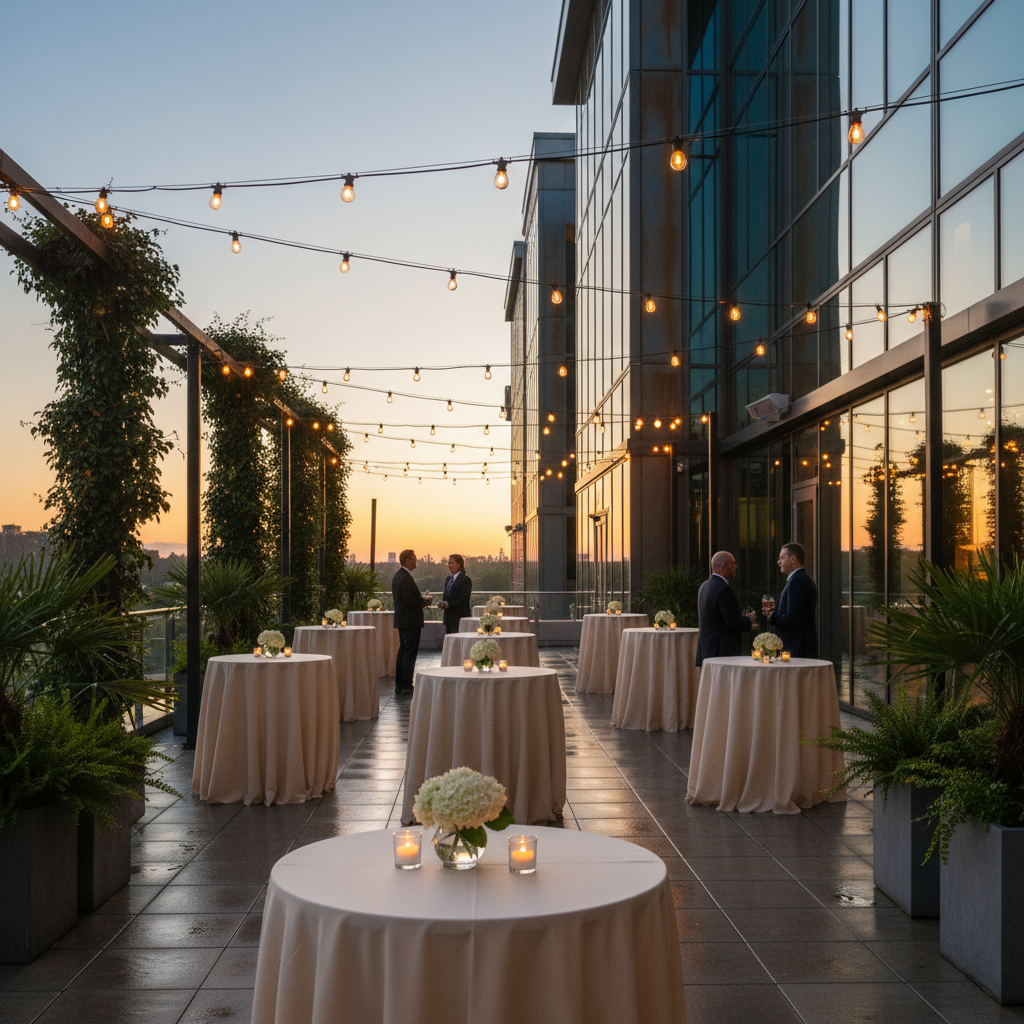
- Layout: Outdoor patio micro-ceremony; indoor banquet with stage for performances.
- AV & staging: Spotlighting and live music inputs; dancefloor lighting cues.
- Catering: South Asian, Pakistani Halal, and Sri Lankan courses supported by in-house teams.
- Outcome: Tight turnarounds protected food quality; clear run-of-show kept traditions honored and on time.
Frequently Asked Questions (FAQ)
These quick answers address the most common planning questions about Mississauga conference centers, from room selection and AV to catering and scheduling. Each response is concise and action-oriented so you can make decisions quickly and keep your planning timeline on track.
What makes a conference center different from a hotel ballroom?
Conference centers prioritize flexible meeting rooms, integrated AV, and efficient load-in/out. Hotels often split focus with guest rooms and F&B outlets. If you need parallel breakouts, show control, and faster turnarounds, a purpose-built conference center usually runs smoother.
How early should I book rooms and AV?
Secure space as soon as your attendee range and decision date are known. Lock AV needs once your session formats are defined. Early alignment gives technical teams time to prewire, test cues, and reserve overflow options if registration trends upward.
Can in-house catering support diverse dietary needs?
Yes. Our in-house teams routinely deliver South Asian, Pakistani Halal, Middle Eastern, Sri Lankan, Caribbean, and Continental menus. We label allergens and coordinate plating with run-of-show, so dietary accommodations don’t slow service or disrupt content.
What room setup works best for learning-heavy agendas?
Choose classroom or U-shape for note-taking and interaction. Reserve theater for keynotes and product reveals. When in doubt, right-size rooms to 70–90% fill and place breakouts side-by-side to keep transitions under a minute.
Key takeaways
Choose a Mississauga conference center that aligns space, AV, and catering to your outcomes. Right-size rooms, streamline run-of-show, and design wayfinding that protects timing. Use checklists, capacity references, and a virtual preview to reduce risk and deliver a polished attendee experience.
- Outcomes first, layouts second—then lock AV and menu pacing.
- Keep walking paths short to protect session timing and energy.
- Use adjacent halls for smooth transitions and sponsor visibility.
- Leverage in-house catering to honor diverse preferences without extra vendors.
- Plan winter lighting and transit timing unique to 75 Derry Rd W.
Conclusion and next steps
The best Mississauga conference centers remove friction from planning. At 75 Derry Rd W, integrated halls, AV, and multicultural catering keep programs on time and guests engaged. Align your goals, lock a layout, and coordinate menus—then walk the space to validate flow before invites go live.
Next steps
- Review our corporate packages overview to map space and services.
- Skim the capacity guide to right-size rooms and foyers.
- Browse event types we host and shortlist your setup.
Ready to plan? Start with our Mississauga corporate venue guide or connect through our planning overview to walk the halls and align timelines.
Friendly planning help: If you’re mapping agendas, menus, and AV, our coordinators can share sample floor plans, run-of-show templates, and menu pairings that fit your goals. We host corporate events, school celebrations, social milestones, and multicultural weddings under one roof.
Explore: corporate event venue overview 4 planning with ease