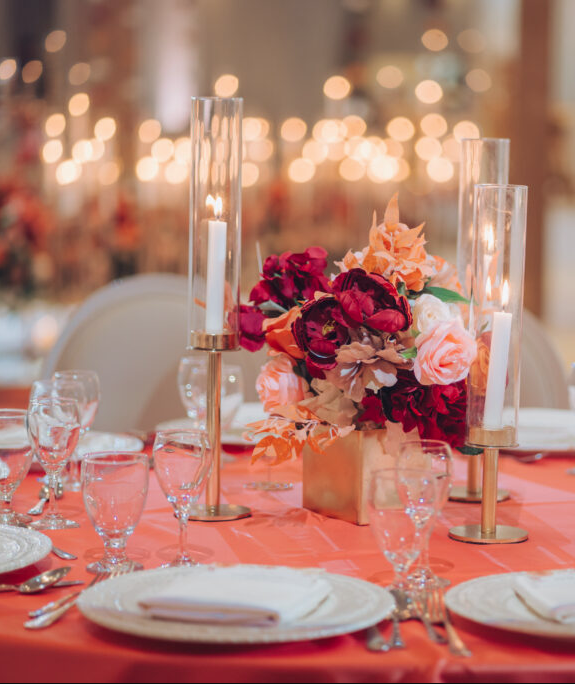

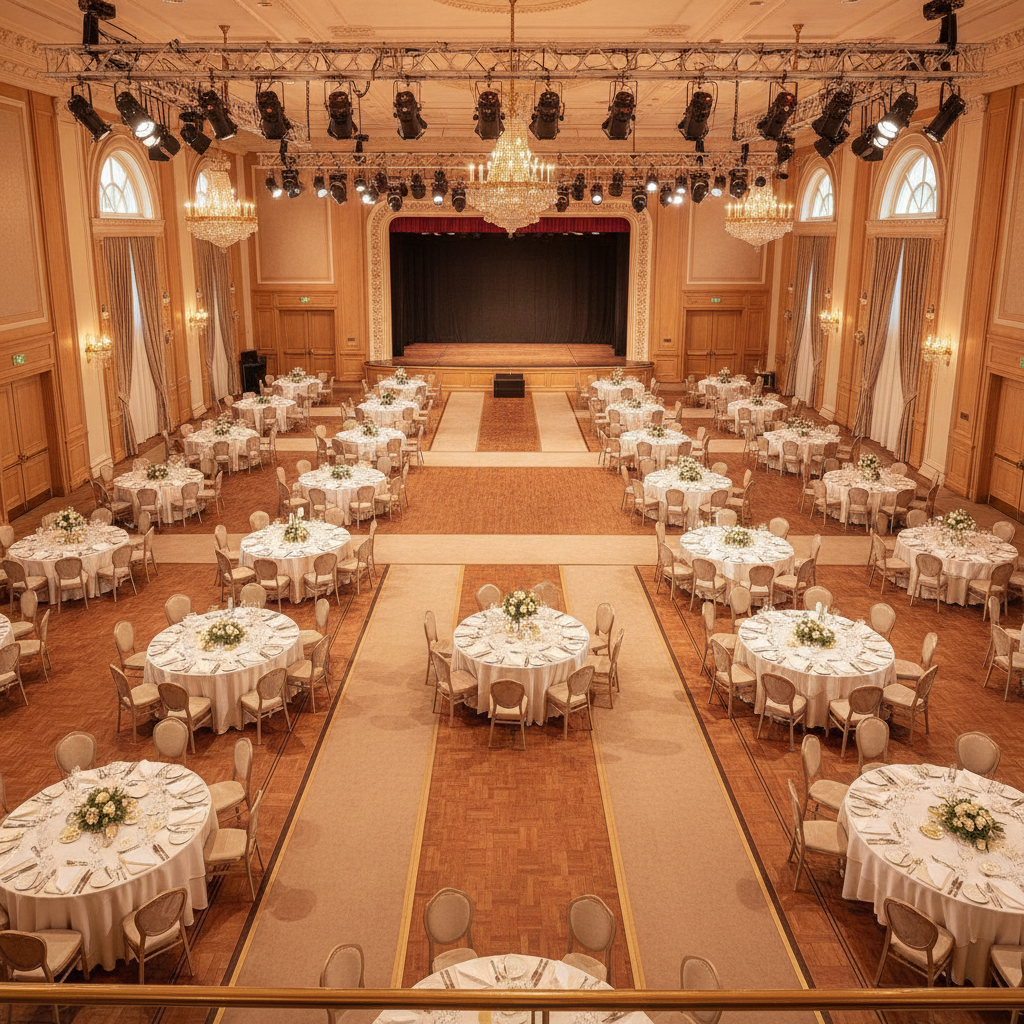
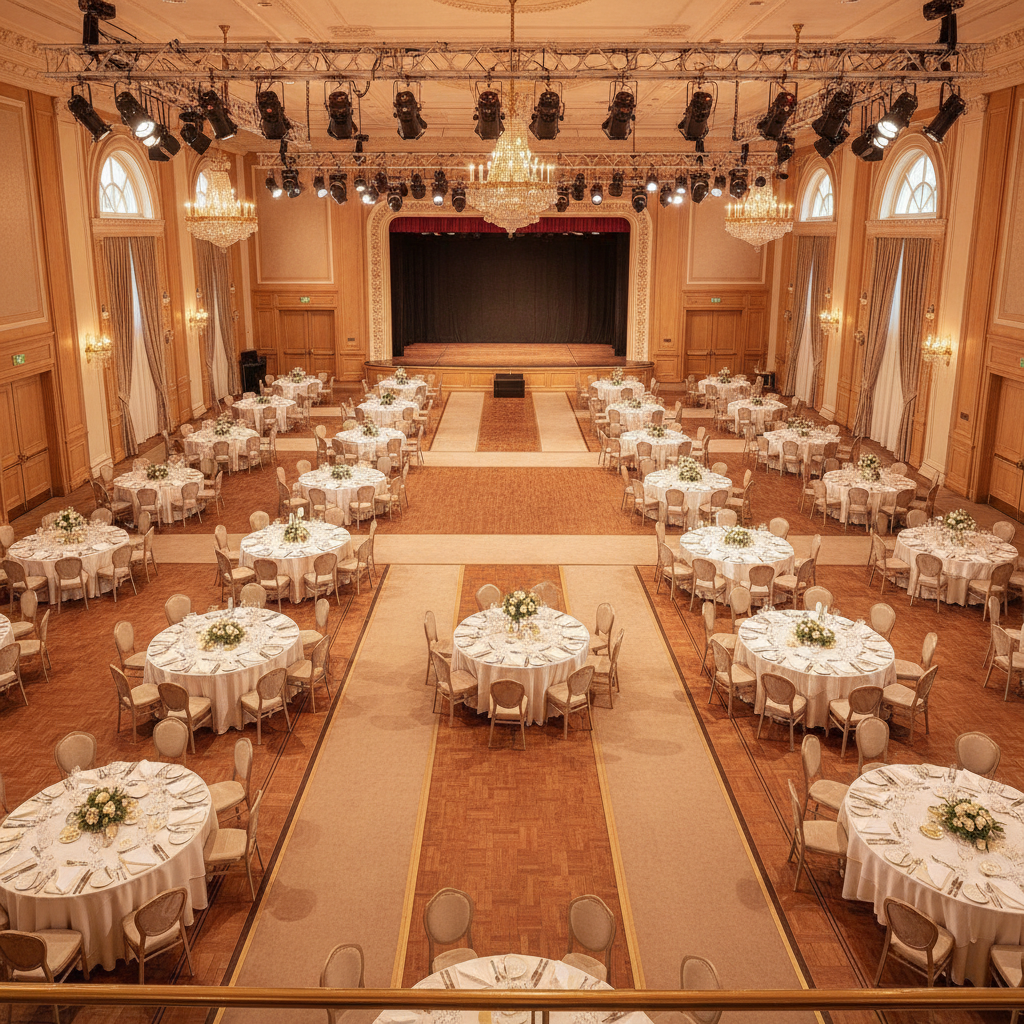
Event floor plan design is the organized blueprint for seating, staging, aisles, and service routes that controls how people and equipment move through an event. A precise plan reduces bottlenecks, improves safety and accessibility, and keeps your run of show on time—vital for large programs near 75 Derry Rd W and Toronto Pearson.
By Preet Dass | Last updated: 2026-07-02
Summary
Design your event floor plan by clarifying goals, sizing capacities, and mapping guest and service flows first. Then set stage and screens, place seating, and route catering and AV. Test sightlines and egress, add wayfinding, and rehearse transitions. This order consistently prevents crowding and delays.
At Mississauga Convention Centre, we support conferences, weddings, galas, trade shows, and school events across seven elegant halls. Strong layouts deliver four wins: clear direction, smooth service, consistent production quality, and memorable guest moments. This complete guide shares our field-tested process so you can plan with confidence.
- What you will learn: definitions, why layouts matter, step-by-step workflow, layout types, advanced tips, tools, and examples.
- Who this helps: corporate planners, HR teams, associations, schools, couples, and exhibitors across the GTA.
- Where it applies: any large venue; examples are tailored to our halls near the 75 Derry Rd W area.
Local considerations for 75 Derry Rd W
- Plan truck doors and crew calls around commuter peaks near Hurontario; the Hurontario St. @ Hwy. 407 Park & Ride area experiences predictable morning and late-day surges.
- From November to March, include a coat check and snow-mat zone in the foyer to speed arrivals and keep ballroom floors dry.
- For cultural ceremonies or prayer time, reserve a quiet room beside main halls; proximity to Mississauga’s Ram Mandir reminds planners to schedule respectfully.
What Is Event Floor Plan Design?
Event floor plan design is the scaled mapping of a room’s furniture, stages, aisles, service lanes, and accessible routes so people, product, and program elements move smoothly. It aligns capacity, safety, and show flow before any chair is set.
Think of the plan as your event’s operating system. It dictates how speakers, cameras, servers, and guests interact minute by minute. Even a small improvement in aisle continuity or bar placement can save minutes per segment and keep a complex agenda on time.
- Scope: seating charts, stage and dance floor placement, AV and tech tables, catering and bars, registration, green rooms, exhibitor grids, storage, and emergency egress paths.
- Inputs: headcounts, table and chair footprints, stage and screen sizes, power needs, rigging points, ceiling heights, door widths, and load-in routes.
- Outputs: scaled drawings, labeled zones, production and catering overlays, and a version-controlled plan for all vendors.
Our seven halls are approximately 4,250 square feet each, with modular airwalls. That lets us right-size intimate meetings or combine rooms for 1,000-plus guest galas and exhibitions. The floor plan always comes first.
Why Event Floor Plan Design Matters
A thoughtful plan protects safety and accessibility, improves sightlines and audio, speeds service, and reduces crowding. The result: better content absorption, shorter lines, and smoother transitions that guests actually feel.
Rushed layouts show up as late doors, blocked aisles, weak sound in back rows, and overcrowded bars. Small changes—like shifting bars off main aisles or widening a choke point—often increase throughput by dozens of guests per hour during peaks. That impact scales when you are hosting 500 to 2,000 people.
- Safety and egress: Keep main aisles continuous and exits visible; avoid dead-ends behind stages or bars.
- Accessibility: Design unobstructed, level routes and wheelchair positions within prime sightlines.
- Production value: Balance distance from stage to seats; avoid off-axis views beyond about 45 degrees in key rows.
- Service efficiency: Standardize tray-pass aisles and staging lanes to shorten cycles and reduce collisions.
- Engagement: Place photo moments or sponsor activations where they increase dwell time without blocking flow.
Room acoustics matter too. Drape and soft furnishings can absorb reflections, keeping speech intelligibility high during awards and panels.
How Event Floor Plan Design Works (Step-by-Step)
Start with goals and headcount. Choose a base layout, size aisles, then set stage and screens. Drop front-of-house tech, trace guest and service flows, layer catering and signage, confirm accessibility and egress, and rehearse a timed walk-through.
Here is the workflow our team relies on for corporate, social, and school events in Mississauga:
- Clarify goals: Keynote? Networking? Dining? Decide what must be centered and what can be peripheral.
- Confirm format and headcount: For example, banquet for 420, theater for 900, or exhibits with 80 booths.
- Pick a base layout: Banquet, theater, classroom, cabaret, cocktail, or an expo grid.
- Estimate capacity: Typical planning footprints (per person) are banquet 10–12 sq ft, theater 5–7 sq ft, classroom 12–15 sq ft, cocktail 8–10 sq ft.
- Place the stage: Favor clean sightlines, camera aisles, and rigging constraints.
- Set screens and projection cones: Maintain clearances for lifts and truss; avoid blocking doors.
- Position front-of-house (FOH): Center FOH about one-third in from the back wall for even coverage. Protect cable lanes.
- Trace guest flows: From entry to seating, restrooms, bars, and photo ops; minimize cross-traffic.
- Add service routes: Keep 36–48 inch working aisles behind seating and direct lines to kitchens.
- Layer catering: Provide 6–8 feet of queue space at buffets or stations and a 4-foot bypass.
- Integrate accessibility: Level, uninterrupted routes and wheelchair seating in prime zones.
- Verify egress: Maintain continuous aisles to exits; avoid door pinches during dismissals.
- Mark wayfinding: Post clear directional signs for sessions, restrooms, and sponsor areas.
- Rehearse transitions: Run a timed walk-through to validate seating, show cues, and resets.
Need deeper capacity math? Review our event venue capacity guide to align room dimensions, table sizes, and comfort levels. It helps you pivot from 300 to 600 guests without rebuilding from scratch.
Types of Layouts and Approaches
Pick layouts by program priority: banquet for dining-first, theater for content-first, classroom for note-taking, cabaret for mixed networking, cocktail for roaming, and expo grids for exhibits. Hybrid combinations often perform best in large halls.
Our seven approximately 4,250-square-foot halls can be combined for big programs or divided for parallel tracks. Use this comparison to select fast.
| Layout | Primary Use | Typical Density | Pros | Considerations |
|---|---|---|---|---|
| Banquet (60-inch rounds) | Dinners, galas, weddings | 10–12 sq ft per guest | Social seating, efficient service, décor friendly | Lower sightlines; elevate the stage accordingly |
| Theater | Keynotes, ceremonies | 5–7 sq ft per guest | Max capacity and clear views | Limited writing space; plan more breaks |
| Classroom | Training, seminars | 12–15 sq ft per guest | Note-taking and materials placement | Heavier furniture; slower resets |
| Cabaret (three-quarter rounds) | Mixed content and networking | 12–14 sq ft per guest | Open sightlines to stage | Lower capacity than full rounds |
| Cocktail | Receptions, holiday parties | 8–10 sq ft per guest | High mingling; flexible zones | Protect tray routes; monitor crowding |
| Expo grid (10 x 10 feet) | Trade shows, career fairs | Varies by aisle width | Predictable flow; power mapping | Keep loading and fire lanes open |
For gala specifics, our gala dinner floor plan tips outline centerpiece heights, stage placement, and runway options that keep award moments crisp while servers move safely.
Best Practices That Keep Guests Comfortable
Protect aisles and exits, integrate accessibility from the start, and separate guest and service flows. Place AV where coverage is even, not just convenient. Use staging, drape, and décor to guide eyes, absorb sound, and simplify wayfinding.
Space and comfort guidelines you can trust in most rooms:
- Main aisles: 6–10 feet in large rooms; secondary aisles 4–6 feet. In tighter theaters, keep at least 36 inches of continuous through-route.
- Wheelchair positions: Integrate into prime sightlines at various depths; never relegate to corners.
- Bars and buffets: Allow 6–8 feet of queuing plus a 4-foot bypass to keep circulation moving.
- Stage height: 16–24 inches for galas; 24–36 inches for large theaters with deep back rows.
- Front-of-house: Center FOH whenever possible; if wall-bound, add speaker delays and camera lanes.
For detailed accessibility planning, see our external primer on accessibility requirements for venues. It covers accessible routes, turning spaces, and seating integration in plain language.
Food and beverage is traffic engineering. Split stations to break lines, and push activity toward sponsor zones or photo backdrops without blocking doors. Keep trash and replenishment routes fully behind sightlines so the room looks composed during peak service.
Tools and Resources
Plan with scaled venue templates, CAD or layout software, and production and catering overlays. Pair the plan with a run of show and a virtual walk-through to align teams before build day.
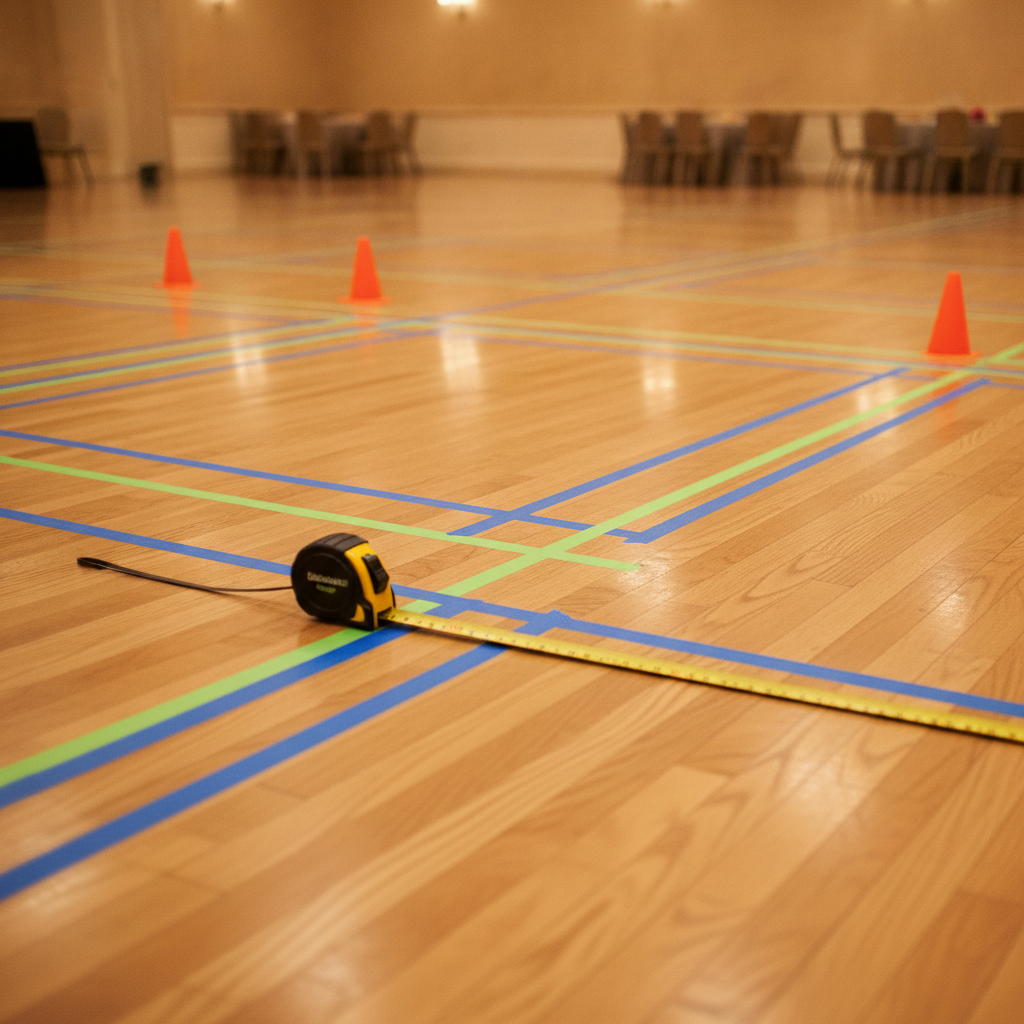
We provide scaled drawings and room dimensions so you can plan with confidence. Many planners layer these with software for speed and collaboration.
- Scaled venue templates: Accurate footprints, door and pillar locations, and rigging points.
- Layout apps or CAD: Drag-and-drop for tables, chairs, and booth grids with exact spacing.
- Production plots: Lighting positions, power drops, projection cones, and cable lanes.
- Catering overlays: Back-of-house doors, staging racks, coffee points, and tray-pass lanes.
- Virtual walk-throughs: Align sightlines, décor, and sponsor placements before you build.
If you are planning an expo, our internal booth layout tips explain common aisle widths, corner widening, and power mapping that protect egress and move-in timing.
Case Studies and Real-World Examples
Tailor layouts to program priorities. Galas need stage presence and tray-pass aisles; weddings need ceremony sightlines and dance floor energy; trade shows need predictable grids and safe loading; school events need photo moments and chaperone control.
Large Corporate Gala (1,000-plus attendees)
We often combine adjacent halls to create long sightlines with a center stage and dual IMAG screens. Banquet rounds are split by 8–10 foot primary aisles; a 24 inch stage keeps award reads visible. Two 20 foot service lanes run behind seating blocks, and bar islands face the audience to reduce back-of-house crossings.
- Short runway for honoree walks to cameras keeps the program kinetic.
- Dessert staging near doors shortens tray distance during tight cues.
- Place the photo backdrop opposite registration to capture arrivals.
For gala specifics, revisit our gala dinner floor plan guide.
South Asian Wedding Reception
Décor-forward stages shape visibility. We step the stage to about 24 inches for back-row clarity, center family tables, and size a dance floor that is reachable without crossing service lanes. Food stations are distributed around the perimeter with 6–8 feet of queue depth and clear bypasses to seating.
- Integrate wheelchair seating near family tables rather than rear corners.
- Protect a 10–12 foot lane for specialty entrances if planned.
- Position dessert and tea or coffee service near photo areas to manage dwell time.
For ceremony and reception inspiration, see our weddings overview (internal) and the wedding venue capacity guide for sizing decisions.
Trade Show With About 120 Booths
We favor predictable 10 by 10 foot grids with 10–12 foot main aisles and 8–10 foot cross-aisles, widening corners for turning. Registration lines split by alphabet maintain flow. Power and internet drops are mapped ahead to protect egress and forklift lanes during move-in.
- Keep a 12 foot perimeter fire lane where required and avoid encroaching displays.
- Stagger sponsor activations to avoid crowd saturation in one zone.
- Place food courts at natural dead-ends to draw traffic across the full grid.
Explore more on exhibitor experience and move-in timing in our event parking logistics guide and trade show booth layout tips.
School Prom or Graduation
Design arrivals with large photo backdrops, then transition to awards on a low stage with bright IMAG. A central dance floor with booth-style lounges around the perimeter keeps traffic balanced. Water stations and coat checks reduce crowding near restrooms, while chaperone lines maintain clear sightlines across the room.
- Use wristband or stamp checks at entry for quick re-entry control.
- Place parent pickup signage outside the main door to free the foyer.
- Reserve a quiet room for students who need a break from loud music.
Room sizing help across formats lives in our banquet halls in Mississauga guide.
Need layout feedback? Share your headcount, format, and any special elements (for example, cultural ceremonies, after-party, or an expo floor). Our team will suggest a scaled draft and a timing sequence that fits our halls and your goals.
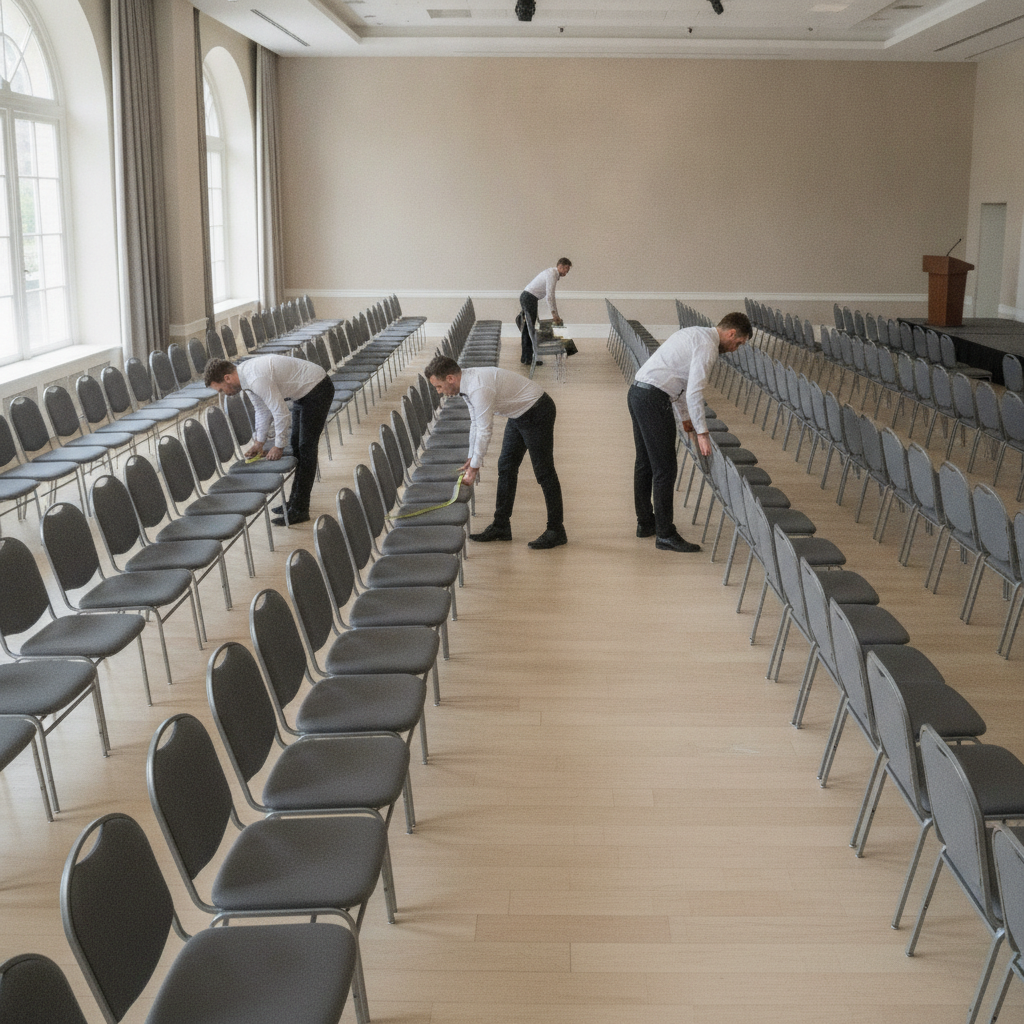
Advanced Tips: AV, Acoustics, and Décor Integration
Lock stage, screens, and sound first, then let décor amplify the experience without blocking views or exits. Use drape and soft goods to tune acoustics. Route cables in protected lanes with covers and backup paths.
- Screen sightlines: Keep core seats within about 45 degrees off-axis for main screens; add repeater screens as needed.
- Audio coverage: Even sound levels beat loud sound. Use delay fills for long rooms and avoid aiming speakers at hard walls.
- Lighting balance: Mix stage wash with audience light for cameras; prevent glare on polished floors.
- Cable management: Define protected lanes, ramp covers, and clear emergency paths to exits.
- Drape and softening: Add perimeter drape to absorb reflections and define zones in large halls.
For configuration ideas, browse these external planning primers: conference room setup ideas and event AV checklist. They show how small adjustments to balance and positioning pay off quickly.
Planning a Holiday Party Venue? Apply These Layout Rules
Holiday parties thrive on flow: a clear arrival path, warm lighting pockets, and distributed bars. Use cabaret or cocktail layouts with a central dance floor, perimeter lounges, and a surprise-moment space for speeches and giveaways.
Year-end events blend short speeches with celebration. We center arrivals on a photo backdrop, keep VIP seating close to the stage, and spread food stations to prevent crowding. A ring of soft seating helps conversations while the dance floor stays active. These rules scale for teams of 150 up to multi-division celebrations over 1,000.
Comparing formats? Our conference room setup guide and banquet hall guide show how to balance ambiance, capacity, and accessibility for holiday parties.
Related Articles and Deep Dives
Build mastery with targeted planning guides. Start with room capacity fundamentals, then layer gala and wedding specifics, trade show traffic strategy, and parking logistics. Use each guide to refine one aspect of your floor plan at a time.
For capacity fundamentals and format translation, see our internal capacity guide. For banquets and galas, study gala floor plan tips. For exhibits and large move-ins, combine trade show layout tips with parking logistics to keep crews and guests moving.
Frequently Asked Questions
Great event floor plans start with goals and end with a timed walkthrough. Keep aisles clear, integrate accessibility, and test AV sightlines. Use accurate venue drawings, then refine with seating, service, and sponsor layers.
How do I choose the right layout for my program?
Match layout to goals. Banquet favors dining and awards; theater maximizes content and capacity; classroom supports note-taking; cabaret mixes content and networking; cocktail encourages mingling. If goals are mixed, split the room into zones or switch layouts between program blocks.
What aisle and spacing guidelines should I protect?
Keep a wide center aisle (often 6–10 feet in large rooms) with 4–6 foot secondary aisles. Maintain at least 36 inches of continuous egress. For buffets, allow 6–8 feet of queuing plus a 4-foot bypass so traffic does not stall. Integrate wheelchair seating into prime zones at multiple depths.
When should I place AV and front-of-house positions?
Lock AV early—set the stage and screens, then front-of-house about one-third from the back wall for even coverage. After AV is confirmed, map cable lanes and add seating. This sequence preserves sightlines and avoids rebuilds under deadline.
How do I integrate cultural elements without crowding the room?
Designate ceremony or performance zones on the room’s centerline, then protect 8–10 feet of approach space. Seat family close to the action and distribute food stations so lines never cross the stage approach. Rehearse entrances and timing to confirm transitions.
Conclusion and Next Steps
Start with goals, size the room with realistic densities, and lock AV sightlines. Separate guest and service flows, then test egress and timing. With a clear plan, your event runs on schedule—and guests notice.
- Key takeaways: define goals; map flows; protect aisles; integrate accessibility; lock AV early; rehearse transitions.
- Action: Share headcount and format with our team; we will return a scaled draft with suggested transitions.
- Where to start: Compare formats in our banquet hall guide or review conference setup guide to match your goals.
Planning in the 75 Derry Rd W area? Book a discovery session and we will translate your agenda into a guest-friendly layout that feels effortless.