

 20 September, 2026
Last updated: October 2026
By Preet Dass • Last updated: 2026-06-23
All-inclusive event packages explained simply: instead of hiring and managing every supplier separately, you coordinate a connected set of venue services through one event team. A package may cover the room, food, tables, linens, basic décor, lighting, sound, staging, technical support, setup, and teardown, but each venue defines its own bundle.
For planners comparing event packages in Mississauga, the most useful question is not whether a package is called “all-inclusive.” Ask what the package delivers for your guest count, agenda, service style, production requirements, and event date. A clear inclusions schedule makes it easier to compare proposals without mistaking an optional upgrade for a standard feature.
What this guide covers
This guide explains what all-inclusive packages commonly include, how they work, which details vary, and how to assess a proposal for a corporate event, wedding, school function, gala, cultural celebration, exhibition, or trade show. It also provides a practical planning sequence for Mississauga Convention Centre at 75 Derry Road West.
Mississauga Convention Centre is a multi-purpose venue with seven halls of approximately 4,250 square feet each, total capacity of more than 2,200 guests, and approximately 700 on-site parking spaces. Its in-house services include audiovisual systems, lighting, staging, technical support, and catering across South Asian, Pakistani Halal, Middle Eastern, Sri Lankan, Caribbean, and Continental cuisines.
- Understand the difference between included services and optional enhancements.
- Match the package to your event format, guest count, room layout, and agenda.
- Use one production schedule to coordinate catering, AV, staffing, and transitions.
- Check local requirements when alcohol, public attendance, vendors, or special-event activities are involved.
What are all-inclusive event packages?
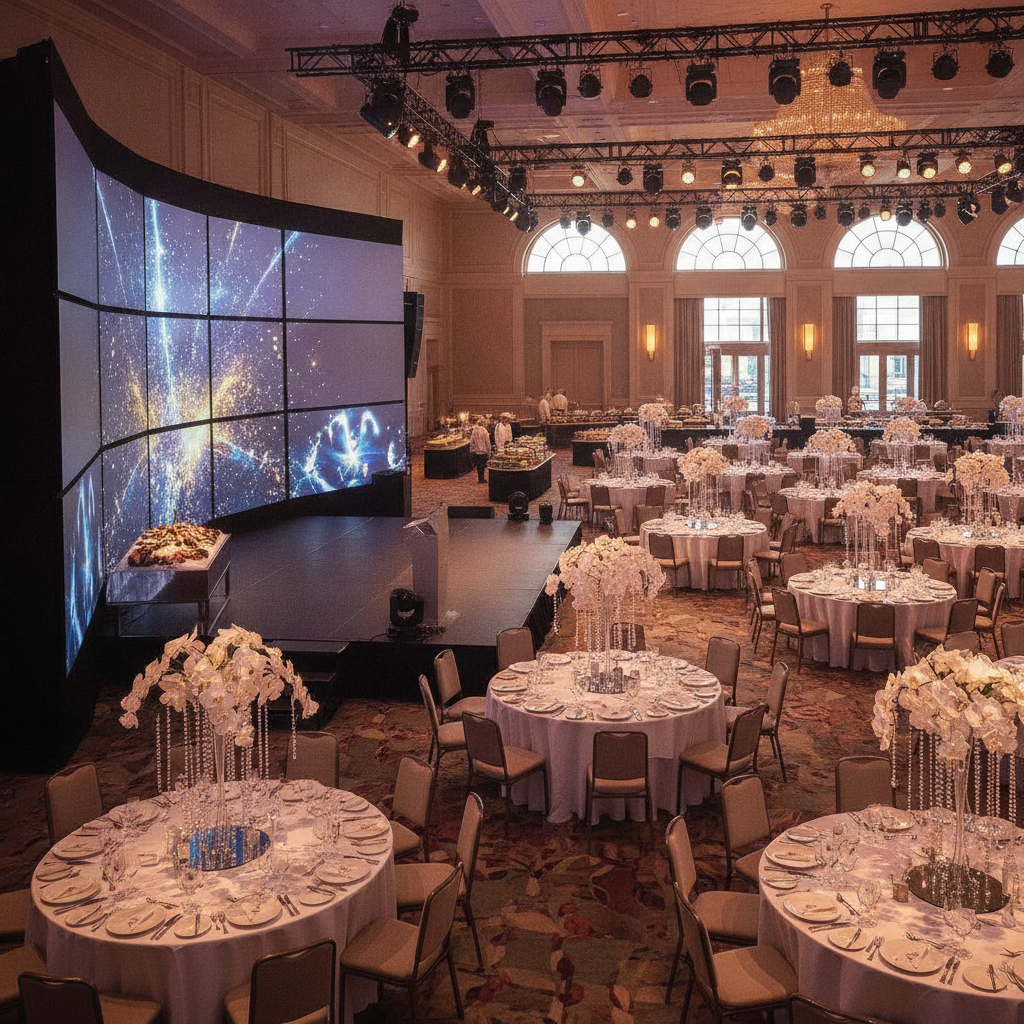
An all-inclusive event package is a bundled venue solution in which several event services are planned and delivered together. The core bundle often includes the event space, food and beverage service, furniture, basic table settings, venue staff, and some combination of audiovisual, lighting, décor, coordination, setup, and cleanup.
The term does not mean that every possible cost is automatically included. A venue may include standard sound and projection but charge separately for advanced production. It may include a base menu but price premium dishes, late-night stations, specialty beverages, custom décor, extended access, additional rehearsal time, or third-party suppliers separately.
Services commonly included
- Venue space: A ballroom, meeting room, pre-function area, breakout space, ceremony area, or exhibition footprint selected for the expected attendance and format.
- Food service: A defined menu, service style, meal period, non-alcoholic beverages, staffing model, and service schedule.
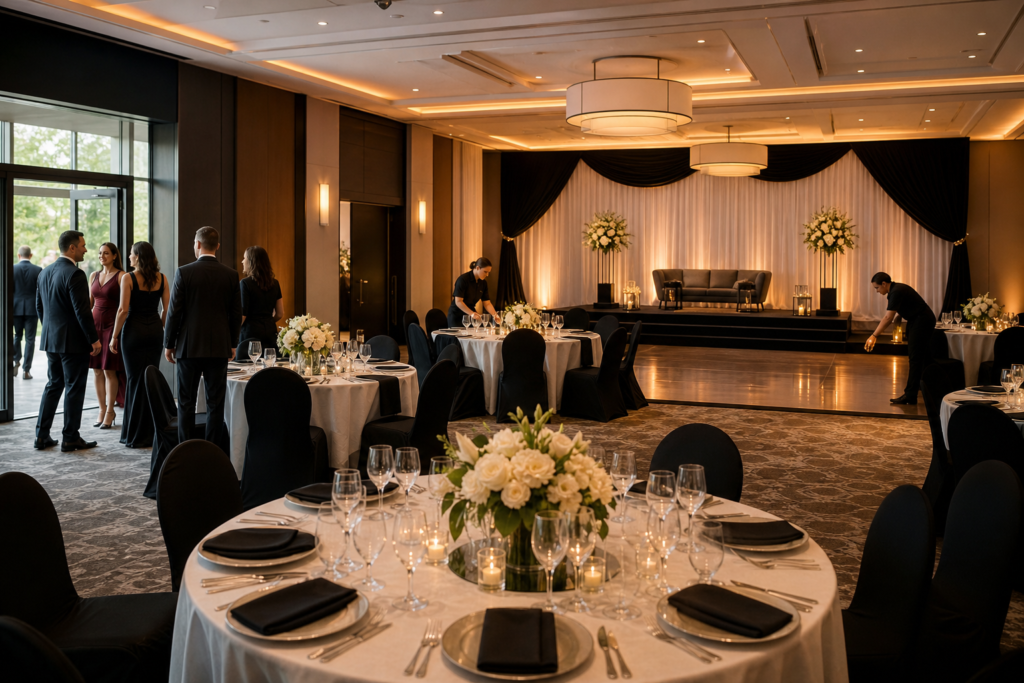
- Furniture and table settings: Tables, chairs, linens, napkins, plates, glassware, cutlery, and standard room setup where specified.
- AV and production: Sound reinforcement, microphones, screens, projection, basic lighting, staging, and technical assistance, subject to the package description.
- Event staffing: A coordinator, banquet service team, floor leads, setup staff, and technical personnel appropriate to the booking.
- Logistics: A floor plan, load-in instructions, setup and teardown windows, vendor coordination, and a run-of-show review.
Items that may be optional
Custom floral design, branded backdrops, upgraded linens, specialty lighting, live streaming, additional screens, entertainment, security, photography, transportation, coat check, premium bar service, outdoor ceremony production, and extended room access are common examples of items that may need separate approval or pricing.
Ask for an itemized inclusions document. It should identify the room, access hours, guest-count basis, menu and beverage limits, staffing assumptions, AV equipment, décor level, tax and service-charge treatment, cancellation terms, and any restrictions on outside vendors or alcohol.
Why choose a bundled event package?
Bundling can reduce the number of suppliers, contracts, invoices, delivery windows, and handoffs that a planner must manage. When the venue’s kitchen, floor team, technical desk, and coordinator work from the same schedule, a change to one part of the event can be reviewed against the rest of the plan.
This is particularly useful when an event contains several transitions. A conference may move from registration to plenary, breakout sessions, lunch, panels, and closing remarks. A wedding may move from ceremony to photographs, reception entrance, dinner, speeches, dancing, and late-night food. A coordinated package gives those transitions one operational home.
Benefits for planners
- Fewer handoffs: The venue team can align room setup, service timing, and technical cues instead of leaving each supplier to interpret the schedule independently.
- Clearer accountability: A designated coordinator provides a practical escalation point when the agenda, floor plan, or guest flow changes.
- More predictable execution: Standard room layouts, tested equipment, and known service processes reduce avoidable surprises.
- Better use of planning time: The organizer can focus on speakers, guests, content, hosts, and priorities rather than repeatedly reconciling supplier timelines.
Bundling is not automatically the lowest-cost option. A planner with established suppliers may prefer a venue-only rental, while a complex event may need production specialists beyond a standard package. The right comparison is total value and operational fit, not the headline label alone.
How all-inclusive event packages work at Mississauga Convention Centre
At Mississauga Convention Centre, planning begins with the event purpose, date, expected attendance, format, and service requirements. The team can then align the appropriate hall or halls with catering, audiovisual needs, staging, staffing, and the timing of guest-facing activities.
- Discovery: Define the event objective, audience, guest-count range, date, budget parameters, accessibility needs, and must-have experiences.
- Space planning: Select the hall or combination of rooms for the main program, registration, meals, breakouts, staging, sponsor areas, photography, or dancing.
- Package review: Read the inclusions schedule line by line and identify upgrades, exclusions, service charges, access limits, and outside-vendor rules.
- Menu planning: Choose the service style and menu direction, including dietary requirements and cultural preferences. MCC offers South Asian, Pakistani Halal, Middle Eastern, Sri Lankan, Caribbean, and Continental options.
- Technical design: Confirm microphones, screens, projection, playback, lighting, staging, lecterns, confidence monitors, presentation files, and technical staffing.
- Program build: Create one run-of-show covering doors, registration, meals, speeches, room turns, entertainment, breaks, cues, and closing.
- Walkthrough: Review the floor plan, guest routes, sightlines, service points, load-in, access hours, and contingency decisions with the relevant leads.
- Execution and debrief: The venue team manages setup, testing, service, cues, and teardown, followed by a review of lessons for future events.
Seven halls of approximately 4,250 square feet each allow planners to consider modular layouts rather than forcing every event into one room. More than 2,200 guests can be accommodated across the facility, and approximately 700 on-site parking spaces support regional attendance. The location at 75 Derry Road West is also near major highways and Toronto Pearson International Airport.
What should you verify before signing?
Because package names vary, request written answers to the questions below before comparing proposals. This step protects the budget and prevents a standard inclusion from being assumed to cover a more demanding requirement.
Venue access and room use
Confirm the assigned room, setup and teardown windows, rehearsal access, storage, registration area, breakout rooms, parking arrangements, accessibility, and whether another event shares the building during your booking. A room that fits seated guests may not fit a stage, dance floor, buffet, sponsor tables, or exhibition booths at the same time.
Food, beverages, and service
Ask whether the quoted menu is per person, which meal periods are included, whether tastings are available, how dietary requests are handled, and whether coffee, tea, soft drinks, dessert, late-night food, or children’s meals are included. Confirm the difference between buffet, plated, family-style, stations, and cocktail service because each affects staffing and timing.
AV, lighting, and staging
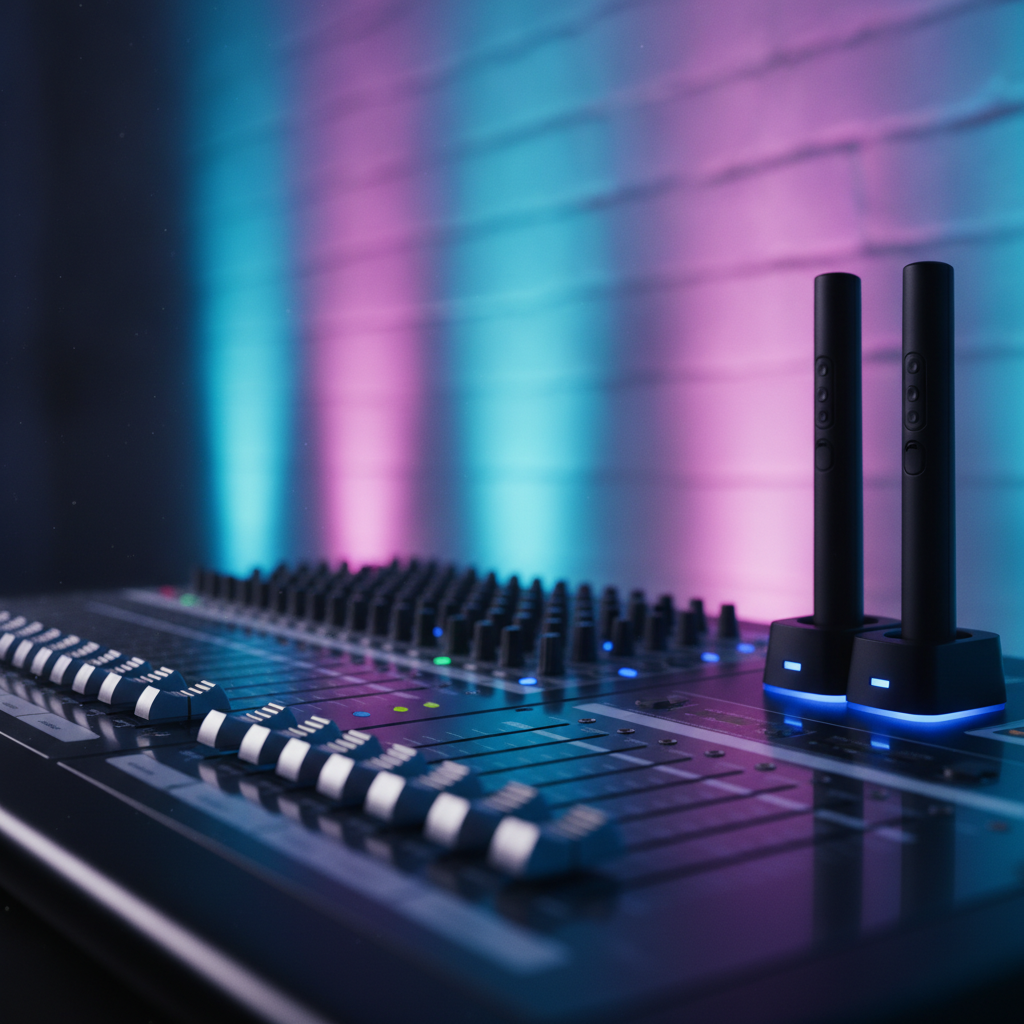
Request an equipment list rather than relying on the phrase “AV included.” Identify the number and type of microphones, screens, projectors, speakers, playback connections, lighting fixtures, stage dimensions, presentation support, technician coverage, recording, streaming, and overtime rules.
Labour, décor, and cleanup
Clarify which coordinator and service staff are assigned, whether setup and teardown labour is included, and what “basic décor” means in practice. Ask who removes personal items, packaging, signage, rentals, floral pieces, and exhibitor materials after the event.
How packages differ by event type
The same core services can support very different experiences. A corporate package prioritizes intelligible speech and efficient transitions; a wedding package emphasizes hospitality, cultural details, photography, and celebration; a school event needs controlled movement and clear supervision; an exhibition needs traffic flow, power, loading, and exhibitor support.
Corporate meetings and conferences
Corporate packages often combine a plenary room, breakout areas, registration, coffee service, working meals, projection, microphones, staging, and technical support. Confirm screen sightlines, speaker-change timing, panel microphones, presentation handoff, sponsor branding, and whether a technician remains available throughout the program.
For a 300-person seminar, one approximately 4,250-square-foot hall could support a plenary layout while adjacent space handles registration, networking, or breakouts, subject to the final floor plan. A single run-of-show should connect session cues with meal service so plates are not cleared during a keynote.
Weddings and social celebrations
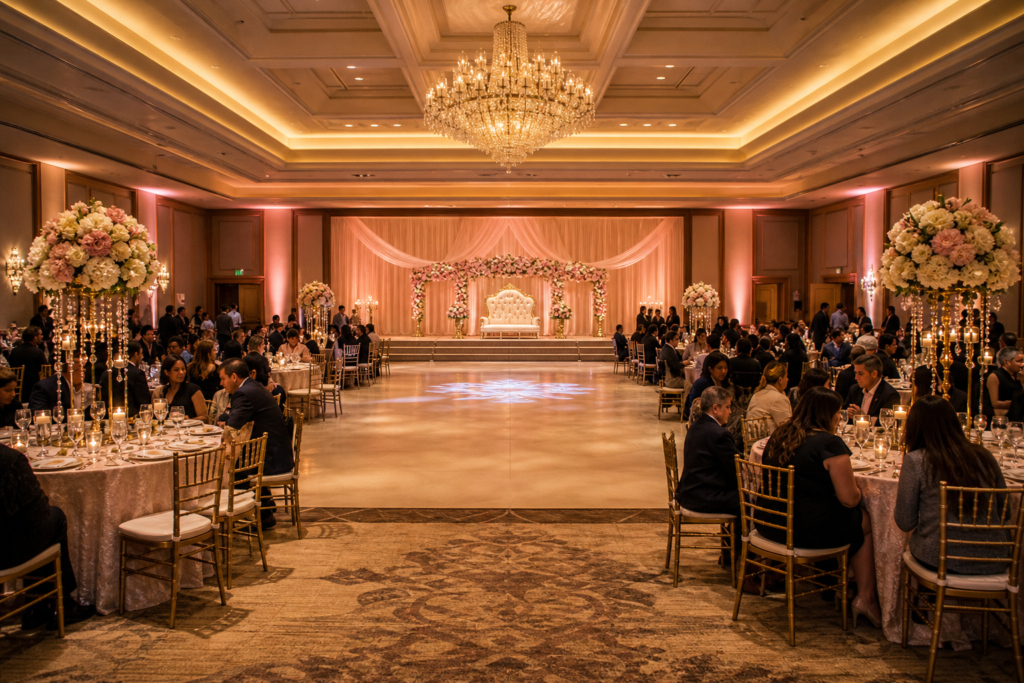
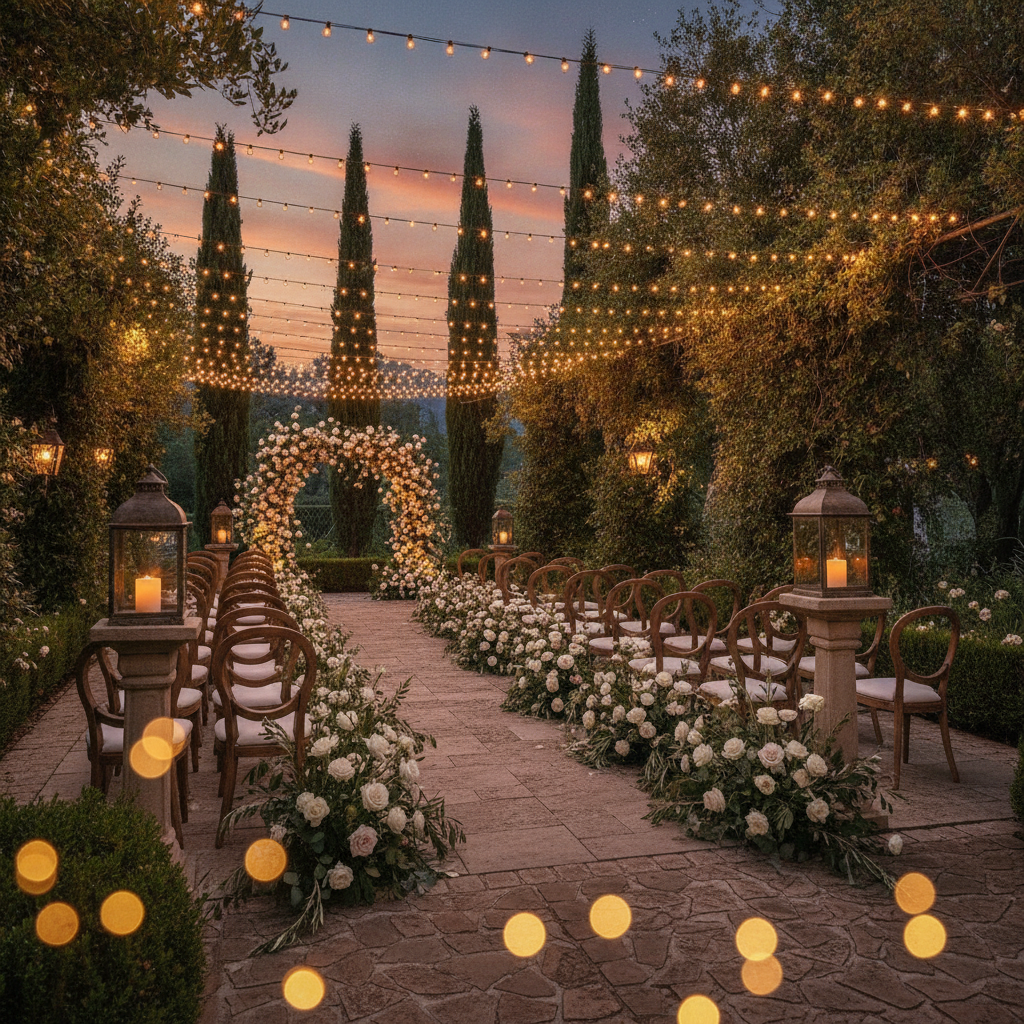
Wedding and social packages commonly bring together ceremony or reception space, meal service, tables and chairs, linens, staffing, basic décor, lighting, and coordination. Discuss ceremony-to-reception timing, family entrances, cultural traditions, head-table sightlines, dance-floor dimensions, photography locations, speeches, entertainment connections, and late-night food.
MCC’s catering range can support celebrations with South Asian, Pakistani Halal, Middle Eastern, Sri Lankan, Caribbean, and Continental menu directions. The final menu, service style, dietary handling, and timing should be recorded in the event plan rather than inferred from a general package description.
School proms and graduations
School events require careful attention to arrival, check-in, supervision, stage access, crossing routes, family seating, photo areas, audio clarity, and orderly departure. Confirm who manages registration, how graduates are staged, where bags or personal belongings go, and how the venue team handles a late change to the program.
Trade shows and exhibitions
Exhibition packages need more than tables and a room. Ask about booth dimensions, pipe-and-drape, power, loading, move-in and move-out windows, signage, registration, floor traffic, exhibitor support, announcement audio, food stations, and waste removal. A central demonstration stage may require separate lighting, sound, screens, and technical coverage.
| Event format | Space priority | Production priority | Service priority |
|---|---|---|---|
| Corporate | Plenary, breakouts, registration | Speech clarity, screens, session cues | Timed coffee and working meals |
| Wedding or social | Ceremony, reception, dance floor | Entrances, speeches, lighting, entertainment | Cultural menu, hospitality, late-night service |
| School event | Safe ingress, stage, family seating | Podium audio, slideshow, announcements | Fast check-in and clearly labelled options |
| Trade show | Booth grid, aisles, loading | Demo stage, announcements, power | Replenished stations and exhibitor support |
How to choose and customize a package
Begin with outcomes instead of a list of attractive extras. Decide what guests must see, hear, eat, access, and remember, then ask the venue to map those priorities to the package.
Use a four-part decision checklist
- Set the planning basis: Record the date, attendance range, event duration, room format, budget basis, audience, accessibility needs, and approval process.
- Separate essentials from enhancements: Mark each inclusion as required, preferred, or optional. This makes it easier to preserve the experience if the guest count or budget changes.
- Test the flow: Draw guest routes from parking and registration to seating, meals, washrooms, stages, photo areas, and departure. Check whether service points create queues or block sightlines.
- Lock the operating plan: Put the final menu, floor plan, contact list, technical cues, access windows, and responsibilities in one version-controlled document.
Plan the timeline around decisions
Early planning should establish the date, room, guest-count range, menu direction, and package scope. The middle phase should resolve the floor plan, vendor rules, décor, production design, seating, registration, and accessibility. Before the event, distribute the final schedule, test presentation files, confirm dietary counts, review arrival instructions, and conduct a walkthrough.
Do not wait until event day to discover that a presentation needs a different connector, that a dance floor reduces banquet capacity, or that an outdoor ceremony requires a separate sound and weather plan. The earlier those decisions are visible, the fewer downstream changes they create.
Mississauga planning and alcohol considerations
Local details can affect the package even when they do not appear in the headline price. For events at 75 Derry Road West, confirm arrival instructions, parking communication, accessibility, supplier access, and the time required for setup and teardown. If guests are travelling from Toronto, Brampton, or elsewhere in the GTA, include practical directions and a clear arrival window in the invitation or event brief.
Alcohol requires particular care. Ontario liquor rules and venue policies govern where alcohol may be served, who may serve it, what food must be available, and how the licensed area operates. Review the applicable Ontario liquor licensing regulation and confirm responsibilities with the venue before advertising a bar, bringing alcohol, or finalizing a package.
A special event may also require municipal approval depending on its activities and circumstances. If your event includes public participation, vendors, food sales, displays, or other activities that fall within municipal requirements, check the City’s special event licence information early rather than assuming the venue contract covers every permit.
Planning resources and next steps
Keep planning documents concise and shared. An “Event on a Page” can summarize the purpose, date, guest count, agenda blocks, room requirements, menu direction, production needs, decision-makers, and contingency choices. Attach an annotated floor plan and maintain one master run-of-show.
- Use the corporate venue rental guide when comparing plenary, breakout, registration, and technical requirements.
- Review the wedding venue rental guide when planning ceremony-to-reception flow, guest service, and celebration layouts.
- Explore cultural celebration venue planning for event formats where menu, traditions, décor, and timing need to work together.
When requesting a proposal, send the venue your date, guest-count range, event format, preferred service style, agenda, menu requirements, AV expectations, access needs, and any outside suppliers. A detailed brief produces a more useful answer than asking only for an “all-inclusive price.”
Examples of packages in practice
Corporate leadership seminar
A 300-person seminar needs a plenary room, breakout capacity, registration, coffee service, panel microphones, presentation screens, and reliable transitions. The package works when the technical team receives the final deck, the caterer knows the break schedule, and the floor plan protects sightlines and aisle access.
Multicultural wedding reception
A multicultural reception may require ceremony planning, a culturally appropriate menu, family entrances, speeches, lighting changes, a dance floor, photography access, and late-night food. The planning team should identify which traditions affect timing and which décor, entertainment, or production elements are enhancements rather than base inclusions.
School graduation
An 800-person graduation needs a clear graduate crossing route, podium audio, tested slideshow playback, family seating, photo access, and controlled arrival and departure. The venue and school should agree on staging, supervision, seating maps, emergency communication, and who can approve a late program change.
Frequently asked questions
What does an all-inclusive event package usually include?
It commonly includes venue space, food service, furniture, standard table settings, event staffing, and some level of coordination. Depending on the venue, it may also include basic AV, lighting, staging, décor, setup, and cleanup. Always request the written inclusions and exclusions because the scope is not standardized.
Are all-inclusive event packages cheaper than hiring separate suppliers?
Not necessarily. A bundled package can reduce coordination time, duplicated delivery costs, and operational risk, but a separate-supplier model may suit a small event or a planner with established vendors. Compare the total proposal, service level, access hours, staffing, equipment, taxes, fees, and your own management time.
Can an all-inclusive package support corporate events and weddings?
Yes. The same foundation of space, catering, staffing, AV, and coordination can support both formats, but the priorities differ. Corporate events usually need presentation reliability and fast room turns, while weddings often need cultural menus, ceremony transitions, décor, entertainment, photography, and celebration pacing.
What should I ask about alcohol in a Mississauga event package?
Ask who is responsible for licensing, service, permitted areas, bartenders, food service, last call, insurance, and any restrictions on outside alcohol. Confirm the plan with the venue and review applicable Ontario and municipal requirements before promoting the bar or signing off on the package.
Choose an all-inclusive package by scope, not by label
All-inclusive event packages can make planning easier by bringing venue space, catering, AV, staffing, décor, and coordination into one operating plan. They are most effective when the inclusions are written clearly, the room supports the agenda, and the venue team understands the guest experience you are trying to create.
For events at Mississauga Convention Centre, start with your date, guest count, format, menu direction, production needs, and access requirements. The Centre’s seven halls, approximately 4,250-square-foot room sizes, capacity for more than 2,200 guests, approximately 700 parking spaces, in-house technical services, and diverse catering provide a foundation for corporate, social, school, cultural, and exhibition events.
Plan your event with one coordinated team
Share your event date, guest count, format, and priorities with Mississauga Convention Centre to discuss a package that fits the program and the guest experience.