

 15 May, 2026
 An award ceremony venue is a professional event space designed for formal recognition, complete with staging, lighting, audiovisual support, and guest seating. In Mississauga at 75 Derry Rd W, the right venue centralizes logistics so honorees, presenters, and sponsors shine. It matters because production quality shapes memories, brand impact, and guest satisfaction.
By Preet Dass — Mississauga Convention Centre
Last updated: 2026-05-15

Overview
Choose an award ceremony venue by matching capacity, AV capability, catering, and logistics to your program. Prioritize stage visibility, speech intelligibility, show flow, and accessibility. A strong venue partner offers integrated AV, multicultural menus, ample parking, and rehearsal support so your honorees feel celebrated and operations stay smooth.
At Mississauga Convention Centre, we’ve spent decades refining awards nights—corporate recognition galas, school graduations, and cultural honors. Use this complete guide to plan with confidence and avoid preventable stress.
- What an award ceremony venue includes and why it matters
- How to plan: timeline, rehearsals, stagecraft, and run of show
- Room layouts and capacities for clear sightlines and flow
- AV, lighting, and livestream essentials for a modern show
- Catering for multicultural audiences, including Halal
- Local tips for Mississauga planners near 75 Derry Rd W
What Is an Award Ceremony Venue?
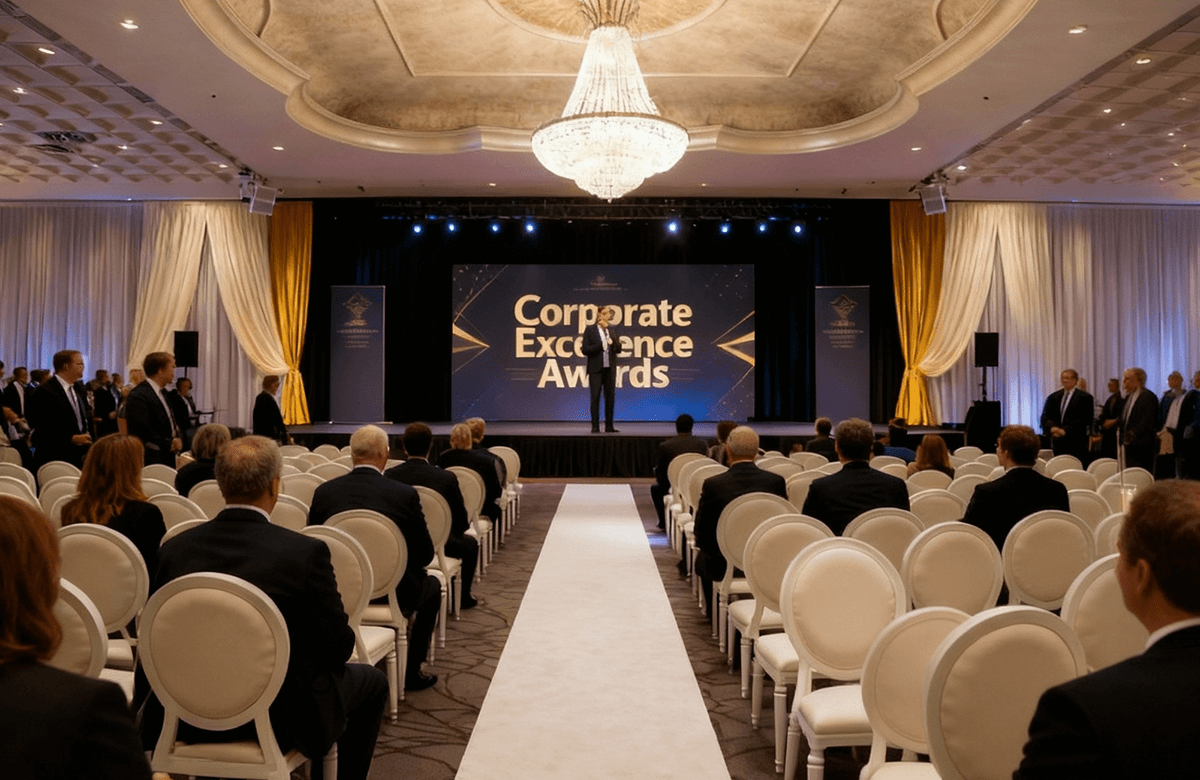
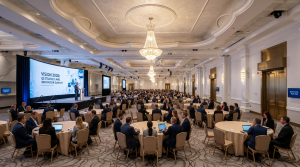
An award ceremony venue is a purpose-ready space for formal recognition programs, combining a stage, lighting, sound, projection, guest seating, catering, and back-of-house production areas. The best venues pair elegant ballrooms with technical depth—so presenters are heard clearly, honorees are seen beautifully, and the celebration runs on time.
In our experience producing events across seven elegant halls (about 4,250 sq ft each) with total capacity over 2,200 guests, the venue’s job is threefold: elevate the moment, eliminate friction, and enable precision timing. That requires infrastructure most “nice rooms” don’t offer: ceiling rigging points, reliable power distribution, tuned sound, backstage paths, and quick-turn staff coordination.
Core elements you should expect
- Stage and risers: Modular sizes (e.g., 24–40 ft wide) to fit presenters, honorees, and live entertainment.
- Lighting package: Uplights for ambiance, key lights for faces, and effects for walk-ups and photos.
- Sound system: Speech-first audio with handhelds and lavaliers, tuned to avoid echo and feedback.
- Projection/LED: At least one 16:9 screen (or LED wall) with confidence monitor for presenters.
- Backstage flow: Quiet holding area, cueing station, and stage manager position.
- Catering and bar: Flexible menus, plated or buffet service, and dietary accommodations.
- Accessibility: Step-free entries, clear aisles, and reserved seating for mobility devices.
Mississauga Convention Centre integrates these elements with in-house AV, staging, and technical support—so you don’t juggle multiple vendors under show-time pressure.
Why Award Venues Matter
The venue sets the tone and reliability of your ceremony. Production-grade rooms reduce technical risk, enhance visibility and sound, speed service, and protect schedules—turning recognition into a high-emotion brand moment guests remember and share.
Here’s the thing: award shows compress live theater, television pacing, and dining service into a single evening. When any piece falters—audio clarity, dish timing, or backstage flow—the audience notices. We’ve found that ballrooms with integrated AV, 700 on-site parking spots, and practiced banquet teams keep programs on time and guests relaxed.
- Brand impact: Crisp intros and well-lit reveals amplify prestige for honorees and sponsors.
- Guest comfort: Ample parking (around 700 spots) and efficient coat/registration reduce queues.
- Program control: Dedicated stage manager, rehearsal windows, and confidence monitors keep flow tight.
- Menu fit: Diverse cuisines (South Asian, Pakistani Halal, Middle Eastern, Sri Lankan, Caribbean, Continental) respect traditions and preferences.
- Scalability: Seven similar halls allow parallel sessions, VIP receptions, or after-parties in adjacent spaces.
How Award Ceremony Venues Work (From Inquiry to Encore)
A successful awards night follows a clear path: discovery, date hold, design, run-of-show, rehearsal, showtime, and follow-up. Choose venues that provide in-house AV, multicultural catering, and a dedicated coordinator to keep decisions fast, documentation clear, and timelines on track.
Step-by-step planning timeline
- Discovery (90–180 days out): Define goals, audience size, award categories, and program length (often 90–120 minutes of stage time).
- Site visit + hold: Walk the room; confirm sightlines for 200–800 guests per hall segment; place a courtesy hold.
- Design + tech spec: Stage width (e.g., 32–40 ft), podium location, camera plot, and lighting looks. Lock screen aspect (16:9), playback formats, and mic counts.
- Menu + service plan: Decide plated vs. buffet, coursing cadence, and dietary flags (Halal, vegetarian, vegan, gluten-free).
- Run of show (ROS): Minute-by-minute script with walk-up music, VO, and housekeeping notes. Aim for act breaks every 20–30 mins.
- Rehearsal: Sound check, walk-through, and cue-to-cue. Confirm all name pronunciations and last-minute category changes.
- Showtime: Doors at T–60, opening video at T–5, show starts on time. Stage manager calls cues; banquet deploys food on schedule.
- Follow-up: Strike, lost-and-found return, and a short debrief to capture learnings for next year.
We streamline this flow with a single contact who coordinates room configuration, AV, and menu—so planners focus on content and community.
Types of Award Ceremony Formats and Room Layouts
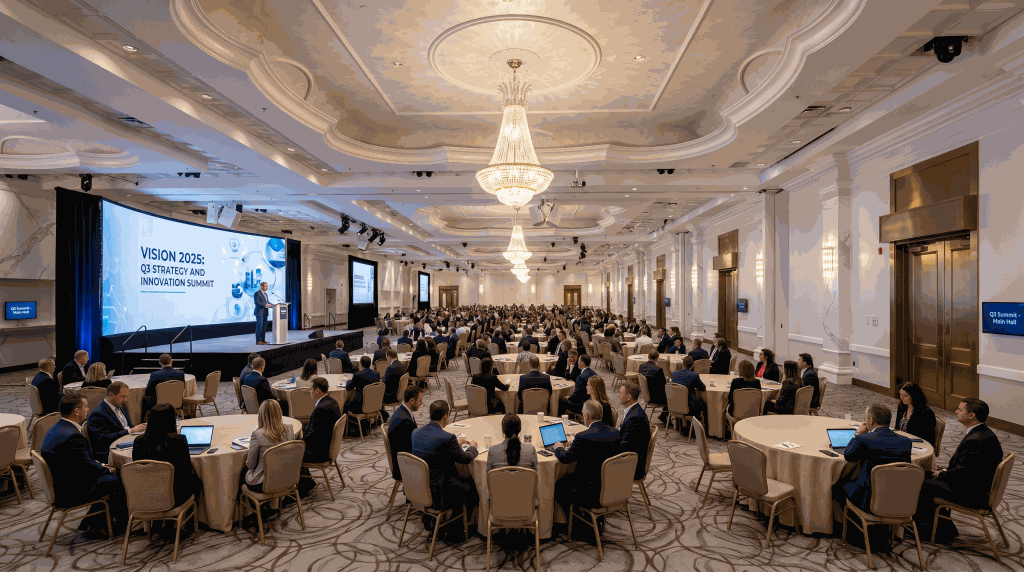
Match room layout to show goals. Banquet rounds suit plated dinners, theater rows boost capacity and focus, classroom adds note-taking, cabaret improves sightlines, and cocktail maximizes mingling. The best layout balances sightlines, service aisles, and stage proximity.
Seating and capacity guidelines for a ~4,250 sq ft hall
| Format | Best for | Typical capacity | Pros | Watch-outs |
|---|---|---|---|---|
| Theater | Keynotes, short awards | 350–450 | Maximum seats; tight focus on stage | Harder to serve meals; add intermission |
| Banquet (10s) | Awards + dinner | 180–220 | Comfortable dining; sponsor tables | Mind sightlines; use stage risers |
| Classroom | Training + recognition | 150–180 | Writing surface; water stations | Lower capacity; wider aisles |
| Cabaret (3/4 rounds) | Presentations + social | 140–160 | Improved sightlines; conversation | Plan extra tables for capacity |
| Cocktail/Reception | Networking + short program | 300–400 standing | High energy; flexible zones | Plan accessible seating pods |
Design details that protect sightlines
- Stage elevation: 18–24 inches improves visibility beyond the first few rows.
- Podium placement: Off-center to leave the main screen clean for IMAG and graphics.
- Camera risers: 12–24 inches to maintain clear shots over guests.
- Screen size: Aim for a 1.5× rule of thumb (farthest viewer ≈ 6× screen height).
- Lighting angles: 30–45° front key lights prevent harsh shadows in photos.
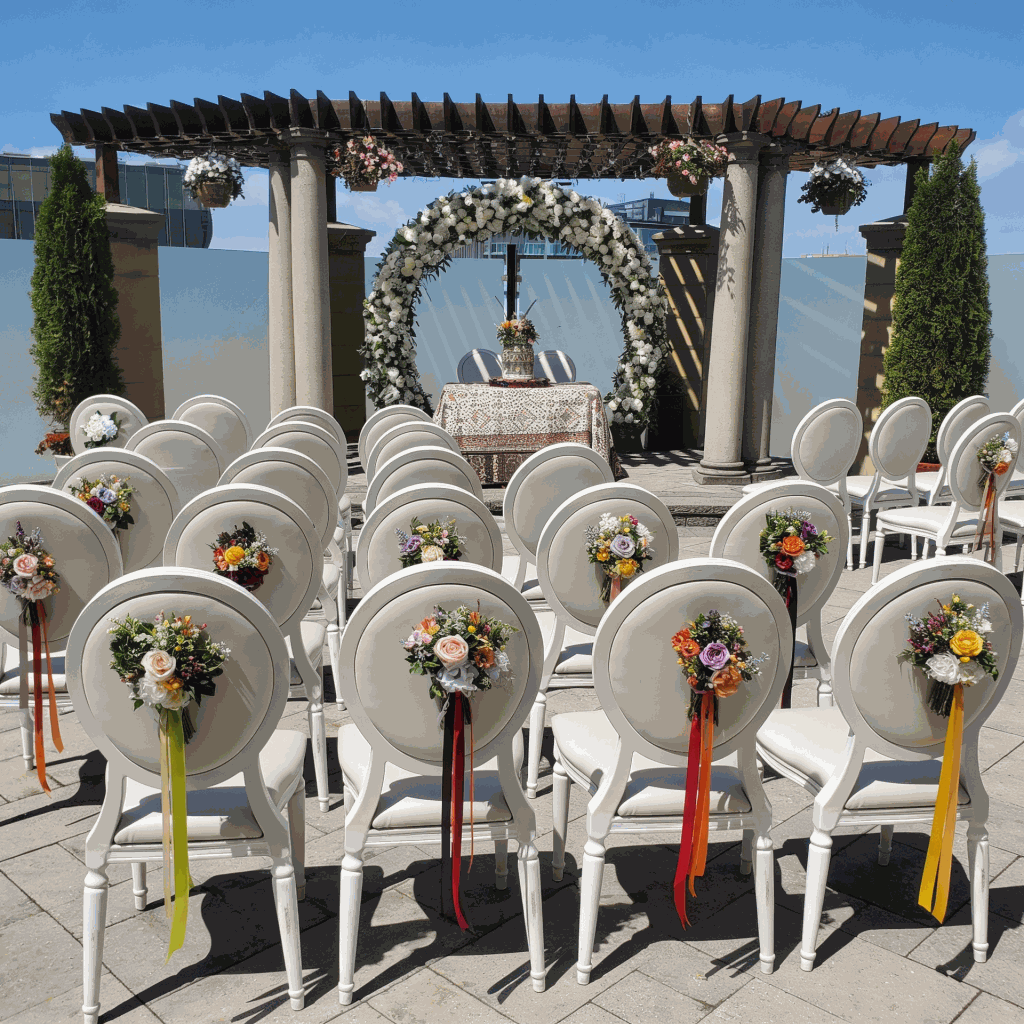
Our seven similarly sized halls make multi-room formats simple: VIP pre-reception in one hall, main awards next door, and an after-party on the customizable outdoor patio (seasonal).
Best Practices: AV, Lighting, Show Flow, and Service
Treat your ceremony like live broadcast. Prioritize speech clarity, even lighting, redundant playback, practiced cues, and synchronized banquet service. Build buffers into your run-of-show so you finish on time without rushing honoree moments.
Audio you can trust
- Mic strategy: 2–3 handhelds + 2 lavaliers, with a spare. Label channels and sanitize between users.
- EQ for speech: Focus on 2–4 kHz for intelligibility; notch problem frequencies to prevent feedback.
- Distributed speakers: Even coverage avoids hotspots; aim for consistent 70–75 dB across the room.
Lighting that flatters and guides
- Face light first: Two-point or three-point front lighting helps cameras and guests read expressions.
- Walk-up cues: Chase lights or subtle movement direct attention without overpowering.
- Color harmony: Match uplight palettes with brand colors and table décor.
Video and content playback
- 16:9 assets: Keep all videos and slides in the same aspect; avoid last-minute letterboxing.
- Redundancy: Two playback laptops with switcher; mirrored files on both.
- Captioning-ready: If livestreaming, prepare lower-thirds and alt text descriptions for graphics on web posts.
Banquet service timing
- Course windows: Target 10–12 minutes per course for plated dinners.
- Quiet zones: Hold service during key speeches and award reveals.
- Dietary assurance: Color-coded or icon-marked (on BEOs) for Halal, vegetarian, vegan, and gluten-free meals.
We align our banquet and stage teams with a shared minute-by-minute cue sheet so service peaks never collide with emotional moments.
Tools and Resources for a Smooth Ceremony
Use checklists, tech specs, and visual previews to reduce risk. Lock a run-of-show, confirm a cueing plan, and leverage virtual tours and diagramming to validate sightlines and service paths before show day.
- Venue diagram: Finalize seating, stage, camera risers, and screen positions; annotate power drops and cable paths.
- Run-of-show template: Time stamps, cues, audio files, and walk-up music assignments.
- Presenter pack: Script, teleprompter notes (if used), pronunciation guide, and contact sheet.
- Menu matrix: Flag Halal and other dietary requirements; brief the captain on VIP tables.
- Virtual preview: Reduce guesswork by touring spaces online before locking your plan.
To see how we streamline corporate awards, explore our corporate event solutions and our gala planning guide with real-world tips.
Catering for Awards: Menus That Respect Traditions
Design menus that honor your audience. Offer Halal-friendly options and regional favorites alongside familiar Continental dishes. Balance pacing with courses that plate quickly and travel well to the back rows, keeping the spotlight on honorees.
- Multicultural range: South Asian, Pakistani Halal, Middle Eastern, Sri Lankan, Caribbean, and Continental selections.
- Service choice: Plated for formality, buffet for flexibility; cocktail for networking-heavy nights.
- Allergies/intolerances: Maintain a coded sheet at the captain’s station to verify special meals.
- Coffee and dessert: Schedule during a lighter program segment to keep energy high for the finale.
Our culinary team builds tasting-led menus so you can preview flavors and plating that match the ceremony’s tone.
Accessibility, Safety, and Operations
Plan inclusive, safe ceremonies by ensuring step-free access, clear signage, trained staff, and documented emergency procedures. Reserve accessible seating, consider assistive listening, and brief teams on evacuation routes and roles before doors open.
- Accessible arrivals: Step-free entries, priority seating zones, and wider aisle plans.
- Assistive listening: Provide receivers or designate quiet seating near distributed speakers.
- Staging safety: Non-slip surfaces, cable ramps, and staffed stairs for mobility support.
- Food handling: Label allergens and separate prep lines for special meals.
- Emergency plan: Share contacts, exits, and shelter-in-place notes with stage and banquet teams.
Operational readiness is part of our standard pre-show brief. We review exits, first-aid contacts, and show stops so your team can focus on recognition, not troubleshooting.
Case Studies and Real-World Examples
Award shows succeed when content, production, and service align. These snapshots show how capacity, layout, and menu choices drive smooth programs—from corporate recognition to school graduations and multicultural honors.
Corporate recognition gala (example)
- Attendance: 650 guests using banquet rounds (10s) across multiple halls for a main stage and sponsor lounge.
- Production: 36-ft stage, dual 16:9 screens, two cameras for IMAG, and walk-up lighting chases.
- Menu: Plated entrée with Halal option, dessert interlude before the final award.
- Outcome: Program ended within 2 minutes of target—thanks to rehearsal and cue sheets for banquet and stage teams.
School graduation and awards (example)
- Attendance: 900 across main floor and overflow—Theater seating plus photo zone for families.
- Production: 32-ft stage with wide stairs, distributed audio for even coverage, and roaming mic for valedictory remarks.
- Menu: Post-ceremony reception with mocktails and light bites to maximize mingling.
- Outcome: Quick-turn photo lines and clear signage reduced bottlenecks and kept graduates flowing.
Community honors night (example)
- Attendance: 500, mix of cabaret seating and soft seating pods near the stage.
- Production: LED uplight palette matching brand colors, two confidence monitors, and remote clicker for hosts.
- Menu: Caribbean-inspired buffet with vegetarian and vegan tables flagged at entry.
- Outcome: High guest satisfaction scores on food quality and show pacing in the post-event survey.
For more planning context, see our venue selection checklist and a general overview of our spaces.
Local considerations for 75 Derry Rd W
- Plan arrivals in waves to take advantage of ample on-site parking and smooth drop-offs during peak weekend traffic in Mississauga.
- Spring graduations and late-fall galas book quickly; secure dates early and lock rehearsal windows before exams or holiday party rush.
- Winter weather can impact load-in; buffer your production schedule and confirm snow-ready access for equipment and guests.
Award Ceremony Checklist and Templates
Use a simple checklist to protect your timeline. Lock the room plan, audio inputs, and menu cues; then confirm walk-ups, name pronunciations, and final seating. If every owner signs off 72 hours before showtime, you’ll reduce on-site surprises.
72-hour pre-show checklist
- Final seating chart and VIP list printed at registration
- Stage diagram with podium, stairs, and cue positions marked
- Audio inputs labeled (handhelds, lavs, playback) and tested
- Lighting looks recorded; walk-up cues timed to music
- Slides/videos in 16:9 on redundant playback machines
- Special meals flagged; captain briefed on table numbers
- Emergency procedures distributed to stage and floor leads
Show flow template (example sequence)
- Doors open, soft walk-in playlist, photo ops active
- Welcome remarks and land acknowledgment (if planned)
- Opening video and host introduction
- First award block (3–4 categories), interlude performance
- Main course service window
- Second award block (3–4 categories), sponsor recognition
- Dessert and networking moment
- Marquee award and closing
- After-party or send-off
Our team provides editable ROS and diagram templates during contracting to accelerate decisions.
Livestream, Media, and Photography
Treat cameras as part of the audience. Provide IMAG screens for back rows, a stabilized camera for cutaways, and a content path for same-night social posts. Confirm rights, music licensing, and a photo call immediately after the finale.
- IMAG: One locked-off wide and one roaming camera provide versatile cuts for screens.
- Lighting for camera: Maintain consistent color temperature; avoid saturated face light.
- Photo plan: Build a 20–30 minute buffer post-show for winner portraits on stage.
- Social content: Pre-render lower-thirds and winner slates for rapid sharing (if desired).
Backstage rooming and clear run lists help talent, presenters, and crew hit marks without overtime risk.
Frequently Asked Questions
Planners ask about timelines, rehearsal needs, menu choices, and technical requirements. Here are concise answers to the most common award venue questions so you can plan with clarity and speed.
How far in advance should I book an award ceremony venue?
Reserve 4–9 months ahead for peak seasons like spring graduations and late-fall galas. If you need multiple rehearsal windows or parallel rooms, place a courtesy hold as soon as your target date is known.
Do I need a full rehearsal?
Yes. A cue-to-cue with mics, playback, and walk-ups reduces on-stage hesitation and keeps your show on time. At minimum, run opening, award handoffs, and the finale with your host and stage manager.
Which seating layout works best for awards?
For dinner-led ceremonies, banquet rounds (10 guests per table) balance dining comfort and sightlines. For presentation-heavy programs, theater seating increases capacity and focuses attention on stage.
Can you accommodate Halal and other dietary needs?
Yes. We offer South Asian, Pakistani Halal, Middle Eastern, Sri Lankan, Caribbean, and Continental menus. We also manage vegetarian, vegan, and gluten-free meals with labeled service.
What onsite support is included?
Our in-house AV, lighting, staging, and technical team coordinate with your planner. You’ll have a single point of contact for floor plans, run-of-show updates, and day-of execution.
Plan Your Awards Night with Confidence
Get a fast, practical plan. We’ll help you pick the right hall, finalize seating and stage, align AV and banquet cues, and set a rehearsal that protects your run time. One conversation saves dozens of emails.
Ready to see how your program fits? Explore our venue checklist and space overview, then reach out for a walkthrough.
Key Takeaways
Pick a venue that pairs elegant ballrooms with integrated AV, clear sightlines, and multicultural menus. Lock your ROS, rehearse, and time banquet service around award blocks. With the right partner, the ceremony feels effortless for guests and unforgettable for honorees.
- Capacity, sightlines, and AV define guest experience more than décor alone.
- Minute-by-minute cueing keeps programs on time without rushing winners.
- Halal and diverse menus increase inclusivity and satisfaction.
- Ample on-site parking and practiced teams reduce pre-show stress.
- Virtual tours and diagrams catch issues before show day.
Deepen Your Planning Expertise
Review local examples to refine your plan. Comparing regional awards-night write-ups and venue guides clarifies pacing, room flow, and menu decisions, especially for first-time planners.
For contrast and more context, you can compare a nearby perspective in this local awards-night article, or cross-check banquet considerations with our own resources on formal dinner room setup and corporate event logistics.