

 20 September, 2026
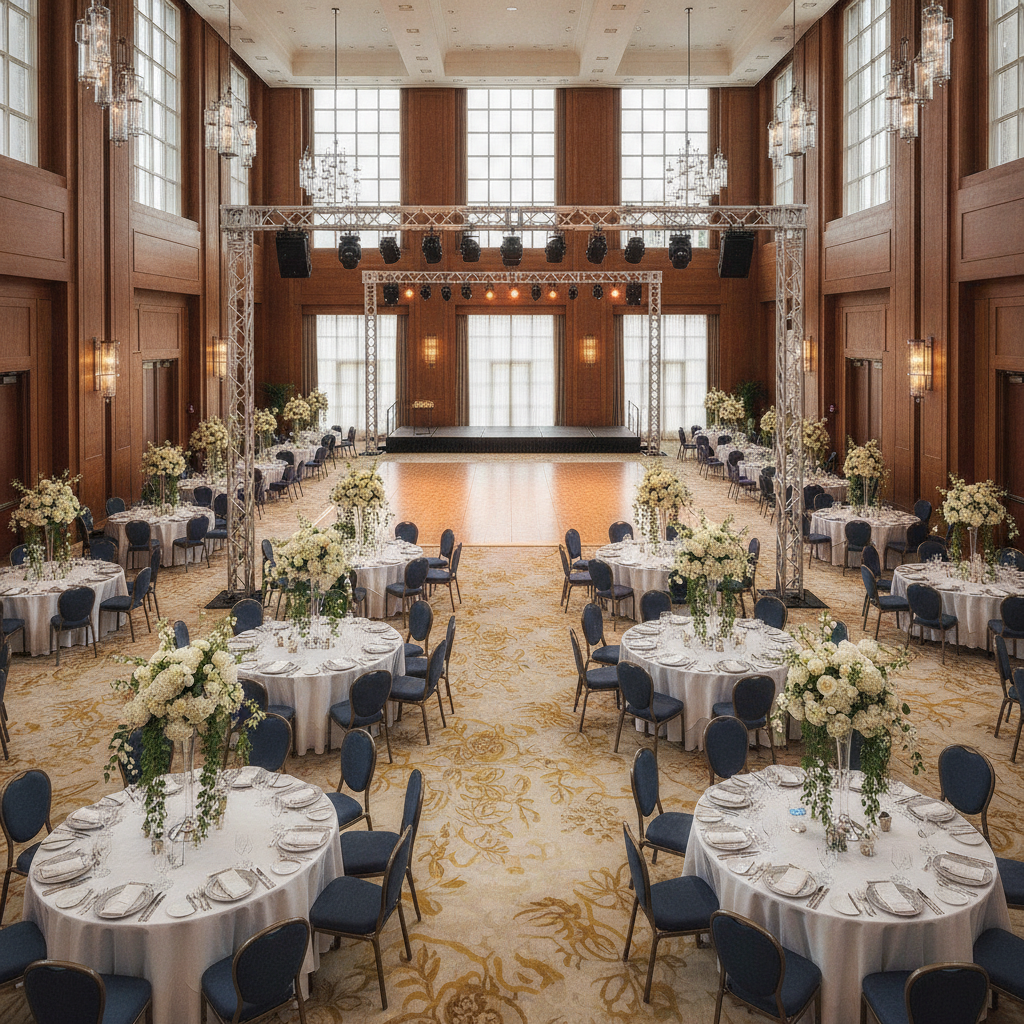
 Banquet hall layout planning is the structured design of seating, staging, aisles, and service zones to optimize flow, capacity, and guest comfort. At 75 Derry Rd W in Mississauga, our team at Mississauga Convention Centre applies proven spacing standards to turn your vision into a safe, elegant experience that’s easy to execute.
By Preet Dass • Mississauga Convention Centre
Last updated: 2026-06-16
Overview: how banquet hall layout planning works
Effective banquet layouts align guest count, table style, staging, and service circulation into one clear plan. At 75 Derry Rd W in the Regional Municipality of Peel, we map capacity first, then lock stages, screens, and dance floors. Finally, we place bars and buffets to prevent queues and protect movement.
- What is banquet hall layout planning?
- Why layout planning matters
- Step-by-step planning process
- Common layout types and when to use each
- Best practices and pro tips
- Tools, templates, and resources
- Real examples from our halls
- Frequently asked questions
Use this guide to model your floor plan with confidence. You’ll learn how to translate headcount into tables, choose the right layout for your program, and place service points so lines stay short and energy stays high. We’ll also share real Mississauga Convention Centre examples from weddings, galas, conferences, and school events.
What is banquet hall layout planning?
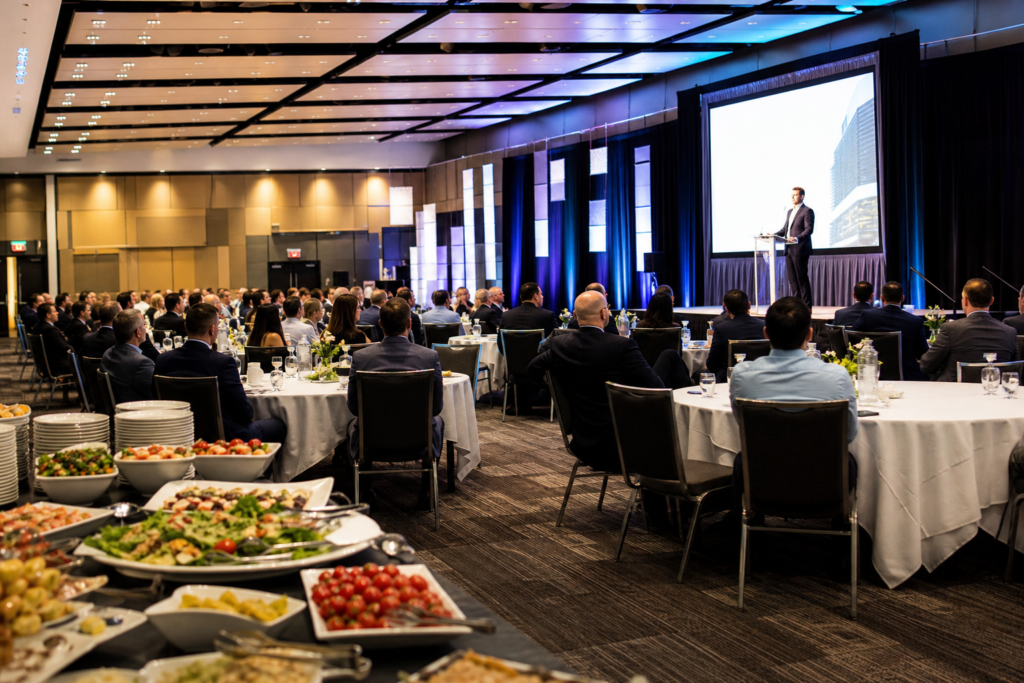
Banquet hall layout planning is the methodical arrangement of tables, chairs, stages, bars, buffets, and pathways to meet capacity rules while elevating comfort. It balances square footage, event goals, and guest movement to prevent congestion and ensure every seat has a clear, welcoming view.
In practice, planning covers four pillars: capacity, experience, production, and accessibility. Capacity translates room size into a safe guest count. Experience shapes sightlines and acoustics. Production integrates AV, staging, and décor. Accessibility ensures dignified, safe movement for all attendees across the program.
At Mississauga Convention Centre, seven elegant halls of ~4,250 sq ft each create modular options. We can run parallel breakouts or scale a single gala seamlessly to support over 2,200 guests with approximately 700 free on-site parking spots. That flexibility means the same event can feel intimate at 150 or electric at 1,000—without losing comfort.
Numbers that drive comfort
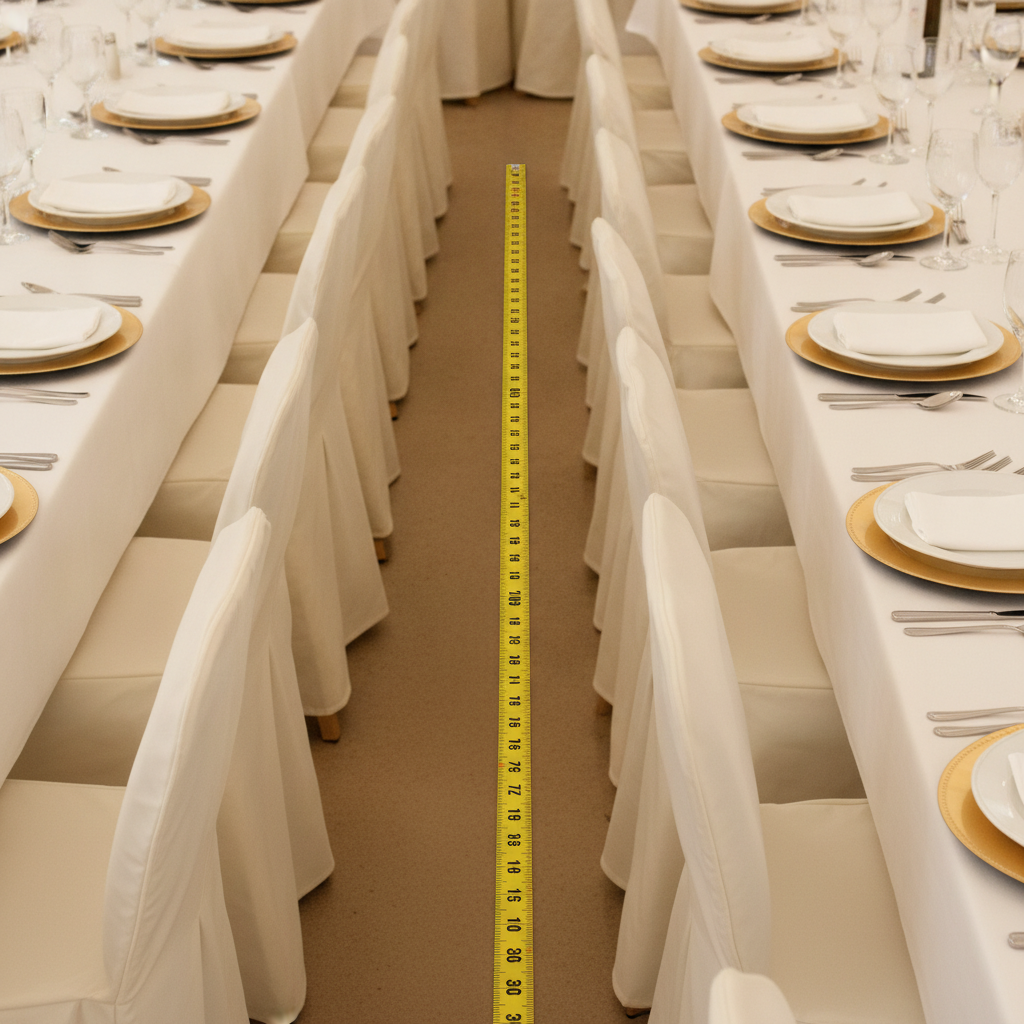
- Rounds: 60-inch tables seat 8; 72-inch tables seat 10–12 with space to converse comfortably.
- Aisles: 5–6 feet for primary service lanes; 3–4 feet between chair backs for secondary movement.
- Stage height: 16–24 inches improves sightlines for 300–600 attendees without overpowering the room.
- Dance floor: plan ~3–5 sq ft per expected peak dancer to balance energy and elbow room.
- Classroom density: ~17–20 sq ft per guest accommodates laptops and note-taking.
Those figures aren’t guesses; they reflect thousands of real resets. We’ve found that even a 6–12 inch increase to a busy aisle can cut pass-by friction during entrée service and keep momentum through key program beats like awards and toasts.
Why banquet layouts matter for comfort and ROI
Smart layouts improve guest comfort, reduce service time, and increase program impact. Wider aisles, clear sightlines, and efficient bar and buffet placement shorten waits, help servers move faster, and keep audiences engaged—boosting satisfaction and sponsor value throughout the event.
Comfort follows numbers. Chair widths, table diameters, and walkway clearances create real differences in how an evening feels. Rounds that are too tight slow service by minutes per course. Overcrowded cocktail zones push guests toward exits. A stage set a foot too low flattens the back-half viewing experience.
- Service velocity: Splitting bars can reduce line lengths significantly during peak 20-minute windows.
- Program engagement: Chevron seating and staged lighting improve focus, especially in larger rooms.
- Safety and egress: Protected pathways and labeled routes minimize bottlenecks during transitions.
On site, these wins compound. A clean 5–6 foot primary aisle not only speeds trays—it also preserves dresses and suits from accidental bumps and spills. Clear, ramped stage access ensures dignified movement for speakers and award recipients, sustaining pace and polish.
How to plan a banquet hall layout (step-by-step)
Map capacity first, then lock the program spine: stage, screens, and dance floor. Choose table shapes, set minimum aisle widths, and place service stations outside main traffic. Finally, validate AV sightlines and accessibility, and run a timed rehearsal with catering and tech.
Step 1: Confirm occupancy and egress
- Translate square footage into a conservative guest count using assembly benchmarks (net usable space ÷ sq ft per person).
- Validate egress paths, door widths, and maximum travel distances; avoid décor that narrows exits.
- Document headcounts per zone when combining halls to ensure balanced distribution.
Start conservative. In our experience, protecting 10–15% buffer in early drafts allows the room to breathe once décor and production elements land.
Step 2: Define the program spine
- Mark stage location, screen sizes, projector throws, and a central dance floor if applicable.
- Reserve 8–10 feet between stage and first row for comfort, camera sightlines, and safety.
- For panel talks, allow 2–3 linear feet per person at the head table; include stairs at both ends for smooth walk-ons.
The spine anchors everything else. We often sketch three versions before committing—front-centered, corner stage for asymmetry, and thrust—with pros and cons for each based on your agenda.
Step 3: Select table shapes and densities
- Rounds: 60-inch (8 guests) or 72-inch (10–12 guests) balance conversation and capacity.
- Banquet longs: 30×72 tables seat 3 per side; excellent for plated galas and communal aesthetics.
- Classroom: 18×72 tables with 2 per table improve note-taking and laptop comfort.
Mix formats strategically. For awards, pair cabaret in the front half with rounds in the back to preserve views and community feel.
Step 4: Lock aisles and accessible routes
- Primary aisles: target 5–6 feet where carts and trays circulate.
- Secondary aisles: 3–4 feet between chair backs; add more near bars and buffets.
- Accessible seating: distribute near entries and stage with continuous 36-inch routes.
We map accessible seating throughout the room so mobility devices aren’t confined to a single corner. Inclusion starts in CAD, long before place cards print.
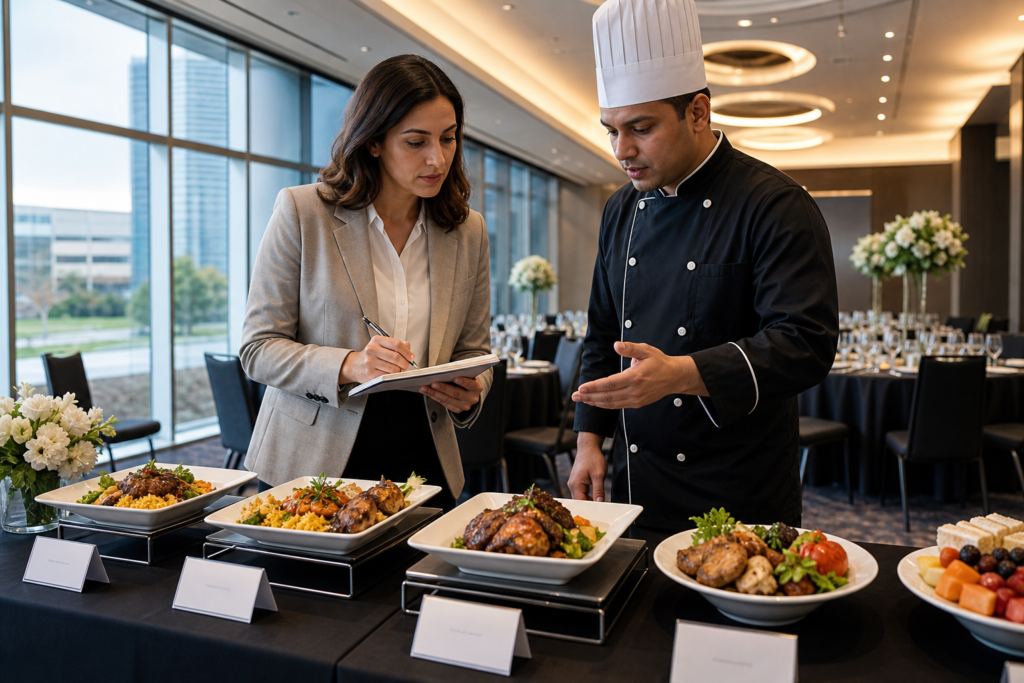
Step 5: Place bars, buffets, and service stations
- Anchor bars on opposite sides of the room to split queues and shorten waits.
- Use double-sided buffets and plan ~12–15 feet of linear space per 100 guests as a baseline.
- Keep coffee and water outside primary aisles to prevent spill slowdowns.
Bar placement is a lever. Diagonal opposition (front-left, back-right) evens flow across the entire floor and keeps the dance floor edge clear.
Step 6: Stage, lighting, and AV
- Stage height: 16–24 inches for most ballrooms; add ramps for accessibility.
- Screen placement: prioritize sightlines to far corners; avoid columns if any.
- Lighting: combine stage wash, pin spots for centerpieces, and dimmable houselights.
Our in-house AV team aligns projector throws, camera risers, and cable paths in the plan so every vendor works from the same blueprint. Sightlines get checked from back-row seats—not just at FOH.
Step 7: Décor and thematic zones
- Create a photo backdrop away from entries to prevent crowding and improve traffic flow.
- Float lounge vignettes near bars for networking; avoid blocking server pathways.
- Use low florals in front rows and taller centerpieces toward the back to preserve views.
Décor should frame—not fight—the program. We consider the camera’s eye as much as the guest’s, especially for brand or couple story moments.
Step 8: Time-and-motion rehearsal
- Walk the longest server route with a tray to spot pinch points and tight turns.
- Run a 10-minute seating test: simulate late arrivals and observe cross-aisle friction.
- Verify mic handoffs, award flows, and photo lines with the stage manager.
Ten minutes of rehearsal can save twenty during the show. We bake this into our pre-con so the day-of feels smooth.
Step 9: Document the plan
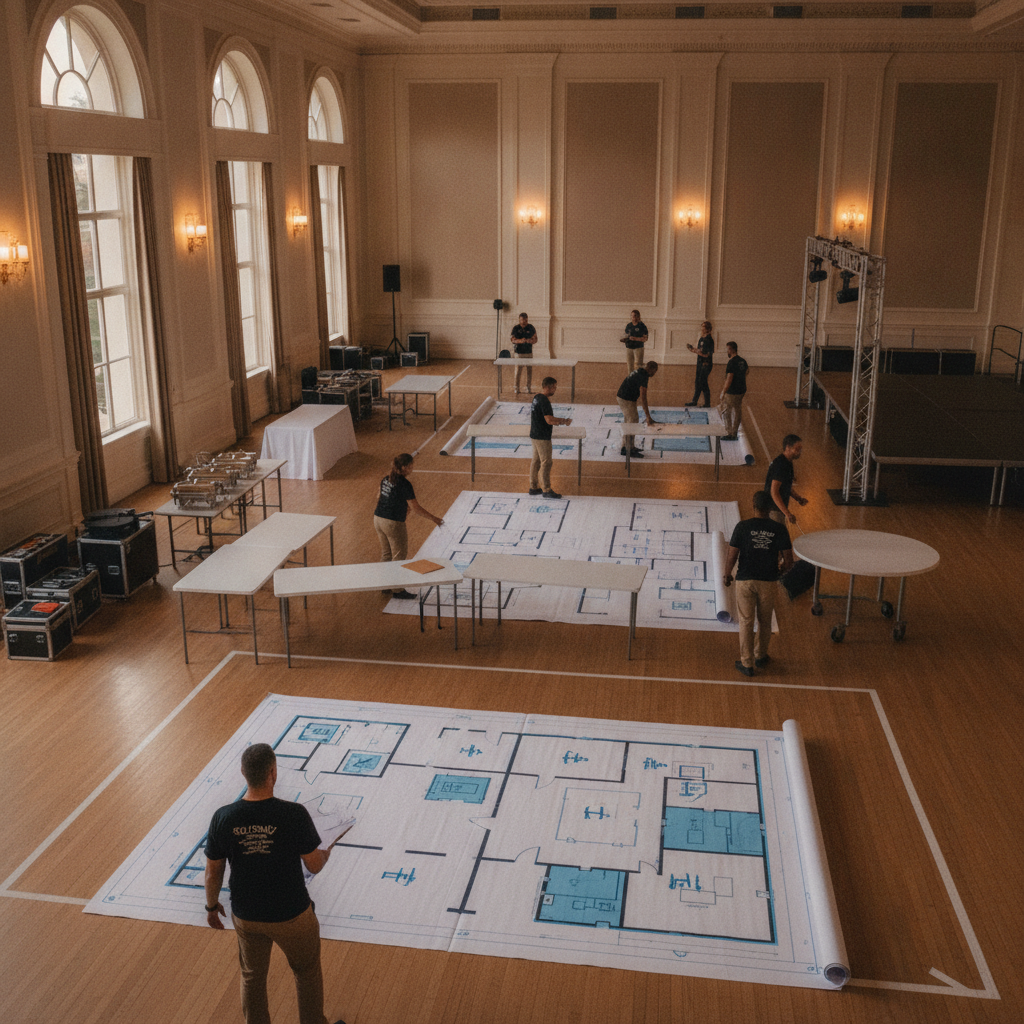
- Finalize a scaled floor plan with table counts, aisle widths, and service notes.
- Label power drops, rigging points, and AV control locations.
- Share a versioned PDF with catering, tech, décor, and your emcee.
Version control prevents surprises. We standardize file names (v1, v2, final) and circulate them with timestamps so crews build the right plan.
Step 10: Day-of adjustments
- Hold 2–3 spare tables and linens for headcount drift.
- Station a layout lead during doors-open to manage crowd flow.
- Capture post-event learnings for the next iteration.
Every event teaches you something. We record reset times, queue hot spots, and audience behavior so the next plan starts smarter.
For a deeper dive into sizing rooms responsibly, see our Venue Capacity Guide. To translate attendance into seats with less guesswork, our banquet seating charts article outlines table-by-table math with visual examples.
Banquet layout types and when to use each
Choose layouts based on event goals. Rounds lift social energy and plated service, classroom suits note-taking, theater maximizes seats for talks, cabaret blends networking with views, and cocktail layouts boost mingling. Mix types across zones to match each program moment.
Below is a quick-reference table you can adapt to each ~4,250 sq ft hall at Mississauga Convention Centre. Use it to forecast table counts, aisle strategy, and ideal use cases before you lock décor and AV. Then, refine details with our gala floor plan tips and conference room setups.
| Layout | Typical density | Go-to table spec | Aisle guidance | Great for |
|---|---|---|---|---|
| Banquet rounds | 10–12 sq ft/guest | 60″ for 8; 72″ for 10–12 | 5–6 ft primaries; 3–4 ft secondaries | Galas, weddings, awards |
| Classroom | 17–20 sq ft/guest | 18×72 with 2 per table | 4–5 ft rows; tech carts on perimeters | Trainings, seminars |
| Theater | 6–8 sq ft/guest | Armless chairs in straight or chevron | 3–4 ft cross-aisles; 2 center aisles | Keynotes, panels |
| Cabaret (open slice) | 12–14 sq ft/guest | 60″ rounds seating 6–7 facing stage | 4–5 ft around dance floor edge | Summits, hybrid awards |
| Cocktail | 8–10 sq ft/guest | Hightops + lounge clusters | Wide perimeters near bars | Receptions, networking |
Dance floors often work at ~3–5 sq ft per expected peak dancer; head tables allocate ~2–3 linear feet per seat. Photo backdrops love ~10–12 feet of clear space. Small tweaks here ripple into big improvements in comfort and flow.
Want to see how other planners visualize banquet zones? Browse example floor plans and inspiration from established venues—for instance, these visual walk-throughs of gala and reception setups can spark ideas: wedding banquet inspiration and large guest count layouts.
Best practices that prevent bottlenecks
Protect movement first: design 5–6 foot primaries, split bars, and double-sided buffets. Center the program with clear sightlines, ramped stages, and zoned sound. Print a scaled plan with counts and assignments so every vendor reads the same map.
Movement and circulation
- Two bar zones cut queues by splitting traffic; place them diagonally across the room.
- For plated dinners, keep 6-foot lanes behind head tables for server passing.
- Seat VIPs along the shortest route to stage to reduce award walk time and maintain program pace.
Sightlines and acoustics
- Use chevroned theater rows to improve views by roughly a seat width.
- Keep centerpiece heights below ~12–14 inches in front rows; go taller toward the back.
- Position subs under stage edges and tune delay fills for even audio coverage across the room.
Accessibility and inclusion
- Create dispersed wheelchair positions with companion seating throughout the room.
- Maintain continuous ~36-inch accessible routes to key destinations and ramps for stage access.
- Place quiet seating near walls for neurodiverse guests who benefit from reduced stimulus.
Food and beverage flow
- Plan one ~16–20 foot buffet per 150–200 guests, or shift to plated to reduce queuing time.
- Locate coffee away from dessert to spread lines during breaks.
- Add water stations at room edges every ~40–60 feet for conferences to reduce cross-traffic.
Production and safety
- Define a fixed cable path; tape and ramp crossings to prevent trips.
- Flag maximum rigging points and load-in doors on the plan.
- Keep ~10 feet clear behind screens for backstage choreography and mic handoffs.
For a full framework on choosing the right room for your audience, explore our Banquet Halls in Mississauga guide. It complements the practices above with room selection tips across the GTA.
Tools, templates, and resources
Use scaled floor-plan software, a capacity calculator, and a run-of-show template. Walk the space or take a virtual tour early, then export a vendor-ready PDF with table counts, aisle widths, and service notes. Version-control it to prevent on-site confusion.
- Virtual walkthrough: Validate dimensions, rigging points, and loading paths before signing off.
- In-house AV partnership: Align projector throws, mic plots, and lighting cues within your plan.
- Seating calculator: Convert headcount to table counts and dance floor area in minutes.
- Run-of-show template: Call times, walk-ons, award photos, and resets all in one place.
- Pre-conference (pre-con): Lock service patterns with catering, décor, and stage management.
If you’re refining a corporate format, this perspective on aligning venues with program needs can help: review a concise take on the perfect banquet hall for corporate events and map those criteria into your floor plan. It pairs well with our social event venue insights when you’re planning receptions or galas.
Mini case studies: applying the principles
Translate principles into results: pair the right layout with your program spine, then zone bars, buffets, and photos to protect flow. In our halls, these moves consistently shorten lines, improve views, and keep energy high through the final cue.
South Asian wedding reception (450 guests)
- Two combined halls with 72-inch rounds, head table on a 24-inch stage, and a 24×24 dance floor centered.
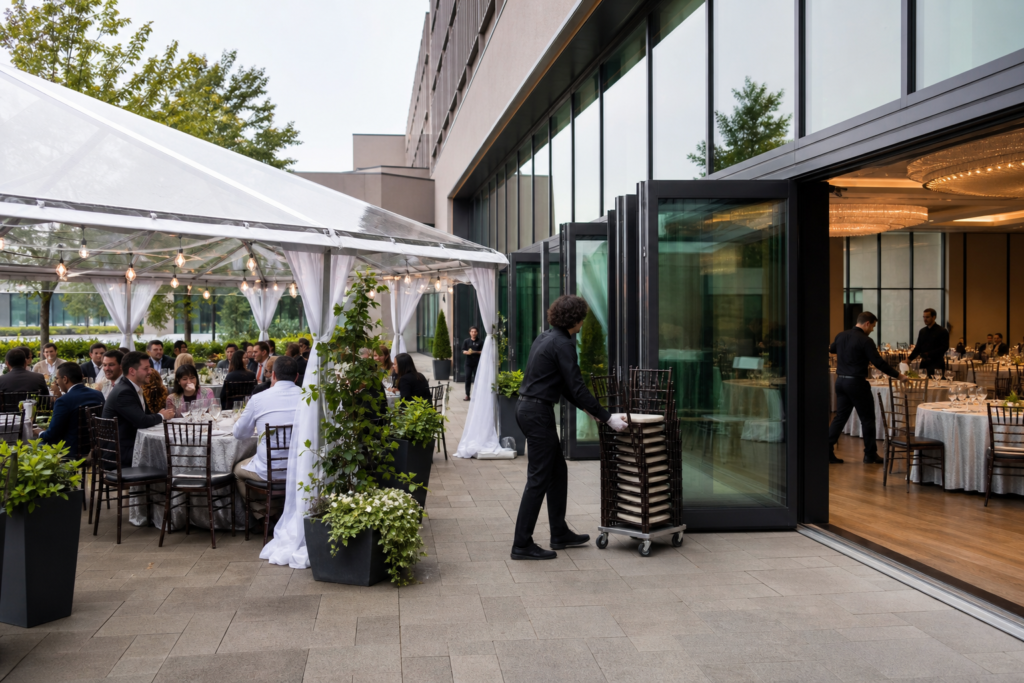
- Double-sided buffet islands with South Asian and Middle Eastern stations; dessert lounge near patio doors.
- Pin-spotted centerpieces in back rows; low florals up front to preserve toasting sightlines.
Result: Speeches held attention across the back half of the room, and service finished each course on schedule thanks to clear 6-foot primaries.
Corporate AGM with plenary + breakouts (800 attendees)
- Morning theater in three joined halls (two center aisles + chevron rows), afternoon classroom in two halls.
- Front-of-house control at room rear; confidence monitors at 45° to the lectern.
- Grab-and-go lunch lines along perimeters to keep cross-aisles moving.
Result: Faster transitions shaved minutes off each reset; afternoon sessions started on time with clear note-taking space at every seat.
Prom and graduation gala (600 students)
- Cabaret seating facing stage for awards, then open dance floor revealed post-dessert.
- Two photo walls away from entries; hydration stations ~40 feet apart.
- Security at cross-aisles; clear signage for coat check and pickups.
Result: Awards segment felt cinematic, and the switch to dance floor kept energy peaked without crowding.
Charity gala with live auction (700 guests)
- Rounds in back half; cabaret in front third for bidder sightlines and fast stage access.
- Two bars placed diagonally; one mobile champagne cart circulating silent-auction rows.
- Low-profile camera riser at rear center with protected cable path.
Result: Auctioneer read the room better with unobstructed views, and split bars kept intermission lines to a few minutes.
Trade show + evening reception (1,000 attendees)
- Day: pipe-and-drape expo with 10×10 booths and 12-foot cross-aisles; PM: hightops and lounge clusters.
- Food trucks staged outdoors; indoor buffets along perimeters to avoid booth interference.
- Lighting flip at 6 p.m.: dim houselights, pin-spot key activations, wash on demo stage.
Result: Exhibitors reported steady aisle flow; the evening felt like a new venue without a full rebuild.
Networking breakfast with keynote (350 guests)
- Chevron theater facing a 16-inch stage with two center aisles for smooth seating.
- Continental stations outside the main doors; coffee satellite near back rows.
- Q&A mic stands located every 10 rows for accessibility.
Result: Attendees seated faster than expected, and Q&A flowed without staff weaving through tight rows.
Multicultural celebration with plated service (520 guests)
- 72-inch rounds with 10 per table; 6-foot primaries behind head table and near bar lines.
- Halal-labeled buffet island for late-night bites; vegetarian/vegan section clearly zoned.
- Photo area placed 20 feet from entries to prevent crowding near doors.
Result: Dietary lines moved smoothly and late-night service didn’t collide with the dance floor wave.
Local considerations for 75 Derry Rd W
- Coordinate guest arrivals around Hurontario rush; consider staging shuttles from the HWY 407 Park and Ride for large galas.
- Winter events need expanded vestibule and coat check; add extra mats and umbrella stands to keep aisles dry and safe.
- For culturally diverse menus, pre-assign buffet islands (e.g., Halal, vegetarian) and label them clearly on the plan to speed flow.
Frequently asked questions
How many guests fit in a 4,250 sq ft hall?
As a planning range, banquet rounds land around 10–12 sq ft per guest (roughly 350–425 guests). Theater-style is denser at ~6–8 sq ft per guest, while classroom runs ~17–20 sq ft per guest for laptops and note-taking. Always confirm occupancy and egress with the venue.
What size dance floor should we plan?
Estimate ~3–5 sq ft per peak dancer. If you expect 40% of a 400-guest group to dance at once (160 dancers), size roughly between 480 and 800 sq ft. Place bars away from the dance floor edge to keep circulation clean and energy focused.
Rounds or long tables for a gala?
Rounds foster conversation and balanced sightlines, while long tables create a grand, communal feel. Use 60-inch rounds for 8 guests or 30×72 longs with 3 per side. For auctions or awards, keep ~8–10 feet from the stage to the first row for comfort and safety.
How wide should aisles be?
Plan ~5–6 feet for primary service aisles and ~3–4 feet between chair backs for secondary movement. Keep a continuous ~36-inch accessible route to major destinations like the stage, bars, and restrooms, and avoid décor that pinches egress paths.
Key takeaways
- Start with capacity and egress, then set the program spine before adding tables.
- Pick table formats that match goals; mix types across zones for flexibility.
- Protect movement with wide primaries and split service points; plan double-sided buffets.
- Document a scaled plan and rehearse time-and-motion to remove guesswork.
- Leverage in-house AV, diverse catering, and a virtual walkthrough to de-risk execution.
Conclusion: bring your layout to life
Great banquet layouts are designed, not guessed. When capacity, sightlines, and service flows align on a single plan, events feel easy—and guests feel cared for. Lock the basics, test the routes, and let professional AV and catering elevate every moment.
Ready to translate your headcount into a frictionless floor plan? Our team will blueprint the layout, optimize service patterns, and align AV to your program. From corporate AGMs to multicultural wedding receptions, we guide seating charts to a smooth, memorable finish. If you’re considering a winter holiday party venue, these same layout principles keep celebrations cozy and effortless.