 20 September, 2026
Last updated: October 2026
By Preet Dass • Mississauga Convention Centre • Updated for the next publication cycle
What should you look for in a social event venue in Mississauga?
Start with the practical decisions that affect the guest experience: how many people you expect, how the room will be used, where guests will park, what food they need, and which technical elements your programme requires. A beautiful room is only one part of a successful event. The venue also needs to support arrivals, dining, speeches, entertainment, photography, accessibility, and a clean departure.
Mississauga Convention Centre is a multi-purpose venue at 75 Derry Road West, near major highways and Toronto Pearson International Airport. Its seven halls can support events ranging from smaller celebrations to programmes with more than 2,200 guests, while separate rooms can help hosts run ceremonies, receptions, lounges, or vendor areas without relying on a long room change.
- Space: confirm that the room can fit dining tables, a dance floor, a stage, service aisles, and accessible routes at the same time.
- Services: ask whether catering, audiovisual equipment, lighting, staging, and technical support are available through the venue.
- Food: check whether the culinary offering can accommodate your cultural traditions, dietary requirements, and preferred service style.
- Access: review driving routes, airport proximity, public transit options, parking, drop-off points, and winter arrival plans.
- Coordination: identify who will make decisions during the event and how the venue team will communicate with your MC, DJ, band, decorator, and photographer.
What is a social event venue?
A social event venue is a dedicated space for personal, family, school, cultural, and community celebrations. Typical events include weddings, engagement parties, anniversaries, milestone birthdays, galas, proms, graduations, religious celebrations, and family gatherings.
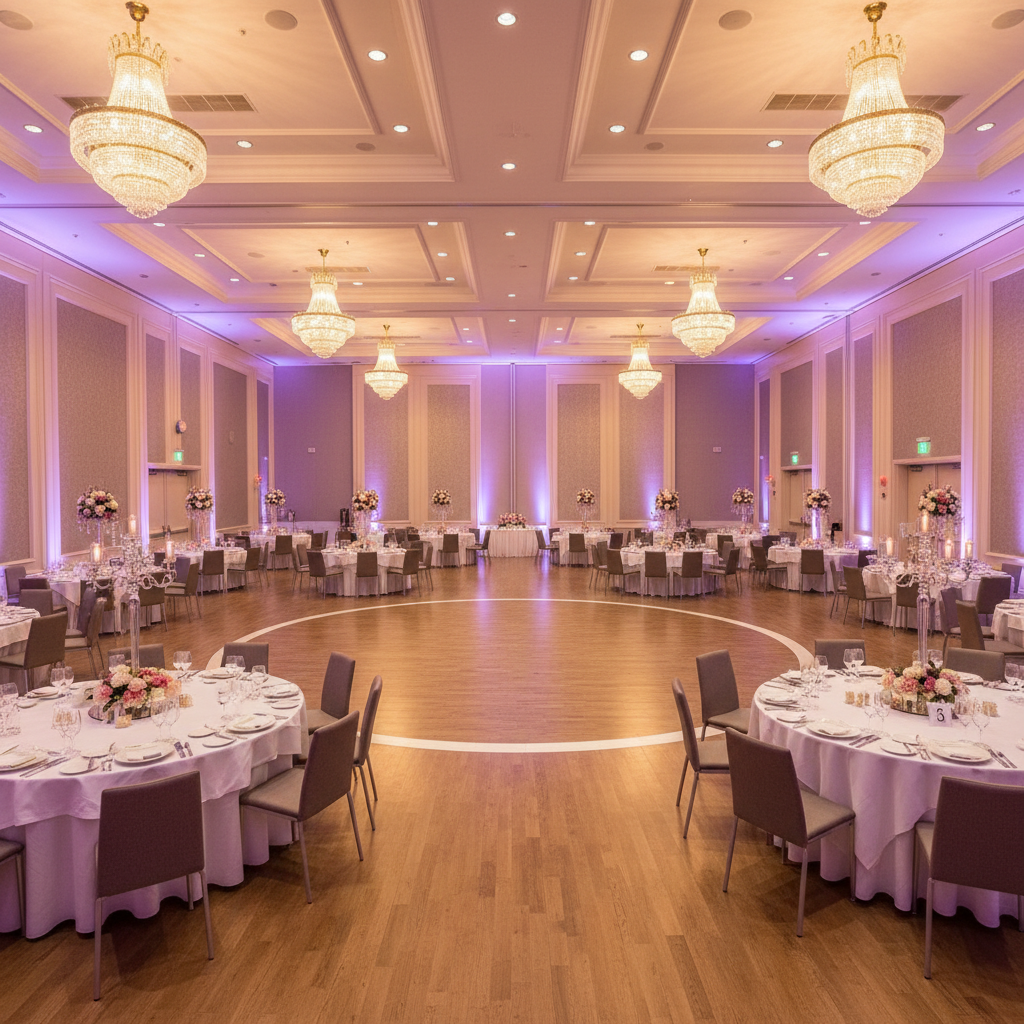
Unlike a room that is used only for one purpose, a multi-purpose event venue can often adapt its layout and service plan to the programme. A wedding may need a ceremony area, cocktail reception, dining room, dance floor, and photo location. A graduation may need theatre-style seating, a stage, screens, registration space, and a reception area. The best choice is the venue that can accommodate those changes without making the event feel congested.
Mississauga Convention Centre provides modern halls and meeting spaces alongside professional audiovisual systems, lighting, staging, technical support, and in-house catering. The venue serves Mississauga, Toronto, Brampton, and the wider GTA from its Derry Road location.
Why do location and in-house services matter?
Event problems often appear during transitions: guests cannot find parking, a room turn takes too long, a microphone fails before a speech, or a buffet line blocks the entrance to the dance floor. A venue with coordinated teams and clearly planned spaces can reduce these points of friction.
The location at 75 Derry Road West is useful for regional events because it is close to major highways and Toronto Pearson International Airport. The venue also has 700 on-site parking spaces, which can simplify arrival planning for large guest lists. Include the full address, parking instructions, drop-off guidance, and suggested arrival time in the guest communication rather than assuming everyone will find the entrance easily.
In-house services can also reduce the number of separate vendors that your event lead must manage. Catering, AV, lighting, staging, and technical support still require detailed planning, but a coordinated venue team can make it easier to resolve changes to the schedule, room setup, or programme cues.
For a broader checklist of questions to ask during a site visit, review this guide on how to choose an event venue. Use it alongside your guest list and draft programme so the venue comparison reflects your actual event rather than a generic room tour.
How does the venue booking process work?
A smooth booking process turns an idea into a documentable plan. Begin with the date range, approximate guest count, event format, food expectations, and any cultural or accessibility requirements. The more complete your first enquiry is, the more useful the initial proposal and site visit will be.
Seven practical planning steps
- Define the event: describe the occasion, guest profile, date range, programme length, and desired atmosphere.
- Estimate attendance: separate confirmed guests, likely guests, children, vendors, performers, and staff.
- Tour the venue: walk the guest route from parking and drop-off through registration, dining, washrooms, stages, and exits.
- Review the proposal: compare halls, inclusions, catering options, AV, staffing, timing, and any restrictions.
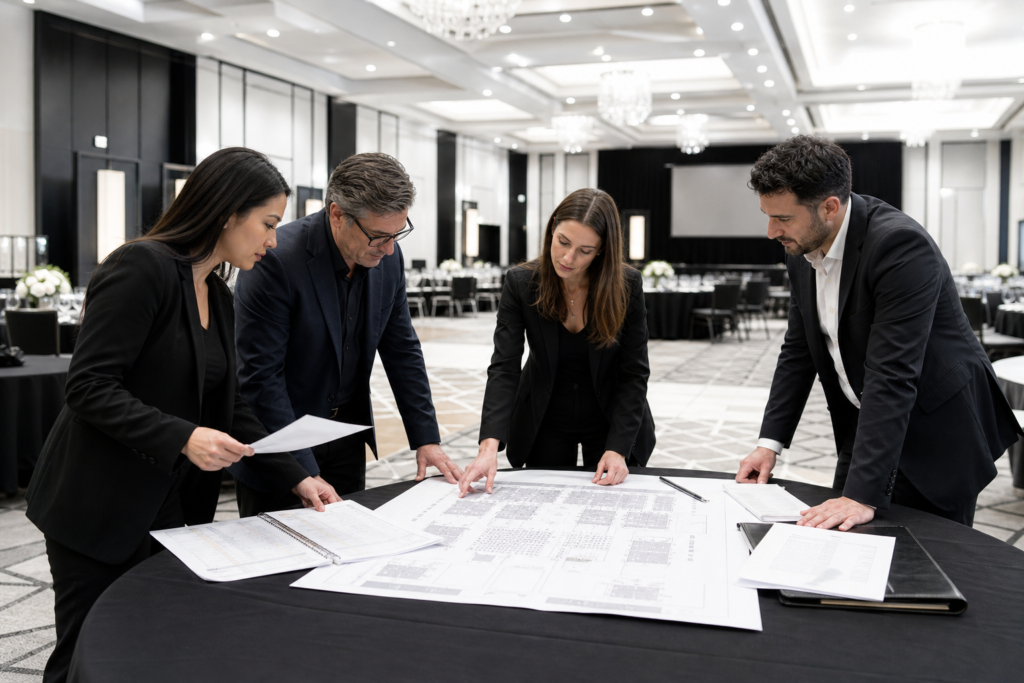
- Build the layout: place tables, stage, dance floor, bars, buffet or service stations, photo areas, and accessible routes.
- Confirm production: document microphones, screens, lighting scenes, music inputs, speeches, performances, and backups.
- Freeze the plan: issue the final guest count, seating plan, menu, vendor schedule, and run-of-show before event day.
Ask who owns each decision at every stage. Your venue contact should be able to explain when menus are finalised, when the floor plan is locked, how vendor arrivals are scheduled, and who will lead the on-site huddle before guests enter.
Which layouts work for different social events?
Layout should follow the programme, not simply the room’s existing arrangement. A dinner with speeches needs clear sightlines and comfortable service aisles. A dance-focused celebration needs an appropriately sized open floor. A cultural programme may need space for performances, rituals, family seating, or a receiving line.
Wedding receptions and engagement celebrations
Plan the ceremony, cocktail period, dining, speeches, first dance, and open dancing as connected but distinct moments. A foyer or separate area can support arrivals and cocktails while the main hall is prepared for dinner. Keep the stage visible from the majority of tables and leave a clear route for the wedding party, service staff, and photographer.
Galas and fundraisers
Galas often need a stage, screens, sponsor visibility, auction or registration areas, dining tables, bars, and a dance floor. Place high-traffic elements away from the main presentation sightlines. If the programme includes awards or fundraising appeals, build enough time for guests to settle before the next cue.
Birthdays, anniversaries, and family celebrations
These events benefit from flexible seating and a social arrangement that does not isolate older guests or families with children. Consider a lounge zone, dessert station, photo backdrop, and dance area. Keep speeches short and place the sound system where it can be heard clearly without dominating conversation during dinner.
School proms and graduations
Prioritise supervised arrival routes, visible staff positions, hydration stations, photo areas, and safe movement around the dance floor. Graduations usually need strong stage sightlines and reliable microphones, while proms may need more room for dancing and changing lighting scenes.
Cultural celebrations
Ask the venue about seating for extended families, performance areas, menu traditions, service timing, and any ceremony-related requirements. A multi-room venue can be especially useful when one part of the programme needs privacy or preparation while another area remains open to guests.
How do you plan capacity and guest flow?
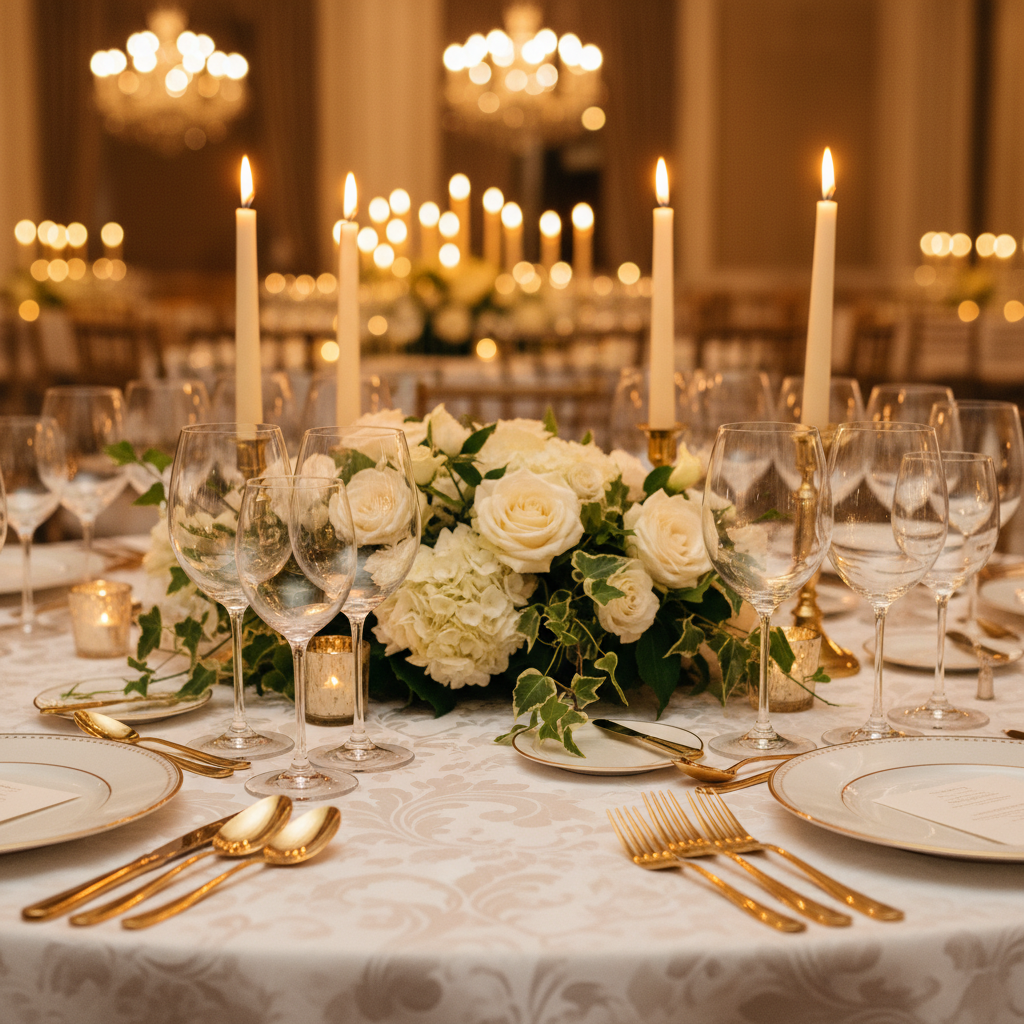
Capacity is not simply the number of chairs that fit in an empty room. Your usable capacity must account for table dimensions, stage and screen footprints, dance space, buffet or bar lines, camera positions, service aisles, accessible routes, and emergency exits. A room that is technically large enough may still feel uncomfortable if every square metre is assigned to a table.
| Planning element | What to check | Why it matters |
|---|---|---|
| Dining tables | Table diameter, chair clearance, and service access | Protects comfort and allows staff to serve without interrupting guests. |
| Stage and screens | Stage position, sightlines, speaker coverage, and screen height | Helps speeches, performances, and presentations remain visible and audible. |
| Dance floor | Expected dancing participation and relationship to the DJ or band | Keeps energy concentrated without blocking dining or service routes. |
| Bars and food stations | Distance from entrances, exits, stages, and narrow passages | Reduces queues and prevents high-traffic bottlenecks. |
| Accessible movement | Step-free routes, turning space, seating positions, and washroom access | Allows guests using mobility aids and families with strollers to move comfortably. |
Ask the venue team to review the plan as a guest would experience it. Trace the route from the car park to the welcome area, then to the table, washroom, bar, dance floor, and exit. This exercise often reveals problems that are not obvious when looking at a static floor plan.
How should you plan catering for a social event?
Food planning should reflect the people attending, the length of the programme, and the moments when guests will be seated or moving around. Confirm whether you want plated service, buffet, family-style dining, stations, or a combination. Each option affects staffing, timing, table layout, and the length of the meal period.
Mississauga Convention Centre offers in-house catering across South Asian, Pakistani Halal, Middle Eastern, Sri Lankan, Caribbean, and Continental cuisines. This range can help hosts plan a menu that reflects family traditions or serves a diverse guest list, but the final menu should still be documented clearly with dietary notes and service expectations.
Questions to settle before the tasting
- Which dishes are suitable for vegetarian, vegan, allergy-aware, or child portions?
- Will food be plated, served family-style, presented at a buffet, or divided between stations?
- How long should guests expect dinner service to take?
- Which dishes need to be served hot, and where will service staff work?
- When should dessert, coffee, or late-night food be available?
- How will the culinary team receive the final guest count and dietary information?
Coordinate the menu with the run-of-show. Speeches should not begin while servers are moving through the room, and a first dance should not be scheduled while guests are still waiting for their main course.
What AV, lighting, and staging does the event need?
Technical planning should begin with the programme. List every person who will speak, perform, show a video, play music, or appear on stage. Then identify the microphone type, screen content, lighting cue, music file, and operator needed for each moment.
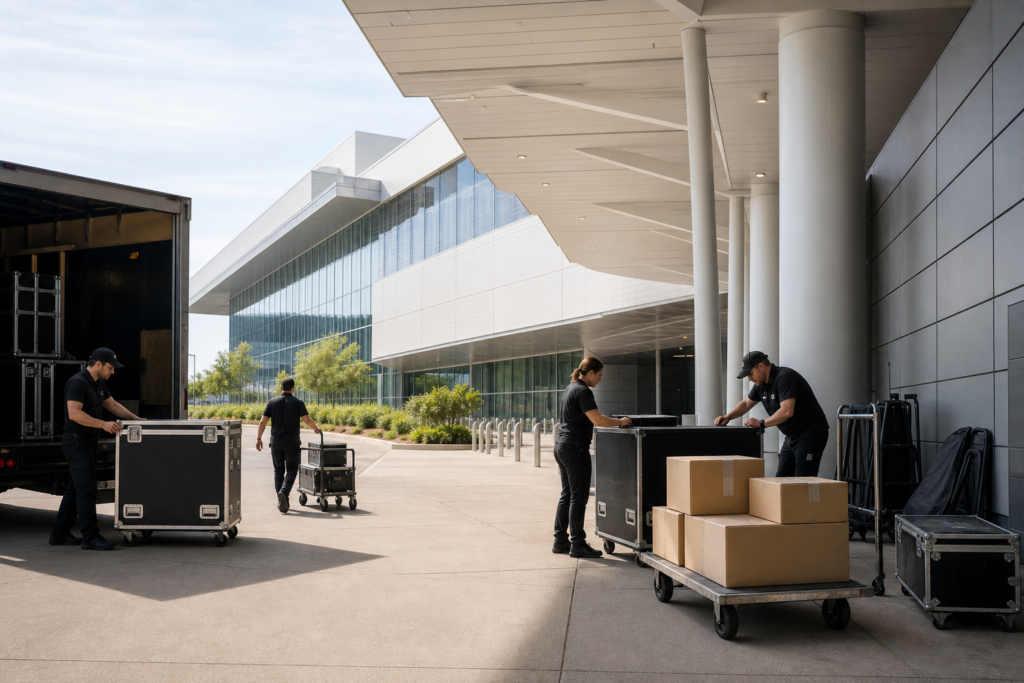
A typical social celebration may need wireless handheld microphones for speeches, a lavalier microphone for an officiant, stage wash, screens for larger rooms, DJ or band inputs, presentation playback, and a clear location for the technical operator. Ask how the venue protects cable paths and keeps exits, aisles, and accessible routes unobstructed.
Build redundancy into important cues
- Keep a backup microphone ready for speeches and ceremonies.
- Test presentation files, video formats, music tracks, and screen content before guests arrive.
- Confirm who controls lighting during dinner, speeches, entrances, performances, and dancing.
- Give the MC, DJ, band, photographer, and venue lead the same cue sheet.
- Run a soundcheck with the actual speakers and performers whenever possible.
Good AV should be noticeable when it creates atmosphere and nearly invisible when it supports a speech. The technical plan should serve the event rather than compete with it.
What should a social event run-of-show include?
A run-of-show gives every team the same sequence of events, owners, and cue notes. Include arrival, doors open, entrances, welcome remarks, meal service, speeches, performances, dessert, dancing, last call, and departure. Add buffers where guests need to move or where a room transition could take longer than expected.
| Timing | Programme moment | Lead | Planning note |
|---|---|---|---|
| 5:30 p.m. | Doors open | Front of house | Welcome guests, start background music, and open the planned arrival service. |
| 6:30 p.m. | Grand entrance | MC and AV lead | Confirm the entrance order, music cue, and lighting change. |
| 6:45 p.m. | Welcome remarks | Host | Use the tested microphone and keep the stage route clear. |
| 7:00 p.m. | Dinner service | Culinary lead | Coordinate courses with speeches and performances. |
| 8:30 p.m. | First dance or featured performance | DJ, band, or performer | Prepare the floor, lighting scene, and photographer position. |
| 9:00 p.m. | Dessert and coffee | Culinary lead | Use stations or a distributed service plan to reduce queues. |
| 10:00 p.m. | Open dancing | DJ or band | Move to the energetic lighting scene and keep routes open. |
Review the schedule during the final walkthrough and again during the event-day huddle. If one moment runs late, the lead should know which later cue can move without affecting catering, performers, or venue operations.
What local considerations matter in Mississauga?
Mississauga hosts events in many types of spaces, including community centres, museums, arenas, outdoor facilities, hotels, and private venues. The City’s venue rental information is useful when comparing different kinds of spaces and understanding how the event format affects the facility choice.
For a private celebration with dining, staging, technical production, and a large guest list, confirm the venue’s exact address and arrival plan early. At 75 Derry Road West, highway access and Toronto Pearson proximity can help regional guests, while 700 on-site parking spaces support larger attendance. Send guests a map pin, parking instructions, and a recommended arrival window.
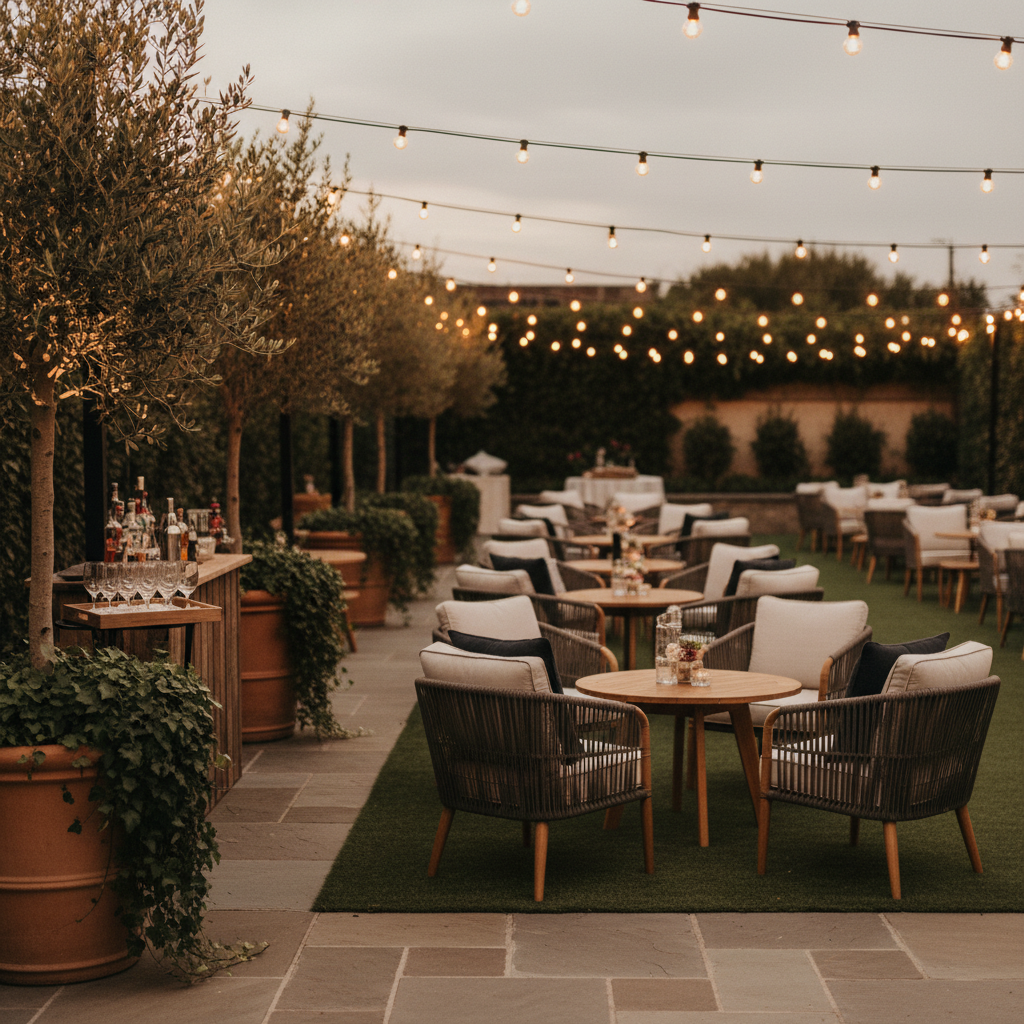
Weather also affects planning. Winter events benefit from an indoor arrival and photo plan, coat-check instructions, and extra time for guests travelling in poor conditions. For warm-weather celebrations, ask how an outdoor patio or exterior area can be incorporated without compromising the rain plan, catering route, or technical schedule.
Mississauga’s visitor and meetings resources can also help planners compare the city’s broader event offer. Use Meet in Mississauga venue information to understand how local event spaces differ in setting, scale, and style before narrowing your shortlist.
How should you compare event venues?
Compare venues against the same decision criteria instead of judging each tour by atmosphere alone. Record the usable room size, guest capacity for your actual layout, food service, AV inclusions, parking, accessibility, staffing, timing, and backup plans. Ask for all assumptions in writing so the final decision does not rely on a conversation that is difficult to revisit.
| Decision area | Questions to ask | What a strong answer includes |
|---|---|---|
| Room and flow | Can the layout fit dining, stage, dancing, service, and accessible routes? | A floor plan based on your guest count and programme. |
| Catering | Can the venue support your cuisine, dietary needs, and service style? | Clear menu options, tasting process, and timing plan. |
| Production | Who supplies microphones, screens, lighting, staging, and operators? | Written equipment list, soundcheck plan, and backup approach. |
| Arrival | How will guests park, drop off, enter, and find registration? | Address, parking plan, signage, and accessible route. |
| Event-day management | Who can approve changes during the programme? | One accountable venue lead and a shared run-of-show. |
For another perspective on a Mississauga event venue, you can review Palacio Event Centre and use the same questions during its site tour. The goal is not to choose a venue from a list of features; it is to find the space whose operations fit your event.
When is Mississauga Convention Centre a suitable fit?
Mississauga Convention Centre may suit hosts who want a multi-purpose venue with multiple halls, in-house catering, professional AV, lighting, staging, technical support, and substantial on-site parking. The seven halls of approximately 4,250 square feet each can support different programme requirements, while the total capacity exceeds 2,200 guests.
The venue’s catering range includes South Asian, Pakistani Halal, Middle Eastern, Sri Lankan, Caribbean, and Continental cuisines. That can be useful for multicultural celebrations, but planners should still confirm the specific menu, service format, guest count, dietary notes, and event timing during the planning process.
To review the venue’s spaces and event capabilities, visit the Mississauga Convention Centre venue overview. Bring your guest estimate, preferred date range, draft programme, and questions about room combinations so the conversation is specific to your celebration.
Social event venue checklist
Use this checklist before signing or finalising your venue plan:
- Confirm the date, guest estimate, event format, and realistic arrival window.
- Review a floor plan showing tables, stage, screens, dance floor, bars, food stations, exits, and accessible routes.
- Confirm the menu style, dietary accommodations, tasting process, and final-count deadline.
- Document AV equipment, lighting scenes, staging, microphones, screens, operators, and backups.
- Assign one decision-maker for the host and one accountable venue lead.
- Share the run-of-show with catering, AV, entertainment, photography, décor, and front-of-house teams.
- Send guests the address, parking details, public transit guidance, dress information, and arrival time.
- Prepare an indoor and outdoor contingency plan where weather could affect arrivals, photos, or programming.
- Schedule a final walkthrough and event-day huddle before doors open.
Frequently asked questions
What types of events can a social event venue in Mississauga host?
A social event venue can host weddings, receptions, engagement parties, anniversaries, birthdays, cultural celebrations, galas, school proms, graduations, and family gatherings. The required layout and services will vary by programme, so confirm capacity, staging, catering, and timing for your specific event.
How early should I book an event venue in Mississauga?
Begin venue enquiries as soon as you have a preferred date range and approximate guest count. Early planning gives you more choice of halls and allows time for tastings, floor plans, vendor coordination, AV testing, and guest communication. Availability depends on the date and event type, so ask the venue directly rather than relying on a general booking rule.
Does Mississauga Convention Centre offer multicultural and Halal catering?
Mississauga Convention Centre offers in-house catering that includes South Asian, Pakistani Halal, Middle Eastern, Sri Lankan, Caribbean, and Continental cuisines. Confirm the current menu, dietary requirements, service style, tasting arrangements, and final guest-count process with the venue team during planning.
How much parking is available at the venue?
Mississauga Convention Centre has 700 on-site parking spaces. Include the venue address, parking instructions, drop-off guidance, and an accessible arrival route in your guest information, especially for high-attendance celebrations.
Plan your Mississauga social event
A successful celebration starts with a venue that can support the whole experience: arrival, layout, food, programme, technical production, accessibility, and departure. If you are considering Mississauga Convention Centre at 75 Derry Road West, contact the venue team to discuss your date range, guest count, preferred format, menu needs, and room plan.