

 18 July, 2026
 Conference venue comparison
Short answer: A full-service conference centre usually fits multi-session, catered or production-heavy events; a hotel can simplify guest rooms; a training or coworking venue may suit compact daytime programs; and a community or institutional hall can work when the organizer can coordinate more suppliers. Compare usable layout, accessibility, AV, food, staff, transport, contract terms and total cost—not room rental alone.
Conference venue types solve different problems. A board workshop does not need the same arrival flow, backstage space or food service as a trade event, awards program or all-day conference. This comparison uses one set of criteria across four common venue categories so an organizer can identify fit before requesting proposals. It does not rank named competitors or assume any current package, capacity or price.
Define the conference before comparing centres
Write an event brief with date range, planning attendance, format, room sequence, program hours, registration, speakers, exhibitors, food periods, accessibility requests, technical production and decision deadline. Mark every figure as confirmed, planning estimate or unknown. The room search becomes more accurate when a venue can see what will actually happen in each space.
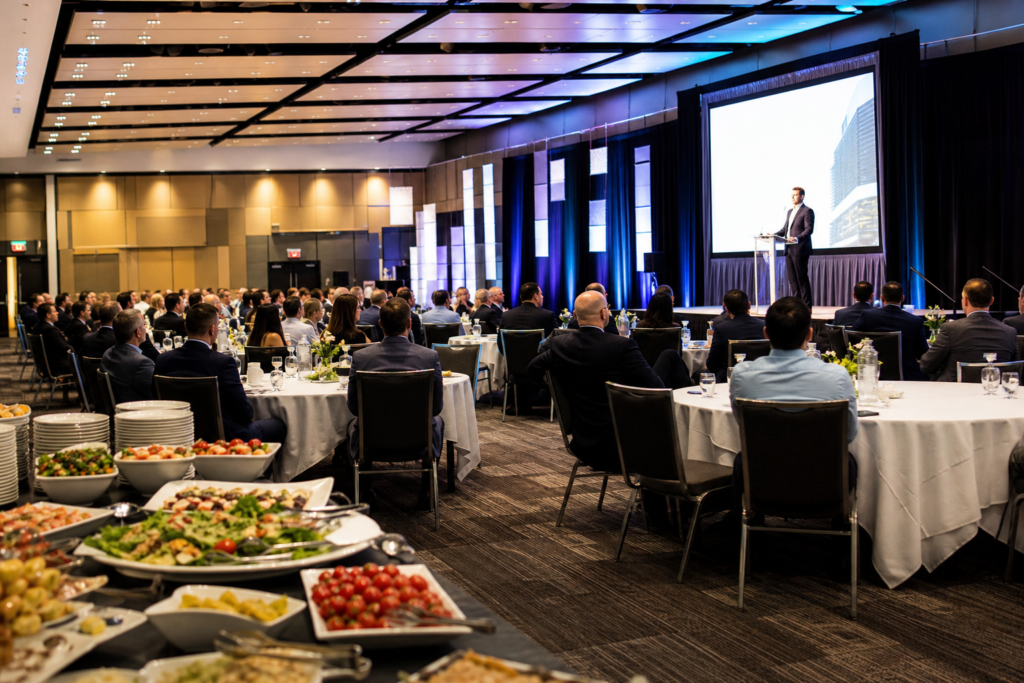
Identify the peak moment. A plenary may hold everyone at once, while breakouts divide the audience. A trade show may need move-in access and storage that a seminar does not. An evening reception may change food, beverage, staffing and transportation requirements. Compare usable layouts, not only a venue’s largest advertised capacity.
Mississauga Convention Centre’s current corporate-events page presents spaces for meetings, conferences, seminars, training, award ceremonies and other business events, along with AV and catering. Confirm the exact room, setup, attendance, menu and production scope in a current proposal.
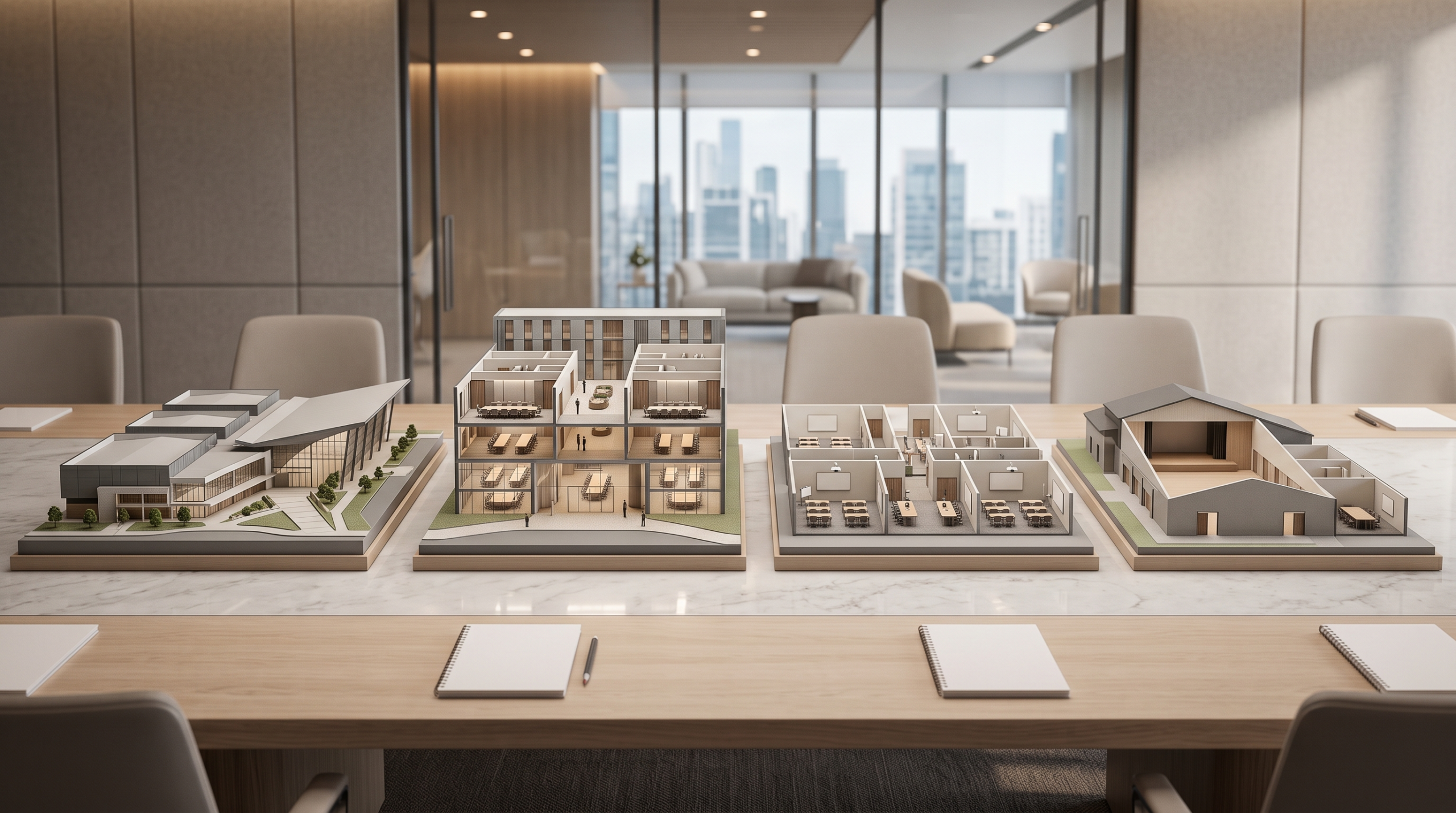
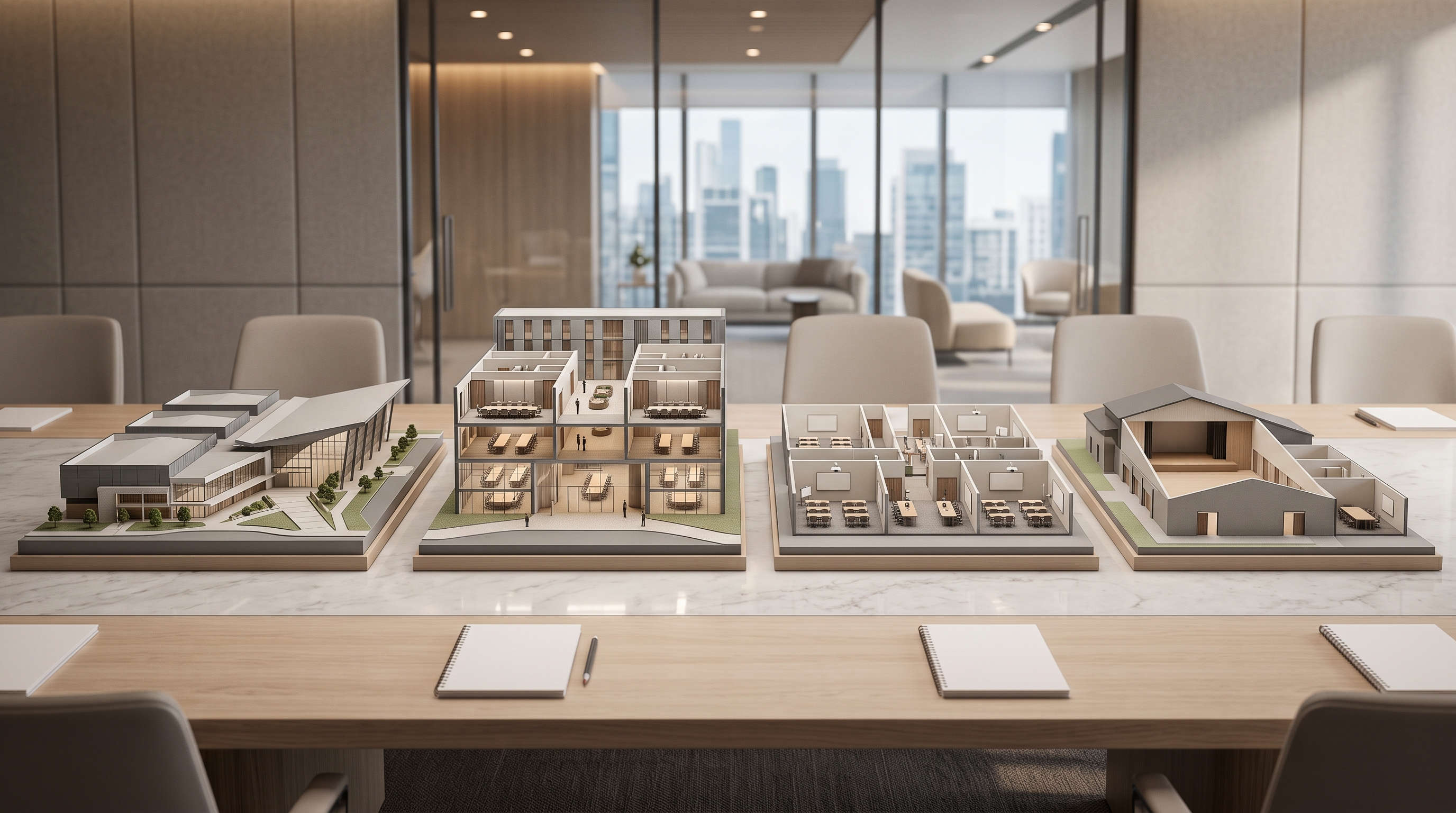
Compare four common conference venue types
| Venue type | Often fits | Potential strength | Question to resolve |
|---|---|---|---|
| Full-service conference centre | Conferences, galas, trade events, multi-room programs | Event operations, catering and production can be coordinated | Which services are in-house, included or exclusive? |
| Hotel conference floor | Programs with many overnight guests | Meeting rooms and accommodation can share one location | How do room blocks, meeting minimums and public hotel traffic interact? |
| Training or coworking venue | Workshops, board sessions, compact daytime events | Built-in small-room and workday infrastructure | Can it handle catering, accessibility, privacy and production needs? |
| Community or institutional hall | Budget-controlled or community-led gatherings | Flexible use and local familiarity may suit the program | Which staff, equipment, food and cleanup must the organizer source? |
No category wins automatically. A hotel can be efficient for travellers but unnecessary for a local audience. A training room can feel ideal for a workshop but fail a large registration or catering plan. A conference centre may cost more than a bare room while replacing several supplier and coordination tasks. Ask for a complete scope.
Compare capacity, layout and attendee flow
Request scaled floor plans and capacities for the proposed setup: theatre, classroom, banquet, boardroom, exhibit or mixed use. Then subtract the space needed for stages, cameras, technicians, buffet lines, accessibility clearances, exhibitor booths and registration. Published maximums may not describe the layout your program needs.
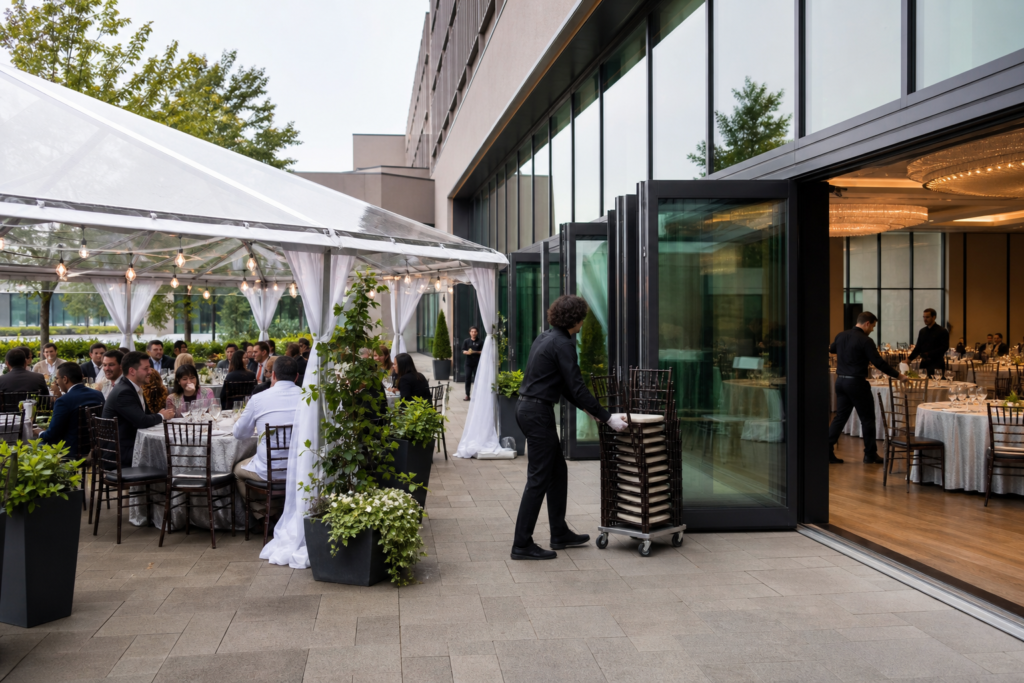
Walk the attendee journey from arrival to coat storage, registration, plenary, breakouts, washrooms, meals and departure. Look for bottlenecks, competing sound, long transitions and unclear wayfinding. Speakers and suppliers need a separate journey that may include loading, storage, greenroom, prep and secure equipment areas.
Mississauga Convention Centre publishes a virtual tour and venue-photo route. Use them for initial orientation, then verify measurements, accessibility and the exact spaces through a live walkthrough. Photography and a virtual model cannot confirm event-day setup.
Compare audiovisual, power and hybrid-event responsibilities
List microphones, screens, projection, confidence monitors, playback, lighting, staging, recording, streaming, internet, power and technician hours. Ask which equipment is permanently installed, what is rented, who operates it, and whether outside production partners are allowed. Test the presentation path and internet rather than relying on a general “AV available” statement.
For a hybrid audience, define how remote participants will hear questions, view shared content, access captions and receive technical support. The Government of Canada’s accessible virtual-event guidance emphasizes planning for barriers and building accessibility into the timeline. Ask who owns captioning, interpretation, platform configuration, recordings and consent.
Request a technical rehearsal and a written show flow for production-heavy programs. Backup equipment, file formats, cable routes and speaker arrivals should be assigned to named people. A venue’s AV capability and the organizer’s content readiness are separate responsibilities.
Compare catering by program flow, not menu adjectives
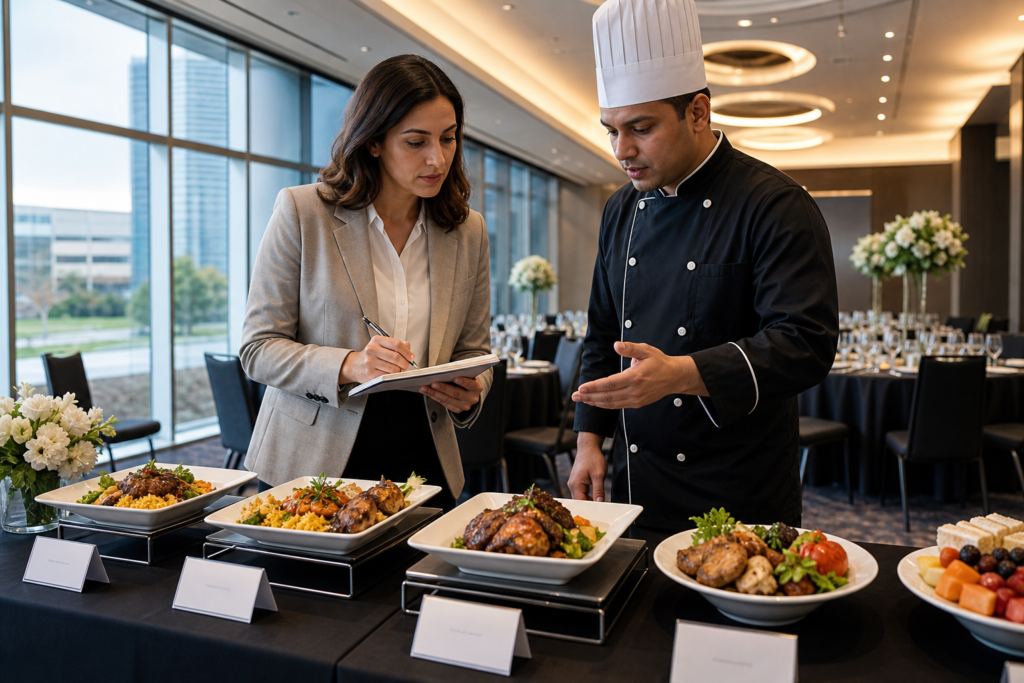
Map food service to the agenda. A plated meal creates different room, staffing and timing needs from a buffet, reception, packaged break or continuous refreshments. Ask about service duration, replenishment, water, dietary-request process, staff meals, vendor meals and what happens when the final guarantee changes.
Confirm whether catering is exclusive, in-house or open to approved outside providers. Review menu pricing, service charges, taxes, minimums, rentals, labour and beverage rules together. A lower menu price may not be lower after equipment, staffing and room resets are added.
Mississauga Convention Centre publishes corporate package information and describes customizable in-house food service on its corporate page. Use those as enquiry routes, not fixed promises. Ask for the current menu, dietary process, complete pricing and written inclusions for the event date.
Compare accessibility, transport and local logistics
The Government of Canada’s Guide to Planning Inclusive Meetings recommends a thorough physical-site check and notes that descriptions of accessibility can vary. Ask registrants about accommodation needs and inspect entrances, routes, stages, seating, washrooms, signage, lighting, sound and emergency procedures for the actual setup.
Compare travel time, public transit, parking, rideshare and taxi access, accessible drop-off, hotels and the effect of peak traffic. For an event with flights, late arrival and weather contingency matter. Do not turn “near the airport” or “parking available” into a complete transport plan without verifying route, quantity, cost and accessible spaces.
Check whether guests can find the right entrance and whether suppliers use the same approach. A clear advance email with map, entrance, room name, accessibility contact and transportation options reduces arrival stress.
Compare the total event commitment and risk
Build a cost ledger that includes room rental, minimum spend, food, beverage, AV, internet, technicians, furniture, linens, security, coat check, staging, power, labour, cleaning, parking, taxes and service charges. Mark each amount as fixed, allowance, per-person, consumption-based or unknown. Compare proposals with the same attendance and scope.
Review deposit, payment dates, final-guarantee deadline, cancellation, attrition, force majeure, damage, insurance, outside suppliers, overtime, noise, signage, recording and change procedures. Have authorized advisers review legal, insurance or tax points. This comparison does not interpret a particular venue contract.
Ask what happens when attendance rises or falls, a room changes, a speaker needs additional equipment, or the program runs late. The answer should identify approval, price and timing effects before the change occurs.
Run the same site-visit test at every venue
- Walk the full attendee and supplier journeys.
- Measure the proposed layout after stage, AV, catering and accessibility space.
- Test sightlines, sound separation, Wi-Fi and presentation connections.
- Inspect accessible routes and discuss accommodation requests.
- Review loading, storage, kitchen or service paths and waste removal.
- Identify the event-day lead, technician and escalation contact.
- Mark every included, optional and outside-supplier item on the proposal.
- Leave with open questions, owners and a response deadline.
Common mistakes to avoid
- Comparing maximum capacity instead of the usable planned layout.
- Choosing a room before mapping registration, meals, breakouts and supplier flow.
- Treating AV available as a complete technical production plan.
- Checking accessibility from a website description without a site review.
- Comparing room rental while omitting food minimums, labour, service charges and technology.
- Assuming a hotel, conference centre or community hall is always cheaper by category.
- Signing before change, cancellation, overtime and final-guarantee rules are clear.
Frequently asked questions
Is a conference centre better than a hotel?
It depends. A conference centre may fit complex event operations, while a hotel can simplify accommodation. Compare the actual program, services, contract and total cost.
How much space does my conference need?
Start with the setup, stage, AV, catering, exhibits and accessible circulation—not attendee count alone. Ask for a scaled plan.
What should a venue proposal include?
It should identify rooms, dates, setups, capacities, services, equipment, food, staffing, taxes, service charges, payment terms, change rules and material exclusions.
Can a virtual tour replace a site visit?
No. It can narrow options, but a live inspection is needed to test routes, measurements, accessibility, sound, technology and operations.
Take a documented next step
Review Mississauga Convention Centre’s corporate-event options, then send the same event brief through the contact page. Request a current room plan, site visit and written proposal covering layout, accessibility, AV, catering, staffing, complete charges and contract terms.
This is general conference-venue planning information. It does not confirm current capacity, availability, price, package, parking, accessibility, equipment, menu or contract terms for any venue. Verify the event date and setup through a current proposal and site visit.