


 18 July, 2026
 A decision-ready venue selection guide
How to Choose a Conference Hall for Your Event
Short answer: choose a conference hall by converting the agenda into room, layout, attendee-flow, accessibility, production, catering and access requirements. Compare candidates on the same scorecard, tour the exact proposed room and attach every promised inclusion to a written proposal. A venue’s headline capacity or gallery is not enough because the approved occupant load, usable seating and sightlines can change with the setup.

Key Takeaways
- Start with a detailed event brief to outline all requirements.
- Match the conference hall layout to your specific needs for optimal attendee experience.
- Conduct a thorough site visit to test audiovisual setups and attendee flow.
- Define catering options based on the agenda and dietary needs.
- Always confirm accessibility features to ensure an inclusive event.
Start with an event brief, not a guest estimate
Write the purpose, date options, agenda, attendee profile, speakers, sessions, exhibits, meals, networking, registration, production and teardown. Separate the confirmed count from the likely and maximum count. Note mobility, hearing, visual, dietary, language and other accommodation requests through a respectful process.
Turn each agenda block into a functional requirement. A keynote needs sightlines and sound; workshops need movement and separate conversations; exhibits need approved power and loading; meals need service and clearing time. Ask whether the proposed room supports the full sequence without unsafe crowding or disruptive resets.
Mississauga Convention Centre publishes a corporate-events page for initial exploration. Treat it as a conversation starter. Room, date, setup, equipment, food, staffing, price and availability must be confirmed for the actual event.
Match the conference hall to the exact layout
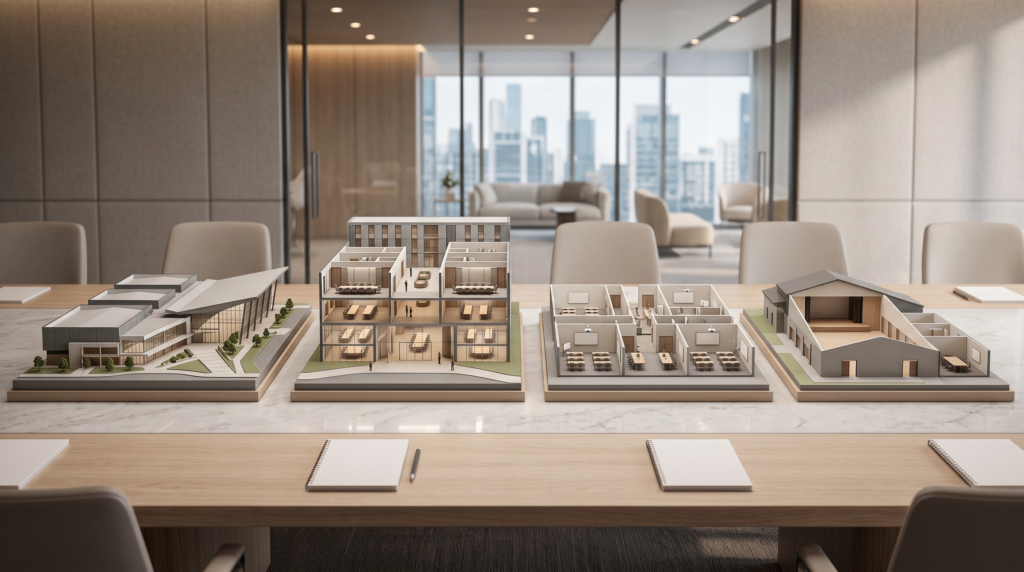
Ask the venue for a scaled plan of the exact proposed room. Mark stage, screens, cameras, technical control, registration, catering, exhibits, doors, aisles and accessible seating. A theatre plan, classroom plan and round-table plan use space differently, so a single headline capacity cannot answer whether the room fits.
Obtain the approved occupant load and setup limits from the venue. Ontario explains that the Fire Code sets minimum requirements for existing buildings and municipal fire departments enforce it. Event planners should not calculate a legal occupant load from marketing dimensions or online formulas.
| Requirement | Evidence to request | Question to resolve |
|---|---|---|
| Attendee count | Approved setup and occupant load | Does the exact layout fit every attendee and worker? |
| Sightlines | Scaled plan and room walk-through | Can rear and side seats see screens and speakers? |
| Breakouts | Room assignments and changeover plan | Can groups move without agenda delay? |
| Exhibits | Booth, power and aisle plan | Are loading and electrical needs approved? |
| Accessibility | Route and accommodation confirmation | Can each participant use the full event journey? |
Map the attendee journey from arrival to departure
Walk the route from road or transit arrival through parking, drop-off, entrance, registration, coat storage, meeting room, washrooms, meals, breakouts and departure. Confirm signs, queues, elevators and security. An attractive hall can still create friction if the registration line blocks a corridor or a breakout is difficult to find.
Ontario’s guidance on accessibility planning specifically recommends considering barriers when selecting meeting and event spaces. Ask participants what accommodations they need, then confirm the venue response in writing. Do not use “accessible” as a vague yes-or-no label: check entrances, routes, seating, washrooms, parking or drop-off, communication formats and emergency procedures relevant to the event.
For out-of-town attendees, verify the route information you will publish rather than copying an old map. For speakers, suppliers and exhibitors, document loading location, vehicle restrictions, elevators, dollies, storage, access times and onsite contact.
Test audiovisual, acoustics and connectivity
Create an input list before asking for a package: microphones, playback, presentation laptops, confidence monitors, recording, streaming, lighting, staging, hearing support, internet connections and technician coverage. Ask which items are venue-provided, third-party, mandatory or optional. Confirm compatible connections and who supplies adapters and backups.
During the site visit, test speech from the stage and several seats. Check screen sightlines with the proposed lighting and layout. If internet matters, request a technical plan for device count, dedicated connections, guest access, security and support rather than relying on a generic speed statement. Run a production rehearsal for complex or hybrid events.
Define responsibility for setup, sound check, cueing, troubleshooting and teardown. A list of available equipment does not prove it is included, available or suitable on the event date.

Define catering around the agenda
Decide whether the agenda needs breakfast, breaks, lunch, reception or dinner and how long each service window lasts. Ask for the current menu, portion basis, dietary-question process, final-count deadline, substitutions, labelling, beverage service, equipment, staffing, clearing and waste responsibilities. Do not assume a cuisine, price or package from an older page.
Map service areas so food queues do not conflict with registration, exhibits or emergency routes. Ask who handles allergies and cross-contact questions. No broad dietary label should replace ingredient and preparation confirmation for a medically significant allergy.
Use the site visit as an operational rehearsal
- Tour the exact room and every attendee route, not only a showcase space.
- Place the proposed stage, screens, tables, exhibits and registration on a scaled plan.
- Stand at rear and side seats to check sound and sightlines.
- Walk speaker and supplier loading routes with
Compare the full contract
Review the full contract for hidden fees, cancellation policies, and liability clauses. Ensure that all verbal agreements made during the negotiation process are documented in the contract. This protects both parties and ensures clarity on what is included in the service.
Watch for red flags
Be cautious of venues that are unwilling to provide references or have a history of negative reviews. Transparency is key; if a venue is hesitant to share information, it may be a sign to look elsewhere.
Frequently asked questions
For more insights on choosing the right conference hall, consider exploring resources from industry leaders such as Event Manager Blog or MeetingsNet.
Sources & References
- Ontario Fire Code – Information on fire safety regulations for event venues.
- Ontario Accessibility Planning – Guidelines for creating accessible event spaces.
- Event Manager Blog – A leading resource for event planning insights and trends.
- MeetingsNet – Comprehensive information on meetings and events.