

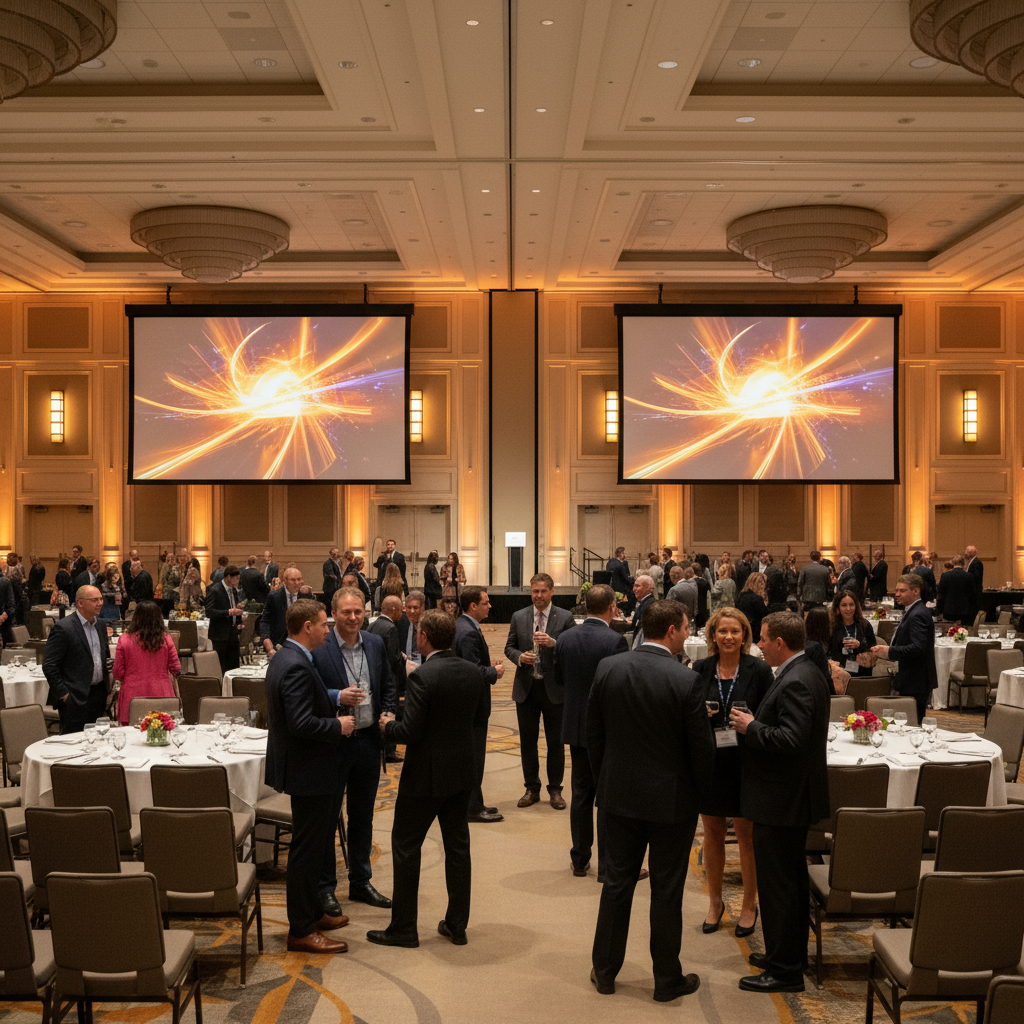
Conference seminar logistics refers to the end-to-end planning and coordination that move a program from idea to applause: venue selection, room sets, registration, AV and staging, food and beverage, wayfinding, speaker support, and load-in/load-out. Done right, logistics turns content into an experience attendees remember—and organizers can actually enjoy.
By Mississauga Convention Centre • Last updated: April 14, 2026
At a Glance: Your Conference Seminar Logistics Game Plan
Use a phased plan to simplify conference seminar logistics: frame goals, map attendee journeys, lock venue and dates, align AV and stage design, build registration and signage, finalize menus, and execute a tightly timed production schedule. Anchoring decisions to one capable venue team reduces risk and saves time.
- What you’ll learn: Definitions, why logistics matters, how to build timelines, room sets, AV, F&B, and on-site flow.
- Why this guide: It blends proven meeting design with real capabilities at Mississauga Convention Centre (seven halls ~4,250 sq ft each; 2,200+ guest capacity; 700 parking spaces).
- Who it’s for: Corporate planners, marketers, HR teams, association staff, and schools staging conferences, seminars, and trade shows across the GTA.
- Primary tools: In-house AV, diverse catering (South Asian, Pakistani Halal, Middle Eastern, Sri Lankan, Caribbean, Continental), staging, outdoor patio options, and a virtual tour for faster approvals.
- Location advantage: 75 Derry Rd W in Mississauga—minutes from major highways and Toronto Pearson International Airport.
Quick Answer
Conference seminar logistics at 75 Derry Rd W run smoothly when one venue team handles room sets, AV, staging, catering, and wayfinding. Mississauga Convention Centre’s seven halls (~4,250 sq ft each), 700 on-site parking spaces, and proximity to Toronto Pearson streamline arrivals, session flow, and same-day turnarounds.
Local Tips
- Tip 1: If your keynote lands before 9 a.m., ask attendees to use the Airport Rd or Hurontario corridors to reach 75 Derry Rd W and park in the 700-space lot—wayfinding signage at the west entrance keeps check-in lines moving.
- Tip 2: For winter seminars, build a 10–15 minute buffer for coat check and boot traffic near lobby mats; spring and fall events benefit from outdoor patio networking when weather cooperates.
- Tip 3: International speakers flying through Toronto Pearson often request rehearsal the day prior—book a one-hour AV line check on our main stage to lock mic, lighting, and slide transitions.
IMPORTANT: These tips align with Mississauga Convention Centre’s in-house AV, catering, and multi-hall layout to reduce delays and maximize session time.
What Is Conference Seminar Logistics?
Conference seminar logistics is the disciplined orchestration of venue, AV, staging, registration, catering, wayfinding, speaker support, and load-in/out to deliver a smooth attendee journey. It translates program strategy into timed tasks so each touchpoint—arrival, sessions, breaks—works without friction.
Core components you’ll coordinate
- Venue and rooms: Select scalable spaces; our seven elegant halls (~4,250 sq ft each) allow single-track or multi-track setups with cross-hall overflow.
- Stage and AV: Lock screen sizes, projectors, lighting looks, and audio coverage; in-house technicians reduce vendor sprawl.
- Registration and badging: Place check-in near main entries; stanchion lanes and visible counters keep dwell times short.
- Food and beverage: Time coffee, lunch, and reception menus to session cadence; align with dietary needs (Halal, vegetarian, vegan, gluten-free).
- Wayfinding and signage: Use consistent color zones and arrows; position directional greeters at decision points.
- Accessibility and comfort: Provide wheelchair-accessible routes, quiet spaces, and ample restrooms along traffic flow.
- Load-in/out: Reserve docks and elevators; sequence supplier windows to avoid congestion.
At Mississauga Convention Centre, the logistics canvas is designed-in: 2,200+ total guest capacity, modern ballrooms, integrated AV, and 700 on-site parking spaces—all in one place. Those numbers turn “hard-to-coordinate” into “handled.”
Self-contained answer: the logistics definition you can reuse
Conference seminar logistics is the operational engine of a meeting. It converts an agenda into site plans, checklists, and timed runs of show that specify who does what, where, and when. When logistics is owned by one capable venue team, decisions happen faster, changes are absorbed safely, and attendee experiences feel intentional.
Why Conference Seminar Logistics Matters
Flawless logistics increases learning, reduces stress, and protects brand reputation. When arrivals, AV, meals, and signage run on time, speakers shine and attendees engage. Centralizing tasks with an experienced venue eliminates multi-vendor friction, keeping schedules tight and outcomes measurable.
Business impact you can defend to stakeholders
- Stronger engagement: On-time starts and crisp AV raise session satisfaction; poor mic coverage or late seating cuts learning minutes.
- Risk reduction: One venue partner with in-house AV, staging, and catering reduces handoffs—the #1 source of on-site surprises.
- Operational agility: Seven similarly sized halls enable fast room swaps if capacity shifts midday.
- Executive optics: A polished arrival (700 free parking spots, clear lobby flow) signals professionalism before the first slide.
Here’s the thing: content quality can’t save a clumsy experience. Our teams design run sheets so breaks, housekeeping, and resets stay invisible. That’s the difference between “we survived it” and “let’s do this again next year.”
Self-contained answer: why logistics decides event ROI
Logistics controls your audience’s time. If queues, AV hiccups, and layout friction steal minutes from sessions and networking, you lose the two outcomes sponsors and executives value most: learning and relationships. Concentrating logistics within one venue team safeguards the schedule, restoring time to the program rather than to problem-solving.
How Conference Seminar Logistics Works (End-to-End)
Build logistics in phases: discovery and goals, venue and date lock, program and room design, AV and staging specs, registration and signage, food and beverage planning, and a detailed show flow. Assign owners, due dates, and on-site call times for a clean execution.
The seven-phase logistics roadmap
- Discovery and goals: Define audience, success metrics, and constraints (travel, accessibility, days/times).
- Venue and date: Confirm 75 Derry Rd W availability; proximity to Toronto Pearson makes fly-ins simpler.
- Program and rooms: Map plenary and breakouts; our seven halls support up to 2,200+ guests across formats.
- AV and staging: Choose screen sizes, mic counts, lighting cues; in-house technicians manage patching and rehearsals.
- Registration and signage: Place check-in near the west entrance; design wayfinding and session boards.
- Food and beverage: Select menus across South Asian, Pakistani Halal, Middle Eastern, Sri Lankan, Caribbean, and Continental cuisines.
- Show flow and staffing: Produce call sheets with cue-by-cue timing, reset notes, and emergency contacts.
Process timeline (who does what, when)
| Phase | Typical Window | Primary Owner | Key Deliverables |
|---|---|---|---|
| Discovery | 16–24 weeks out | Planner + Venue | Goals, audience, budget guardrails, date range |
| Venue Lock | 14–20 weeks out | Planner | Contract, holds on seven halls as needed, load-in windows |
| Program Design | 12–18 weeks out | Planner + Speakers | Agenda grid, session capacities, room sets |
| AV & Staging | 10–14 weeks out | Venue AV Lead | Screen/mic/lighting spec, rehearsal plan |
| Registration | 8–12 weeks out | Planner | Check-in layout, signage, badge fields, staffing |
| Food & Beverage | 6–10 weeks out | Catering | Menu selection, dietary plan, service style |
| Show Flow | 3–6 weeks out | Production | Run of show, cue sheets, contingency playbook |
We integrate this roadmap with our corporate packages so AV, staging, catering, and staffing move in lockstep—no duplicate vendors to herd.
Self-contained answer: the minimum viable logistics plan
Every successful seminar needs a dated run of show, confirmed room sets, a tested AV list, a registration layout, a signage plan, and a menu with dietary flags. Tie these to named owners and on-site call times, and you have a logistics backbone sturdy enough to absorb last‑minute change.
Types and Approaches You Can Use
Choose an approach that matches goals and headcount: single-track plenary, multi-track breakouts, poster-style sessions, or expo hybrids. Venue-managed AV and catering minimize handoffs, while outdoor patio segments add variety. Start simple, then layer complexity only where it adds value.
Event formats that fit our seven-hall layout
- Single-track plenary: One main stage for keynotes; break for meals and networking.
- Multi-track conference: Concurrent sessions across 3–6 halls; shared general session space.
- Semi-expo hybrid: Poster galleries or tabletop demos in an adjacent hall.
- Workshop-intensive: Cabaret and classroom sets with hands-on facilitation.
- Outdoor moments: Use the customizable patio for receptions or small-group discussions.
Room sets that support learning
- Theater: Max capacity for keynotes; fast turnover between sessions.
- Classroom: Tables for note-taking and laptops; ideal for training.
- Cabaret/rounds: Collaboration without seatbacks to the stage; strong for seminars.
- U-shape and hollow square: Leadership meetings, panels, and interactive dialogues.
Self-contained answer: selecting an approach
Match format to outcomes: if content is keynote-driven, run a single-track plenary. If skill-building matters, shift to breakouts in classroom or cabaret sets. For demos or posters, dedicate a hall to exhibits. Keep logistics lean by centralizing AV and catering in one venue team.
Best Practices for Conference Seminar Logistics
Lock the venue and AV early, design for aisle flow, standardize slides and mic etiquette, and stage F&B within a 90-second walk of sessions. Put a named owner on every cue and add a backup plan for each critical path. Simplicity is a strategy.
Design attendee flow before you design rooms
- Arrival to badge in two turns: Place registration just inside the main entrance; stanchions keep lines tidy.
- 90-second coffee radius: Position breaks within two minutes of the farthest breakout.
- Color-zoned signage: Use consistent color cues by hall to cut decision fatigue.
Standardize show inputs
- Slide templates: Mandate 16:9 decks with readable fonts and embedded media.
- Mic etiquette: Brief speakers on lav vs. handhelds and Q&A repeat-back norms.
- Backup assets: Keep decks on two machines plus a cloud link with version control.
Plan resets like a pit crew
- Room turnover sheets: Chair/stage diagrams per session with time stamps.
- Stage presets: Label lighting looks and mic channels by session code.
- Contingencies: Define what happens if a session overruns or a projector fails.
We apply these practices across our seven halls so parallel tracks stay synchronized. The result is fewer delays and more minutes spent learning and networking.
Self-contained answer: the four habits that prevent onsite chaos
Publish a final run of show, lock AV inputs, label rooms with unmissable signage, and keep F&B near sessions. These four habits eliminate the most common onsite bottlenecks—unclear timing, unstable tech, lost attendees, and long walks to coffee.
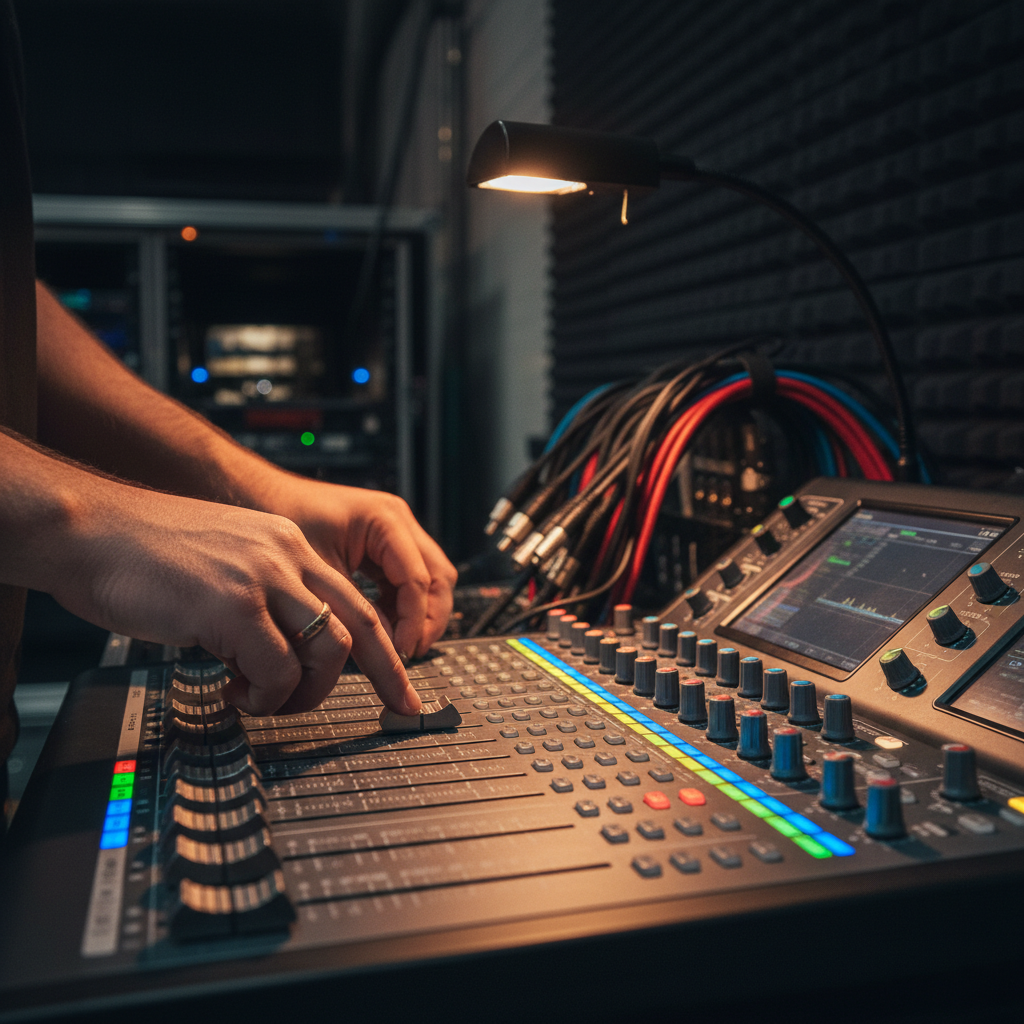
AV, Staging, and Technical Support (With Photo)
Integrate sound, projection, lighting, and stage management under one in-house team. Rehearse keynotes, patch mics early, and standardize laptop inputs. When AV lives with the venue, fixes are immediate and risk shrinks dramatically.
In our experience, AV either makes a program soar or steals minutes you never get back. Our on-site team handles lighting, audio, projection, and stage management—one call sheet, one help desk, faster problem resolution.
- Audio: Specify lavalier and handheld counts; confirm coverage maps before doors open.
- Projection: Match screen size to room depth; run a full-media test for videos with audio.
- Lighting: Pre-build looks for walk-in, keynote, panels, and Q&A; avoid washout on screens.
- Stagecraft: Provide safe steps, lectern placement, and panel seating with sightlines.
- Redundancy: Spare mics, backup laptops, and power distribution with surge protection.
Want a deeper dive into venue selection that bakes in technical success? See our guide to choosing an event venue to align ceiling heights, rigging options, and sound isolation with program needs.
Self-contained answer: AV standards that protect your program
Define mic counts, screen sizes, lighting looks, and input types before you publish the agenda. Book rehearsals for keynotes, keep a backup laptop on the switcher, and assign a single AV captain who can make decisions on the fly.
Registration, Wayfinding, and Arrival Experience (With Photo)
Place registration in line of sight from the main entrance, separate help from badge pickup, and deploy stanchions to shape lanes. Use large, high-contrast directional signage at decision points and greet attendees at every turn.
Great logistics start at the curb. 700 on-site parking spaces and clear lobby lines remove anxiety, setting a collaborative tone before the first welcome slide.

- Entrance geometry: Put volunteers at the doorway and at the bend before registration.
- Badge layout: Alphabetize or sort by last name initial; keep on-site print stations off to the side.
- Help desk: Separate from pickup; nothing kills speed like complex questions in the fast lane.
- Wayfinding: Color-code halls and repeat arrows every 30–50 feet.
For a venue walk-through before you commit, leverage our virtual tour to review entry paths, signage placements, and lobby flow with your team.
Self-contained answer: the arrival recipe
Greet, sort, and move. Welcome staff at the doors, clear “fast lanes” for pre-registered attendees, keep help off the main path, and repeat visual cues at every decision point. Attendees feel guided and calm before the program even starts.
Food & Beverage: Menus That Move With Your Agenda
Serve food within steps of sessions, time service to natural breaks, and honor cultural and dietary needs. Diverse in-house menus reduce coordination and delight guests—especially when Halal and vegetarian options are planned from the start.
- Menu diversity: South Asian, Pakistani Halal, Middle Eastern, Sri Lankan, Caribbean, and Continental choices support multicultural audiences.
- Service style: Coffee breaks near rooms, buffet or plated lunches sized to turnout, and evening receptions on the patio when weather cooperates.
- Dietary clarity: Flag allergens and dietary preferences on BEOs; brief staff for fast answers.
Explore inspiration in our corporate catering menu options and match courses to the energy curve of your agenda.
Self-contained answer: F&B that supports learning
Place coffee within a 90-second walk, time lunch to the midpoint of the day, and preview menus that reflect your attendees. When food is both accessible and culturally considerate, people return to sessions on time—and energized.
Transportation, Parking, and Accessibility
Choose a venue near major highways and airports, with ample on-site parking and accessible routes. Mississauga Convention Centre offers 700 parking spots and proximity to Toronto Pearson, making early arrivals and tight agendas more achievable.
- Proximity wins: Minutes from Toronto Pearson International Airport for same-day fly-in keynotes.
- Highway access: Fast approaches from major GTA corridors ease morning peaks.
- On-site capacity: 700 parking spaces and accessible entry paths reduce bottlenecks.
When transport and parking are simple, people arrive earlier, queues shrink, and the day stays on schedule. It’s that simple.
Self-contained answer: arrival logistics checklist
Confirm ride-share zones, post arrival maps in pre-event emails, schedule door greeters, and verify accessible routes from parking to registration. When you plan arrival like a session, the day starts on time.
Tools and Resources: Templates You Can Use Today
Start with five templates: agenda grid, room set diagrams, AV input list, registration layout, and run of show. Add a signage matrix and a dietary tracker to keep details visible. Templates prevent surprises and speed approvals.
- Agenda grid: Columns for rooms and time blocks; note session capacities.
- Room set diagrams: Theater, classroom, cabaret, U-shape; include chair counts.
- AV input list: Mics, playback, laptop sources, clickers, adapters.
- Registration layout: Table counts, lanes, help desk, print stations, power drops.
- Run of show: Cue-by-cue timing, contact sheet, contingency notes.
- Signage matrix: What sign, where placed, who owns it, when installed and removed.
- Dietary tracker: Consolidate preferences for catering and label stations accordingly.
Our team can align these templates with capacity planning for up to 2,200+ guests, so numbers in your worksheets match what rooms actually support.
Self-contained answer: the minimum template stack
If you have an agenda grid, room sets, AV list, registration map, and a run of show, you can run a seminar. Everything else is refinement. Publish those five, and you’ve already avoided 80% of typical onsite surprises.
Case Studies and Real-World Examples
Use the venue’s modular halls, in-house AV, and diverse catering to compress timelines and raise satisfaction. The most efficient programs centralize decisions with one team and design attendee flow first, then content.
Example 1: Multi-track product seminar (six breakouts)
- Challenge: Six concurrent sessions with late registrations.
- Approach: Assigned three halls to flexible classroom sets and three to cabaret; labeled tracks by color and added floor arrows.
- Result: On-time starts all day; fast re-seating when two sessions exceeded forecast due to room parity.
Example 2: Executive summit with international speakers
- Challenge: Speakers arriving via Toronto Pearson on same morning.
- Approach: Held a stage rehearsal the evening prior; kept backup decks on the switcher.
- Result: Zero mic or playback issues; keynotes began on the mark.
Example 3: Technical training with heavy AV
- Challenge: Multiple laptops, live demos, and recorded Q&A.
- Approach: Standardized 16:9 templates, labeled inputs, and added an audio record bus.
- Result: Clean recordings and smooth transitions—even with last-minute presenter swaps.
Example 4: Seminar to gala flip
- Challenge: Daytime seminar moving to evening awards dinner.
- Approach: Pre-staged décor and lighting looks; expanded catering staff for a compressed reset.
- Result: Seamless conversion from classroom to banquet within the same hall.
Want a broader view of what’s possible? See the variety of programs we host in our event overview.
Self-contained answer: what these examples prove
Centralize AV, design flow before content, and keep room sets flexible across parallel halls. When you do, even last‑minute changes feel planned—and attendees notice.
FAQ: Conference Seminar Logistics
Great logistics answers common questions fast: how early to book, what room sets to use, how AV rehearsals work, and what templates to create first. This FAQ gives crisp, ready-to-use answers.
- How early should I book the venue and AV?
Anchor venue and AV at the same time—ideally 12–16 weeks in advance for seminars, earlier for peak season. Early confirmation lets you design session flow around real rooms and locked technical specs, which prevents downstream rework. - What room set works best for seminars?
For content-heavy sessions, classroom or cabaret fosters note-taking and conversation. Keynotes and panels scale best in theater. Use a mix across parallel halls to match outcomes, then place F&B within a short walk. - Do I need speaker rehearsals?
Yes—run a 20–30 minute AV check for keynotes and panels. Confirm mic choice, slide advance, and any embedded media. Rehearsals reduce the most common delays: audio levels, clicker sync, and last-minute deck swaps. - What are the “can’t-miss” templates?
Agenda grid, room set diagrams, AV input list, registration layout, and a cue-by-cue run of show. Add a signage matrix and dietary tracker for visibility across teams. - How do I keep lines short at registration?
Separate help from pickup, add stanchions, and place badge tables in direct sight line of the entrance. Keep on-site print stations off to the side so the fast lane stays fast.
Conclusion and Next Steps
Conference seminar logistics succeed when one venue team integrates rooms, AV, catering, and flow. Design attendee journeys first, keep decisions centralized, and use clear templates. That’s how you protect minutes, reduce stress, and raise satisfaction.
- Key Takeaways
- Plan in phases and assign owners; simplicity wins.
- Design arrival and wayfinding first; the day starts at the curb.
- Lock AV standards and rehearse keynotes; redundancy pays off.
- Keep F&B close and culturally considerate; energy returns to sessions.
- Use modular halls to flex capacity without drama.
- Action Steps
- Book a walk-through via our virtual tour.
- Download your basic template stack: agenda, room sets, AV list, reg map, run of show.
- Share this guide with speakers and your AV captain to align standards.
- Discuss menu diversity with our catering team to serve every guest well.
Need a logistics co-pilot? Our team at 75 Derry Rd W can align rooms, AV, catering, and signage across seven halls—so you focus on content, not chaos. Explore corporate venue rental options and let’s tailor a plan.
Related Articles (Topics to Explore Next)
Deepen your planning skills with topics like room set optimization, agenda timing science, and wayfinding design. Each topic strengthens a different logistics link in your event chain.
- Designing breakout room sets that improve learning
- Building a resilient run of show (with contingency cues)
- Wayfinding psychology for faster attendee movement
- How to brief speakers for smoother AV
- Turning a seminar into an evening gala without stress