

 20 September, 2026
 Corporate catering menu options are the structured food and beverage choices you plan for meetings, conferences, and company events. The best options balance flavor, dietary needs, and service style so attendees stay energized and sessions run on time—while reflecting your brand and goals across the day.
By Mississauga Convention Centre • mississaugaconvention.com
Last updated: April 8, 2026
Quick Answer
For teams meeting near 75 Derry Rd W in Mississauga, the most effective corporate catering menu options pair time-smart formats (breakfast boxes, buffet lunches, canapé receptions) with multicultural dishes. At Mississauga Convention Centre, our in-house team offers South Asian, Pakistani Halal, Middle Eastern, Sri Lankan, Caribbean, and Continental menus ideal for diverse GTA attendees.
At a Glance
Choose corporate catering by aligning service style (buffet, stations, boxed, plated) with your agenda and dietary needs. Build menus around energy windows—breakfast, mid-morning, lunch, afternoon, and reception—and ensure Halal, vegetarian, vegan, and gluten-free options. Confirm logistics early: headcounts, timelines, AV, and floor plans.
- What you’ll learn: definitions, planning flow, service formats, multicultural menu ideas, and a ready-to-use checklist.
- Why it matters: food influences focus, session timing, and satisfaction scores—often more than any other amenity.
- How to apply: copy our run-of-show template, menu pairing ideas, and allergen labeling tips used in our seven halls (~4,250 sq ft each).
- Local advantage: our location minutes from Toronto Pearson supports regional teams and fly-in speakers with 700 on-site parking spaces.
Local Tips
- Tip 1: Schedule breakfast and coffee service near the main lobby route off Derry Rd W to catch arrivals without clogging registration. Our team can pre-stage urns and water at secondary doors to balance traffic.
- Tip 2: Winter events move slower at load-in; pad 10–15 minutes for coat check and hot beverage service to keep the agenda on track. Summer receptions shine on our customizable outdoor patio—plan hydration coolers and shade.
- Tip 3: For Halal and vegetarian plates, use seat-specific place cards. In our experience hosting large GTA conferences, labeled cards reduce service time by one course interval during plenaries.
IMPORTANT: These tips reflect how our Mississauga venue handles real traffic flows, seasonal weather, and inclusive service for corporate programs.
What Are Corporate Catering Menu Options?
Corporate catering menu options are curated food and beverage selections tailored to a business agenda. They combine service style (plated, buffet, stations, boxed), daypart menus (breakfast to reception), and dietary accommodations. The goal is consistent nourishment, inclusive choice, and on-time sessions for every guest.
- Service styles: plated, buffet, family-style, chef-attended stations, boxed, or drop-off replenishment.
- Dayparts: breakfast, a.m. break, lunch, p.m. break, reception, dinner—each with distinct energy goals.
- Dietary scope: vegetarian, vegan, gluten-free, dairy-free, nut-free, and Halal-friendly options.
- Cuisine lens (in-house here): South Asian, Pakistani Halal, Middle Eastern, Sri Lankan, Caribbean, and Continental.
Why it matters: the right format shortens lines, prevents the post-lunch dip, and helps keynote sessions start exactly on time. Hot food should hold at 140°F or above and cold at 40°F or below (USDA guidance) to keep quality and safety consistent.
Why Menu Strategy Matters for Corporate Events
Menu strategy drives energy, timing, and guest satisfaction. Planned dayparts with balanced proteins, complex carbs, and hydration reduce fatigue and help sessions start on time. Inclusive choices—Halal, vegetarian, vegan, and gluten-free—minimize last-minute changes and improve participation.
- Productivity link: Lean proteins and greens at lunch reduce the classic mid-afternoon slump compared to heavy, starch-only meals.
- Engagement link: Flavorful small bites during receptions extend networking by 20–30 minutes in our experience hosting GTA galas and summits.
- Inclusivity link: Pre-planned Halal and plant-forward options keep announcements short and lines moving.
- Risk control: Clear allergen labeling plus separate utensils lowers incident risk; it also speeds buffet choice-making by visible cues.
- Operational clarity: A documented run-of-show correlates with tighter service windows and fewer overruns on speaking blocks.
At Mississauga Convention Centre, we map menus to your agenda length, content intensity, and the available footprint across seven modular halls (~4,250 sq ft each) with staging, lighting, and AV support in-house.
How Corporate Catering Planning Works
Start by mapping your agenda, headcount, and room flow. Choose service styles that fit your schedule (buffet for speed, plated for formality). Confirm dietary needs, finalize menus with your venue’s culinary team, and align AV, staging, and floor plans for efficient traffic and service timing.
- Define objectives and audience: onboarding, training, sales kickoff, client roadshow, or trade show hospitality.
- Lock the run of show: arrivals, breaks, sessions, reception—note minutes per segment and speaker cues.
- Select formats: boxed, buffet, plated, stations, or a hybrid (e.g., buffet lunch + canapé reception).
- Gather dietary needs: Halal, vegetarian/vegan, gluten-free, dairy-free, nut-free; capture via registration.
- Design the menu: proteins, grains, vegetables, dessert, hydration, coffee/tea; plan flavor variety by daypart.
- Plan logistics: load-in windows, station power, table spacing, signage, waste and recycling, bussing routes.
- Coordinate AV: lighting focus for stations, power for warmers, mic timing for toasts, and camera lines of sight.
- Confirm counts and labels: allocate special plates, buffet tags with allergen icons, and seat labels for dietary meals.
Pro tip: Two-sided buffets and dispersed beverage islands reduce peak wait times for groups above 150. We also recommend pre-filling water at tables to save 5–7 minutes per seating wave.
Corporate Catering Menu Options: Formats, Cuisines, and 14 Proven Ideas
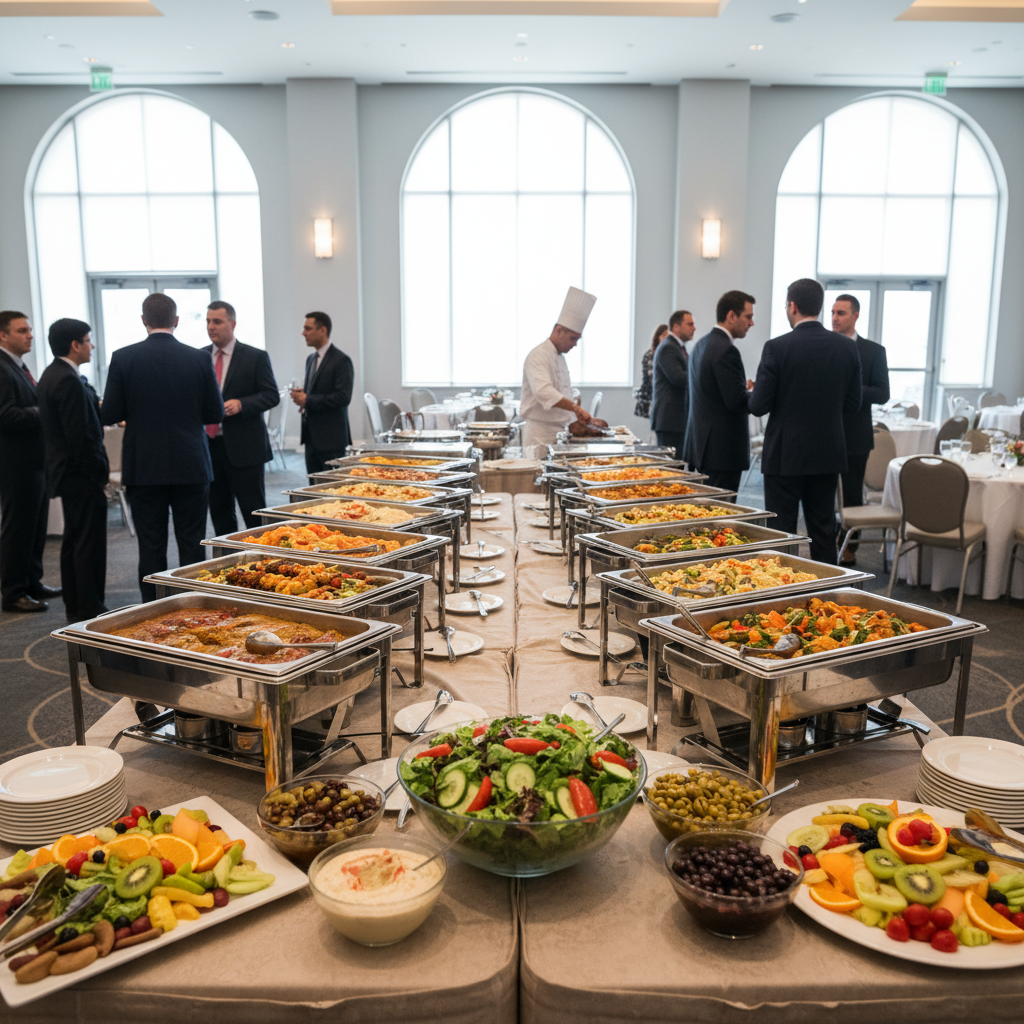
Pair the right service style with multicultural dishes to serve fast and inclusively. Buffets move lines; plated meals suit keynotes; boxed sets speed workshops; and chef stations add flair. Combine these with South Asian, Pakistani Halal, Middle Eastern, Sri Lankan, Caribbean, and Continental options for broad appeal.
Service Styles Compared
| Format | Best For | Pros | Watch Outs |
|---|---|---|---|
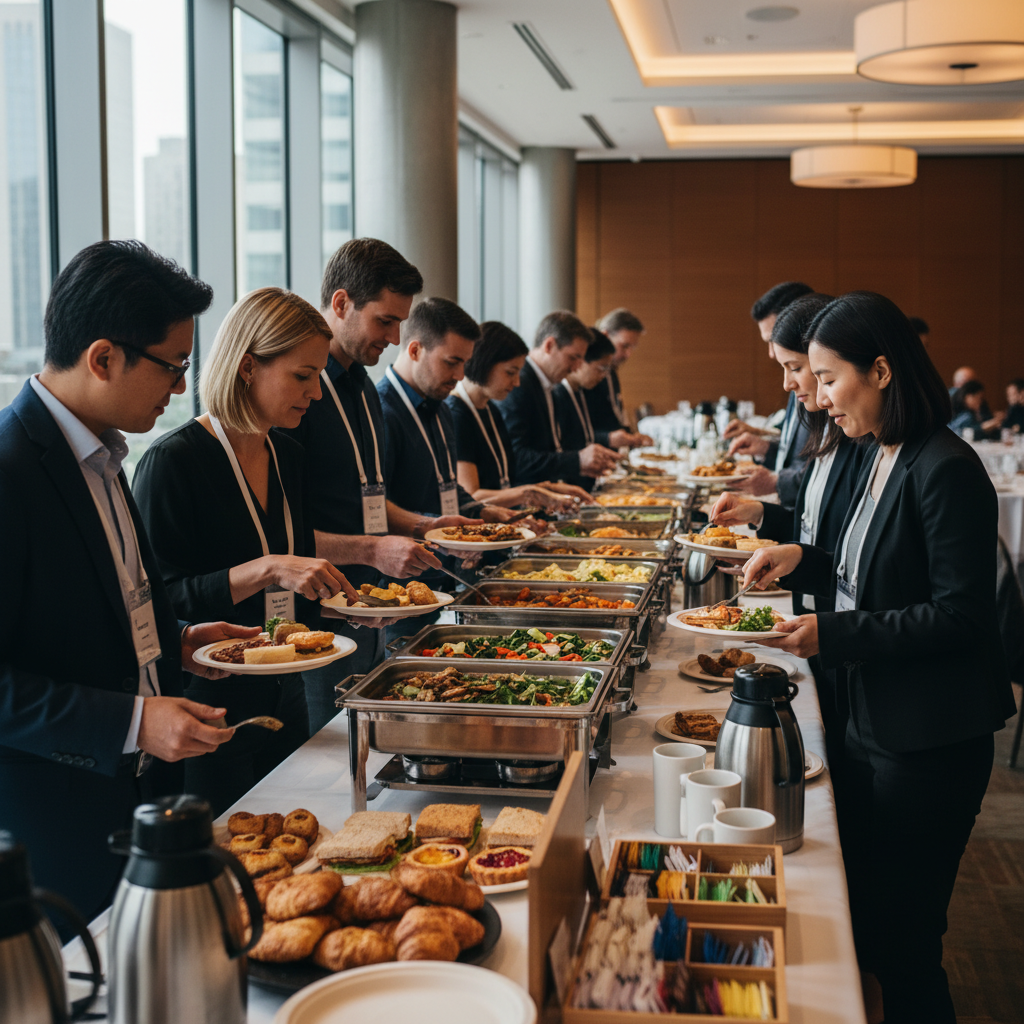
| Buffet | Large teams, variable appetites | Fast throughput, flexible portions, visual variety | Needs floor space; plan two-sided lines and clear signage |
| Plated | Keynotes, award dinners | Formal experience, predictable timing | Less choice at table; pre-select dietary plates |
| Family-Style | Collaborative teams, board retreats | Shared experience, conversation-friendly | Table space constraints; manage cross-contact |
| Stations | Receptions, networking | Interactive, customizable, fun | Power/cueing; staff staging and queue control |
| Boxed | Workshops, tight breaks | Grab-and-go speed, room flexibility | Waste planning; label contents clearly |
14 Multicultural Menu Ideas (Available In-House)
- South Asian buffet: tandoori chicken, chana masala, basmati rice, naan, cucumber raita.
- Pakistani Halal carving: spice-rubbed roast with cumin potatoes and mint chutney.
- Middle Eastern mezze: hummus, baba ghanoush, tabbouleh, grilled kebabs, saffron rice.
- Sri Lankan rice and curry: dal, tempered greens, coconut sambol; vegan-friendly options included.
- Caribbean lunch: jerk chicken, rice and peas, roasted plantains, tropical slaw.
- Continental classics: herbed chicken, seasonal vegetables, potatoes, jus.
- Vegetarian power bowls: quinoa, roasted vegetables, chickpeas, tahini drizzle.
- Vegan hot entrées: eggplant stew, lentil pilaf, spiced cauliflower.
- Gluten-free pasta station: corn-based pasta with roasted tomato sauce and herbs.
- Breakfast build: Greek yogurt bar, fresh fruit, muffins, scrambled eggs.
- Healthy a.m. break: veggie crudités, hummus, trail mix, cold brew.
- Afternoon reset: citrus-infused water, tea service, dark chocolate squares, nuts.
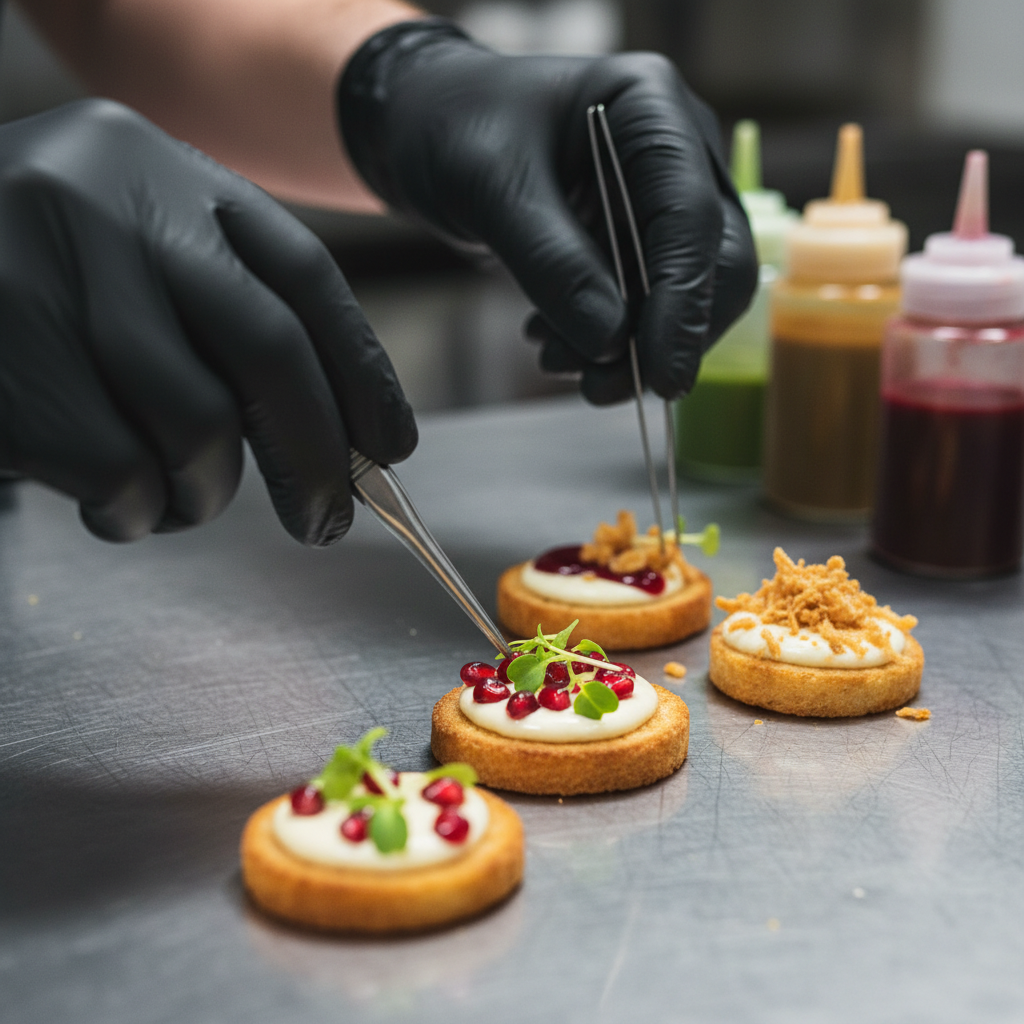
- Reception canapés: smoked salmon bites, caprese skewers, mini samosas.
- Dessert station: mini pastries, gulab jamun, baklava, seasonal tarts.
Need benchmarks for buffet formats and portioning? Review a local view of buffet-style office catering for perspective on flow and setup. Then tailor to your agenda, dietary needs, and floor plan.
Best Practices to Keep Guests Focused and On Time
Design menus that sustain focus: prioritize lean proteins, complex carbs, and hydration. Label allergens clearly, offer Halal and plant-forward choices, and sequence service to protect session timing. Pre-stage beverages and use signage to speed lines without disrupting speakers.
- Balance the plate: pair proteins with greens and whole grains for steady energy during 60–90 minute blocks.
- Hydration staging: place water, tea, and coffee where queues won’t block doorways or fire lanes.
- Allergen clarity: buffet tags with icons for nuts, dairy, gluten; duplicates on two-sided lines.
- Halal readiness: pre-set Halal portions; avoid cross-contact; label clearly at service points.
- Traffic design: two-sided buffets and satellite beverage islands for groups over 150 attendees.
- Cleanliness rhythm: bussing teams sweep between sessions to reset surfaces and minimize clutter.
- Food safety: hot holding at 140°F+ and cold at ≤40°F (USDA guidance) to protect quality and compliance.
- Wayfinding: eye-level menu signage reduces decision time and improves flow in crowded foyers.
Planner resource: Our corporate event planning checklist outlines timing cues for food service, AV checks, and room turns so your program stays tight.
Tools, Templates, and Resources
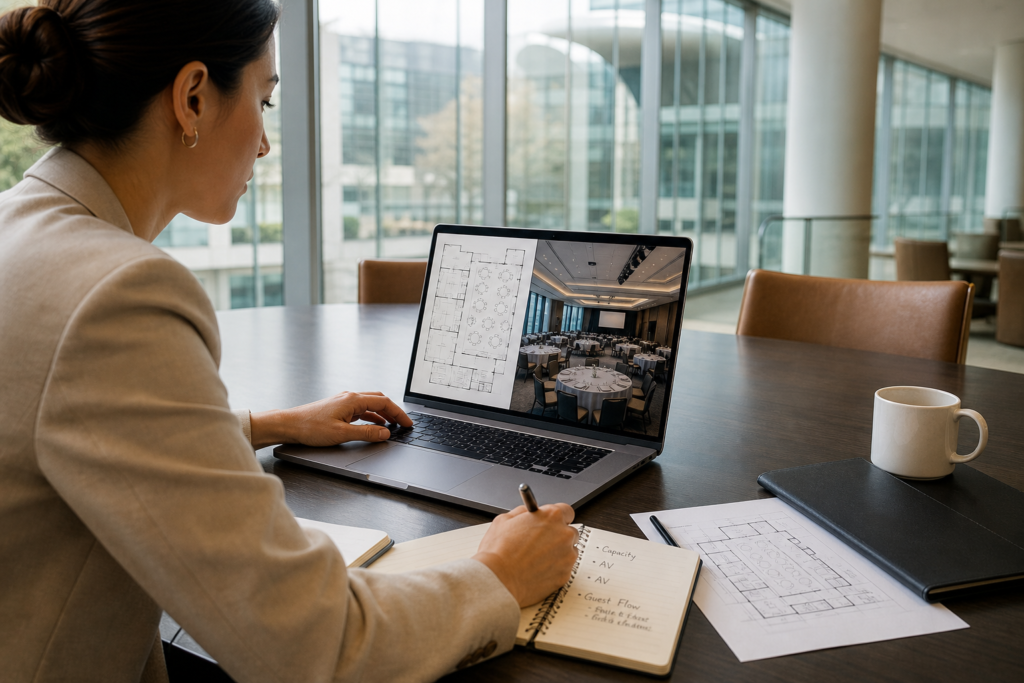
Use a planning template that maps agenda times to menu items, service style, and staffing. Pair it with a dietary tracker and an allergen labeling checklist. Walk the floor plan with your venue to spot lines, power needs, and signage placements before event day.
- Run-of-show template: arrivals, breaks, lunch, reception, teardown—minutes per segment and service call times.
- Dietary tracker: name, restriction, meal assignment, seat/table; share with captains before service.
- Allergen label checklist: dish names, icons, and placement at every station and buffet line.
- Floor plan markup: buffet lines, beverage stations, bussing routes, waste and recycling points.
- AV and power map: warmers, chef stations, mic timing for toasts, lighting focus to highlight displays.
- Menu inspiration: explore our in-house catering flavors for multicultural ideas you can adapt to your agenda.
Case Studies and Real-World Examples (GTA)
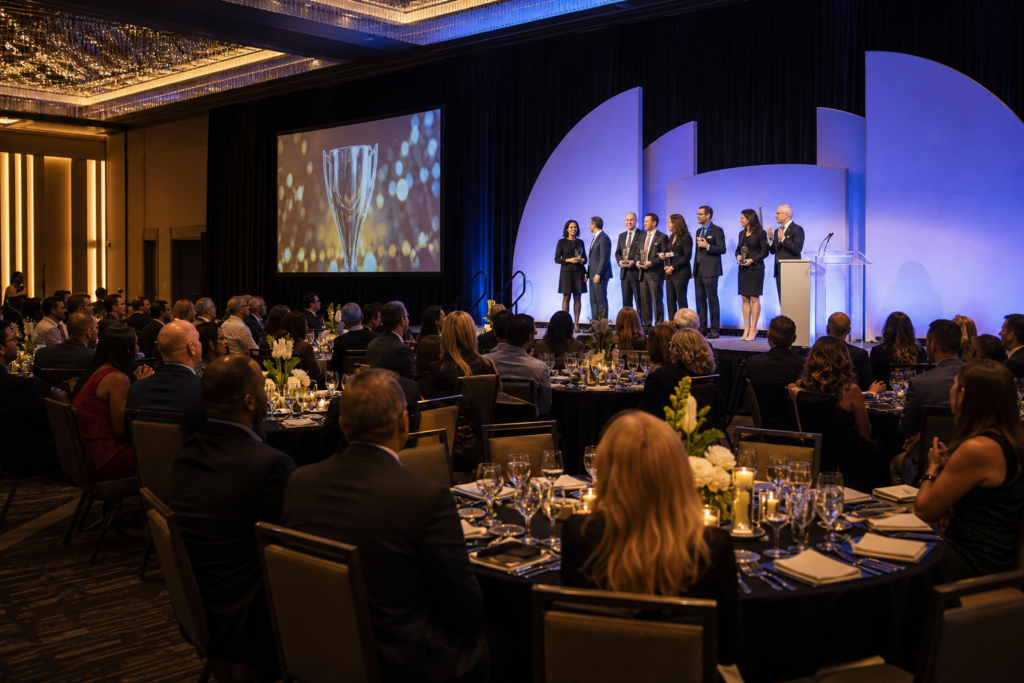
Successful corporate menus match format to schedule. In our halls near Toronto Pearson, buffets power high-volume lunches, while plated dinners elevate award galas. Chef stations keep receptions lively. Halal, vegetarian, and gluten-free plates are planned ahead and delivered seamlessly.
- Sales kickoff (600 guests): dual-sided South Asian and Continental buffets; two beverage islands prevented foyer bottlenecks.
- Leadership summit (220 guests): plated Continental dinner with a set vegetarian entrée; dessert minis boosted open networking.
- Trade show hospitality (1,200+ footfall): rotating snack stations—mezze, fruit, and coffee—matched to session traffic waves.
- All-hands meeting (300 guests): boxed lunches sorted by department to hit a 20-minute turnaround between workshops.
Want to design for inclusivity from day one? See our guidance on Halal catering menu planning used by corporate and association planners across the GTA.
How to Build a Winning Menu, Step by Step
Anchor your menu to the agenda: time-box dayparts, pick service formats that fit, add inclusive dishes, and stage beverages to minimize disruption. Confirm counts and labels one week out, then walk the floor plan with your venue 24–48 hours before showtime.
- Map the agenda: list all segments with start/stop times and traffic notes per room.
- Choose formats: e.g., buffet lunch for speed, canapé reception for networking.
- Build the menu set: 1–2 proteins, 2 sides, 1 salad, 1 dessert per meal; expand for stations.
- Plan inclusivity: allocate Halal, vegetarian/vegan, gluten-free plates and label them clearly.
- Stage beverages: coffee/tea plus water at multiple points so lines don’t disrupt sessions.
- Confirm logistics: signage, bussing cadence, waste/recycling, and AV power for warmers or carving.
- Final checks: reconfirm headcount and dietary needs 7–10 days out; seat labels for special plates.
Here’s the thing: when you connect food timing to your content blocks, speakers stay on schedule and guests rate your event higher on post-show surveys.
Menu Playbook by Daypart
Design each daypart with a clear energy goal. Breakfast should be quick and steady; lunch balanced and efficient; breaks light and hydrating; receptions flavorful and social. Use multicultural variety across the day so repeat attendees feel considered and energized.
Breakfast
- Quick boxes: egg sandwiches, yogurt parfaits, fruit, and coffee to keep registration moving.
- Buffet builds: scrambled eggs, roasted potatoes, turkey sausages, muffins, fresh fruit.
- Dietary notes: plant-based proteins and gluten-free breads keep morning announcements short.
Mid-Morning Break
- Light snacks: crudités, hummus, mixed nuts, and cold brew/tea stations.
- Hydration: citrus or cucumber water to refresh before a keynote block.
Lunch
- Fast buffets: lean proteins, seasonal vegetables, greens, and a whole-grain side.
- Boxed for workshops: sandwich/salad combos with labels to cut decision time.
- Plated for formality: coordinate service to match speeches and awards pacing.
Afternoon Break
- Energy reset: fruit, dark chocolate squares, tea service, and light savory bites.
- Wayfinding: set in the foyer but off the main aisle to avoid crowding exits.
Reception / Dinner
- Canapés + stations: caprese skewers, smoked salmon bites, mini samosas; add a mezze or carving station.
- Non-alcoholic options: sparkling water, mocktails, coffee/tea keep conversations going without the crash.
Common Mistakes to Avoid
Most menu issues trace back to unclear headcounts, late dietary capture, and underestimating line flow. Solve them with early RSVPs, seat labels for special plates, two-sided buffets, and beverage satellites. Test signage height and font legibility in-room before doors open.
- Late counts: final numbers confirmed too close to showtime strain kitchen timing.
- Undersized beverage service: a single coffee point can halt a schedule in minutes.
- No labeling plan: unlabeled buffets cause hesitation and crowding.
- Ignoring floor plan: poor station placement blocks doors and emergency egress.
- One-size-fits-all cuisine: repeating the same menu across multi-day meetings drops satisfaction.
For décor and wayfinding ideas that improve pace and perception, browse our practical space transformation tips.
FAQ
Corporate menu planning succeeds when you confirm headcount early, pick formats that fit your schedule, and plan for inclusivity (Halal, vegetarian, gluten-free). Build in labeling and traffic flow. Align with your venue’s AV and layout for smooth service windows.
- How do I choose between buffet and plated?
- Buffets move quickly and allow choice—great for large groups and mixed diets. Plated meals are ideal for formal programs with speeches and awards because timing is predictable and courses match the agenda cadence.
- What dietary accommodations should I plan for?
- Offer Halal, vegetarian/vegan, gluten-free, dairy-free, and nut-free options. Collect needs during registration. Use distinct labels or place cards so guests receive the right meals without delays.
- What’s a smart reception menu?
- Canapés plus two or three chef stations (e.g., mezze, carving, or noodle bowls) keep conversations flowing. Include non-alcoholic options, water, and coffee/tea to support longer networking without energy dips.
- How far in advance should I finalize menus?
- Lock concepts four to six weeks ahead and confirm final counts and labeled dietary plates seven to ten days out. Share your agenda and floor plan with the venue so service can be timed to your program.
Conclusion
The best corporate catering menu options pair the right service style with multicultural, inclusive dishes and airtight logistics. When menus match the agenda and floor plan, sessions start on time, guests feel considered, and your event brand shines across every touchpoint.
- Match format to timing: boxed for speed, buffet for volume, plated for formality.
- Build inclusive choice sets: Halal, vegetarian/vegan, and gluten-free options planned in advance.
- Label and stage: allergen tags and dispersed beverages accelerate flow.
- Walk the floor: stress-test traffic, power, and signage the day before doors open.
Ready to plan a high-performing menu minutes from Toronto Pearson? Our team at 75 Derry Rd W can align cuisine, service style, and logistics to your agenda—whether you’re hosting 50 or over 2,000 attendees.
Key Takeaways
- Plan by daypart and agenda, not just by cuisine.
- Use inclusive menu sets and clear labels to speed service.
- Design traffic with two-sided buffets and beverage satellites.
- Coordinate AV, staging, and power with your culinary plan.
- Confirm counts and dietary needs one to two weeks in advance.