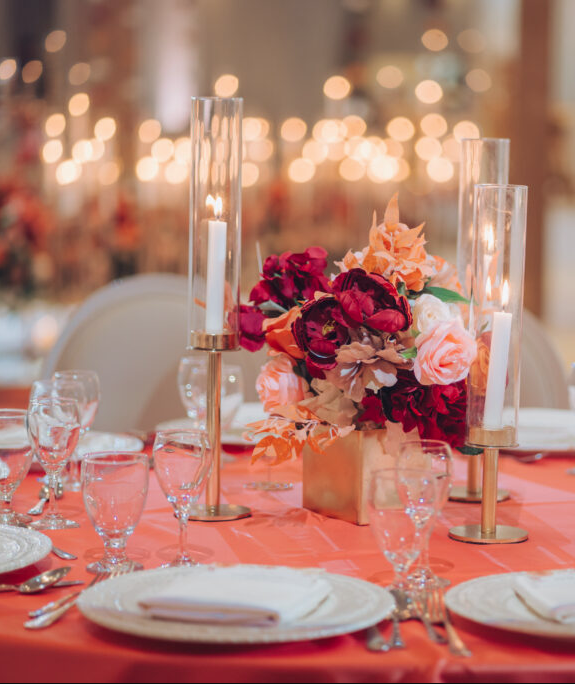

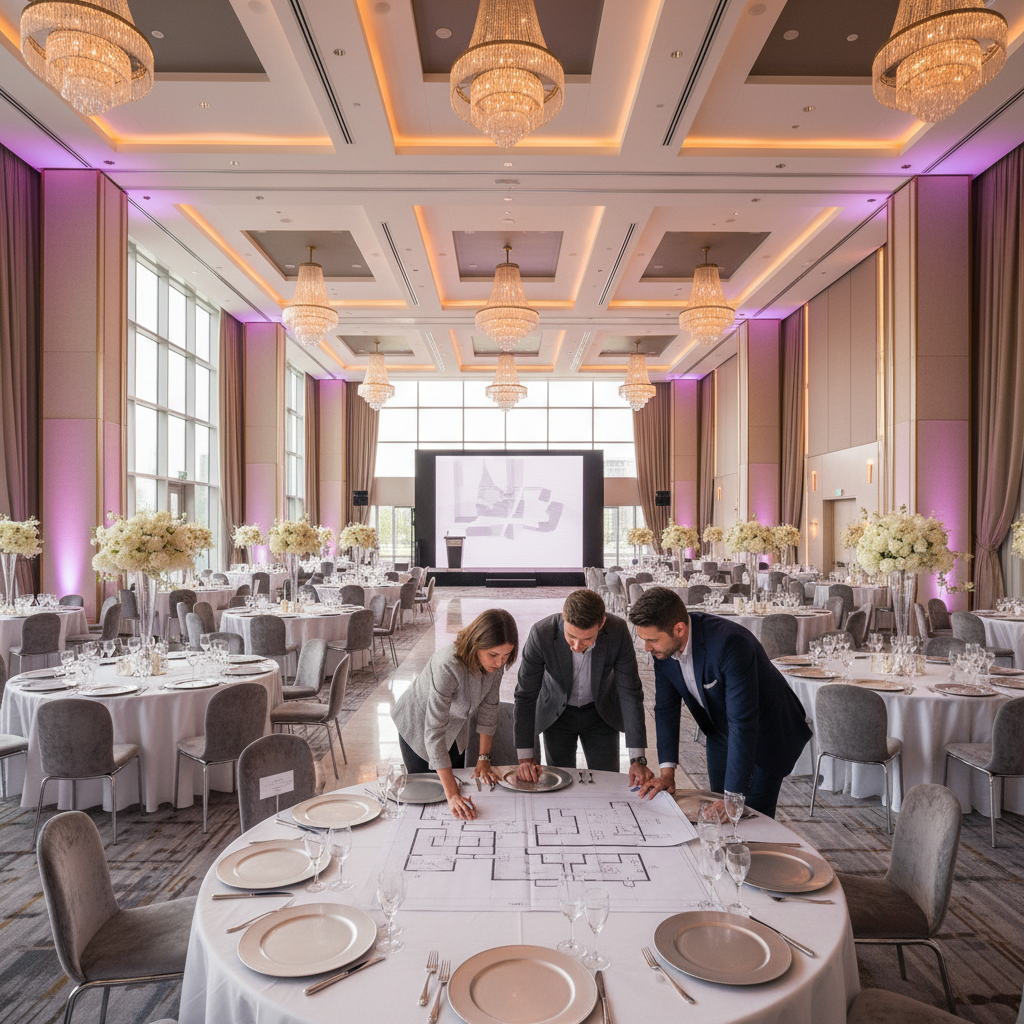
An event budget breakdown guide is a practical blueprint that organizes every expense category, defines owner approvals, and links spending to outcomes. It keeps scope, vendors, and logistics aligned so you can prevent overruns, compare options fairly, and reallocate funds fast—without sacrificing guest comfort, safety, or production quality.
By Preet Dass • Mississauga Convention Centre • Last updated: 2026-04-15
At a Glance
This guide shows planners how to build, track, and optimize an event budget across venue, audiovisual, catering, décor, staffing, and contingency. Use our checklists, tables, and real Mississauga logistics to streamline quotes, right-size spaces, and protect must-haves while improving guest experience.
- Step-by-step budgeting workflow used by corporate, wedding, school, and nonprofit planners
- Allocation models for venue, AV/lighting, catering, décor/production, staffing, logistics, and contingency
- Tools and templates (collaborative sheets, quote matrices, run-of-show, staffing grids)
- 14 case-style scenarios based on common GTA events at 75 Derry Rd W
- Local factors: parking (700 spots), airport proximity, highway timing, and winter readiness
Quick Answer
The most effective event budget breakdown guide maps every dollar to outcomes, owners, and timelines—then tracks planned vs. actual weekly. At 75 Derry Rd W in Mississauga, our seven halls, in-house AV, and multicultural, Halal-friendly catering reduce vendor sprawl and keep quotes, rehearsals, and tastings under one roof.
Local Tips
- Tip 1: Plan heavy load-ins via Derry Rd W before 9 a.m. to avoid rush-hour waves from Highway 410/401 and Hurontario. Stagger vendors in 30-minute windows.
- Tip 2: For winter galas and graduations, add buffers for coat check, snow removal, and floor matting. Our 700 free on-site parking spots keep arrival predictable.
- Tip 3: Flying in speakers? We’re minutes from Toronto Pearson. Align start times with mid-day arrivals, and schedule AV checks after the first flight window.
IMPORTANT: Match setup and menu style to your audience. Corporate sessions often need dual screens and confidence monitors; weddings and social celebrations may prioritize staging, intelligent lighting, and South Asian or Halal-friendly menus.
What Is an Event Budget Breakdown Guide?
An event budget breakdown guide is a category-by-category plan that assigns owners, timelines, and change-control rules to every spend. It prevents scope creep, speeds vendor decisions, and preserves guest experience. At Mississauga Convention Centre, unified venue, AV, and catering simplify approvals and reduce risk.
- Core categories: Venue/setup, audiovisual and lighting, catering, décor/production, staffing/security, marketing/registration, travel/logistics, contingency.
- Owner and approval: Each category has a decision owner, quote targets, and an escalation rule for changes.
- Outcome-linked: Every line item ties back to a goal (engagement, registration speed, ambiance, accessibility).
- Versioning: Date-stamp updates; lock scope two weeks before showtime to stabilize vendors and labor.
- Right-sizing: Our seven ~4,250 sq ft halls allow precise matches to headcount and staging so you don’t over-rent.
Why this matters: Most overruns come from unclear specs and vendor sprawl. Because we combine venue, in-house AV, staging, and multicultural catering, you coordinate fewer handoffs—reducing risk while improving rehearsal, tasting, and tech-check quality.
How an Event Budget Works, Step-by-Step
Build the budget by confirming goals, estimating attendance, mapping categories, and collecting apples-to-apples quotes. Approve a baseline, track weekly, freeze scope two weeks out, then reconcile actuals after the event to improve the next forecast.
- Define success: Set measurable goals (attendance, NPS, sales meetings, alumni turnout, donations).
- Right-size the room: Choose among seven elegant halls to fit capacity, stage, and screen sightlines.
- Draft categories: Venue, AV, catering, décor, staffing, marketing/registration, travel/logistics, contingency.
- Forecast quantities: Seats, meals, mics, screens, operator hours, signage pieces, stanchions.
- Standardize specs: Write one-line specs per item (e.g., “two 16:9 screens, four wireless mics, podium, stage wash”).
- Gather quotes: Compare inclusions and labor rules; confirm load-in/out and rehearsal windows.
- Approve baseline: Lock v1.0 and capture assumptions in notes.
- Track weekly: Log deposits, POs, vendor adds/reductions, and realized savings.
- Run rehearsals: AV run-through and tasting 1–2 weeks prior; finalize run-of-show and staffing grid.
- Reconcile and learn: Within two weeks post-event, close actuals and record what to keep/change next time.
Process Table: Roles, Artifacts, and Timing
| Phase | Owner | Artifacts | When |
|---|---|---|---|
| Scoping | Planner + Stakeholders | Brief, headcount model, annotated floor plan | 8–16 weeks out |
| Quoting | Planner + Procurement | RFP, quote matrix, vendor shortlist | 6–10 weeks out |
| Lock | Budget Owner | Baseline v1.0, approvals | 4–6 weeks out |
| Rehearsal | AV Lead + Catering | Run of show, tasting notes | 1–2 weeks out |
| Delivery | Ops Lead | Change log, sign-offs | Event week |
| Reconcile | Finance + Planner | Actuals vs. plan, ROI notes | 1–2 weeks after |
Helpful internal guides
- Match this workflow with the on-the-ground steps in our corporate event planning checklist.
- If you’re still venue shopping, review how to choose an event venue to avoid hidden constraints that ripple into budgets.
Budget Categories and Allocation Drivers (No Prices)
Protect must-haves first—right-sized room, safety, and reliable AV—then elevate experience with menus, lighting, and décor. Keep a standing contingency so last-mile needs don’t jeopardize core delivery.
- Venue & setup: Hall rental, layout, chairs/tables, staging, dance floor, coat check, load-in/out windows.
- AV & lighting: Projectors/screens, microphones, mixers, rigging, stage wash, operator labor, rehearsals.
- Catering: Plated, buffet, family-style, or reception service; multicultural and Halal-friendly options.
- Décor & production: Backdrops, centerpieces, theme lighting, drape, scenic elements, aisle runners.
- Staffing & security: Registration, ushers, coat check, show callers, overnight security, cleanup crew.
- Marketing & registration: Badges, QR check-in, event website, signage, email platform.
- Travel & logistics: Shuttles, VIP transport, freight and storage, marshaling, waste & recycling plan.
- Contingency: Weather shifts, additional seating, extra mics, last-minute program changes.
Because our venue integrates AV, catering, and technical support, you can consolidate purchase orders and simplify change control. With approximately 700 on-site parking spots and quick highway access, arrival and departure windows stay predictable—even for large conferences and graduations.

Allocation tactics by format
- Corporate meetings: Prioritize speech intelligibility (podium mic + stage wash) and sightlines. Favor buffet or reception lunch for networking breaks.
- Weddings & social: Invest in ambiance (lighting looks, staging, dance floor) and multicultural menu variety; protect ceremony audio.
- Schools (proms/graduations): Emphasize safety staffing, coat check in winter, and streamlined check-in flow.
- Trade shows: Budget for electrical drops, pipe-and-drape, load-in marshaling, and waste management.
- Galas: Balance plated service timing with stage program cues; spotlight fundraising moments.
Tools and Resources That Speed Up Budgeting
Use collaborative spreadsheets, quote matrices, and run-of-show + staffing grids to keep everyone aligned. Templates save time, reduce errors, and make trade-offs easy to defend with stakeholders.
- Budget template (Sheets/Excel): Track planned vs. actual, owner, status, and notes. Prefer one file as your single source of truth.
- Quote matrix: Compare inclusions line by line; flag after-hours labor, power drops, and rehearsal access.
- Run-of-show + staffing grid: Sync operator hours to cues and room turns; reduce idle time.
- On-site checklists: AV rehearsal, tasting approvals, safety walk, décor sign-off, coat check staffing.
- Virtual venue tour: Share the layout early so executives and families visualize halls and flow.
For extra structure on tracking methods, see these practical ways to track project expenses and adapt the approach to event categories and run-of-show timing.
Internal resources to pair with
- Align categories with options in our corporate packages overview to streamline decision-making.
- Cross-reference ambiance upgrades with tips in event venue decoration ideas and capture each selection in your décor tab.
Case Studies and Examples: 14 GTA Scenarios
Lock specs early, consolidate vendors where it helps, and assign category owners. These scenarios mirror real use cases we host—showing how smart allocations protect experience while staying within guardrails.
- 1) Corporate town hall (600): Dual 16:9 screens, four wireless mics, podium; buffet lunch to maximize networking; 90-minute setup; coat check in winter.
- 2) Product launch (300): Scenic backdrop with reveal; reception-style menu; intelligent lighting for hero moments; rehearsed countdown cues.
- 3) Sales kickoff (900): Plenary + breakouts across multiple halls; confidence monitors; barista station to boost engagement between sessions.
- 4) Academic conference (450): Poster boards and expo tables; Halal-friendly lunch; quiet prayer space near halls.
- 5) Trade show (1,200): Pipe-and-drape aisles, electrical drops by booth blocks; freight timing via Derry Rd W marshaling.
- 6) Gala dinner (800): Stage wash, centerpieces, timed table service; winter-ready entrance mats; paddle-raise AV cues.
- 7) Wedding reception (400): Staging for grand entrance; dynamic dance-floor lighting; South Asian tasting to finalize menu.
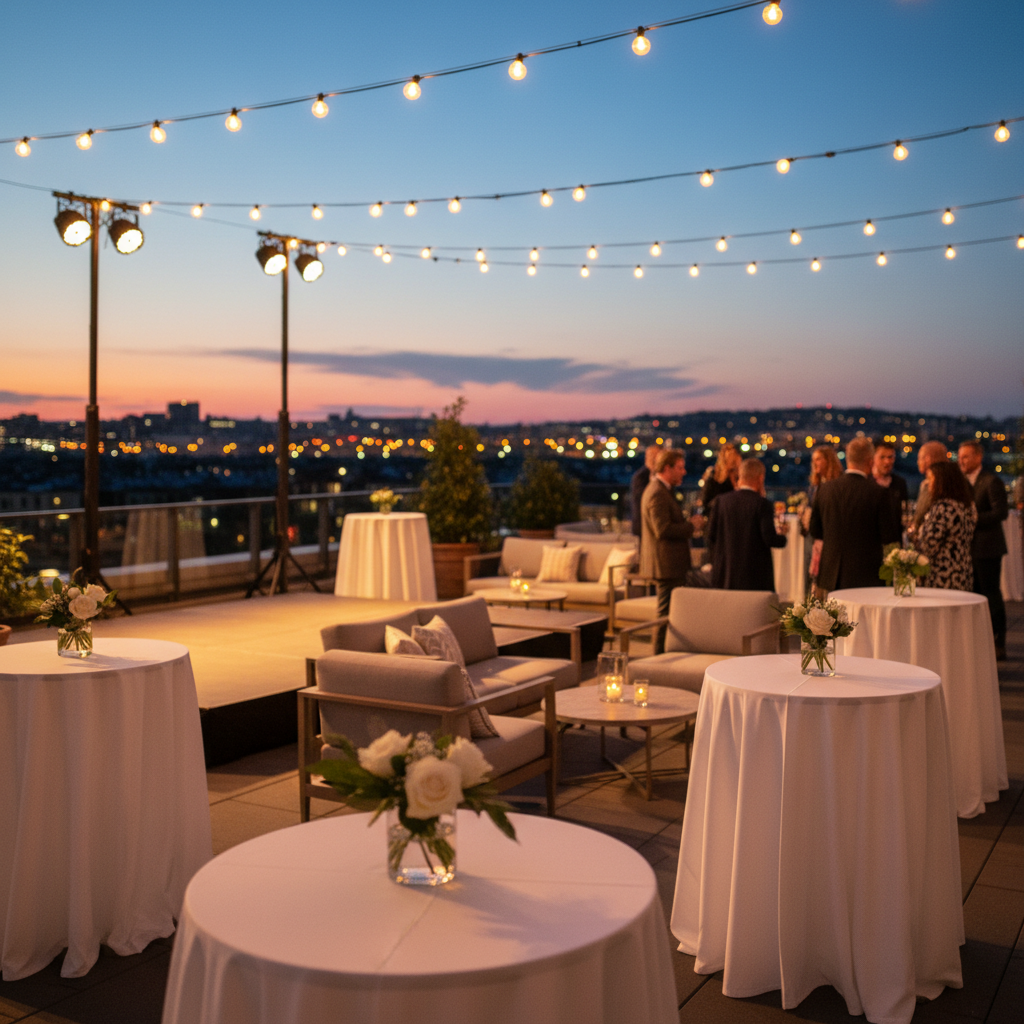
- 8) Multicultural ceremony (250): Outdoor patio vows at dusk; reserved indoor backup hall; wind-resistant décor choices.
- 9) School prom (700): DJ + programmed lighting; chaperone staffing grid; photo areas to manage traffic flow.
- 10) Graduation (1,100): Stage ramps, name-flow rehearsal; parking marshals for peak arrival; dual-camera IMAG if needed.
- 11) Nonprofit fundraiser (500): Streamlined check-in with QR; live auction mic discipline; center-stage screen for impact.
- 12) Executive summit (120): U-shape seating, confidence monitor, premium coffee bar; plated lunch for schedule control.
- 13) Cultural festival (1,800): Multiple food stations; dedicated recycling; weather plan for outdoor queueing.
- 14) Holiday party (350): Seasonal lighting looks; coat check surge plan; warm beverages at entry in deep winter.
Scenario levers that often pay off
- Lighting swaps: Replace some moving fixtures with a strong stage wash for clearer sightlines during speeches.
- Menu format: Reception or family-style can speed service and maximize mingling at corporate and nonprofit events.
- Check-in design: Extra ushers during the first 30 minutes cut lines dramatically at graduations and galas.
Best Practices to Prevent Overruns
Standardize specs, require change logs, and consolidate vendors where it helps. Rehearse AV, confirm menus, and lock delivery routes. Weekly variance checks catch issues early and protect guest experience.
- Spec discipline: Define mic counts, screen sizes, and operator hours before quoting to avoid mismatched proposals.
- Change control: Keep a one-line reason and owner approval for every add or reduction.
- Vendor consolidation: Use in-house AV/catering to reduce handoffs, rush fees, and rehearsal complexity.
- Schedule buffers: Build time for freight, airport delays, and winter weather; rehearse around speaker arrivals.
- Accessibility: Confirm routes, ramps, and reserved seating; our halls support inclusive layouts.
- Data hygiene: Work from a single shared budget file; version weekly and archive baselines.
Plan with a Pro
Want a clean, defensible budget? Our team at 75 Derry Rd W can map categories, right-size a hall, and streamline AV and catering into one cohesive plan. We’ll also coordinate load-in paths and rehearsals to save time on show week.
See how we scale up to 2,200 guests across seven halls in our Mississauga corporate event venue rental guide.
How to Negotiate and Reallocate Smartly
Trade flexibility for value—consider weekday dates, menu style shifts, or simplified lighting. Reallocate from low-impact décor to high-impact AV or staffing when engagement or safety is at stake.
- Off-peak leverage: Explore weekday events or shoulder-season options to unlock availability and flexibility.
- Menu efficiency: Reception or family-style formats can improve flow and reduce idle time between program segments.
- Lighting priorities: Favor stage wash and clean sightlines over complex movements when speeches matter most.
- Staffing focus: Add ushers and check-in support during peak arrival to keep lines short and guests happy.
- AV right-sizing: Mix wired podium mics with a limited set of wireless for panels and Q&A to balance reliability and mobility.
Mississauga Logistics: Parking, Airport, Weather
Use our approximately 700 on-site parking spots, rapid access to major highways, and proximity to Toronto Pearson to simplify guest travel. Build winter buffers and confirm freight timing via Derry Rd W for smooth load-in/out.
- Parking flow: Assign marshals and create overflow signage plans for graduations and trade shows.
- Highway timing: Consider Hurontario and 410/401 patterns when booking setup windows.
- Airport alignment: Schedule keynotes after mid-day arrivals and plan AV checks around first flight windows.
- Winter readiness: Add entry mats, coat check staffing, and décor protection for deep-winter events.
FAQ
These concise answers cover ownership, tracking, and change control so your event budget stays useful from planning to post-event reconciliation.
How do I start an event budget from scratch?
Begin with headcount and objectives, then list categories: venue, AV, catering, décor, staffing, marketing/registration, travel/logistics, contingency. Create one-line specs for each. Use a collaborative sheet for planned vs. actual, assign owners, and review weekly until lock.
What should I prioritize if my budget is tight?
Protect guest comfort and content delivery first: a right-sized room, reliable AV, and a menu format that fits your timeline. Reduce low-impact décor, switch to reception service, or consider weekday dates. Keep contingency so last-mile needs don’t threaten essentials.
How often should I update the budget?
Update weekly during planning, then after each milestone (AV rehearsal, tasting confirmation, final walkthrough). Date-stamp versions and keep a change log. Post-event, reconcile actuals within two weeks and capture lessons for your next forecast.
What hidden costs should I watch?
Freight timing, after-hours labor, show-call overtime, power drops, last-minute seating changes, and winter mitigation (mats, coat check). Standardize specs, confirm delivery windows, and leverage in-house AV/catering to reduce surprises.
When should I involve the venue team?
Immediately after goals and headcount are clear. Our team can right-size halls, advise on AV layouts, propose multicultural menus, and coordinate load-in paths. Early collaboration reduces revisions and protects timelines.
Conclusion and Next Steps
Treat your budget as a living blueprint: scope, quote, lock, track, and reconcile. Consolidate vendors where it helps and protect must-haves first. With our halls, in-house AV, diverse catering, and robust parking, your plan becomes simpler—and more resilient.
- Key Takeaways
- Budget categories should map to outcomes, owners, and timelines.
- Weekly variance checks prevent last-minute scrambles.
- In-house AV and catering reduce handoffs and risk.
- Local logistics planning protects show-week execution.
- Action Steps
- Copy a budget template and assign owners per category.
- Share our virtual layout options to align stakeholders on halls.
- Book a planning call to review layouts, AV, and multicultural menus.
Explore venue selection essentials next to fine-tune your specs before you request quotes.