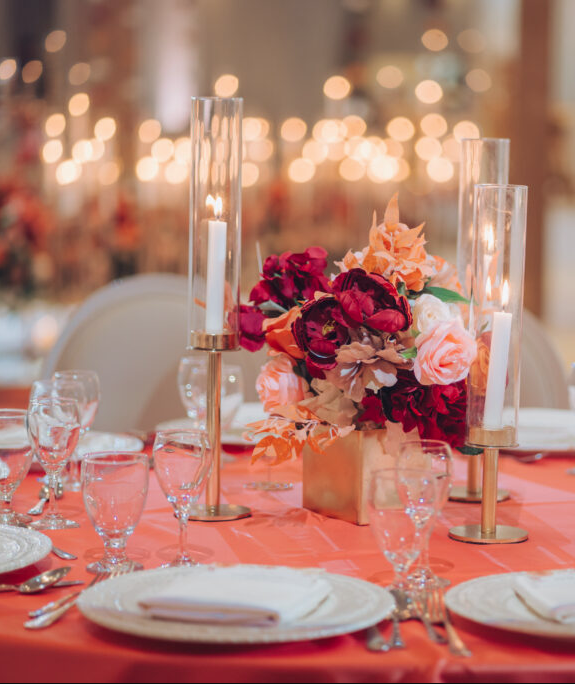
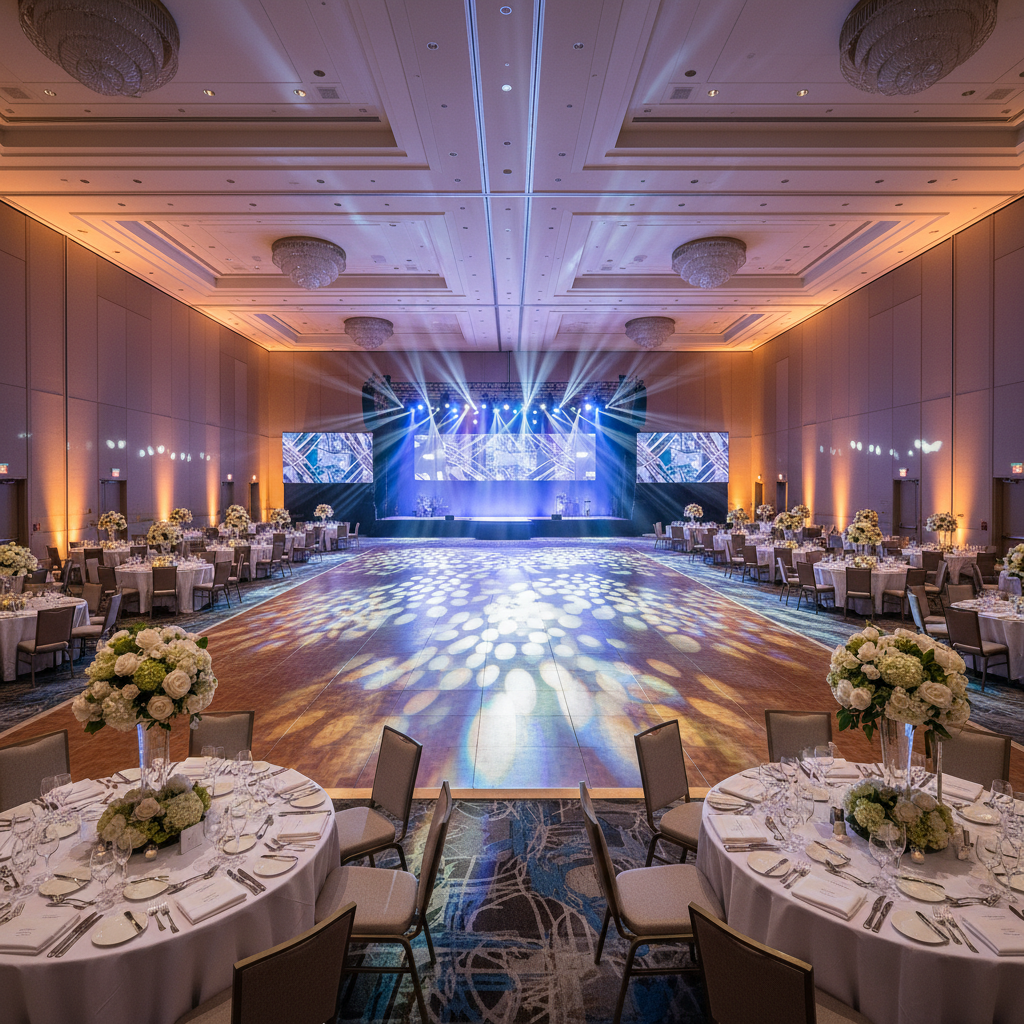
Event lighting design basics are the core principles, fixtures, and cues that shape how guests see, feel, and navigate an event. At 75 Derry Rd W in Mississauga, thoughtful lighting ties stage, décor, and dining together so messages land, photos look great, and the experience feels intentional from doors-open to final toast.
By Preet Dass — Mississauga Convention Centre
Last updated: 2026-05-05

Quick Summary
Great event lighting blends art and engineering. Use layered looks (uplights, wash, key, and specials), control with DMX, and match color temperature to content. At a large Mississauga venue, aim for flattering skin tones, clean sightlines, and clear cues so every moment reads perfectly in person and on camera.
Here’s what you’ll take away in a few minutes:
- Plain-English definitions of event lighting design basics
- Why lighting drives mood, messaging, and guest comfort
- How control, color, and beam angles work in real setups
- Fixture types and when to use each, from LED PARs to profiles
- Best practices for galas, conferences, weddings, and proms
- Checklists, cue-sheet tips, and load-in timelines that work
Jump to a section:
- What Is Event Lighting Design?
- Why Lighting Matters
- How Event Lighting Works
- Types of Event Lighting and Approaches
- Best Practices
- Tools, Standards, and Resources
- Case Studies and Examples
- Event Lighting Design FAQ
- Key Takeaways & Next Steps
Local considerations for 75 Derry Rd W
- Consider seasonal sunsets: spring and fall ceremonies can begin in golden hour; plan indoor looks that transition smoothly after dusk.
- Allow generous load-in buffers during weekday commuter traffic; coordinate staging and truss arrival with venue dock schedules.
- Design with multicultural programming in mind: speeches, performances, and dance segments may require distinct color palettes and cues.
What Is Event Lighting Design?
Event lighting design is the intentional use of fixtures, control, and cues to shape how guests see stages, people, and décor. It sets mood, supports content, and guides movement. Effective design balances artistry with safety, ensuring faces read well, sightlines stay clear, and moments are easy to capture.
At Mississauga Convention Centre, we treat lighting like a narrative device. It highlights who should be seen, softens what should recede, and times transitions so the room moves together. That’s the essence of event lighting design basics: choose the right tools, point them well, and run the show with confidence.
Core elements (the “language” of light)
- Intensity: Brightness level. Too dim, and faces disappear; too bright, and the room feels sterile.
- Color temperature: Warmer (2700–3200K) feels intimate; cooler (4000–5600K) reads crisp for conferences or daytime looks.
- Direction: Key, fill, and backlight create flattering depth. Front-only lighting flattens faces.
- Texture: Gobos, breakups, and patterns add visual interest to walls, floors, or drape.
- Movement: Subtle sweeps or timed bumps support walk-ons and reveals without stealing focus.
For a school formal or gala, we’ll often layer a warm wash (for skin tone), cool sides (for shape), and accent specials (for awards or toasts). Anchoring each segment with a cue keeps the energy paced and precise.
Why Lighting Matters
Lighting drives mood, visibility, and production value. It helps cameras capture true color, directs attention to stages and speakers, and supports safe egress. When done well, lighting makes décor richer, food more appetizing, and people look great—boosting engagement and brand perception.
Here’s the thing: guests notice lighting subconsciously. They feel welcomed by warm tones on arrival, focused by neutral key light during content, and energized by motion and color during entertainment. In our ballrooms (~4,250 sq ft each) with ceiling heights that welcome rigging, the right balance makes big rooms feel intimate and high-end.
- Engagement: Clean key light (70–80 foot-candles at podium) keeps faces readable from the back tables.
- Brand alignment: Dial in brand colors precisely with RGBAL fixtures for walk-in and walk-out cues.
- Photography: Consistent white balance (e.g., 3200K or 4300K) reduces post-production edits for photographers and videographers.
- Safety: Clear aisle lighting and emergency pathways protect guests during transitions and dimmed dinner service.
Because our venue hosts everything from executive summits to South Asian weddings, adaptability matters. We often program two or three “looks” per evening—walk-in, show, and dance—to match pace and programming.
How Event Lighting Works
Event lighting layers fixtures (wash, spot, effect) controlled by a console over DMX to create repeatable looks. Designers pre-plot beam angles and color temperatures, then execute cues during the show so transitions feel smooth and intentional.
In practice, you’ll combine power distribution, control networks, and fixtures into a reliable system that hits every cue. The flow below keeps complex shows simple:
Process overview
- Advance: Confirm stage size, trim height, scenic, and camera positions; map a light plot with throws (20–60 ft typical in our halls).
- Load-in: Place power, fly or ground-support truss, hang fixtures, cable DMX, and label universes.
- Focus: Aim key and backlight for principals; set gobos and shutter cuts; confirm spill control.
- Program: Build cues for walk-in, speaking segments, awards, dinner, and dance; preview transitions.
- Show-call: Run cues to timecode or stage manager calls; keep notes for fast adjustments.
- Strike: Power down safely, coil cables, and clear the room on schedule.
| Phase | Main goal | Typical timing | Pro tip |
|---|---|---|---|
| Advance | Plot throws, power, and truss | 1–2 weeks out | Lock the color temp standard (e.g., 4300K) early with photo/video. |
| Load-in | Rig and cable cleanly | 2–6 hours | Label DMX universes and home all heads before focus. |
| Focus | Dial faces, eliminate spill | 1–2 hours | Use shutter cuts to protect screens and scenic. |
| Program | Build show looks | 1–3 hours | Create a “panic look” on a fader for quick full-room light. |
| Show | Execute cues | Entire event | Keep a note of cue numbers for changes live. |
Our on-site technical team supports this end-to-end, which is why planners appreciate that lighting, staging, and audio live under one roof.
Types of Event Lighting and Approaches
Use wash fixtures for even coverage, profiles for crisp stage key light, uplights for ambiance, and movers for dynamic effects. Combine static and intelligent fixtures, then program looks for walk-in, show, and dance to match the event’s pacing.
Common fixture families
- LED PAR / wash: Broad, soft coverage for walls, drape, and stage. Choose CRI 90+ for natural skin.
- Ellipsoidal/profile: Precise key light with shutters to avoid screen spill; ideal for podiums and panels.
- Fresnel: Smooth, variable beam for general stage wash; adds gentle falloff.
- Moving head (spot/wash/beam): Flexible specials, gobos, and aerials; great for reveals and dance energy.
- Pinspots: Tight beams for centerpieces, dessert tables, and awards.
- Practical & scenic: Lamps, chandeliers, LED tape—ties décor into the lighting story.
Approaches that work in large ballrooms
- 3-point stage lighting: Key, fill, backlight. Keeps faces dimensional on camera and to the back row.
- Perimeter uplighting: Warms the room, hides bare walls, supports brand colors.
- Texture with gobos: Adds interest to vast surfaces without cluttering with additional scenic.
- Dynamic moments: Subtle movement hits for walk-ons, reveals, or award stings.
- Pinspot details: Make centerpieces pop without raising overall house levels.

For weddings and socials, we often aim for 2700–3200K warmth at dinner, then transition to richer color and movement after first dances. For conferences, we hold a neutral 4000–4500K on presenters with darker audience levels to keep focus forward.
Best Practices
Design for faces first, content second, room third. Lock color temperature, avoid screen spill, and pre-build three base looks: walk-in, content, and celebration. Keep a clean power plan and label your DMX so changes are fast and safe.
What most planners get right
- Set the standard early: Agree on Kelvin and dimming targets with photo/video.
- Think in layers: Stage key, room ambiance, and accent details each do a job.
- Plan the cues: Put moments on a cue sheet so lighting tracks the story.
Common pitfalls (and how to avoid them)
- Flat faces: Add backlight and side fill to shape presenters and couples.
- Screen glare: Use profiles with shutters and aim to keep spill off projection.
- Color clashes: Test brand colors on skin tones before doors to prevent odd tints.
- Hot-house levels: Keep dining at cozy levels; use pinspots for centerpieces instead of blasting house lights.
- Messy cabling: Cable runs and safety are part of the guest experience—tidy lines, taped edges, proper cable ramps.
For big nights, we also recommend reviewing our venue selection checklist and accessibility guidelines to ensure layouts and lighting support inclusive experiences.
Tools, Standards, and Resources
A reliable lighting rig pairs power distribution with DMX-based control and high-CRI LED fixtures. Build a cue sheet, label universes, and test emergency looks. Reference established standards and friendly guides when planning complex shows.
Tools that keep shows calm
- Control: DMX console with enough universes; sACN for larger rigs; backup show file on a second machine.
- Power: Distro with clear labeling, GFCI where appropriate, and separated audio/lighting circuits.
- Environment: Light haze makes beams visible; confirm venue policies and alarms.
- Documentation: Light plot, patch sheet, channel list, and a one-page “panic look” diagram.
To explore technique and production sequencing further, see these deep dives on our main site: thoughtful looks in professional event lighting design, pacing ideas in staging and production tips, and capacity planning in our venue capacity guide.
Case Studies and Examples
Adapt your rig to the format. For conferences, prioritize clear faces and legible screens. For weddings and galas, emphasize warmth and texture with dynamic transitions after dinner. Pre-build walk-in, content, and dance looks so the evening flows naturally.
1) Corporate leadership summit (800 guests)
- Goal: Crisp, camera-ready panels and a bold keynote reveal.
- Rig: Profile key (4300K) on four chairs; soft audience wash; gobo texture on rear drape.
- Cues: Walk-in brand colors; static show look for talks; a stinger with movers and haze for the product reveal.
- Result: Clean video capture, easy readability to the back tables.
2) South Asian wedding reception (600+ guests)
- Goal: Intimate dinner that transitions to high-energy dance.
- Rig: Warm perimeter uplighting; pinspots on centerpieces; profiles for couple entrance and speeches.
- Cues: 3000K dinner look; richer magentas/ambers post-dessert; dynamic movers for the dance floor.
- Result: Flattering photos during toasts and a club-like feel later without adding more fixtures.
3) School prom and awards (900 students)
- Goal: Safety and style—clear sightlines for awards, then a fun dance environment.
- Rig: Bright, neutral awards look; texture on side walls; FX movers for dance hits.
- Cues: High visibility (70–80 fc) for awardees; lower levels with movement for the dance segment.
- Result: Smooth program flow and packed dance floor with clear egress.
Planning an especially large guest list or multiple breakout rooms? See how we balance logistics in our corporate venue overview.
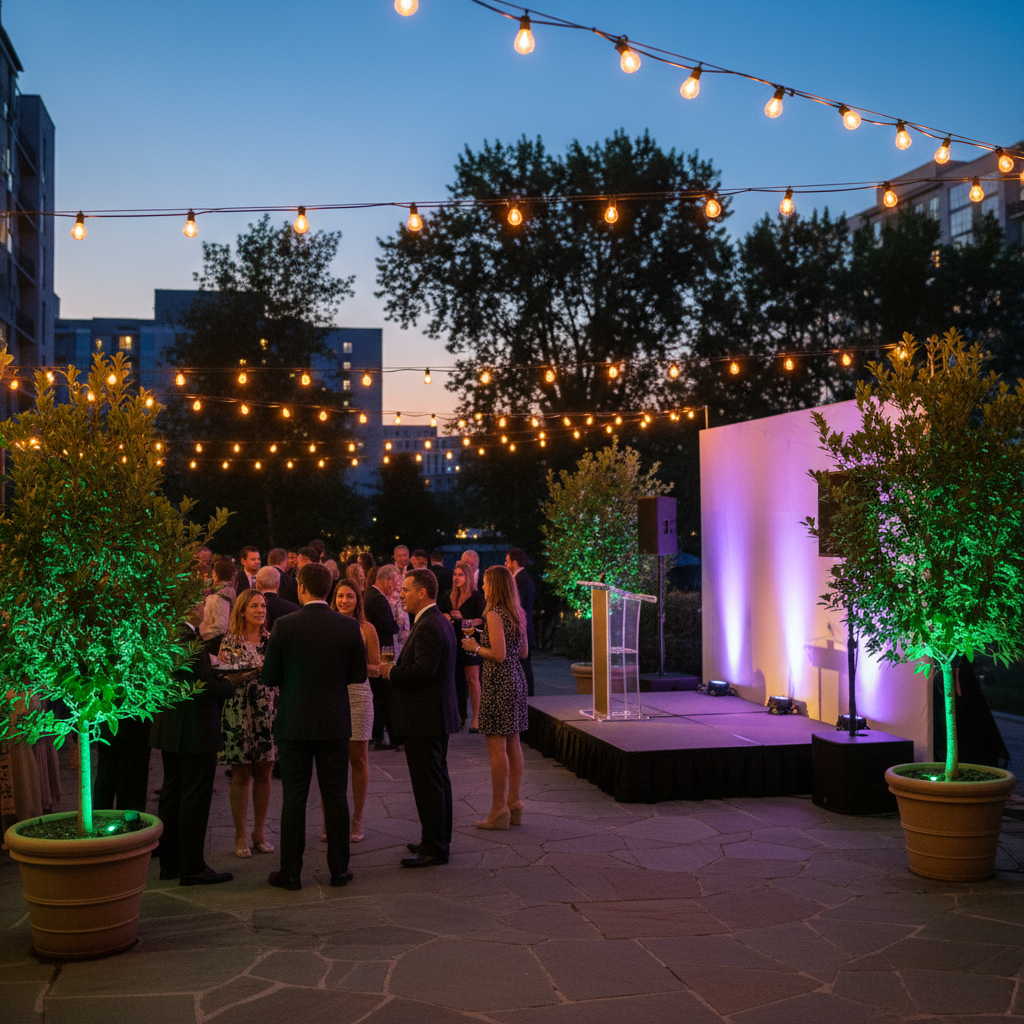
For décor-forward events, browse our ideas on transforming a space with décor and how staging pairs with lighting in production tips.
Event Lighting Design FAQ
Most planners need simple, reliable answers. These quick Q&As cover fixture choices, photo-friendly settings, and load-in realities in large Mississauga ballrooms. Share them with your photographer, DJ, and MC so everyone is on the same page.
What color temperature is best for conferences and galas?
For conferences, hold a neutral 4000–4500K on presenters so slides and faces match. For galas and weddings, 2700–3200K feels warm and flattering at dinner. You can shift to richer colors after first dances or during entertainment while keeping key light neutral for speeches.
How bright should a podium or panel be?
Aim for roughly 70–80 foot-candles on faces at the podium, with a 3:1 contrast between key and fill. That level keeps expressions readable to the back of a large room and helps cameras capture natural color without pushing ISO or introducing noise.
Do we need haze to see light beams?
Light haze reveals aerial beams from movers and spots, but it isn’t mandatory. If you use it, confirm venue policies and fire alarm sensitivity during the advance. In many cases, a very light, even haze is enough for beams without affecting comfort or photos.
What’s the simplest way to avoid screen glare?
Use profile fixtures with shutters to cut spill off projection and LED walls. Keep throws shallow enough to maintain intensity without washing the screen area, and preview the look with content on-screen before doors to make any quick adjustments.
Key Takeaways & Next Steps
Lock your looks early, light faces beautifully, and keep cues simple. With layered fixtures, consistent color temperature, and clean control, your show will look intentional from first guest arrival to the last song.
- Design pillars: Faces first, content second, room third—every time.
- Three base looks: Walk-in welcome, content clarity, celebration energy.
- Consistency: Agree on Kelvin and intensity with photo/video in advance.
- Safety: Plan egress paths and a full-room “panic look.”
Considering a large program? Our team can integrate lighting, staging, and menus under one roof so you focus on content and guests. Explore options in our corporate venue overview or schedule a virtual walk-through to visualize layouts.