

 20 September, 2026
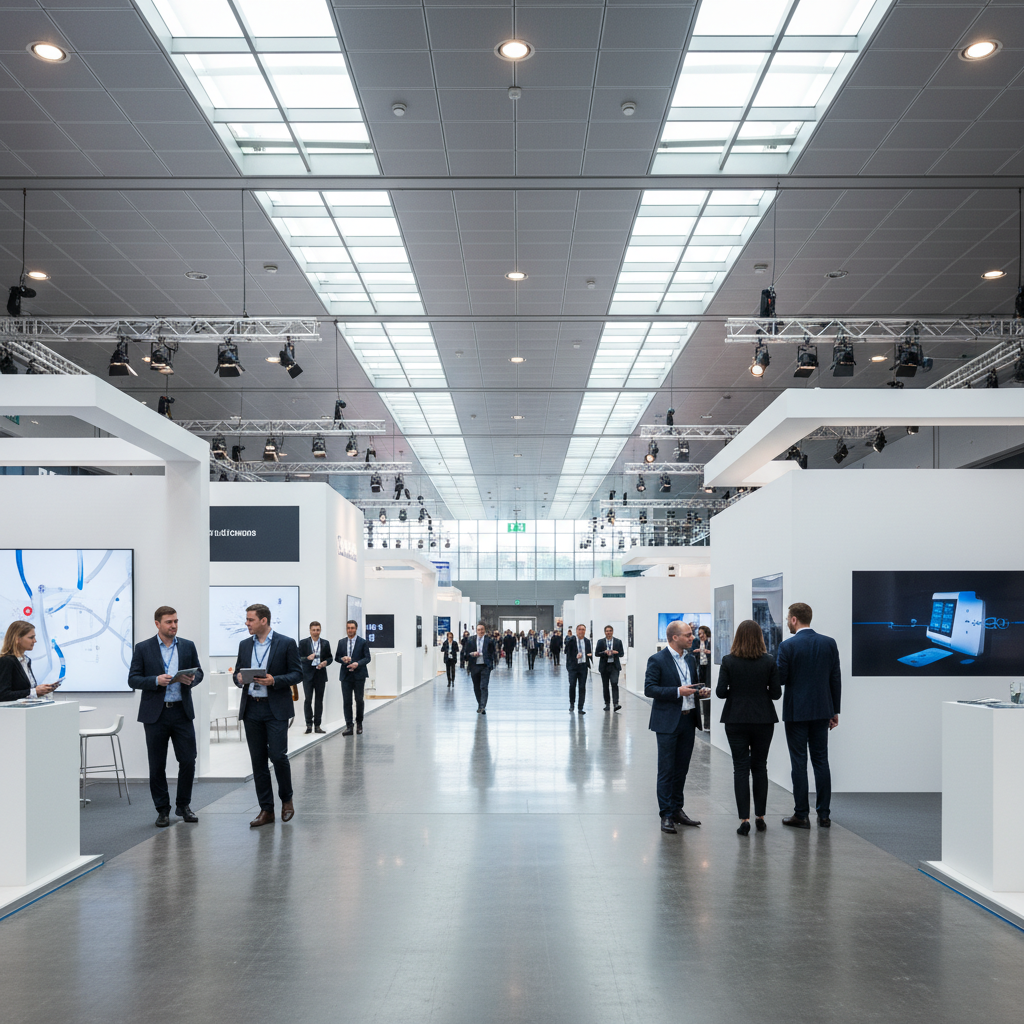
 Exhibition hall rental is the process of reserving, configuring, and servicing a large, flexible venue to host trade shows, expos, and product showcases. At 75 Derry Rd W in Mississauga, Mississauga Convention Centre offers seven ~4,250 sq ft halls, advanced in-house AV, and multicultural catering—so planners can move from concept to show day with fewer vendors and less risk.
By Preet Dass — Mississauga Convention Centre
Last updated: June 10, 2026
Quick Summary & Table of Contents
Book exhibition hall rental by aligning your floor plan, technical needs, and show timeline with a venue that offers built-in AV, adaptable halls, and reliable load-in logistics. Mississauga Convention Centre’s seven halls (~4,250 sq ft each), 700 free parking spots, and on-site catering simplify trade shows, conferences, and showcases across the GTA.
Here’s how this complete guide helps you plan with confidence and save time while you evaluate Mississauga Convention Centre (MCC) for trade shows, expos, and product experiences.
- What exhibition hall rental means and when it’s the right fit
- Why venue infrastructure (AV, staging, catering) reduces risk and coordination time
- How rental works at MCC—from walkthrough to show close
- Popular exhibit layouts and how to choose yours
- Best practices, timeline, and a ready-to-use process table
- Tools and resources for accessibility, logistics, and guest experience
- Real examples from corporate and community events in the GTA
Use the links below to jump to the right section.
- What Is Exhibition Hall Rental?
- Why Exhibition Halls Matter
- How Rental Works at MCC
- Types of Setups
- Best Practices
- Tools & Resources
- Case Studies
- Pricing Factors (No Dollar Amounts)
- Local Logistics & Accessibility
- FAQ
- Conclusion & Key Takeaways
What Is Exhibition Hall Rental?
Exhibition hall rental refers to booking a large, open-plan venue—plus essential services like power distribution, lighting, rigging, staging, and logistics—to host trade shows and expos. The best venues bundle AV, catering, and technical support so planners can focus on exhibitors, attendee experience, and programming.
In practice, renting an exhibition hall is about more than square footage. It’s about infrastructure, support, and flow. You’re choosing a space that can handle hundreds or thousands of guests, dozens of booths, rigging points, and high-traffic registration areas—without bottlenecks.
- Space + services: Halls with flexible dimensions, power drops, and ceiling height accommodate booths, demo stages, and activations.
- Integrated AV: In-house audio, lighting, displays, and technicians reduce vendor count and setup time.
- Food & beverage: On-site catering keeps crowds on schedule and supports cultural preferences.
- Load-in logistics: Dock access, equipment paths, and staging bays protect your timeline.
- Wayfinding and flow: Clear entry, aisles, and signage minimize congestion and improve dwell time.
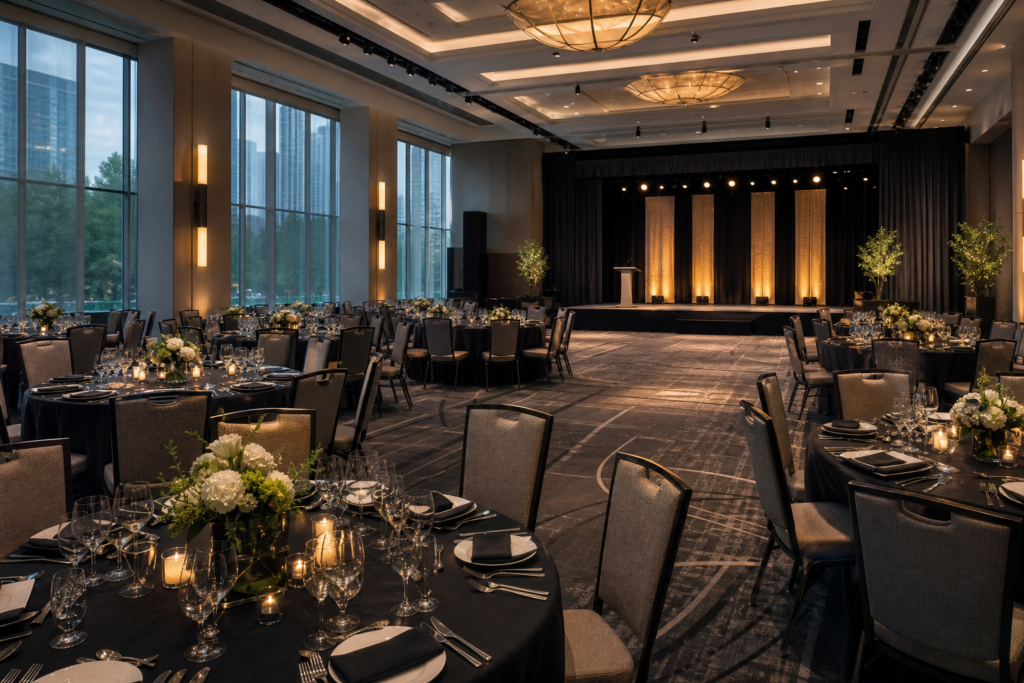
At Mississauga Convention Centre, seven elegant halls of roughly 4,250 sq ft each combine into larger footprints when needed. That modularity helps planners right-size the show floor, schedule parallel tracks, and control attendee movement.
Why Exhibition Halls Matter for Trade Shows and Expos
Exhibition halls concentrate space, services, and logistics under one roof, reducing risk and coordination time for trade shows. With scalable halls, on-site AV, and catering, planners deliver consistent experiences, predictable timelines, and high exhibitor satisfaction across show cycles.
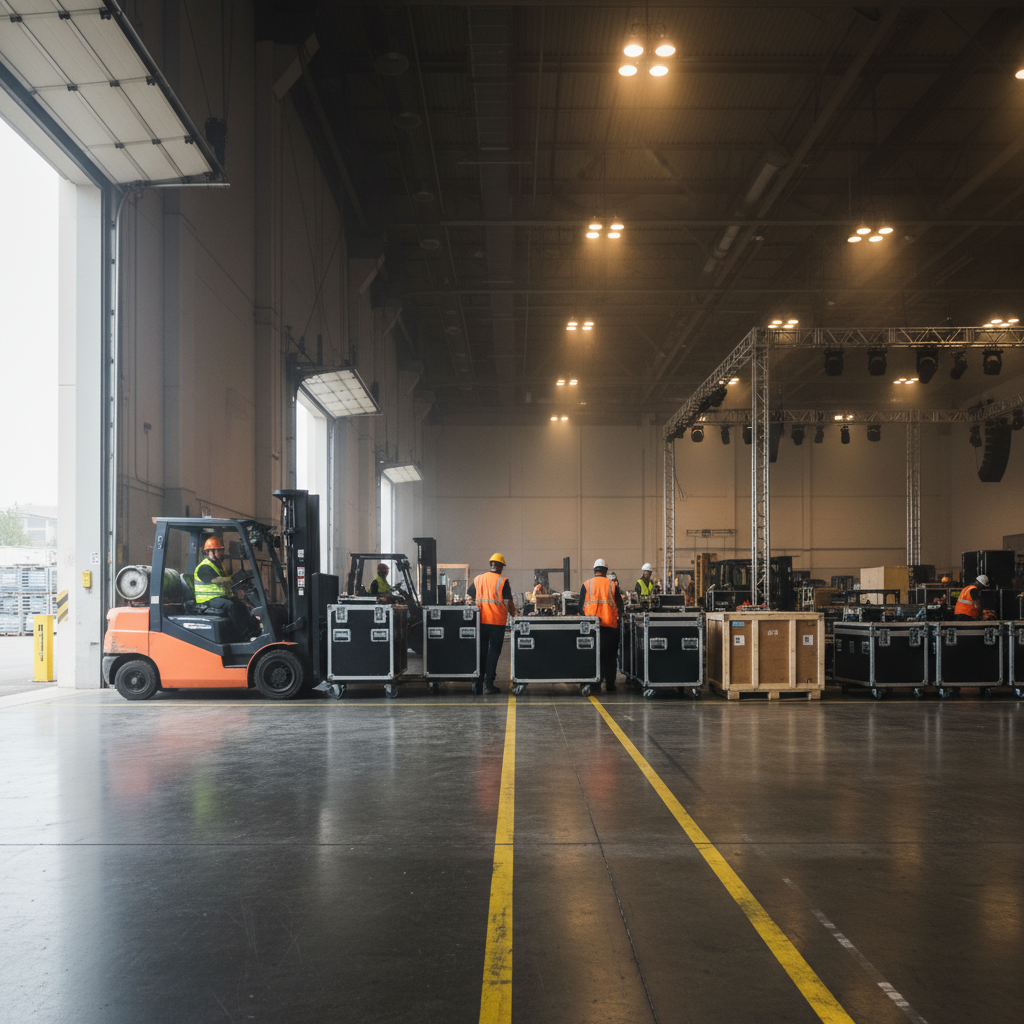
When a hall is designed for exhibitions, everything moves smoother. Dock doors, forklift access, and wide corridors speed load-in. Built-in AV lets you launch plenaries and demos without cobbling external systems. Food stations near traffic nodes keep people energized and on time.
- Reliability: Integrated AV and power distribution lower failure points during keynotes and demos.
- Capacity: MCC supports over 2,200 total guests, enabling main-stage sessions alongside vibrant expo floors.
- Access: 700 on-site parking spaces reduce arrival friction and late starts.
- Inclusion: Multicultural, Halal-friendly menus respect attendee needs and increase satisfaction.
- Speed: Fewer vendors means fewer handoffs and faster changeovers.
In our experience hosting corporate showcases and community exhibitions, modular halls and unified services help planners hit tight doors-open times. For larger expos, we’ve seen floorplans that place 60–70% of space into booths and 30–40% into networking, stages, and catering perform well for dwell time and lead capture.
How Exhibition Hall Rental Works at Mississauga Convention Centre
Our exhibition hall rental process follows a clear path: discovery call, site walkthrough or virtual tour, space planning, technical review, hold confirmation, and show execution. With on-site AV, staging, and catering, we minimize vendor sprawl and keep schedules on track from load-in to strike.
Planners tell us that clarity beats complexity. Here’s the streamlined flow we use at 75 Derry Rd W to de-risk exhibitions for corporate, association, and public events.
Step-by-step overview
- Discovery & goals: Define audience size, exhibitor count, booths, sessions, and F&B style.
- Tour (in-person or virtual): Review halls, docks, ceiling heights, and attendee flow.
- Preliminary floor plan: Outline aisles, registration, stages, catering points, quiet rooms.
- Technical scoping: Power, lighting, rigging, data needs; confirm load-in path and safety.
- Operations timeline: Load-in windows, exhibitor hours, show open/close, strike schedule.
- Hold confirmation: Reserve halls; align vendor deliverables and internal checkpoints.
- Rehearsal & showtime: AV checks, signage, and wayfinding; doors open on schedule.
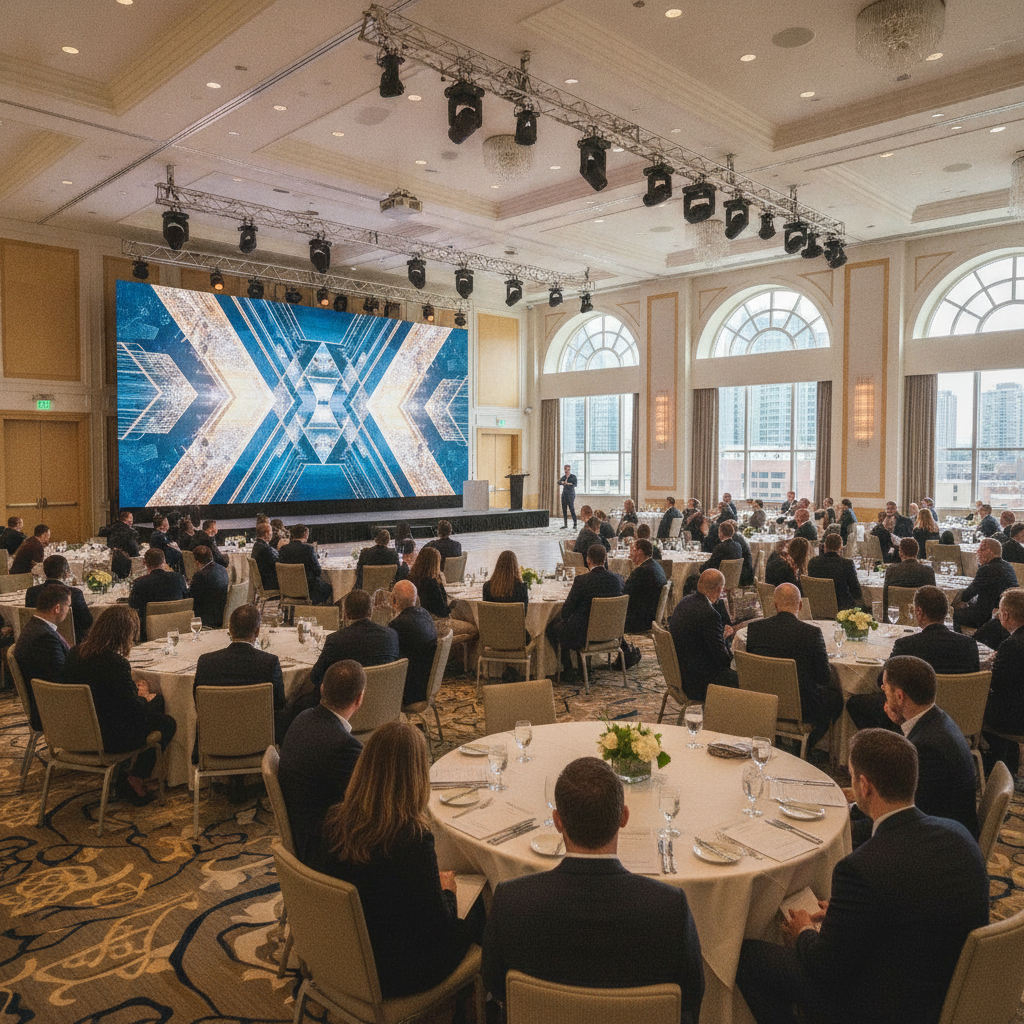
Because we host conferences, seminars, and expos under one roof, we can combine exhibition and plenary formats in adjacent halls with synchronized schedules. That parallel programming keeps foot traffic steady and reduces peak congestion.
| Timeline | Planner Actions | Venue Actions | Output |
|---|---|---|---|
| 10–16 weeks out | Define goals, exhibitor targets, session tracks | Share floor options, loading specs, AV packages | Preliminary plan + soft hold |
| 8–10 weeks out | Lock floor plan, open exhibitor portal | Confirm power maps, rigging points | Signed agreement + service matrix |
| 4–6 weeks out | Finalize schedules, signage, catering counts | AV rehearsal plan, wayfinding layout | Show book + run-of-show |
| 1–3 weeks out | Send exhibitor manual, badge lists | Dock schedule, safety checks | Load-in plan + staffing |
| Show week | Manage onsite, meet speakers/exhibitors | Execute AV, catering, security | On-time open + issue log |
Want a deeper look at expo specifics? Review our trade shows & expos overview for more hall configurations and on-site capabilities.
Types of Exhibition Setups & Approaches
Choose layouts that balance discovery and flow. Straight aisles maximize booth counts; “district” zoning creates themed neighborhoods; mixed models add demo stages, lounges, and food stations. Map registration near entry, anchor attractions centrally, and keep 10–12 ft aisles for smooth traffic.
Popular floor models
- Inline aisles: Classic rows, efficient for 10’x10’ and 10’x20’ booths; fast to map and sell.
- District zoning: Group exhibitors by category; improves matchmaking and dwell time.
- Hub-and-spoke: Central stage or attraction with radiating aisles; great for product launches.
- Mixed-use: Combine aisles with demo stages, lounges, and F&B to spread crowds.
- Show-within-a-show: Dedicated pavilion for startups or international delegations.
Technical considerations
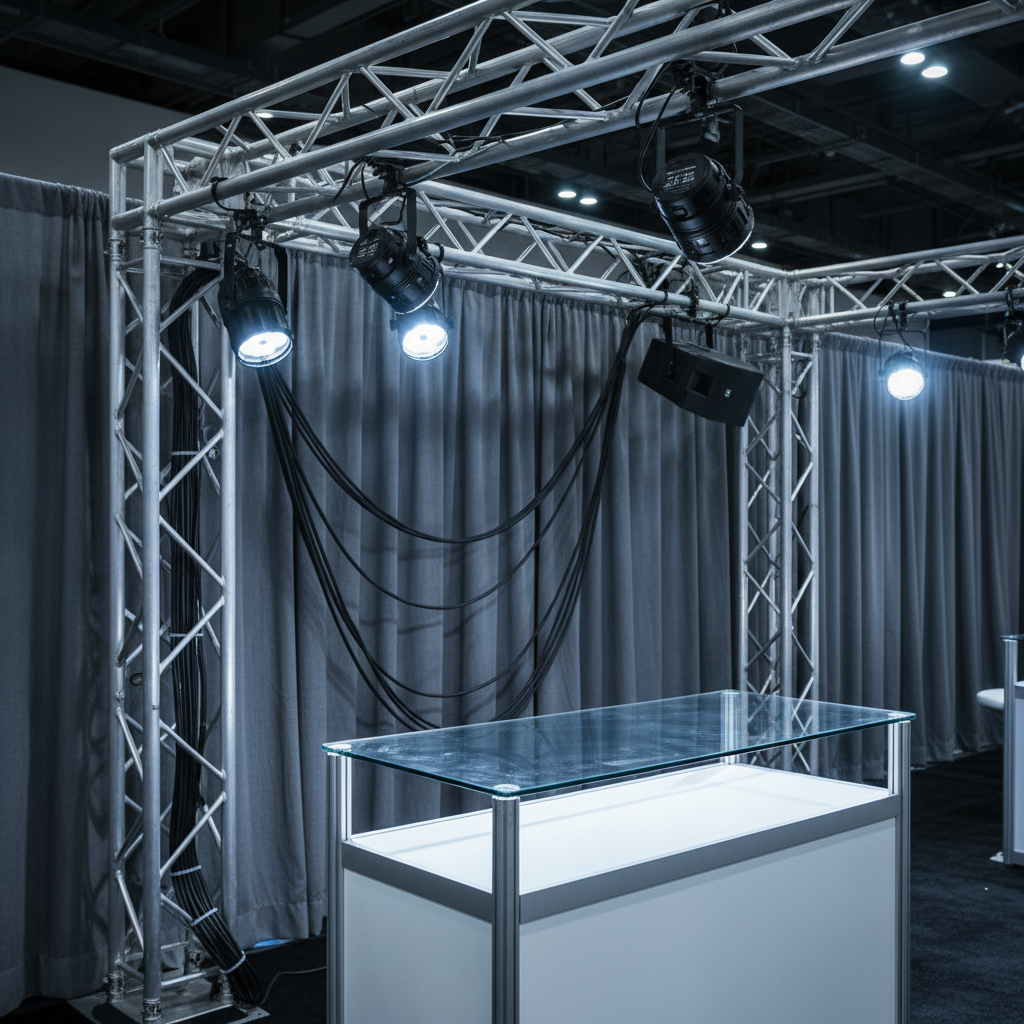
- Power & data: Map drops per booth bank; avoid daisy-chaining; plan UPS for live demos.
- Rigging: Confirm ceiling height and load ratings before selling overhead signage.
- Lighting: Accent key zones; reduce glare on displays; maintain uniform base lux for photos.
- Acoustics: Buffer stages from quiet exhibits; add drape or barriers to cut spill.
- Clearances: Keep aisles at least 10–12 ft; widen near stages or catering islands.
If you’re combining a conference with an expo, consider placing plenary next to exhibits for quick transitions. Our adjacent halls make this simple, and our conference center guide shows how agendas align with expo hours.
Best Practices for Seamless Exhibition Hall Rental
Lock your floor plan early, publish exhibitor specs, and stage critical-path assets close to docks. Use built-in AV and on-site catering to cut vendor overlap. Share a clear run-of-show so technicians, security, and caterers coordinate minutes—not guesses—on opening day.
Floor plan and sales
- Publish booth specs (sizes, heights, power) before sales to avoid variance requests.
- Anchor attractions (stage, pavilion) centrally; keep sightlines open to reduce dead ends.
- Reserve “relief zones” for crew staging, storage, and quick resets.
Operations and safety
- Load-in lanes: Assign dock times; use color-coded passes for smooth sequencing.
- Emergency egress: Keep exits and corridor widths unobstructed; mark back-of-house routes.
- Fire watch & permits: Coordinate any special effects or vehicles-in-hall with venue ops.
Guest experience
- Wayfinding: Place registration where it’s obvious; add high-visible aisle markers.
- Inclusive menus: Offer Halal-friendly, vegetarian, vegan, and gluten-aware options.
- Quiet spaces: Provide short-break zones and wellness rooms for accessibility.
New to our venue? Our planner’s rental guide outlines how to align goals, formats, and room combinations for high-impact shows.
Tools & Resources for Planners
Use a clear timeline, a floor plan template, and venue-specific specs to cut planning time. Pair that with accessibility and capacity guidelines and an exhibitor manual. These resources standardize decisions, reduce email loops, and keep every stakeholder on the same page.
- Floor plan template: Start with zones for registration, aisles, stages, catering, and storage.
- Run-of-show: Minute-by-minute schedule for open, breaks, plenary, and close.
- Exhibitor manual: Specs for booth builds, power, rigging, and load-in rules.
- Capacity + aisle widths: Match expected traffic with practical clearances.
- Accessibility checklist: Paths, seating, signage, and service animal guidance.
For a deeper venue overview, see what kinds of events you can host at MCC and how our halls adapt to conferences, seminars, and expos. If your exhibition includes a gala, our banquet halls guide outlines décor, staging, and service models.
Case Studies & Real Examples
Exhibitions succeed when layout, AV, and logistics align. At Mississauga Convention Centre, modular halls, adjacent plenary space, and 700 on-site parking spots regularly compress setup time and improve on-time openings for corporate showcases, community expos, and multicultural festivals.
Corporate product showcase
- Format: 80 booths + center demo stage; adjacent keynote in next hall.
- Why it worked: Shared AV backbone enabled faster rehearsals and fewer changeovers.
- Outcome: Doors opened on schedule; exhibitors reported strong qualified foot traffic.
Career & education fair
- Format: Straight aisles with student services lounge and resume stations.
- Why it worked: 10–12 ft aisles eased flow; on-site catering kept peak lunch lines short.
- Outcome: Consistent dwell time across zones; employers noted steady lead capture.
Community and cultural expo
- Format: Pavilion zoning by interest area; stage for performances.
- Why it worked: Halal-friendly, multicultural menus increased F&B satisfaction.
- Outcome: High attendee ratings for program variety and food quality.
To combine expo and banquet formats in one program, read our overview of trade shows and expos for typical floor options and service integrations.
Pricing Factors (No Dollar Amounts)
Exhibition hall rental value is driven by total footprint, days on site, complexity (AV, rigging, staging), and service mix (catering, security, housekeeping). All-inclusive packages simplify planning and typically reduce vendor overlap, timelines, and risk.
While we don’t list dollar amounts here, you can evaluate value by aligning scope with outcomes. Ask how infrastructure reduces outsourcer count; doing more in-venue often shortens the critical path and lowers coordination overhead.
- Footprint & duration: Square footage, hall combinations, and show days affect staffing and support.
- AV & rigging complexity: Keynotes, demo stages, and overhead branding influence technical scope.
- F&B service model: Buffets vs. stations vs. plated experiences change labor and flow.
- Security & housekeeping: Show hours, crowd size, and turnover rates guide coverage.
- Decor & enhancements: Theming, lighting packages, and rentals shape the guest journey.
If you’re planning a corporate showcase or expo, our corporate planner’s guide and venue overview provide helpful context on hall combinations and service integrations.
Local Logistics, Accessibility, and Where We Are
Mississauga Convention Centre sits at 75 Derry Rd W in the Regional Municipality of Peel, minutes from major highways and Toronto Pearson. The venue offers 700 free parking spots, accessible entries, and efficient docks—so your exhibitors, speakers, and attendees arrive, load, and start on time.
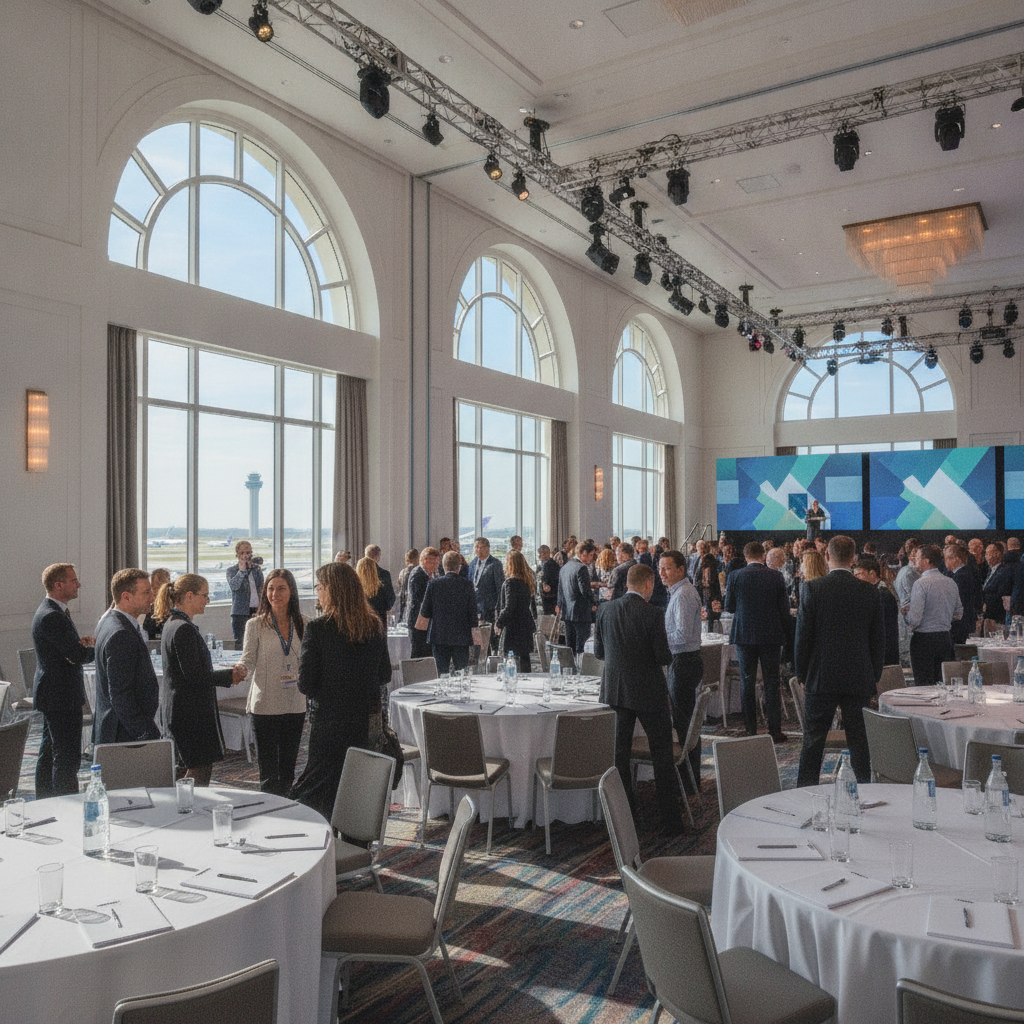
Location matters for exhibitions. Proximity to highways and the airport keeps sessions punctual and exhibitors relaxed. With multiple docks and wide internal corridors, we keep load-in predictable and safe. For attendees, clear signage, accessible restrooms, and straightforward parking reduce confusion and bottlenecks.
- Transit-friendly: Nearby bus stops reduce gaps for car-free attendees.
- Parking capacity: Approximately 700 on-site spaces smooth out peak arrivals.
- Accessible features: Ramps, routes, and services support guests with mobility needs.
- Food variety: Halal-friendly and multicultural menus respect dietary preferences.
Local considerations for 75 Derry Rd W
- Schedule arrivals with the Hurontario St At Derry Rd stop in mind when planning shuttle timing.
- Winter events should pad load-in windows; snow and cold add setup time for crew and exhibitors.
- For large expos, stage vendor check-in near docks and coordinate wayfinding to main halls for clear traffic flow.
If your program includes plenary or gala elements, see how our elegant ballrooms pair with expo layouts to support opening sessions and evening experiences.
Frequently Asked Questions
Planners often ask about floor plans, load-in timing, and what’s included with exhibition hall rental. At MCC, you’ll work with adaptable halls, in-house AV, and on-site catering. Below are clear answers to the most common questions we receive.
What’s typically included with an exhibition hall rental?
You’re reserving adaptable hall space plus venue services such as power distribution, baseline lighting, load-in access, and coordination with on-site AV and catering. At MCC, we align floor plans, docks, and schedules so exhibitors, sponsors, and speakers hit their marks without vendor overload.
How far in advance should I book?
For larger expos or multi-hall events, many planners begin scoping 10–16 weeks out to secure preferred dates and lock logistics. Shorter timelines are possible, but early alignment on floor plan, AV, and F&B reduces change orders and protects the schedule.
Can we run a conference and expo together?
Yes. Our adjacent halls allow a keynote or plenary next to the exhibit floor for fast transitions. Shared AV, synchronized breaks, and nearby catering points keep traffic flowing and sessions on time.
Do you support Halal or multicultural menus?
We do. Our in-house catering spans South Asian, Pakistani Halal, Middle Eastern, Sri Lankan, Caribbean, and Continental menus. Offering inclusive choices improves satisfaction and helps you meet cultural expectations for diverse audiences.
How do you handle accessibility?
We prioritize accessible routes, entries, restrooms, and clear wayfinding. Our planning checklist covers seating spacing, service animal support, and quiet areas. For more on inclusive planning, see our venue’s accessibility guidance and talk with our team early.
Conclusion & Key Takeaways
Great exhibitions start with the right hall, a clean floor plan, and integrated services. With modular halls, on-site AV, and multicultural catering at 75 Derry Rd W, Mississauga Convention Centre helps planners open on time, reduce risk, and deliver memorable experiences for exhibitors and guests.
- Right-size your floor: Combine halls to fit booth count and programming.
- Lean on built-in AV: Reduce vendor sprawl and rehearsal time.
- Plan for flow: Keep 10–12 ft aisles and central anchors for even traffic.
- Support every guest: Accessibility and inclusive menus boost satisfaction.
- Lock logistics early: Docks, schedules, and exhibitor specs are your pace-setters.
Next steps
- Explore our trade show and expo options.
- Review accessibility requirements and your floor layout.
- Skim the venue overview for hall combinations.
Need a quick consult? Share your exhibitor count and preferred dates, and we’ll map a preliminary floor plan with docks, AV, and catering touchpoints—so you can make confident decisions faster.