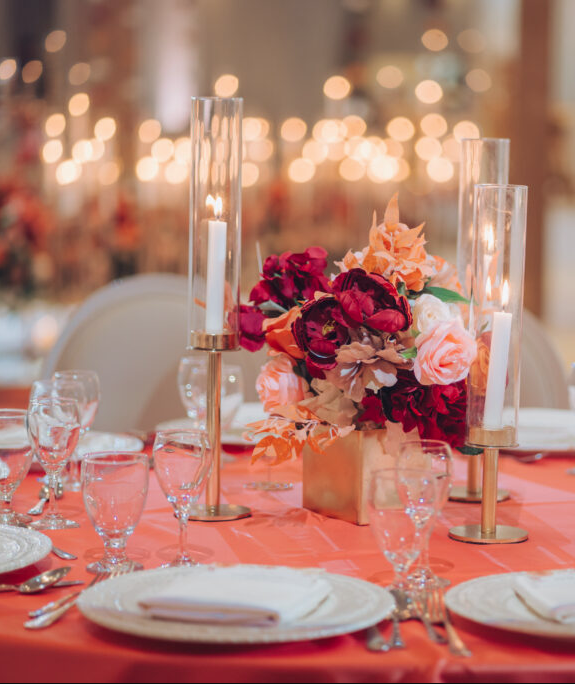

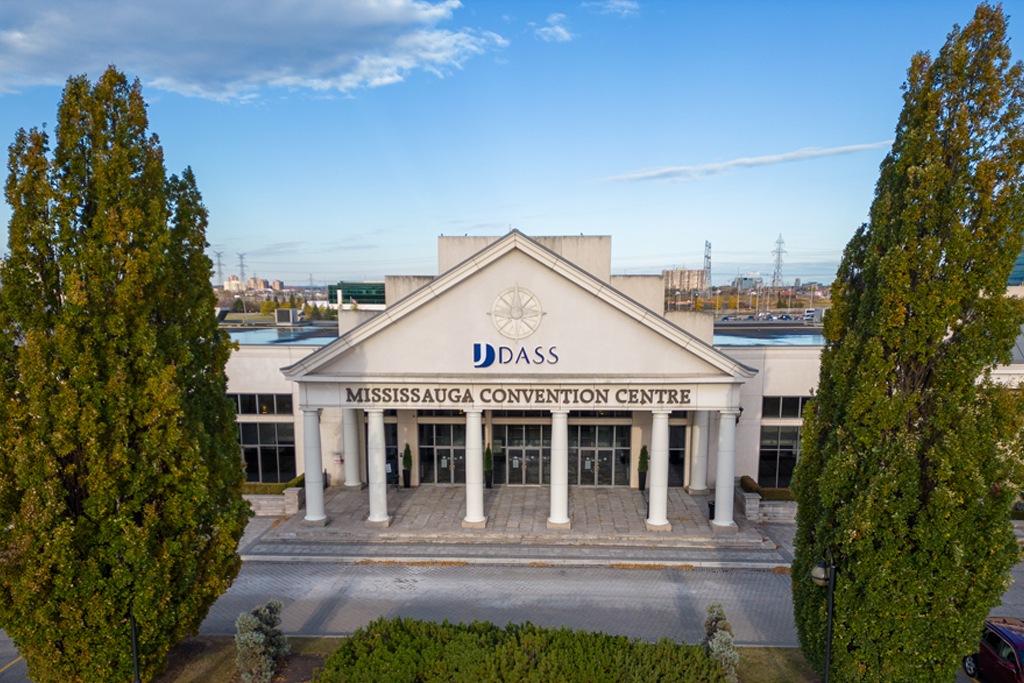
A gala dinner floor plan is the structured layout of tables, aisles, staging, and service routes that governs how guests move, dine, and engage with your program. For large galas in Mississauga, a clear plan streamlines setup, protects sightlines, and improves service speed—especially when your venue, catering, and AV teams all coordinate under one roof.
Byline: Written by Preet Dass • Last updated: May 3, 2026
Summary
Design your gala dinner floor plan by aligning room shape, stage placement, table style, and aisle widths to your run of show. Prioritize sightlines, service corridors, and accessibility. Validate counts, mark VIP needs, and do a timed walk-through. Lock the plan before print, then brief every vendor against the final diagram.
Use this expert guide from Mississauga Convention Centre to map a high-impact gala layout, minimize friction, and deliver a polished guest experience from arrival to last toast.
- What a gala dinner floor plan includes and why it matters
- Room flow, seating math, and accessibility fundamentals
- Banquet vs. crescent vs. long-table layouts (with pros/cons)
- Staging, lighting, and AV placement strategies
- Templates, checklists, and a step-by-step planning process
What is a gala dinner floor plan?
A gala dinner floor plan is a scaled map showing table locations, stage, aisles, doors, bars, buffets, and service routes. It aligns guest seating with program goals—auction, awards, entertainment—so every seat has clear views, safe access, and smooth service from first course to dessert.
At Mississauga Convention Centre, we create floor plans that translate your program into line-by-line logistics. A well-drawn plan defines everything from the minimum aisle width between rounds (often 5–6 feet for tray service) to the angle of crescent rounds that keep guests facing the stage.
- Core elements: room outline, stage and screens, table and chair counts, aisles, buffets/bars, doors, and emergency egress.
- Guest logic: seat maps for VIPs, sponsors, and dietary needs; ticket tables; silent auction locations; photo ops.
- Vendor logic: AV control, back-of-house routes, bussing stations, coffee points, and dessert staging.
When all three logics align, your service tempo improves, speeches land, and guests feel looked after. That’s the blueprint for a memorable night.
Why a smart floor plan matters
A smart floor plan increases engagement and reduces friction. Guests see and hear better, service teams move faster, and sponsors feel prioritized. The result: tighter timing, fewer bottlenecks, and stronger fundraising or brand impact without adding more program content.
We’ve found that small layout choices change outcomes. A 12-foot main aisle can cut dessert pass time by minutes per table bank. Elevating the stage by 24–30 inches improves sightlines for back rows. Centering auction displays near sponsor tables increases traffic without blocking egress.
- Engagement: keep 70–80% of seats within a straight-on angle to screens; avoid steep side seating where attention drops.
- Service speed: aim for 5–6-foot cross aisles every 3–4 table rows; build a dedicated runner lane behind the last row.
- Accessibility: reserve barrier-free routes and nearby seating for mobility devices; plan 1–2 empty seats per 100 for last-minute changes.
- Sponsorship: place sponsor tables near sightline “sweet spots” and high-traffic nodes (auctions, photowalls, VIP bar).
Thoughtful planning saves time on show day. Your emcee starts on time, courses land hot, and your audience stays focused.
How a gala floor plan works (step-by-step)
Map program-first. Fix stage and screens, then choose seating style, aisle network, and service routes. Validate counts, sightlines, and accessibility. Produce a labeled diagram, run a timed walk-through, and brief all vendors. Freeze the plan for print and day-of execution.
- Clarify program priorities: awards, entertainment, fundraising, or networking drive stage location and orientation.
- Fix the AV spine: define stage size, riser height (often 24–30 inches), projection/screen positions, and FOH control.
- Select seating style: banquet rounds, crescent rounds, or long tables—each sets capacity, angles, and service patterns.
- Build aisle logic: main, cross, and perimeter aisles; target 5–6 feet for service and 8–12 feet for parade moments (e.g., awards walks).
- Overlay service routes: bussing stations, coffee points, dessert doors; keep hot and cold routes separate when possible.
- Place activations: photo ops, silent auction, sponsor booths; keep them out of egress paths and clear of AV throw lines.
- Draft the seat map: VIPs, sponsors, board, honorees; lock accessible seats near low-traffic entries.
- Run a timed walk-through: sequence doors-open → seating → first course → program beats → dessert; watch for pinch points.
- Issue the final diagram: versioned PDF with labels for tables, aisles, and vendor stations; distribute to all stakeholders.
- Brief and post: pre-con with all leads; post the latest plan backstage for quick reference and change control.
This sequence keeps decisions anchored to outcomes, not personal preferences. It also simplifies vendor coordination inside one venue team.
Types of seating layouts for galas
Choose between banquet rounds for maximum capacity, crescent rounds for focused sightlines, or long tables for a contemporary, social feel. Mix strategically: rounds near the stage for viewing, longs at the perimeter for networking, and high-tops in pre-function for arrivals.
Different layouts optimize different goals—capacity, conversation, or clarity. Below is a quick comparison to guide the choice for your gala dinner floor plan.
| Layout | Typical Seats/Table | Best For | Watch Outs |
|---|---|---|---|
| Banquet Rounds (72″) | 8–10 | Capacity, classic gala feel | Tighter aisles if overfilled; side-view seats turn away from stage |
| Crescent Rounds | 5–7 | Sightlines, awards, entertainment | Lower capacity than full rounds; more linen/chair count |
| Long Tables (8′ x 30″) | 8 per table (4 per side) | Social energy, sponsor branding runs | Longer service runs; mic’d speeches need focused audio |
| Cabaret (mix) | Varies | Entertainment-heavy programs | Complex to map; careful with camera sightlines |
- Rounds math: a 72-inch round at 10 seats yields ~3–4 square feet per guest before aisles. Plan from the room out, not just table counts.
- Longs math: standard 30-inch depth keeps place settings comfortable; add 36–42 inches chair-back to chair-back across rows.
- Crescent angles: 120–150 degrees open to the stage often balances capacity and viewing comfort.
When unsure, test a hybrid: crescent rounds in the front half for speakers and entertainment, full rounds behind for capacity and conversation.
Best practices that consistently work
Stage your run of show. Give every table a direct view to either the stage or a screen. Keep service aisles predictable and wide. Reserve accessible seating, protect egress lines, and pre-brief staff with a single source floor plan that’s version-controlled.
Room and sightline fundamentals
- Stage height: 24–30 inches for up to ~500 guests; scale height with depth of room and camera plans.
- Screen placement: flanking the stage or mid-room screens for deep spaces; avoid blocking by décor pieces.
- Throw lines: protect projectors and camera lanes; no tables in those paths.
Aisles, service, and safety
- Main aisle: target 10–12 feet centered to the stage for processionals, awards walks, and show moments.
- Cross aisles: 5–6 feet every 3–4 table rows to speed courses and bussing.
- Perimeter ring: 6–8 feet minimum for trays, carts, and backstage access.
Guests, sponsors, and accessibility
- VIP banks: place closest to stage-center without blocking camera cranes or Steadicam paths.
- Accessible seating: reserve low-traffic entries and nearby companion chairs; avoid tight turns at doorways.
- Sponsor tables: near visual focal points and silent auction traffic, not against emergency exits.
Small details—like turning table numbers toward the stage and placing bussing stations outside guest flow—add up to big gains on show day.
Tools, templates, and resources
Work from a scaled template and a unified checklist. Share one source of truth with AV, catering, and décor. Use a venue’s sample diagrams as a starting point, then customize. Confirm final counts and print both a visual map and a seat list.
To accelerate planning, start from resources our team uses regularly and adapt them to your gala dinner floor plan:
- Study typical seating footprints in our banquet seating charts guide for round and long-table math.
- Cross-check safe capacity concepts using our venue capacity guide before you add activations or extra bars.
- Confirm accessibility priorities with our accessibility requirements overview to welcome every guest comfortably.
When layouts get complex—multiple stages, camera platforms, rolling scenery—centralize approvals. Version your diagram and lock changes 48 hours before print.

Step-by-step process to map your gala
Start with the program and room. Fix stage, screens, and FOH. Choose seating style, then draw main and cross aisles. Place activations and service points. Assign seats, run a timed rehearsal, and release a labeled, versioned plan to every stakeholder.
- Program beats: list act breaks, speeches, awards, and entertainment with timecodes.
- Stage footprint: width, depth, wings, stairs, and riser height; add lectern, band, or dance floor zones.
- AV and lighting: screen size/positions, projector throw, FOH location, and dimmer/DMX access lanes.
- Seating style and counts: rounds vs. crescent vs. longs; target 8–10 per 72-inch round.
- Aisles and egress: 10–12-foot main aisle, 5–6-foot cross aisles; keep doors unobstructed.
- Bars, buffets, stations: distribute to reduce lines; avoid placing hot stations in high-traffic turns.
- Vendor stations: bussing, coffee, water, dessert prep; separate hot/cold paths.
- Seat map: VIP and sponsor placement, accessible seating, and late-add overflow logic.
- Walk-through: pace doors-open to first course; validate tray clearance, line of sight, and audio coverage.
- Finalize and brief: issue the final PDF diagram and run a 20-minute cross-team pre-con.
This approach compresses decisions and gives every team a shared reference before trucks roll.
Real-world examples from Mississauga Convention Centre
Our seven similarly sized halls let you scale layouts from 150 to 1,000+ diners. We routinely deploy crescent rounds up front for awards and full rounds behind for capacity, with 10–12-foot center aisles and mid-room screens to keep back rows engaged.
Because our AV, staging, and catering are in-house, we model service routes while we place tables. That removes guesswork and protects hot food timing.
- Awards gala: front-half crescent rounds, 24–30-inch stage, flanking screens, and a 12-foot main aisle for honoree walks.
- Fundraiser with auction: satellite auction islands along a perimeter ring, sponsor tables on sightline sweet spots, and added mid-room screens.
- Entertainment-forward: deeper stage with band risers, camera lanes protected, and long tables at the room edge for social energy.
For context on space planning, see our venue selection checklist and décor transformation ideas to align the look with the layout.
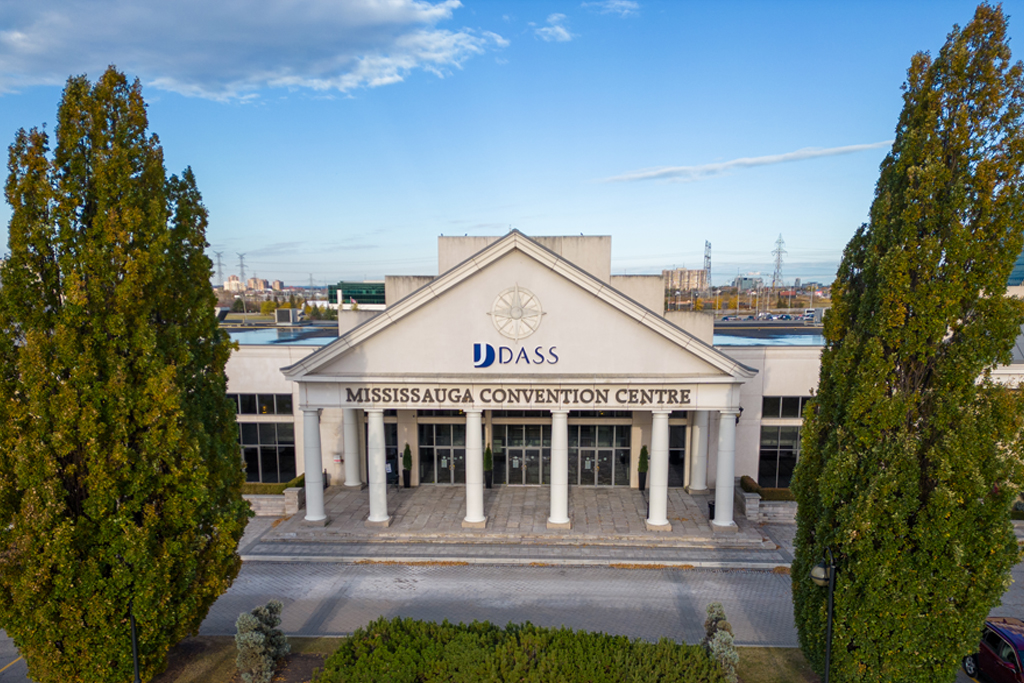
AV and staging considerations
Treat AV as the backbone of your floor plan. Lock stage and screen positions first, protect throw and camera lines, and coordinate lighting with décor. Add mid-room screens for deep spaces so sightlines and comprehension stay strong in back rows.
- Stage orientation: aim stage-center to the room’s long axis. Use thrusts or satellite stages only with clear camera/lighting plans.
- Screen strategy: flanking IMAG or LED walls increase clarity; mid-room screens rescue deep rooms beyond 80–100 feet.
- Lighting: blend ambient warmth with pin spots on centerpieces; avoid blinding back table banks during speeches.
- Audio: even coverage via distributed speakers prevents front-row hotspots and back-row drop-offs.
Our team integrates AV routes into the diagram so cables, consoles, and dimmer access never interrupt guest paths or service lanes.
Food and beverage flow
Balance kitchen distance, aisle widths, and course timing. Place bussing and coffee points off guest paths. Distribute bars to prevent lines. Keep dessert staging near the service doors to shorten the hottest run of the night.
- Course timing: predictable aisles help teams land hot plates within minutes across rows.
- Bar placement: 2–4 stations distributed along the perimeter typically beat one oversized bar.
- Non-alcohol options: water and coffee service points reduce table disruptions and keep program flow steady.
If you’re planning specialty menus—South Asian, Pakistani Halal, Sri Lankan, Middle Eastern, or Caribbean—our corporate catering menu options show configuration ideas that pair nicely with rounds and long tables.
Accessibility and guest comfort
Design for everyone first. Keep barrier-free routes clear, reserve nearby companion seating, and avoid tight turns. Place accessible seating near low-traffic doors and ensure stage access for honorees who use mobility devices.
- Routes: maintain consistent aisle widths and avoid last-second furniture encroachment.
- Seating: plot accessible seats on the diagram, not just the guest list, so onsite changes don’t erase accommodations.
- Wayfinding: clear, uncluttered entries reduce arrival stress and late seating interruptions.
For more on welcoming design, review our accessibility overview and confirm any special needs with your coordinator ahead of show day.
Common mistakes to avoid
Overfilling rounds, starving cross aisles, and ignoring throw lines cause most show-night headaches. Don’t pin bars at doorways, stack décor in egress paths, or bury VIPs on the sides. Freeze the diagram and run a full pre-con to keep surprises off the floor.
- Too many seats per round: 12 on a 72-inch table looks generous but squeezes service and guest comfort.
- Door jams: bars, step-and-repeat backdrops, and ticket tables fight arrivals if they sit too close to entries.
- Under-lighting: glamour is great, but guests need to read the program and see speakers.
Most issues disappear when you mock up one table bank and test tray clearance before you go to print.
Planning with Mississauga Convention Centre
Our seven elegant halls, in-house AV, and multicultural catering simplify gala planning. We design the floor plan with you, model service routes, and coordinate staging so run of show, sightlines, and hospitality all align in one cohesive diagram.
- Scalability: seven halls of ~4,250 sq. ft. each; combine for over 2,200-guest capacity with ~700 on-site parking spots.
- Cuisine depth: South Asian, Pakistani Halal, Middle Eastern, Sri Lankan, Caribbean, and Continental menus.
- Integrated AV: lighting, staging, and on-site technical support reduce vendor sprawl and setup time.
Preview spaces via our virtual tour and ask us to generate alternative diagrams—rounds vs. longs, front projection vs. LED—to compare options quickly.
Local considerations for Mississauga galas
- Plan arrival flow for regional guests driving in from major highways; distribute check-in and coat check to prevent clusters near entries.
- Expect seasonal spikes (spring galas, holiday parties). Secure holds early and freeze floor plans 1–2 weeks ahead for print and rentals.
- For multicultural menus and Halal requirements, align kitchen flow and service routes with the chosen seating style to preserve course timing.
Frequently Asked Questions
A good gala plan balances capacity with comfort, sightlines with sound, and décor with service flow. If you can walk the room on paper—door to seat to stage to bar—without crossing bottlenecks, you’re 80% of the way to a smooth show night.
What table size works best for a gala dinner?
A 72-inch round is the gala standard, comfortably seating 8–10. Use crescent rounds up front to keep faces toward the stage. Long tables (8 feet by 30 inches) add a modern feel and can improve conversation in the back half of the room.
How wide should aisles be for plated service?
Plan 5–6-foot cross aisles between table banks and a 10–12-foot main aisle for processionals and awards walks. Keep a 6–8-foot perimeter ring for trays and carts, and avoid placing bars or décor in egress routes.
Where should VIP and sponsor tables go?
Place VIPs near stage-center with unobstructed views, but not inside camera lanes. Sponsor banks perform well at sightline sweet spots and near high-traffic areas like silent auctions or photo ops, without blocking doors or service lanes.
What’s the easiest way to start my floor plan?
Work from a scaled template of your room. Fix stage and screens, choose seating style, then draw main and cross aisles. Place bars and service stations last. Run a timed walk-through and share one final diagram with all vendors.
Key takeaways
Begin with program goals, lock AV early, and pick seating that matches sightlines. Keep aisles generous, routes clear, and accessible seating reserved. Version-control your plan, brief all teams, and freeze changes before print for a smooth, on-time show night.
- Program-first planning drives stage and seating choices.
- Generous aisles and protected throw lines speed service and safeguard views.
- Hybrid layouts (crescent + rounds) balance capacity with engagement.
- One final, labeled diagram keeps every vendor aligned on show day.
Next steps
Ready to turn your diagram into a show floor? Share your guest count and run of show. We’ll generate options—rounds, crescents, or longs—and model AV and service routes so your gala lands on time and on brand.
Take the next step with resources tailored to large galas and elegant banquets:
- Explore banquet seating scenarios to pick your base layout.
- Check our wedding capacity guide when repurposing décor for formal galas.
- Use the venue capacity guide to validate counts before print.