 15 November, 2026
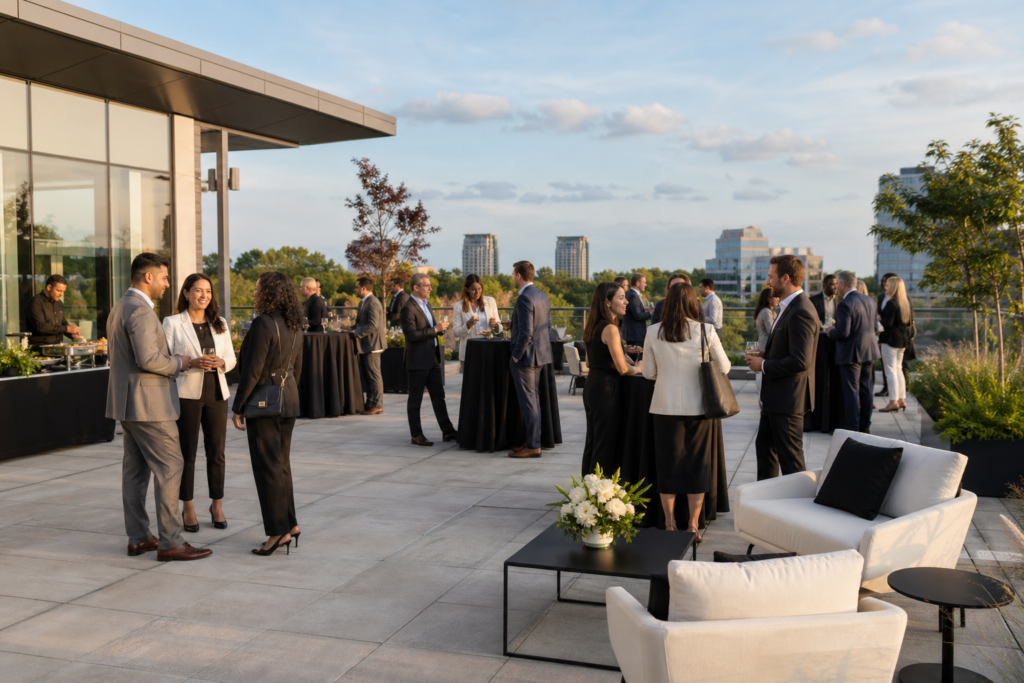
Indian wedding venue planning in Mississauga starts with the full celebration sequence, not just the reception guest count. You need a venue that can accommodate your ceremony format, cultural traditions, family movement, entertainment, food requirements, décor, and the time needed to change from one event to the next. Related reading: Outdoor Event Venues: Compare Formats, Capacity, and Backup.
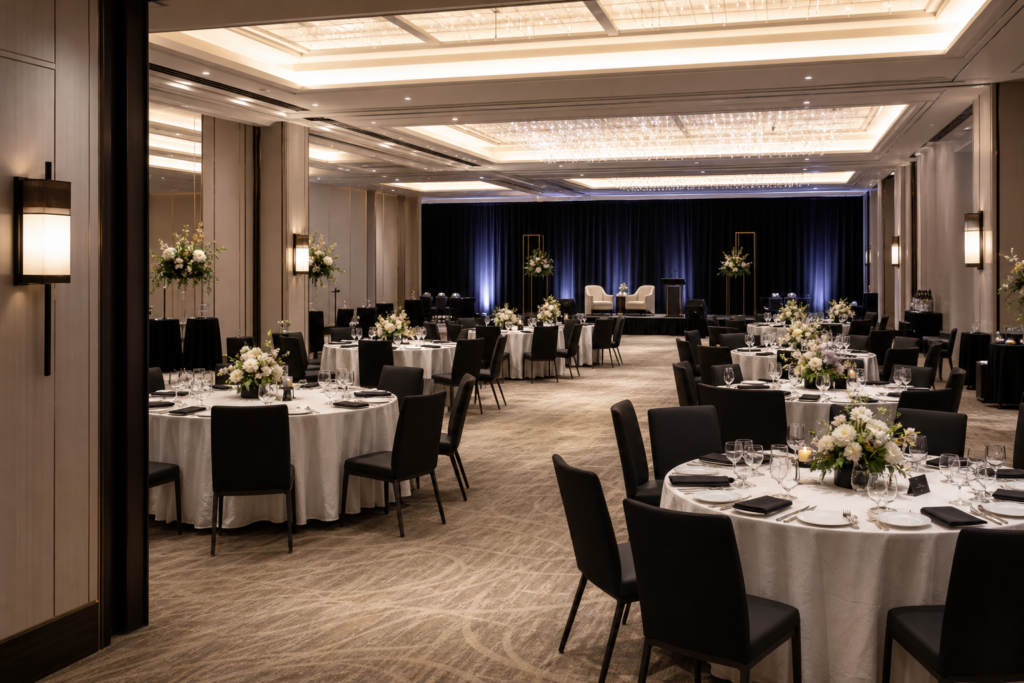
Mississauga Convention Centre offers seven halls of approximately 4,250 square feet each, overall capacity for more than 2,200 guests, and professional audiovisual, lighting, staging, and technical support. Use those facts as a starting point, then ask venue-specific questions about your rooms, rituals, schedule, menu, and suppliers.
Start with the wedding sequence, not the ballroom
Indian weddings often involve several connected celebrations, and each one places different demands on the room. Before comparing venues, write down every function you expect to hold, its approximate guest count, and what guests need to do during it.
| Function | Room priorities | Details to define |
|---|---|---|
| Mehndi | Comfortable seating, artist stations, music, lighting, and informal food service. | Guest arrival pattern, artist setup, family seating, supplies, and cleanup. |
| Sangeet or garba | Dance floor, performance area, sound, entrances, rehearsal access, and clear sightlines. | Number of performers, stage footprint, show cues, and time for sound check. |
| Haldi or another family ceremony | Space for the ritual, family participation, photography, and post-event cleaning. | Permitted materials, furniture protection, service timing, and reset requirements. |
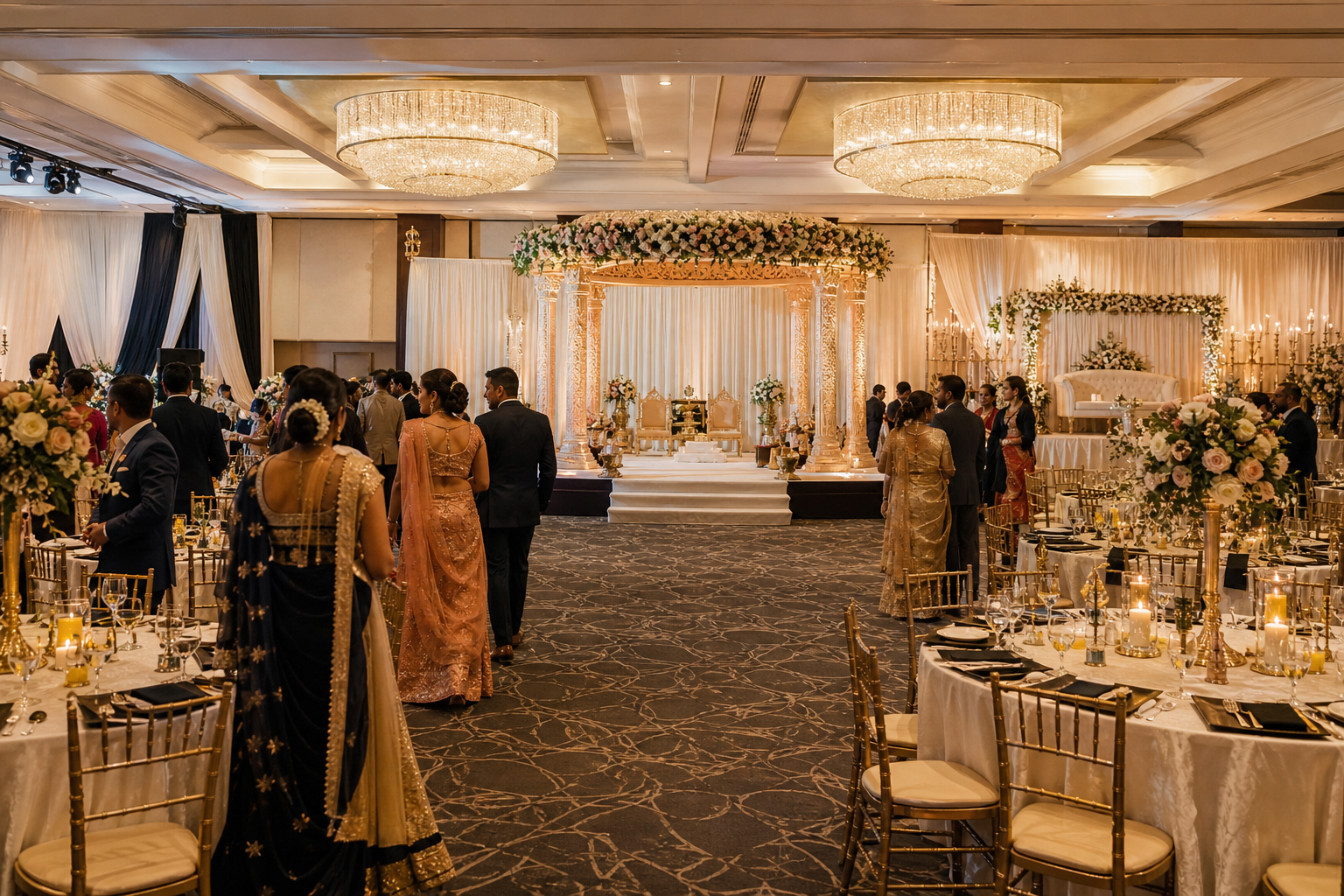
| Wedding ceremony | Mandap or other ceremonial structure, aisle, officiant, family seating, and sound. | Guest orientation, photography positions, ceremonial items, and transition plan. |
| Reception | Dining, speeches, entrances, entertainment, meal service, dancing, and departure. | Table layout, stage, buffet or plated service, dance-floor size, and program timing. |
This sequence helps you distinguish a venue that simply fits a reception from one that can support the rhythm of your complete celebration.
Size the space around guest activity, not the invitation count
A venue’s maximum capacity is not its comfortable capacity for every layout. A 100-person ceremony with a mandap, aisle, stage, dance floor, dining tables, buffet, photography area, and family seating needs a different plan from a 100-person dinner without a formal ceremony.
Map the zones your celebration needs
- Ceremony: Include the mandap or other structure, aisle, ceremonial items, officiant, and seating orientation.
- Reception: Account for dining tables, head table, service aisles, buffet or plated-service routes, and accessible paths.
- Stage and entertainment: Allow space for entrances, speeches, musicians, performers, screens, speakers, and lighting.
- Dance floor: Size it for the people likely to dance at once, not every invited guest.
- Family and photography areas: Provide waiting space for elders, children, wedding parties, and photographers without blocking circulation.
- Back-of-house movement: Confirm routes for caterers, decorators, musicians, rental equipment, and service staff.
Prepare a written floor-plan brief showing the guest count for each function, seating style, ceremony format, dance-floor priority, stage requirements, service method, and accessibility needs. The South Asian wedding venue checklist can help you expand the questions without replacing this event-specific plan.
Can the ceremony and reception happen at the same venue?
Yes, an Indian wedding ceremony and reception may take place at the same venue when the approved room, setup, schedule, and venue policies allow it. The answer depends on the ceremony format, guest count, room assignment, transition time, décor, and applicable religious or municipal requirements.
- Which room is approved for the ceremony, and can it accommodate the mandap, aisle, officiant, family participants, and guests?
- Will the ceremony and reception share a room, use separate rooms, or require a reset?
- How much time is allocated for setup, guest arrival, photography, reset, and reception entry?
- Who moves chairs, tables, ceremony structures, décor, sound equipment, and personal items?
- Are candles, religious items, hanging décor, amplified sound, outside vendors, food, or ceremony structures restricted?
- Which accessibility, licensing, fire-safety, or local requirements must be confirmed?
Mississauga Convention Centre states that it hosts weddings, receptions, and cultural celebrations, with professional audiovisual systems, lighting, staging, and technical support. Request a room-specific plan with the proposal instead of assuming a standard ceremony layout.
Check cultural fit across every wedding function
Evaluate the complete event sequence, not only the reception. List every function, then test its timing, room, food, sound, décor, guest count, and supplier requirements separately.
- Mehndi: Consider artist seating, lighting, music, food service, and lounge-style arrangements.
- Sangeet or garba: Prioritize the dance floor, performance area, sound, entrances, rehearsal access, and sightlines.
- Haldi or related family ceremony: Confirm permitted materials, cleaning responsibilities, restrictions, and the reset plan.
- Wedding ceremony: Define the aisle, mandap, ceremonial seating, sound, photography positions, and guest movement.
- Reception: Coordinate dining, speeches, entrances, dancing, dessert, service timing, lighting, and departure.
For a Gujarati celebration, ask specifically about the rooms, timing, décor, food, and guest flow needed for your chosen ceremonies and reception. Mississauga Convention Centre describes its Gujarati wedding venue as suitable for Gujarati weddings and cultural celebrations, so use those questions to build a function-by-function brief.
Families planning Pakistani or Sri Lankan celebrations should use the same approach: name each ceremony, document its physical requirements, and ask the venue to confirm the room, schedule, menu, sound, décor, and vendor arrangements for that event.
Build the menu around regional preferences and dietary needs
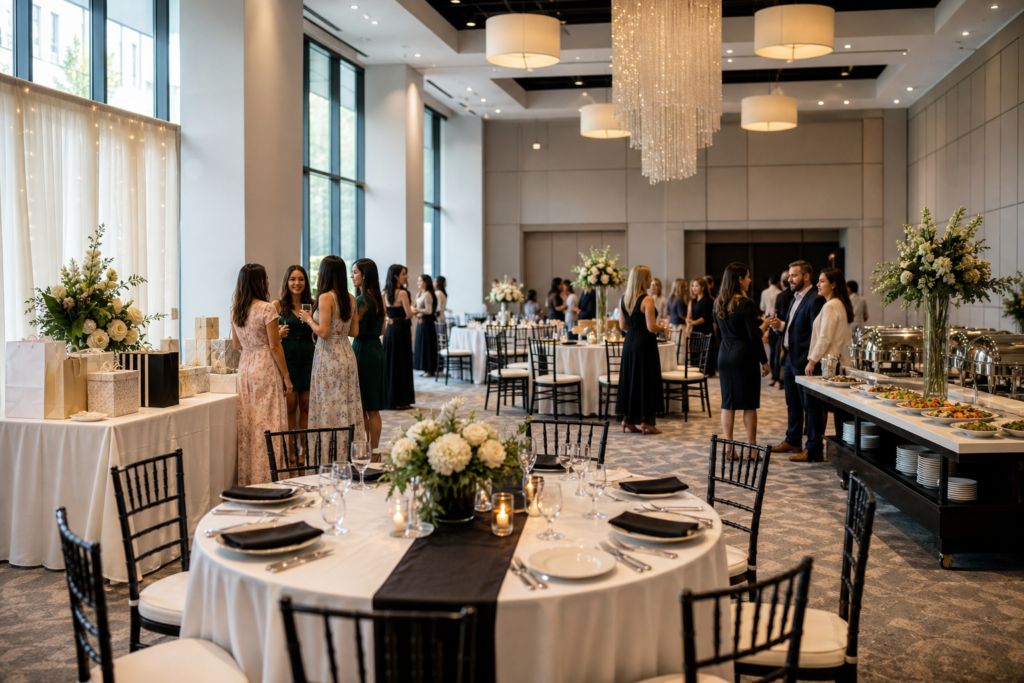
Indian wedding catering should begin with the guest profile and service format. Identify regional preferences, vegetarian or halal requirements, allergens, children’s meals, labeling, service timing, and whether different functions need different menus.
Do not choose a venue from a cuisine label alone. Ask for the current menu options, preparation standards, tasting process, customization rules, and any restrictions on outside food or desserts.
- Which dishes and preparation methods fit the family’s regional and religious requirements?
- How are vegetarian, halal, Jain, vegan, allergen-sensitive, and children’s meals identified?
- Can menus change between the mehndi, ceremony, sangeet, and reception?
- Which service format fits the schedule: buffet, plated service, stations, passed items, or a combination?
- How will meals work around ceremonies, speeches, entrances, dancing, and photography?
- Are tastings, substitutions, final guest-count changes, outside food, desserts, beverages, and bar service permitted?
If halal catering is part of your brief, define preparation, ingredients, labeling, and service expectations. This halal wedding catering planning guide can help you prepare for the consultation.
Coordinate décor, stage, dance floor, lighting, and sound
A mandap, stage, floral installation, lighting design, dance floor, screens, speakers, and photography positions all compete for floor area, power, access, and sightlines.
- Stage: State its footprint, backdrop, screen needs, and use for speeches or performances.
- Mandap: Ask about dimensions, placement, installation time, ceiling height, floor protection, and permitted materials.
- Dance floor: Describe expected use, performers, entrances, and its relationship to dining tables and the stage.
- Lighting: Separate guest visibility, ceremony, stage, dance-floor effects, décor illumination, and photography.
- Sound and AV: Identify microphones, music, DJs, musicians, speeches, screens, rehearsals, and technical support.
- Vendor access: Record setup windows, loading routes, storage, teardown deadlines, insurance, permits, and change approvals.
Mississauga Convention Centre states that it provides AV systems, lighting, staging, and technical support. Ask which services are included and which are supplied by your decorator, DJ, production company, or other vendor.
Plan several wedding functions in one location
One venue can simplify guest travel and supplier coordination, but only if the schedule allows realistic setup and reset time. The following is a hypothetical planning example, not a confirmed venue package.
| Function | Planning focus | Questions to resolve |
|---|---|---|
| Mehndi | Seating, artists, casual food, music, and family interaction. | Which room is available, how long is access, and where can supplies be stored? |
| Sangeet | Performance sightlines, dance floor, stage, sound check, and entrances. | Can the layout support performers and rehearsal time? |
| Ceremony | Mandap, aisle, ceremonial seating, photography, and sound. | What room is approved, and how will guests avoid service routes? |
| Reception | Dining, speeches, entertainment, meal service, dancing, and departure. | Can the room reset on time, and who moves furniture and décor? |
Map guest arrival, décor installation, sound check, catering preparation, reset, photography, family movement, and vendor departure on one schedule. Ask the venue to identify which time blocks and responsibilities it can support.
A 100-person Indian wedding needs a smaller plan, not fewer decisions
There is no single realistic price for a 100-person Indian wedding. The total changes with the number of functions, menu, service style, décor, entertainment, photography, venue hours, and vendor choices.
- Venue and room time: Include rooms, event duration, rehearsal, setup, reset, and teardown access.
- Food and service: Separate menu scope, tastings, staffing, service style, drinks, desserts, and special meals.
- Ceremony and décor: List the mandap, stage, flowers, backdrop, linens, furniture, lighting, and installation.
- AV and entertainment: Include DJs, musicians, microphones, speakers, screens, performances, technical support, and rehearsal.
- Other suppliers: Note photography hours, access, meals, storage, vendor fees, insurance, and documentation.
- Taxes, service charges, overtime, and contingency: Keep these visible instead of assuming they are included.
A 100-person ceremony with a large mandap and dance floor can need more usable space than a 100-person seated dinner. Ask the venue to review your zones instead of assigning a room from guest count alone.
Ask for an event-specific quote
Request an itemized proposal for each shortlisted venue. Give the same information to every venue: date, guest count by function, event sequence, room requirements, menu questions, décor, AV, vendor access, setup hours, and teardown needs.
Compare the response line by line. Record the room, access hours, menu, service, setup, décor, AV, staging, vendor rules, taxes, service charges, overtime, deposits, cancellation terms, and exclusions. This approach shows which costs are known, which are optional, and which still need an answer.
Indian wedding venue questions couples often ask
Can an Indian wedding ceremony and reception take place at the same venue?
They can sometimes take place at the same venue, subject to the approved room, ceremony setup, schedule, transition time, and policies. Ask for a written plan showing seating, reset responsibilities, and permitted vendors.
What is a realistic budget framework for a 100-person Indian wedding?
Include venue time, food, service, ceremony setup, décor, stage, dance floor, AV, entertainment, photography, staffing, taxes, service charges, overtime, and contingency. The number of functions and level of customization matter as much as guest count.
What is the 30-5 rule for weddings?
The 30-5 rule is a planning heuristic, not a legal or religious requirement. Use it to test whether important ceremony details remain visible and understandable from the back of the room, while close-up details work at short viewing distances. Stand at the rear and sides of the proposed seating to test the mandap, officiant, couple, screens, aisle, microphones, and speakers.
Can one venue host a mehndi, sangeet, ceremony, and reception?
One venue may host several functions if it has suitable rooms, access hours, catering, décor support, sound, and reset time. Confirm room assignments, setup responsibilities, vendor access, guest movement, and the schedule in writing.
Turn your shortlist into a cultural-program brief
Prepare your date or date range, guest count by function, event sequence, ceremony format, cuisine and dietary questions, décor and production requirements, vendor plans, and budget categories. To explore Mississauga Convention Centre’s social event venue services, use your brief to guide the next conversation.