

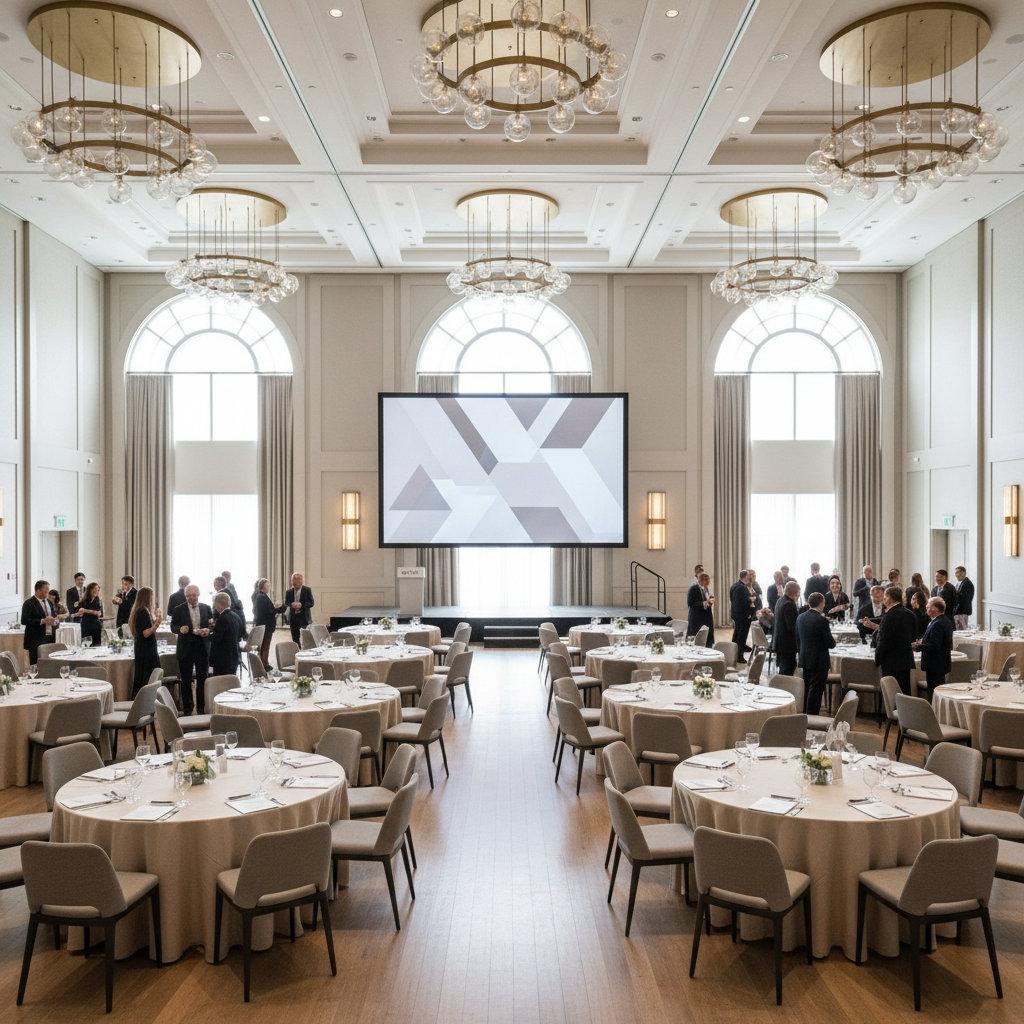
Seminar venue rental is the process of booking a professional space—AV-ready, accessible, and staffed—for learning-focused events. At 75 Derry Rd W in Mississauga, Mississauga Convention Centre provides seven flexible halls, on-site technical support, and diverse in-house catering. This guide explains how to choose, plan, and run seminars that attendees remember for the right reasons.
By Mississauga Convention Centre • Last updated: 2026-06-12
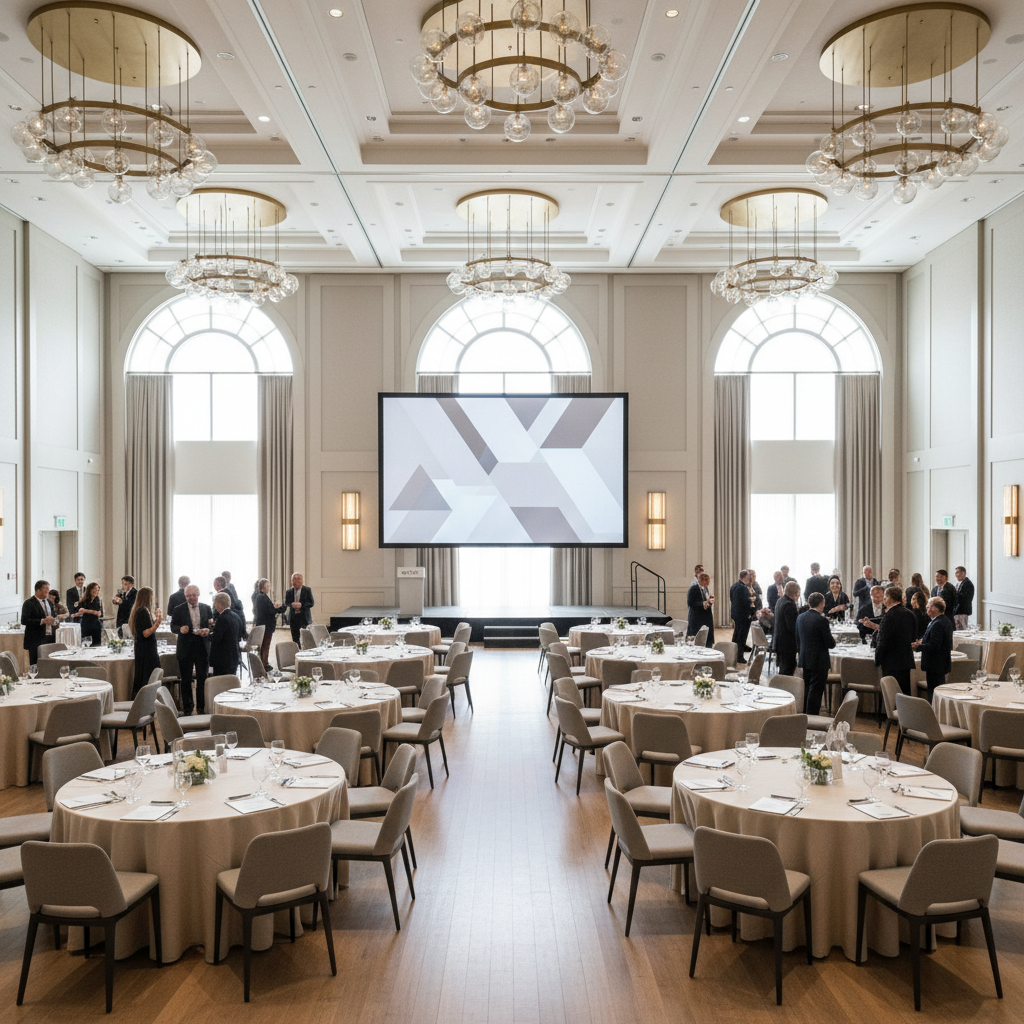
Above-Fold Section: Hook + TOC
Choose a seminar venue by matching capacity, AV, access, and catering to your program goals. The best spaces streamline flow from arrival to applause—clear sightlines, reliable tech, and staff who anticipate needs. Use this table of contents to jump to definitions, checklists, examples, and local planning tips.
- Summary
- What Is Seminar Venue Rental?
- Why It Matters
- How It Works
- Types and Setups
- Best Practices
- Tools and Resources
- Case Studies
- Local Logistics
- FAQ
- Conclusion
- Related Guides
Summary
Seminar venue rental pairs the right room and resources with a strong agenda. Lock in capacity, seating style, AV reliability, and wayfinding early. At Mississauga Convention Centre, seven ~4,250 sq ft halls, 700 parking spots, and on-site tech support simplify planning for programs from 30 to 1,000+ attendees.
Here’s the short version. Define outcomes, then pick the room that supports them. Confirm seating density, stage height, projector throw, and microphone plan. Ensure accessibility, parking, and breaks are seamless. Validate catering for dietary needs, including Halal-friendly options. Finally, rehearse transitions like Q&A and speaker handoffs.
Want an at-a-glance venue overview? See our Mississauga Convention Centre profile with quick facts, photos, and hall capabilities.
What Is Seminar Venue Rental?
Seminar venue rental is booking a purpose-built space with AV, seating, and staffing for training or knowledge-sharing. It includes room configuration, technical setup, service support, and catering coordination. The goal is frictionless delivery: clear audio, crisp visuals, comfortable seating, and predictable timing.
In practice, it’s a bundle of space plus services. You secure the hall, specify seating (theater, classroom, banquet, U-shape), confirm lighting and sound, and determine food service. At 75 Derry Rd W, seven modular halls (~4,250 sq ft each) can host parallel breakouts or a single-track seminar day with exhibits.
Numbers matter. Theater-style usually fits the most attendees per square foot, while classroom seating trades density for note-taking comfort. At Mississauga Convention Centre, the total site capacity exceeds 2,200 guests, offering headroom for growth, larger keynotes, or high-demand sessions.
Seminar venue rental also covers timing. Load-ins, AV checks, and meal service windows need to map to your agenda. As a rule of thumb, allow 20–30 minutes of AV check time per speaker, plus a 10-minute buffer for transitions. This keeps your timeline realistic and your audience focused.
Why Seminar Venue Rental Matters
The right seminar venue boosts learning outcomes, sponsor value, and attendee satisfaction. In the Regional Municipality of Peel—especially near 75 Derry Rd W—easy access, abundant parking, and reliable AV reduce friction. Strong experiences improve survey scores, retention, and referrals for your next event.
Seminars are performance environments. Attendees judge your content and your logistics within minutes: Is the room comfortable? Can they hear? Is the screen legible from the back row? These fundamentals drive attention and satisfaction. Well-chosen venues protect your investment in speakers and promotion.
Accessibility and travel time influence turnout. The Mississauga location sits minutes from major highways and Toronto Pearson International Airport, making regional meetings more inclusive. On-site operations—lighting, staging, and technical support—reduce vendor coordination and risk, especially when sessions change late.
Food matters, too. Diverse palates and dietary needs are the norm across the GTA. In-house catering that spans South Asian, Pakistani Halal, Middle Eastern, Sri Lankan, Caribbean, and Continental menus keeps lines moving and guests happy. Shorter lunch lines and well-timed coffee service can save 15–20 minutes per break.
How Seminar Venue Rental Works
Seminar rental follows a clear sequence: define outcomes, estimate attendance, choose seating, lock AV, confirm access and parking, plan catering, and rehearse run-of-show. Document decisions in a working order that the venue and your team update as details evolve.
Step-by-step process
- Clarify goals: Set learning objectives and target attendee profiles. Decide “single-track” vs. “multi-track” day.
- Right-size capacity: Forecast registration and no-show rates. Choose a hall that fits your peak headcount with 10–15% buffer.
- Select seating: Map formats to sessions—keynotes (theater), training (classroom), roundtable (banquet), leadership forums (U-shape).
- Lock AV and staging: Specify microphones, projectors/LED displays, confidence monitors, stage size, and lighting scenes.
- Confirm access: Detail parking, registration queuing, wayfinding, and wheelchair access routes.
- Plan catering: Choose service style (buffet, stations, plated) with dietary flags and renewal cadence for beverages.
- Schedule rehearsals: Tech-check slides and transitions; assign a room captain with a cue sheet.
- Finalize run-of-show: Publish a timeline with contact roles, backups, and emergency procedures.
In our experience, getting “tech + traffic” right is 80% of success. Book microphones based on speaker style (handheld vs. lavalier), and plan clear ingress/egress paths. For parallel tracks, color-code signage and badge stickers. For a single-track day, design lighting and stage height to keep back rows engaged.
To see how larger programs scale here, review our event venue capacity guide and this corporate event venue rental guide for hall combinations and flow options.
Common seating layouts compared
| Layout | Typical density | Best for | Pros | Watch-outs |
|---|---|---|---|---|
| Theater | 6–8 sq ft/person | Keynotes, panels | Max capacity, fast setup | Note-taking harder; aisle spacing critical |
| Classroom | 12–20 sq ft/person | Training, workshops | Surface for laptops; comfortable | Lower capacity; cable management |
| Banquet (rounds) | 10–14 sq ft/person | Roundtable, meals | Facilitates discussion; dining | Sightline angles; centerpieces height |
| U-shape | 14–20 sq ft/person | Leadership forums | Interactive; direct eye contact | Requires larger room; mic coverage |
Types/Methods/Approaches
Match the format to your outcomes: single-track plenary, multi-track breakouts, or hybrid with outdoor sessions. Choose room setups—Theater for density, Classroom for learning, Rounds for collaboration, U-shape for leadership. Then layer staging, lighting, and signage to reinforce focus and flow.
Formats that work
- Single-track plenary: One main room with scheduled breaks. Crisp sightlines and strong audio keep energy on the speaker.
- Multi-track: Two to four concurrent rooms by theme or skill level; color-coded signage and staggered breaks reduce congestion.
- Plenary + roundtables: Start big, then move to facilitated small-group work at rounds for application and networking.
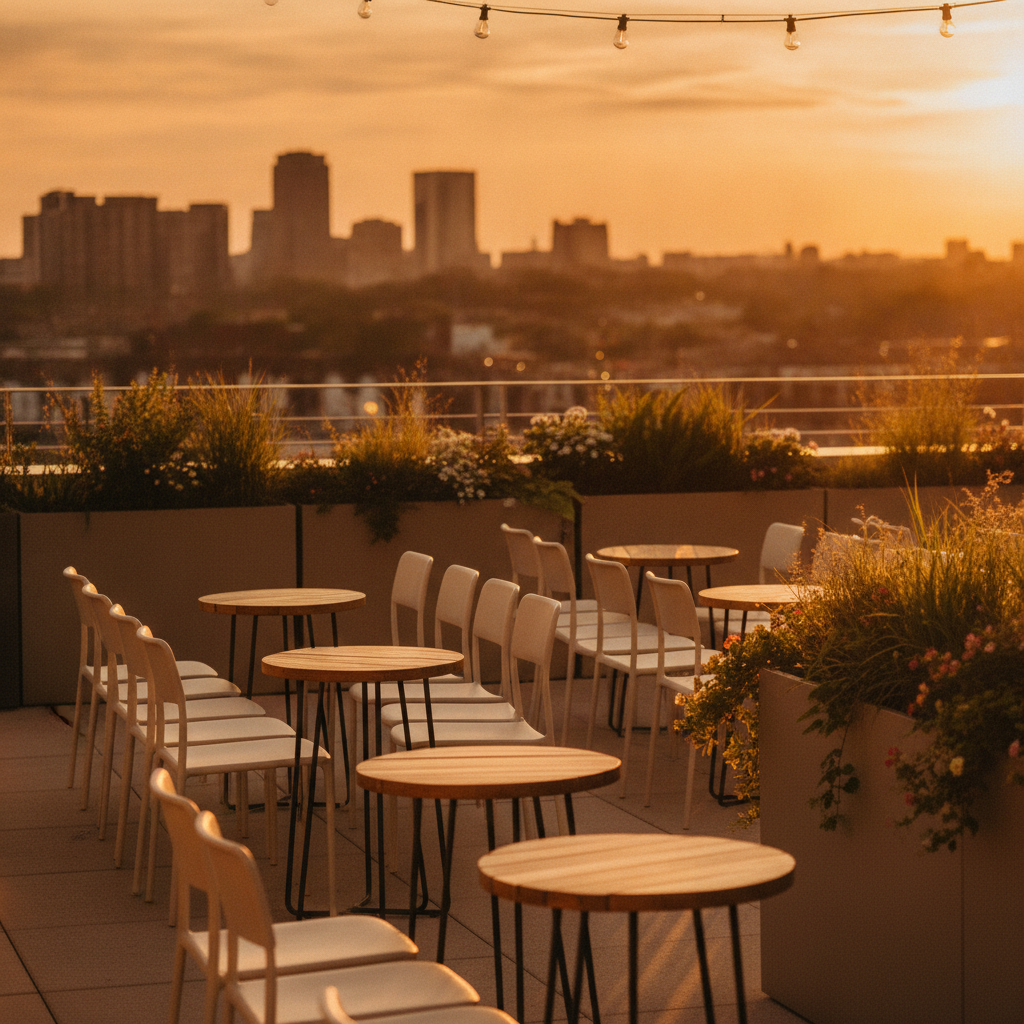
- Indoor + patio: Use the customizable outdoor patio for fresh-air breakouts, leadership circles, or evening receptions.
Setup details that matter
- Stage height: 12–24 inches typically balances sightlines with intimacy in mid-size rooms.
- Projection: Confirm throw distance and ambient light; consider LED walls in brighter environments.
- Audio: Plan microphones by session format; distributed speakers improve even coverage at higher capacities.
- Lighting: Presets for walk-in, keynote, Q&A, and video capture save minutes per session transition.
- Power + Wi-Fi: Add charging clusters near rear rows; publish the network name on entry signage.
For receptions or team-building adjacencies, the same halls pivot quickly. Explore our social event venue overview for how rounds, stations, and staging create effortless mingling after a seminar day.
Best Practices
Lock logistics early and rehearse often. Use a single point of contact, publish a run-of-show, and timebox Q&A. Confirm dietary accommodations, accessibility routes, and emergency procedures. Document microphone assignments and slide handoffs to prevent delays.
Planning essentials
- One sheet of truth: Keep room setup, AV specs, menu, and contacts in a living document shared with venue staff.
- Run-of-show: List timestamps, cues, and owners. Include 10-minute buffers every 90 minutes for drift and bio breaks.
- Speaker prep: Ask for slides 72 hours in advance; tech-check clickers and confidence monitors.
- Flow mapping: Walk the attendee journey—from parking to registration to seating—to remove friction points.
- Signage: Place directional signs before the first fork; add color tags for tracks and breakouts.
- Catering cadence: Refresh coffee every 60–75 minutes; keep water visible on both sides of the room.
On-site execution
- Room captain: Assign one owner to call cues, liaise with AV, and manage timing.
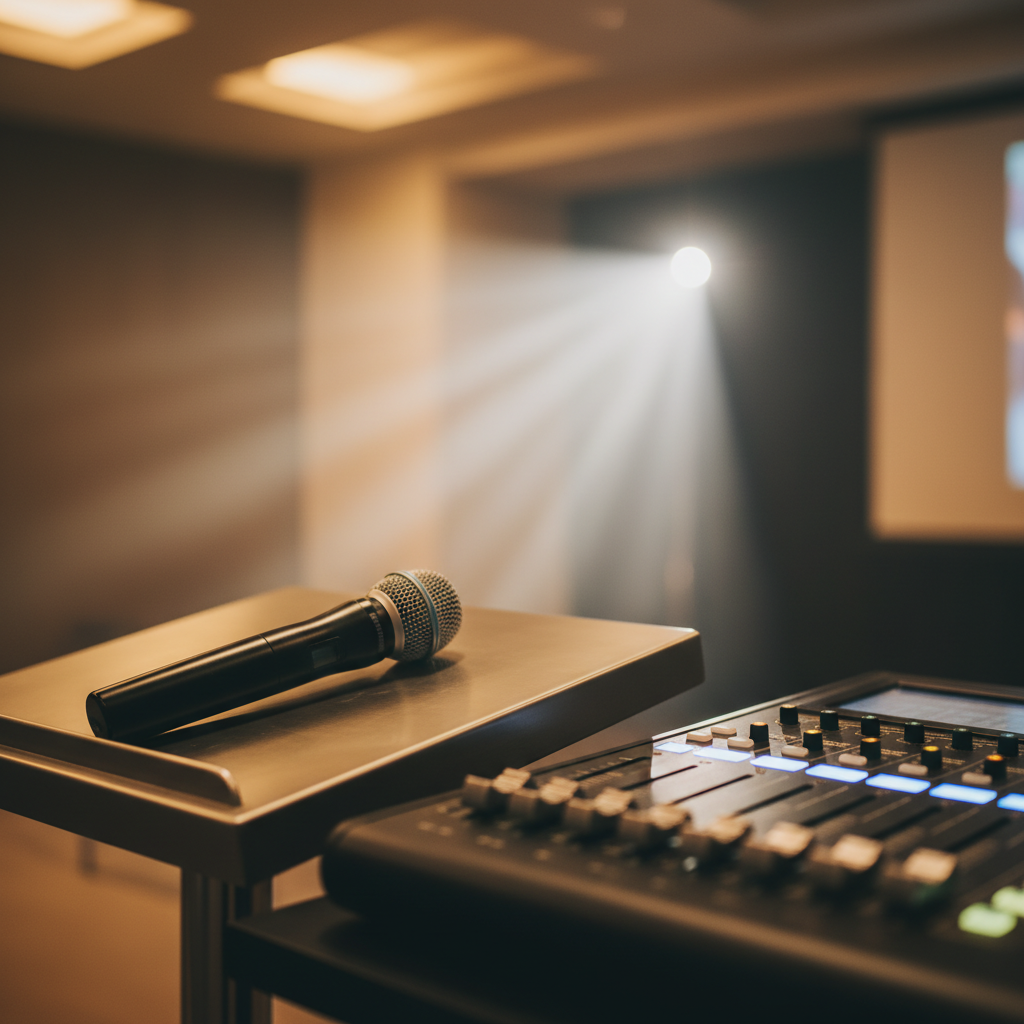
- Microphone plan: Two lavs for presenters; one handheld roving for Q&A; label channels to avoid cross-talk.
- Accessibility: Reserve front-row seats with table space; confirm ramp access and companion seating in advance.
- Risk readiness: Brief staff on weather plan, power backup procedures, and medical contact locations.
Want to simplify procurement and coordination? Our all-inclusive event packages guide explains bundled options—AV, staging, catering, and décor—that cut vendor count and reduce change-order risk.
Soft CTA: Planning a seminar for 80–500 attendees? Request a walkthrough and agenda review with our event specialists. We’ll map room setup, AV, and catering to your program goals—before you sign.
Tools/Resources
Case Studies/Examples
Strong seminars balance density, comfort, and flow. These real-world scenarios show how our halls, AV, and catering adapt to goals—from executive education to product training—without losing schedule control.
Executive education (120 attendees)
- Objective: Leadership development with peer dialogue.
- Setup: Plenary in Classroom seating for AM modules; Rounds for PM case discussions.
- AV: Dual screens, two lavs, roving handheld for Q&A, confidence monitor on stage.
- Catering: Buffet lunch with Halal and vegetarian stations; 15-minute coffee refills.
- Outcome: 95% session-on-time rate, high ratings for comfort and sound clarity.
Software product training (300 attendees)
- Objective: Hands-on labs plus keynote.
- Setup: Morning keynote in Theater; three parallel Classroom labs after lunch.
- AV: Distributed speakers for even coverage; tech tables with spare adapters and power.
- Catering: Boxed meals to compress lunch to 30 minutes; beverage stations at both ends of hall.
- Outcome: 15-minute buffer preserved for each lab rotation; zero AV changeovers missed.
Healthcare symposium (650 attendees)
- Objective: Evidence updates and poster walk.
- Setup: Plenary in Theater; poster aisles along back-third; evening reception on the patio.
- AV: Bright projection with short-throw lenses; panel table with four gooseneck mics.
- Catering: Station-style dinner with Sri Lankan and Middle Eastern menus; mocktail bar.
- Outcome: Poster area achieved 250+ interactions per hour; evening networking extended dwell time.
These formats flex across our seven ~4,250 sq ft halls, which can run in parallel or combine for larger footprints. To explore options, see our Mississauga venue guide for sample floor plans and adjacencies.
Seminar Venue Rental in Mississauga: Local Logistics
Hosting at 75 Derry Rd W means fast highway access, proximity to Toronto Pearson, and 700 on-site parking spots. Plan arrival windows, bus drop-offs, and signage so guests reach registration in under five minutes from parking. Use nearby transit stops for clear public-transport directions.
Local considerations for 75 Derry Rd W
- Transit-friendly directions: reference “Hurontario St At Derry Rd” in pre-event emails to guide transit users to the closest stop.
- Peak timing: aim load-ins before 8:00 a.m.; regional traffic patterns can add 10–15 minutes after 8:30 a.m. on weekdays.
- Shuttle coordination: if using the “HWY 407 Park and Ride,” publish 10-minute pickup intervals and a text hotline for updates.
For hybrid agendas, the outdoor patio hosts fresh-air breakouts or post-session receptions. Quiet zones near registration enable media interviews without sound bleed. Wayfinding with bilingual or icon-based signage improves clarity for first-time visitors.
Frequently Asked Questions
Planners ask about capacity, AV, catering, and timelines. Here are concise answers to the most common questions, tailored to seminars at Mississauga Convention Centre.
How far in advance should I book a seminar venue?
For weekday programs, 8–12 weeks is typical; for peak seasons or multi-room seminars, reserve even earlier to secure preferred halls and AV. Early holds help you coordinate agendas with speaker travel and marketing timelines.
Which seating layout fits most attendees?
Theater-style generally fits the most people per square foot. Classroom supports note-taking but lowers density. If you need dialogue and dining, banquet rounds strike a balance. We’ll right-size the room with a 10–15% headcount buffer.
Do you accommodate Halal and other dietary needs?
Yes. Our in-house catering spans South Asian, Pakistani Halal, Middle Eastern, Sri Lankan, Caribbean, and Continental menus. We label allergens and can provide vegetarian, vegan, and gluten-aware options with advance notice.
What AV support is included?
We provide professional audiovisual systems with onsite technical support, staging, and lighting presets. Typical seminar kits include microphones, projection or LED display, confidence monitor, and cueing. We schedule a tech-check before doors open.
Can I host outdoor breakouts?
Yes. Our customizable outdoor patio is ideal for fresh-air sessions, leadership circles, or evening mixers after the main program. We’ll coordinate seating, lighting, and sound spillover to maintain focus.
Conclusion and Next Steps
Great seminars don’t happen by accident. Choose the room for your learning goals, then lock AV, access, and catering. Rehearse the run-of-show and simplify signage. The result: clear sound, crisp visuals, and engaged attendees who leave with value.
- Key takeaways:
- Define outcomes first; pick seating that supports them.
- Right-size capacity with a 10–15% buffer for comfort and growth.
- Document AV, staging, and catering in one shared plan.
- Design for accessibility, wayfinding, and crowd management.
- Timebox Q&A and transitions; rehearse speaker handoffs.
Ready to map your agenda to the right hall? Book a discovery walkthrough at our Mississauga venue on 75 Derry Rd W and align space, AV, and catering in one session.
Related Guides and Next Steps
Explore deeper planning topics across our venue guides. These resources cover capacity modeling, corporate run-of-show examples, and venue selection criteria specific to Mississauga and the GTA.
For floor-plan thinking and headcount right-sizing, skim our capacity planning guide. For agenda structures and procurement shortcuts, see the corporate seminar guide. And for adjacent formats like receptions or socials, review our social event venue overview and the broader Event Venue Mississauga Guide (2026).