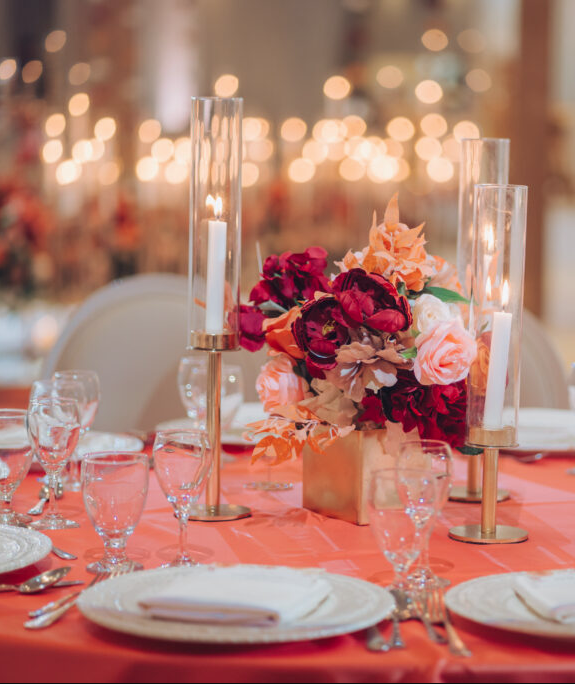

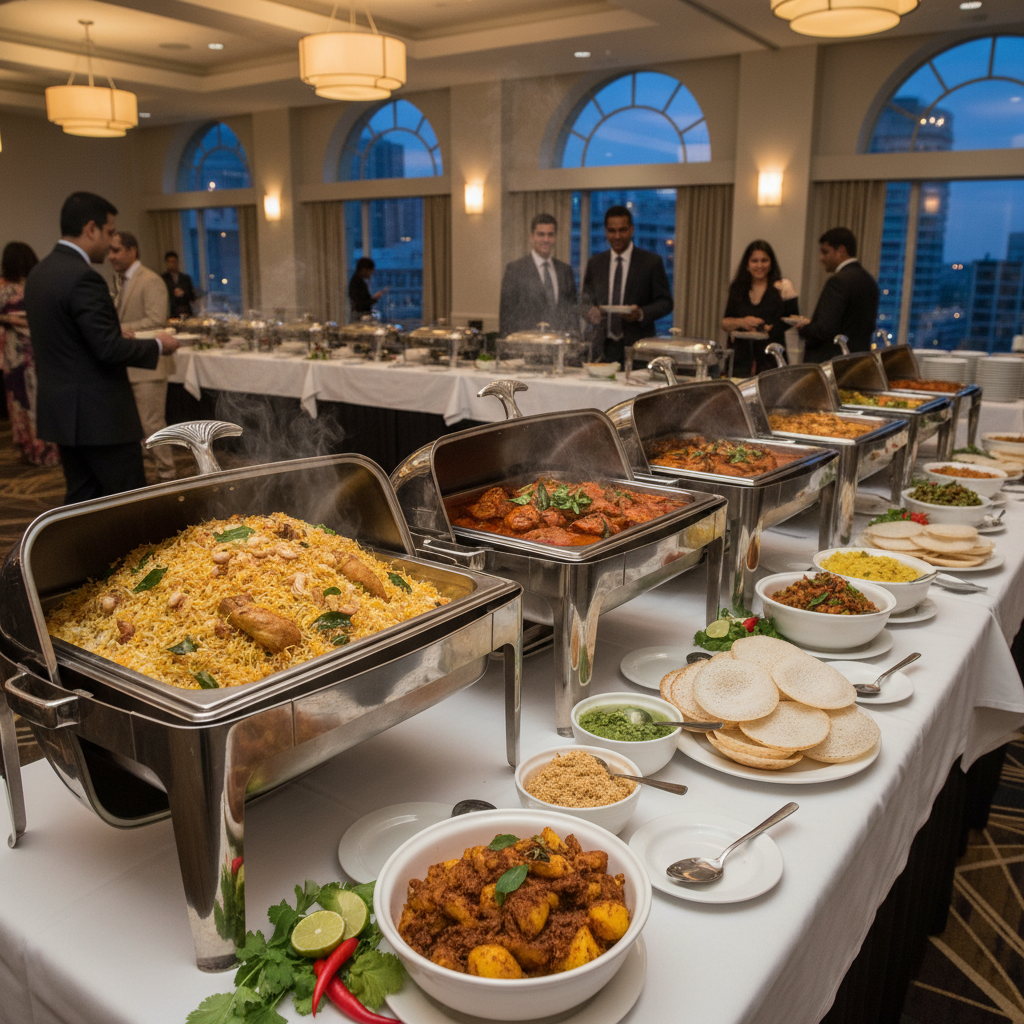
Sri Lankan cuisine catering options are the curated menu formats, service styles, and event logistics that bring Sri Lankan food to life for groups. At Mississauga Convention Centre in Mississauga, these options include in-house Sri Lankan menus with Halal-friendly paths, buffet or plated service, and coordinated AV and staffing—so planners deliver flavor and flow in a single plan.
By Mississauga Convention Centre · Visit our website
Last updated: 2026-04-21
Above the fold: hook + table of contents
Plan Sri Lankan catering by aligning menu, service style, and guest flow. Choose crowd-pleasers (biryani, hoppers, sambols), match service to agenda (buffet, stations, plated), and map logistics (timelines, staffing, dietary tags). At Mississauga Convention Centre, in-house teams coordinate cuisine, AV, and room layout for seamless service.
Great Sri Lankan food makes an event memorable; smart planning makes it effortless. Use this guide to choose authentic dishes, fit them to your agenda, and execute service that feels smooth and polished across conferences, galas, weddings, and school formals in the GTA.
- What is Sri Lankan catering? Core components and definitions
- Why it matters for corporate, social, and school events
- How menus and service formats work in real venues
- Types of service: buffet, stations, family-style, plated
- Signature dishes, sample builds, and vegetarian favorites
- Dietary, Halal, and allergen planning
- Staffing, timelines, floor plans, and AV sync
- Tools, templates, and run-of-show resources
- Use cases, mini case studies, and outcomes
- Pricing considerations (no numbers)—what shapes a quote
- FAQ and next steps
What is Sri Lankan catering?
Sri Lankan catering is the professional planning and service of Sri Lankan dishes—like biryani, hoppers, curries, and sambols—tailored to event agendas and guest counts. It covers menu design, dietary accommodations, presentation, staffing, and service timing so food quality and guest flow align.
In practical terms, catering turns beloved recipes into structured service. That means portion counts, kitchen timelines, hot-hold equipment, and floor plans that keep lines moving. In large venues, this also involves coordinated handoffs between culinary, service, and AV teams to maintain temperature, pacing, and program cues.
- Menu architecture: hero mains, supporting curries, sides, and desserts calibrated to time and audience size.
- Service style: buffet, food stations, family-style, or plated—each with unique staffing and timing needs.
- Dietary design: Halal-friendly builds, vegetarian/vegan options, gluten-aware paths, and nut-smart choices.
- Presentation: chafers, risers, garnishes, and label tags that guide guests and speed selection.
- Logistics: back-of-house prep, load-in, and service routes matched to room layout and agenda.
For context, a single 8-foot buffet line can serve roughly 80–100 guests per hour; a dual-entry configuration can reach 150–180 depending on menu complexity. Those throughput benchmarks help you right-size stations against a 45–60 minute reception or a 60–75 minute dinner window.
Why Sri Lankan catering matters for events
Food drives satisfaction, attendance energy, and cultural connection. Well-planned Sri Lankan catering boosts guest engagement, shortens wait times, and honors traditions—vital for conferences, galas, and weddings where timing and inclusivity shape the experience.
You feel it in the room when menus resonate and lines move. In our experience, dual-sided buffets reduce wait times by 25–40% versus single lines. Strategic placement near entrances and stage sightlines keeps conversation flowing and sessions on time, which is essential for corporate programs with tight agendas.
- Engagement: Distinct flavors and textures spark conversation and photos—earned buzz for hosts.
- Inclusion: Halal-friendly and vegetarian mains ensure full participation, not workarounds.
- Momentum: Proper staffing (about 1 server per 20–25 guests for plated; ~1 per 35–40 for buffet) preserves pace.
- Program fidelity: Coordinated service protects keynotes, awards, or first-dance moments.
Corporate planners can pair these practices with our corporate catering menu options to match networking, plenary, and breakout flows. For weddings, our wedding venue rental guide shows how cuisine, entrances, and first dances align smoothly.
How Sri Lankan catering works in a venue
Translate menu choices into a service plan: finalize headcount, pick service style, map stations, and schedule courses to match the agenda. At full-service venues, culinary, service, and AV teams sync cook times, announcements, and lighting so food quality and experience peak together.
At scale, the details matter. For hot items, hold temperatures above 140°F in compliant equipment and avoid over-stacking pans to protect texture. For plated timelines, courses stage in waves (typically 10–12 minutes per course) and MC cues match service windows to prevent overlap with speeches or reveals.
- Headcount & portions: confirm final guest count and dietary splits 5–7 days before the event.
- Service routing: build clear back-of-house paths; reduce cross-traffic near doors and screens.
- Course pacing: a floor captain aligns kitchen fire times with stage cues and music transitions.
- Labeling & signage: allergen and dietary tags speed lines and reduce repeated questions.
Planners comparing venues can use our venue selection checklist to assess kitchen access, power, and staging—often the hidden drivers of food service success.
Types of Sri Lankan catering service
Choose service style based on agenda and guest profile. Buffets maximize variety and speed; stations add interactivity; family-style fosters sharing; plated service delivers formality and precise timing. Each approach can present Sri Lankan signatures while meeting flow and staffing goals.
Use this comparison when matching your agenda to service style:
| Service style | Best for | Throughput & staffing | Experience notes |
|---|---|---|---|
| Buffet | Large conferences, proms, casual galas | ~80–100 guests/hour per 8′ line; 1 server/35–40 guests | Broad variety; efficient; needs clear signage |
| Food stations | Receptions, networking, mixed agendas | Parallel lines reduce wait; 1 chef + 1–2 attendants per station | Interactive; great for hoppers or kottu demos |
| Family-style | Weddings, milestone dinners | 1 server/15–20 guests; pre-set platters | Warm, communal; portion control needed |
| Plated | Awards galas, keynotes | 1 server/20–25 guests; 10–12 minutes/course | Formal pacing; highest control on timing |
- Buffet picks: chicken or mutton biryani, tempered dhal, cashew curry, brinjal moju, watalappan.
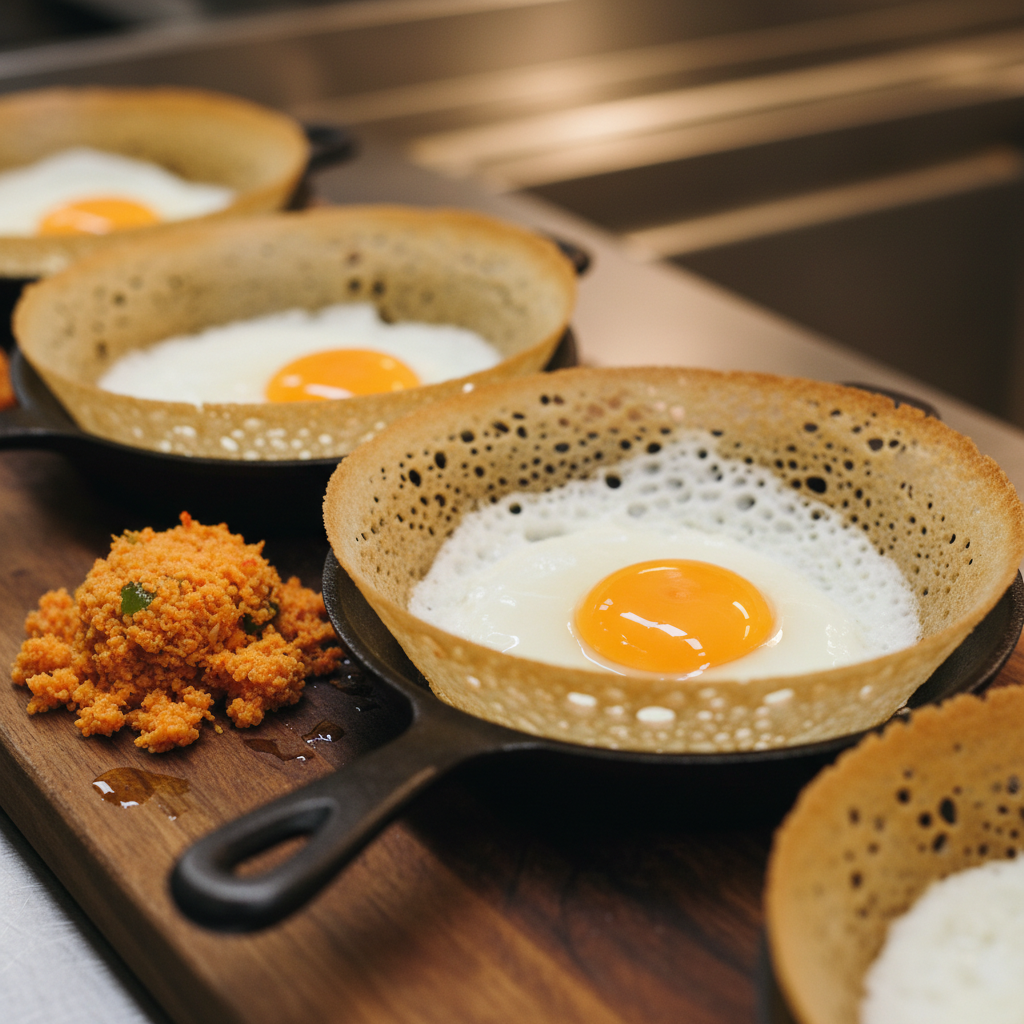
- Station ideas: live hoppers with egg, kottu roti, lamprais carving, sambol bar.
- Family-style sets: biryani centerpiece with curries, sambols, and veg platters.
- Plated sample: appetizer trio (fish cutlets, veg rolls, sambol); mains pre-selected; plated dessert.
For inspiration on station-style experiences, you can browse regional examples such as this overview of wedding food planning or cultural menu discussions from peers in the community (wedding catering tips and Halal wedding planning notes). These aren’t endorsements—just idea starters you can tailor to your agenda.
Signature dishes and menu builders
Anchor your menu with Sri Lankan classics—biryani, hoppers, kottu, lamprais, fish and jackfruit curries—then layer sambols, pickles, and desserts. Balance spice, texture, and dietary range so at least one entrée suits every guest, with clear Halal and vegetarian options labeled.
Menu design is part art, part operations. We aim for 1–2 hero mains, 2–3 supporting curries, 2 starches, 2 salads, and a dessert duo per group size. For mixed audiences, we keep heat levels moderate at base and add chili pastes at stations so guests can customize. In tastings, we evaluate plate time-to-table (target: under 90 seconds from pass to place) for plated formats.
- Heroes: chicken or mutton biryani; lamprais wrapped and baked; black pork curry (or paneer/jackfruit alternative).
- Vegetarian mains: polos (young jackfruit), cashew-coconut curry, tempered dhal.
- Hopper bar: plain, egg, and sweet hoppers with coconut/katta sambol.
- Sides & salads: brinjal moju, mallum, cucumber salad, coconut roti.
- Desserts: watalappan, kiri pani (curd with treacle), coconut toffee.
Exploring dessert or sweet-table add-ons? Regional dessert vendors like this sweets caterer can inspire presentation styles you can adapt in-house for gala-worthy finish lines.
Dietary, Halal, and allergen planning
Build inclusivity into the menu: confirm Halal sourcing, label common allergens, and offer vegetarian and gluten-aware paths. Clear labeling and separate utensils reduce risk and improve speed, while a pre-event dietary survey ensures counts align with real needs.
From RSVPs to plate, clarity wins. We separate prep zones for vegetarian items, use distinct serving utensils for nut-containing dishes, and place allergen cards ahead of lines. For plated dinners, seat-map flags help servers direct the right entrée quickly and safely, trimming misfires and protecting timing.
- Pre-event survey: capture Halal, vegetarian/vegan, gluten-aware, and allergy notes.
- Label cards: consistent icons and ingredient flags reduce line questions.
- Back-of-house protocols: color-coded utensils and pans for segregation.
- Server briefing: quick-hit training on dish descriptors and allergens.
If you’re building a Halal-forward event, our Halal catering planning guide details sourcing, labeling, and line design choices that help mixed guest lists feel fully included without slowing service.
Logistics, staffing, and timelines
Lock logistics early: finalize headcount, choose floor plan, and schedule service windows. Staff to the format (buffet vs plated), stage back-of-house routes, and synchronize with AV. A dedicated captain keeps timing tight so cuisine quality and program milestones align.
For most agendas, cocktail hour runs 45–60 minutes; mains follow in a 60–75 minute window depending on service style. We recommend final counts by T‑7 days and a last dietary sweep at T‑72 hours. For 500+ guests, redundant beverage points reduce queues and keep the room energized. For school formals, extra marshals in 30-foot intervals near doors prevent congestion.
- Staff ratios: plated ~1:20–25; buffet ~1:35–40; stations add a chef + 1–2 attendants each.
- Floor plans: dual-entry buffets, diagonal station layouts, and clear MC sightlines.
- AV sync: mic cues for course releases; light levels adjusted for food photography.
- Service kits: spare utensils, allergen cards, sanitizer, and spill kits at every line.
Corporate producers can cross-reference these details with our corporate event venue rental guide to ensure room selection matches traffic, staging, and catering footprint.
Tools and resources for planners
Use a headcount and dietary tracker, a service timeline, and a floor plan with station markers. Combine these with a tasting checklist and an on-site run-of-show so your team, caterer, and AV are synced to the minute.
We provide templated checklists and sample run-of-show formats during planning. A simple three-sheet workbook—Guests & Dietaries, Menu & Service Plan, and Day‑Of Timeline—keeps everyone aligned. During tastings, we score flavor, heat, presentation, and plating practicality to finalize choices confidently. A 10-minute huddle on event day aligns captains and MC notes.
- Guest & dietary tracker: live counts segmented by entrée path and allergy flags.
- Service timeline: minute-by-minute for reception, courses, speeches, entertainment, and resets.
- Floor plan: scalable map with stations, lines, server routes, and AV gear footprints.
- Tasting rubric: notes for heat levels, texture, hold time, and portion visuals.
Planning a Sri Lankan menu? Explore our corporate catering options and see how cuisine, room design, and timing come together. For social celebrations, browse our wedding venue guide for aisle-to-reception flow ideas.
Use cases and GTA examples
Tailor Sri Lankan menus to event goals: energize networking with stations, keep conferences on time with efficient buffets, and honor family traditions at weddings with family-style sets. The right service format supports program flow and guest comfort.
Consider three real-world patterns we see across the GTA. These formats repeat because they work with diverse audiences and tight schedules:
- Corporate conference (300–600 guests): dual-sided buffets with biryani, veg mains, and sambol bar; dessert stations near exits to encourage movement into the next session. Aim for 2 water points per 150 guests.
- Wedding reception (250–450 guests): welcome canapés, plated or family-style mains with Halal options, and a late-night hopper station to keep the dance floor buzzing. Typical hopper output: 60–80 per hour per pan.
- School formal (200–400 guests): streamlined buffet with clear labels, abundant beverages, and staff marshals to guide lines quickly. Doors-to-dance targets: 30–40 minutes.
For additional idea starters on cultural menu pairings, some planners browse community write‑ups (e.g., wedding food planning tips) and adapt them to their own guest mix and timelines.
Sri Lankan cuisine catering options at Mississauga Convention Centre
Our in-house culinary team offers Sri Lankan menus across formats—buffet, stations, family-style, and plated—with Halal-friendly paths, vegetarian mains, and dessert favorites. We pair cuisine with room design, AV, and staffing so your agenda runs on time and your guests feel cared for.
Because we host conferences, weddings, galas, and school events under one roof, we tune menus to different agendas without compromising consistency. Need a hopper station after first dances? Or a quick-turn buffet between breakouts? We’ve got runbooks for both, informed by our seven elegant halls and large-capacity service model.
- Menu range: biryani, hoppers, lamprais, kottu, fish/jackfruit curries, sambols, and classic desserts.
- Formats: buffet, stations, family-style, plated; outdoor patio setups in season.
- Support: AV, lighting, staging, décor enhancements, and on-site technical teams.
- Planning aids: tastings, run-of-show templates, and virtual previews of room layouts.
Local considerations for Mississauga planners
- Account for regional traffic patterns when scheduling deliveries and guest arrivals; pad load-in and seating windows during weekday rush hours.
- Seasonal swing matters: winter coats need extra racks and wider entry lanes; summer patio ceremonies benefit from shaded beverage stations.
- Multicultural guest lists are common—confirm Halal sourcing and offer vegetarian mains to ensure everyone can participate fully.
Mini case studies and outcomes
When cuisine, service, and operations align, events feel effortless. Across corporate, wedding, and school formats, Sri Lankan menus deliver high satisfaction, steady timelines, and memorable moments—from energized networking to packed dance floors.
GTA tech summit, 520 attendees. Dual buffets + sambol bar cut lunch lines under 12 minutes; sessions resumed on schedule. Vegetarian mains reached 38% uptake. A late afternoon tea service kept energy up for demos.
South Asian wedding, 380 guests. Family-style mains with Halal paths; live hopper station opened post-first-dance—dance floor participation spiked within five minutes. Dessert pass minimized crowding and kept photos backdrop‑ready.
School formal, 260 students. Streamlined buffet, abundant hydration stations, and extra marshals kept the foyer clear; doors‑to‑dance in 35 minutes with smooth DJ handoff.
- Line metrics: with dual-entry layouts, we’ve seen 25–40% faster service.
- Dietary tracking: pre-event surveys reduce last-minute switches by 60%+.
- Program protection: MC + captain cue sheets keep awards and speeches on time.
Coordinating catering with AV and staging
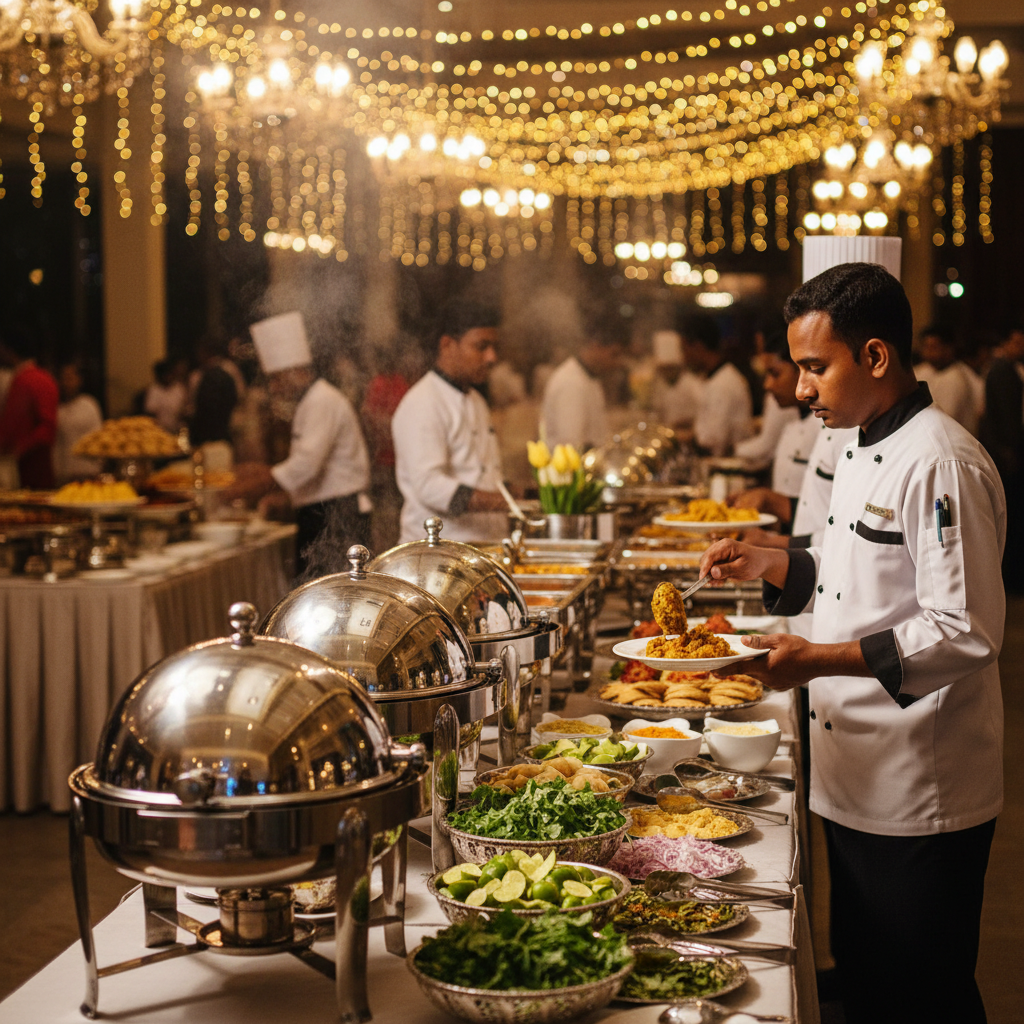
Sync service with sound, light, and stage cues. Announce course openings, lift light levels for photos, and avoid service during speeches. A run-of-show shared across catering and AV preserves pacing and elevates the guest experience.
Food is part of the show. We time station launches to instrumentals, dim house for reveals, and bring lights up for plated mains. For hybrid sessions, we minimize clatter near microphones and pause resets during streams. Clear comms on radios prevent hallway bottlenecks and keep the agenda intact.
- Mic cues: short, upbeat announcements keep lines even.
- Lighting looks: warm-white for dining, brighter levels for photography moments.
- Noise control: rubber mats and quiet-close chafers near cameras.
- Hybrid etiquette: pause resets during remote speaker segments.
For broader décor and room-transition ideas, our team shares practical tips in this overview on transforming any space, which you can adapt to Sri Lankan station layouts.
Food safety and compliance basics
Keep hot foods hot, cold foods cold, and communicate allergens clearly. Use calibrated thermometers, time-and-temperature logs, and distinct utensils for allergen items. Visible labels reduce risk and speed service.
We maintain hot-hold above 140°F and cold below 40°F, rotate pans to avoid over-holding, and refresh high-traffic items frequently. Allergen tags go on labels and captain clipboards. For off-peak tasting leftovers, we follow strict discard windows to maintain safety and focus on best‑hold items for the final menu.
- Hot/cold chain: 140°F+ hot holds; 40°F or colder for chilled items.
- Labeling: consistent icons for nuts, gluten, dairy, and vegetarian/vegan.
- Logs & checks: thermometer checks hourly during service and at shift change.
- Hygiene: sanitizer buckets and glove changes at station intervals.
Pricing considerations (no dollar amounts)
Quotes for Sri Lankan catering reflect guest count, service style, menu complexity, dietary accommodations, and add-ons like décor or AV. Packaging cuisine with venue, staffing, and technical support simplifies planning and keeps timelines reliable—without needing multiple vendors.
While we don’t list numbers here, we can outline what shapes a proposal. Larger groups benefit from economies of scale in some areas (e.g., rental consolidation) but need more stations and staffing. Plated formats increase precision and décor uniformity; buffets and stations maximize variety and speed.
- Variables: headcount, menu selections, service format, staffing model, rentals, and décor.
- Dietary scope: Halal, vegetarian/vegan, gluten-aware, and severe allergen protocols.
- Enhancements: lighting looks, staging, lounge sets, outdoor patio usage.
- Ops factors: load-in windows, security, and extended event hours.
If you’re comparing venues, our banquet hall vs event space guide explains how built‑in catering and AV impact schedule reliability—often more than any single menu choice.
Best practices to ensure success
Confirm counts early, map lines to the room, and keep spice adjustable. Label clearly, brief the team, and align kitchen fire times with stage cues. Build redundancy for water and coffee. Add a late-night bite if the program runs past four hours.
Small choices stack into big wins. We pre-slice dessert portions for speed, place sambol heat on the side, and front-load vegetarian portions since these lines move fastest. A final operations huddle 30 minutes before doors ensures every captain and MC shares the same timing notes and emergency plans.
- Spice strategy: base medium heat; optional chilies and sambols on the side.
- Label fonts & icons: high-contrast, consistent iconography speeds selection.
- Throughput planning: two lines per 250 guests is a strong baseline.
- Waste control: stagger replenishment; smaller pans refilled more often.
- Late-night: 90–120 minutes after mains, add compact bites (mini hoppers, cutlets).
For a complete look at our culinary scope beyond Sri Lankan menus, visit our overview of in-house catering, which spans South Asian, Pakistani Halal, Middle Eastern, Sri Lankan, Caribbean, and Continental cuisines.
FAQ: Sri Lankan catering at events
Quick answers to common planning questions about Sri Lankan catering—covering tastings, service formats, dietary planning, and how early to book—so you can move from idea to execution with confidence.
What Sri Lankan dishes work best for large events?
Biryani, hoppers, kottu, lamprais, tempered dhal, cashew curry, brinjal moju, and watalappan are reliable crowd-pleasers. They hold well, plate attractively, and offer balanced spice. Pair them with a sambol bar so guests can adjust heat to their preference.
How far in advance should I confirm my headcount?
Aim to lock your final count 5–7 days before the event, with a last dietary sweep 72 hours out. This timing lets culinary teams portion accurately, reduces waste, and ensures staffing and AV are scheduled to match service windows without stress.
Is Sri Lankan catering Halal-friendly at your venue?
Yes. We can build fully Halal-friendly menus and separate prep paths. Vegetarian mains are always available, and we label allergens and dietary attributes clearly at buffets or on plated menus to keep lines moving and guests confident.
Which service style is fastest for big crowds?
Dual-sided buffets and parallel food stations move guests quickly. As a rule of thumb, one 8‑foot dual-entry line can serve around 150–180 guests per hour, depending on menu complexity and how many choices guests make at the line.
Conclusion and next steps
Define your goals, pick a service format, and align logistics early. With in-house Sri Lankan menus, Halal paths, and full AV support, Mississauga Convention Centre turns flavorful ideas into precise, on-time service for conferences, weddings, galas, and school events.
- Clarify event goals and audience needs.
- Select buffet, stations, family-style, or plated service.
- Use a dietary survey; label clearly.
- Map lines to the room; plan staff ratios.
- Share a minute-by-minute run-of-show with AV and catering.
Ready to plan? Our team coordinates cuisine, staffing, room design, and technical support under one roof. Let’s design Sri Lankan cuisine catering options that fit your timeline and delight your guests.
Key takeaways
Great Sri Lankan catering blends authentic menus with crisp execution. Choose service styles to fit your agenda, plan for inclusivity, and coordinate with AV. Small operational decisions—labels, lines, and staffing—create big guest impact.
- Plan cuisine and flow together, not separately.
- Keep spice adjustable; label allergens and diets.
- Right-size staffing by format; protect program cues.
- Use surveys, run-of-show, and floor plans to align teams.