

 20 September, 2026
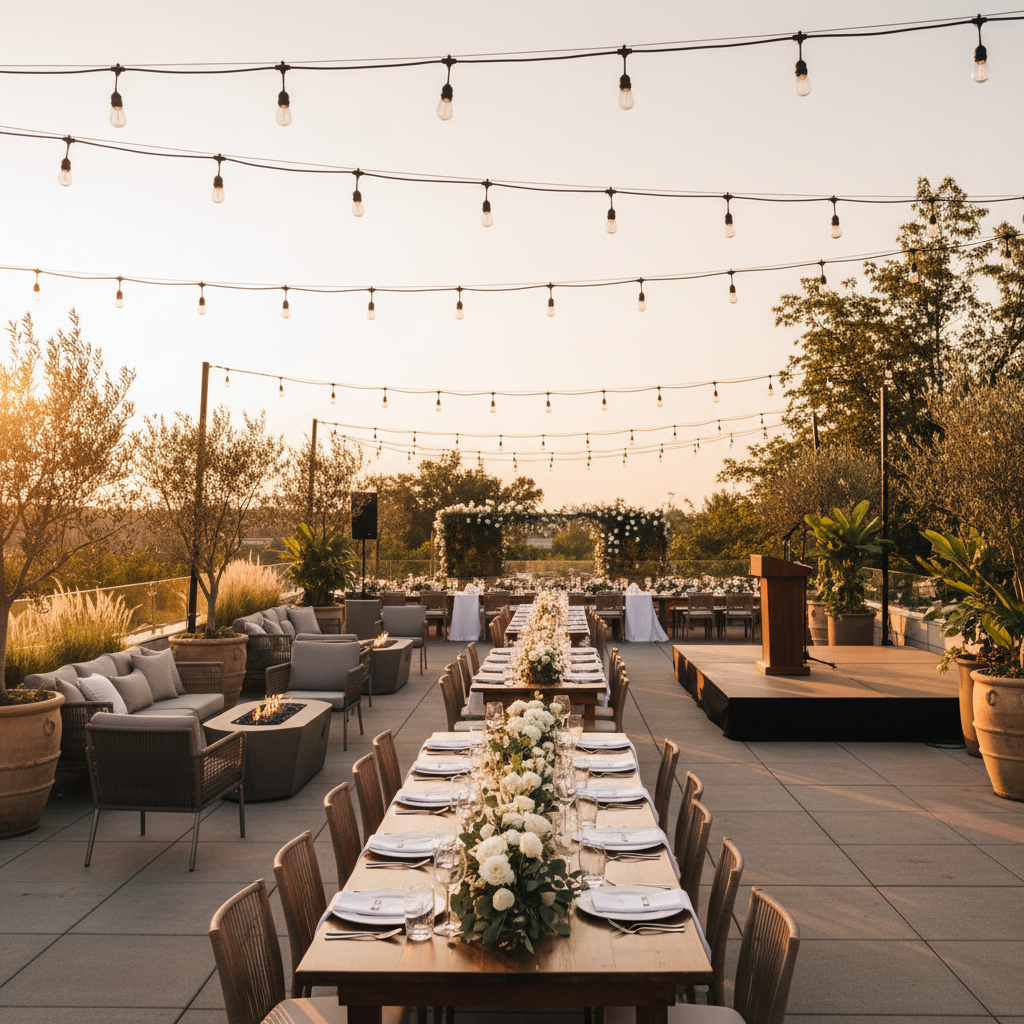
 Outdoor patio event planning is the structured process of designing, equipping, and executing gatherings on an open-air terrace or courtyard. At 75 Derry Rd W in Mississauga, our team coordinates layouts, AV, Halal-friendly catering, tents, and weather plans to keep timelines tight and guest flow smooth. It increases flexibility, elevates ambiance, and reduces venue-change risks.
By Preet Dass — Mississauga Convention Centre
Last updated: 2026-06-05
At a Glance: Your Patio Event Game Plan
Plan patio events by confirming goals, mapping layouts, reserving rentals, locking AV and power, finalizing menus, and preparing a weather fallback. At our Mississauga patio, we sequence decisions in four phases—vision, logistics, rehearsals, and showtime—so you avoid bottlenecks and keep your program on schedule.
This complete guide shows you how to plan outdoor patio events at a large, full-service venue—step by step.
- Seven elegant halls (~4,250 sq ft each), an outdoor patio option, and capacity for 2,200+ guests.
- On-site AV, lighting, staging, and technical support reduce vendor coordination.
- Diverse, Halal-friendly menus: South Asian, Pakistani Halal, Middle Eastern, Sri Lankan, Caribbean, and Continental.
- Easy access in the Regional Municipality of Peel, with about 700 free on-site parking spaces.
- Templates, checklists, and a comparison table to accelerate decisions.
What Is Outdoor Patio Event Planning?
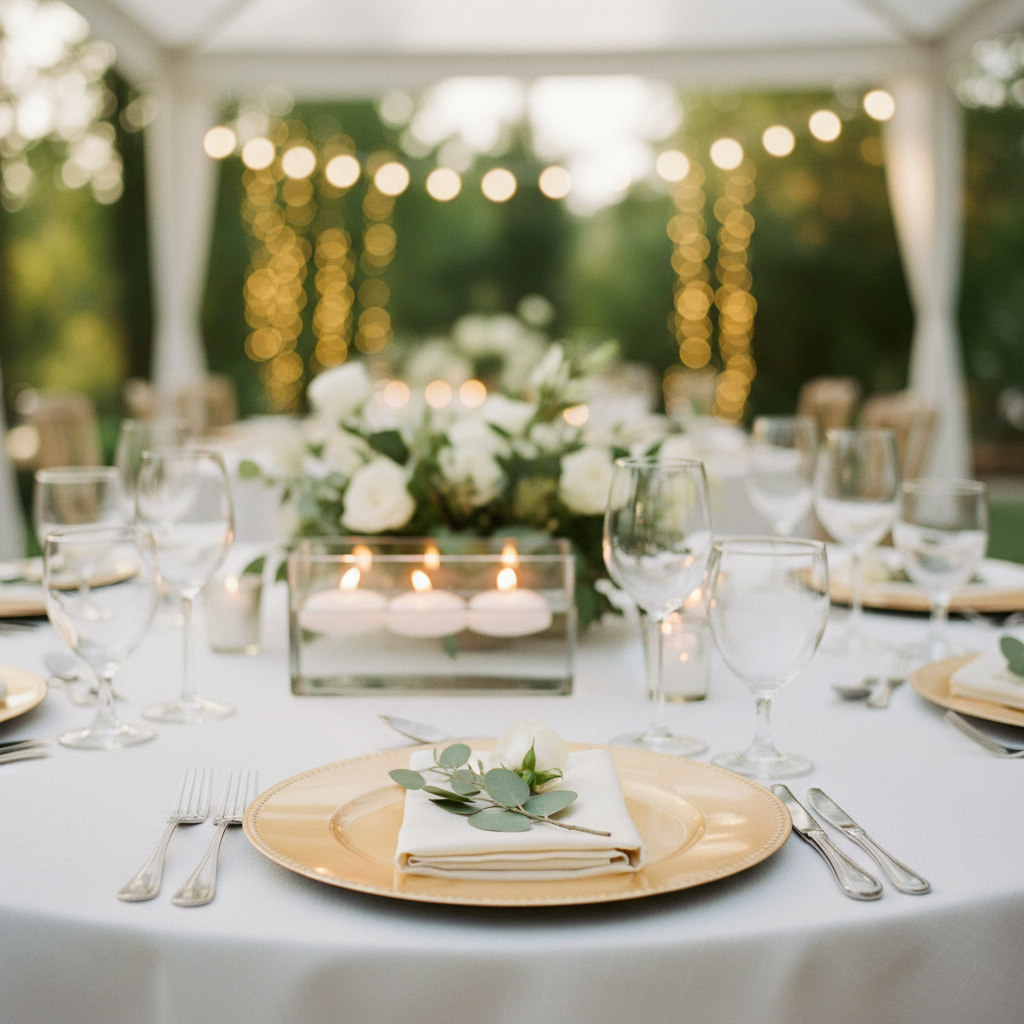
Outdoor patio event planning is the end-to-end coordination of a program hosted on a venue’s terrace—covering space design, rentals, AV, catering, staffing, and weather contingencies. It turns an outdoor area into a safe, comfortable, branded environment with timed service, clear sightlines, and streamlined guest movement.
In practical terms, patio planning turns design intent into repeatable actions. You set a guest count, choose a layout, schedule service, allocate power, and script the run-of-show. At Mississauga Convention Centre, we standardize this into checklists so corporate teams, wedding parties, and schools get predictable outcomes.
- Design scope: Seating density (10–12 sq ft per guest banquet-style), stage location, bar placement, and decor layers.
- Logistics scope: Load-in routes, rental deliveries, power maps (15A/120V circuits and distribution), and lighting zones.
- Service scope: Menu style (plated, buffet, reception), dietary accommodations, and service cadence.
- Risk scope: Weather thresholds, tenting options, and indoor backup activation triggers.
Why Patio Events Matter for GTA Gatherings
Patio events boost attendance and engagement with fresh air, flexible layouts, and photogenic backdrops. In the GTA, where guests travel across busy corridors, an accessible patio near highways and the airport improves punctuality while keeping transitions seamless between outdoor receptions and indoor ballrooms.
Here’s the thing—people remember experiences, not order forms. Patio settings add sunlight, greenery, and movement that keep energy high. When you can seat 120 outdoors for cocktails, then flow 500 indoors for a gala within minutes, you maintain momentum and program fidelity.
- Attendance lift: Hybrid in/outdoor formats often reduce late arrivals because wayfinding is simpler and parking is close (we offer about 700 spots).
- Brand presence: Uplighting, gobo projection, and cohesive rentals cue premium positioning in photos and video.
- Menu versatility: Action stations, mocktail bars, and South Asian live stations perform beautifully outdoors with proper staging and power.
- Comfort metrics: Target 68–74°F comfort range with shade, heaters, and airflow to keep guests engaged during 45–90 minute receptions.
How Patio Events Work at 75 Derry Rd W
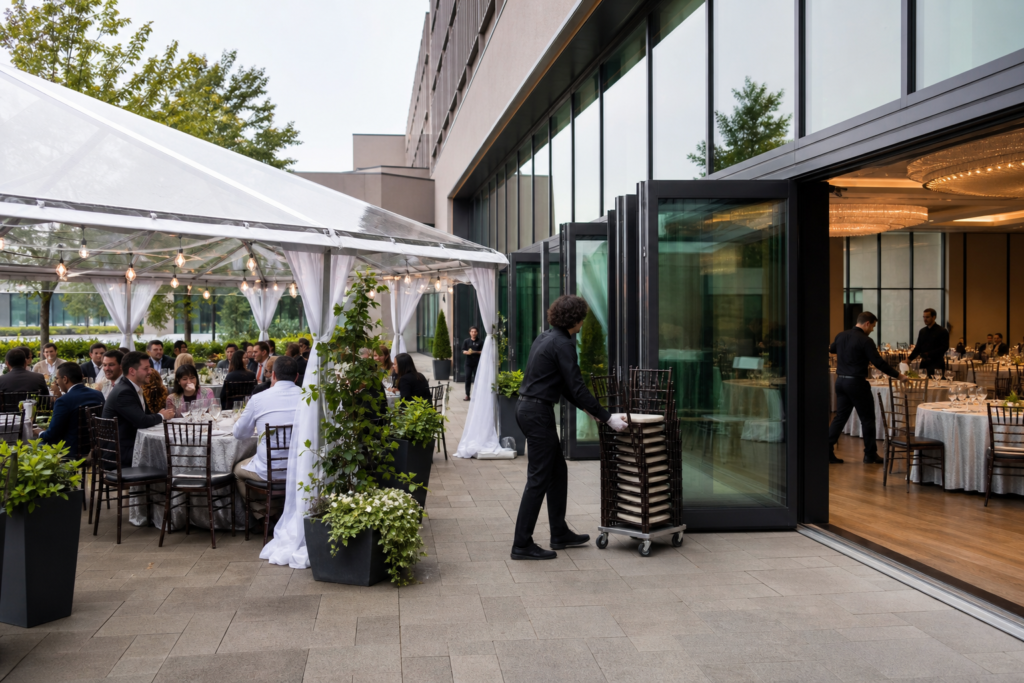
We run patio projects in four phases—Discovery, Design, Lockdown, and Showtime—so each decision lands on time. On-site AV, catering, and staging compress vendor lists, while our indoor halls provide a same-compound weather fallback that activates in under 30 minutes.
Our neighborhood setting at 75 Derry Rd W in the Regional Municipality of Peel keeps logistics simple. With multiple halls (~4,250 sq ft each), we can pre-stage Plan B layouts inside. That means your outdoor cocktail hour can pivot indoors without reprinting a run-of-show.
- Discovery (weeks 8–10 out): Define goals, headcount bands (e.g., 120–180), brand cues, and accessibility needs.
- Design (weeks 6–8): Draft layouts, select rentals, map power (AV, bars, heat), and confirm tenting thresholds (wind/rain).
- Lockdown (weeks 3–5): Finalize menu, signage, staff ratios (typically 1 server per 12–16 guests for receptions), and contingency scripts.
- Showtime (event week): Run tech rehearsal, mark zones, brief captains, and stage indoor backup.
Local considerations for 75 Derry Rd W
- For arrivals, note the Hurontario St At Derry Rd bus stop nearby; build a 10-minute buffer before remarks to accommodate transit riders.
- Summer weekends near Mississauga’s Ram Mandir can see traffic surges—schedule vendor load-ins earlier and use staggered crew windows.
- Wind off open corridors varies; anchor freestanding decor, specify water-weighted bases for 8–11 ft signage, and verify tent engineering stamps.
Types of Patio Setups and Approaches
Common patio formats include cocktail receptions, theater-style presentations, banquet dinners, mixed lounge seating, and ceremony aisles. Choose the format that matches your run-of-show—cocktail for networking, theater for keynotes, banquet for dining—and design pathways to maintain service and ADA access.
Cocktail-first networking
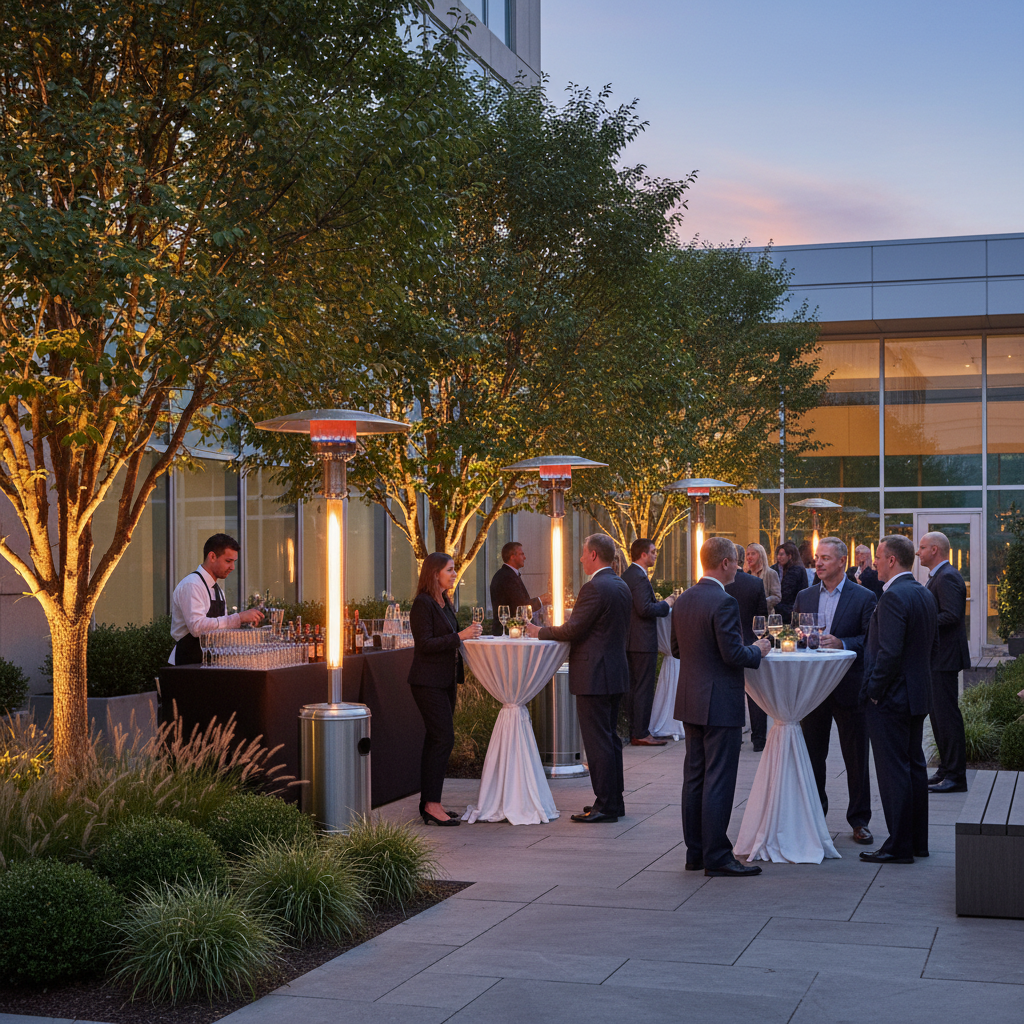
- Highboys at 1 per 10–12 guests, 2–3 service stations per 100 guests, and one satellite bar for every ~75 guests.
- Ideal for corporate mixers and school formals where 60–90 minutes of open networking precedes a program.
- Integrate bite-size South Asian or Middle Eastern stations for intercultural appeal.
Theater mini-summit
- Rows with 2 center aisles; aim 6–8 sq ft per guest and sightlines clear to an 8–16 ft stage.
- Use LED washes at 3200–4000K for natural skin tones; target 65–75 dB for speech intelligibility.
- Good for short keynotes, student awards, and sponsor reveals before dinner indoors.
Banquet or family-style dining
- Rounds of 8–10 with 10–12 sq ft per guest; or long kings for shared platters.
- Heaters or misters at 1 per 10–12 linear feet depending on season; place away from linen edges.
- Blend Continental courses with Sri Lankan or Pakistani Halal mains to honor guest preferences.
Mixed lounge + micro-venues
- Sofas, ottomans, and low tables form conversation pockets near bars and photo areas.
- Use rugs for warmth; keep 48-inch accessible routes; place accent lighting at 10–15 ft intervals.
- Best for brand launches and social milestones where ambiance trumps strict seating charts.
Best Practices for Flawless Outdoor Patio Events
Lock your weather plan early, stage power safely, and script transitions. Build a 10-minute buffer before speeches, cap music at speech-friendly levels, and coordinate service routes. The most reliable patio events pair great design with disciplined logistics and a same-venue indoor fallback.
- Weather triggers: Define go/no-go at 20–30% rain probability, gusts above 25 mph, or temps outside 55–85°F.
- Power safety: GFCI on outdoor circuits, cable ramps on crossings, and separate audio from heat loads to avoid hum.
- Lighting balance: Mix ambient stringers (2–3W LEDs), focal pin-spots, and path markers every 10–15 ft.
- AV clarity: Lapel or handheld mics with wind screens; target 65–75 dB average with 10 dB headroom for applause.
- Service flow: One 6–8 ft access lane behind bars and buffets; tray clear paths at least 36 inches wide.
- Accessibility: 1:12 ramp slopes, 48-inch turning circles at key intersections, and seating integrated—not isolated.
Tools, Rentals, and Resources Checklist
Create a unified kit: tenting, heaters or fans, LED lighting, cable ramps, GFCI, risers, signage, linens, and rain covers. Confirm deliveries, test AV, and pre-stage an indoor backup. A single consolidated manifest prevents last-minute vendor chases and keeps your timeline dependable.
- Structures: Frame tents (20×30, 30×45, 40×60), clearspan options, sidewalls, and weighted anchoring.
- Climate: Propane or electric heaters (outdoor-rated), fans, misters, and shade umbrellas.
- Power & AV: Distribution, GFCI, 12/3 cabling, 2–4 wireless mics, compact line-array speakers, and confidence monitors.
- Lighting: String lights, uplights (8–12 units), pin-spots for decor, path markers, and dimming control.
- Furnishings: Rounds, kings, highboys, lounge sets, and ADA tables at 28–34 inches.
- Serviceware: Indoor/outdoor-safe glassware, wind-stable centerpieces, and linen clamps.
- Wayfinding: Waterproof signage, QR programs, and radio headsets for captains.
To accelerate choices, see our outdoor patio event ideas and the venue overview for hall pairings and patio flow.
Buying Guide: Tents, Heaters, AV, and Decor
Match products to program needs: size tents for headcount plus service zones, choose outdoor-rated heaters or fans, spec speech-first audio, and keep decor wind-stable. Favor professional-grade rentals with engineering stamps and UL/CSA marks to reduce risk and simplify approvals.
How to size your tent
- Reception (standing): ~6–8 sq ft per guest; add 20% for bars and stations.
- Rounds of 10: ~10–12 sq ft per guest plus 10% for service lanes.
- Stage + dance: Add 200–400 sq ft for an 8–16 ft riser and adjacent floor.
Heating, cooling, and comfort
- Place heaters upwind and 3–5 ft from linens; use tip-over protection and outdoor-rated devices only.
- Fans: Aim airflow above head height to avoid mic noise; balance with perimeter misters in peak summer.
- Design for a 68–74°F target during key program windows (toasts, award segments).
Audio and lighting you can trust
- Two wireless handhelds with windscreens for most programs; add a lapel for emcees.
- LED wash at 3200–4000K; dimmable stringers; path lighting every 10–15 ft.
- Isolate audio power from heating loads to prevent brownouts or hum.
For seasonal planning context, review this overview of seasonal maintenance planning in Mississauga as you time rentals and landscaping refreshes.
Comparison: On-site Patio vs. Off-site Patio vs. Tented Lawn
Choose an on-site patio when you want fastest load-in and an instant indoor fallback. Off-site patios can offer unique scenery but add vendors and transit time. Tented lawns scale well for large counts but demand engineered anchoring and careful power planning.
| Option | Strengths | Trade-offs | Best for |
|---|---|---|---|
| On-site patio (MCC) | Fastest logistics; 2,200+ indoor capacity as fallback; 700 parking; integrated AV/catering | Date demand; adhere to venue safety rules (GFCI, clearances) | Corporate mixers, pre-function cocktails, ceremonies with indoor receptions |
| Off-site patio | Distinct scenery; potential exclusive ambiance | Extra transport time; more vendors; variable power and bylaws | Brand launches, small VIP receptions with custom scenery |
| Tented lawn | Highly scalable; weather shielding; layout freedom | Engineering, permitting, anchoring; larger power needs | Large school events, festivals, multi-zone activations |
See our corporate planner’s guide for pairing patio receptions with ballroom agendas.
How to Plan Step-by-Step (With Timelines)
Use a four-phase schedule: 8–10 weeks out align goals; 6–8 weeks finalize layouts and rentals; 3–5 weeks lock menus and staffing; event week rehearse and mark zones. Document weather triggers and an indoor backup before invitations go live.
- Vision and goals (8–10 weeks): Define “why this patio?” Decide on networking vs. ceremony vs. dining.
- Layout and vendors (6–8 weeks): Draft the map, confirm tenting and heat, and secure AV and decor.
- Menu and staffing (3–5 weeks): Choose service style and finalize dietary plans for multicultural guests.
- Rehearsals and signage (event week): Tape routes, test mics, aim lights, and stage the indoor Plan B.
Wedding or Sangeet on the patio? Browse our South Asian wedding checklist and capacity guide to align rituals and headcounts.
Case Studies and Real-World Scenarios
Successful patio events share disciplined logistics, right-sized rentals, and a practiced indoor fallback. These snapshots show how corporate, school, and wedding clients used our patio to elevate the experience while meeting strict run-of-show targets.
Corporate brand mixer, 180 guests
- 60-minute cocktail on the patio with 18 highboys, two satellite bars, and 8 LED uplights at 3200K.
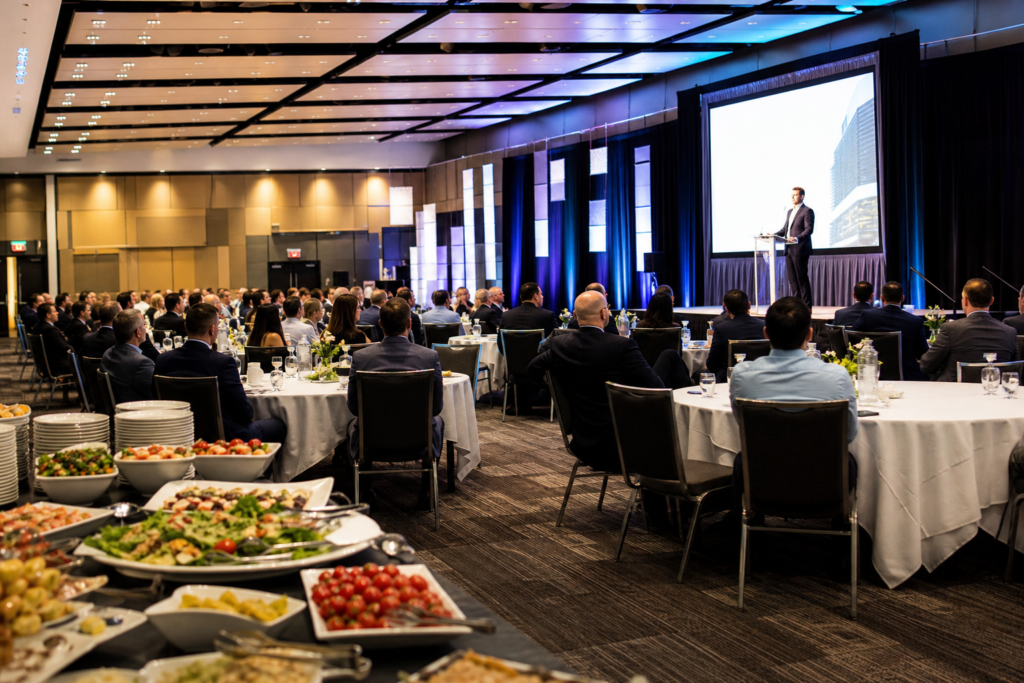
- Transitioned to a 500-guest ballroom gala in 6 minutes; AV and staging pre-lit indoors.
- Action stations mixed Continental small plates with Pakistani Halal mains for inclusivity.
School awards and grad photos, 220 students + families
- Short outdoor ceremony with theater rows at ~7 sq ft per guest and an 8×16 ft stage.
- Photo lanes marked at 48 inches for accessibility; QR codes for program details.
- Indoor reception follow-up with dessert stations and mocktails to maintain flow.
Patio Nikah + indoor reception, 150 guests
- Sunset ceremony with aisle runners, wind-stable florals, and path lights every 12 ft.
- Weather watch triggered; pivoted indoors for dinner without altering the timeline.
- Menu featured Middle Eastern starters and Sri Lankan mains with Halal compliance.
For more outdoor inspiration, skim our patio event ideas.
Frequently Asked Questions
Quick answers help you move faster. These FAQs cover weather, noise, accessibility, rentals, and how our team coordinates the patio with indoor spaces so your program stays on time and on brand.
What’s the ideal timeline for outdoor patio event planning?
Aim for 8–10 weeks. Use 6–8 weeks to finalize layouts, AV, and rentals. Lock menus and staffing 3–5 weeks out. In the event week, rehearse AV, mark routes, and stage your indoor backup so a weather pivot takes under 30 minutes.
How do you handle rain or wind on event day?
Set triggers early—like 20–30% rain risk or gusts above 25 mph. Pre-approve a tent size and sidewalls. We pre-stage an indoor layout in one of our halls so we can pivot quickly without altering the program or guest flow.
Can the patio support presentations and speeches?
Yes. We provide outdoor-rated power, mics with wind screens, and compact speakers tuned for 65–75 dB speech clarity. We also add pin-spots and warm LED washes so presenters look natural at golden hour or after dusk.
Do you accommodate Halal and multicultural menus outdoors?
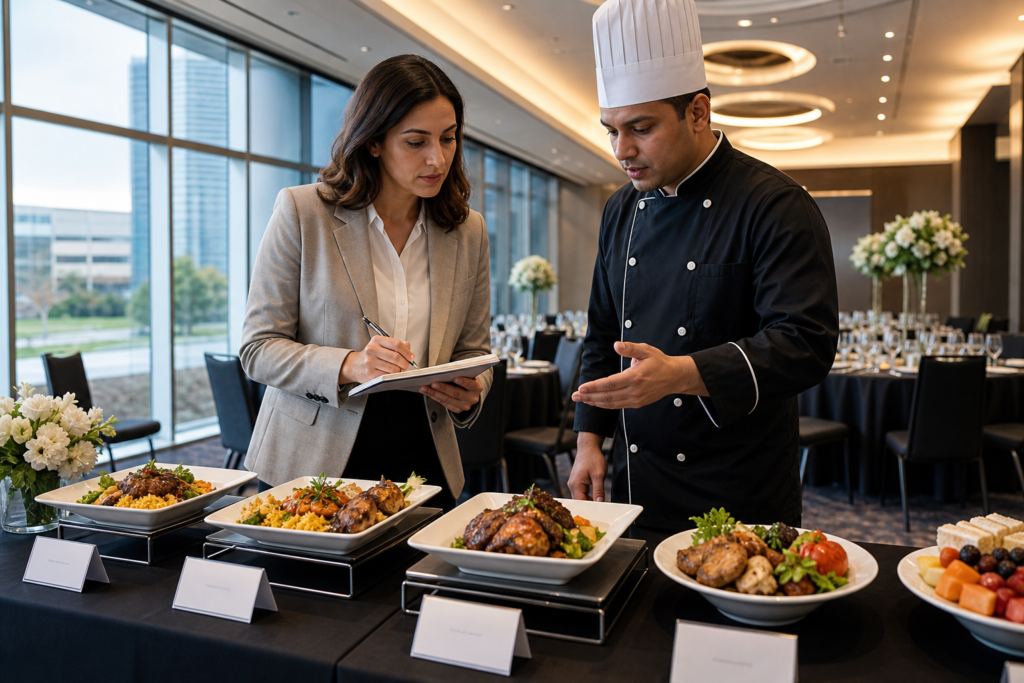
Absolutely. Our in-house catering spans South Asian, Pakistani Halal, Middle Eastern, Sri Lankan, Caribbean, and Continental cuisines. We align service style—plated, buffet, or stations—with your patio layout to keep lines short and food at peak quality.
Key Takeaways and Next Steps
Define your program, right-size rentals, and lock a weather fallback at the same venue. Use a four-phase schedule and choose a patio format that fits your goals. When AV, catering, and halls are in one place, you reduce risk and gain time.
- Set goals and headcount bands before layouts.
- Document weather triggers and an indoor backup.
- Right-size tents, power, and lighting for comfort and safety.
- Align multicultural menus with service routes and timing.
- Keep transitions short by pairing patio receptions with indoor halls.
Considering our patio? Book a quick consultation to map layouts and menus. Start with our venue overview or the corporate planner’s guide.