

 22 July, 2026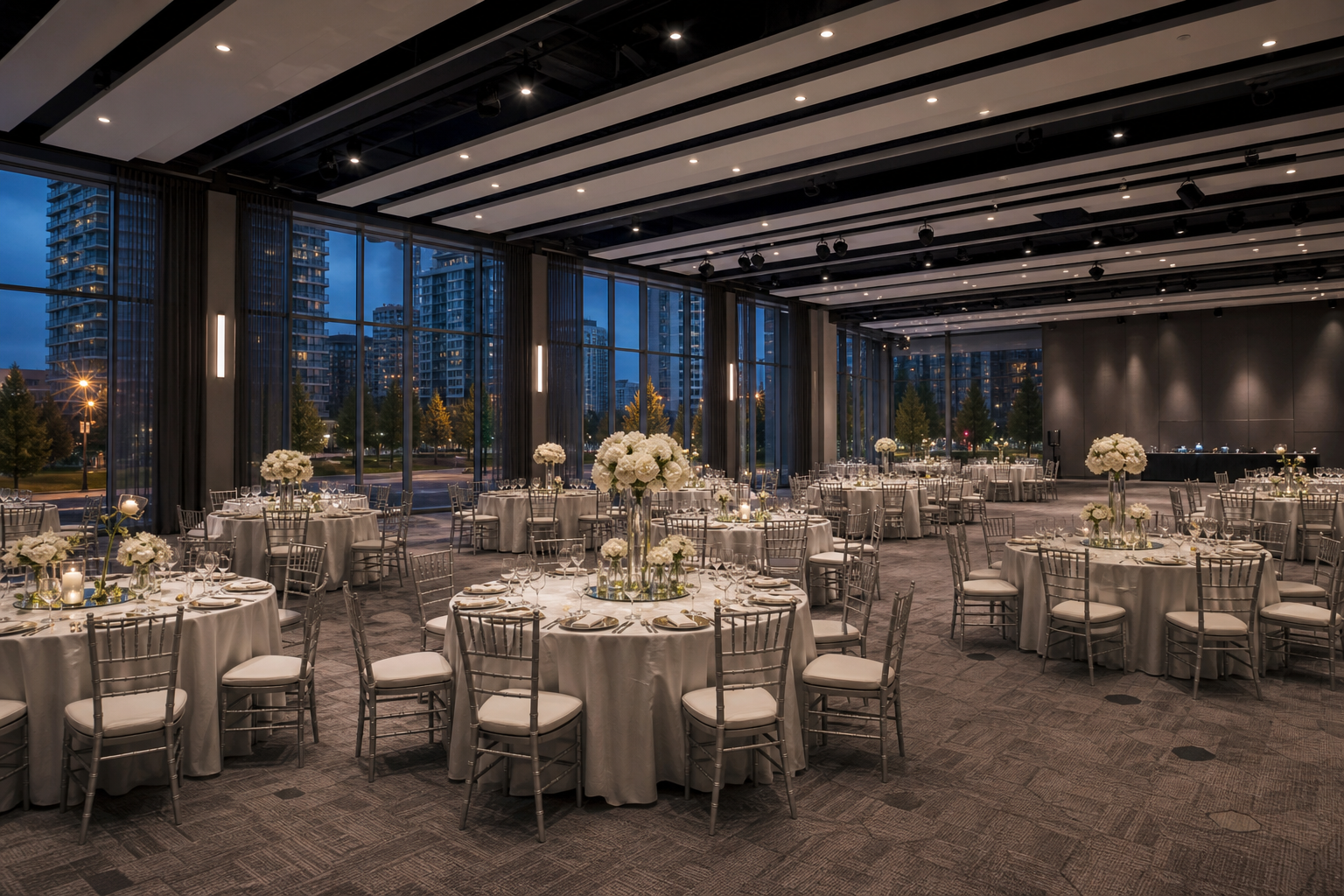
A Practical Guide to Private Party Venues
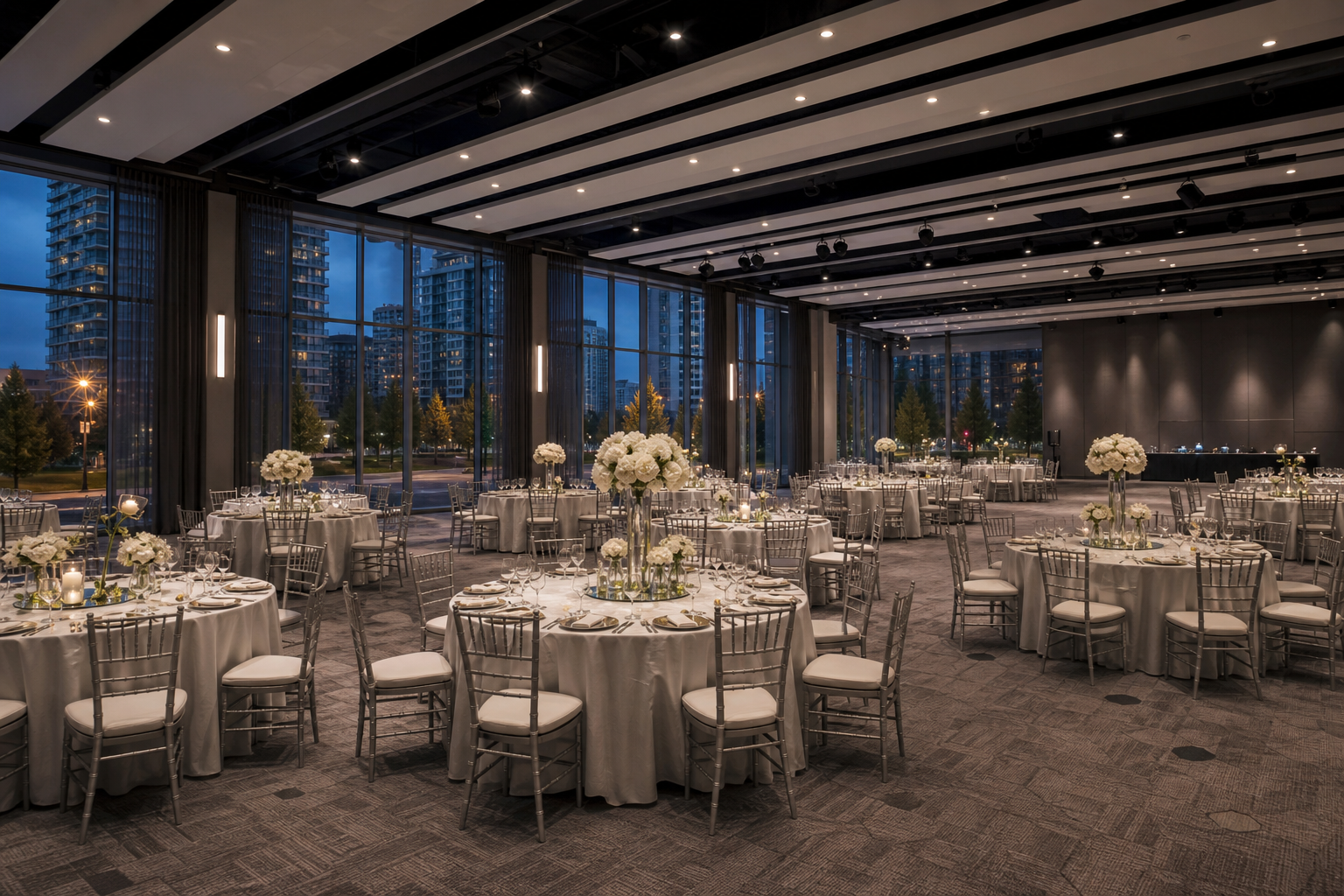
Whether you are planning a milestone birthday, engagement celebration, anniversary, family reunion, cultural gathering, or a just-because party, the right private party venue can make everything easier. This guide distills the process into concrete steps, questions to ask, and checklists you can reuse for any event style and guest count. Use it to shape your vision, compare options apples-to-apples, and book with confidence.
Define your vision and non‑negotiables
Before you research venues, clarify what matters most. A short, written brief helps you filter choices quickly and communicate consistently with venues and vendors.
- Occasion and mood: casual cocktail party, formal dinner, interactive stations, cultural program, or mixed-format celebration.
- Estimated guest count: build a list with A (must-invite), B (nice-to-invite), and C (maybe) tiers to estimate realistic ranges.
- Date flexibility: note your preferred date plus 2–3 alternates; flexibility often expands your options.
- Experience priorities: ambiance, dance floor, stage, quiet conversation spaces, outdoor access, or late-night vibe.
- Dietary needs: vegetarian, vegan, Halal, allergy-aware, kid-friendly, or regionally inspired menus.
- Program elements: speeches, slideshow, live band, DJ, performances, cultural rituals, games, or awards.
- Guest mix and mobility: seniors, children, strollers, wheelchairs, out-of-town attendees, and designated drivers.
- Budget envelope: set a total figure and a per-guest target; keep a 10–15% contingency for add-ons or overruns.
Build a shortlist and plan site visits
Use your brief to narrow down options, then schedule time-efficient site visits. Aim to see 3–5 venues that genuinely fit capacity, style, and logistical needs.
When you tour, bring a checklist and take photos or quick video clips (if allowed) from each corner of the room, the entry, bar, washrooms, and any back-of-house spaces you may use. Capture dimensions of the dance floor, stage area, circulation paths, and any pillars or built-ins that affect sightlines.
- Capacity fit: ask for seated, cocktail, and mixed-format capacities; confirm whether these numbers include staging, DJ booth, and dance floor.
- Room flexibility: note partition options, adjoining spaces, or pre-function areas for arrivals, photos, or kids’ activities.
- Load-in logistics: where vendors park, elevator access, load-in hours, and any restrictions on setup materials.
- Acoustics and sound control: listen for echo, test background music, and ask about soundproofing to avoid noise spillover.
- Lighting control: dimmers, spotlighting, color washes, and natural light windows with blackout capability if needed.
- Power and connectivity: outlets near stage/DJ, dedicated circuits, and reliable Wi‑Fi where applicable.
- Wayfinding and comfort: signage options, coat check, washroom proximity, and temperature control.
Budget smarter with an apples-to-apples comparison
Venue quotes are structured in different ways. Build a side-by-side worksheet so you can compare total value, not just line items. Ask venues to detail inclusions and exclusions clearly.
- Space costs: rental fee, minimum spend, service charges, and taxes.
- Time blocks: access for setup, event, teardown; fees for early load-in or late checkout.
- Staffing: banquet servers, bartenders, coat check, security, restroom attendants, and overtime policies.
- Equipment: tables, chairs, linens, china, glassware, flatware, staging risers, podium, easels, and dance floor.
- AV and lighting: microphones, speakers, projectors, screens, uplighting, spotlighting, and on-site technical support.
- Décor allowances: candles, confetti, ceiling installations, open flame policies, and attachment methods.
- Catering: menu pricing, tasting options, special diets, and cake service fees or policies.
- Bar service: hosted vs. cash bar, consumption vs. package models, corkage, and last-call rules.
- Vendor policies: approved lists, outside vendor fees, insurance requirements, and certificate deadlines.
- Parking and transport: on-site spots, valet options, public transit proximity, and shuttle staging areas.
Tip: Request a sample invoice for an event that mirrors your guest count and format. It helps uncover hidden costs and surfaces assumptions early.
Evaluate core amenities and services
The best fit aligns amenities with your program, not just aesthetics. Use the following checklist to ensure no gaps between your plan and the space’s capabilities.
- Stage and performances: consider riser size, backdrop options, green room access, and safe cable runs.
- Dance floor: confirm size, placement, and whether it’s included or rented as an add-on.
- Audio: microphone types (handheld, lavalier), DJ or band inputs, and feedback control measures.
- Visuals: projection brightness, screen placement relative to windows and pillars, and available monitors.
- Lighting: preset scenes for dining, speeches, and dancing; ask to preview transitions if possible.
- Power: dedicated circuits for entertainment and catering equipment to prevent overloads.
- Back-of-house: prep areas, ice access, and staging space for gifts, favors, or auction items.
- Outdoor access: patios or courtyards for fresh air, photos, or ceremonies; confirm weather backup plans.
Plan food, beverage, and service style
Food and beverage often define the guest experience. Decide early how you want to serve, then align with a venue’s in-house offerings or approved caterers.
- Service format: plated, family-style, buffet, stations, or hybrid.
- Menu strategy: seasonal ingredients, regional inspirations, children’s plates, and late-night snacks.
- Dietary planning: clearly track vegetarian, vegan, Halal, and allergy needs; gather notes with RSVPs.
- Tastings and proofs: if offered, schedule decisions after tasting; confirm final menu sign-off dates.
- Bar design: signature mocktails/cocktails, low/no-alcohol options, and pacing to match the program.
- Service cues: tray-passed hors d’oeuvres for mingling, then a seated course to reset energy.
- Cake and desserts: plating fees, display rules, refrigeration, and timing around speeches or toasts.
Map layout, flow, and accessibility
Great parties feel effortless because the layout supports conversation, circulation, and comfort. Sketch zones and run-of-show timing to anticipate bottlenecks.
- Arrival: clear entry, welcome signage, gift table, and photo backdrop that doesn’t block doors.
- Mingle zones: standing-height tables near bars or stations; keep pathways open to reduce crowding.
- Seating strategy: mix round and long tables to balance intimacy and capacity; reserve quiet corners.
- Stage and dance: set sightlines from most seats; keep speakers angled away from conversation areas.
- Kids and families: designate stroller parking, kid tables, or activity corners.
- Mobility: step-free paths, ramps/elevators where applicable, and access to accessible restrooms.
- Backups: indoor alternative in case of weather shifts for any outdoor component.
Create a simple diagram labeling tables, bars, stations, staging, emergency exits, and vendor placements. Share it with your venue contact and vendors so everyone works from the same map.
Dates, policies, and contracts
Once you narrow to a favorite venue, timing and terms matter. Read contracts fully and keep all confirmations in writing. For legal questions, consult a qualified professional.
- Holds and deposits: length of complimentary hold (if any), deposit schedule, and forms of payment accepted.
- Minimums and guarantees: food and beverage minimums, guest count guarantee deadlines, and reduction policies.
- Rescheduling and cancellation: deadlines, fees, and what happens if the venue must cancel.
- Decor and safety: open flame, ceiling suspensions, confetti, sparklers, fog/haze, and attachment rules.
- Noise and timing: sound limits, curfews, last call, and teardown deadlines.
- Deliveries and pickups: windows for rental drop-off and collection; security for stored items.
- Final walkthrough: schedule 1–2 weeks prior to confirm layout, timeline, and vendor coordination.
A planning timeline you can adapt
Every event is different, but this reference timeline helps organize decisions in manageable increments. Shift dates earlier or later based on your lead time.
- 3–8 months out: define budget and guest range; shortlist venues; hold date and request proposals; compare inclusions; select venue and sign.
- 2–6 months out: confirm menu approach; outline program (speeches, performances); hire DJ/band and photographer; sketch layout and décor direction.
- 4–8 weeks out: finalize guest list; send invitations; schedule tasting if available; confirm rentals and AV; plan signage and print materials.
- 2–3 weeks out: collect RSVPs and dietary notes; finalize seating plan; share run-of-show and diagrams with venue and vendors.
- Event week: reconfirm deliveries and arrival times; prepare emergency kit (tape, markers, chargers, safety pins); pack place cards, favors, gifts, and vendor envelopes.
- Event day: bring the signed floor plan; assign a point person for vendor questions; keep water and snacks for the host team; enjoy your celebration.
Special considerations by party type
Different celebrations emphasize different elements. Use these prompts to fine-tune your venue fit.
- Milestone birthdays: prioritize dance floor and DJ sightlines; plan a slideshow station and speech lighting.
- Engagement parties: ensure a picturesque toast location; set photo backdrop near natural light or feature wall.
- Anniversaries: balance seating for multi-generational guests; consider soft lighting and acoustic-friendly music zones.
- Cultural celebrations: confirm space for traditional rituals, modesty considerations, and dietary requirements.
- Family reunions: designate kids’ play space; add outdoor access or lounge seating for relaxed conversation.
Vendor coordination and run‑of‑show
Well-orchestrated vendor timing prevents bottlenecks and surprises. Share a single-page schedule with contact numbers and key cues.
- Staggered arrivals: venue access opens; décor/rentals deliver; AV checks; entertainment soundcheck; catering setup; photographer on site.
- Guest experience beats: doors open; welcome drinks; host greeting; first course; toasts; dance floor open; late-night food; closing.
- Contingency cues: backup playlist, extra extension cords, and alternative seating plan if final RSVPs shift.
- Strike and pickup: rentals packed; cake stand/crates collected; lost-and-found review; final walk with venue.
Frequently asked questions
How far in advance should I book a private party venue?
For peak seasons and popular dates, the earlier the better. If you have flexibility, many venues can accommodate bookings on a shorter timeline. Start with your guest range, date options, and a short list of must-have amenities, then inquire to confirm availability and holds.
What is a realistic way to estimate headcount before sending invitations?
Create A/B/C guest tiers and estimate acceptance rates by group (family, close friends, colleagues). Build your venue search around the A-list and a portion of the B-list, leaving a small buffer for last-minute additions. Confirm final guarantees by the venue’s stated deadline.
How can I control bar costs without diminishing the guest experience?
Match your bar model to your program. Examples include a limited hosted selection (beer/wine/signature cocktail) plus a cash bar for premium choices, drink tickets to pace consumption, or a hybrid: hosted cocktail hour followed by wine with dinner and a cash bar after.
What should I bring to a venue site visit?
Your brief, a tape measure or measurement app, sample floor plan ideas, a list of AV needs, and photos of décor inspirations. Ask permission to take reference photos and record short clips of lighting levels and acoustics for later comparison.
Do I need event insurance for a private party?
Requirements vary by venue and event type. Review the venue’s contract and, for specific legal or insurance questions, consult a qualified professional. Vendors may also need to provide certificates by certain deadlines.
Next steps