

 22 July, 2026
 Wedding venue costs can feel opaque at first glance because they bundle space, time, staff, and services in different ways. This guide breaks down how venues price, what’s commonly included, and how to compare proposals apples-to-apples—so you can make clear, confident decisions without surprise add-ons.
What influences wedding venue costs
Most venue pricing is a function of demand, scope, and service. Understanding the levers helps you predict where a quote may land and which choices give you the most control.
- Guest count: More guests often mean larger rooms, more staffing, higher food and beverage quantities, more rentals, and expanded parking or logistics needs.
- Event length and schedule: Longer access windows (setup, ceremony, cocktail hour, reception, teardown) increase staffing and operational time. Premium dates and peak seasons generally carry higher rates.
- Room size and configuration: Bigger or more flexible spaces can command higher fees. Partitioned halls or multiple rooms for ceremony, cocktails, and reception may add costs.
- Service style: Plated dinners typically require more servers per table; buffets require attendants; stations add chefs or attendants. Service ratios impact labor costs.
- Menu complexity: Multi-course meals, specialty dietary needs, and late-night snacks increase culinary labor and ingredients.
- Audiovisual and lighting: Microphones, projectors, dance floor lighting, spotlights, staging, and on-site tech support add to the quote.
- Décor and rentals: Upgraded chairs, linens, chargers, specialty glassware, custom backdrops, or floral installs increase the per-guest or flat rental spend.
- Logistics: Load-in complexity, vendor coordination, security, coat check, and additional cleaning affect staffing and timeline.
- Taxes, service charges, and gratuities: These are applied differently by venue and jurisdiction. Always ask what percentage and to which line items they apply.
Common pricing models
Venues typically use one of four models—sometimes a hybrid. None is inherently better; the right fit depends on your priorities and guest experience goals.
-
Per-person package
- Bundles food, nonalcoholic beverages (and sometimes alcohol), standard rentals, basic décor, and staff for a fixed price per guest.
- Pros: Predictable costs that scale with headcount; easier to compare; fewer vendor contracts.
- Consider: Upgrades (premium bars, late-night snacks, signature lighting) can raise the per-person total; verify exactly what’s included.
-
Flat room rental
- One fee for the space and time window; all other services are à la carte (catering, bar, rentals, AV).
- Pros: Maximum flexibility to customize and source vendors where allowed.
- Consider: Add-ons accumulate quickly; you’ll need a detailed worksheet to avoid omissions.
-
Food-and-beverage minimum
- You commit to spending a minimum on food and drink; the room fee may be reduced or waived if you meet the minimum.
- Pros: Attractive if your guest count and menu selections naturally exceed the minimum.
- Consider: Ask what qualifies toward the minimum, what doesn’t, and what happens if you fall short.
-
Tiered or seasonal pricing
- Rates vary by date, season, time of day, or day of the week.
- Pros: Off-peak bookings can unlock meaningful savings.
- Consider: Availability and timeline flexibility are key to capitalizing on this.
What venue fees often include
Inclusions differ widely. Use this checklist to map any proposal against your needs and reduce guesswork.
- Space access: Setup, ceremony, cocktail hour, reception, and teardown windows; storage for early drop-offs or late pickups.
- Layout support: Floor plans, guest flow guidance, and day-of room flips if you’re using the same space for multiple segments.
- Standard rentals: Banquet tables, cocktail tables, chairs, house linens, napkins, china, glassware, and flatware.
- Staffing: Banquet captain or coordinator, servers, bartenders, coat check, housekeeping, security depending on headcount.
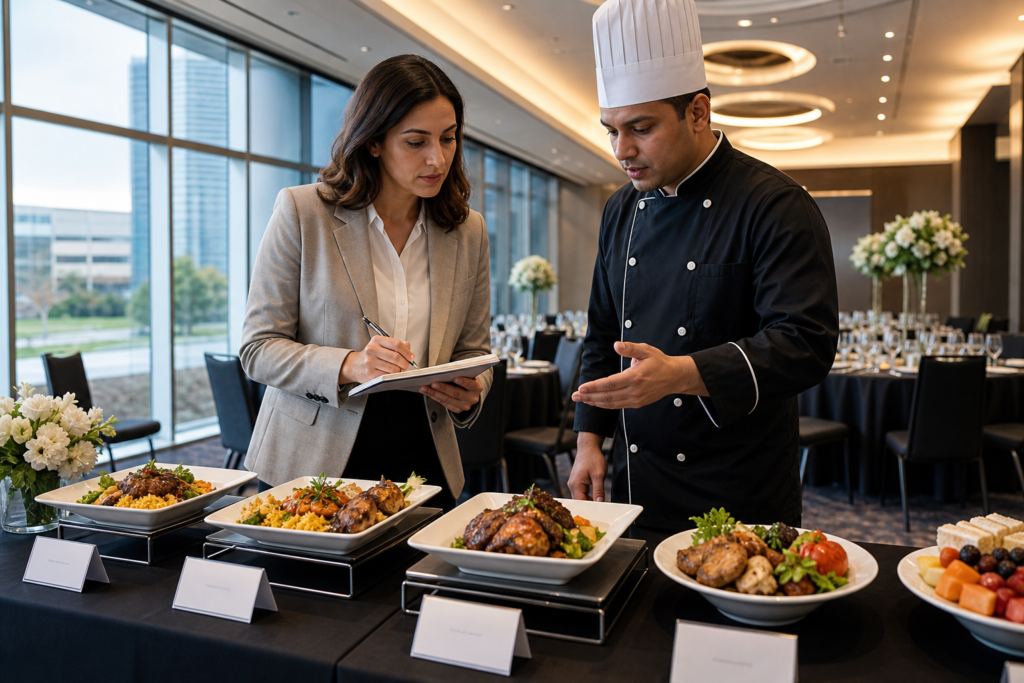
- Catering: In-house menu packages, tastings (ask what’s included and when), and dietary accommodations.
- Bar: Hosted bar, consumption-based, or cash bar options; mixers and garnishes; nonalcoholic alternatives.
- AV and lighting: House sound system, microphones, projectors, screens, dance floor lighting, and on-site technical support.
- Parking and access: On-site parking allotments, accessibility features, and load-in instructions for vendors.
- Compliance items: Permits and insurance requirements for you and your vendors; venue rules and restrictions.
Overlooked and variable expenses
These line items frequently surprise couples. Flag them early so you can plan around them.
- Service charges and administrative fees: Often a set percentage applied to food, beverage, and labor; not the same as gratuity unless stated.
- Taxes: Confirm which applicable taxes are added and to which items (room fee, F&B, rentals, service charges).
- Overtime: Extended hours for setup, teardown, or reception end times may incur additional labor and facility fees.
- Ceremony fees: If your ceremony is on-site, there may be a separate charge for setup, rehearsal access, and staffing.
- Power and rigging: Dedicated power drops, staging, truss, or specialty lighting can be billed separately.
- Vendor surcharges: Some venues apply fees for outside vendors or require vendor insurance and documentation.
- Tastings and custom menus: Confirm whether tastings are complimentary, limited, or billable, and how customizations are handled.
- Delivery and handling: Rentals, florals, or décor install/removal outside standard windows may add charges.
- Damage deposits: Refundable deposits and what constitutes chargeable damage; ask how and when refunds are processed.
- House vs premium rentals: Upgrades to chairs, linens, chargers, or glassware may carry separate per-item rates.
How to build and compare estimates
Comparing two proposals only works if you standardize the scope. Use this step-by-step approach to create clarity.
- Define your scope first: Guest count bands (e.g., must-have vs nice-to-have invites), event segments (ceremony, cocktail hour, reception), service style, and desired timeline.
- Create a line-item worksheet: Space rental, catering, bar, staffing, AV/lighting, rentals, décor, ceremony add-ons, logistics (security, coat check), taxes, service charges, and contingency.
- Request like-for-like proposals: Share the same scope with each venue. Ask them to label inclusions clearly and list any assumptions.
- Normalize for headcount: Convert totals to per-guest figures where practical so you can see how costs scale.
- Separate fixed vs variable: Note which costs change with guest count (food, bar, rentals) and which don’t (room fee, base AV).
- Identify risk areas: Mark any items marked “estimate,” “market price,” or “subject to change.” Ask for thresholds and what triggers adjustments.
- Map taxes and service charges: Record exact percentages and what they apply to. This often makes the biggest difference between proposals.
- Build a contingency reserve: Hold a buffer for last-minute adds such as extra staffing, weather plans, or upgrades you may want later.
Smart ways to balance vision and budget
You don’t have to compromise your entire vision to stay on budget. Small strategic shifts can free up resources for what matters most to you.
- Prioritize guest experience touchpoints: Allocate more to the moments guests will remember—great food, a seamless flow, and music—while simplifying low-impact elements.
- Optimize headcount bands: If you’re close to a room or staffing threshold, trimming a small number of guests can reduce per-guest and labor-driven costs.
- Choose a service style that fits: Stations or buffets can be efficient for some menus; plated shines for formal pacing. Match style to your priorities and staffing needs.
- Leverage included décor: Use house linens and standard place settings as a base; layer statement pieces where they’ll have the biggest effect (head table, entrance, bars).
- Consolidate segments: Hosting ceremony and reception in the same venue can reduce transportation and setup duplication; confirm associated fees up front.
- Be flexible on timing: Afternoon or weekday weddings can offer more favorable terms depending on availability.
- Streamline vendors: When in-house services meet your needs, bundling can simplify planning and reduce coordination risk.
Questions to ask before you book
Bring this checklist to site tours and proposal reviews. Clear answers now help you avoid change orders later.
- What exact items are included in the base price? Which common upgrades do couples choose most often?
- What are the setup, access, and teardown windows? What happens if vendors need more time?
- How are service charges and taxes calculated? To which line items do they apply?
- What are the AV and lighting inclusions? Are there on-site technicians and what do they cover?
- What are the policies for outside vendors? Are there preferred lists, fees, or insurance requirements?
- How are tastings handled—what’s included, when are they scheduled, and how many guests may attend?
- What payment schedule applies, and what is the policy on date changes or cancellations?
- Are there noise, décor, flame, or confetti restrictions? What about rigging or ceiling installs?
- What parking and accessibility features are available for guests and vendors?
Frequently asked questions
Is the service charge the same as a gratuity?
Not necessarily. A service charge is commonly an operational fee allocated to cover administrative and service-related costs and may not go directly to staff as a tip. Gratuities are typically discretionary and may be distributed to service staff. Ask your venue how each is defined, what the percentages are, and which line items they apply to.
Do weekday or off-peak weddings usually cost less?
Rates can vary by date, time, or season depending on a venue’s pricing model and availability. If your timeline is flexible, ask about options outside prime dates and how pricing may differ. Clarify whether any savings affect room rental, packages, or minimums.
What’s the best way to prevent surprise fees?
Request a written, itemized proposal with clear inclusions and exclusions, note all percentages for taxes and service charges, and ask about overtime, ceremony fees, vendor surcharges, and logistics windows. Confirm how changes to guest count, menu, or timeline affect the final invoice.