

 29 July, 2026
 Choosing between graduation party venues can feel overwhelming—especially when availability tightens and options vary widely in size, style, and services. This guide breaks the decision into clear steps you can compare side by side, from capacity and layout to catering, AV, accessibility, contracts, and an actionable planning timeline. Whether you’re hosting a small family celebration or a large school-sponsored event, you’ll find a structured approach to pick the right space and lock in critical details on time.
Match the venue to your celebration goals
Start with the outcome you want your guests to experience. The right venue aligns with your atmosphere, activities, and program structure.
- Atmosphere: formal banquet, casual mingle, outdoor vibe, or late-night dance?
- Program: short welcome remarks, awards segment, graduate walk-through, slideshow, DJ/band, photo ops?
- Guest mix: families with young children, multi-generational attendees, classmates and friends, faculty?
- Duration: quick reception (1–2 hours), full dinner (3–4 hours), or an extended celebration?
Clarifying these points first narrows the list of graduation party venues to those that genuinely fit the occasion instead of forcing your plans into a mismatched space.
Venue types and their best fits
Different spaces shine for different formats. Consider how each category supports your program and guest comfort.
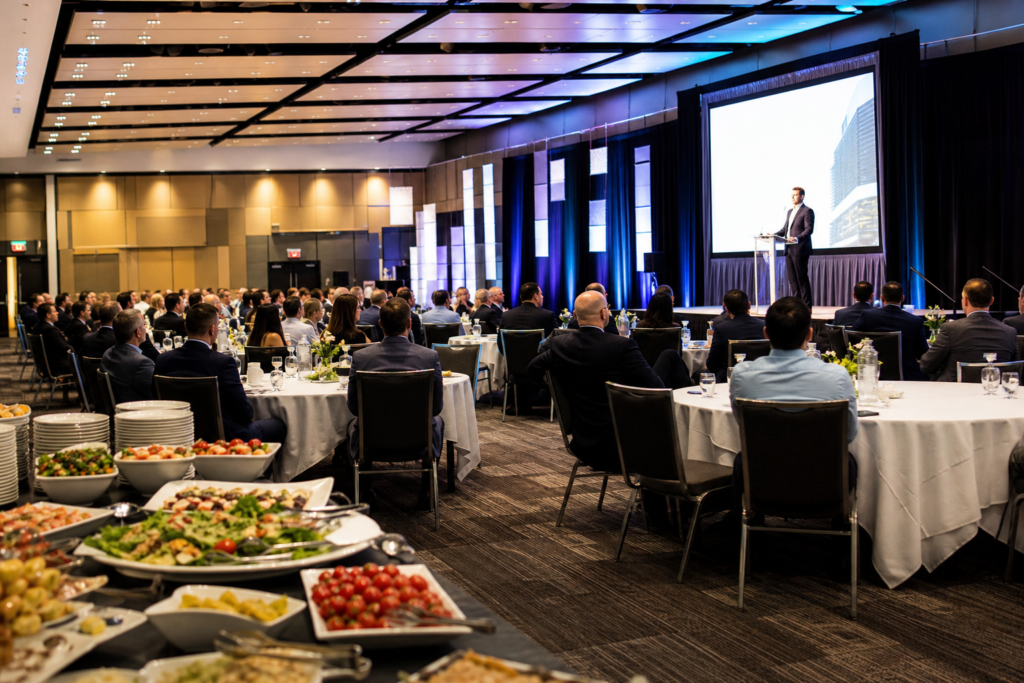
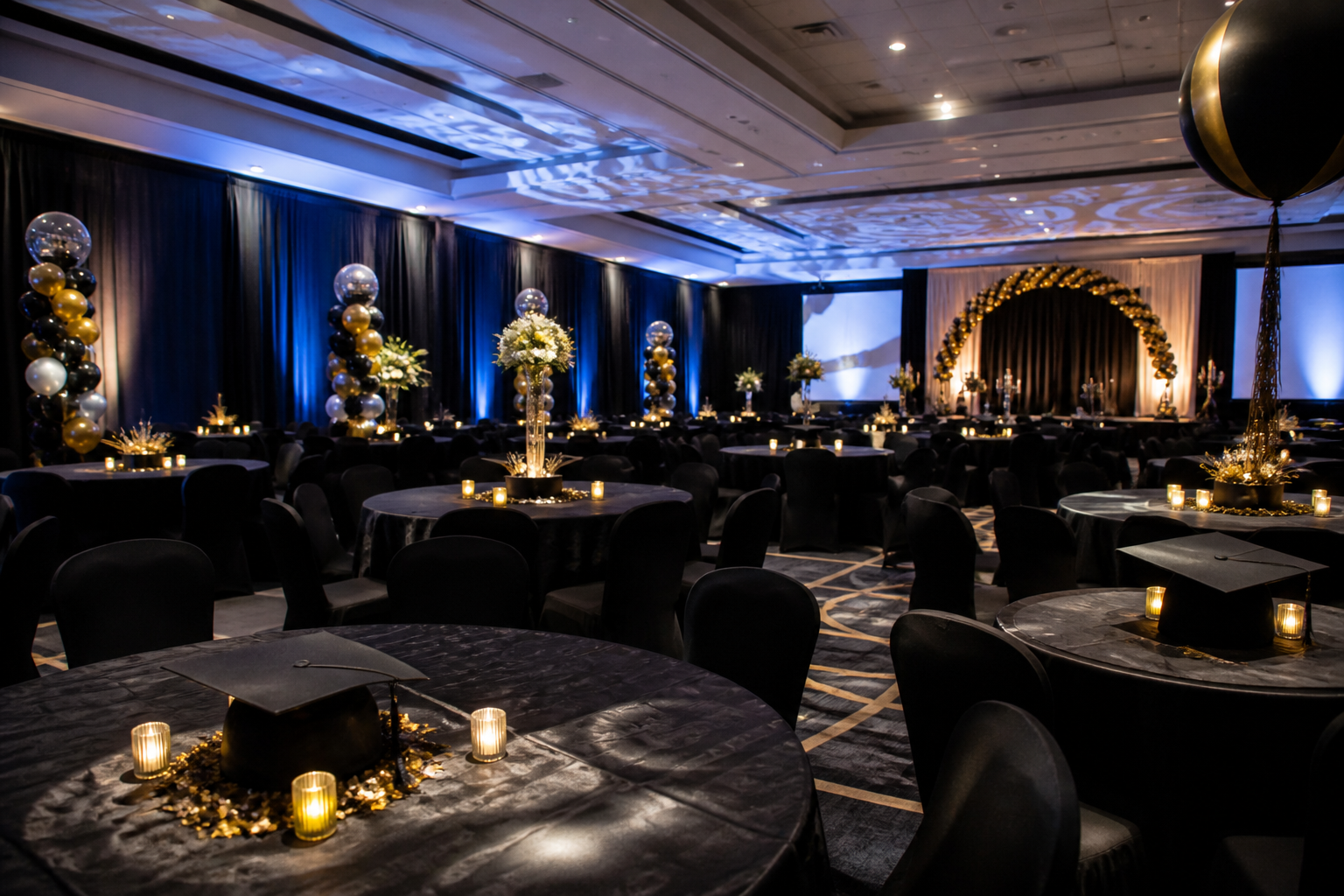
- Banquet and ballroom venues: best for seated dinners, podium remarks, and dancing with a centralized stage and AV.
- Community centers and school facilities: practical for larger cohorts and budget-friendly, often with basic AV.
- Restaurants and private dining rooms: strong for intimate groups where food experience is the priority.
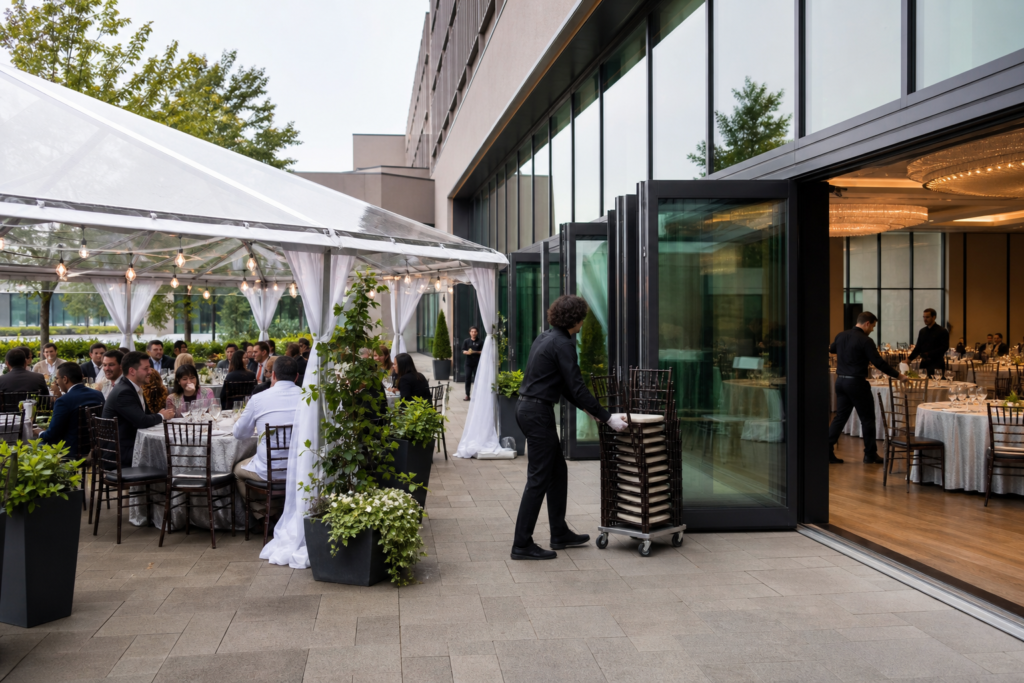
- Outdoor patios and gardens: perfect for daytime receptions and photo-friendly backdrops; plan for weather contingencies.
- Hybrid/multi-room facilities: useful when you want separate zones for reception, program, and dance party without re-setting the same room.
If you’re exploring flexible room configurations and want inspiration on seating and staging options, you can review sample layout ideas in a conference-focused context that also apply to celebrations by browsing a resource on venues for conferences in Mississauga: compare room setups, staging, and flow concepts.
Capacity, flow, and layout
Capacity is more than a maximum number; it affects sightlines, acoustics, and overall comfort. Evaluate:
- True seated capacity with your preferred table sizes and dance floor.
- Standing reception vs. plated dinner capacity (these can differ significantly).
- Flow between zones: entrance and check-in, coat area, photo backdrop, bar/buffet lines, stage, and washrooms.
- Stage placement and sightlines for slideshows, speeches, and awards.
- Ceiling height and pillar locations that could block views or sound.
Create a draft floor plan before you book. Confirm dimensions for tables, stage, screens, and any décor pieces (balloon arches, step-and-repeat banners). Ask for a scaled diagram and a sample seating chart that matches your headcount range.
Food and beverage choices
Food shapes the guest experience, and graduation crowds can be diverse. Clarify the venue’s approach before you commit.
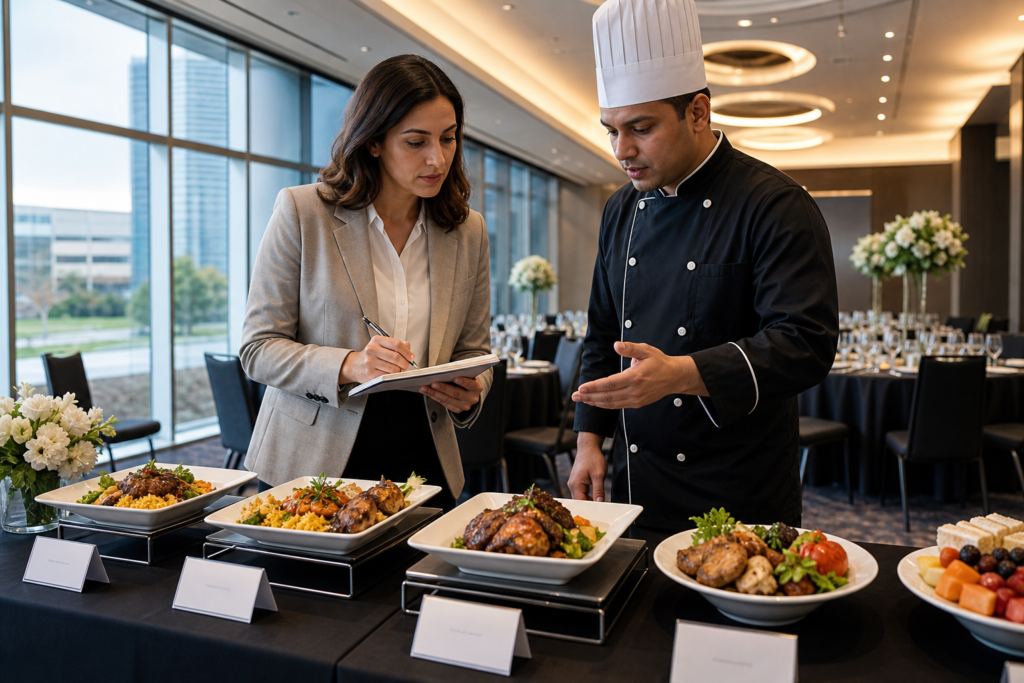
- Service style: plated, buffet, chef stations, family-style, or a mix.
- Menu flexibility: vegetarian, vegan, Halal, Kosher-style, nut-free, gluten-free, and kid-friendly options.
- Timing: how long buffets remain open; pacing for courses and speeches.
- Non-alcoholic focus: mocktails, premium soft drinks, and coffee/tea service for mixed-age events.
- Outside catering: whether permitted and what conditions apply (kitchen access, certificates, cleanup).
Ask to see a sample banquet event order or menu package so you can compare apples to apples across graduation party venues.
AV and entertainment essentials
Even a simple celebration usually needs microphones and a screen. Clarify what’s included and who operates it.
- Core needs: podium mic, wireless handhelds, house speakers, projector/LED screens, and confidence monitors if available.
- Playback: laptop inputs, adapters, and how slideshows/videos are tested in advance.
- Lighting: dimmable house lights, spotlighting for awards, dance lighting if applicable.
- DJ/band integration: power locations, sound checks, and any in-house policies.
- Onsite support: who handles setup, cues, and troubleshooting during the event.
Schedule a brief tech walkthrough and request a run-of-show with cue points for slides, walk-up music, and awards announcements.
Accessibility, parking, and guest comfort
Thoughtful logistics make a big difference for multi-generational guests.
- Accessible routes: step-free entries, elevators, and accessible washrooms.
- Parking and drop-off: proximity to entrances and wayfinding for first-time visitors.
- Wayfinding and signage: clear room names and floor plans for larger venues.
- Green rooms or quiet spaces: a place for graduates or speakers to stage.
- Climate and acoustics: HVAC control and sound management between adjacent rooms.
Budget and contract checkpoints
Compare written proposals line by line. Graduation party venues may structure packages differently; align them to your priorities before deciding.
- What’s included: room rental, tables/chairs/linens, basic AV, staging, and staffing.
- Food and beverage minimums: clarify service charges, taxes, and any per-person thresholds.
- Time blocks: load-in, event start/end, and teardown—plus overtime rates.
- Décor and vendor policies: candles, confetti, rigging, outside vendors, insurance, and security.
- Payment schedule and methods: deposit requirements and due dates.
- Change policies: guest count deadlines, menu finalization, and floor-plan sign-off.
- Contingencies: inclement weather backup for outdoor elements; force majeure language.
- Post-event obligations: cleanup responsibilities, loss/damage clauses, and when you must vacate.
Request a sample contract and a detailed estimate before you place a deposit. Confirm all verbal promises in writing.
Sample floor plans and seating to consider
Use these common layouts as a starting point and adapt to your headcount and program.
- Banquet rounds with central dance floor: maximizes mingling and dance access.
- Rounds plus stage thrust: improves visibility for awards and graduate walk-ups.
- Cocktail reception with high-tops and lounge zones: ideal for come-and-go celebrations.
- Theater seating with reception overflow: good for short ceremonies followed by mingling.
- Hybrid: family-style dining for VIP tables near stage, rounds farther back, and lounge in the foyer.
Request scaled diagrams that show aisle widths, stage stairs, accessible seating, and emergency exits.
Décor, themes, and photo moments
Graduation visuals should feel personal and celebratory without hindering traffic flow.
- Entrance feature: a welcome sign and photo spot that doesn’t block check-in.
- School colors and accents: table runners, uplighting, napkins, or a minimal stage backdrop.
- Memory wall: framed photos, yearbook pages, or a digital slideshow loop in the foyer.
- Practical centerpieces: low-profile designs that preserve sightlines.
- Wayfinding décor: tasteful signs guiding guests to the program area, buffet, and restrooms.
Coordinate with the venue on placement guidelines, power outlets for lighted features, and any restrictions on adhesives or rigging.
Safety, supervision, and house rules
Mixed-age celebrations benefit from clear expectations. Ask how the venue manages common scenarios.
- Chaperone ratios for school-sponsored events.
- Policies for re-entry, outside food, helium balloons, and open flames.
- Emergency contacts, first-aid access, and incident reporting.
- Noise curfews and music volume limits.
- Secure storage for gifts, certificates, and AV gear.
Request the venue’s standard house rules in writing and include them in your guest communications.
Planning timeline: 12 weeks to event day
Adjust this outline to your lead time and scale. The structure helps you lock key decisions before details stack up.
- 12–10 weeks: define goals, guest count range, and budget; shortlist graduation party venues; confirm preferred dates and holds.
- 10–8 weeks: tour top venues, review sample floor plans, AV packages, and menus; request itemized proposals and contracts.
- 8–7 weeks: book the venue with deposit; draft a run-of-show; line up primary vendors (DJ/band, photographer); plan décor concept.
- 7–6 weeks: send save-the-date or invites; confirm slideshow assets; gather dietary needs; plan awards/certificate logistics.
- 6–4 weeks: finalize menu; approve preliminary floor plan; coordinate signage and rental add-ons; confirm parking/arrival instructions.
- 4–3 weeks: AV testing plan; collect speeches; assign chaperones or volunteer roles; order print materials.
- 2 weeks: finalize headcount; lock seating chart; confirm load-in and vendor schedule; share emergency contacts and house rules.
- 1 week: walkthrough with venue contact; cue-to-cue review for AV; pack day-of kits (tape, markers, chargers, USB backups).
- Event day: arrive early; verify signage; test mics and playback; brief emcee and volunteers; enjoy the celebration.
Day-of coordinator checklist
Assign a single point of contact to stay in sync with the venue and vendors.
- Room readiness: tables, chairs, linens, stage, and reserved signs in place.
- AV test: podium, wireless mics, screen playback, and lighting levels.
- Signage and wayfinding: entrance, program area, restrooms, and photo stations.
- Timeline: cue music, speeches, awards pacing, and buffet/dessert timing.
- Safety: walkway clearance, taped cables, and accessible seating maintained.
- Wrap-up: pack awards, gifts, signage; confirm lost-and-found; sign any closing documents.
Frequently asked questions
What’s the best seating for a mixed-age graduation celebration?
Banquet rounds near the stage for families and honorees, with lounge or high-top areas at the perimeter for friends who prefer to mingle, is a versatile hybrid. Keep aisles wide for accessibility and photography, and place younger guests closer to the dance floor if you have evening entertainment.
What AV items are worth testing in advance?
Microphone levels and clarity, slideshow playback on the exact screen and cable path, walk-up music cues, lighting dimming for videos, and any specialty inputs from DJs or guest performers. Bring adapters and a USB backup of media.
Conclusion and next steps
When you evaluate graduation party venues, focus on fit: a layout that supports your program, a menu that respects your guests, AV that works on cue, and logistics that make arrival and flow intuitive. Put every promise in writing, ask for scaled floor plans, and build in time for a final walkthrough. With the essentials locked, you can concentrate on the moments that make the milestone memorable.