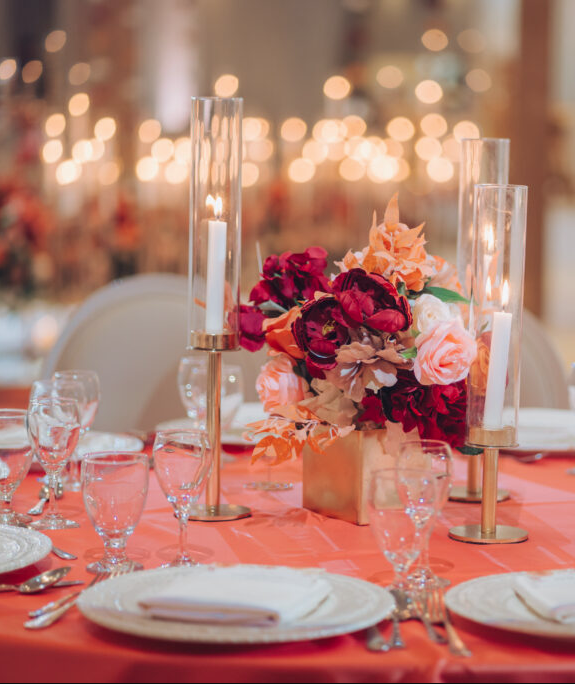

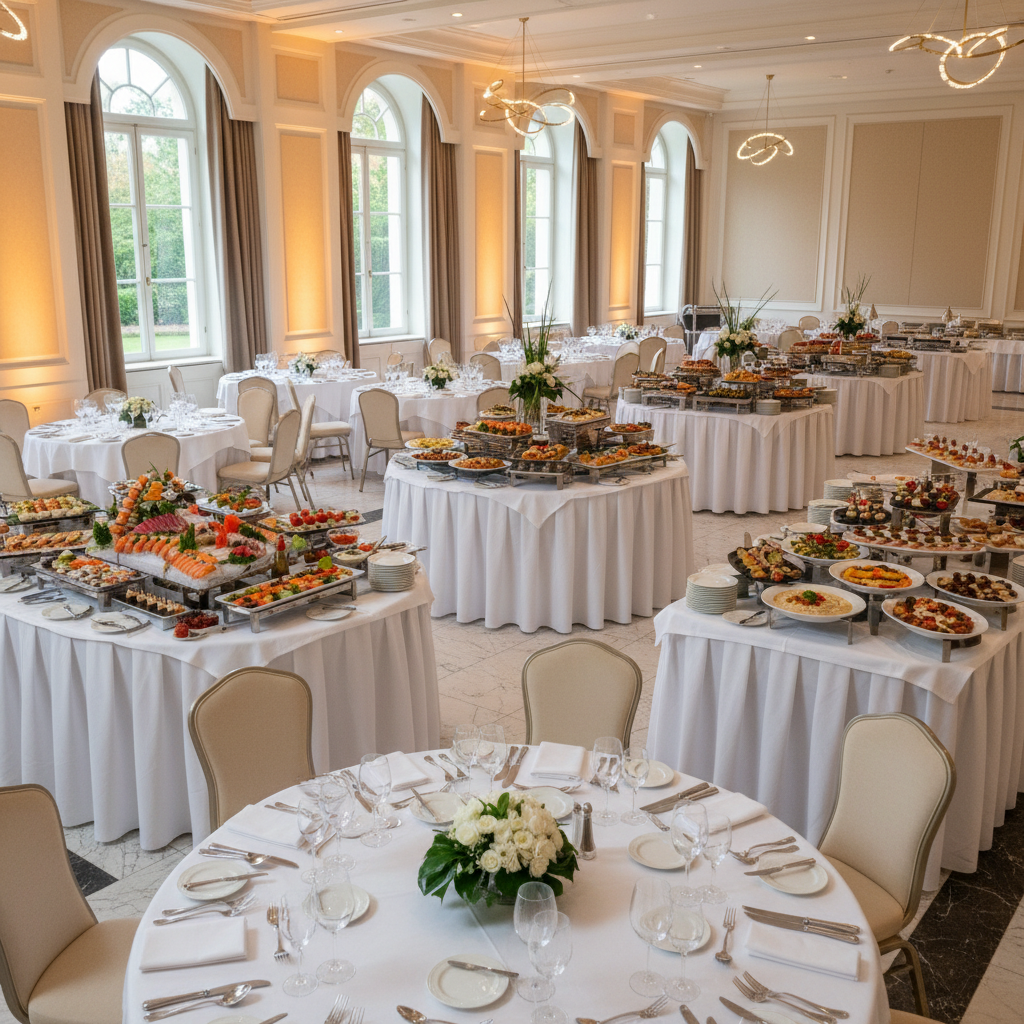
In-house catering in Mississauga is the complete, on-site food and beverage service managed by your venue’s culinary and operations teams. At 75 Derry Rd W, Mississauga Convention Centre coordinates menus, staffing, and service logistics under one roof. This integration improves guest experience, reduces vendor complexity, and keeps timelines tight for corporate and social events.
By Mississauga Convention Centre • Last updated: 2026-06-05
At a Glance
This guide explains what in-house catering is, why it matters in Mississauga, and how to plan menus that run on time for diverse audiences. You’ll get step-by-step workflows, menu styles, best practices, tools, and real examples tailored to meetings, weddings, galas, and school events at large-capacity venues.
- Clear definition and benefits of in-house catering at a full-service venue
- How menu choices sync with AV, staging, and a minute-by-minute program
- Multicultural cuisines: South Asian, Pakistani Halal, Middle Eastern, Sri Lankan, Caribbean, Continental
- Food safety, allergen labeling, and inclusive planning checklists
- Case studies from conferences, weddings, galas, and school celebrations
Contents
- What is in-house catering?
- Why it matters in Mississauga
- How in-house catering works (step-by-step)
- Menu styles and cuisines
- Best practices: timing, inclusivity, and safety
- Tools and resources you can use
- Case studies and real-world examples
- Local logistics and considerations
- In-house vs. outside caterers (comparison)
- Frequently Asked Questions
- Conclusion and next steps
Summary
In-house catering centralizes menu planning, kitchen production, and service staffing within your venue. You gain a single point of accountability, predictable timing from kitchen to table, and seamless integration with room setup, audiovisual, and program flow—ideal for corporate meetings, weddings, galas, and school formals across Mississauga and the GTA.
Mississauga Convention Centre (MCC) operates seven elegant halls of about 4,250 square feet each with total capacity for 2,200+ guests and approximately 700 on-site parking spots. Those numbers matter when you’re pacing 600 plated dinners, staging live awards, or orchestrating a foyer reception for 1,000 attendees without congestion.
What is in-house catering?
In-house catering is food and beverage service delivered by the venue’s own culinary, service, and operations teams. It bundles menu development, kitchen execution, and staffing into one coordinated workflow, simplifying planning and improving consistency for events ranging from board meetings to 1,000+ guest galas.
At MCC, in-house catering supports corporate events, social celebrations, and school formals with South Asian, Pakistani Halal, Middle Eastern, Sri Lankan, Caribbean, and Continental menus. Seven similarly sized halls (~4,250 sq ft each) and modern back-of-house flows keep service punctual, even with parallel breakouts and receptions.
- Scope: Menu consultations, tastings, kitchen production, buffet/plated service, staffing, rentals, and coordination with AV and staging.
- Scale: From intimate sessions to multi-hall conferences—total capacity over 2,200 guests with approximately 700 on-site parking spots.
- Consistency: One accountable team reduces handoffs and day-of surprises.
Here’s the thing: food service is only “invisible” when it’s perfectly timed. Centralizing menu creation, kitchen timing, and floor service under one roof helps ensure the entrée hits the table right after the keynote—every time.
Why in-house catering matters in Mississauga
In Mississauga’s Regional Municipality of Peel, diverse guest lists and busy travel logistics demand reliable service. In-house catering at 75 Derry Rd W unifies kitchen, service, and operations, minimizing vendor coordination while honoring cultural preferences and tight corporate schedules.
Corporate planners juggle speakers, agendas, and AV cues across spaces; families manage traditions and photo timelines; schools want safe, inclusive menus. With in-house culinary and service teams, MCC synchronizes courses to stage moments, first dances, or award segments, so events feel smooth—not rushed or delayed.
- Speed to table: Shorter kitchen-to-guest distance accelerates plated turns and buffet replenishment.
- Cultural alignment: Halal-forward frameworks and regionally inspired dishes respect traditions.
- Operational control: Built-in AV, lighting, and staging coordinate precise timing from one command post.
When tens of minutes matter, integrated teams shine. A 10-minute delay in a 600-person gala can ripple into speeches and valet lines; in-house catering keeps the timeline intact.
How in-house catering works (step-by-step)
The in-house catering workflow moves from discovery to tasting, menu finalization, production, and service. Clear milestones—dietary capture, run-of-show alignment, and staffing plans—keep food service synchronized with your event’s stage cues, speeches, and entertainment.
- Discovery call (Day 1–3): Event vision, audience profile, cultural preferences, dietary needs, and rough headcount.
- Proposal + sample menu (Week 1): Plated, buffet, family-style, or stations tailored to program flow.
- Tasting (Weeks 2–4): Validate flavors and presentation; document spice, heat, and portioning adjustments.
- Run-of-show sync (4–6 weeks out): Coordinate pacing with presentations, entrances, awards, or reveals.
- Final counts + seating (10–14 days out): Confirm layouts across seven halls and any outdoor patio needs.
- Production plan (7–10 days out): Kitchen prep, hot-hold logistics, allergen controls, and buffet map.
- Event service (Day-of): Service captain, server ratios, live stations, replenishment, and end-of-event wrap.
For multi-track conferences, MCC sequences coffee breaks, lunches, and receptions to avoid foyer congestion. For weddings and galas, the team times courses around entrances, toasts, and performances to maintain momentum without rushing rituals—especially important in programs with photo ops and multiple entertainment blocks.
Planning a corporate meal program? Explore our corporate catering menu options to align formats with your agenda length and speaker cadence.
Menu styles and cuisines
In-house catering at MCC supports plated, buffet, family-style, and action stations. Cuisines span South Asian, Pakistani Halal, Middle Eastern, Sri Lankan, Caribbean, and Continental—flexible enough for corporate palates and deeply traditional celebrations.
Service styles
- Plated: Predictable pacing for formal programs and seated galas; best for tight run-of-show control at 300–800 guests.
- Buffet: Efficient for large groups; supports diverse tastes and dietary labeling within one footprint.
- Family-style: Communal, celebratory feel; great for weddings and cultural gatherings across 10–12 guest tables.
- Stations: Interactive; chef-attended carving, chaat, or shawarma bars create movement and networking.
Signature directions
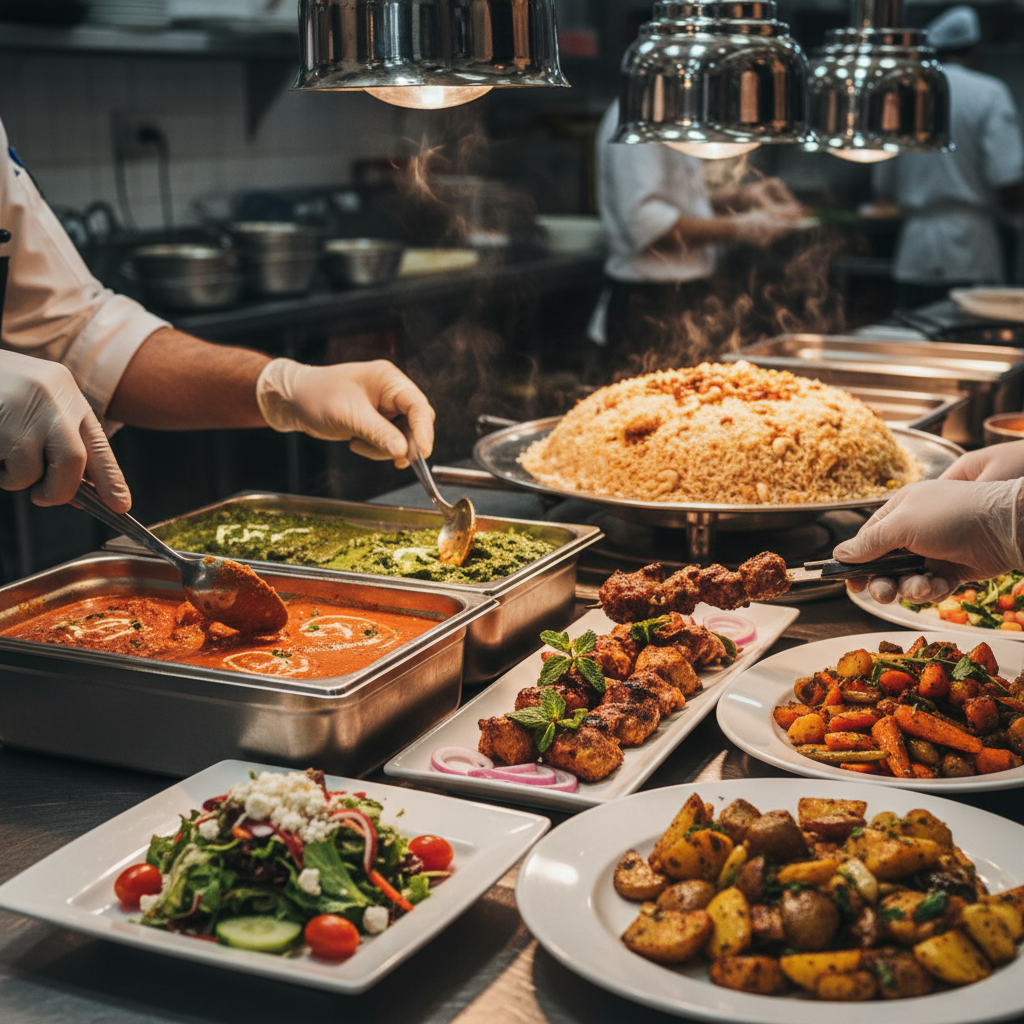
- South Asian: Biryani, butter chicken, daal, kebabs; vegetarian and Halal-friendly options.
- Pakistani Halal: Nihari, seekh kebab, haleem, chutneys, and raita pairings.
- Middle Eastern: Mezze, shawarma, kofta, pilaf, and grilled vegetables.
- Sri Lankan: Deviled dishes, hoppers, kottu, and coconut-based curries.
- Caribbean: Jerk chicken, rice and peas, curries, and tropical salads.
- Continental: Roasts, seasonal fish, risottos, and composed salads.
Hybrid menus work well for mixed-heritage weddings and corporate audiences. For example, pair a Continental starter with South Asian mains, or position a vegetarian-forward station beside seafood or grill-focused options for balance across 500+ guests.
Need ideas for multicultural receptions? See our primer on multicultural wedding catering and a flavor-forward look at Caribbean cuisine catering.
Best practices: timing, inclusivity, and safety
The best in-house catering balances pacing, inclusivity, and food safety. Lock menu choices early, label allergens clearly, and align course timing to your program. Maintain safe temperatures and cross-contact controls to protect guests and preserve food quality from kitchen to table.
Timing and flow
- Map each course to show cues (walk-ons, speeches, awards) to keep momentum.
- Use pre-set salads or desserts when agendas are packed into 90–120 minutes.
- For receptions, plan passed-canapé cycles in 10–12 minute waves to refresh variety and traffic.
Allergens and dietary needs
- Collect restrictions during registration or RSVP—well before final counts.
- Place clear labels at buffets; color-code back-of-house pans for allergen control.
- Offer at least one fully plant-based entrée and one gluten-aware option per menu cycle.
Food safety fundamentals
- Hot foods should be held at 140°F or above; cold foods at 40°F or below to avoid the temperature “danger zone.”
- Use separate utensils and dedicated prep zones to reduce cross-contact.
- Log hold times and temperatures for large buffets and action stations.
To compare Halal-forward menu planning approaches, review this external perspective on Halal catering menu planning. For additional wedding menu ideas, a specialty publisher’s overview of wedding catering planning can inspire tasting agendas and dessert selections.
Tools and resources you can use
Leverage planning tools that shorten decision cycles: virtual tours for space selection, sample menus for fast alignment, and annotated floor plans for buffet and station placement. These assets reduce friction, especially with remote stakeholders and multi-track agendas.
- Explore our venue overview to compare halls, foyers, and patio options in one place.
- Use a menu matrix to confirm vegetarian, Halal, and allergen-friendly coverage.
- Request a run-of-show template that includes course timing and AV cues.
- Share annotated floor plans with buffet flow arrows and station power needs.
Start with a high-level venue snapshot: plan events with ease. For culinary deep-dives, browse regional options like Sri Lankan cuisine or our broader corporate catering menu options.
Case studies and real-world examples
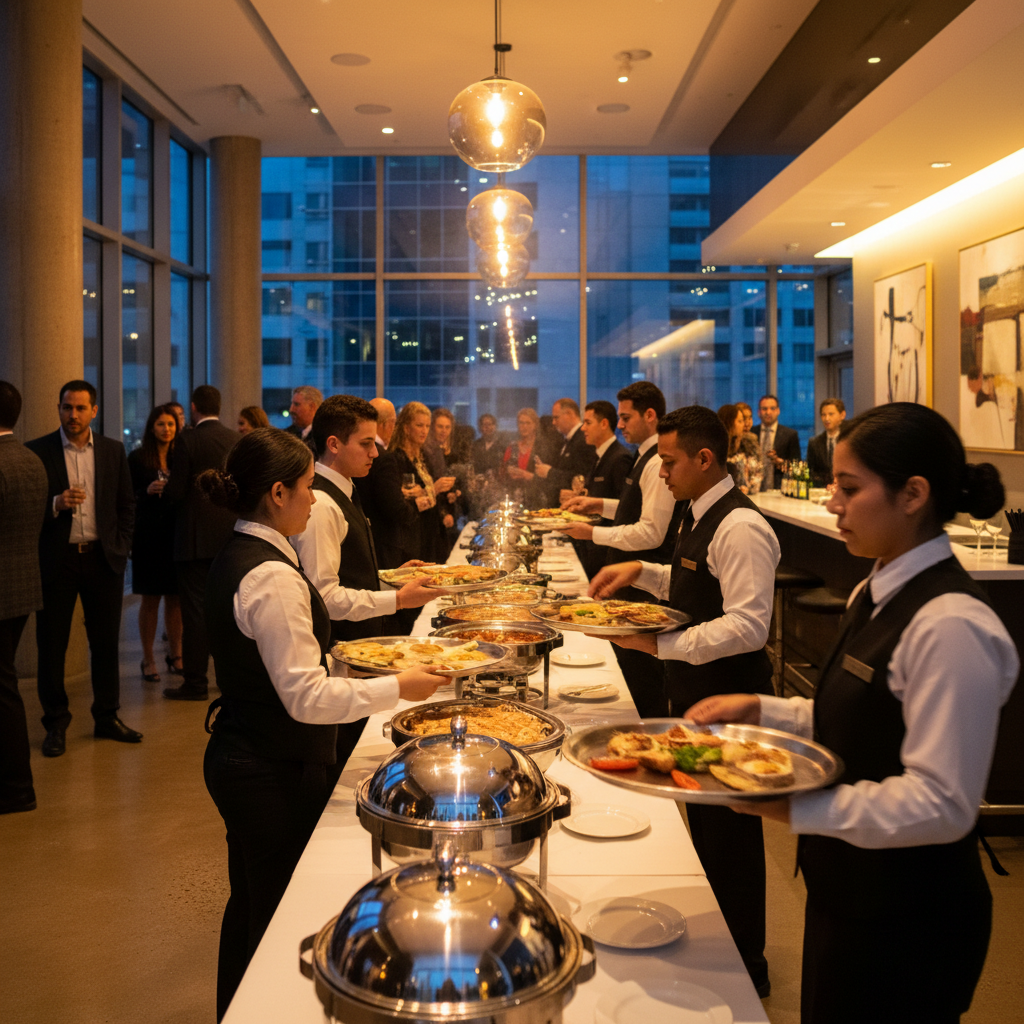
Well-planned in-house catering adapts to audience, program, and culture. These condensed case examples show how MCC integrates menus, timing, and service to elevate outcomes for corporate meetings, multicultural weddings, galas, and school events.
Quarterly sales summit (corporate)
- Format: Main plenary + three breakouts, exhibitor foyer, closing reception.
- Menu: Continental breakfast, hot buffet lunch with plant-forward mains, evening stations.
- Operations: Coffee breaks set at 90-minute intervals; signage guided 800+ attendees to stagger service lines.
- Outcome: Stations placed to encourage exhibitor traffic; sessions resumed on time.
South Asian wedding reception
- Format: 600 guests, staged entrances, dance performances.
- Menu: Appetizer pass, biryani and kebab buffet, dedicated vegetarian line, dessert table.
- Operations: Mirrored vegetarian lines doubled throughput; captains paced courses to performances.
- Outcome: Entrances and toasts landed on schedule; dessert opened alongside late-night dance set.
Black-tie gala
- Format: Seated plated dinner, awards program, live auction.
- Menu: Seasonal plated entrée, gluten-aware dessert; synchronized service by section.
- Operations: Pre-set starters shaved 8–10 minutes off first-course timing for 500+ guests.
- Outcome: Awards started precisely; auction paddles up with no service interruptions.
Prom and graduation celebration
- Format: Photo foyer, buffet dinner, late-night snack service.
- Menu: Crowd-pleasing mains with clear allergen labels; vegetarian and nut-aware desserts.
- Operations: Additional water stations and cold-hold monitoring supported a warm-weather celebration.
- Outcome: Smooth buffet flow; staff responses kept lines under five minutes at peak.
Looking for more culinary direction? Explore how we host large corporate programs in our corporate event venue overview.
Local logistics and considerations
For events at 75 Derry Rd W in Mississauga, timing around traffic and transit is essential. In-house teams can adjust course pacing to late arrivals, coordinate with on-site AV, and manage patio use in warmer months while keeping service punctual across multiple halls.
Local considerations for 75 Derry Rd W
- Leverage nearby transit: coordinate arrivals around the Hurontario St At Derry Rd bus stop for groups using public transport.
- Plan for seasonality: winter coats require extra foyer space; summer patio events need shaded water stations and cold-hold vigilance.
- Cultural timing: for religious observances, align prayer breaks and sunset meal timing; Mississauga’s Ram Mandir is a short drive for guests planning visits before or after events.
Because MCC sits minutes from major highways and Toronto Pearson International Airport, you can stagger registration by hall and still hold a single plated service time window—useful for multi-hall conferences and citywide events.
In-house vs. outside caterers (comparison)
In-house catering offers integrated logistics, predictable timing, and single-point accountability. Outside caterers may fit niche menus but add coordination overhead. For large or complex programs, in-house teams typically deliver more consistent pacing and guest experience.
| Factor | In-House Catering | Outside Caterer |
|---|---|---|
| Logistics | Built-in kitchens, staff, and AV coordination | External staffing, deliveries, and added coordination |
| Timing | Shorter kitchen-to-table distance; faster course turns | Longer handoffs; greater delay risk |
| Cuisine breadth | Broad menus; Halal-forward frameworks | May offer niche specialties |
| Accountability | Single point of contact | Split responsibilities across vendors |
| Scalability | Designed for parallel halls and large headcounts | Capacity varies by provider |
There are times an outside caterer is the right call—especially for one-off cultural specialties. The key is weighing complexity: if you’re servicing 800 guests across staggered agendas, integrated in-house teams usually deliver the most reliable sequencing.
Frequently Asked Questions
Most planners ask about dietary accommodations, tastings, staffing ratios, and how service synchronizes with AV and staging. These concise answers cover the essentials you need to decide and plan confidently.
What dietary needs can in-house catering accommodate?
Menus can include vegetarian, vegan, gluten-aware, nut-aware, and Halal-friendly options. Collect restrictions during registration or RSVP so the culinary team can plan substitutions, label buffets, and prepare dedicated plates where needed.
Do you offer tastings before we finalize the menu?
Yes. Tastings help confirm flavors, presentation, and portioning. They’re also the best time to calibrate spice levels, confirm allergen handling, and align service style—plated, buffet, family-style, or stations—with your run-of-show.
How does catering coordinate with AV and staging?
In-house teams schedule courses around microphone handoffs, award segments, and entertainment cues. With AV, lighting, and staging under one roof, service captains adjust pacing in real time to keep your program smooth.
Can you handle simultaneous events in multiple halls?
Yes. With seven similarly sized halls and robust back-of-house logistics, teams run parallel service windows while maintaining quality and timing. Buffets and plated service are mapped to traffic patterns to reduce congestion.
Conclusion and next steps
In-house catering centralizes planning, production, and service—ideal for complex agendas and multicultural guest lists. Choose service styles that fit your program, lock dietary needs early, and use visual tools to align teams. The result is punctual courses and memorable moments.
- Key takeaways: One team, faster pacing, consistent quality, and cultural flexibility.
- Action: Book a discovery call, request sample menus, and schedule a tasting.
- Next step: Align your run-of-show with course timing for a seamless experience.
Ready to start? Tell us about your agenda and guest profile, then explore multicultural menus or our corporate catering options to shape the tasting plan.