 20 September, 2026
Last updated: October 2026
By Preet Dass • Updated for current Mississauga event-planning requirements
What to look for in a charity fundraiser venue
A charity fundraiser venue is more than a room for dinner. It must support registration, donor hospitality, mission storytelling, sponsorship visibility, auctions or pledges, catering, technical production, and a smooth departure. Selecting those requirements before comparing prices helps a nonprofit avoid paying for space that does not support its revenue plan.
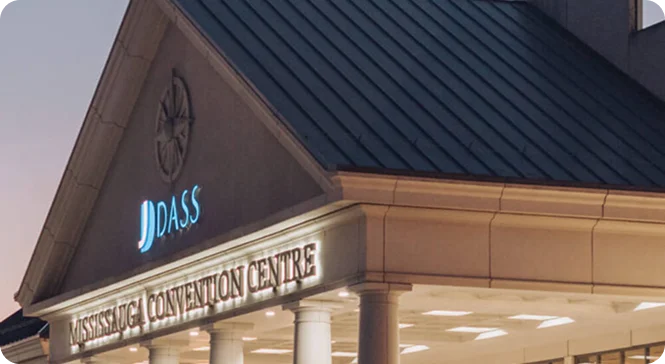
For a Mississauga event, the practical shortlist should include capacity, room flexibility, parking, highway and airport access, accessible routes, stage sightlines, sound coverage, catering options, load-in, and rehearsal time. Mississauga Convention Centre, at 75 Derry Road West, offers seven halls of approximately 4,250 square feet each, more than 2,200 total guest capacity, about 700 on-site parking spaces, in-house audiovisual and staging support, and menus including South Asian, Pakistani Halal, Middle Eastern, Sri Lankan, Caribbean, and Continental cuisines.
- Start with the event format: a gala, breakfast, auction, cultural dinner, and community fair need different layouts.
- Plan the donor journey: registration, reception, auction or exhibits, meal, appeal, and post-event interaction should connect naturally.
- Test operational details: sound, lighting, Wi-Fi, accessibility, service timing, parking, and loading matter as much as appearance.
- Confirm local obligations: Mississauga describes certain charity events, vendor activities, and public gatherings as special events that may require a licence or permit.
What is a charity fundraiser venue?
A charity fundraiser venue is an event space arranged to help a nonprofit host supporters and generate donations through activities such as ticket sales, sponsorships, auctions, raffles, pledges, or direct appeals. The venue should make the mission visible while giving guests enough comfort, access, and confidence to participate.
The right room supports both the emotional and operational sides of fundraising. A stage and screen can present an impact story; a quiet registration area can process guests efficiently; pre-function space can display auction items; and well-timed catering can prevent service interruptions during the appeal.
Core venue requirements
- Comfortable seating and clear sightlines for speeches, performances, videos, and awards.
- Registration space that does not block the entrance or create a queue beside the dining room.
- Pre-function areas for sponsors, exhibits, silent auctions, networking, and donor photography.
- Professional microphones, screens, lighting, staging, playback, and technical support.
- Menus that reflect dietary, religious, and cultural requirements without segregating guests.
- Accessible entrances, washrooms, routes, seating positions, and service arrangements.
Why the venue affects fundraising performance
Venue choice does not guarantee a fundraising result, but it can either remove or create barriers to participation. A confusing arrival, weak audio, poor visibility, or a congested auction area takes attention away from the cause. Conversely, a logical layout gives hosts more time to welcome supporters and keeps the program moving.
Think of the venue as part of the fundraising funnel. Guests must arrive, register, understand the mission, enjoy the experience, hear the ask, and know how to respond. Each stage benefits from a physical setting designed around the next action rather than a room selected only for its décor.
Questions that reveal hidden friction
- Can guests find registration immediately after parking?
- Can every table see and hear the speaker without excessive volume?
- Can auction guests browse without blocking dinner service or emergency routes?
- Can the caterer serve efficiently while the program remains on schedule?
- Can sponsors receive visibility without making the event feel commercial?
- Can guests with mobility, hearing, visual, dietary, or other access needs participate fully?
A venue tour should follow the same route as a guest: parking, entrance, registration, reception, auction, seating, washrooms, stage, and departure. That walk often identifies problems that a floor plan does not show.
Match the venue to the fundraising format
The phrase “charity fundraiser venue” covers several event models. Define the format before requesting a proposal because a room that works for a seated gala may be unsuitable for a breakfast briefing or a high-volume community event.
Gala dinner or benefit banquet
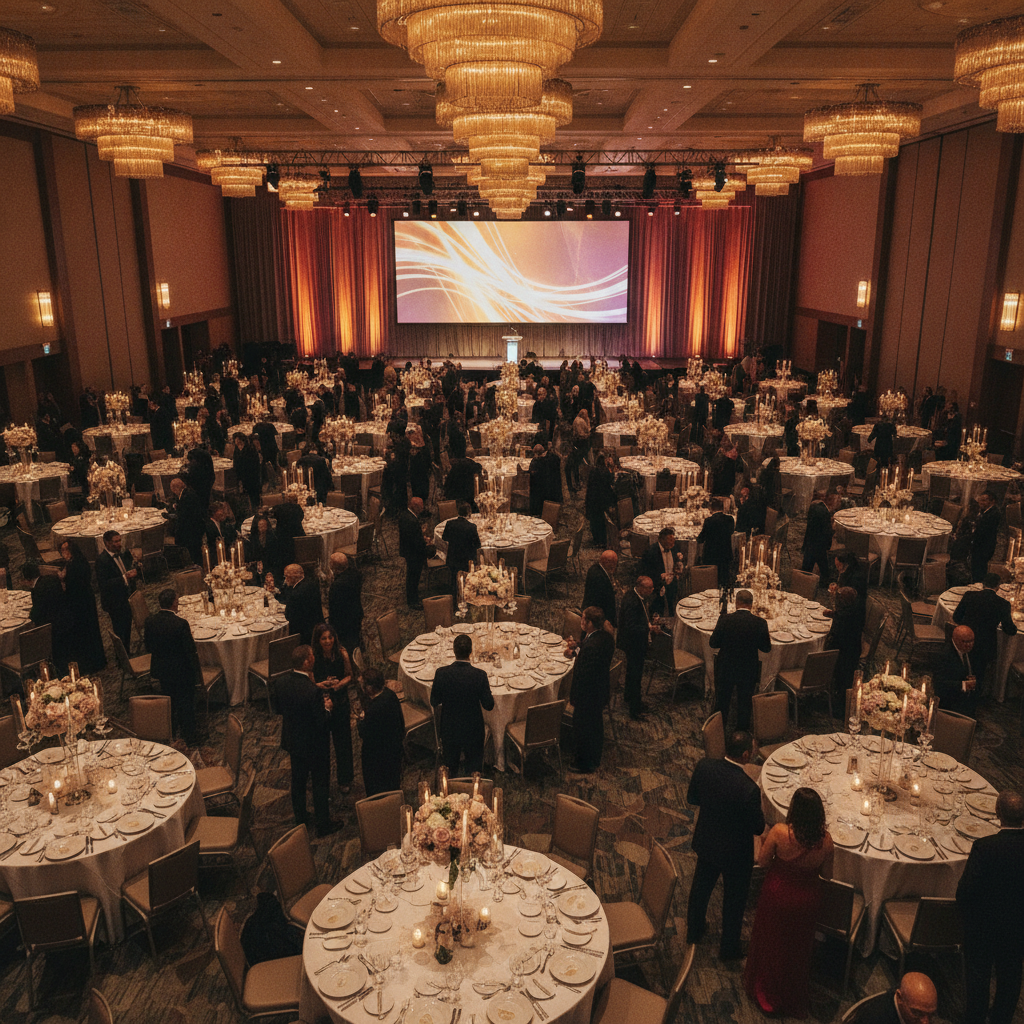
A gala usually needs banquet seating, a stage, strong speech audio, screens, controlled lighting, meal service, sponsor recognition, and rehearsal time. A modular venue can separate a reception from dinner or provide a distinct area for VIP hospitality, provided transitions are clearly managed.
Silent and live auction
Auctions require display space, lighting, bid instructions, traffic flow, and sufficient time before guests take their seats. Put high-value items where supporters naturally circulate, but keep aisles wide and avoid placing displays in front of exits, washrooms, or service routes. A live auction needs an unobstructed stage, a confident auctioneer microphone, and a team that can update bids without delaying the program.
Breakfast briefing or power lunch
Short daytime events depend on easy access, punctual registration, efficient food service, clear presentation screens, and concise remarks. Ask how quickly the venue can serve the meal and whether guests can leave without crossing the stage or interrupting the closing appeal.
Cultural or community dinner
Cultural fundraisers benefit from menus, music, décor, and program elements that respect the community being served. Confirm Pakistani Halal, South Asian, Middle Eastern, Sri Lankan, Caribbean, or Continental options early, including how dishes will be labelled and served. A flexible room also helps accommodate performances, exhibits, prayer or quiet areas where appropriate, and sponsor displays.
Community event with vendors
A public fundraiser with vendors, live elements, tents, or temporary structures has different planning needs from a private banquet. Confirm vendor placement, power, food-service responsibilities, crowd movement, parking, insurance requirements, and any City of Mississauga special-event or outdoor-event licence or permit obligations before promotion begins.
Venue options compared
Use this comparison as a starting point, not a substitute for a site visit. Actual capacity, inclusions, restrictions, and pricing depend on the event date, setup, menu, production requirements, and contract.
| Venue type | Strengths | Limitations to check | Best suited to |
|---|---|---|---|
| Convention or conference centre | Scale, flexible halls, professional production, structured load-in | May feel oversized if the layout is not right-sized | Galas, auctions, banquets, multi-room programs |
| Hotel ballroom | Guest rooms, banquet service, convenient packages | Shared corridors, parking terms, and hotel-menu constraints | Formal galas with out-of-town guests |
| Community centre | Familiar local setting and potentially simpler room hire | Outside vendors, basic AV, limited staging or parking | Smaller grassroots events |
| Restaurant buyout | Built-in food service and intimate atmosphere | Limited staging, seating, auction, and presentation space | Private donor dinners and small receptions |
| Outdoor or tented site | Flexible atmosphere and community-event potential | Weather, power, washrooms, permits, and complex logistics | Seasonal festivals and public fundraisers |
For a large Mississauga program, modular halls can be especially useful when the guest estimate is still developing. Separate spaces can support registration, reception, exhibits, dinner, performances, or a sponsor lounge without forcing every activity into one noisy room.
How to choose a charity fundraiser venue step by step
1. Define the fundraising model
Write down how the event will raise money: tickets, tables, sponsorships, auction purchases, pledges, donations, or a combination. Then list the moments that must happen in the room. This prevents a venue conversation from becoming a discussion about appearance alone.
2. Build realistic attendance scenarios
Prepare at least three scenarios, such as a conservative, expected, and ambitious count. Include guests, staff, volunteers, performers, vendors, sponsors, auction displays, staging, buffet or bar areas, and accessible seating. Ask whether the venue can change configuration without moving the event elsewhere.
3. Map the guest journey
Draw the route from parking or transit arrival through registration, welcome reception, auction, dinner, appeal, and departure. Mark queues, signage, coat storage, washrooms, sponsor activations, and any area that needs quiet. The map should show where guests pause and where they need to move quickly.
4. Test production before signing
Ask what microphones, screens, projectors, lighting, staging, playback, recording, livestreaming, and technical labour are included. Confirm who operates the equipment, when rehearsal is possible, what happens if a presenter changes slides, and whether the room has adequate power and sound coverage.
5. Confirm menu and service details
Request sample menus and identify Halal-friendly, vegetarian, allergy-aware, and culturally appropriate choices. Clarify tasting policies, service style, late dietary requests, children’s meals where relevant, bar arrangements, and the timing of courses around speeches and the appeal.
6. Review access and compliance
Ask about accessible entrances, washrooms, seating, elevators, parking, service animals, hearing support, and emergency procedures. If the event includes vendors, public attendance, outdoor components, or charitable proceeds, confirm whether a City of Mississauga special-event licence or other permit applies. The City’s guidance should be checked for the event’s exact circumstances.
7. Compare the full proposal
Do not compare room hire alone. Put rental, catering, AV, staging, décor, security, staffing, cleaning, taxes, service charges, overtime, cancellation terms, insurance, deposits, and vendor restrictions into one worksheet. The lowest initial quote may not be the lowest operational cost.
8. Secure the date and responsibilities
Before signing, identify the venue contact, nonprofit lead, production lead, caterer, auction manager, and day-of coordinator. Put access times, rehearsal windows, delivery rules, payment milestones, room changes, cancellation terms, and final guest-count deadlines in writing.
For a broader venue-selection framework, review this event venue selection guide and apply its general criteria to your fundraising activities.
How to evaluate value without inventing a budget
Venue pricing varies by date, guest count, menu, setup, production, and inclusions, so a responsible comparison should not rely on a generic per-person figure. Instead, calculate the total event cost and compare it with the revenue activities the space enables.
Separate fixed and variable costs
- Fixed costs: room hire, basic staffing, security, setup, and certain production charges.
- Variable costs: meals, beverages, rentals, guest count, staffing hours, and some technical requirements.
- Revenue-linked costs: auction software, payment processing, raffle support, staging for sponsors, or additional screens.
- Risk costs: weather backup, overtime, late changes, cancellation exposure, and outside-vendor coordination.
Ask for an itemized proposal and request the cost of realistic changes: adding 100 guests, changing from theatre to banquet seating, extending access for rehearsal, adding a second microphone, or separating reception and dinner. These answers show whether the venue can support growth without financial surprises.
A practical planning timeline
- Six to twelve months out: define the cause, audience, target, format, preferred dates, sponsorship inventory, and attendance scenarios.
- Four to six months out: confirm the venue, menu direction, room plan, production scope, auction strategy, and licence or permit questions.
- Two to three months out: finalize sponsors, speakers, entertainment, auction items, signage, registration, accessibility requests, and vendor details.
- Four to six weeks out: approve the run of show, floor plan, menu, scripts, slides, seating plan, bid process, and emergency contacts.
- Event week: confirm guest numbers, delivery times, dietary information, volunteer assignments, payment equipment, and technical files.
- After the event: reconcile donations, issue receipts where applicable, thank donors and sponsors, deliver benefits, and record lessons for the next fundraiser.
For gala-specific pacing and room ideas, see the gala venue planning guide. The same principles apply to nonprofit events, but the mission story and donor response must remain central.
Best practices for raising more with less stress
Strong fundraising programs are usually disciplined rather than overloaded. Give guests a clear welcome, one or two memorable impact stories, a direct ask, and simple ways to respond. Every additional speech, performance, or transition should earn its place by strengthening the mission or donor experience.
- Open registration early enough to absorb arrivals without delaying dinner.
- Use a visible welcome point and consistent signage from parking to the main room.
- Place auction displays along natural guest routes, not in narrow doorways.
- Keep sponsor recognition specific and concise so it supports rather than interrupts the appeal.
- Rehearse every microphone, video, walk-on, lighting cue, and presenter handoff.
- Serve food around the program rather than speaking over active meal service.
- Give volunteers written assignments, escalation contacts, and a short venue orientation.
- Send receipts and thank-you messages promptly while the event is still fresh.

Planning a fundraiser in Mississauga
Mississauga attracts guests from across the GTA, so arrival convenience can influence attendance and punctuality. A venue near major highways and Toronto Pearson International Airport can be practical for regional and out-of-town supporters. At 75 Derry Road West, Mississauga Convention Centre offers approximately 700 on-site parking spaces and seven halls that can be arranged for different event flows.
Plan for the local audience without mechanically adding neighbourhood names. Confirm the best arrival directions in your invitation, allow extra time during peak travel periods, and provide clear instructions for accessible drop-off. For winter events, review covered routes, entrance conditions, snow or ice procedures, and how far guests must walk from parking.
Licensing and public-event questions
The City of Mississauga states that a special-event licence may be required for certain events held on private or public property, including events involving vendors or proceeds donated to charity. Outdoor community events with stages, sound systems, food or merchandise vendors, tents, temporary structures, or parking-lot use may involve a separate permit process. Ask the venue and the City which requirements apply to your exact format before announcing the event.
For general Mississauga venue planning, use the Mississauga event venue guide. It can help with broad logistics while this article focuses on donor engagement and fundraising operations.
Site-visit checklist
Take this checklist to every tour and record the answer rather than relying on memory:
- Where do cars, rideshares, buses, and accessible drop-offs arrive?
- Is registration visible, staffed, and large enough for the expected queue?
- Can all guests see the stage and hear speeches from every table?
- Where will auction items, sponsor exhibits, coat storage, and photography go?
- What are the loading doors, delivery hours, storage areas, and teardown rules?
- Which AV equipment and technicians are included, and what costs extra?
- When can the nonprofit rehearse, test videos, and brief volunteers?
- How will dietary requests be identified and served?
- Are entrances, washrooms, seating, and emergency routes accessible?
- What staffing, security, insurance, permit, and vendor requirements apply?
For corporate-style logistics that also transfer well to nonprofit events, consult the Mississauga corporate event venue guide.
When a full-service venue is the better choice
A full-service venue can reduce the number of separate suppliers a nonprofit must coordinate. In-house audiovisual support, staging, lighting, catering, room resets, and event staff create one operational chain, which is valuable when the event includes multiple speakers, performances, sponsor moments, or timed donor appeals.
This does not mean every fundraiser needs the largest package. A small donor dinner may be better served by a focused private-dining setup, while a gala may benefit from multiple halls and dedicated production support. Compare the venue’s service model with your team’s capacity, not with another organization’s event.
For intimate formats, review the private dining venue guide. For networking-led receptions, the networking event venue guide offers useful flow ideas for donor mingling.
Catering and inclusion
Food is part of the donor experience and should be planned before invitations are written. State available menu categories accurately, ask about allergies and religious requirements, and decide whether guests choose meals in advance or receive a shared or buffet service. Clear information reduces uncertainty and helps the venue prepare safely.
Mississauga Convention Centre’s confirmed catering range includes South Asian, Pakistani Halal, Middle Eastern, Sri Lankan, Caribbean, and Continental cuisines. Ask how dishes are labelled, how cross-contact is managed, how late requests are handled, and how meal service will fit around speeches and entertainment.
For cultural programming and community gatherings, see the cultural celebration venue guide. Its planning principles can support a fundraiser when cultural identity is part of the mission.
Registration, auctions, and room flow
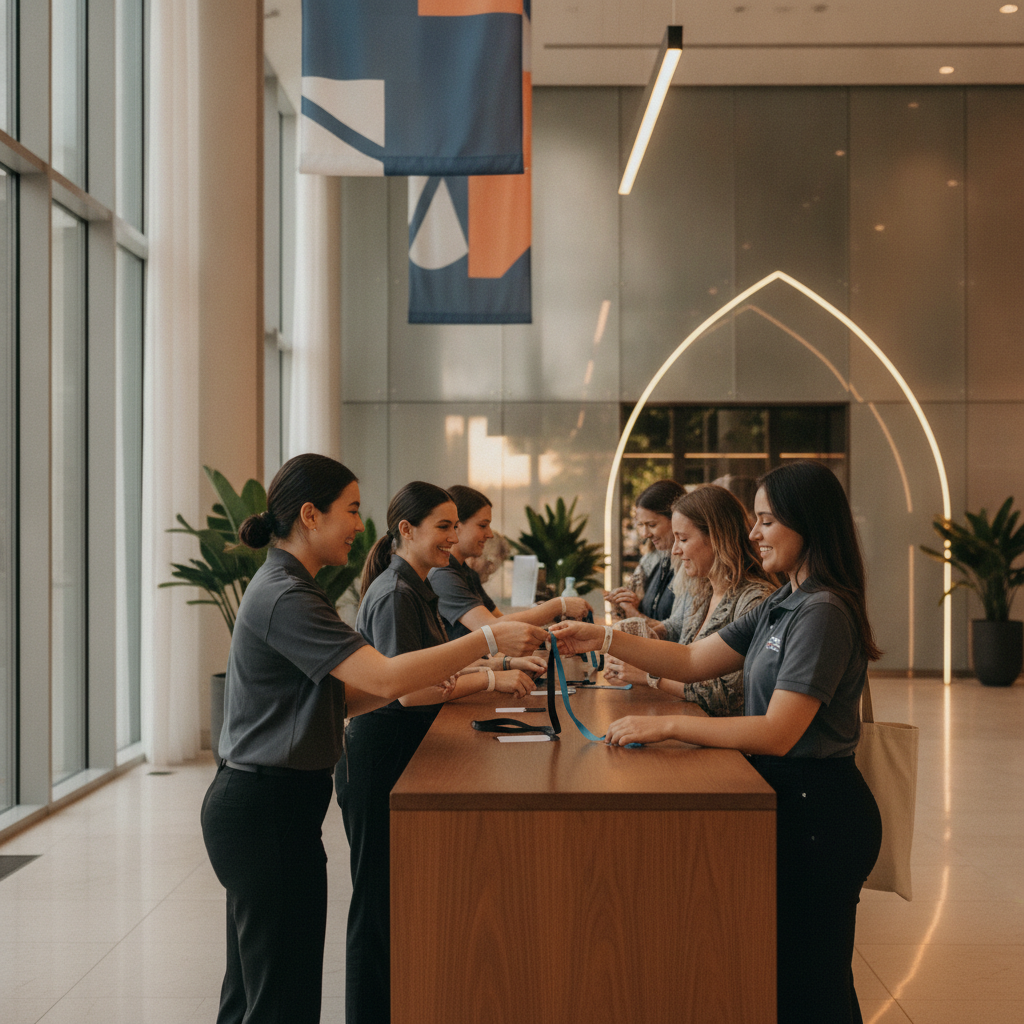
Registration should be close enough to the entrance to be found immediately, but not so close that arriving guests block people already inside. Use separate lines or stations for check-in, payments, seating questions, auction instructions, and accessibility support when attendance warrants it.
Auction displays should be visible during the reception and easy to revisit before the appeal. Use consistent lot numbers, readable descriptions, bid instructions, and sufficient lighting. If mobile bidding is used, test connectivity in every display area and provide help for guests who prefer assistance.
For venue ideas involving more formal reception layouts, the wedding venue overview can provide transferable room-flow considerations, but fundraising needs such as registration, pledges, and auction access must remain the priority.
Frequently asked questions
What capacity should a charity gala venue have?
Choose capacity based on the complete floor plan, not the room’s maximum standing count. Include banquet tables, stage, dance or performance space, auction displays, registration, sponsor areas, service stations, accessible seating, and circulation. Ask for conservative, expected, and ambitious layouts so attendance changes do not force a venue change.
What should a nonprofit ask about audiovisual support?
Ask which microphones, screens, projectors, lighting, playback systems, staging, operators, recording, and rehearsal hours are included. Confirm who handles presentations and last-minute changes, where speakers stand, whether every table has clear sightlines, and how technical problems are escalated during the event.
Does a fundraiser in Mississauga need a special-event licence?
It may, depending on the event format and activities. City guidance indicates that certain events involving vendors or charitable proceeds can require a special-event licence, while outdoor events with stages, vendors, tents, temporary structures, or parking use may involve additional permits. Confirm the requirements for your specific event with the City and venue before promotion.
How can a venue support multicultural fundraising guests?
Choose menus that reflect the audience, communicate options early, label dishes clearly, and confirm how dietary and religious requirements will be handled. Also review accessible routes, seating, sound, registration assistance, and program timing so inclusion is built into the complete experience rather than treated as a last-minute adjustment.
Plan the venue around the donor journey
A successful charity fundraiser venue supports the entire path from arrival to thank-you. In Mississauga, compare flexible space, parking, access, technical production, inclusive catering, licensing responsibilities, and the true all-in cost before committing. Then rehearse the program, simplify the guest experience, and keep the appeal focused on the change donors make possible.
Plan your Mississauga fundraiser
Arrange a guided venue tour with Mississauga Convention Centre to review room layouts, audiovisual support, catering options, parking, and the guest journey for your charity event.