 20 September, 2026
Last updated: October 2026
A private dining venue can be a restaurant room, banquet hall, or dedicated event space reserved for one group. Unlike booking several tables in a public dining room, a private setting gives the host more control over arrival, seating, service timing, sound, lighting, speeches, and guest flow.
For groups planning an event venue in Mississauga, Mississauga Convention Centre offers seven halls of approximately 4,250 square feet each, more than 2,200 total guest capacity across the venue, approximately 700 on-site parking spaces, in-house catering, and professional audiovisual, lighting, staging, and technical support. The Centre is at 75 Derry Road West, near major highways and Toronto Pearson International Airport.
This guide explains how to evaluate a private dining venue, plan the room and menu, reduce day-of risks, and choose a format that suits corporate dinners, school banquets, cultural celebrations, weddings, and milestone events.
By Preet Dass, Mississauga Convention Centre
Private dining venue planning at a glance
Start with the purpose of the event, not the room. A leadership dinner, awards banquet, family celebration, and welcome dinner may all involve food, but they need different seating, service, sound, lighting, and guest-flow decisions.
- Define the experience: Decide whether the priority is conversation, recognition, networking, entertainment, or a combination.
- Confirm the real guest count: Include speakers, children, vendors, accessibility requirements, and likely RSVP changes.
- Choose the service style: Plated service supports a controlled program; buffets and stations can encourage movement and flexibility.
- Plan production early: Microphones, screens, stage positions, lighting, playback, and presentation files affect the room layout.
- Coordinate one timeline: Catering, AV, registration, photographs, speeches, and room access should appear on the same run of show.
What is a private dining venue?
A private dining venue is a space reserved for an invitation-only meal or event. It may be an intimate private room for a small dinner or a ballroom configured for a large banquet. The defining feature is control: the host and venue team can shape the environment around one group instead of sharing the room with unrelated diners.
Private dining is useful when the occasion includes more than eating. Speeches, awards, cultural performances, family rituals, sponsor recognition, presentations, or formal photography all benefit from predictable acoustics, clear sightlines, and a coordinated schedule.
What a well-planned private setting should provide
- Privacy and focus: Guests can talk, listen, and celebrate without unrelated activity nearby.
- Flexible room design: Tables, a dance or performance area, stage, registration point, and photo location can be planned together.
- Menu coordination: The venue can gather dietary information and coordinate service for the whole group.
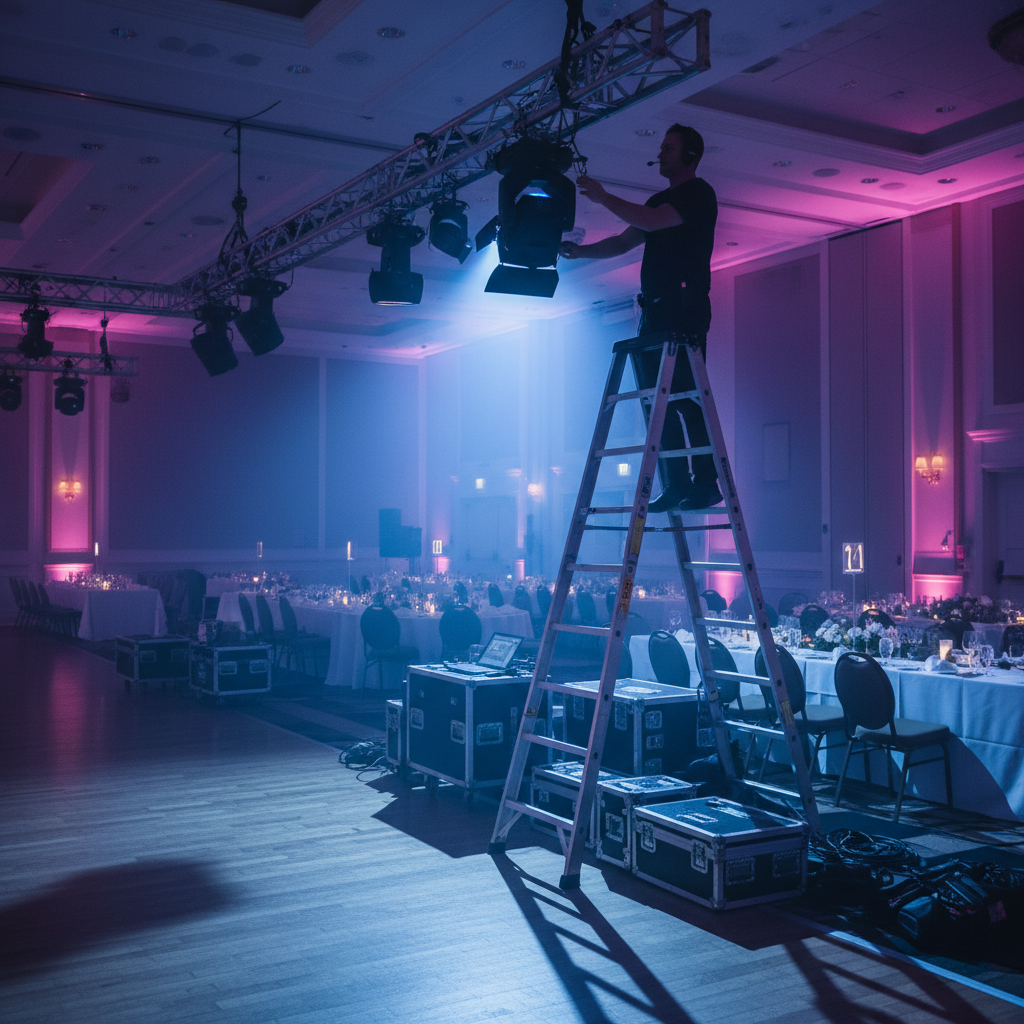
- Production support: Microphones, screens, lighting, staging, and playback can be tested before guests arrive.
- Operational support: A single venue team can coordinate room access, service timing, setup, and transitions.
At Mississauga Convention Centre, in-house catering includes South Asian, Pakistani Halal, Middle Eastern, Sri Lankan, Caribbean, and Continental cuisines. That range can help hosts plan one event for guests with different cultural and dietary preferences, subject to menu confirmation with the venue.
Why choose private dining for an event?
Private dining matters because the meal and the program compete for attention in many events. A public restaurant can work well for an informal gathering, but a private venue is usually better when timing, privacy, presentation quality, or cultural details are important.
Better control over the guest experience
A private room lets the host decide when doors open, where guests register, how speakers enter, when courses are served, and where photographs happen. That control helps protect a toast, award presentation, or performance from interruptions.
More reliable transitions
When catering and production teams work from one run of show, service can be paced around speeches and presentations. For example, a host can schedule a welcome before the first course, a short recognition segment between courses, and networking after dinner rather than trying to pause a busy public service.
More inclusive planning
Private dining makes it easier to identify Halal, vegetarian, vegan, allergy-related, and other meal requirements during RSVP collection. Hosts should still confirm preparation, labeling, and service procedures directly with the venue rather than assuming that a menu description covers every dietary concern.
Less vendor coordination
A venue with in-house food service and AV can reduce the number of separate handoffs. This does not remove the need for planning, but it gives the host one operating conversation about access, timing, equipment, seating, and changes.
How to plan a private dining venue
The most efficient planning process moves from purpose to constraints, then from constraints to the detailed event plan. Do not select a menu or floor plan before confirming the program and guest count.
1. Define the event purpose and atmosphere
Write one sentence describing the desired outcome: build relationships, recognize achievement, welcome wedding guests, celebrate a milestone, or create a relaxed family meal. Then describe the mood in practical terms such as intimate, formal, energetic, cultural, presentation-led, or conversation-focused.
2. Confirm guest numbers and room requirements
Separate the expected invited count from the guaranteed attendance count. Ask how many guests need accessible routes, how many children may attend, whether a stage or dance area is required, and whether performers, photographers, or vendors need holding space.
3. Select the service style
Plated service gives the host a predictable pace and keeps guests seated. Buffets can offer variety and accommodate different preferences, while family-style service encourages conversation. Stations create movement and visual interest but require enough circulation space and clear signage.
4. Build the AV and production plan
List every production element: podium, handheld or lapel microphones, speakers, screens, confidence monitors, presentation playback, walk-in music, stage lighting, and photography positions. Send presentation files and music requirements early, then schedule a sound and screen check before doors open.
5. Create the run of show
Include room access, supplier arrival, registration, guest seating, welcome remarks, each course, speeches, awards, performances, photographs, dessert, closing remarks, and departure. Assign an owner to each transition so the host is not trying to direct catering, AV, and speakers at the same time.
6. Finalize seating and dietary information
A seating matrix should include table numbers, guest names, VIP notes, accessibility considerations, and meal requirements. Use a consistent system for updates and give the final approved version to the venue team before service planning is locked.
Local logistics at 75 Derry Road West
Arrival planning is part of the private dining experience. Mississauga Convention Centre is minutes from major highways and Toronto Pearson International Airport, which can help groups bringing guests from across the GTA or from out of town. Share the venue address, preferred entrance, parking instructions, and event start time in advance.
Approximately 700 on-site parking spaces can simplify arrival for guests who drive, but a large event still benefits from clear signage and a designated welcome point. In colder weather, allow additional time for coats, winter footwear, and slower arrivals. Confirm public transit and rideshare instructions against current conditions before sending final guest communications.
Private dining formats for different events
Corporate and association dinners
Executive dinners usually need comfortable conversation, discreet AV, and short remarks. A board or client dinner may work best with a plated menu, low visual obstruction, and a small screen or microphone only when required. Awards banquets need stronger production planning, including stage sightlines, walk-up music, award handling, and photography timing.
For larger business programs, the corporate event venue planning guide provides related information about meeting and event configurations.
School and university events
Graduations, proms, faculty dinners, and alumni events often combine a meal with recognition. A buffet may help move a large student group efficiently, while a podium, confidence monitor, and carefully rehearsed walk-up process can keep awards on schedule. Plan chaperone areas, registration, photography, and accessible circulation before choosing the final layout.
Weddings and cultural celebrations
Welcome dinners, rehearsal meals, family celebrations, and performance-led evenings need room for conversation as well as movement. Confirm whether the event includes a dance floor, live or recorded music, outfit changes, ceremonial elements, a sweetheart table, or a separate family seating plan.
Hosts planning a broader wedding program can review the Mississauga wedding venue rental guide for related planning considerations.
Birthdays, anniversaries, and community celebrations
Social events can be more flexible, but they still benefit from a clear arrival plan and a realistic schedule. Memory displays, photo areas, dessert stations, cultural performances, and short speeches should be positioned so they add energy without blocking service or creating congestion.
Best practices for a smooth private dinner
Design the room around sightlines
Guests should be able to see the speaker, stage, screens, and important ceremonial moments without turning away from the table. Keep tall decor away from key sightlines and confirm where cameras, service stations, and technical equipment will sit.
Protect service timing
Speeches that run long can affect every later course and transition. Set speaking limits, provide a visible cue for presenters, and tell the venue team when the program may pause service. For a two-and-a-half-hour dinner, two short program blocks are often easier to manage than one long interruption.
Make dietary information operational
Collect requirements during the RSVP process rather than on arrival. Use meal tags or a seating matrix, identify allergies separately from preferences, and confirm how servers will identify the correct guest without embarrassing them.
Prepare technical backups
Bring printed remarks and presentation backups, confirm compatible connections, and keep music files available in the format requested by the AV team. Test microphones at the actual speaking positions, not only at the control table.
Give guests simple wayfinding
Tell guests where to park, which entrance to use, where registration is located, and whether coats or gifts have a designated area. Clear instructions reduce late arrivals and keep the host from becoming the event’s wayfinding desk.
Private dining formats compared
| Event format | Primary objective | Useful service style | Production priorities |
|---|---|---|---|
| Executive dinner | Conversation and relationship-building | Plated | Comfortable seating, clear sound, discreet screens |
| Awards banquet | Recognition and formal presentation | Plated or buffet | Stage, podium microphone, walk-up music, sightlines |
| Welcome dinner | Social connection and celebration | Buffet or family-style | Open circulation, music, lighting, performance space |
| School banquet | Efficient service and group recognition | Buffet | Podium, screen, chaperone plan, organized awards |
Questions to ask before booking
A venue visit or planning call should answer practical questions, not only establish whether the room looks attractive. Ask which halls suit the expected count, what room layouts are available, how food service is timed, and when the final guaranteed count is due.
- What private rooms or halls are available for the preferred date?
- Which cuisines and dietary accommodations can the in-house catering team provide?
- What AV, lighting, staging, and technical support are included or available?
- When can the host, speakers, decorators, and photographers access the room?
- Where will registration, coat check, gifts, performers, and photographs be located?
- How are parking, accessibility, arrivals, and late guests handled?
- What deadlines apply to menu selections, guest guarantees, seating, and presentation files?
For broader social-event layout ideas, see the social event venue guide for Mississauga.
Three planning examples
Executive dinner for 48 guests
A relationship-focused dinner could use a plated menu, a short welcome, two brief speaking moments, and discreet AV. The room should prioritize conversation, with the most important guests distributed thoughtfully rather than isolated at one table. A reception before dinner gives guests time to arrive without delaying the first course.
Welcome celebration for 220 guests
A performance-led welcome dinner needs open floor space, a service plan that avoids crossing the performance area, and lighting cues that can change with the program. Buffet or family-style service may suit a social atmosphere, but stations need enough circulation space to prevent queues from blocking tables or photographs.
School awards banquet for 360 guests
A large school dinner benefits from a rehearsed certificate sequence, organized walk-up routes, a podium microphone, and a screen or confidence monitor. Dividing recognition into manageable blocks can preserve attention. A separate photo or selfie location can reduce congestion near the stage and keep the main program moving.
Frequently Asked Questions
What is the difference between a private dining venue and a restaurant back room?
A private dining venue is planned around exclusive use, event flow, and coordinated service rather than simply separating a group from the rest of a restaurant. It may offer more room for stages, screens, performances, registration, and structured timing. A restaurant private room can still be an excellent choice for a smaller, conversation-led meal.
How far in advance should I book a private dining venue?
Book as early as practical when the event requires a particular date, hall, menu, or production setup, especially for popular weekends and peak seasons. A flexible weekday may provide more options. Share the draft guest count and program early, then confirm final numbers and menu details according to the venue’s deadlines.
Can a private dining venue support Halal and mixed dietary requirements?
It can, provided the venue confirms the menu and preparation arrangements for the specific event. Mississauga Convention Centre offers Pakistani Halal and other regional cuisines alongside vegetarian and other dietary options. Collect requirements during RSVP and confirm allergy procedures directly with the catering team.
What AV is needed for a 150-person awards dinner?
At minimum, plan for a clear podium or handheld microphone, suitable room audio, stage lighting, and a way for guests to see presentation content. A confidence monitor can help presenters, while side screens may improve visibility in a wide room. Test the full system with the actual presentation files and walk-up music before guests arrive.
Choose a private dining venue with the whole event in mind
The strongest private dining plans connect the room, menu, guest journey, and program before invitations are finalized. Start with the purpose and guest count, confirm the service style, map AV and seating, and build one shared run of show for the venue team and event stakeholders.
For groups comparing options, the Mississauga Convention Centre overview explains the venue’s halls, capacity, location, parking, catering, and event services. When you are ready to discuss a date, room, menu, and AV plan, contact Mississauga Convention Centre to begin a venue conversation.