

 20 September, 2026
 An event coordination timeline template is a structured schedule that maps every task, owner, and deadline from first inquiry to post-event wrap-up. It helps planners in Mississauga align vendors, AV, catering, and décor so nothing slips. Use it to sequence milestones by month, week, and day—then track progress in one place.
By Preet Dass • Last updated: 2026-04-22
Overview
This guide shows you how to build an event coordination timeline template that actually keeps people on schedule. You’ll see a 12‑month roadmap, a ready-to-copy process table, seven proven tactics, and real examples from Mississauga Convention Centre so you can plan with confidence and execute without surprises.
At Mississauga Convention Centre, we host corporate meetings, conferences, trade shows, proms, graduations, weddings, receptions, and galas across the GTA. Our in-house AV, lighting, staging, and multicultural catering make coordinated timelines essential. Below you’ll find the exact structure we coach planners to use.
What is an event coordination timeline template?
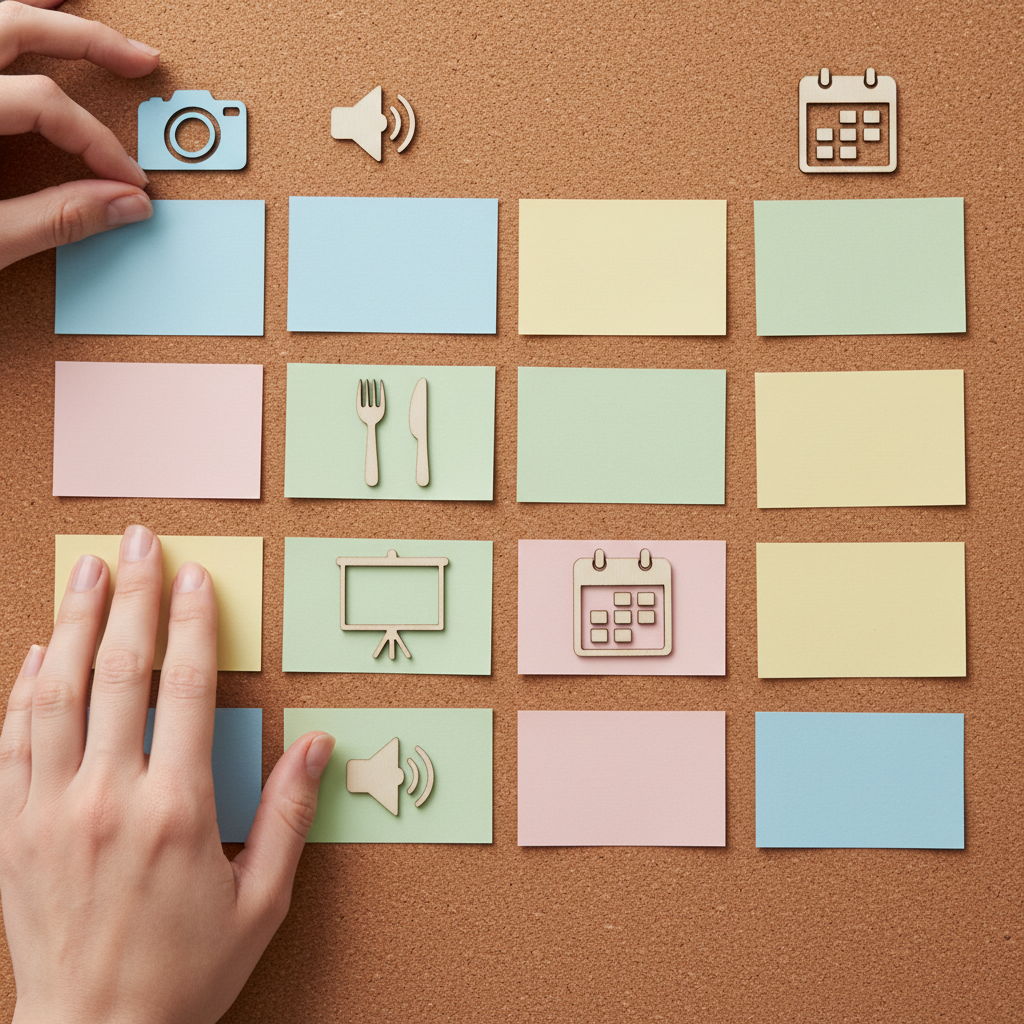
An event coordination timeline template is a reusable scheduling framework that sequences all milestones—venue booking, vendor confirmation, AV checks, menu approvals, décor, rehearsals, and show flow—into time blocks with owners and due dates. It centralizes who does what, by when, and how success will be verified.
Think of it as your planning “single source of truth.” It replaces scattered notes with one consistent structure for corporate events, trade shows, weddings, or school formals. Our teams use it to align seven elegant halls, 700 on-site parking spaces, and multicultural menus without cross-wires.
- Scope: Captures goals, audience, and must-haves (e.g., halal menu, staging, outdoor patio ceremony).
- Milestones: From 12 months out to a post-event debrief.
- Roles: Assign owners for AV, catering, décor, registration, stage management, and hospitality.
- Dependencies: Locks critical paths (e.g., floor plan before seating chart; speaker bios before program).
- Checklists: Turn each milestone into bite-sized, trackable tasks.
Because the template is standardized, you can scale it up for 2,200 guests or pare it down for a board retreat. It prevents last-minute scrambles and keeps communications clean.
Why event timelines matter for Mississauga planners
Event timelines turn complex logistics into predictable routines. They reduce vendor delays, prevent AV conflicts, and ensure catering, staging, and arrivals happen in sync. For GTA planners coordinating travel and traffic, a clear timeline is the difference between stress and a smooth event-day run.
Our location in Mississauga serves regional and international attendees, which means timelines must account for flights, rush-hour arrivals, and venue access patterns. A timeline stabilizes all of that. It also clarifies exactly when our in-house AV team loads in, when menu tastings happen, and when final walkthroughs occur.
- Guest flow: Staggered registrations reduce bottlenecks at peak times.
- AV readiness: Defined tech checks avoid rehearsal overruns.
- Catering pacing: Menu approvals and headcount locks keep service on tempo.
- Coordinated arrivals: Clear bus/ride-hail windows smooth curbside flow.
Local considerations for Mississauga planners
- Pad tech checks for presenters flying into Toronto Pearson to buffer possible flight delays.
- Aim deliveries and vendor load-ins outside commuter peaks to protect your run of show.
- During winter months, add entryway and coat-check staffing so registration stays swift.
These adjustments look small, but they compound. When travel, AV, and catering are synchronized, your timeline becomes the calm center of the day.
How the timeline works: from 12 months out to showtime
Build timelines in phases: discovery, booking, design, confirmations, rehearsals, and execution. Set milestone dates backward from showtime, assign owners, and document dependencies. Then use a one-page run of show for event day so every cue, handoff, and contact is crystal clear.
Below is a process table you can copy. It reflects how our team coordinates corporate conferences, trade shows, weddings, and school events across seven modular halls.
| Phase | Window | Milestones & Owners | Verification |
|---|---|---|---|
| Discovery | 12–9 months | Goals brief; tentative headcount; date hold; hall fit; AV & catering scope; halal/vegetarian needs; patio option. | Signed inquiry summary; provisional hold in calendar. |
| Booking | 9–6 months | Finalize hall(s); deposit & agreement; draft floor plan; menu shortlist; staging approach; keynote invites. | Confirmed reservation; initial floor plan approved. |
| Design | 6–3 months | AV plot; lighting looks; décor mood board; registration flow; security plan; sponsor/exhibitor pack (if any). | Design sign-off; vendor list locked. |
| Confirmations | 3–1 month | Menu tasting & selection; final headcount ranges; session schedule; vendor COIs; signage plan; accessibility setup. | Consolidated production schedule; menus confirmed. |
| Rehearsals | 2–1 week | Tech runs; MC/script lock; print materials; seating chart; exhibitor move-in plan; student chaperone brief (if school event). | Run of show v1; contact list published. |
| Showtime | Event day | Load-in; mic checks; registration open; service cues; stage cues; photo ops; load-out & strike; post-event sweep. | Show report; debrief notes; thank-you messages queued. |
Keep the table on a single page so staff can reference it at a glance. For deeper scheduling, mirror it in your project tool and add subtasks as needed.
The 7 smart ways to keep every task on time
Use seven tactics that work under pressure: lock milestones in sprints, define owners, timebox rehearsals, stage-buffer load-ins, publish a one-page run of show, set decision deadlines, and hold a day-before huddle. These habits eliminate drift and create visible accountability.
- Sprint your milestones. Group tasks into two-week sprints. At MCC, we align décor proofs, AV plots, and menu locks in tight cycles so dependencies finish together.
- Give every task an owner. Avoid “committee time.” One person signs off on staging, another on signage, another on registration ops.
- Timebox rehearsals. Cap tech runs (for example, 10 minutes per speaker, plus transition). It keeps energy high and uncovers issues early.
- Stage-buffer all load-ins. Stagger vendor arrivals. Caterers, AV, décor, then exhibitors. Clear bays and avoid hallway gridlock.
- Publish a one-page run of show. Room names, time stamps, cue owners, and on-call numbers. Everyone has the same reference.
- Set hard decision deadlines. Menu choices, lighting looks, and signage proofs all need dates. Without them, timelines slip silently.
- Hold a day-before huddle. Walk the space, rehearse transitions, and confirm contacts. It calms nerves and tightens execution.
These seven moves are simple, but they compound. When we host back-to-back conferences across adjacent halls, this system keeps both shows punctual without cross‑talk.
Types of timelines for different event formats
Adapt one master template to your format. Corporate conferences emphasize content flow and AV; trade shows prioritize logistics and exhibitor windows; weddings focus on ceremonies, reveals, and meal pacing; school formals hinge on arrivals, photo ops, and chaperone coverage.
Corporate meetings and conferences
- Priority: Keynote AV, breakout transitions, sponsor deliverables.
- Markers: Session scripts, panelist tech checks, slide deck collection.
- Example: Use our corporate venue guide to size halls and plan staging.
Trade shows and exhibitions
- Priority: Dock schedules, floor build, exhibitor move-in/out.
- Markers: Fire aisles clear, booth power, signage, and security patrols.
- Example: Align with our planner’s venue guide and confirm exhibitor kits early.
Weddings and social receptions
- Priority: Ceremony timing, room reveal, meal pacing, first dance.
- Markers: Photo list, DJ cues, cake timing, speeches window.
- Example: See our wedding reception timeline for a ready cadence.
School proms and graduations
- Priority: Safe arrivals, check-in speed, photo ops, program order.
- Markers: Chaperone brief, DJ transitions, coat check, bus departures.
- Example: Use our prom venue tips to plan capacity, décor, and flow.
One template, four emphases. The bones stay the same—owners, dates, verification—while the beats shift to fit the format.
Best practices: staffing, AV, catering, and décor
Lock people, gear, and menus early. Publish shift rosters, finalize AV plots, confirm dietary accommodations, and time your room flips. When staff, equipment, and food are synchronized, you avoid the last‑minute crunch that derails otherwise great programs.
Staffing
- Post a master roster with check-in/out times and positions for registration, ushers, and stage management.
- Build a simple escalation tree (ops lead, AV lead, catering lead). Keep it on the run of show.
- Schedule relief breaks to prevent fatigue during long general sessions or dance segments.
AV and lighting
- Define microphone counts, stage plots, and lighting looks per segment.
- Collect slides at least one day prior; label files consistently for the operator.
- Timebox tech checks and do a quiet line check before doors open.
Catering and menu pacing
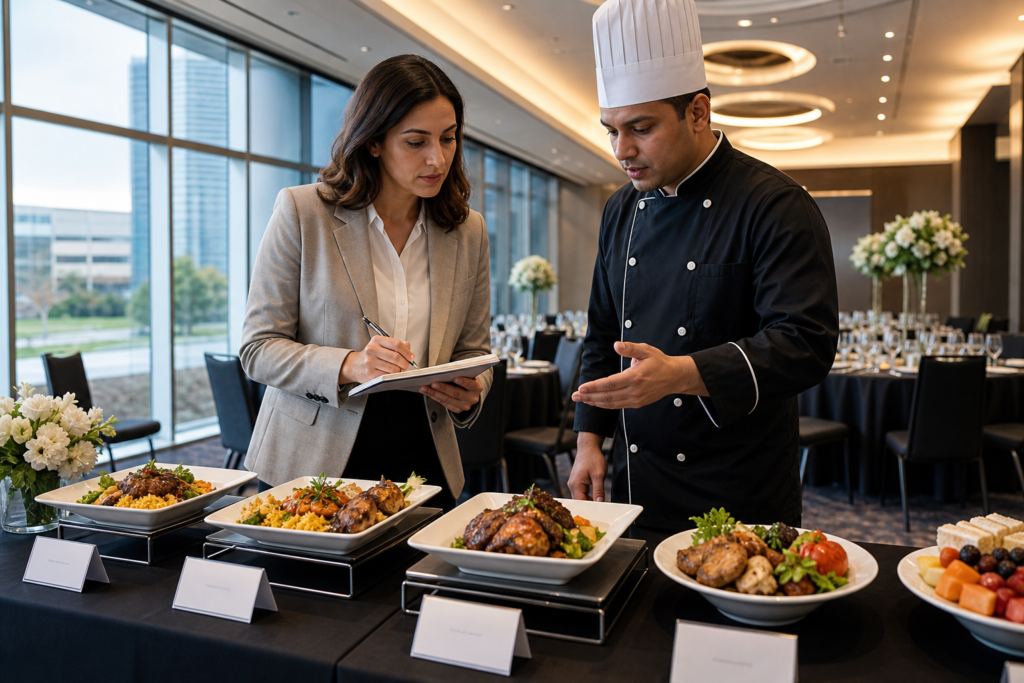
- Lock headcount windows; flag halal, vegetarian, or allergy considerations early.
- Sequence courses with stage cues (toasts between courses, not over them).
- Plan late-night bites for social events so energy doesn’t dip.
Décor and room flips
- Pre-stage décor carts; assign zones so teams don’t crowd each other.
- For ceremony-to-reception flips, rehearse the transition path and time allotment.
- Confirm final signage placements after floor plan lock.
These practices reflect our day-to-day show runs. Whether you’re hosting 150 or 1,500 guests, the same fundamentals keep things on time.
Tools and resources to build your template
Use a simple stack: a spreadsheet or project tool for the master timeline, shared docs for run-of-show and contact lists, and cloud folders for assets. Layer reminders and calendar invites so owners can’t miss critical handoffs.
For schedule control fundamentals, see these project scheduling tips. If you’re building your first master task list, this seven‑step task list primer can help you structure dependencies and durations.
- Master timeline: Spreadsheet with phases, tasks, owners, due dates, verification.
- Run of show: One page: time stamps, cues, owners, room names, on-call numbers.
- Contact sheet: Names, roles, cells, and where each person will be stationed.
- Floor plans: Final diagrams stored with versioning so teams pull the latest.
- Assets: Slides, walk-in music, logos, signage artwork, and scripts.
Need a venue-sized checklist? Our corporate planning checklist pairs well with this guide. And when you’re comparing sites, lean on our venue selection guide to avoid surprises.
Case studies and real examples
Timelines only work if they survive real life. These mini case studies show how corporate, social, and school formats translate the same template into on-time execution at scale in Mississauga.
GTA corporate leadership summit (1,000 guests)
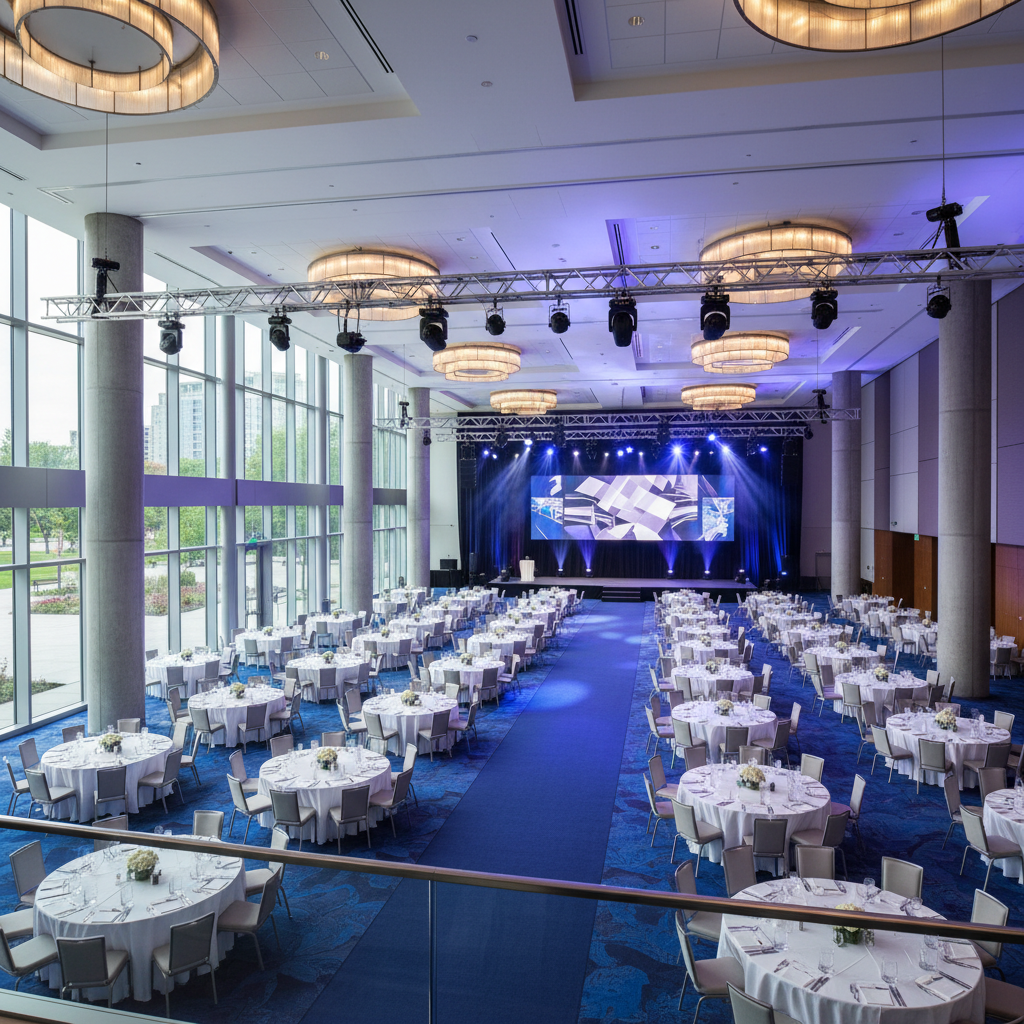
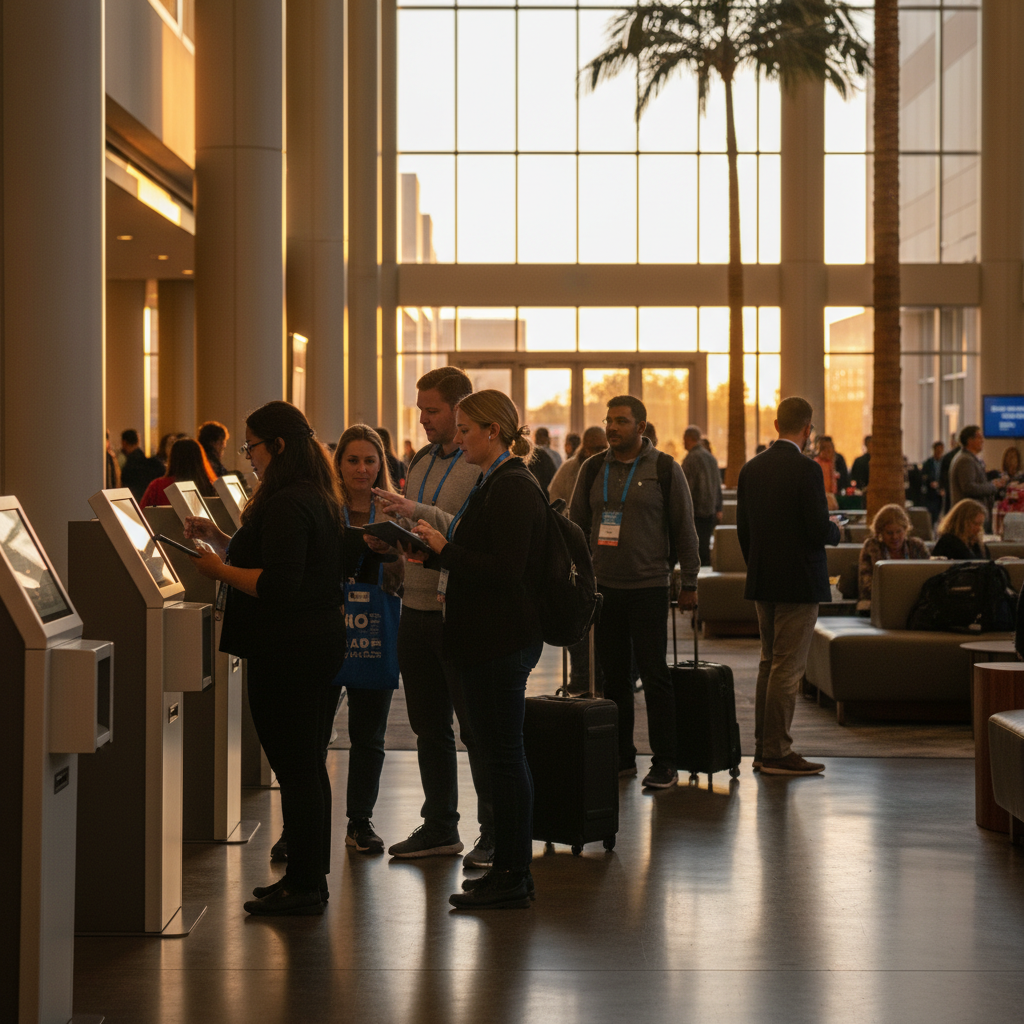
Two adjacent halls ran plenary and breakouts. We sprinted AV plots and signage proofs in two-week blocks. A one-page run of show kept sponsors, catering, and stage cues aligned. Registration opened 30 minutes early to absorb rush-hour arrivals, and tech checks were capped to hold schedule integrity.
South Asian wedding and reception
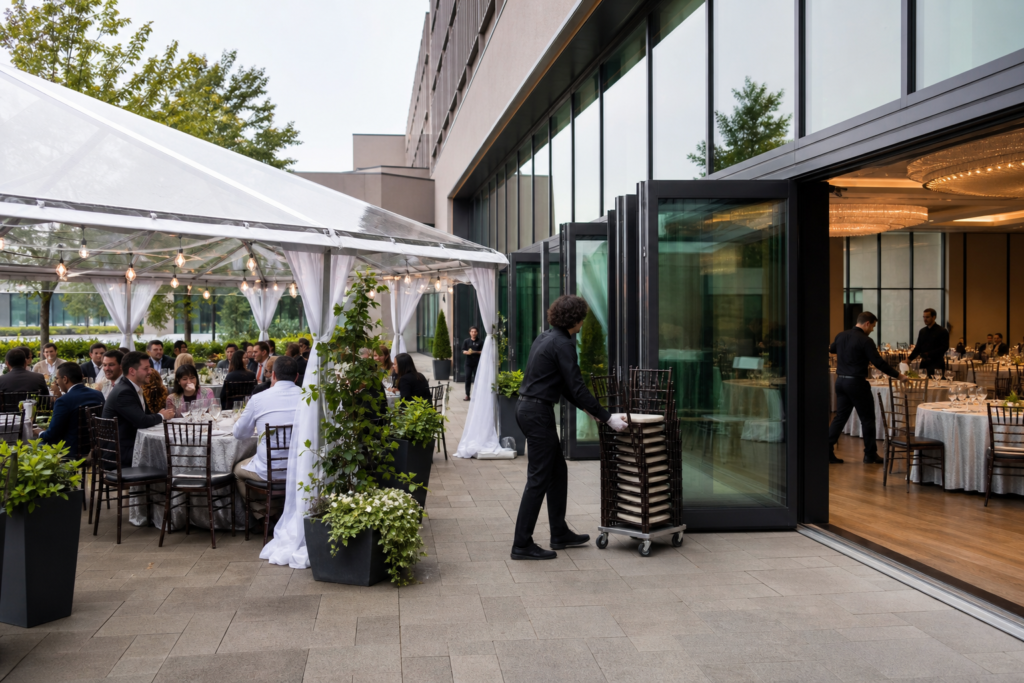
Ceremony on the customizable outdoor patio, reception in a ballroom. Menu approvals included halal selections with regional favorites. The timeline reserved a 45-minute flip with pre-staged décor carts and a photo block. Staggered vendor arrivals kept the dock clear, and the first dance started right on cue.
School prom with photo ops and DJ reveal
Timelines emphasized safe arrivals, coat check staffing, and photo sequences before doors. Chaperone briefings were scheduled during the tech run so everyone understood the run of show. Bus departures were slotted in windows to prevent curbside clusters.
Different goals, same backbone. Owners, dates, dependencies, verification—then a crisp show flow everyone can read.
Build your event coordination timeline template: step-by-step
Create a master template once, then reuse it. Start with phases, add granular tasks, assign owners and deadlines, document dependencies, and publish a run of show. Test it on a small event, refine, and standardize for future programs.
- Define success. Clarify goals, audience, must-haves (e.g., halal menu, hybrid stream, outdoor ceremony).
- Outline phases. Discovery, booking, design, confirmations, rehearsals, showtime, and debrief.
- List tasks. Convert each phase into bite-sized checklists with owners and due dates.
- Map dependencies. Lock critical paths (e.g., floor plan before seating chart; session titles before signage).
- Publish artifacts. Run of show, contact list, floor plans, menus, and exhibitor kits.
- Rehearse. Tech checks with capped durations; walk transitions and room flips.
- Debrief. Capture lessons and update the template so your next event is faster.
Want templates for specific formats? Our décor planning ideas and corporate catering options plug straight into the milestones above.
Run of show: the one-page template your team will actually use
A run of show condenses the entire day into one readable page: time stamps, rooms, cues, owners, and on-call numbers. Print it, save it offline, and put a copy at registration, backstage, and catering to keep everyone aligned in real time.
- Header: Event name, date, hall(s), ops lead, AV lead, catering lead.
- Columns: Time, segment, room, cue owner, notes.
- Footer: Emergency contacts, building access, and load-out window.
Tip: Keep segments short. Even a five-minute placeholder for transitions prevents schedule drift. And make sure the most recent version date is visible.
Frequently Asked Questions
These quick answers cover ownership, timing, and how to adapt your event coordination timeline template for different formats. Use them to brief sponsors, stakeholders, and first-time planners before kickoff.
How early should I start my event timeline?
For large corporate events, trade shows, or weddings, begin 9–12 months out. Smaller meetings can compress to 8–12 weeks if decisions are fast and vendors are aligned. The key is to work backward from your fixed date and lock dependencies early.
What belongs on a run of show?
Time stamps, room names, cues, and owners. Include contact numbers for operations, AV, and catering. Keep it to one page so staff can carry it. Add brief notes for transitions and any risk points like room flips or live demos.
How do I keep rehearsals from overrunning?
Timebox each activity—e.g., 10 minutes per speaker plus transitions—and designate one show caller to cut or defer fixes. Collect slides the day before and do a quick line check before doors open to catch last-minute mic issues.
Can one template work for both weddings and conferences?
Yes. Keep the structure (phases, owners, due dates, dependencies) and swap the beats. Conferences focus on sessions and AV; weddings emphasize ceremonies and meal pacing. Your backbone is identical; your cues and vendors change.
Key takeaways
Build one master event coordination timeline template, then adapt it by format. Assign owners, lock dependencies, cap rehearsals, and publish a one‑page run of show. Small, consistent practices make big programs run on time.
- Map phases: discovery to debrief; publish owners and due dates.
- Sprint tasks and set explicit decision deadlines.
- Stage-buffer vendor load-ins and room flips.
- Use one-page run of show at registration, backstage, and catering.
- Refine template after each event to get faster and tighter.
Conclusion
Timelines don’t just organize work—they create confidence. With a clear template, you can coordinate AV, catering, décor, and arrivals across multiple halls and still start on cue. Standardize the framework once, then reuse it to deliver smooth, on-time events.
Ready to put this into practice? Share your draft with our team. We’ll review sequencing, advise on hall fit, and suggest AV and catering milestones based on your format.
Next step: explore our customized planning checklist or book a walkthrough via our homepage. If you’re planning a wedding, start with our reception timeline guide.