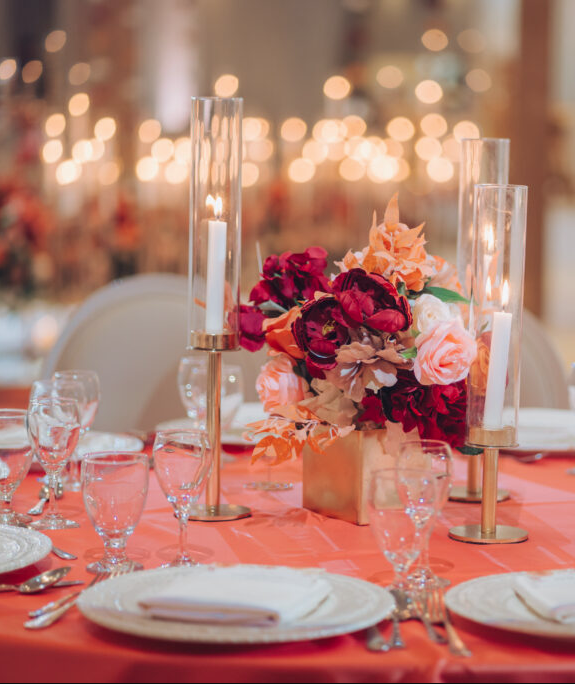

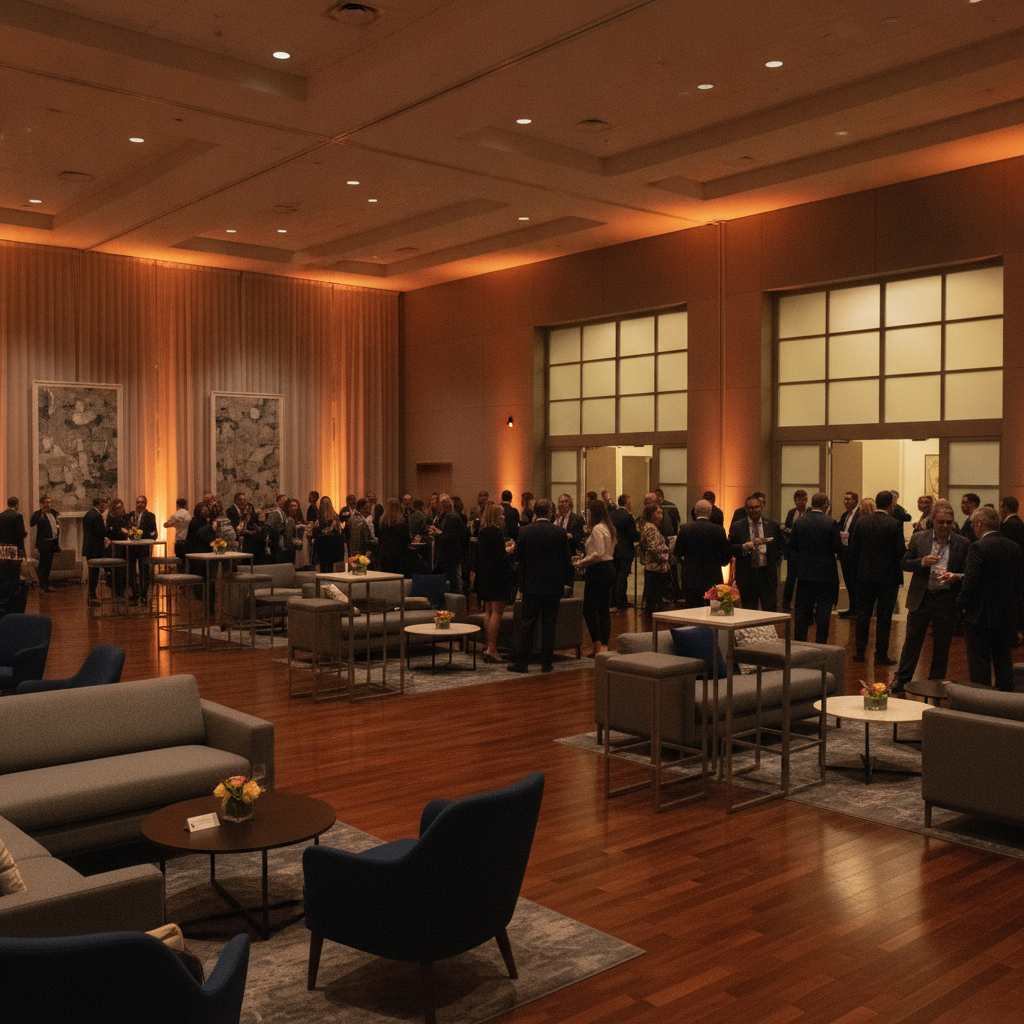
A networking event venue is a professional space optimized for mingling, conversations, and lead generation, supported by smart layouts, reliable AV, and smooth hospitality. In the Derry Rd W area of Mississauga, venues like Mississauga Convention Centre offer seven flexible halls, in-house catering, and on-site tech support so people connect easily and remember the experience.
By Preet Dass · Mississauga Convention Centre
Last updated: June 26, 2026
Summary and what you’ll learn
This guide explains how to evaluate and book a networking event venue with confidence. You’ll learn how to pick the right layout, plan guest flow, align AV with your agenda, choose inclusive catering, and coordinate parking and accessibility—plus see real Mississauga examples and a practical checklist you can use immediately.
Here’s how this complete guide helps marketers, HR teams, and community organizers plan a standout mixer or industry meet-up near 75 Derry Rd W:
- Understand what makes a venue “networking-ready” and why it matters for ROI.
- Compare room setups (cocktail, lounge, theater-with-reception) using a clear table.
- Map the planning process—from inquiry to show time—in seven concrete steps.
- Apply best practices for signage, lighting, accessibility, and hybrid streaming.
- Use Mississauga Convention Centre’s real capabilities: seven halls (~4,250 sq ft each), 700 parking spots, modern AV, and multicultural menus.
Quick navigation:
- What is a networking event venue?
- Why venue choice matters
- How booking and execution work
- Types of setups and layouts
- Best practices checklist
- Tools and resources
- Catering for conversations
- AV, lighting, and support
- Case studies and examples
- Local tips for 75 Derry Rd W
- FAQ
- Conclusion and key takeaways
What is a networking event venue?
A networking event venue is a purpose-designed space where professionals connect, supported by layouts that encourage movement, reliable audiovisual, inclusive catering, and convenient access. When these elements work together, conversations last longer, intros feel natural, and attendees leave with more quality contacts.
Unlike lecture-first meeting rooms, a true networking event venue prioritizes flow, sightlines, and conversation areas. Think high-top tables, soft lounge zones, clear bar/food points, and crisp sound reinforcement. In our experience hosting corporate mixers and community meet-ups in Mississauga, these details can double dwell time at key exhibits and sponsor areas.
- Core elements: flexible rooms, smart lighting, strong Wi‑Fi, wayfinding, and quick-turn catering.
- Why it matters: more introductions per hour, better sponsor exposure, and measurable follow-ups.
- Local fit: near major highways and Toronto Pearson, the Derry Rd W area makes regional attendance easier.
Mississauga Convention Centre combines seven similarly sized halls (~4,250 sq ft each) with modern AV and in-house culinary teams. That scale lets you run parallel sessions or stage a pre-function reception that naturally funnels into a fireside chat or panel.
Why venue choice matters for networking ROI
Venue choice shapes how easily people meet, hear each other, and move between zones. Good layouts and dependable AV raise introductions per hour, while inclusive food and parking reduce friction. The result: higher engagement, better sponsor value, and stronger post-event pipeline.
We’ve found three levers consistently predict ROI for mixers and meet-ups: friction, focus, and follow-through. Reduce friction with easy access (parking, transit, clear doors), maintain focus with lighting and audio that guide attention, and enable follow-through with badge scanning and smart signage to drive people to sponsor stations.
- Space-to-guest ratio: ample elbow room around high-tops supports natural circles of 4–6 people.
- Audio zoning: music under 70 dB near conversation clusters keeps speech intelligible.
- Wayfinding: directional cues increase footfall to activation areas by notable margins.
For corporate planners comparing options, our corporate event venue guide outlines how modular rooms and pre-function foyers can be paired to stage arrivals, content, and cocktails without bottlenecks. It pairs well with this networking-focused checklist.
How booking and execution work at Mississauga Convention Centre
Booking a networking event venue here follows seven steps: discovery call, site or virtual tour, proposal, hold/confirmation, planning workshops, walkthrough and tech check, and show day execution. Each step reduces risk, locks logistics, and keeps your program on schedule.
Our process is built for speed and clarity while honoring brand goals and cultural needs. With seven halls and 700 on-site parking spots, we match room scale to guest count and agenda. AV, lighting, and staging are in-house, so you avoid complex vendor wrangling and last-minute surprises.
- Discovery: define goals, audience size, agenda, dietary needs, and accessibility requirements.
- Tour: see rooms in person or take a virtual-style walkthrough guided by our team.
- Proposal: align on halls, layouts, menus, décor, and AV packages.
- Confirm: secure date and lock major milestones.
- Plan: run-of-show, floor plans, signage map, and sponsor placements.
- Tech check: sound, lighting, mics, confidence monitors, and streaming inputs.
- Show time: doors open, registration flows, activations fire, and the program runs to time.
To visualize options faster, many planners start with a foyer-plus-hall configuration and adjust after a walkthrough. For gala-adjacent networking, see our corporate gala guide for sequencing content with receptions.
Types of networking setups and room layouts
Use cocktail layouts for fluid mingling, lounge clusters for deeper conversations, and theater-with-reception for content plus connection. Combine pre-function foyers and adjacent halls to scale comfortably, keep lines short, and give sponsors clear, high-traffic activation zones.
Layout is the single biggest driver of whether intro moments feel organic or forced. At Mississauga Convention Centre, seven ~4,250 sq ft halls allow flexible combinations. For 150–600 guests, pairing a hall with a foyer creates natural flow; for 700+, two halls with a shared pre-function area maintain comfort and pace.
| Format | Best for | Key features | Watch-outs |
|---|---|---|---|
| Cocktail Mixer | Fast intros, sponsor browsing | High-tops, roaming appetizers, 2–3 bars, light music | Keep music under 70 dB; spread bars to reduce lines |
| Lounge Clusters | Longer chats, deal talks | Sofas, rugs, coffee tables, soft perimeter lighting | Avoid tight furniture grids; preserve clear aisles |
| Theater + Reception | Keynotes, panels, then mixing | Stage, screen, confidence monitors; foyer for bites | Plan a 10–15 min buffer to reset between segments |
Tip: For multicultural industry nights, include a quiet corner (or two) for 1:1s, and stage at least one photogenic backdrop near sponsor signage. That small choice often multiplies social shares during peak arrivals.

Best practices to maximize connections
Design arrivals, audio, lighting, and food stations to remove friction. Provide clear signage, inclusive menus, and distinct zones for fast intros, deeper chats, and content. Test sound at crowd levels and map sponsor wayfinding. These moves raise dwell time and introductions per hour.
In our experience, small physical choices change outcomes fast. Place bars and action stations opposite each other to distribute traffic. Slightly dim the center while brightening sponsor zones to cue movement. Keep registration under 3 minutes per person by pre-printing badges and spacing stanchions generously.
- Accessibility first: Plan routes with level access and wide aisles and review event accessibility requirements when building floor plans.
- Audio matters: Music at 60–70 dB supports conversation; test at peak headcount, not an empty room.
- Lighting cues: Warm at bars and lounges; brighter at activations; consistent color temperature across zones.
- Wayfinding: Numbered signs (A1, A2) plus arrows boost sponsor visits and reduce “where is…” questions.
- Registration ergonomics: 2–3 lanes minimum; scanners ready; backup lookup for spelling variations.
- Agenda rhythm: 20–30 minute blocks of mixing, then brief moments of content to reset attention.
- Emergency readiness: Assign a marshal, confirm exits and rally points during your tech check.
- Venue fundamentals: Cross-check the key elements of a corporate venue before locking a hold.
For deeper background on room selection, review this practical guide on how to choose an event venue; it complements the networking-specific tactics here.
Tools and resources you’ll actually use
Use a one-page run-of-show, a labeled floor plan, and a wayfinding legend to guide staff and guests. Prep a sponsor activation brief, a dietary matrix, and a tech cue sheet. These lightweight tools prevent stalls, cut lines, and keep your program moving.
Great tools are simple enough to glance at mid-show. We recommend a color-coded floor plan with sponsor zones, two bar locations, high-top clusters, and a 10–15 minute buffer before any content switch. Pair it with a run-of-show that lists doors, intros, activations, stage beats, and closing cues.
- Run-of-show: minute-by-minute with owners for doors, music, intros, activations, and housekeeping.
- Floor plan: numbered zones; ADA pathways; quiet corners; power drops; AV tables.
- Tech cue sheet: walk-in music level, mic assignments, lighting looks, and recording/streaming notes.
- Dietary matrix: Halal, vegetarian, vegan, gluten-friendly, and allergen flags.
- Sponsor brief: goals, placement, staffing, giveaways, and data capture plan.
- Contingency card: who to call for power, Wi‑Fi, seating, and weather pivots.
Not sure which hall to start with? Our banquet halls in Mississauga guide explains how to right-size rooms for 150–2,200 guests without crowding entrances or bars.
Catering that fuels conversations (and respects culture)
Offer small, easy-to-eat items, clear labels, and diverse, Halal-friendly choices. Stagger stations to reduce lines and keep sleeves clean. When food respects culture and fits bite-sized flow, people mingle longer and spend more time at sponsor activations.
Our in-house culinary team spans South Asian, Pakistani Halal, Middle Eastern, Sri Lankan, Caribbean, and Continental menus. That range lets you reflect your audience authentically—an essential trust signal at multicultural events across the GTA. Use skewers, sliders, and bowls that are simple to hold while chatting.
- Labeling: display dish names and dietary icons; place allergen notes at eye level near utensils.
- Station strategy: two mirrored stations for 200–300 guests; add a third above that to keep waits short.
- Flow by design: put popular items deeper in the room to pull guests through sponsor areas.
- Quiet corner: reserve a small seating pocket to reset for guests who need a breather.
- Non-alc options: add sparkling water, mocktails, and tea/coffee near lounges.
Planning a social-leaning mixer? Our social event venue overview shows how receptions can flow into short toasts or award moments without losing energy.
AV, lighting, and on-site technical support
Treat sound, lighting, and screens as conversation tools. Keep music under 70 dB near high-tops, brighten sponsor zones, and use confidence monitors for short content beats. With in-house tech, issues get solved quickly and transitions run on time.
Networking is 80% conversation signal and 20% vibe. Strong distributed audio sets energy without shouting. Warm perimeter lighting keeps faces visible for reading name badges and expressions. If you’re streaming a fireside chat, test camera angles at head height and confirm your stage wash isn’t too cool for skin tones.
- Audio: zone speakers; test walk-in tracks; set mic gain for ambient crowd noise.
- Lighting: 3000–3500K for lounges; slightly brighter at sponsor tables; avoid hotspots at bars.
- Visuals: place one screen per 75–100 viewers; add a confidence monitor if you host a brief talk.
- Tech check: verify power, cable runs, Wi‑Fi SSIDs, and backup mics during the walkthrough.
For a venue-wide overview and additional planning pointers, explore our concise event venue guide; it complements the networking-specific decisions you’re making here.
Case studies and real examples from the GTA
Here are three real-world scenarios that show how scale, flow, and cultural menus translate to better conversations. Each example uses flexible halls, in-house AV, and diverse catering to raise dwell time and sponsor engagement without adding planning stress.
1) Tech & Startup Mixer (parallel halls). A Mississauga-based accelerator hosted a 600-person industry night by pairing two ~4,250 sq ft halls with the shared pre-function foyer. We staged 3 activation zones, 2 mirrored bars, and a 12-minute lightning talk. Badge scan tallies at sponsor tables were up notably versus single-room layouts.
2) Alumni & Employer Connect (foyer-first). A GTA university alumni office welcomed roughly 400 grads and hiring partners. Using a foyer-first reception with adjacent hall lounge clusters, arrivals stayed under 3 minutes. A brief panel ran on a low riser; confidence monitors kept speakers synced while the rear lounge remained conversational.
3) Multicultural Industry Night (catering-led). A regional association blended Sri Lankan, Pakistani Halal, and Middle Eastern stations. Dietary icons and mirrored lines kept waits short. A quiet corner supported sensory breaks. Sponsors positioned photo backdrops near their signage to capture social shares during peak arrivals.
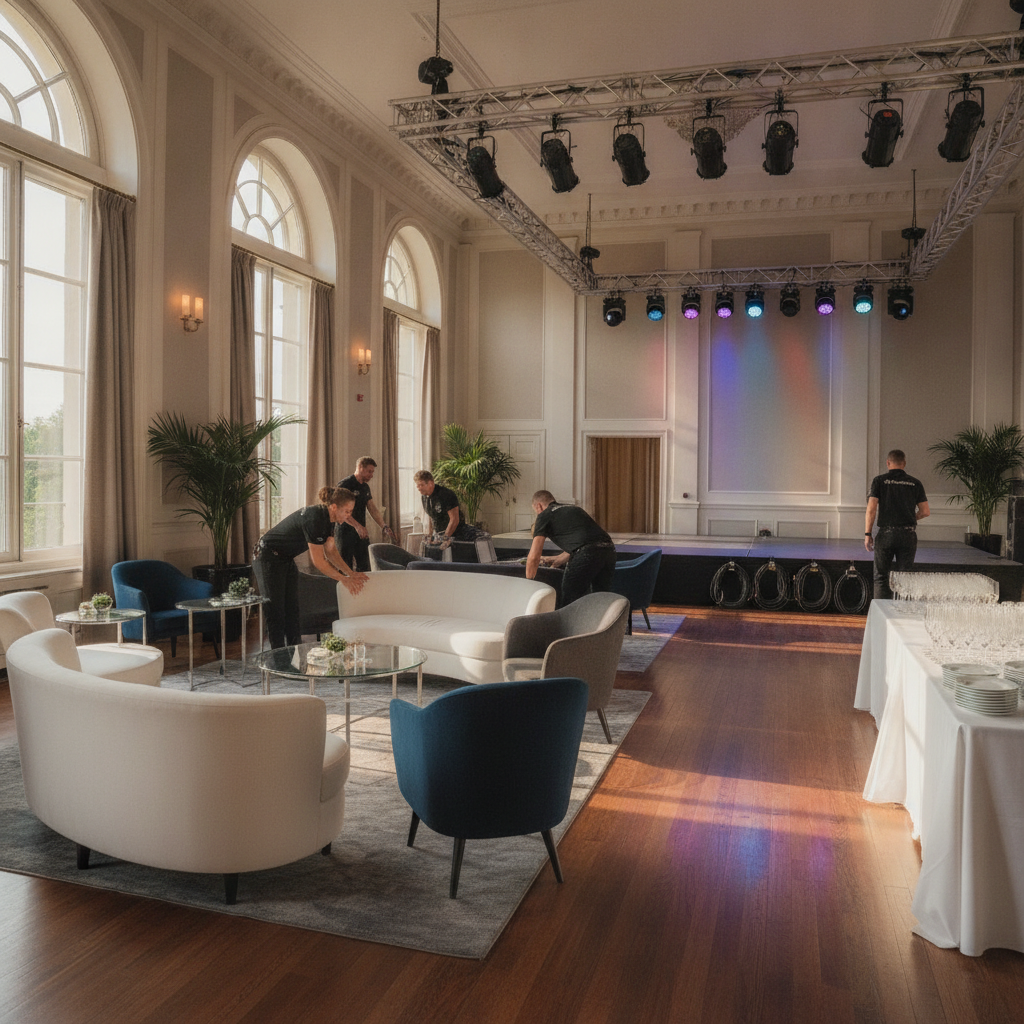
Mid‑article planning help. Want a second opinion on flow, lighting, or menus? Book a quick discovery with our team—seven modular halls, integrated AV, and 700 on-site parking spots make it easy to right-size your program without juggling multiple vendors.
Local tips for planners
Plan arrivals and departures around nearby transit and well-known waypoints, and factor cultural stops guests may visit before or after your program. Simple timing tweaks can ease traffic, reduce lines, and keep your schedule running on time.
Local considerations for 75 Derry Rd W
- Leverage the Hurontario St At Derry Rd bus stop timing for staff shifts and attendee arrivals; it’s useful for staggered check-ins.
- During festival periods at Mississauga’s Ram Mandir, pad arrivals by 10–15 minutes to keep registration under control and maintain flow.
- When planning multicultural receptions, confirm prayer/quiet-room placement early and label it clearly on the floor plan and wayfinding.
Frequently Asked Questions
Planners ask about space sizing, lead time, hybrid options, accessibility, and what to bring to a walkthrough. These answers summarize our on-the-ground experience hosting mixers, alumni nights, and corporate receptions in Mississauga’s Derry Rd W area.
How soon should I reserve a networking event venue?
Aim to place a hold as soon as your date window is known. For peak seasons, earlier requests secure better room options and rehearsal times. A quick discovery call plus a virtual or on-site tour will help you confirm fit and lock next steps.
What layout works best for fast introductions?
Cocktail layouts with high-top tables and two or more bars keep people moving and talking. Add a few lounge clusters for longer chats and place sponsor activations where traffic naturally converges. Keep music at a conversational level to reduce vocal strain.
Can you support hybrid networking with short talks and streaming?
Yes. Use a small riser, a crisp stage wash, confidence monitors, and clean audio feeds for the stream. Test camera sightlines at head height, and assign a producer to cue transitions so on-site conversations and virtual segments stay in sync.
How do I ensure accessibility for all attendees?
Start with level routes, ample aisle widths, and clearly labeled seating pockets. Provide dietary labeling with allergen notes and quiet spaces where needed. Review venue pathways during the walkthrough and mark them on your guest-facing map and signage.
What should I bring to the site tour?
Bring an outline of goals, a rough guest count, sponsor needs, and any cultural or dietary priorities. A simple run-of-show and example floor plan help us recommend the best hall, foyer pairings, and activation placements during the walkthrough.
Conclusion and key takeaways
Great networking venues remove friction and amplify meaningful conversations. When layout, AV, and inclusive menus align with your agenda, people stay longer, sponsors see more visits, and your follow-ups improve. Use the checklists here to move from idea to confirmed hold with confidence.
- Right-size the room: use foyers and modular halls to keep movement easy.
- Design for flow: distribute bars, stage activations, and keep lines short.
- Make it inclusive: cultural menus, clear labels, and accessible pathways.
- Engineer the vibe: warm lighting, zoned audio, and clear wayfinding.
- Lock the plan: run-of-show, floor plan, tech cues, and contingency owners.
Next step: If you’re planning a mixer, alumni night, or sponsor reception near Derry Rd W, we’d love to help. Book a discovery session with Mississauga Convention Centre and see how seven halls, integrated AV, and multicultural catering simplify your event from first call to final goodbye.