

 14 May, 2026
 A product launch venue is the physical environment where a new product is revealed to media, buyers, partners, and fans. It shapes audience perception, controls sound and lighting, and simplifies logistics. In Mississauga at 75 Derry Rd W, Mississauga Convention Centre integrates AV, staging, and in-house catering to anchor high-impact launches.
By Preet Dass — Mississauga Convention Centre
Last updated: 2026-05-14
Overview: what you’ll learn
This guide explains how to choose, design, and run a product launch venue that builds buzz and drives coverage. You’ll learn selection criteria, AV and staging must-haves, timelines, run-of-show tips, and brandable design moves—plus how Mississauga Convention Centre’s seven halls, 2,200+ guest capacity, and 700 parking spaces simplify execution.
Planning a launch is exciting—and unforgiving. Details win the day. Use this at-a-glance section to scan what matters most, then dive deeper.
- Clear definitions: what a product launch venue is—and isn’t
- 11-step venue selection and run-of-show workflow
- AV, lighting, and staging requirements for crisp reveals
- Format options: keynotes, showcases, pop-ups, and hybrid streams
- Design tactics that maximize photography and brand moments
- Real examples from Mississauga Convention Centre (MCC)
- What is a product launch venue?
- Why venue choice matters
- How product launches work
- Venue types and formats
- Best practices
- Tools and resources
- Case studies and examples
- Budget and planning considerations
- FAQ
Local considerations for 75 Derry Rd W
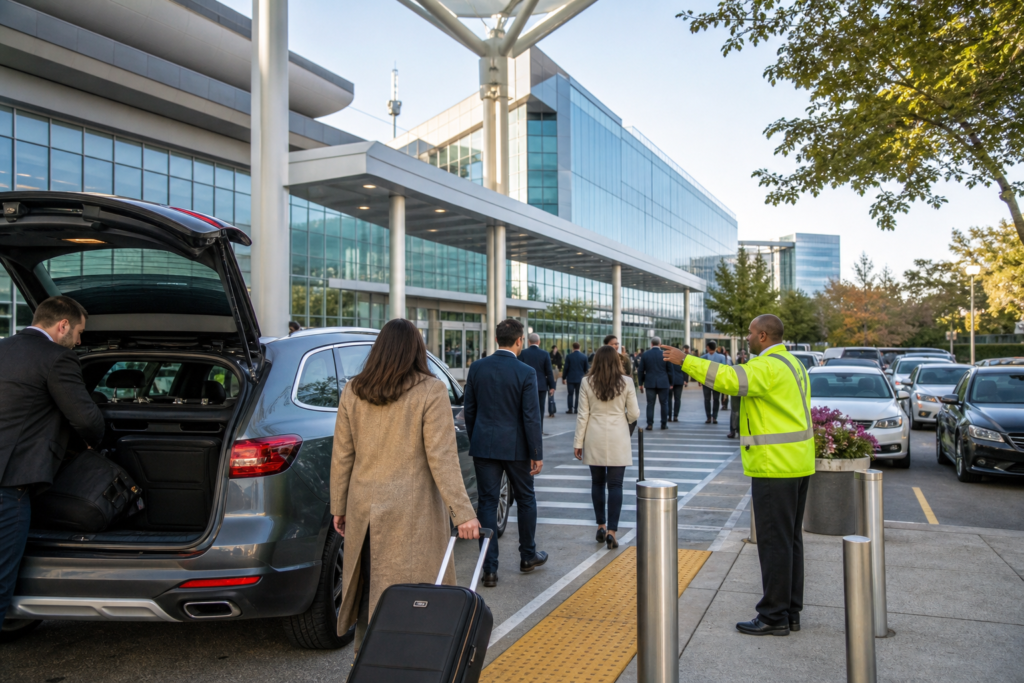
- Mississauga draws regional attendees; proximity to highways and the airport supports on-time arrivals and same-day turnarounds.
- Seasonal weather can shift load-in plans; protect outdoor gear and consider indoor backup for patio receptions.
- Multicultural audiences expect inclusive menus; MCC’s South Asian, Pakistani Halal, Middle Eastern, Sri Lankan, Caribbean, and Continental options help meet expectations.
What is a product launch venue?
A product launch venue is a brandable space engineered for a timed reveal, where sightlines, audio, lighting, and guest flow are controlled to deliver a single, memorable first impression. The best venues integrate AV, staging, catering, and logistics so your team can focus on storytelling—not troubleshooting.
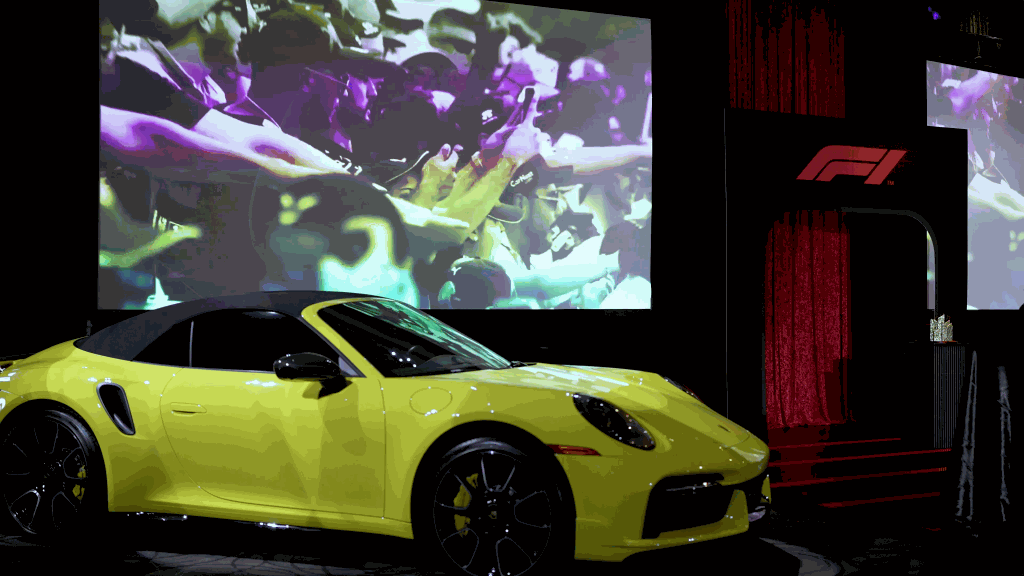
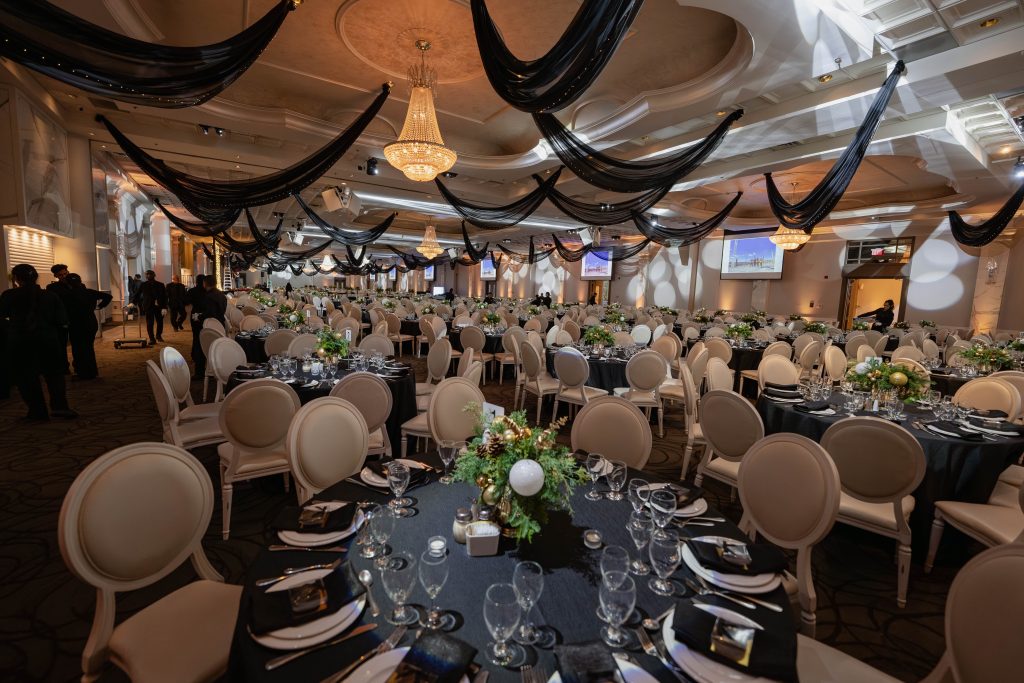
Think of your space as the frame for your story. The frame should disappear, highlighting the product. At Mississauga Convention Centre (MCC), seven elegant halls—each around 4,250 square feet—can be configured for keynotes, walk-through showcases, or press briefings.
- Core purpose: Stage a reveal that lands with clarity and emotion.
- Operational reality: You’ll juggle speakers, media setups, live demos, and VIP arrivals in a tight run-of-show window.
- Integrated support: MCC offers professional audiovisual systems, lighting, staging, and on-site technical support to reduce vendor sprawl.
- Guest experience: 700 free on-site parking spots and accessible layouts minimize arrival friction.
For launches with hands-on demos, adjacent prefunction space prevents crowding around the main stage. Where products are large or delicate, level loading and staging zones shorten install time and protect assets.
Why venue choice matters
Venue choice sets the ceiling for your launch impact. Capacity, acoustics, power, and brandability determine how bold your reveal can be—and how clean it looks on camera. Choose a space that supports crisp audio, controlled lighting, easy load-in, and flawless guest flow.
Here’s the thing: your audience’s perception forms in seconds. Sightlines, audio clarity, and stage lighting either reinforce quality or distract from it. MCC’s modern ballrooms are designed to impress, with integrated rigs that speed rehearsals and keep stage cues tight.
- Capacity and comfort: If media can’t get their shot or VIPs can’t sit together, coverage and satisfaction drop. MCC scales up to 2,200+ guests across multiple halls.
- Load-in/load-out: Smooth logistics protect timelines. Multiple halls and wide access points help teams set up showcases in parallel.
- AV infrastructure: In-house systems reduce failure points and shorten the run-up to showtime.
- Location advantage: Being minutes from major highways and the airport increases the odds your speakers and equipment arrive on time.
For brand teams, venue readiness can shave hours off tech checks and rehearsals. For agencies, integrated services simplify risk management and documentation. For procurement, bundled services streamline contracting without compromising flexibility.
How product launches work (workflow)
A high-performing launch follows an 11-step workflow: define outcomes, shortlist venues, confirm specs, design staging and AV, lock catering, schedule rehearsals, build media ops, finalize show cues, run live, capture content, and debrief. Each step reduces risk and improves guest experience.
In our experience, disciplined sequencing beats heroics. MCC’s team supports this end-to-end flow with venue diagrams, technical specs, demo zones, and diverse menus, helping you move from concept to showtime efficiently.
- Define outcomes: Media coverage, sell-in to buyers, partner alignment, or direct preorders.
- Build a product narrative: Problem, promise, proof (demo), and path to purchase.
- Shortlist spaces: Capacity bands, AV readiness, power, ceiling height, and brand surfaces.
- Site visit + measurements: Confirm load paths, riser sizes, and projector throws.
- Stage and screen design: Choose LED wall vs. projection, scenic pieces, and reveal mechanics.
- Audio plan: Wireless mics, monitors, press mults, and recording feeds.
- Lighting plan: Key light levels, color temperature, and cue stacks.
- Catering design: Service style, dietary needs, culturally aligned menus.
- Rehearsals: Tech check, timing, and final walk-through.
- Showtime: House open, keynote, demo, Q&A, hands-on zones.
- Debrief + content: Clip reels, photography selects, and lessons learned.
Tip: Treat media like VIPs. A designated press riser, good power, and clean audio feed dramatically increase your chance of positive coverage and clean sound bites.
Venue types and formats
Choose the format that fits your story: keynote reveal, showroom-style walk-through, pop-up experience, or hybrid stream. Then match it to a venue with the right ceiling height, power, AV control, and guest flow. MCC’s modular halls and patio support all four approaches.
Different products ask for different rooms. A handheld device thrives on intimate, cinematic lighting. A vehicle or appliance wants ceiling height, power, and drive-in access. MCC’s halls (about 4,250 sq ft each) and outdoor patio give you options without venue-hopping.
Common product launch formats
- Keynote reveal: Theater-style seating, main stage with LED wall, tight cueing for media moments.
- Showroom showcase: Multiple demo pods, guided tours, and hands-on trial areas.
- Pop-up experience: Immersive set pieces, smaller capacity, highly brandable.
- Hybrid broadcast: Live audience + pro stream with dedicated camera plots and isolated audio.
Venue comparison at a glance
| Venue type | Capacity band | AV control | Branding surfaces | Networking flow | Ideal use |
|---|---|---|---|---|---|
| Modern ballroom (MCC) | 200–2,200+ | High (in-house) | Walls, stage, scenic | Prefunction + hall | Keynotes + showcases |
| Expo hall | 1,000–10,000 | Medium | Large structures | Open floor | Big hardware reveals |
| Gallery/loft | 50–300 | Low–Medium | Minimalist walls | Free-roam | Design-led demos |
| Outdoor patio (MCC) | 50–350 | Medium | Environmental | Open air | Networking + reveals |
If you need parallel experiences—press briefing, partner meetings, and customer demos—MCC’s seven halls allow separate flows while keeping everyone on one campus with 700 on-site parking spots.
Best practices for selecting and designing your space
Prioritize sightlines, power, and audio before decor. Lock your stage plan early, specify lighting levels, and design guest flow from arrival to hands-on demos. Build brand moments into wayfinding, catering, and scenery so the product stays center stage.
We’ve found the following checklist minimizes surprises and maximizes impact. It blends creative choices with technical must-haves so your reveal looks as good in the room as it does on camera.
Room and stage
- Sightlines: Confirm that rear seats see the product without obstructions; stage height and rake matter.
- Stage footprint: Account for presenters, product pedestal, and live demo clearance.
- Ceiling height: Ensure space for truss, lighting, and set elements.
- Backstage ops: Green room, quick-change, and product prep space near stage.
Audio, video, lighting (AVL)
- Audio: Wireless mics, stage monitors, press mult box, and ISO recording feed.
- Video: LED wall vs. projection, throw distances, and switching redundancy.
- Lighting: Key light at consistent color temperature, haze policy, and cue stacks.
- Power: Dedicated circuits for video, audio, and scenic effects.
Guest experience
- Arrival: Wayfinding from parking to registration; MCC’s 700 parking spots reduce bottlenecks.
- Inclusive menus: South Asian, Pakistani Halal, Middle Eastern, Sri Lankan, Caribbean, and Continental options are available in-house.
- Flow: Define transitions: house open, keynote, reveal, hands-on, networking.
- Accessibility: Ensure barrier-free routes to seating, stages, and restrooms.
Lock these essentials before you spend on decor. You can always elevate scenery with rentals and lighting once the technical core is dialed in.
Tools and resources (templates you can use)
Use simple, reusable tools: a venue scorecard, run-of-show timeline, AV input list, and media plan. Standardizing these documents cuts prep time, shortens site visits, and keeps teams aligned during the high-speed final week before the reveal.
Standard docs win launches. They prevent last-minute guesswork and help capture the content you need for post-event marketing. Start with these four.
- Venue scorecard: Capacity ranges, ceiling height, power, built-in AV, brand surfaces, and load paths.
- Run-of-show (ROS): Cue-by-cue plan from doors open to networking; include timestamps and owners.
- AV input/output list: Mics, playback, video feeds, press mults, and recording lines.
- Media plan: Press risers, interview backdrop, photo moments, and content capture lanes.
For deeper planning, see our guidance on how to choose an event venue and this practical overview of decoration ideas that transform space. If you’re mapping capacity and guest comfort, explore gala flow principles that also apply to launches.
When you need a venue that already has infrastructure and expert techs on site, review MCC’s corporate event venue capabilities and our in-house catering options that support dietary needs without slowing service.
 Case studies and examples (real-world setups)
Translate best practices into real room plans. These three scenarios—keynote + showroom, hybrid press event, and patio networking reveal—show how to configure halls, scenic, and catering at MCC to deliver clean media moments and smooth guest experiences.
Scenario A: Keynote + showroom
- Space: One ballroom in theater seating for 450, plus adjacent hall with four demo pods.
- AVL: LED wall, two confidence monitors, four wireless mics, and 3-point key light.
- Reveal: Scenic header masks product until cue; drape drop + light sweep.
- Flow: 30-minute keynote, 15-minute reveal, 45-minute guided walkthroughs.
- Food: Passed canapés, then regional tasting stations (Halal-friendly).
Outcome: Media got clean stage shots and B-roll at the pods. Load-in and rehearsals completed the night before, thanks to easy access and on-site tech support.
Scenario B: Hybrid press event
- Space: Ballroom for 250 in-house, broadcast control in a side room, press riser mid-house.
- AVL: Multi-cam capture, program feed for the LED wall, and isolated audio for stream.
- Reveal: Animated open, CEO remarks, side-by-side product demo, remote Q&A.
- Flow: 60-minute program; post-stream interview corner for media hits.
- Food: Chef-led action station to keep guests on-site for networking.
Outcome: Remote audiences experienced minimal latency and clear audio while in-room guests enjoyed a polished show with prompt transitions.
Scenario C: Patio networking reveal
- Space: Outdoor patio for 200 with soft lighting, cocktail rounds, and a reveal pedestal.
- AVL: Wireless wash lighting and discreet speakers to keep the ambiance intimate.
- Reveal: Dusk countdown lighting cue; product unveiled on a central pedestal.
- Flow: 15-minute remarks, 30-minute hands-on, 60-minute networking.
- Food: Seasonal small plates and non-alcoholic signature sips.
Outcome: Photography captured the brand against a warm evening backdrop, with guests staying longer because the environment encouraged conversation.
Budget and planning considerations (no pricing)
Allocate first to AVL and stagecraft, then to scenic and hospitality. Bundled venues with in-house AV and catering reduce vendor overhead and speed rehearsals. Lock timelines early—rooms, rigs, and rehearsals are resources you can’t add at the last minute.
Without discussing numbers, prioritize value levers that drive outcomes:
- Infrastructure: In-house AV and staging compress timelines and reduce risk.
- Rehearsal time: Extra hours on stage pay back in polish and confidence.
- Menu design: High-efficiency service styles keep the program on time.
- Parallel spaces: Adjacent rooms allow media hits and partner briefings.
MCC’s seven similar-size halls support parallel scheduling, and 700 on-site parking spaces simplify arrivals for teams hauling gear. Keep a contingency for scenic tweaks and backup equipment—these often deliver outsized peace of mind on show day.
Packages, capacity, and inclusions to confirm
Confirm capacity, included AV, load-in windows, power availability, and catering flexibility. Ask for sample floor plans, tech specs, and a rehearsal schedule. The more that’s bundled on-site—staging, lighting, and catering—the fewer moving parts you manage.
- Capacity + flow: Total guests, media allocation, and VIP seating blocks.
- Included tech: Lighting, projection/LED, audio, press feeds, and tech support.
- Access: Load-in hours, storage, and overnight security options.
- Catering: Dietary coverage (Halal, vegetarian, gluten-aware) and service style.
- Branding: Approved attachment points, flame policies, and wall protection.
For a sense of how comprehensive a full-service venue can be, review this overview of key venue elements and see how venue rental logistics come together on one campus.
Plan your launch with our team
Bring your concept and timeline; we’ll map staging, lighting, catering, and guest flow. Our goal is a reveal that looks great in the room and on camera, with zero surprises backstage. Let’s design it together.
Explore MCC’s planning resources and our corporate launch capabilities. We host conferences, seminars, trade shows, keynotes, and social events across the GTA—helping planners coordinate details under one roof.
Frequently Asked Questions
These concise answers address the timing, AV, branding, and hybrid-stream questions we hear most. Use them to pressure-test your plan and close gaps before you lock final specs.
How far in advance should I book a product launch venue?
Aim to secure your venue 3–6 months ahead for small-to-medium launches and earlier for complex builds. Early holds protect rehearsal time, ensure key equipment is available, and keep your preferred date aligned with media calendars and internal milestones.
What AV is essential for a polished reveal?
At minimum: reliable wireless mics, balanced front-of-house speakers, press audio feeds, confident video playback, and consistent key lighting. Add an LED wall or projection, stage monitors, and recording lines if you plan media distribution or a post-event highlight reel.
Can Mississauga Convention Centre support hybrid or streamed launches?
Yes. Our halls support multi-camera capture, dedicated control spaces, and clean audio feeds for streaming. We coordinate rehearsals, cue stacks, and network planning so your in-room show and online experience both land with clarity.
How do I handle branding and decor without distracting from the product?
Keep the product under key light as the brightest element on stage. Use neutral scenic with one hero brand color, reserve logos for entry and photo backdrops, and avoid blocking sightlines. Build tactile demo areas where guests can interact after the reveal.
Key takeaways
Lock technical foundations early, design brand moments without blocking sightlines, and choreograph guest flow. Choose a venue with in-house AV, staging, and diverse catering to compress timelines and reduce risk—exactly what MCC’s multi-hall campus in Mississauga is built to deliver.
- Prioritize sightlines, audio, and power before decor.
- Use an 11-step workflow from goals to debrief.
- Match room type to reveal format and ceiling height.
- Plan media ops: riser, audio feed, interview corner.
- Leverage in-house AV and catering to simplify execution.
Looking for a simple planning framework? Our team can walk your space, sketch a stage plan, and propose a run-of-show that fits your product narrative and audience profile.