

 20 September, 2026
 Event venue pricing factors are the variables venues use to build a proposal—space, date, hours, setup, staffing, AV, catering, and risk. At Mississauga Convention Centre (75 Derry Rd W), these inputs are aligned with your agenda so you pay for impact, not extras. Understanding them lets you prioritize and plan with confidence.
By Preet Dass — Mississauga Convention Centre
Last updated: May 17, 2026
Overview and table of contents
This guide explains how venues translate requirements into proposals and how you can control the biggest levers. You’ll learn the models, the line items that matter most, and proven tactics to protect guest experience while reducing waste.
Use this quick outline to jump to the section you need most right now.
- What event venue pricing factors are and how they work
- Why these factors matter for outcomes, not just budgets
- Step-by-step: From discovery to show day
- Models: Packages, per-person, flat-fee, minimums, hybrids
- Deep dive: AV, catering, staffing, layouts, logistics, compliance
- Best practices and checklists you can apply today
- Real examples from Mississauga Convention Centre
- Frequently asked questions
What are event venue pricing factors?
Event venue pricing factors are the structured inputs a venue uses to convert your event requirements into a proposal: date, duration, room setup, guest count, AV, catering, staffing, logistics, and risk. The combination determines space fit, services, and labor, forming a transparent, scope-based quote.
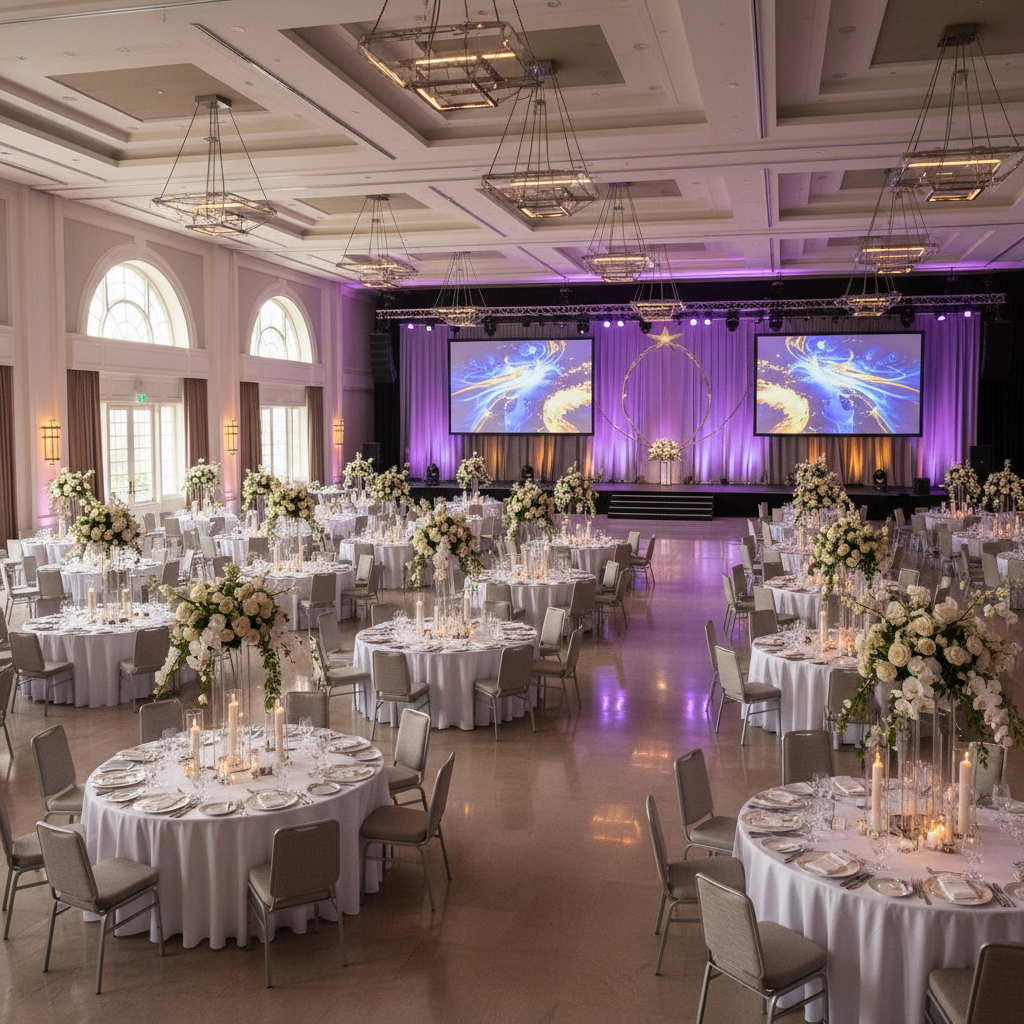
Think of a proposal as a technical plan for hospitality. At Mississauga Convention Centre, those inputs map to real capabilities: seven elegant halls of about 4,250 square feet each, an overall capacity for 2,200+ guests, approximately 700 on-site parking spaces, in-house audiovisual systems, and multicultural, Halal-friendly catering. When requirements are clear, your quote mirrors the production you actually need—no fluff.
- Space and time: Hall selection, hours on site, and room turns drive labor and access windows.
- Experience design: Stage size, lighting looks, seating density, and traffic flow affect setup and safety.
- Services stack: On-site AV, catering style, décor, and coordination determine who does what, when.
- Operational risk: Tight load-ins, complex vendor mixes, and late changes increase contingency planning.
When you align the show you want with the inputs venues use, you make better trade-offs. You’ll secure a hall that fits, a menu that delights, and a tech plan that simply works.
Why venue pricing factors matter
Pricing factors shape guest experience. By fixing your headcount, layout, and run of show early—especially at 75 Derry Rd W in the Regional Municipality of Peel—you cut rework, prevent overtime, and keep service levels crisp. Clear decisions turn proposals into predictable outcomes.
Here’s the thing: event quality lives in the details you lock first. We’ve found that when planners confirm agenda blocks and seating styles early, on-site teams can right-size staging, power, and staffing. That means smoother cues, faster service, and more time for your program.
- Reliability: A finalized agenda reduces last-minute changes that strain crews and timelines.
- Safety and comfort: Proper density, aisle widths, and sightlines let guests move and engage without friction.
- Service timing: Menu and service style affect pacing; plated, family-style, and buffet each change staffing and floor plans.
- Wayfinding: Clear signage plans (digital or static) decrease dwell time at doors and coat checks during peak arrivals.
At Mississauga Convention Centre, we design around reality: multiple halls, parallel events, and coordinated dock use. Lock the big rocks and the rest becomes easier—especially for complex corporate programs, large weddings, or school formals sharing the same evening window.
How event venue pricing works (step-by-step)
Venue pricing turns your vision into a production plan. Discovery defines goals, fit selects space, and a proposal captures assumptions, services, and timelines. After confirmation, detailed orders, vendor coordination, and show-day execution follow—each step refining scope precision.
Here’s the practical flow we use for corporate meetings, conferences, trade shows, galas, weddings, and school events across the GTA.
- Discovery: Define objectives, audience, guest count bands, content formats, menu preferences (including Halal), and technology needs.
- Site fit: Match headcount and format to a hall or combined halls; evaluate ceiling height, rigging options, and traffic flow.
- Preliminary proposal: Document inclusions, menu direction, base AV, staging notes, layout assumptions, and access windows.
- Confirmation and milestones: Place a hold, set decision dates, and align creative deadlines with BEOs (Banquet Event Orders).
- Technical detailing: Lock diagrams, power maps, cue sheets, and load-in schedules; align vendor liability and insurance.
- Show delivery: Orchestrate load-in, rehearsals, service timing, guest movement, strike, and post-event notes for future optimization.
Each stage tightens the plan and removes ambiguity. In our experience, agreeing on a production schedule early can shave hours from install and reduce redundant labor—especially for programs with a general session, breakouts, and an evening reception in the same footprint.
Pricing models and approaches
Venues typically use bundled packages, per-person models, flat-fee room rentals, minimum spends, or hybrids. The right approach depends on your agenda, menu complexity, and AV footprint. Align the model to the experience you want, not the other way around.
Match your event type to a model that rewards your priorities. For example, per-person can make sense when menu and service drive experience (galas, weddings), while flat-fee room rental may help trade shows or multi-day summits with heavy production.
| Model | Best for | Strength | Watch-outs | When it shines at MCC |
|---|---|---|---|---|
| Package (bundled) | Corporate meetings, school formals | Predictable inclusions simplify planning | Less granular on custom tech | Day meetings needing AV, catering, parking |
| Per-person (F&B-led) | Galas, weddings, receptions | Scales neatly with headcount | Late guest swings affect staffing | Plated or family-style service with cultural menus |
| Flat-fee room rental | Trade shows, productions | Freedom to customize services | Requires detailed vendor planning | Exhibits needing separate dock and power plans |
| Minimum spend | Receptions, mix-and-mingle | Flexible on space configuration | Requires menu + beverage strategy | Large cocktail events using multiple stations |
| Hybrid | Conferences + gala dinner | Optimizes both tech and dining | More coordination across teams | Summit day plus evening awards program |
Need help picking a model for a multi-track program? Our corporate event venue overview outlines common formats and what typically works best.
Event venue pricing factors, explained
The biggest drivers are date and timeline, headcount and density, layout and staging, AV scope, menu and service style, staffing, logistics, and compliance. Locking these early reduces rework and risk while preserving guest comfort and production quality.
1) Date, day, and hours
- Seasonality and day of week: Peak periods heighten demand on labor and space access. Early holds secure better access windows for load-in and rehearsals.
- Timeline: A tight install compresses multiple teams; generous buffers reduce strain at doors, docks, and stages.
- Action: Freeze your show flow and arrival patterns before locking the contract milestones.
2) Headcount and density
- Space fit: Each MCC hall is about 4,250 sq ft; combining rooms supports large plenaries or dinner seating.
- Comfort: Aisles, sightlines, and stage throws matter. Right-sizing cuts unnecessary décor extensions and staging.
- Action: Use our full capacity guide to align layout with program elements.
3) Layout, staging, and decor
- Stage and screens: Panel discussions, awards, and cultural ceremonies want different stage heights and footprints.
- Looks and labor: Ceiling décor, drape, and lighting scenes add install time; plan transitions for room flips.
- Action: Lock a scaled diagram early; small changes can ripple into hours of rework.
4) Audiovisual and connectivity
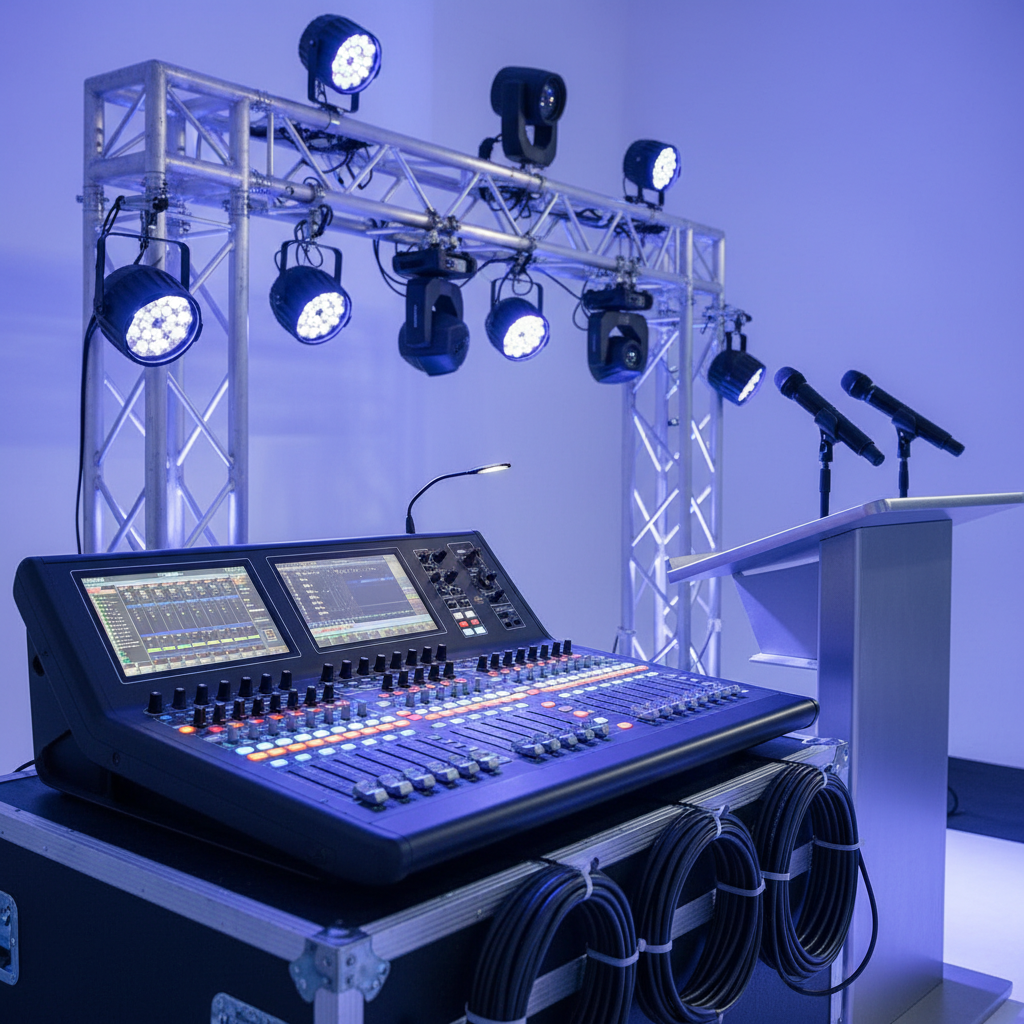
- Core tech: Sound reinforcement, microphones, playback, projection/LED, and lighting looks define technical complexity.
- Reliability: On-site AV minimizes handoffs and integrates with power and rigging plans.
- Action: Align cues and rehearsal time with the AV team to prevent show-day surprises.
5) Menu, cuisine, and service style
- Cuisine breadth: Our in-house catering spans South Asian, Pakistani Halal, Middle Eastern, Sri Lankan, Caribbean, and Continental menus.
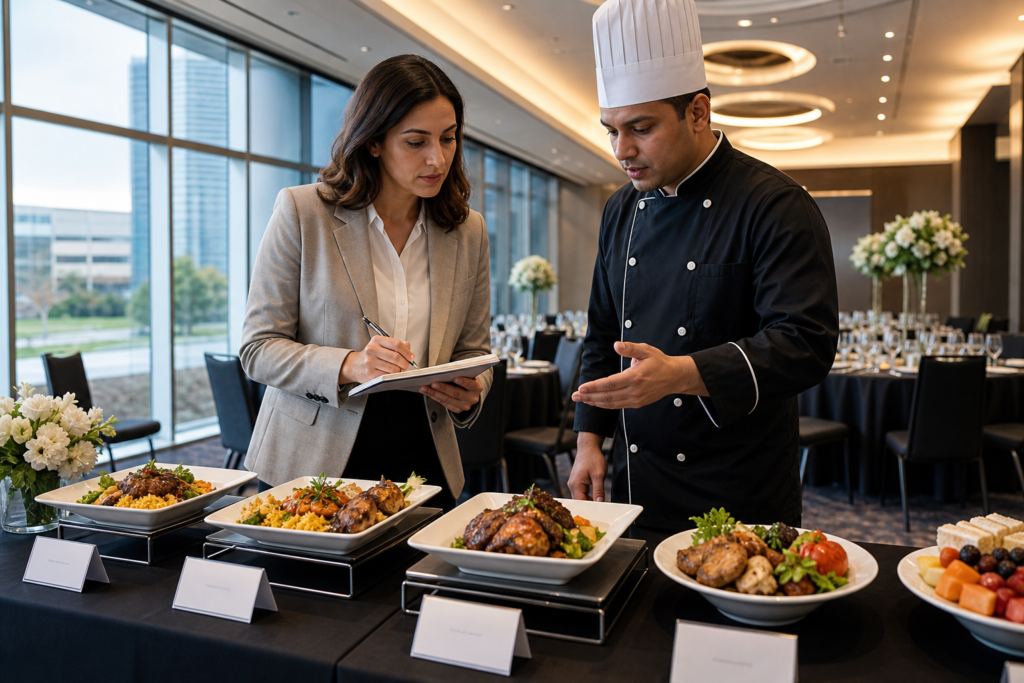
- Service format: Plated, buffet, or family-style changes pacing and staffing; tasting notes guide final selections.
- Action: Tie menu timing to your content blocks so service never competes with the program.
6) Staffing and safety
- Service ratios: The right server and culinary staffing keeps courses moving and stations replenished.
- Security and supervision: Proms and high-energy receptions need appropriate chaperone or security planning.
- Action: Share agenda beats and special moments (toasts, reveals) so teams can be in position.
7) Logistics, load-in/out, and vendors
- Dock strategy: Staggered vendor arrivals smooth access and protect schedules—especially for trade shows and exhibits.
- Vendor mix: When many third parties are involved, assign a single production contact and shared calendar.
- Action: Confirm power drops, risers, and route marks in diagrams to reduce on-site questions.
8) Compliance and insurance
- Permits and liability: Special activities may require documentation; align early with your venue coordinator.
- Accessibility: Plan ramps, accessible seating blocks, and sightlines from the start, not the end.
- Action: Capture compliance items in BEOs and vendor agreements to avoid last-minute blockers.
9) Parking, arrival, and wayfinding
- On-site parking: MCC offers approximately 700 free parking spots; coordinated arrival patterns reduce door congestion.
- Coat checks and registration: Smart placement trims bottlenecks and improves first impressions.
- Action: Use pre-event messaging to set arrival windows and entry points.
10) Wi‑Fi and production power
- Connectivity: Dedicated connections for registration, exhibitors, or streaming avoid contention with guest browsing.
- Power planning: Map distribution for stages, exhibits, and catering to reduce cable runs and trip risks.
- Action: Include a labeled power map with your CAD.
11) Exclusivity and buyouts
- Privacy and flow: Buyouts prioritize entrances, pre-function space, and service corridors.
- Parallel events: With multiple halls, we can isolate flows so programs stay distinct and uninterrupted.
- Action: Define must-have spaces (foyers, patios) up front.
Best practices to optimize value
Define your non-negotiables, then right-size everything else. Freeze agenda blocks and seating style early, align menu pacing with content, consolidate AV through on-site teams, and use scaled diagrams to prevent rework. Small decisions upstream save hours downstream.
- Set your north star: Is it executive messaging clarity, a cultural ceremony, or attendee networking? Prioritize scope around that goal.
- Right-size the room: Avoid over-scaling a hall; tighter footprints reduce décor spans, cable runs, and service distances.
- Lock the run of show: A clear minute-by-minute protects staffing plans and cueing.
- Menu/agenda alignment: Serve when people are ready to enjoy it; avoid collision with main-stage moments.
- Consolidate communication: One production lead, one master schedule, shared floor plans.
- Walk the guest journey: From parking to last toast, eliminate friction at each step.
For deeper planning context, many organizers reference our venue overview and this planner’s guide for rentals when shaping early decisions.
Local considerations for 75 Derry Rd W
- Plan shift-change buffers around nearby transit at Hurontario St At Derry Rd to smooth coach arrivals and departures.
- In winter, add coat-check capacity and staggered registration—cold snaps change curbside dwell times.
- For cultural celebrations, align ceremony moments with prayer windows; many guests visit Mississauga’s Ram Mandir the same day.
Tools and resources for faster alignment
Use a virtual tour, capacity benchmarks, scaled diagrams, and annotated power maps to align fast. Shared documents reduce emails, prevent onsite questions, and help vendors self-serve details they need to succeed.
- Virtual walk-through: Align stakeholders on flow, foyers, and halls before a physical site visit.
- Capacity planning: Compare banquet, theater, classroom, and cocktail layouts against your program.
- Scaled diagrams: Lock seating blocks, aisles, and stage throws; annotate entrances and service routes.
- Technical packets: Share audio/lighting plots and power distribution to reduce day-of clarifications.
- Production calendar: One source of truth for creative, vendor, and rehearsal milestones.
For room fit decisions, review this Mississauga corporate event venue rental explainer and our wedding venue rental overview for dinner service planning.
Free planning consult: Have a multi-part program or cultural menu needs? Let’s map scope to goals in 20 minutes and streamline your next steps.
Start with our corporate events page to outline your agenda and service stack.
Case studies and examples
Real-world programs show how inputs shape outcomes. By locking scope early, right-sizing rooms, and integrating AV and catering, we reduce risk and preserve guest experience—whether it’s a summit, a South Asian wedding, a trade show, or a school formal.
Corporate summit with awards dinner
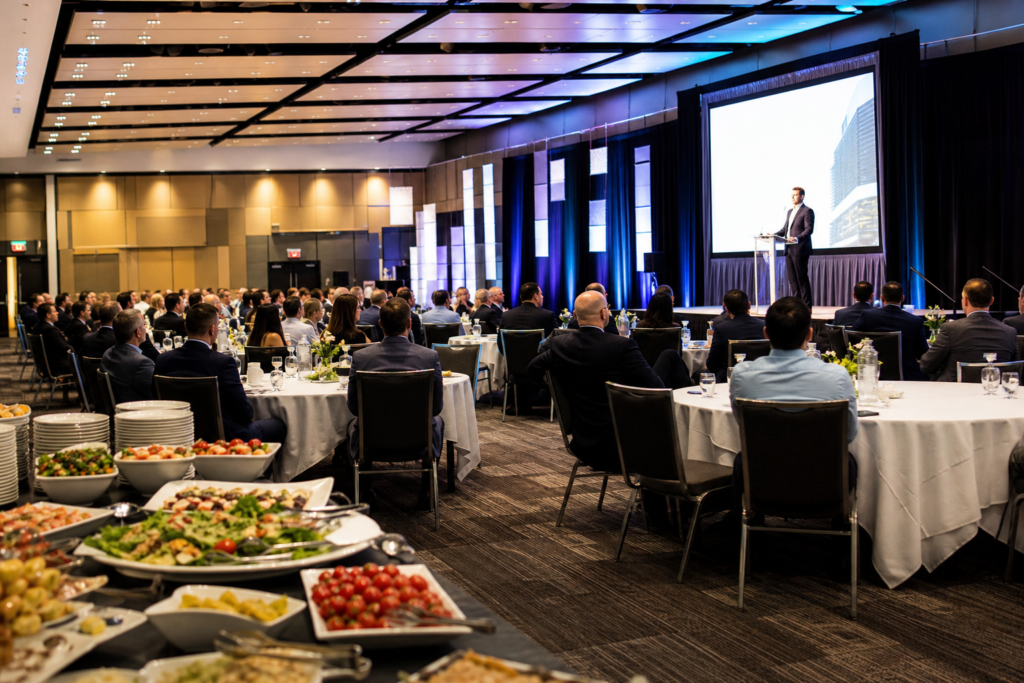
A two-hall configuration (about 8,500 sq ft) hosted a 600-guest summit: morning general session, afternoon breakouts, and an evening awards dinner. Integrated AV (dual screens, stage wash, lectern mics) and an early cue-to-cue rehearsal eliminated show-day guesswork. Seating transitions were diagrammed, so crews flipped the room efficiently between sessions.
- Inputs that mattered: Multi-part agenda, stage size, dual projection, and plated dinner pacing.
- Outcome: Clean cues and on-time service; sponsors got the visibility they expected.
South Asian wedding with patio ceremony
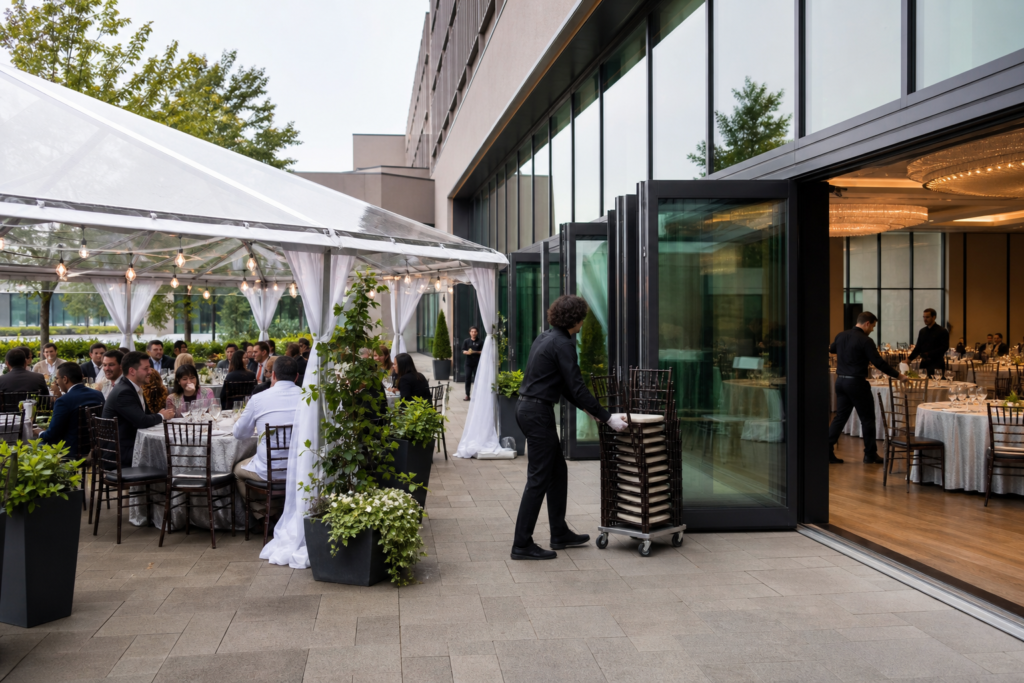
The couple combined an outdoor patio ceremony and an indoor reception. Halal menu planning, a raised stage for the couple, and coordinated photo moments shaped the timeline. Because menu and cultural elements were finalized early, kitchen and service teams synchronized pacing with speeches and dances.
- Inputs that mattered: Stage height, lighting looks, family-style service, and outdoor-to-indoor transitions.
- Outcome: Flow felt seamless; guests stayed engaged from ceremony through dessert.
Trade show with 80 exhibitors
One combined hall hosted an 80-booth exhibit with a dedicated dock schedule and power distribution map. Staggered load-in avoided congestion, and exhibitors received labeled drops ahead of time. A separate networking lounge kept traffic moving and gave sponsors a quiet space for demos.
- Inputs that mattered: Power map, load-in schedule, aisle widths, and signage plan.
- Outcome: On-time opening and satisfied exhibitors; fewer service calls during show hours.
School prom with chaperone zones
A decor-forward plan created defined dance, lounge, and photo areas. Clear chaperone zones and accessible entry points ensured supervision without crowding. Because the run of show was locked, security and service staffing matched peak times correctly.
- Inputs that mattered: Arrival pattern, supervision plan, snack service, and coat-check placement.
- Outcome: Safe, memorable evening with smooth arrivals and departures.
Want to see common formats we host? Scan the examples in what you can host at MCC for inspiration across corporate, social, and school events.
Quick Summary
Lock your agenda, right-size your room, and align menu and AV to your program. Use diagrams and shared timelines to keep teams in sync. These moves protect guest experience and reduce rework more than any other decision you’ll make.
- Choose the pricing model that fits your format; hybrids are common for summits with galas.
- Freeze the run of show early; it drives staffing and service timing.
- Use capacity and layout guides to protect comfort and movement.
- Consolidate production communication under one lead and calendar.
Frequently Asked Questions
Planners ask about headcount uncertainty, AV scope, service charges, and booking windows. The short version: confirm ranges early, share your cue flow, understand what a service charge covers, and reserve space as soon as you have a workable agenda.
How do I plan when RSVPs are uncertain?
Work with headcount bands (for example, 300–350). Lock your layout and service style, then size staffing for the midpoint. Share a last responsible date for final counts so kitchen and AV can scale without waste.
Which AV details most influence a proposal?
Stage footprint, projection or LED strategy, mic count, playback needs, lighting looks, rehearsal time, and power distribution. Share cue sheets and run a brief tech rehearsal; it prevents most day-of surprises.
What’s the difference between a service charge and gratuity?
A service charge typically covers operational support such as setup, coordination, and infrastructure. Gratuity is a discretionary amount to acknowledge service teams. Clarify definitions with your coordinator so expectations are aligned.
When should I reserve space?
As soon as you have a workable agenda, a headcount range, and a preferred date. Early holds protect access windows for load-in and rehearsals and give you time to fine-tune layouts and menus.
Conclusion and next steps
Prioritize the decisions that protect guest comfort and show flow: agenda, layout, menu pacing, and AV integration. Choose a pricing model that supports your format, then use diagrams and timelines to keep every team aligned.
- Key takeaways: Freeze the run of show, right-size rooms, align service with content, and centralize production comms.
- Review how to choose an event venue and skim our event budget breakdown guide for planning guardrails.
- Use this capacity guide to pick layouts that fit your audience and program.
Ready to walk the space or explore a program with multiple parts? Book a discovery session at our Mississauga location, 75 Derry Rd W. We’ll turn your agenda into a clear, scope-based plan you can trust.