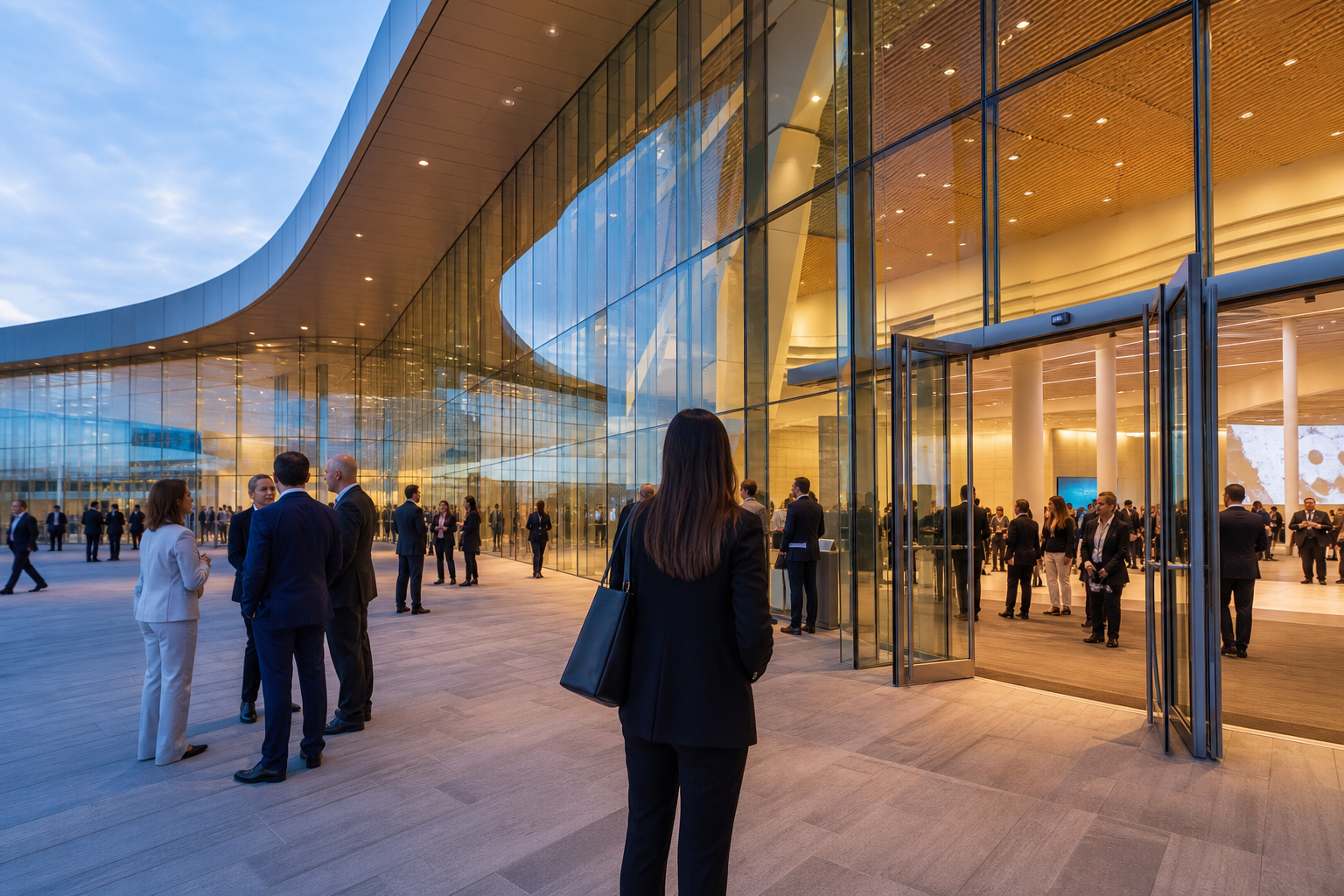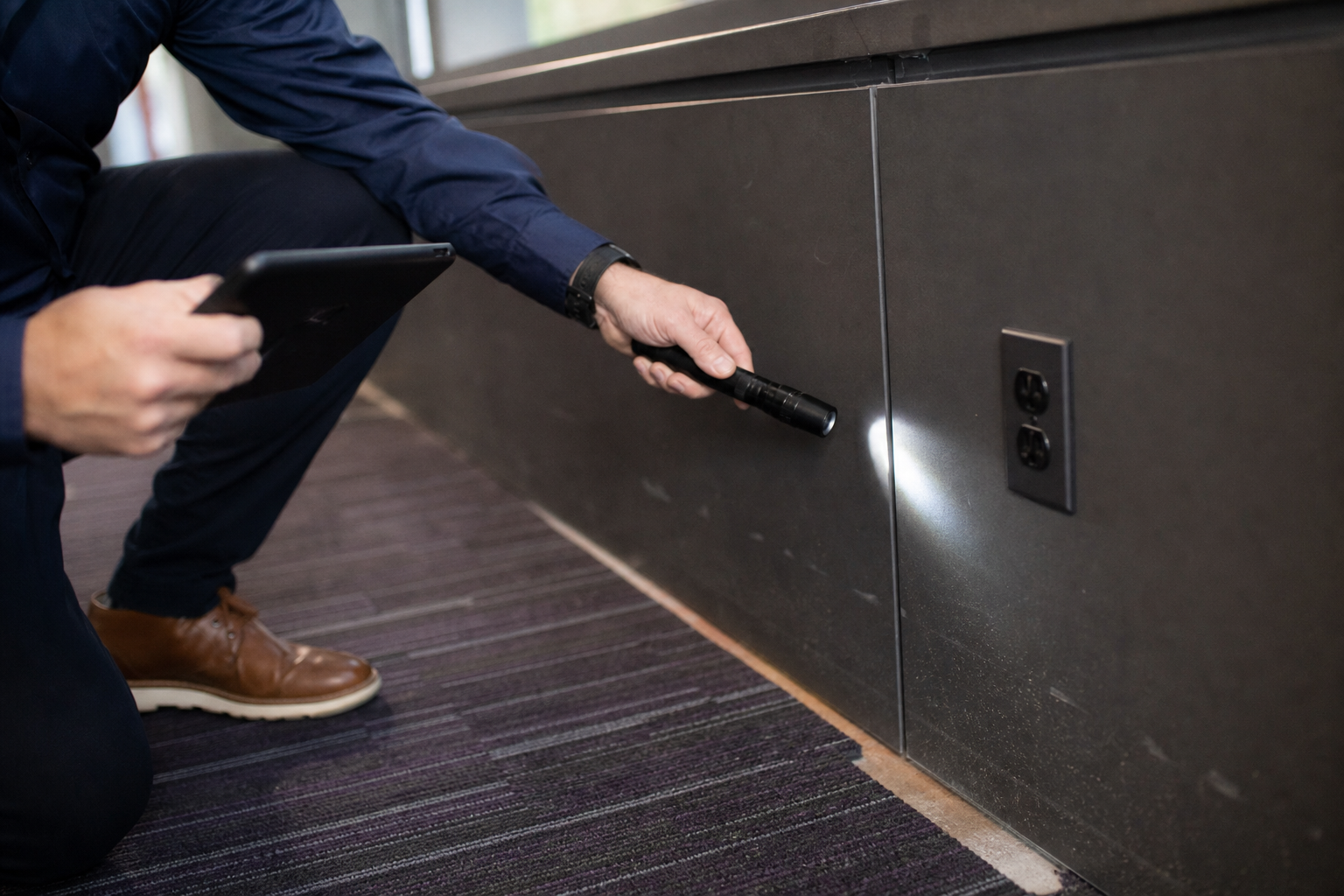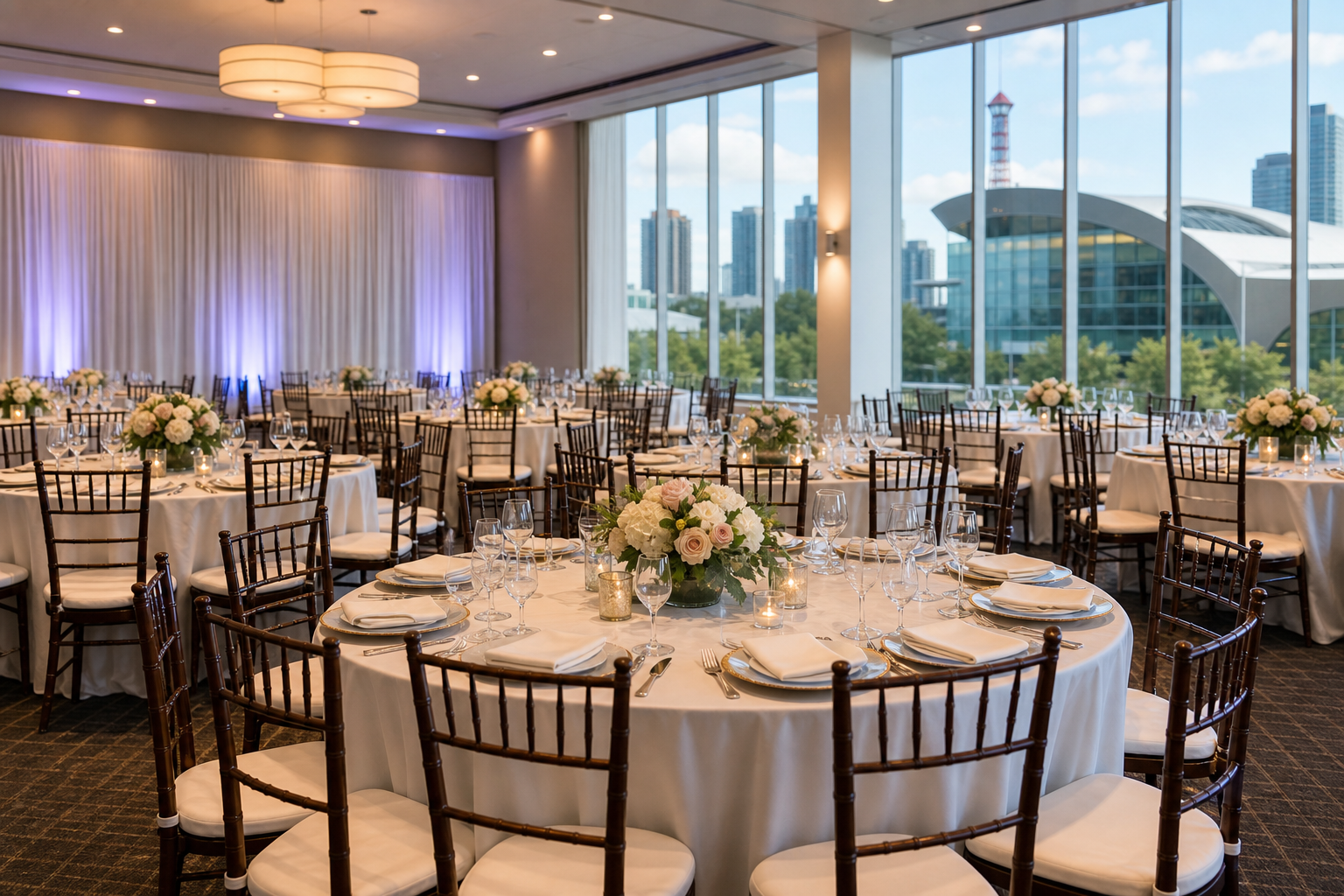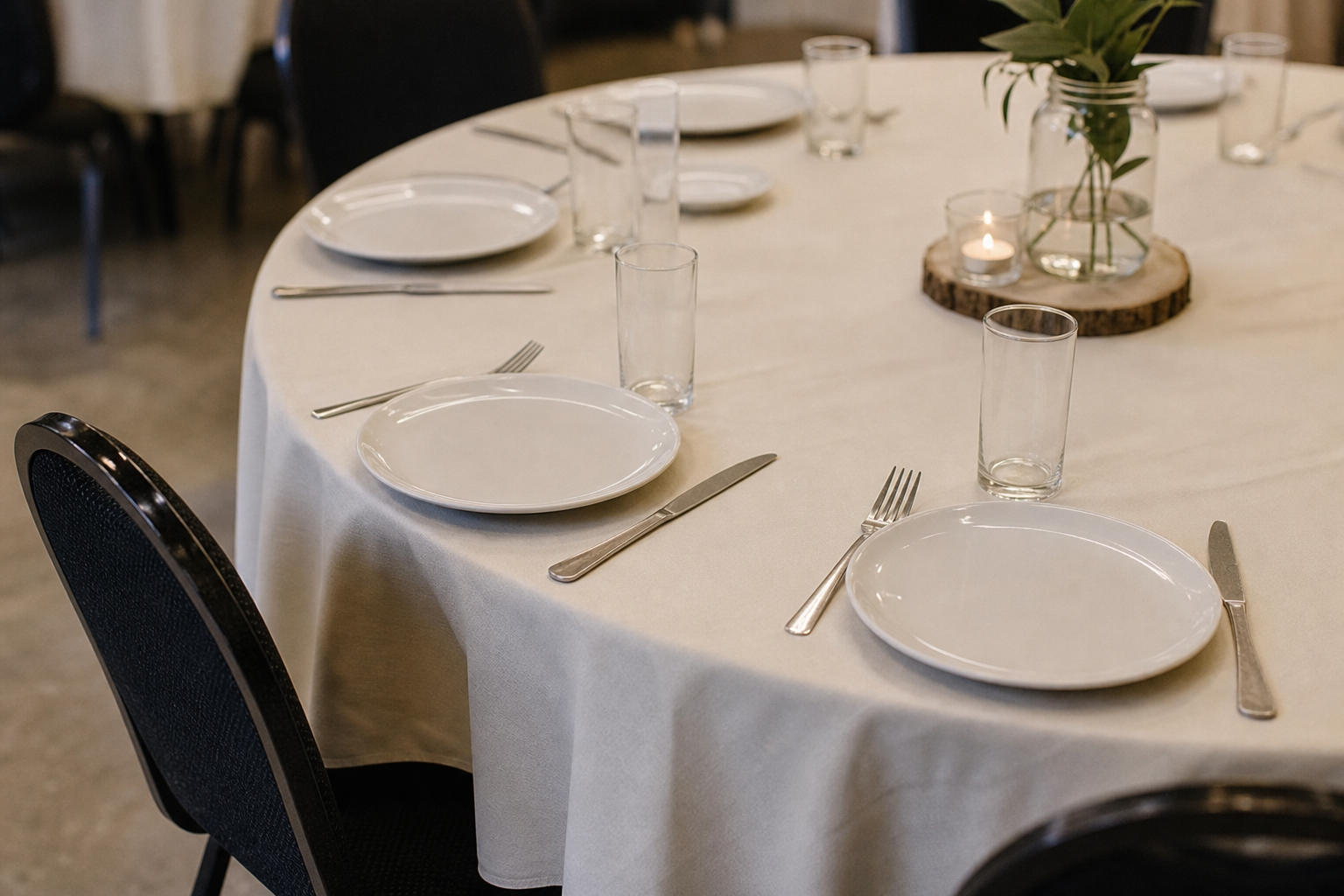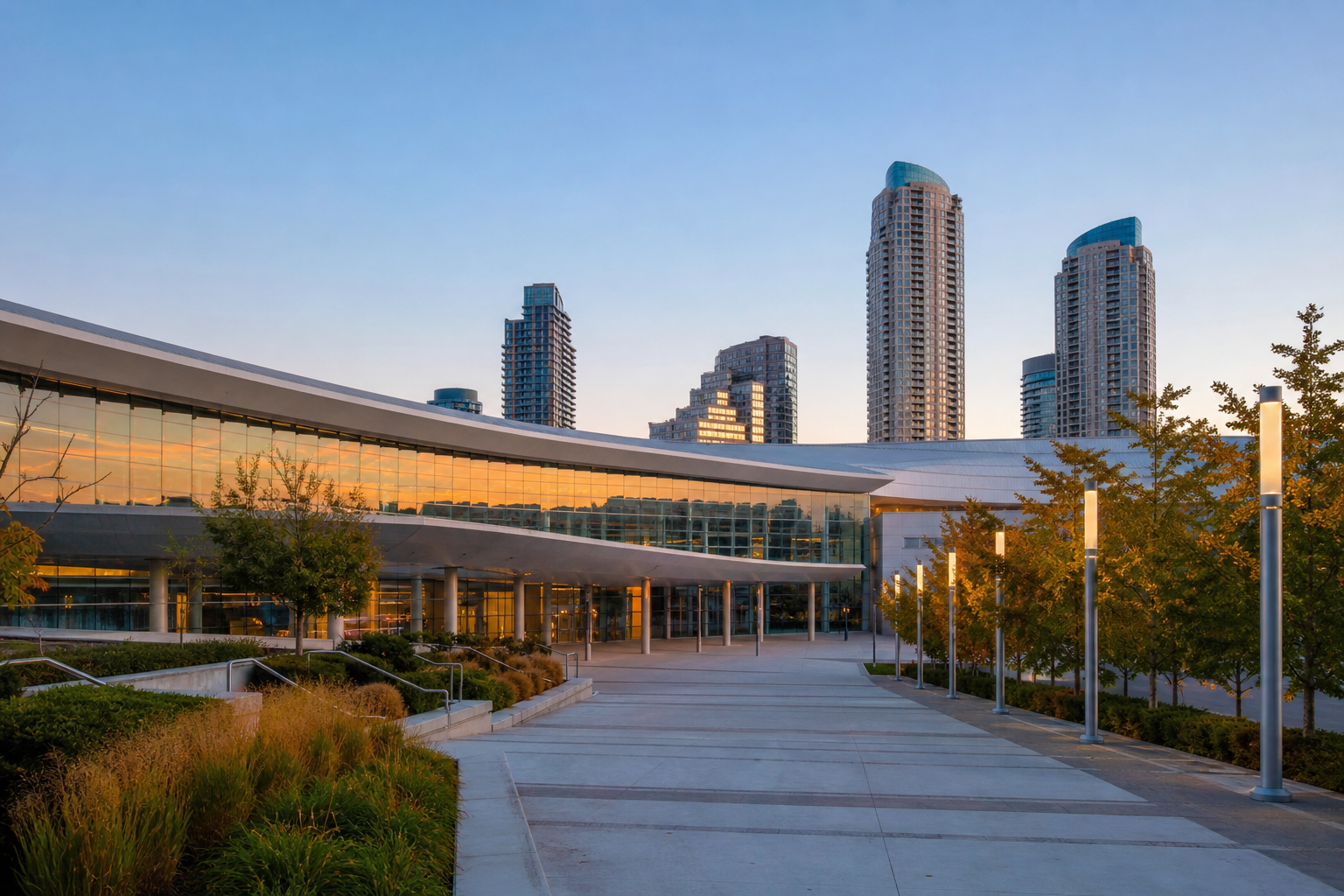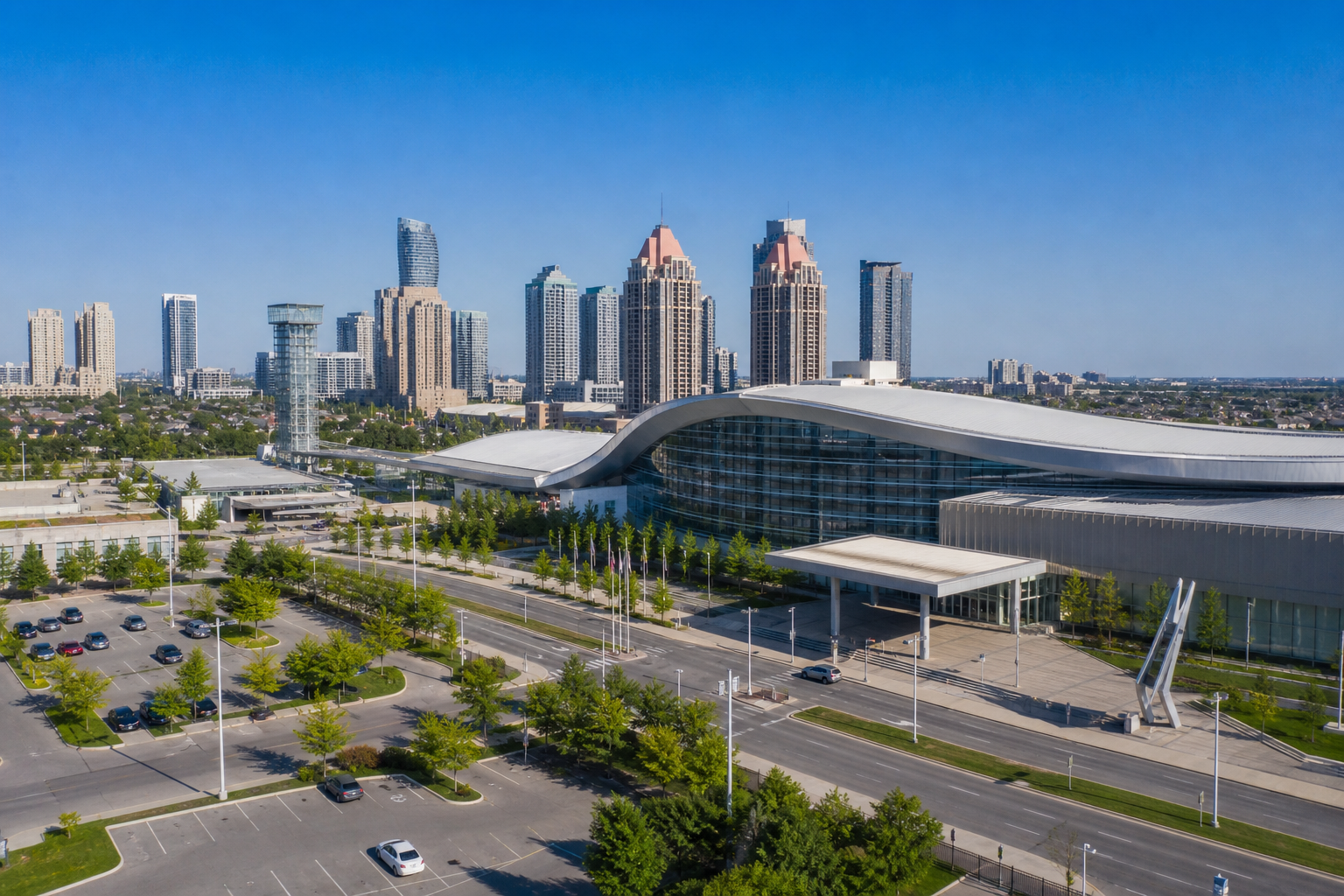
Mississauga Convention Centre

Prom venue planning guide: Why it matters for Mississauga schools

Prom venue planning guide: Why it matters for Mississauga schools

Prom venue planning guide: Why it matters for Mississauga schools

Key Takeaways

  • The Mississauga Convention Centre offers seven versatile halls, each approximately 4,250 square feet, accommodating over 2,200 guests.
  • In-house services at the Centre include professional audiovisual systems, diverse catering options, and technical support, simplifying event planning.
  • Accessibility features and safety protocols are essential considerations for school proms, with the Centre providing comprehensive support in these areas.
  • Proximity to major highways and Toronto Pearson International Airport enhances accessibility for attendees traveling from the Greater Toronto Area (GTA).
  • Early venue selection is crucial for effective budget and timeline management, as highlighted by local planning resources.

Prom venue planning guide: what it means and who should use it

A prom venue planning guide is a focused checklist and decision tool that identifies the venue features, policies and logistics a school committee must confirm before booking a site. It is written for student prom committees, faculty advisors and parent volunteers who will evaluate options, compare trade-offs and recommend a contract to school administration. Effective guides convert general planning advice into venue-specific checks: capacity and layout, audiovisual specifications, catering rules, accessibility and safety, insurance and permits, plus arrival and departure logistics.

Local planning resources and industry checklists emphasise that venue choice should be made early because it shapes budget, timeline and safety planning. For practical steps and common priorities see the Peerspace planning guide and the Spruce Mountain Events prom venue checklist.

The essential checklist every prom venue guide contains

Use this compact checklist as the definition of a prom venue planning guide: each item determines whether a site will work for your prom and why it matters.

  • Capacity and layout — Confirm how many guests fit comfortably and where dinner, dance, photos and coat check will sit.
  • AV and lighting — Verify built-in sound, microphone, DJ hookup and technical support for music, speeches and timelines.
  • Catering and menu policies — Check whether in-house catering is required, menu flexibility and options for Halal or other dietary needs.
  • Parking and arrival logistics — Confirm on-site parking, coach drop zones and nearby transit for buses and parents.
  • Accessibility and safety — Verify wheelchair access, emergency exits, maximum occupancy limits and on-site first aid or security procedures.
  • Insurance and permits — Make sure the venue’s insurance meets school board rules and identify any municipal permits or curfew restrictions.
  • Costs, deposits and cancellation terms — Document deposit schedules, payment milestones and substitution or cancellation rules.
  • Day-of support and staffing — Confirm venue staff ratios, coat check handling, cleaning and technical run-throughs.

Checklist explained: capacity, layout and flow

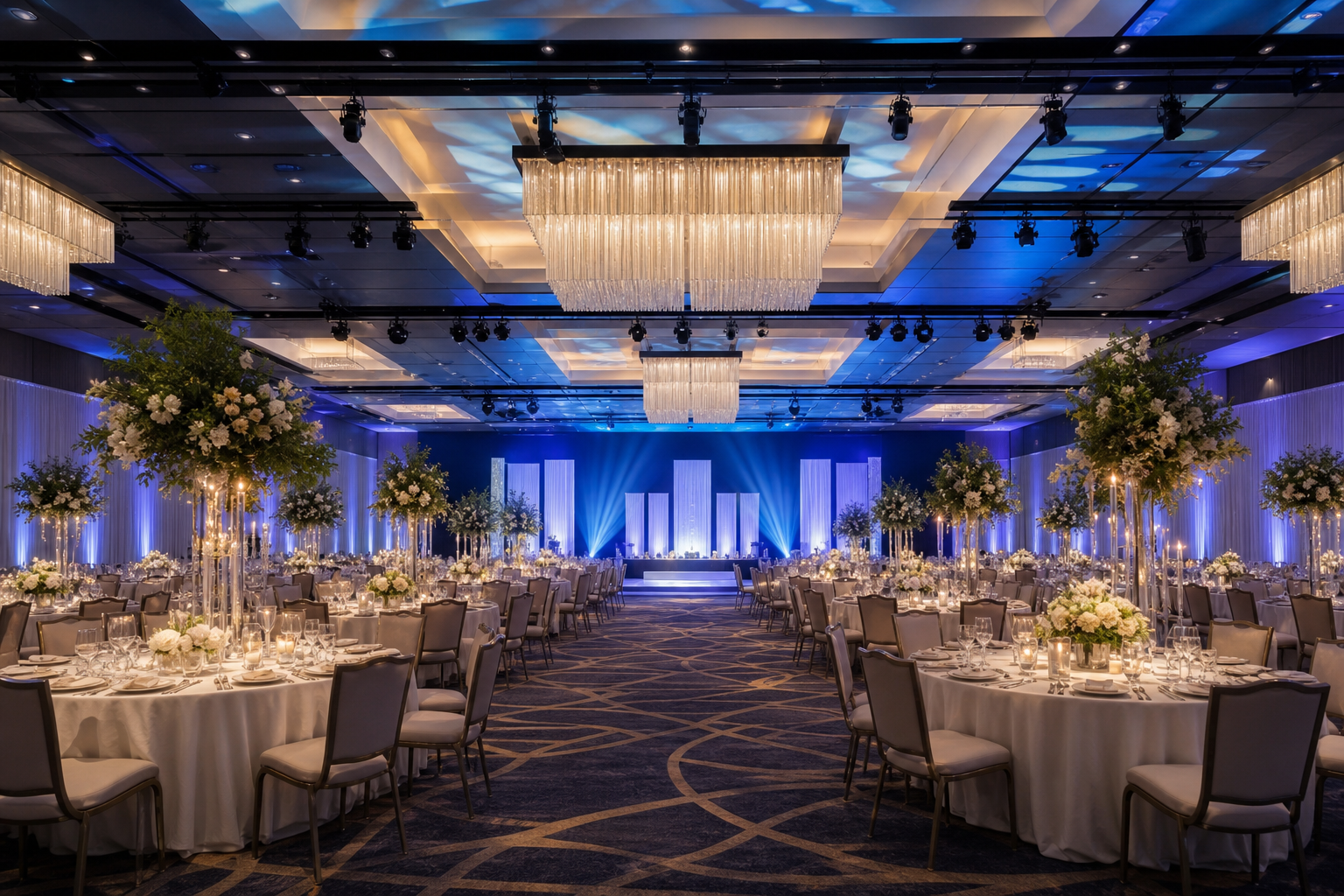
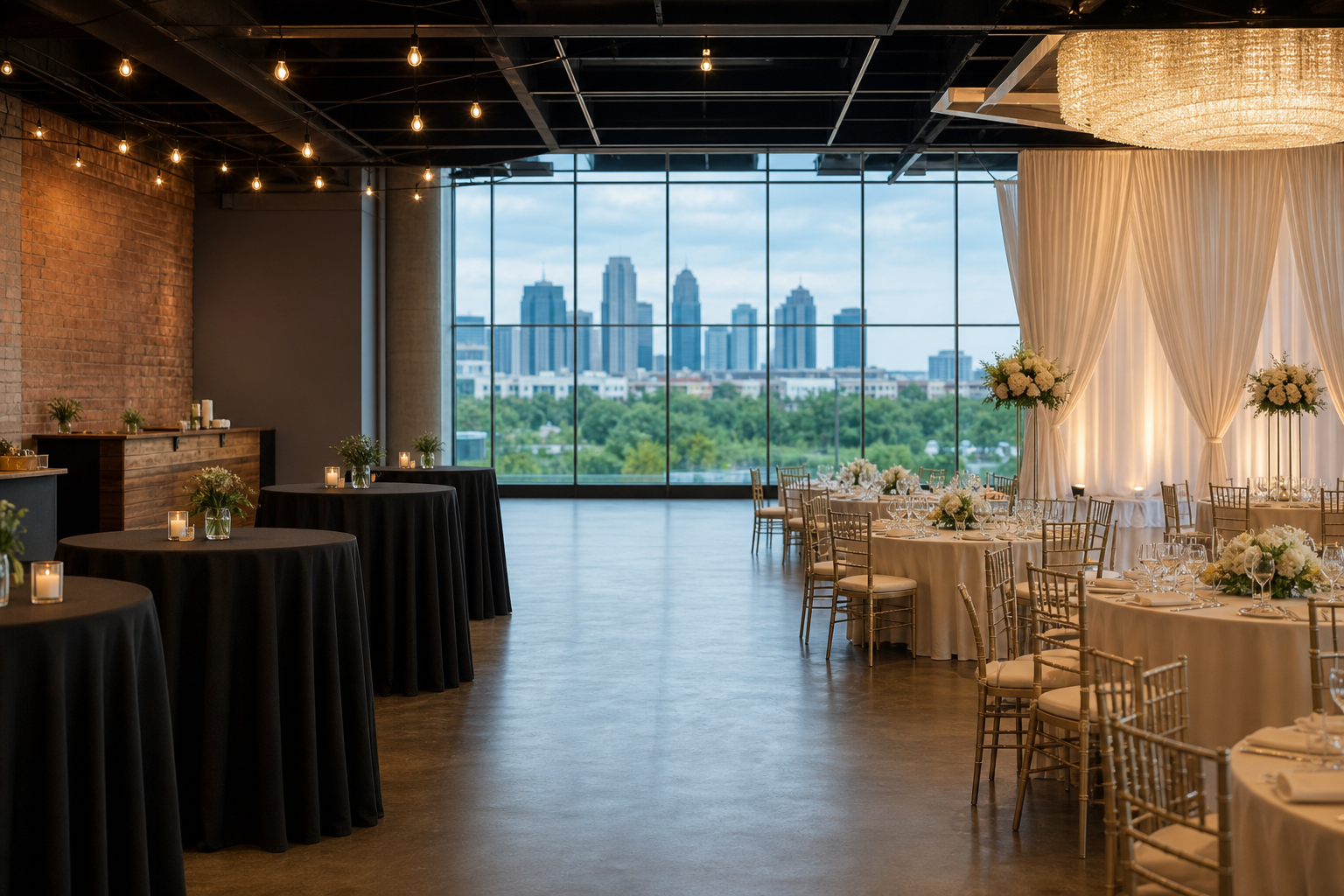
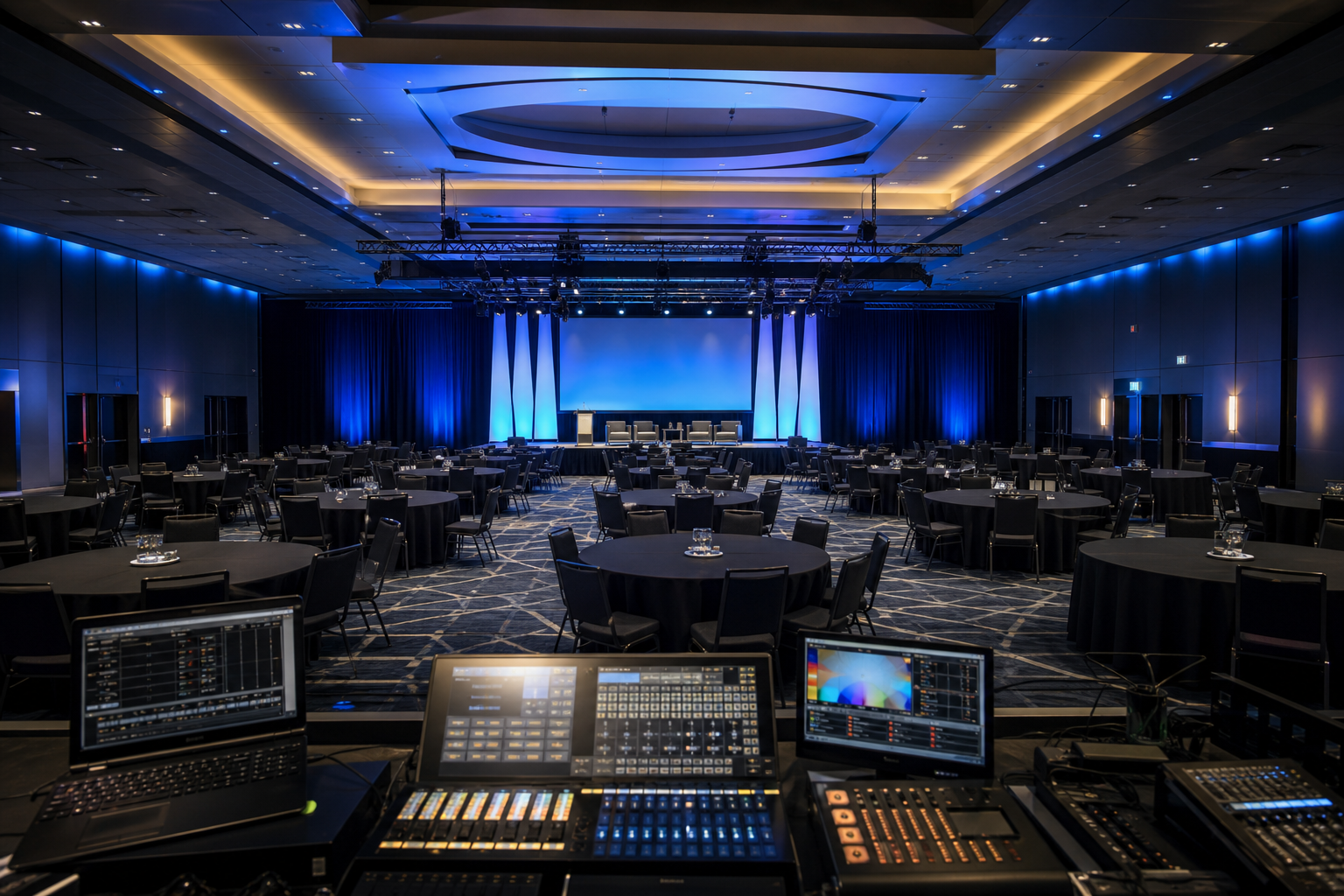
Capacity is more than a number. For realistic guest counts, translate square footage into functional zones: a seated dinner needs more floor per guest than a standing reception. When halls can be combined or reconfigured, ask for sample floorplans showing dinner seating, a cleared dance floor, a photo area and a secure coat check. The Mississauga Convention Centre advertises seven halls of approximately 4,250 square feet each, which enables modular room combinations to create distinct zones or host parallel activities. Use that information to draft potential layouts before site visits and to present defensible options to school administration.

Ask for staged floorplans in writing and, if possible, request photographs from similar-sized events. A good venue will provide at least two sample configurations and clear maximum capacities for each layout so you can choose a setup that meets fire code and comfort standards.

Checklist explained: AV, catering and guest logistics

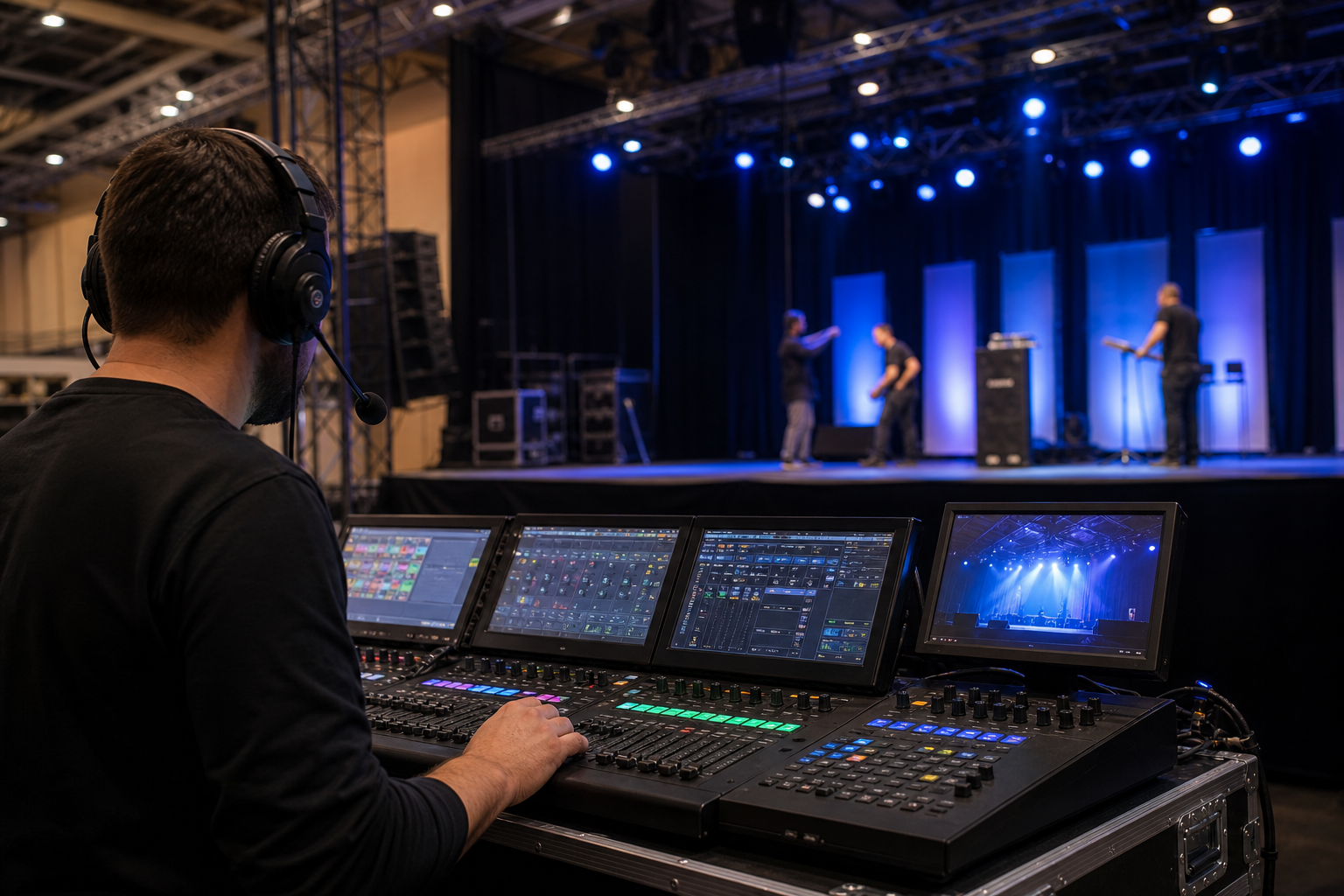
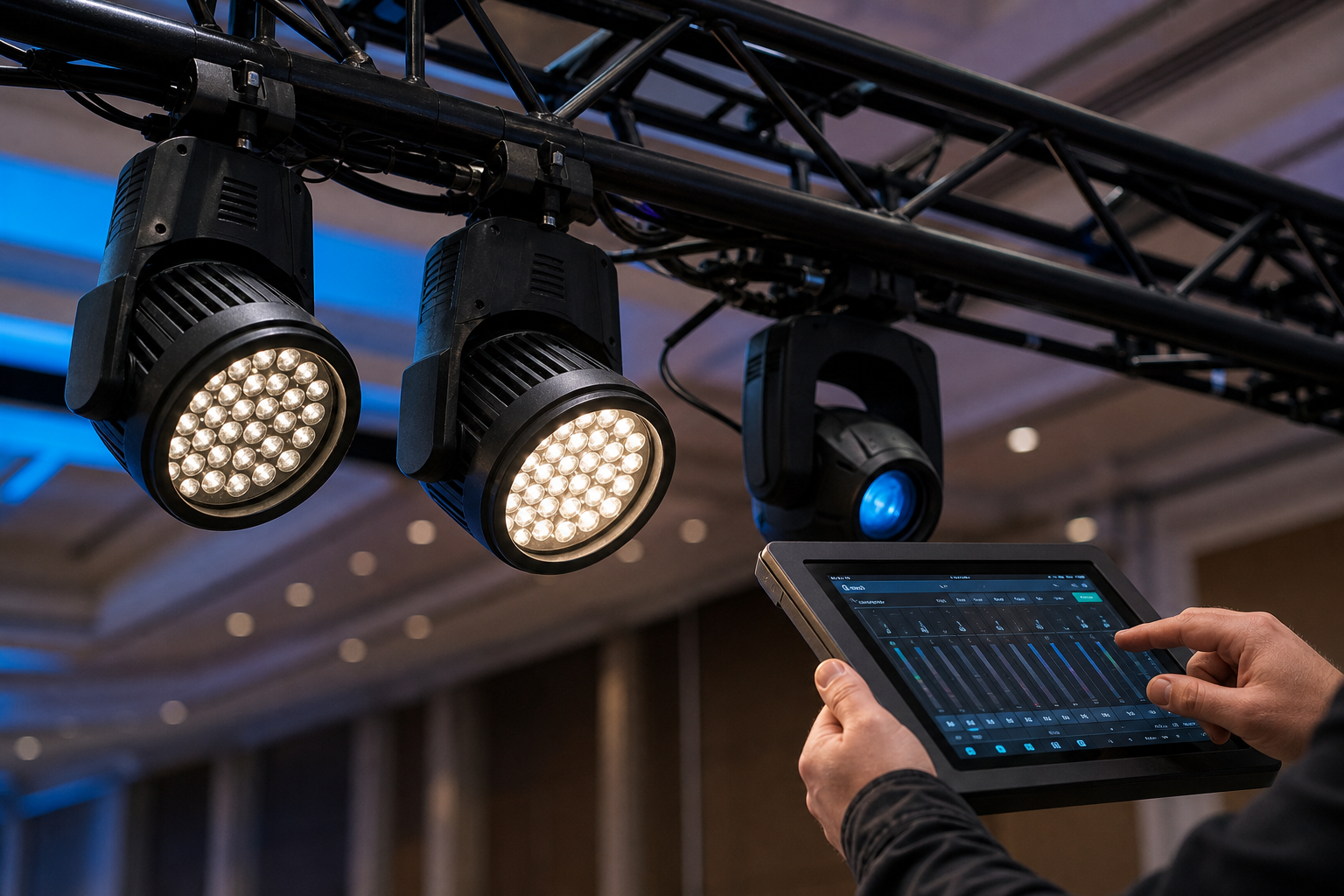
Reliable AV is critical to a successful prom night. Built-in systems and an on-site technician reduce the risk of late-night failures and avoid coordinating a separate vendor. Confirm whether the venue provides microphones, DJ outlets, staged lighting and a technical run-through time. Venues that include AV support allow committees to focus on programming and safety rather than logistics; the Mississauga Convention Centre lists professional audiovisual systems, lighting, staging and on-site technical support as in-house services.

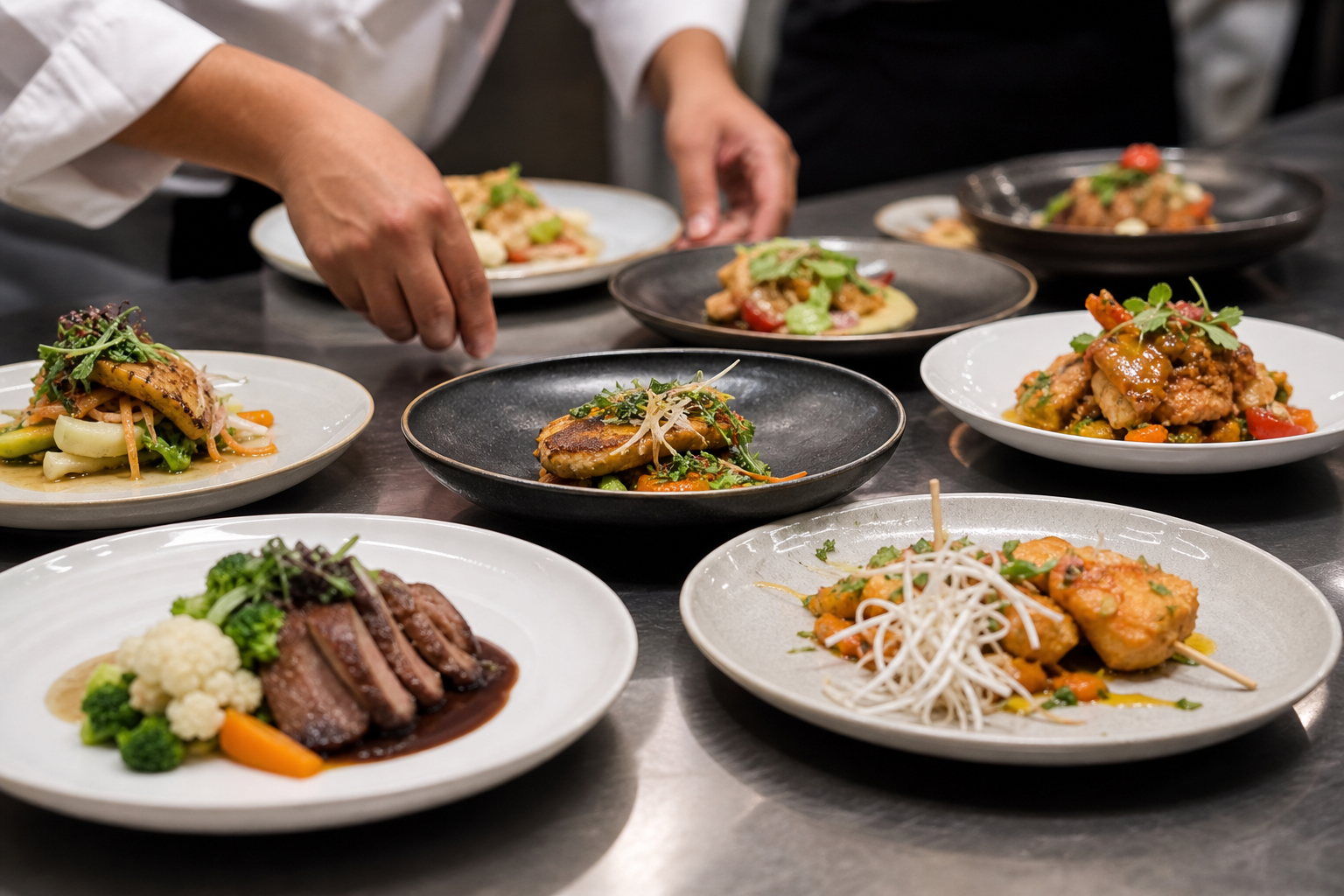
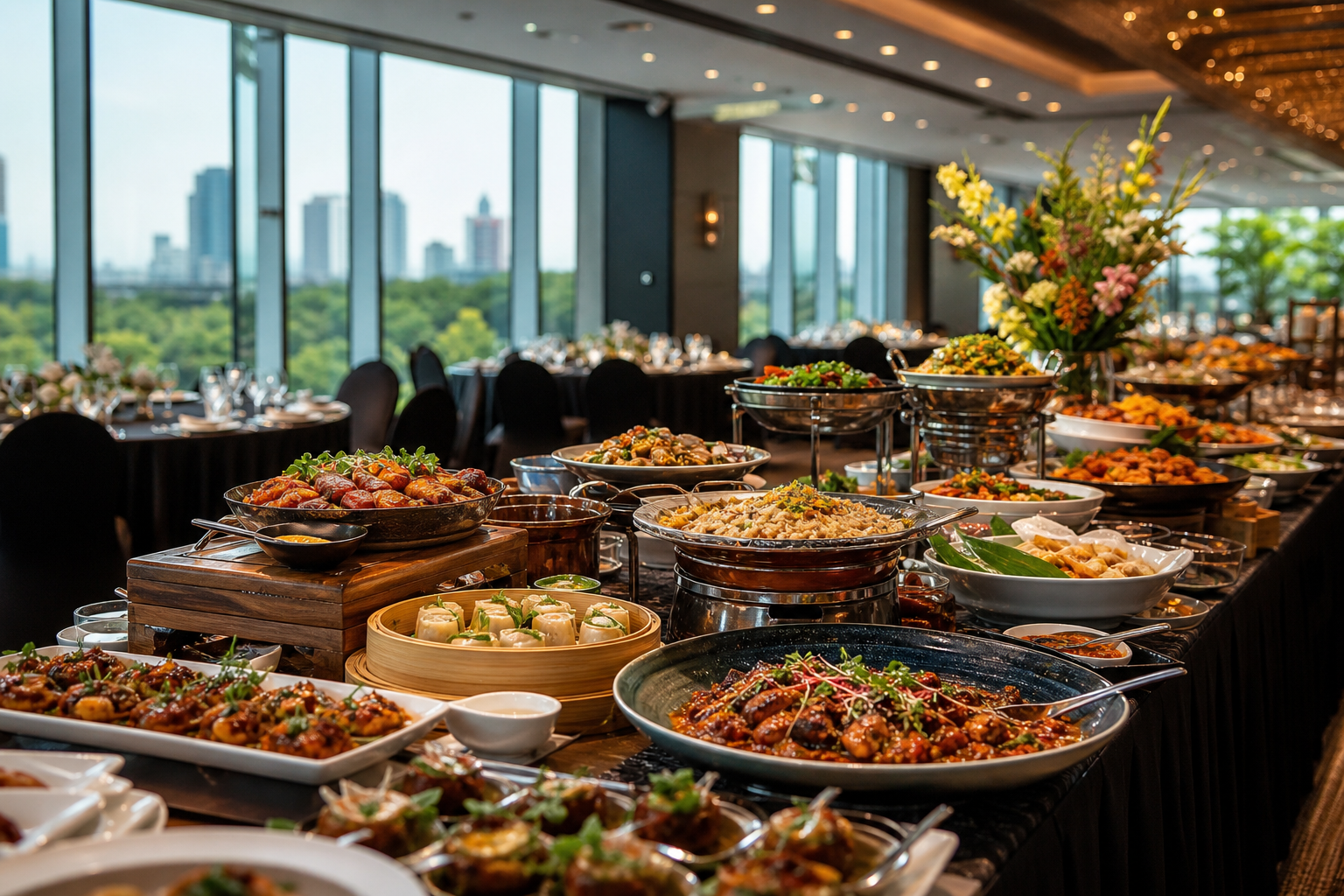
Catering policies affect both cost and inclusiveness. Many schools require Halal or vegetarian options to accommodate students’ needs. The Mississauga Convention Centre advertises diverse in-house menus including South Asian, Pakistani Halal, Middle Eastern, Sri Lankan, Caribbean and Continental options, which can simplify menu selection and food-service compliance for multicultural groups. Confirm how menu substitutions are handled and whether a tasting or sample menu is available for committee review.

Guest logistics cover parking, coach staging for buses and transit connections. For large school events, on-site parking and coach access reduce arrival congestion. The Centre reports approximately 700 on-site parking spaces, a significant advantage when many attendees arrive by car or bus. Plan arrival windows in 15 to 30 minute blocks and confirm a clear drop-off and pick-up plan with venue staff.

Checklist explained: accessibility, safety, insurance and permits

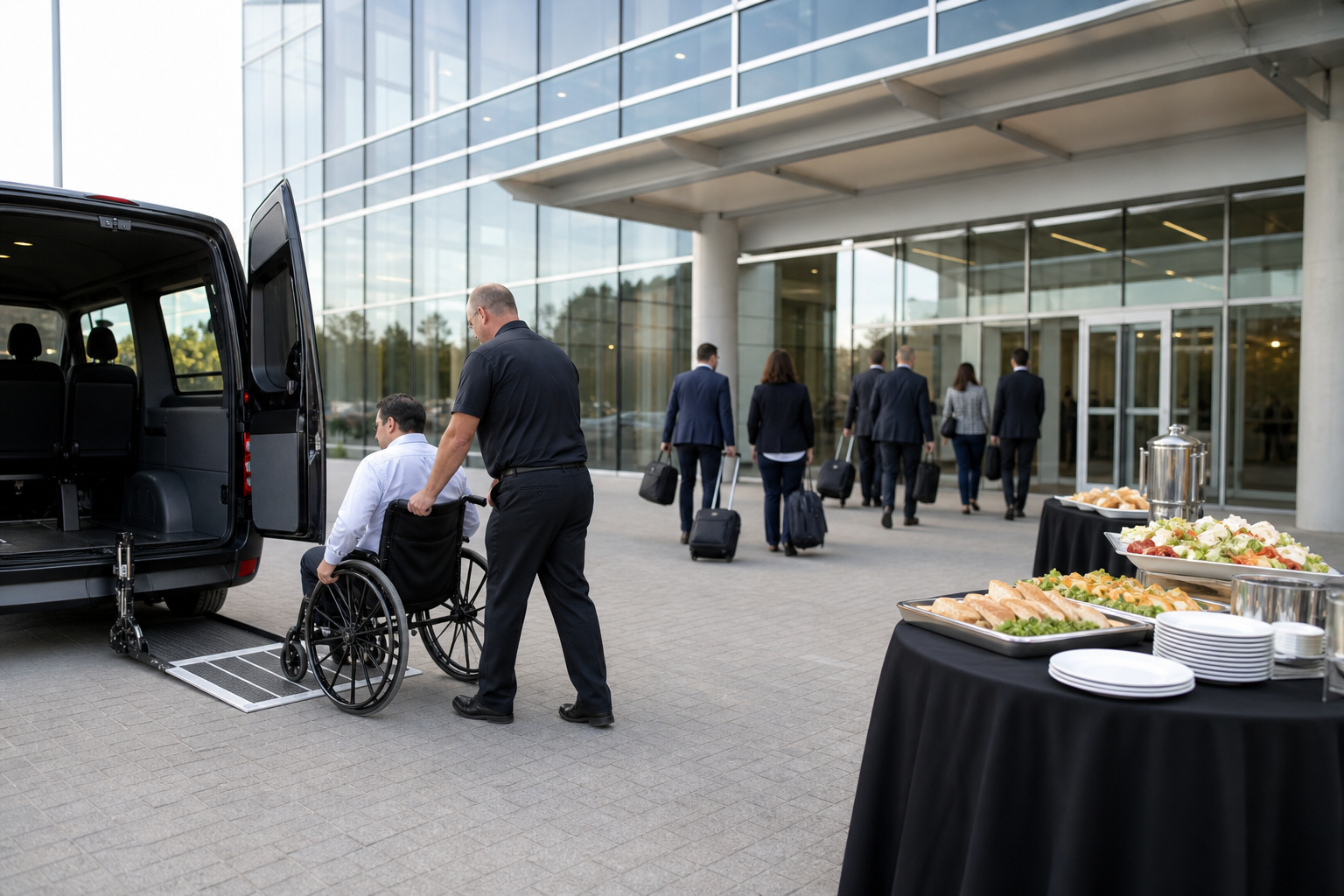
School boards commonly require proof of venue insurance and evidence of accessible facilities. Confirm wheelchair access throughout the route from parking to the event hall, restroom accessibility and elevator availability when necessary. Review emergency exit locations and a crowd management plan with venue management, and ask what on-site security or first aid services are provided or recommended.

Local planning checklists advise organisers to verify insurance and permit requirements early, because some municipalities or boards require additional permits for large school dances or amplified sound. Include these items in venue selection discussions to avoid last-minute obstacles.

Mississauga-specific logistics to factor into venue choice

Mississauga-specific logistics to factor into venue choice — prom venue planning guide

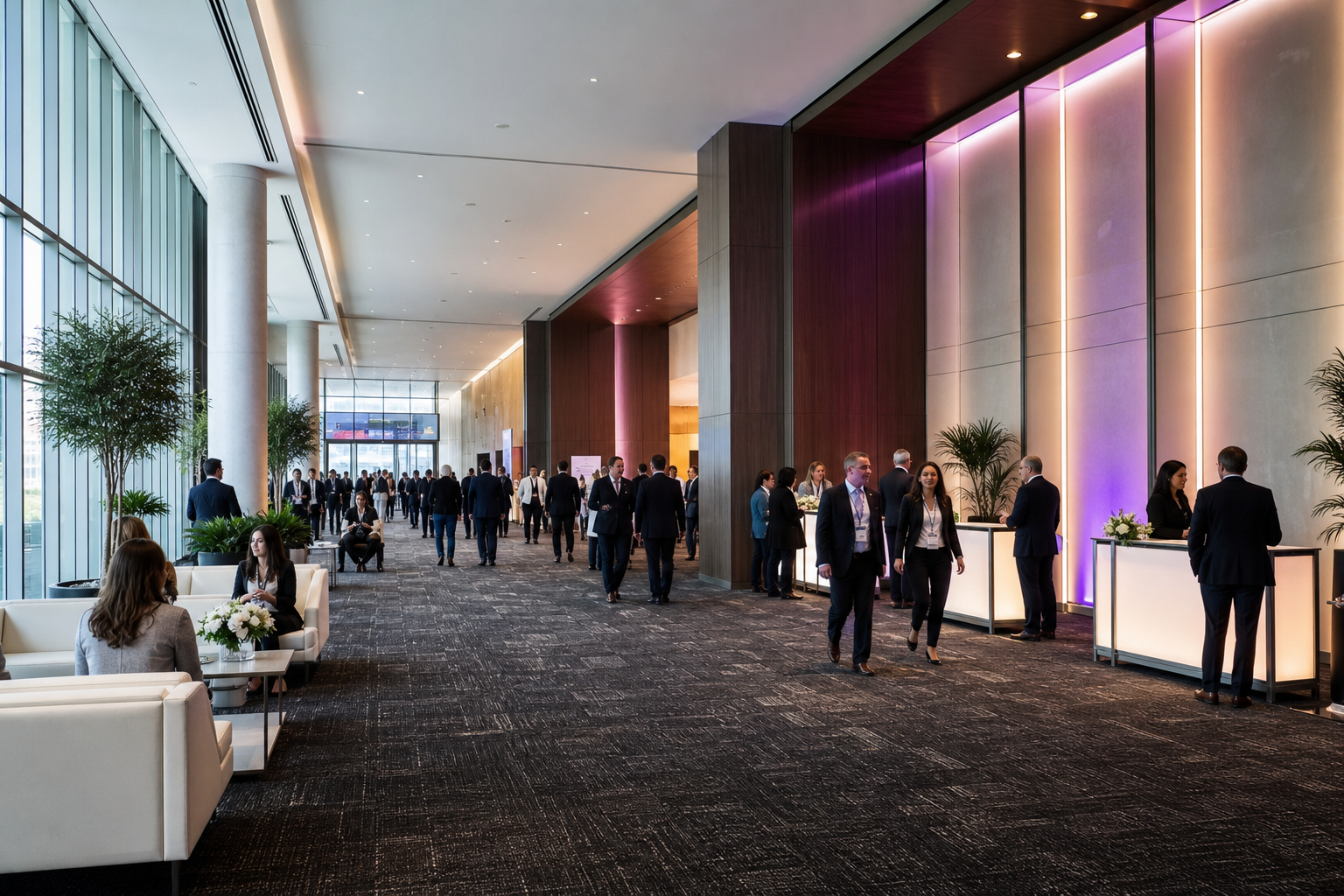
Selecting a venue in Mississauga or the wider GTA means balancing proximity, highway access and bus logistics. Venues near Toronto Pearson International Airport and major highways shorten travel times for attendees coming from neighbouring towns, while available on-site parking simplifies parent drop-off and bus routing. The Mississauga Convention Centre highlights proximity to major highways and Pearson as an accessibility benefit, which matters when coordinating arrival windows and charter buses for students.

Also check nearby public transit and Park and Ride stops if any students will use transit. When booking a Mississauga venue, plan arrival windows and confirm a supervised entry and departure plan so staff can manage arrivals without congestion.

How in-house services at Mississauga Convention Centre simplify planning

One of the strongest advantages of a venue that bundles services is reduced vendor complexity. When AV, catering, staging, lighting and technical support are provided by the same team, committees manage fewer contracts, get clearer day-of responsibilities and lower execution risk. The Centre lists in-house AV, diverse catering options, lighting and staging, an outdoor patio option and a virtual tour to preview spaces, all of which help committees visualise the event and produce a realistic plan without sourcing multiple external suppliers.

For additional insights on event planning and venue selection, consider exploring resources from the <a href="https://www.eventbrite.com/blog/academy/event-planning-tips-ds00-ds00-ds00-ds00-ds00-ds00-ds00-ds00-ds00-ds00-ds00-ds00-ds00-ds00-ds00-ds00-ds00-ds00-ds00-ds00-ds00-ds00-ds00-ds00-ds00-ds00-ds00-ds00-ds00-ds00-ds00-ds00-ds00-ds00-ds00-ds00-ds00-ds00-ds00-ds00-ds00-ds00-ds00-ds00-ds00-ds00-ds00-ds00-ds00-ds00-ds00-ds00-ds00-ds00-ds00-ds00-ds00-ds00-ds00-ds00-ds00-ds00-ds00-ds00-ds00-ds00-ds00-ds00-ds00-ds00-ds00-ds00-ds00-ds00-ds00-ds00-ds00-ds00-ds00-ds00-ds00-ds00-ds00-ds00-ds00-ds00-ds00-ds00-ds00-ds00-ds00-ds00-ds00-ds00-ds00-ds00-ds00-ds00-ds00-ds00-ds00-ds00-ds00-ds00-ds00-ds00-ds00-ds00-ds00-ds00-ds00-ds00-ds00-ds00-ds00-ds00-ds00-ds00-ds00-ds00-ds00-ds00-ds00-ds00-ds00-ds00-ds00-ds00-ds00-ds00-ds00-ds00-ds00-ds00-ds00-ds00-ds00-ds00-ds00-ds00-ds00-ds00-ds00-ds00-ds00-ds00-ds00-ds00-ds00-ds00-ds00-ds00-ds00-ds00-ds00-ds00-ds00-ds00-ds00-ds00-ds00-ds00-ds00-ds00-ds00-ds00-ds00-ds00-ds00-ds00-ds00-ds00-ds00-ds00-ds00-ds00-ds00-ds00-ds00-ds00-ds00-ds00-ds00-ds00-ds00-ds00-ds00-ds00-ds00-ds00-ds00-ds00-ds00-ds00-ds00-ds00-ds00-ds00-ds00-ds00-ds00-ds00-ds00-ds00-ds00-ds00-ds00-ds00-ds00-ds00-ds00-ds00-ds00-ds00-ds00-ds00-ds00-ds00-ds00-ds00-ds00-ds00-ds00-ds00-ds00-ds00-ds00-ds00-ds00-ds00-ds00-ds00-ds00-ds00-ds00-ds00-ds00-ds00-ds00-ds00-ds00-ds00-ds00-ds00-ds00-ds00-ds00-ds00-ds00-ds00-ds00-ds00-ds00-ds00-ds00-ds00-ds00-ds00-ds00-ds00-ds00-ds00-ds00-ds00-ds00-ds00-ds00-ds00-ds00-ds00-ds00-ds00-ds00-ds00-ds00-ds00-ds00-ds00-ds00-ds00-ds00-ds00-ds00-ds00-ds00-ds00-ds00-ds00-ds00-ds00-ds00-ds00-ds00-ds00-ds00-ds00-ds00-ds00-ds00-ds00-ds00-ds00-ds00-ds00-ds00-ds00-ds00-ds00-ds00-ds00-ds00-ds00-ds00-ds00-ds00-ds00-ds00-ds00-ds00-ds00-ds00-ds00-ds00-ds00-ds00-ds00-ds00-ds00-ds00-ds00-ds00-ds00-ds00-ds00-ds00-ds00-ds00-ds00-ds00-ds00-ds00-ds00-ds00-ds00-ds00-ds00-ds00-ds00-ds00-ds00-ds00-ds00-ds00-ds00-ds00-ds00-ds00-ds00-ds00-ds00-ds00-ds00-ds00-ds00-ds00-ds00-ds00-ds00-ds00-ds00-ds00-ds00-ds00-ds00-ds00-ds00-ds00-ds00-ds00-ds00-ds00-ds00-ds00-ds00-ds00-ds00-ds00-ds00-ds00-ds00-ds00-ds00-ds00-ds00-ds00-ds00-ds00-ds00-ds00-ds00-ds00-ds00-ds00-ds00-ds00-ds00-ds00-ds00-ds00-ds00-ds00-ds00-ds00-ds00-ds00-ds00-ds00-ds00-ds00-ds00-ds00-ds00-ds00-ds00-ds00-ds00-ds00-ds00-ds00-ds00-ds00-ds00-ds00-ds00-ds00-ds00-ds00-ds00-ds00-ds00-ds00-ds00-ds00-ds00-ds00-ds00-ds00-ds00-ds00-ds00-ds00-ds00-ds00-ds00-ds00-ds00-ds00-ds00-ds00-ds00-ds00-ds00-ds00-ds00-ds00-ds00-ds00-ds00-ds00-ds00-ds00-ds00-ds00-ds00-ds00-ds00-ds00-ds00-ds00-ds00-ds00-ds00-ds00-ds00-ds00-ds00-ds00-ds00-ds00-ds00-ds00-ds00-ds00-ds00-ds00-ds00-ds00-ds00-ds00-ds00-ds00-ds00-ds00-ds00-ds00-ds00-ds00-ds00-ds00-ds00-ds00-ds00-ds00-ds00-ds00-ds00-ds00-ds00-ds00-ds00-ds00-ds00-ds00-ds00-ds00-ds00-ds00-ds00-ds00-ds00-ds00-ds00-ds00-ds00-ds00-ds00-ds00-ds00-ds00-ds00-ds00-ds00-ds00-ds00-ds00-ds00-ds00-ds00-ds00-ds00-ds00-ds00-ds00-ds00-ds00-ds00-ds00-ds00-ds00-ds00-ds00-ds00-ds00-ds00-ds00-ds00-ds00-ds00-ds00-ds00-ds00-ds00-ds00-ds00-ds00-ds00-ds00-ds00-ds00-ds00-ds00-ds00-ds00-ds00-ds00-ds00-ds00-ds00-ds00-ds00-ds00-ds00-ds00-ds00-ds00-ds00-ds00-ds00-ds00-ds00-ds00-ds00-ds00-ds00-ds00-ds00-ds00-ds00-ds00-ds00-ds00-ds00-ds00-ds00-ds00-ds00-ds00-ds00-ds00-ds00-ds00-ds00-ds00-ds00-ds00-ds00-ds00-ds00-ds00-ds00-ds00-ds00-ds00-ds00-ds00-ds00-ds00-ds00-ds00-ds00-ds00-ds00-ds00-ds00-ds00-ds00-ds00-ds00-ds00-ds00-ds00-ds00-ds00-ds00-ds00-ds00-ds00-ds00-ds00-ds00-ds00-ds00-ds00-ds00-ds00-ds00-ds00-ds00-ds00-ds00-ds00-ds00-ds00-ds00-ds00-ds00-ds00-ds00-ds00-ds00-ds00-ds00-ds00-ds00-ds00-ds00-ds00-ds00-ds00-ds00-ds00-ds00-ds00-ds00-ds00-ds00-ds00-ds00-ds00-ds00-ds00-ds00-ds00-ds00-ds00-ds00-ds00-ds00-ds00-ds00-ds00-ds00-ds00-ds00-ds00-ds00-ds00-ds00-ds00-ds00-ds00-ds00-ds00-ds00-ds00-ds00-ds00-ds00-ds00-ds00-ds00-ds00-ds00-ds00-ds00-ds00-ds00-ds00-ds00-ds00-ds00-ds00-ds00-ds00-ds00-ds00-ds00-ds00-ds00-ds00-ds00-ds00-ds00-ds00-ds00-ds00-ds00-ds00-ds00-ds00-ds00-ds00-ds00-ds00-ds00-ds00-ds00-ds00-ds00-ds00-ds00-ds00-ds00-ds00-ds00-ds00-ds00-ds00-ds00-ds00-ds00-ds00-ds00-ds00-ds00-ds00-ds00-ds00-ds00-ds00-ds00-ds00-ds00-ds00-ds00-ds00-ds00-ds00-ds00-ds00-ds00-ds00-ds00-ds00-ds00-ds00-ds00-ds00-ds00-ds00-ds00-ds00-ds00-ds00-ds00-ds00-ds00-ds00-ds00-ds00-ds00-ds00-ds00-ds00-ds00-ds00-ds00-ds00-ds00-ds00-ds00-ds00-ds00-ds00-ds00-ds00-ds00-ds00-ds00-ds00-ds00-ds00-ds00-ds00-ds00-ds00-ds00-ds00-ds00-ds00-ds00-ds00-ds00-ds00-ds00-ds00-ds00-ds00-ds00-ds00-ds00-ds00-ds00-ds00-ds00-ds00-ds00-ds00-ds00-ds00-ds00-ds00-ds00-ds00-ds00-ds00-ds00-ds00-ds00-ds00-ds00-ds00-ds00-ds00-ds00-ds00-ds00-ds00-ds00-ds00-ds00-ds00-ds00-ds00-ds00-ds00-ds00-ds00-ds00-ds00-ds00-ds00-ds00-ds00-ds00-ds00-ds00-ds00-ds00-ds00-ds00-ds00-ds00-ds00-ds00-ds00-ds00-ds00-ds00-ds00-ds00-ds00-ds00-ds00-ds00-ds00-ds00-ds00-ds00-ds00-ds00-ds00-ds00-ds00-ds00-ds00-ds00-ds00-ds00-ds00-ds00-ds00-ds00-ds00-ds00-ds00-ds00-ds00-ds00-ds00-ds00-ds00-ds00-ds00-ds00-ds00-ds00-ds00-ds00-ds00-ds00-ds00-ds00-ds00-ds00-ds00-ds00-ds00-ds00-ds00-ds00-ds00-ds00-ds00-ds00-ds00-ds00-ds00-ds00-ds00-ds00-ds00-ds00-ds00-ds00-ds00-ds00-ds00-ds00-ds00-ds00-ds00-ds00-ds00-ds00-ds00-ds00-ds00-ds00-ds00-ds00-ds00-ds00-ds00-ds00-ds00-ds00-ds00-ds00-ds00-ds00-ds00-ds00-ds00-ds00-ds00-ds00-ds00-ds00-ds00-ds00-ds00-ds00-ds00-ds00-ds00-ds00-ds00-ds00-ds00-ds00-ds00-ds00-ds00-ds00-ds00-ds00-ds00-ds00-ds00-ds00-ds00-ds00-ds00-ds00-ds00-ds00-ds00-ds00-ds00-ds00-ds00-ds00-ds00-ds00-ds00-ds00-ds00-ds00-ds00-ds00-ds00-ds00-ds00-ds00-ds00-ds00-ds00-ds00-ds00-ds00-ds00-ds00-ds00-ds00-ds00-ds00-ds00-ds00-ds00-ds00-ds00-ds00-ds00-ds00-ds00-ds00-ds00-ds00-ds00-ds00-ds00-ds00-ds00-ds00-ds00-ds00-ds00-ds00-ds00-ds00-ds00-ds00-ds00-ds00-ds00-ds00-ds00-ds00-ds00-ds00-ds00-ds00-ds00-ds00-ds00-ds00-ds00-ds00-ds00-ds00-ds00-ds00-ds00-ds00-ds00-ds00-ds00-ds00-ds00-ds00-ds00-ds00-ds00-ds00-ds00-ds00-ds00-ds00-ds00-ds00-ds00-ds00-ds00-ds00-ds00-ds00-ds00-ds00-ds00-ds00-ds00-ds00-ds00-ds00-ds00-ds00-ds00-ds00-ds00-ds00-ds00-ds00-ds00-ds00-ds00-ds00-ds00-ds00-ds00-ds00-ds00-ds00-ds00-ds00-ds00-ds00-ds00-ds00-ds00-ds00-ds00-ds00-ds00-ds00-ds00-ds00-ds00-ds00-ds00-ds00-ds00-ds00-ds00-ds00-ds00-ds00-ds00-ds00-ds00-ds00-ds00-ds00-ds00-ds00-ds00-ds00-ds00-ds00-ds00-ds00-ds00-ds00-ds00-ds00-ds00-ds00-ds00-ds00-ds00-ds00-ds00-ds00-ds00-ds00-ds00-ds00-ds00-ds00-ds00-ds00-ds00-ds00-ds00-ds00-ds00-ds00-ds00-ds00-ds00-ds00-ds00-ds00-ds00-ds00-ds00-ds00-ds00-ds00-ds00-ds00-ds00-ds00-ds00-ds00-ds00-ds00-ds00-ds00-ds00-ds00-ds00-ds00-ds00-ds00-ds00-ds00-ds00-ds00-ds00-ds00-ds00-ds00-ds00-ds00-ds00-ds00-ds00-ds00-ds00-ds00-ds00-ds00-ds00-ds00-ds00-ds00-ds00-ds00-ds00-ds00-ds00-ds00-ds00-ds00-ds00-ds00-ds00-ds00-ds00-ds00-ds00-ds00-ds00-ds00-ds00-ds00-ds00-ds00-ds00-ds00-ds00-ds00-ds00-ds00-ds00-ds00-ds00-ds00-ds00-ds00-ds00-ds00-ds00-ds00-ds00-ds00-ds00-ds00-ds00-ds00-ds00-ds00-ds00-ds00-ds00-ds00-ds00-ds00-ds00-ds00-ds00-ds00-ds00-ds00-ds00-ds00-ds00-ds00-ds00-ds00-ds00-ds00-ds00-ds00-ds00-ds00-ds00-ds00-ds00-ds00-ds00-ds00-ds00-ds00-ds00-ds00-ds00-ds00-ds00-ds00-ds00-ds00-ds00-ds00-ds00-ds00-ds00-ds00-ds00-ds00-ds00-ds00-ds00-ds00-ds00-ds00-ds00-ds00-ds00-ds00-ds00-ds00-ds00-ds00-ds00-ds00-ds00-ds00-ds00-ds00-ds00-ds00-ds00-ds00-ds00-ds00-ds00-ds00-ds00-ds00-ds00-ds00-ds00-ds00-ds00-ds00-ds00-ds00-ds00-ds00-ds00-ds00-ds00-ds00-ds00-ds00-ds00-ds00-ds00-ds00-ds00-ds00-ds00-ds00-ds00-ds00-ds00-ds00-ds00-ds00-ds00-ds00-ds00-ds00-ds00-ds00-ds00-ds00-ds00-ds00-ds00-ds00-ds00-ds00-ds00-ds00-ds00-ds00-ds00-ds00-ds00-ds00-ds00-ds00-ds00-ds00-ds00-ds00-ds00-ds00-ds00-ds00-ds00-ds00-ds00-ds00-ds00-ds00-ds00-ds00-ds00-ds00-ds00-ds00-ds00-ds00-ds00-ds00-ds00-ds00-ds00-ds00-ds00-ds00-ds00-ds00-ds00-ds00-ds00-ds00-ds00-ds00-ds00-ds00-ds00-ds00-ds00-ds00-ds00-ds00-ds00-ds00-ds00-ds00-ds00-ds00-ds00-ds00-ds00-ds00-ds00-ds00-ds00-ds00-ds00-ds00-ds00-ds00-ds00-ds00-ds00-ds00-ds00-ds00-ds00-ds00-ds00-ds00-ds00-ds00-ds00-ds00-ds00-ds00-ds00-ds00-ds00-ds00-ds00-ds00-ds00-ds00-ds00-ds00-ds00-ds00-ds00-ds00-ds00-ds00-ds00-ds00-ds00-ds00-ds00-ds00-ds00-ds00-ds00-ds00-ds00-ds00-ds00-ds00-ds00-ds00-ds00-ds00-ds00-ds00-ds00-ds00-ds00-ds00-ds00-ds00-ds00-ds00-ds00-ds00-ds00-ds00-ds00-ds00-ds00-ds00-ds00-ds00-ds00-ds00-ds00-ds00-ds00-ds00-ds00-ds00-ds00-ds00-ds00-ds00-ds00-ds00-ds00-ds00-ds00-ds00-ds00-ds00-ds00-ds00-ds00-ds00-ds00-ds00-ds00-ds00-ds00-ds00-ds00-ds00-ds00-ds00-ds00-ds00-ds00-ds00-ds00-ds00-ds00-ds00-ds00-ds00-ds00-ds00-ds00-ds00-ds00-ds00-ds00-ds00-ds00-ds00-ds00-ds00-ds00-ds00-ds00-ds00-ds00-ds00-ds00-ds00-ds00-ds00-ds00-ds00-ds00-ds00-ds00-ds00-ds00-ds00-ds00-ds00-ds00-ds00-ds00-ds00-ds00-ds00-ds00-ds00-ds00-ds00-ds00-ds00-ds00-ds00-ds00-ds00-ds00-ds00-ds00-ds00-ds00-ds00-ds00-ds00-ds00-ds00-ds00-ds00-ds00-ds00-ds00-ds00-ds00-ds00-ds00-ds00-ds00-ds00-ds00-ds00-ds00-ds00-ds00-ds00-ds00-ds00-ds00-ds00-ds00-ds00-ds00-ds00-ds00-ds00-ds00-ds00-ds00-ds00-ds00-ds00-ds00-ds00-ds00-ds00-ds00-ds00-ds00-ds00-ds00-ds00-ds00-ds00-ds00-ds00-ds00-ds00-ds00-ds00-ds00-ds00-ds00-ds00-ds00-ds00-ds00-ds00-ds00-ds00-ds00-ds00-ds00-ds00-ds00-ds00-ds00-ds00-ds00-ds00-ds00-ds00-ds00-ds00-ds00-ds00-ds00-ds00-ds00-ds00-ds00-ds00-ds00-ds00-ds00-ds00-ds00-ds00-ds00-ds00-ds00-ds00-ds00-ds00-ds00-ds00-ds00-ds00-ds00-ds00-ds00-ds00-ds00-ds00-ds00-ds00-ds00-ds00-ds00-ds00-ds00-ds00-ds00-ds00-ds00-ds00-ds00-ds00-ds00-ds00-ds00-ds00-ds00-ds00-ds00-ds00-ds00-ds00-ds00-ds00-ds00-ds00-ds00-ds00-ds00-ds00-ds00-ds00-ds00-ds00-ds00-ds00-ds00-ds00-ds00-ds00-ds00-ds00-ds00-ds00-ds00-ds00-ds00-ds00-ds00-ds00-ds00-ds00-ds00-ds00-ds00-ds00-ds00-ds00-ds00-ds00-ds00-ds00-ds00-ds00-ds00-ds00-ds00-ds00-ds00-ds00-ds00-ds00-ds00-ds00-ds00-ds00-ds00-ds00-ds00-ds00-ds00-ds00-ds00-ds00-ds00-ds00-ds00-ds00-ds00-ds00-ds00-ds00-ds00-ds00-ds00-ds00-ds00-ds00-ds00-ds00-ds00-ds00-ds00-ds00-ds00-ds00-ds00-ds00-ds00-ds00-ds00-ds00-ds00-ds00-ds00-ds00-ds00-ds00-ds00-ds00-ds00-ds00-ds00-ds00-ds00-ds00-ds00-ds00-ds00-ds00-ds00-ds00-ds00-ds00-ds00-ds00-ds00-ds00-ds00-ds00-ds00-ds00-ds00-ds00-ds00-ds00-ds00-ds00-ds00-ds00-ds00-ds00-ds00-ds00-ds00-ds00-ds00-ds00-ds00-ds00-ds00-ds00-ds00-ds00-ds00-ds00-ds00-ds00-ds00-ds00-ds00-ds00-ds00-ds00-ds00-ds00-ds00-ds00-ds00-ds00-ds00-ds00-ds00-ds00-ds00-ds00-ds00-ds00-ds00-ds00-ds00-ds00-ds00-ds00-ds00-ds00-ds00-ds00-ds00-ds00-ds00-ds00-ds00-ds00-ds00-ds00-ds00-ds00-ds00-ds00-ds00-ds00-ds00-ds00-ds00-ds00-ds00-ds00-ds00-ds00-ds00-ds00-ds00-ds00-ds00-ds00-ds00-ds00-ds00-ds00-ds00-ds00-ds00-ds00-ds00-ds00-ds00-ds00-ds00-ds00-ds00-ds00-ds00-ds00-ds00-ds00-ds00-ds00-ds00-ds00-ds00-ds00-ds00-ds00-ds00-ds00-ds00-ds00-ds00-ds00-ds00-ds00-ds00-ds00-ds00-ds00-ds00-ds00-ds00-ds00-ds00-ds00-ds00-ds00-ds00-ds00-ds00-ds00-ds00-ds00-ds00-ds00-ds00-ds00-ds00-ds00-ds00-ds00-ds00-ds00-ds00-ds00-ds00-ds00-ds00-ds00-ds00-ds00-ds00-ds00-ds00-ds00-ds00-ds00-ds00-ds00-ds00-ds00-ds00-ds00-ds00-ds00-ds00-ds00-ds00-ds00-ds00-ds00-ds00-ds00-ds00-ds00-ds00-ds00-ds00-ds00-ds00-ds00-ds00-ds00-ds00-ds00-ds00-ds00-ds00-ds00-ds00-ds00-ds00-ds00-ds00-ds00-ds00-ds00-ds00-ds00-ds00-ds00-ds00-ds00-ds00-ds00-ds00-ds00-ds00-ds00-ds00-ds00-ds00-ds00-ds00-ds00-ds00-ds00-ds00-ds00-ds00-ds00-ds00-ds00-ds00-ds00-ds00-ds00-ds00-ds00-ds00-ds00-ds00-ds00-ds00-ds00-ds00-ds00-ds00-ds00-ds00-ds00-ds00-ds00-ds00-ds00-ds00-ds00-ds00-ds00-ds00-ds00-ds00-ds00-ds00-ds00-ds00-ds00-ds00-ds00-ds00-ds00-ds00-ds00-ds00-ds00-ds00-ds00-ds00-ds00-ds00-ds00-ds00-ds00-ds00-ds00-ds00-ds00-ds00-ds00-ds00-ds00-ds00-ds00-ds00-ds00-ds00-ds00-ds00-ds00-ds00-ds00-ds00-ds00-ds00-ds00-ds00-ds00-ds00-ds00-ds00-ds00-ds00-ds00-ds00-ds00-ds00-ds00-ds00-ds00-ds00-ds00-ds00-ds00-ds00-ds00-ds00-ds00-ds00-ds00-ds00-ds00-ds00-ds00-ds00-ds00-ds00-ds00-ds00-ds00-ds00-ds00-ds00-ds00-ds00-ds00-ds00-ds00-ds00-ds00-ds00-ds00-ds00-ds00-ds00-ds00-ds00-ds00-ds00-ds00-ds00-ds00-ds00-ds00-ds00-ds00-ds00-ds00-ds00-ds00-ds00-ds00-ds00-ds00-ds00-ds00-ds00-ds00-ds00-ds00-ds00-ds00-ds00-ds00-ds00-ds00-ds00-ds00-ds00-ds00-ds00-ds00-ds00-ds00-ds00-ds00-ds00-ds00-ds00-ds00-ds00-ds00-ds00-ds00-ds00-ds00-ds00-ds00-ds00-ds00-ds00-ds00-ds00-ds00-ds00-ds00-ds00-ds00-ds00-ds00-ds00-ds00-ds00-ds00-ds00-ds00-ds00-ds00-ds00-ds00-ds00-ds00-ds00-ds00-ds00-ds00-ds00-ds00-ds00-ds00-ds00-ds00-ds00-ds00-ds00-ds00-ds00-ds00-ds00-ds00-ds00-ds00-ds00-ds00-ds00-ds00-ds00-ds00-ds00-ds00-ds00-ds00-ds00-ds00-ds00-ds00-ds00-ds00-ds00-ds00-ds00-ds00-ds00-ds00-ds00-ds00-ds00-ds00-ds00-ds00-ds00-ds00-ds00-ds00-ds00-ds00-ds00-ds00-ds00-ds00-ds00-ds00-ds00-ds00-ds00-ds00-ds00-ds00-ds00-ds00-ds00-ds00-ds00-ds00-ds00-ds00-ds00-ds00-ds00-ds00-ds00-ds00-ds00-ds00-ds00-ds00-ds00-ds00-ds00-ds00-ds00-ds00-ds00-ds00-ds00-ds00-ds00-ds00-ds00-ds00-ds00-ds00-ds00-ds00-ds00-ds00-ds00-ds00-ds00-ds00-ds00-ds00-ds00-ds00-ds00-ds00-ds00-ds00-ds00-ds00-ds00-ds00-ds00-ds00-ds00-ds00-ds00-ds00-ds00-ds00-ds00-ds00-ds00-ds00-ds00-ds00-ds00-ds00-ds00-ds00-ds00-ds00-ds00-ds00-ds00-ds00-ds00-ds00-ds00-ds00-ds00-ds00-ds00-ds00-ds00-ds00-ds00-ds00-ds00-ds00-ds00-ds00-ds00-ds00-ds00-ds00-ds00-ds00-ds00-ds00-ds00-ds00-ds00-ds00-ds00-ds00-ds00-ds00-ds00-ds00-ds00-ds00-ds00-ds00-ds00-ds00-ds00-ds00-ds00-ds00-ds00-ds00-ds00-ds00-ds00-ds00-ds00-ds00-ds00-ds00-ds00-ds00-ds00-ds00-ds00-ds00-ds00-ds00-ds00-ds00-ds00-ds00-ds00-ds00-ds00-ds00-ds00-ds00-ds00-ds00-ds00-ds00-ds00-ds00-ds00-ds00-ds00-ds00-ds00-ds00-ds00-ds00-ds00-ds00-ds00-ds00-ds00-ds00-ds00-ds00-ds00-ds00-ds00-ds00-ds00-ds00-ds00-ds00-ds00-ds00-ds00-ds00-ds00-ds00-ds00-ds00-ds00-ds00-ds00-ds00-ds00-ds00-ds00-ds00-ds00-ds00-ds00-ds00-ds00-ds00-ds00-ds00-ds00-ds00-ds00-ds00-ds00-ds00-ds00-ds00-ds00-ds00-ds00-ds00-ds00-ds00-ds00-ds00-ds00-ds00-ds00-ds00-ds00-ds00-ds00-ds00-ds00-ds00-ds00-ds00-ds00-ds00-ds00-ds00-ds00-ds00-ds00-ds00-ds00-ds00-ds00-ds00-ds00-ds00-ds00-ds00-ds00-ds00-ds00-ds00-ds00-ds00-ds00-ds00-ds00-ds00-ds00-ds00-ds00-ds00-ds00-ds00-ds00-ds00-ds00-ds00-ds00-ds00-ds00-ds00-ds00-ds00-ds00-ds00-ds00-ds00-ds00-ds00-ds00-ds00-ds00-ds00-ds00-ds00-ds00-ds00-ds00-ds00-ds00-ds00-ds00-ds00-ds00-ds00-ds00-ds00-ds00-ds00-ds00-ds00-ds00-ds00-ds00-ds00-ds00-ds00-ds00-ds00-ds00-ds00-ds00-ds00-ds00-ds00-ds00-ds00-ds00-ds00-ds00-ds00-ds00-ds00-ds00-ds00-ds00-ds00-ds00-ds00-ds00-ds00-ds00-ds00-ds00-ds00-ds00-ds00-ds00-ds00-ds00-ds00-ds00-ds00-ds00-ds00-ds00-ds00-ds00-ds00-ds00-ds00-ds00-ds00-ds00-ds00-ds00-ds00-ds00-ds00-ds00-ds00-ds00-ds00-ds00-ds00-ds00-ds00-ds00-ds00-ds00-ds00-ds00-ds00-ds00-ds00-ds00-ds00-ds00-ds00-ds00-ds00-ds00-ds00-ds00-ds00-ds00-ds00-ds00-ds00-ds00-ds00-ds00-ds00-ds00-ds00-ds00-ds00-ds00-ds00-ds00-ds00-ds00-ds00-ds00-ds00-ds00-ds00-ds00-ds00-ds00-ds00-ds00-ds00-ds00-ds00-ds00-ds00-ds00-ds00-ds00-ds00-ds00-ds00-ds00-ds00-ds00-ds00-ds00-ds00-ds00-ds00-ds00-ds00-ds00-ds00-ds00-ds00-ds00-ds00-ds00-ds00-ds00-ds00-ds00-ds00-ds00-ds00-ds00-ds00-ds00-ds00-ds00-ds00-ds00-ds00-ds00-ds00-ds00-ds00-ds00-ds00-ds00-ds00-ds00-ds00-ds00-ds00-ds00-ds00-ds00-ds00-ds00-ds00-ds00-ds00-ds00-ds00-ds00-ds00-ds00-ds00-ds00-ds00-ds00-ds00-ds00-ds00-ds00-ds00-ds00-ds00-ds00-ds00-ds00-ds00-ds00-ds00-ds00-ds00-ds00-ds00-ds00-ds00-ds00-ds00-ds00-ds00-ds00-ds00-ds00-ds00-ds00-ds00-ds00-ds00-ds00-ds00-ds00-ds00-ds00-ds00-ds00-ds00-ds00-ds00-ds00-ds00-ds00-ds00-ds00-ds00-ds00-ds00-ds00-ds00-ds00-ds00-ds00-ds00-ds00-ds00-ds00-ds00-ds00-ds00-ds00-ds00-ds00-ds00-ds00-ds00-ds00-ds00-ds00-ds00-ds00-ds00-ds00-ds00-ds00-ds00-ds00-ds00-ds00-ds00-ds00-ds00-ds00-ds00-ds00-ds00-ds00-ds00-ds00-ds00-ds00-ds00-ds00-ds00-ds00-ds00-ds00-ds00-ds00-ds00-ds00-ds00-ds00-ds00-ds00-ds00-ds00-ds00-ds00-ds00-ds00-ds00-ds00-ds00-ds00-ds00-ds00-ds00-ds00-ds00-ds00-ds00-ds00-ds00-ds00-ds00-ds00-ds00-ds00-ds00-ds00-ds00-ds00-ds00-ds00-ds00-ds00-ds00-ds00-ds00-ds00-ds00-ds00-ds00-ds00-ds00-ds00-ds00-ds00-ds00-ds00-ds00-ds00-ds00-ds00-ds00-ds00-ds00-ds00-ds00-ds00-ds00-ds00-ds00-ds00-ds00-ds00-ds00-ds00-ds00-ds00-ds00-ds00-ds00-ds00-ds00-ds00-ds00-ds00-ds00-ds00-ds00-ds00-ds00-ds00-ds00-ds00-ds00-ds00-ds00-ds00-ds00-ds00-ds00-ds00-ds00-ds00-ds00-ds00-ds00-ds00-ds00-ds00-ds00-ds00-ds00-ds00-ds00-ds00-ds00-ds00-ds00-ds00-ds00-ds00-ds00-ds00-ds00-ds00-ds00-ds00-ds00-ds00-ds00-ds00-ds00-ds00-ds00-ds00-ds00-ds00-ds00-ds00-ds00-ds00-ds00-ds00-ds00-ds00-ds00-ds00-ds00-ds00-ds00-ds00-ds00-ds00-ds00-ds00-ds00-ds00-ds00-ds00-ds00-ds00-ds00-ds00-ds00-ds00-ds00-ds00-ds00-ds00-ds00-ds00-ds00-ds00-ds00-ds00-ds00-ds00-ds00-ds00-ds00-ds00-ds00-ds00-ds00-ds00-ds00-ds00-ds00-ds00-ds00-ds00-ds00-ds00-ds00-ds00-ds00-ds00-ds00-ds00-ds00-ds00-ds00-ds00-ds00-ds00-ds00-ds00-ds00-ds00-ds00-ds00-ds00-ds00-ds00-ds00-ds00-ds00-ds00-ds00-ds00-ds00-ds00-ds00-ds00-ds00-ds00-ds00-ds00-ds00-ds00-ds00-ds00-ds00-ds00-ds00-ds00-ds00-ds00-ds00-ds00-ds00-ds00-ds00-ds00-ds00-ds00-ds00-ds00-ds00-ds00-ds00-ds00-ds00-ds00-ds00-ds00-ds00-ds00-ds00-ds00-ds00-ds00-ds00-ds00-ds00-ds00-ds00-ds00-ds00-ds00-ds00-ds00-ds00-ds00-ds00-ds00-ds00-ds00-ds00-ds00-ds00-ds00-ds00-ds00-ds00-ds00-ds00-ds00-ds00-ds00-ds00-ds00-ds00-ds00-ds00-ds00-ds00-ds00-ds00-ds00-ds00-ds00-ds00-ds00-ds00-ds00-ds00-ds00-ds00-ds00-ds00-ds00-ds00-ds00-ds00-ds00-ds00-ds00-ds00-ds00-ds00-ds00-ds00-ds00-ds00-ds00-ds00-ds00-ds00-ds00-ds00-ds00-ds00-ds00-ds00-ds00-ds00-ds00-ds00-ds00-ds00-ds00-ds00-ds00-ds00-ds00-ds00-ds00-ds00-ds00-ds00-ds00-ds00-ds00-ds00-ds00-ds00-ds00-ds00-ds00-ds00-ds00-ds00-ds00-ds00-ds00-ds00-ds00-ds00-ds00-ds00-ds00-ds00-ds00-ds00-ds00-ds00-ds00-ds00-ds00-ds00-ds00-ds00-ds00-ds00-ds00-ds00-ds00-ds00-ds00-ds00-ds00-ds00-ds00-ds00-ds00-ds00-ds00-ds00-ds00-ds00-ds00-ds00-ds00-ds00-ds00-ds00-ds00-ds00-ds00-ds00-ds00-ds00-ds00-ds00-ds00-ds00-ds00-ds00-ds00-ds00-ds00-ds00-ds00-ds00-ds00-ds00-ds00-ds00-ds00-ds00-ds00-ds00-ds00-ds00-ds00-ds00-ds00-ds00-ds00-ds00-ds00-ds00-ds00-ds00-ds00-ds00-ds00-ds00-ds00-ds00-ds00-ds00-ds00-ds00-ds00-ds00-ds00-ds00-ds00-ds00-ds00-ds00-ds00-ds00-ds00-ds00-ds00-ds00-ds00-ds00-ds00-ds00-ds00-ds00-ds00-ds00-ds00-ds00-ds00-ds00-ds00-ds00-ds00-ds00-ds00-ds00-ds00-ds00-ds00-ds00-ds00-ds00-ds00-ds00-ds00-ds00-ds00-ds00-ds00-ds00-ds00-ds00-ds00-ds00-ds00-ds00-ds00-ds00-ds00-ds00-ds00-ds00-ds00-ds00-ds00-ds00-ds00-ds00-ds00-ds00-ds00-ds00-ds00-ds00-ds00-ds00-ds00-ds00-ds00-ds00-ds00-ds00-ds00-ds00-ds00-ds00-ds00-ds00-ds00-ds00-ds00-ds00-ds00-ds00-ds00-ds00-ds00-ds00-ds00-ds00-ds00-ds00-ds00-ds00-ds00-ds00-ds00-ds00-ds00-ds00-ds00-ds00-ds00-ds00-ds00-ds00-ds00-ds00-ds00-ds00-ds00-ds00-ds00-ds00-ds00-ds00-ds00-ds00-ds00-ds00-ds00-ds00-ds00-ds00-ds00-ds00-ds00-ds00-ds00-ds00-ds00-ds00-ds00-ds00-ds00-ds00-ds00-ds00-ds00-ds00-ds00-ds00-ds00-ds00-ds00-ds00-ds00-ds00-ds00-ds00-ds00-ds00-ds00-ds00-ds00-ds00-ds00-ds00-ds00-ds00-ds00-ds00-ds00-ds00-ds00-ds00-ds00-ds00-ds00-ds00-ds00-ds00-ds00-ds00-ds00-ds00-ds00-ds00-ds00-ds00-ds00-ds00-ds00-ds00-ds00-ds00-ds00-ds00-ds00-ds00-ds00-ds00-ds00-ds00-ds00-ds00-ds00-ds00-ds00-ds00-ds00-ds00-ds00-ds00-ds00-ds00-ds00-ds00-ds00-ds00-ds00-ds00-ds00-ds00-ds00-ds00-ds00-ds00-ds00-ds00-ds00-ds00-ds00-ds00-ds00-ds00-ds00-ds00-ds00-ds00-ds00-ds00-ds00-ds00-ds00-ds00-ds00-ds00-ds00-ds00-ds00-ds00-ds00-ds00-ds00-ds00-ds00-ds00-ds00-ds00-ds00-ds00-ds00-ds00-ds00-ds00-ds00-ds00-ds00-ds00-ds00-ds00-ds00-ds00-ds00-ds00-ds00-ds00-ds00-ds00-ds00-ds00-ds00-ds00-ds00-ds00-ds00-ds00-ds00-ds00-ds00-ds00-ds00-ds00-ds00-ds00-ds00-ds00-ds00-ds00-ds00-ds00-ds00-ds00-ds00-ds00-ds00-ds00-ds00-ds00-ds00-ds00-ds00-ds00-ds00-ds00-ds00-ds00-ds00-ds00-ds00-ds00-ds00-ds00-ds00-ds00-ds00-ds00-ds00-ds00-ds00-ds00-ds00-ds00-ds00-ds00-ds00-ds00-ds00-ds00-ds00-ds00-ds00-ds00-ds00-ds00-ds00-ds00-ds00-ds00-ds00-ds00-ds00-ds00-ds00-ds00-ds00-ds00-ds00-ds00-ds00-ds00-ds00-ds00-ds00-ds00-ds00-ds00-ds00-ds00-ds00-ds00-ds00-ds00-ds00-ds00-ds00-ds00-ds00-ds00-ds00-ds00-ds00-ds00-ds00-ds00-ds00-ds00-ds00-ds00-ds00-ds00-ds00-ds00-ds00-ds00-ds00-ds00-ds00-ds00-ds00-ds00-ds00-ds00-ds00-ds00-ds00-ds00-ds00-ds00-ds00-ds00-ds00-ds00-ds00-ds00-ds00-ds00-ds00-ds00-ds00-ds00-ds00-ds00-ds00-ds00-ds00-ds00-ds00-ds00-ds00-ds00-ds00-ds00-ds00-ds00-ds00-ds00-ds00-ds00-ds00-ds00-ds00-ds00-ds00-ds00-ds00-ds00-ds00-ds00-ds00-ds00-ds00-ds00-ds00-ds00-ds00-ds00-ds00-ds00-ds00-ds00-ds00-ds00-ds00-ds00-ds00-ds00-ds00-ds00-ds00-ds00-ds00-ds00-ds00-ds00-ds00-ds00-ds00-ds00-ds00-ds00-ds00-ds00-ds00-ds00-ds00-ds00-ds00-ds00-ds00-ds00-ds00-ds00-ds00-ds00-ds00-ds00-ds00-ds00-ds00-ds00-ds00-ds00-ds00-ds00-ds00-ds00-ds00-ds00-ds00-ds00-ds00-ds00-ds00-ds00-ds00-ds00-ds00-ds00-ds00-ds00-ds00-ds00-ds00-ds00-ds00-ds00-ds00-ds00-ds00-ds00-ds00-ds00-ds00-ds00-ds00-ds00-ds00-ds00-ds00-ds00-ds00-ds00-ds00-ds00-ds00-ds00-ds00-ds00-ds00-ds00-ds00-ds00-ds00-ds00-ds00-ds00-ds00-ds00-ds00-ds00-ds00-ds00-ds00-ds00-ds00-ds00-ds00-ds00-ds00-ds00-ds00-ds00-ds00-ds00-ds00-ds00-ds00-ds00-ds00-ds00-ds00-ds00-ds00-ds00-ds00-ds00-ds00-ds00-ds00-ds00-ds00-ds00-ds00-ds00-ds00-ds00-ds00-ds00-ds00-ds00-ds00-ds00-ds00-ds00-ds00-ds00-ds00-ds00-ds00-ds00-ds00-ds00-ds00-ds00-ds00-ds00-ds00-ds00-ds00-ds00-ds00-ds00-ds00-ds00-ds00-ds00-ds00-ds00-ds00-ds00-ds00-ds00-ds00-ds00-ds00-ds00-ds00-ds00-ds00-ds00-ds00-ds00-ds00-ds00-ds00-ds00-ds00-ds00-ds00-ds00-ds00-ds00-ds00-ds00-ds00-ds00-ds00-ds00-ds00-ds00-ds00-ds00-ds00-ds00-ds00-ds00-ds00-ds00-ds00-ds00-ds00-ds00-ds00-ds00-ds00-ds00-ds00-ds00-ds00-ds00-ds00-ds00-ds00-ds00-ds00-ds00-ds00-ds00-ds00-ds00-ds00-ds00-ds00-ds00-ds00-ds00-ds00-ds00-ds00-ds00-ds00-ds00-ds00-ds00-ds00-ds00-ds00-ds00-ds00-ds00-ds00-ds00-ds00-ds00-ds00-ds00-ds00-ds00-ds00-ds00-ds00-ds00-ds00-ds00-ds00-ds00-ds00-ds00-ds00-ds00-ds00-ds00-ds00-ds00-ds00-ds00-ds00-ds00-ds00-ds00-ds00-ds00-ds00-ds00-ds00-ds00-ds00-ds00-ds00-ds00-ds00-ds00-ds00-ds00-ds00-ds00-ds00-ds00-ds00-ds00-ds00-ds00-ds00-ds00-ds00-ds00-ds00-ds00-ds00-ds00-ds00-ds00-ds00-ds00-ds00-ds00-ds00-ds00-ds00-ds00-ds00-ds00-ds00-ds00-ds00-ds00-ds00-ds00-ds00-ds00-ds00-ds00-ds00-ds00-ds00-ds00-ds00-ds00-ds00-ds00-ds00-ds00-ds00-ds00-ds00-ds00-ds00-ds00-ds00-ds00-ds00-ds00-ds00-ds00-ds00-ds00-ds00-ds00-ds00-ds00-ds00-ds00-ds00-ds00-ds00-ds00-ds00-ds00-ds00-ds00-ds00-ds00-ds00-ds00-ds00-ds00-ds00-ds00-ds00-ds00-ds00-ds00-ds00-ds00-ds00-ds00-ds00-ds00-ds00-ds00-ds00-ds00-ds00-ds00-ds00-ds00-ds00-ds00-ds00-ds00-ds00-ds00-ds00-ds00-ds00-ds00-ds00-ds00-ds00-ds00-ds00-ds00-ds00-ds00-ds00-ds00-ds00-ds00-ds00-ds00-ds00-ds00-ds00-ds00-ds00-ds00-ds00-ds00-ds00-ds00-ds00-ds00-ds00-ds00-ds00-ds00-ds00-ds00-ds00-ds00-ds00-ds00-ds00-ds00-ds00-ds00-ds00-ds00-ds00-ds00-ds00-ds00-ds00-ds00-ds00-ds00-ds00-ds00-ds00-ds00-ds00-ds00-ds00-ds00-ds00-ds00-ds00-ds00-ds00-ds00-ds00-ds00-ds00-ds00-ds00-ds00-ds00-ds00-ds00-ds00-ds00-ds00-ds00-ds00-ds00-ds00-ds00-ds00-ds00-ds00-ds00-ds00-ds00-ds00-ds00-ds00-ds00-ds00-ds00-ds00-ds00-ds00-ds00-ds00-ds00-ds00-ds00-ds00-ds00-ds00-ds00-ds00-ds00-ds00-ds00-ds00-ds00-ds00-ds00-ds00-ds00-ds00-ds00-ds00-ds00-ds00-ds00-ds00-ds00-ds00-ds00-ds00-ds00-ds00-ds00-ds00-ds00-ds00-ds00-ds00-ds00-ds00-ds00-ds00-ds00-ds00-ds00-ds00-ds00-ds00-ds00-ds00-ds00-ds00-ds00-ds00-ds00-ds00-ds00-ds00-ds00-ds00-ds00-ds00-ds00-ds00-ds00-ds00-ds00-ds00-ds00-ds00-ds00-ds00-ds00-ds00-ds00-ds00-ds00-ds00-ds00-ds00-ds00-ds00-ds00-ds00-ds00-ds00-ds00-ds00-ds00-ds00-ds00-ds00-ds00-ds00-ds00-ds00-ds00-ds00-ds00-ds00-ds00-ds00-ds00-ds00-ds00-ds00-ds00-ds00-ds00-ds00-ds00-ds00-ds00-ds00-ds00-ds00-ds00-ds00-ds00-ds00-ds00-ds00-ds00-ds00-ds00-ds00-ds00-ds00-ds00-ds00-ds00-ds00-ds00-ds00-ds00-ds00-ds00-ds00-ds00-ds00-ds00-ds00-ds00-ds00-ds00-ds00-ds00-ds00-ds00-ds00-ds00-ds00-ds00-ds00-ds00-ds00-ds00-ds00-ds00-ds00-ds00-ds00-ds00-ds00-ds00-ds00-ds00-ds00-ds00-ds00-ds00-ds00-ds00-ds00-ds00-ds00-ds00-ds00-ds00-ds00-ds00-ds00-ds00-ds00-ds00-ds00-ds00-ds00-ds00-ds00-ds00-ds00-ds00-ds00-ds00-ds00-ds00-ds00-ds00-ds00-ds00-ds00-ds00-ds00-ds00-ds00-ds00-ds00-ds00-ds00-ds00-ds00-ds00-ds00-ds00-ds00-ds00-ds00-ds00-ds00-ds00-ds00-ds00-ds00-ds00-ds00-ds00-ds00-ds00-ds00-ds00-ds00-ds00-ds00-ds00-ds00-ds00-ds00-ds00-ds00-ds00-ds00-ds00-ds00-ds00-ds00-ds00-ds00-ds00-ds00-ds00-ds00-ds00-ds00-ds00-ds00-ds00-ds00-ds00-ds00-ds00-ds00-ds00-ds00-ds00-ds00-ds00-ds00-ds00-ds00-ds00-ds00-ds00-ds00-ds00-ds00-ds00-ds00-ds00-ds00-ds00-ds00-ds00-ds00-ds00-ds00-ds00-ds00-ds00-ds00-ds00-ds00-ds00-ds00-ds00-ds00-ds00-ds00-ds00-ds00-ds00-ds00-ds00-ds00-ds00-ds00-ds00-ds00-ds00-ds00-ds00-ds00-ds00-ds00-ds00-ds00-ds00-ds00-ds00-ds00-ds00-ds00-ds00-ds00-ds00-ds00-ds00-ds00-ds00-ds00-ds00-ds00-ds00-ds00-ds00-ds00-ds00-ds00-ds00-ds00-ds00-ds00-ds00-ds00-ds00-ds00-ds00-ds00-ds00-ds00-ds00-ds00-ds00-ds00-ds00-ds00-ds00-ds00-ds00-ds00-ds00-ds00-ds00-ds00-ds00-ds00-ds00-ds00-ds00-ds00-ds00-ds00-ds00-ds00-ds00-ds00-ds00-ds00-ds00-ds00-ds00-ds00-ds00-ds00-ds00-ds00-ds00-ds00-ds00-ds00-ds00-ds00-ds00-ds00-ds00-ds00-ds00-ds00-ds00-ds00-ds00-ds00-ds00-ds00-ds00-ds00-ds00-ds00-ds00-ds00-ds00-ds00-ds00-ds00-ds00-ds00-ds00-ds00-ds00-ds00-ds00-ds00-ds00-ds00-ds00-ds00-ds00-ds00-ds00-ds00-d

Trade show booth planning: which venue logistics should set off alarm bells?

Trade show booth planning: which venue logistics should set off alarm bells?

Trade show booth planning: which venue logistics should set off alarm bells?

If you are responsible for trade show booth planning, spotting red flags early is the difference between a smooth, productive show and a costly scramble. This article is a question-led checklist you can use across a three to six month timeline to audit vendors, test venue logistics, and protect lead capture and guest experience. Use each question when you speak to designers, fabricators, AV suppliers, and venue contacts to force clear commitments and avoid common exhibitor mistakes.

How to use this red-flag checklist

Read the checklist top to bottom, then convert the most urgent items into a short vendor questionnaire. Start conversations at least three months before move-in and confirm final production details no later than 30 days out. Industry guidance recommends beginning booth setup planning three to six months ahead to cover design, logistics, on-site assembly, and lead capture preparation, so align your timeline accordingly and document every deadline you receive from the show organizer (how to set up a trade show booth). Turn ambiguous answers into written requirements before you sign a contract.

Pre-show timeline red flags you must catch 3 to 6 months out

  • Red flag: You do not have a copy of the exhibitor manual or the deadlines are ambiguous. Ask: “Can you provide the exhibitor manual and a clear timeline with absolute final dates for graphics, freight, and electrical orders?” Missing manuals mean missed permits and late fees.
  • Red flag: Your booth graphics or fabrication deadlines land after the freight carrier embargo date. Ask: “What are freight embargo dates and last truck-in windows for decorator delivery?” Late graphics force rushed reprints and added costs.
  • Red flag: No written plan for who brings what production item. Ask: “Which items are the venue responsibility and which are exhibitor responsibility?” Confirm this in writing to avoid unexpected labour or rental charges.
  • Red flag: No scheduled time for pre-show testing. Ask: “Is there a pre-show production test window for electrical, network, and AV checks?” Without testing, scanners and demos often fail on day one (planning a trade show).

Booth design and supplier red flags that kill traffic

Design choices and supplier behaviour directly affect how many attendees stop by your space. These signals identify when a design partner or plan will cost you visitors.

  • Red flag: Scale mismatch, where an island booth overpowers sight lines or a back wall blocks view. Ask: “Can you provide a scale mockup and sightline renderings from two aisle directions?” A clear mockup reveals overscale issues before production.
  • Red flag: Graphics that are unreadable at normal walking distance. Ask: “What is the readable distance for headline text and how will that be tested on-site?” Poor legibility reduces walk-up conversions; always check font size against expected sight lines.
  • Red flag: Fabricator contracts with large, last-minute change fees. Ask: “What are the change cutoff dates and fees, and can you provide references from recent builds?” High change fees often hide unreliable schedules or poor fit and finish.
  • Red flag: No clear lead capture plan or untested badge scanners. Ask: “Who is responsible for testing badge scanners and data export, and when will that test occur?” Unverified scanners can lose lead data and complicate post-show follow-up.

Floor plan, safety, and venue logistics red flags to test with the organizer

Floor plan, safety, and venue logistics red flags to test with the organizer — trade show booth planning

Floor plan and venue rules determine how visitors move and which booths thrive. Floor plan decisions shape revenue potential, code compliance, and attendee circulation, so insist on interactive access and written approvals (trade show floor plans).

  • Red flag: No interactive or up-to-date floor plan the exhibitor can view. Ask: “Can I see an interactive floor plan with exact booth coordinates and aisle names?” If not, you cannot plan targeted traffic strategies.
  • Red flag: Aisle widths or booth footprints not published. Ask: “What are the aisle width standards and the precise measurements for our footprint?” Verify numbers because aisle width affects safety, circulation, and compliance. Industry guidance explains how floor plans determine circulation and safety (create your event layout).
  • Red flag: Unclear loading dock, production access, or move-in windows. Ask: “Where is the loading dock, what are the truck-in windows, and is there a staging area for forklifts?” Confirm written loading rules to avoid on-site delays and additional lift charges.
  • Red flag: No fire marshal or booth footprint approval process. Ask: “How are fire and safety approvals handled and what documentation is required?” Venues must confirm compliance before the show opens.
  • Venue-specific check: If you are considering Mississauga Convention Centre, confirm hall modularity and production access. The Centre offers seven halls of about 4,250 square feet each and approximately 700 on-site parking spaces, details that affect loading logistics and attendee parking plans (Mississauga Convention Centre). For corporate booking context, see the venue’s corporate events page A Practical Guide to Corporate Events.

AV and technology red flags that break lead capture

Technology failures are immediate, visible, and costly. These questions test whether the venue and suppliers commit to reliable systems and whether you have fallbacks for critical demos and lead capture.

Quick AV test checklist

  • Pre-show test window for AV, network, and badge scanners scheduled and guaranteed in writing.
  • Written specification of available power drops, amperage, and exact outlet locations.
  • Wi-Fi capacity numbers and a backup wired option for critical demos, or an agreement on on-site wired provisioning.
  • On-site technical support contact and response time commitments for the move-in and show days.

Red flag: No pre-show test slot or no documented power map. Ask: “When is the pre-show technical window, can you share the power map, and who will be on-call for fixes?” Industry accounts show untested scanners and late technical checks create first-day failures and lost leads (planning a trade show).

Catering and hospitality red flags that damage guest experience

Poor food service, unclear dietary options, and staffing gaps impact hospitality, sponsor activations, and exhibitor morale. If you depend on in-house catering, ask direct questions to avoid last-minute embarrassment.

  • Red flag: No written menu agreement or missing confirmation of special dietary needs. Ask: “Can you confirm menu items, service timing, and written assurances for Halal or other dietary requirements?” Mississauga Convention Centre lists diverse in-house menus, including South Asian and Pakistani Halal options, but certification and details must be confirmed in writing (Mississauga Convention Centre).
  • Red flag: Service timing conflicts with booth hours. Ask: “When will catering service begin and end relative to exhibitor hours?” Staff pulled for meal service can leave a booth unmanned at peak times.
  • Red flag: Hidden service charges or corkage fees. Ask: “Please provide a full list of service charges, corkage, and gratuities so we can budget accurately.” Include those numbers in your cost comparison.

Post-show follow-up red flags that waste your investment

Post-show follow-up red flags that waste your investment — trade show booth planning

Show ROI depends on data, speed, and a repeatable follow-up process. These red flags are the most common ways teams lose leads and momentum after the floor clears.

  • Red flag: No agreed method for lead data export and CRM import. Ask: “How will lead data be exported and by when will we receive it in machine readable format?”
  • Red flag: No follow-up timeline or owner assigned. Ask: “Who owns post-show follow-up and what is the 48 to 72 hour sequence for outreach?” Exhibitor planning guides recommend a 48 hour follow-up window to maximise conversions (trade show planning).
  • Red flag: No post-event debrief scheduled. Ask: “Can we schedule a debrief within two weeks to review leads, staffing, and media performance?” A documented debrief creates a short improvement loop for the next show.

Decision criteria and red flags that should disqualify a venue or supplier

Use these objective thresholds to disqualify vendors quickly and fairly if they cannot meet minimum production and safety requirements.

  • Disqualify if there is no interactive floor plan or the organizer will not provide exact booth coordinates in writing.
  • Disqualify if the venue will not guarantee a pre-show AV and network test window with an on-site technical contact.
  • Disqualify if loading dock access, truck windows, or forklift use are not written into the contract.
  • Disqualify if the supplier does not show recent references or refuses to share change cutoff dates and fees in writing.

Sample disqualifying language you can send procurement or a supplier: “We require an interactive floor plan with booth coordinates, a guaranteed pre-show technical window, and written loading dock access terms. If these items cannot be provided in writing, we will not proceed with this venue or supplier.” Use objective thresholds and keep the exchange professional.

Quick on-site audit checklist and next steps for Mississauga shows

Print this one-page audit when you tour a venue. Walk the route your attendees will take and confirm the physical details against the floor plan.

  • Confirm booth coordinates on an interactive floor plan, aisle names, and neighbouring exhibitors.
  • Record loading dock location, door widths, ramp availability, and truck-in windows.
  • Verify power drop locations, outlet types, and nearest breaker panel.
  • Test signal in your intended booth area for Wi-Fi and mobile reception.
  • Ask to see service menus, dietary certifications, and service timing for catering.
  • Confirm parking capacity for staff and guests, and document shuttle or transit options near the venue.

Next steps: request an exhibitor floor-plan review from the organizer, and book a virtual venue tour or production walk-through. If you are evaluating local venues, the Mississauga Convention Centre provides virtual tours and production support to assist pre-show planning, and their multi-hall layout and on-site technical capabilities are important to review in a production walk-through (Mississauga Convention Centre).

Frequently asked questions

What loading dock and production access should I expect from Mississauga Convention Centre for a large island booth?

Expect to confirm loading dock location, door width, and truck-in windows. The Centre lists seven halls with modular options and significant on-site parking, but you should request a documented loading plan and move-in schedule during your venue tour (Mississauga Convention Centre). Record door dimensions and any forklift or dock restrictions before the event.

How far in advance must I confirm AV requirements and schedule a pre-show equipment test?

Book AV requirements and a pre-show technical test as early as possible, ideally within the three to six month planning window and no later than 30 days before set-up. Confirm a dedicated test window for badge scanners, wired demos, and power verification and get the time in writing (how to set up a trade show booth).

Can I bring an outside booth builder and do I need approvals or insurance to work at Mississauga Convention Centre?

Most venues allow outside builders but require written approvals, exhibitor badges, and proof of insurance. Always ask for the contractor policy, insurance limits, and any electrician or rigging certifications required before your builder arrives. Obtain and provide the required documents to the organizer in advance.

Does Mississauga Convention Centre provide Halal-certified catering and can menus be customised for cultural requirements?

The Centre lists diverse in-house menus including South Asian and Pakistani Halal options. For certification details and custom menus, request written confirmation and any relevant certificates as part of your catering agreement (Mississauga Convention Centre). Insist that any dietary guarantees be added to the contract.

What are the minimum floor plan and aisle width requirements I should confirm before finalising my booth layout?

Confirm exact aisle widths and booth footprint measurements with the organizer. Industry guides stress that published aisle widths and a validated interactive floor plan are essential to ensure circulation, safety, and compliance with fire marshal rules (trade show floor plan). If the organizer cannot provide dimensions, treat that as a disqualifying red flag.

Would you like the Mississauga Convention Centre to review your exhibitor floor plan and confirm production windows?

Conference room setup tips for smooth hybrid and in-person meetings

Conference room setup tips for smooth hybrid and in-person meetings

Conference room setup tips for smooth hybrid and in-person meetings

Quick action plan: the ordered pre-event flow

This article gives an ordered checklist you can follow before any meeting. Work through these steps in sequence and jump to the detailed section you need. Main steps:

  • 1) Assess the room and attendees

  • 2) Choose layout and sight lines

  • 3) Configure AV and cameras for hybrid

  • 4) Check lighting, sound, and staging

  • 5) Test network, power and backups

  • 6) Run a technical rehearsal

  • 7) Finalise arrival flow, catering and day-of timing

Expect to spend about 90 to 180 minutes on an in-depth setup for medium sized meetings, and allow a 2 to 4 hour window for full technical rehearsals at large conferences or hybrid events. For AV and tech checklists see Mondo Media Solutions and Ricoh for practical sequences and timing that match professional practice.

Step 1: assess the room and define attendee needs

Measure sight lines and entrances

Begin with the basics. Record room dimensions, door and AV cabinet locations, and window placement. Use measurements to confirm sight lines from the furthest seat to the main screen. If you are planning at the Mississauga Convention Centre, note that the facility offers seven halls of approximately 4,250 square feet each, a combined capacity of more than 2,200 guests and about 700 on-site parking spaces, which helps when mapping parallel sessions and attendee arrival flow Mississauga Convention Centre.

Match capacity to layout types

Decide the in-room head count and the expected number of remote participants. For high presentation density pick theatre or classroom layouts. For discussion or workshops choose boardroom, hollow square, or collaborative pods. Furniture layout affects engagement, so plan spacing that preserves clear sight lines, aisle access and compliance with accessibility needs. For guidance on how layout affects interaction see the NovaDesk furniture planning guide Conference Room Furniture Layout.

Use venue assets to visualise placements

Review available floor plans and the venue virtual tour to place screens, cameras, and registration. The Mississauga Convention Centre virtual resources let you pre-map lecterns, catering stations and attendee flow so you do not discover a bottleneck on the event day Mississauga Convention Centre. If you are planning a multi-hall programme consider running parallel sessions in adjacent halls to reduce transitions.

Step 2: choose a layout and seating plan that supports your goals

Step 2: choose a layout and seating plan that supports your goals — conference room setup tips

Theatre and classroom for presentation focus

Theatre seating maximises capacity and suits keynote talks. Classroom adds tables for note taking and laptops. Both keep attention forward but require wider aisle lanes for service and emergency access.

Boardroom and hollow square for discussion

Boardroom and hollow square layouts are ideal for small groups that need direct eye contact. They reduce speaker staging but increase the challenge of camera coverage for remote participants.

U-shape and collaborative pods for workshops

U-shapes and pods favour group work and facilitator movement. They provide better sight lines for shared displays and let facilitators circulate. Use round tables or clusters for brainstorming sessions and ensure room microphones cover each pod.

Hybrid-friendly placement rules

For hybrid events place the main screen and presenter between the camera and audience so remote participants see both presenter and audience. Keep rows shallow to avoid obscuring sight lines. For layout principles and décor that support both aesthetics and function see IKEA’s meeting room tips Tips on how to decorate a meeting room that inspires.

Step 3: set up AV and cameras for a fair hybrid experience

Choose the right camera type and field of view

For small rooms a single wide-angle USB camera placed near the main display is often sufficient. For larger rooms use PTZ or multiple fixed cameras to capture presenter, audience and panelists. Position cameras at or slightly above eye level to avoid distortion. For a practical hybrid checklist and camera guidance see the RingCentral setup guide and the Kumospace hybrid notes How to set up a conference room in 6 easy steps and Conference Room Setups.

Microphone selection and placement for clear audio

Use boundary or ceiling mics for audience pickup and cardioid podium mics for speakers. Place table microphones near active speakers and test room acoustic hotspots. Always run a dedicated audio check and set a conservative gain to avoid clipping. Mondo Media Solutions outlines a practical AV checklist for mic placement and sound checks Conference Room Setup Checklist.

Display and presentation layout for visibility

Ensure remote participants can see shared slides and the room camera feed. Use a second display for the presenter so they can see remote attendees. If only one display is available, create picture-in-picture layouts so both slide and camera remain visible.

Use an AV control checklist

Create a master checklist that tracks device names, input sources, cable routes, and a list of backup devices. Confirm that the venue’s in-house AV, lighting, staging and technical support are booked in advance when you are onsite at Mississauga Convention Centre Mississauga Convention Centre. Having venue technicians on call reduces setup time and helps with rapid troubleshooting.

Step 4: lighting, sound checks, and staging details

Avoid backlighting and glare

Place presenters so that strong windows are behind the camera and not behind the speaker. Use stage or key lighting aimed at faces for camera friendly video. If natural light is variable, add neutral LED panels to maintain consistent colour temperature.

Balance stage and ambient lighting

Light the presenter slightly brighter than the audience to keep focus. Avoid extreme contrasts that force cameras to overcompensate and create grainy video. Ricoh’s checklist emphasises displays and camera visibility as primary items during a pre-meeting test Conference Room Setup Checklist.

Quick sound check sequence

  1. Play a pre-recorded voice and music track to set mix levels.
  2. Confirm audience mics pick up questions clearly.
  3. Verify remote audio round trip by asking a remote attendee to speak.

Stage placement matters. Use a lectern with a microphone and test sight lines so both room and remote attendees can see the presenter and any visual aids.

Step 5: network, power and a rehearsed troubleshooting flow

Step 5: network, power and a rehearsed troubleshooting flow — conference room setup tips

Test the venue network and guest WiFi

Run a network speed test from the room and from multiple device types. Confirm uplink bandwidth for streaming and the availability of wired Ethernet near AV racks. If your event has high remote interaction, secure a dedicated uplink or a bonded cellular backup.

Map power and data points for presenters

Locate floor boxes and power outlets, then label extension cords and power strips clearly. Ask presenters to bring power adapters and two copies of their presentation, one on a USB key and one in the cloud.

Create a backup plan for presentation files and streaming

Keep a local copy of every presentation and a secondary laptop configured with the meeting platform credentials. If screen sharing fails, have a co-host ready to share from another device.

A short troubleshooting decision tree

Identify a single point person for tech issues, escalate to on-site venue technicians, and if needed execute the backup plan. Document the order of contacts and the location of spare cables and adapters.

Step 6: finalise arrival flow, catering and local logistics

Arrival and registration layout

Plan registration near the main entrance with clear signage and a waiting area sized for peak arrival. Use staggered arrival times for large groups to avoid congestion in lobbies and cloakrooms.

Guest flow from parking and transit

Mississauga Convention Centre offers roughly 700 on-site parking spaces and direct access to major highways and Toronto Pearson International Airport, which helps planners with out-of-town guests and vendor load in Mississauga Convention Centre. Share a transit map and parking guidance in pre-event communications.

In-house catering and dietary notes

The venue provides diverse in-house catering across South Asian, Pakistani Halal, Middle Eastern, Sri Lankan, Caribbean and Continental menus. Confirm dietary requirements early and schedule tastings if needed when discussing corporate or social packages. For package options consider the venue’s corporate offerings and proposal process Corporate Retreats Mississauga: Better Team Days in.

When to schedule the final site walk and tech rehearsal

Schedule a full technical rehearsal with presenters and the AV team at least one business day before large conferences. For multi-day events perform a shorter run-through on the morning of day one.

Printable checklist: AV, layout, hybrid test flow and day-of timeline

Room and layout checklist (30 to 60 minutes)

  • Confirm room dimensions and exit access
  • Set final seating plan and aisle widths
  • Reserve furniture for panels and registration
  • Place signage and directional markers

AV and camera checklist (30 to 60 minutes)

  • Connect main display and backup display
  • Position camera(s) and test field of view
  • Check microphone types and test each mic
  • Label all cables and inputs for the tech desk

Lighting and sound checklist (20 to 40 minutes)

  • Set key light on presenter and reduce backlighting
  • Run the three step sound check sequence
  • Confirm audience mic pickup and playback levels

Network and backup checklist (20 to 30 minutes)

  • Run speed tests and verify wired uplink
  • Confirm guest WiFi details in communications
  • Prepare backup laptop and USB copies of presentations

Hybrid test flow for moderators (15 to 30 minutes)

  1. Introduce host and test remote participant audio
  2. Share slides and confirm remote video feed
  3. Run a live Q and A to test audience mics and handoffs

Day-of timeline (2 hours to 30 minutes)

  • 2 hours: Full AV and lighting verification, network test
  • 60 minutes: Presenter rehearsal and mics for each speaker
  • 30 minutes: Final seating check and registration readiness

Frequently asked questions

Does Mississauga Convention Centre provide on-site AV technicians and equipment for hybrid meetings

Yes. The venue lists in-house professional audiovisual systems, lighting, staging and technical support. Book technical staff in advance through the venue contacts on the official site Mississauga Convention Centre.

How do I map a desired layout to the capacity of a single hall at Mississauga Convention Centre

Each hall is roughly 4,250 square feet and halls can be used singly or combined. Choose theatre for maximum capacity, classroom for seated work, and boardroom for small group discussion. Review the venue floor plans and virtual tour before finalising the seating plan Mississauga Convention Centre.

What specific steps create a fair experience for remote participants in a hybrid meeting

Use multiple camera angles if possible, clear presenter sight lines, dedicated audience microphones, and a moderator who monitors chat and Q and A. RingCentral and Kumospace explain hybrid best practices for participant parity and camera placement RingCentral setup guide and Kumospace hybrid notes.

Can I request Halal or culturally specific catering menus and arrange a tasting

Yes. The venue offers diverse in-house catering that includes Pakistani Halal and multiple regional menus. Contact the venue’s events team to arrange menu selection and a tasting meeting Mississauga Convention Centre.
How early should I schedule a full technical rehearsal before a large conference or gala

Plan a comprehensive technical rehearsal at least one business day before large events and a shorter run-through on the morning of the event for changes and last minute checks. Mondo Media Solutions and Ricoh recommend full AV rehearsals to reduce day-of risk Mondo Media Solutions checklist and Ricoh checklist.

Ready to plan your next meeting or hybrid conference at a venue that supports large capacity setups, full AV services and diverse catering? Book a site visit or request a proposal with Mississauga Convention Centre by visiting Mississauga Convention Centre.
7 wedding venue checklist questions to bring on every tour

7 wedding venue checklist questions to bring on every tour

7 wedding venue checklist questions to bring on every tour

How to use this checklist on a single venue tour

Bring this wedding venue checklist to every site visit and use it to capture answers that matter for your day: guest capacity and layout, guest travel, in-house catering and dietary policies, AV and production, outdoor and wet-weather plans, contract line items, and the on-the-ground site-inspection facts that rarely appear online. Couples who tour with a checklist get clearer answers and fewer surprises; checklist-based advice is widely recommended by venue guides and planning experts such as WedStay and Joy. For related first-party details, review Wedding venue decisions that matter: a practical checklist and timeline.

This article uses local examples you can apply in Mississauga and the GTA. For instance, verify free on-site parking, modular hall options and in-house multicultural menus when you tour the Mississauga Convention Centre; the venue lists seven similarly sized halls (about 4,250 sq ft each), a combined capacity of over 2,200 guests, and roughly 700 on-site parking spaces on its site. If you prefer a remote preview before a physical visit, request a virtual tour or the venue’s printable checklist on the venue’s booking page.

1 Capacity and layout: confirm comfortable numbers and modular room options

What matters most is not the maximum number a venue claims but how comfortable and functional the space will feel for your format. Ask for precise numbers and see actual floor plans on-site.

Questions to ask and checks to make

  • What are the seated and standing capacities for ceremony, reception and cocktail periods? Ask for sample table layouts, for example rounds of eight to ten and long-table setups.
  • Is there a minimum guest count for peak dates or certain halls?
  • Can halls be combined or divided? Request the floor plan and a photo of the configuration you want.
  • Check sightlines from the furthest table to the head table, stage or altar positions.

Use a local benchmark during the tour: venues such as the Mississauga Convention Centre list seven halls at roughly 4,250 sq ft each. That modular layout lets you scale a room up or down for ceremonies, receptions or parallel events (Mississauga Convention Centre).

2 Parking, access and guest travel logistics: test arrival, drop-off and overnight options

2 Parking, access and guest travel logistics: test arrival, drop-off and overnight options — wedding venue checklist

Guest arrival is a core logistics risk. Walk the driveway, ask about drop-off and accessible parking, and confirm overnight accommodation options and nearby hotels for out-of-town guests.

Questions to ask and checks to make

  • How many on-site parking spaces are available, where are they located, and are they complimentary? Verify visitor parking flow during peak arrival windows.
  • Is there a covered or dedicated drop-off zone for ceremony arrivals or elderly guests?
  • Where are accessible parking spots and ramped access points? Ask to see them on your tour.
  • How far is the venue from major travel nodes, such as Toronto Pearson International Airport and major highways? Are shuttle or transit options nearby?

For Mississauga couples, ask the venue to confirm how it manages multiple concurrent events and peak traffic. The Mississauga Convention Centre lists approximately 700 on-site parking spots and convenient highway and airport access on its website, which is useful to cite when planning guest transportation (Mississauga Convention Centre; see also planning resources such as Bridebook).

3 Catering and dietary requirements: confirm in-house menus, Halal and multicultural options

Food is a major pivot for guest satisfaction. Confirm whether catering is exclusively in-house, whether the venue accommodates Halal and other cultural menus, and the tasting and substitution policies.

Questions to ask and checks to make

  • Is catering in-house or must you use approved external caterers? If in-house, request sample menus and plating options.
  • Do you offer Halal certification and regionally specific menus such as South Asian, Pakistani Halal, Middle Eastern, Sri Lankan, Caribbean and Continental? Ask to see documentation if certification matters.
  • What is the tasting policy and when are changes to head count or dietary needs allowed?
  • What are staff-to-guest service ratios for plated service and for buffet or station formats?

Venue guides recommend clarifying catering inclusions early, because food and beverage is typically the largest line item in a wedding budget and vendor rules vary greatly. Industry checklists advise bringing a dedicated food-and-drink worksheet to every tour. For venues that advertise multicultural in-house menus, ask for sample menus and whether Halal options are prepared in a dedicated workflow (Mississauga Convention Centre).

4 AV, lighting, staging and technical support: test the production handoff

Music, speeches and lighting make or break the guest experience. Confirm what is included, what is extra, and who is responsible for the run-of-show.

Questions to ask and checks to make

  • What AV is included in the room fee: microphones, speakers, house sound, projector(s) and screens, wired or wireless mics?
  • Is an on-site technician provided and available for the full event? Ask for the technician’s contact and scope of responsibilities.
  • Are there rigging points or lighting trussing options and any vendor restrictions for off-site production companies?
  • Can you run a technical rehearsal, and is rehearsal time included or billed separately?

Production issues are common reasons for on-day delays. Planning resources strongly advise getting a written tech rider or run-of-show during the contract stage so rehearsal time, handoffs and strike windows are clear. If a venue advertises integrated AV and on-site technical support, request a short tech spec sheet during the tour (for example, venues summarise AV features on their site such as at Mississauga Convention Centre).

5 Outdoor spaces, weather plans and virtual tour verification

5 Outdoor spaces, weather plans and virtual tour verification — wedding venue checklist

If you plan an outdoor ceremony or patio reception, confirm the usable footprint, permitted decor and the wet-weather backup plan.

Questions to ask and checks to make

  • What is the exact footprint for outdoor ceremonies or patio receptions and what is the maximum number of guests in that space?
  • Are there noise restrictions, local bylaws or curfews that will affect live music or DJ sets?
  • What is the official wet-weather plan and how much notice do you need to move an outdoor ceremony indoors?
  • If you cannot tour in person, request a measured floor plan and the venue’s virtual tour to verify dimensions and sightlines before signing.

Bring your seating plan and ask the venue to walk the patio with you. Many venues provide virtual tours or measured plans for remote decision-making; if the venue advertises a virtual tour, use it to confirm distances and sightlines before a final visit (Mississauga Convention Centre; see also outdoor planning guidance such as The Party Centre).

6 Pricing, contracts, deposits and hidden fees: get a line-by-line quote

Do not sign until you have a detailed written estimate that lists every fee and the deposit schedule. Contract transparency protects your budget.

Questions to ask and checks to make

  • Request a full written estimate showing room rental, food and beverage per person, taxes, service charges, gratuity and any mandatory fees such as security or cleaning.
  • Ask about overtime charges, corkage fees, cake-cutting fees, AV overtime and whether vendor meals are included.
  • Confirm deposit schedule, refund and cancellation terms, and the procedure for force majeure events or date changes.
  • Ask how and when the final guest count is locked in and whether adjustments are possible without major penalties.

Venue checklists from planning sites recommend printing the quote and reviewing it line by line with the venue manager before you sign; many surprises disappear if you insist on itemized pricing and written confirmation of inclusions.

7 Site-inspection checks: restrooms, bridal and groom suites, kitchen access and vendor loading

The venue photos on a website show the nicest angles. A reality check during your tour will reveal whether support spaces meet your needs.

Questions to ask and checks to make

  • Inspect restrooms: how many, where they are, and whether they will handle your guest count comfortably.
  • Confirm the size and privacy of bridal and groom suites, where vendors stage and where vendors can park and load in.
  • View the kitchen staging and service routes; ask whether staff staging areas are adequate for plated service and for timing passes to guests.
  • Ask about on-site storage, overnight access for decor, and scheduled teardown and vendor strike windows.

Site-inspection items are where many logistical problems surface. Venue guides recommend checking these practical details during every tour to avoid day-of surprises.

FAQ

What should I bring to a venue tour to get the most useful answers?

Bring a printed copy of this wedding venue checklist, your estimated guest list, preferred layout sketches, a calendar of potential dates and any dietary or accessibility requirements so you can discuss specifics on-site.

How do I verify the venue truly offers Halal or other dietary options in-house?

Ask for sample menus, certification documentation if applicable, and to speak with the catering manager. Request a tasting and ask how the kitchen prevents cross-contact for allergy and religious dietary needs.

What are common hidden fees I should force the venue to disclose in writing?

Common surprises include overtime fees, mandatory staffing or security, cake-cutting fees, corkage, vendor meal charges, cleaning surcharges and AV overtime. Ask for an itemized estimate that lists these categories before signing.

Can I request a virtual tour or measured floor plans if I cannot visit in person?

Yes. Many venues provide measured plans and virtual tours so you can confirm dimensions and sightlines remotely. If a venue lists a virtual tour, request access and verify critical measurements before a final decision (Mississauga Convention Centre).

How far in advance should I confirm technical rehearsal and AV run times?

Confirm your technical rehearsal at least two to four weeks before the event and lock rehearsal time in writing. For complex AV and staging, reserve extra setup time the day before or early on the event day if the venue allows it, and get the on-site technician’s availability confirmed in the contract.

Final decision tip: print this checklist, prioritise the three items that will make or break your day, and compare answers across the venues you visit. If you want a local example of these checks in practice, request a tour or virtual preview from the Mississauga Convention Centre to see seven modular halls, in-house AV and multicultural catering in action.

Mississauga Convention Centre

Which red flags should you spot before you choose corporate event venue?

Which red flags should you spot before you choose corporate event venue?

Which red flags should you spot before you choose corporate event venue?

When you must choose corporate event venue, a single site visit and contract review usually separate a smooth conference from a logistics headache. This checklist focuses on operational red flags and exact questions to ask on the spot, with quick verification steps you can use across the GTA. The advice pairs industry site-inspection guidance and contract checklists with venue facts you can confirm before you sign.

Start with objectives and fit: red flags that mean the venue is the wrong choice

Begin by confirming the space supports your goals. Missed fit creates cascading problems for staging, catering and timing. For example, Mississauga Convention Centre offers seven halls of approximately 4,250 square feet each and a combined capacity for more than 2,200 guests, which suits large modular programmes when combined properly. Verify those dimensions and capacities on the venue floor plan during your visit (Mississauga Convention Centre).

Capacity and layout walkthrough

  • Ask: “Can you show me the exact floor plans for the rooms I will use and example seating diagrams matching our formats?”
  • Test: Bring your seating diagrams and tape or mark aisle and stage positions on the plan. Physically walk the room to confirm sightlines and circulation.
  • Verify: Request written confirmation that halls can be combined or divided and ask for recent photos of the same configuration.

Brand and client experience alignment

Ask for photos of similar corporate events and a reference contact from a comparable client. If the venue only shows unrelated social event images, treat that as a red flag for brand mismatch.

Flexibility for agenda changes

Ask: “If our schedule changes on short notice, what is the fee and lead time for room setup or added technician hours?” If answers are vague or only verbal, insist on written terms in the contract.

For expanded planning advice, see the venue’s planning pages: choose a corporate event venue that fits and the Corporate Meeting Guide.

Contract and pricing red flags you must catch before you sign

Contract language is where small issues become costly. Industry checklists recommend clarity on deposits, cancellation and hidden fees to avoid surprises (CorpVenue).

Payment and deposit terms to avoid

  • Ask: “What is the deposit schedule and under what circumstances is it refundable?” Avoid venues that insist on large nonrefundable deposits without clear performance guarantees.
  • Verify: Request the payment schedule in writing and cross check it against the cancellation policy in the contract.

Hidden and per-head fees to confirm

Ask for a complete fee breakdown including service charges, gratuities, corkage and cleaning. If charges are listed as “subject to change” without caps, flag that as a red flag and request maximum rates be written into the agreement.

Cancellation, attrition and force majeure language to review

Ask to see the exact cancellation and attrition clauses. Ask: “If our final headcount drops by X percent, what penalties apply?” Industry guidance emphasises clarity on attrition and force majeure because vague clauses shift risk to the planner (CorpVenue).

Quick verification: ask for sample signed contract pages that show how a past cancellation was handled. If management refuses to show a standard agreement, treat that as a major warning sign.

Operational red flags to catch on a site visit

Operational red flags to catch on a site visit — choose corporate event venue

Use a formal site-inspection framework to evaluate guest flow, back-of-house and safety. The GoGather inspection checklist highlights lobby, meeting space, back of house and security as critical items to test during your visit (GoGather).

Lobby and arrival flow checks

  • Ask: “Where will registration be? Can we run power and data to that location?”
  • Test: Walk the guest route at the same time of day your event will begin and time it. Note congestion points, lift access, washrooms and cloakroom proximity.
  • Verify: Photograph the arrival route and request the venue’s traffic management plan for peak events.

Back-of-house and loading docks

Ask to see the loading dock, freight elevator dimensions and service corridors. If the venue lacks adequate access for your staging or exhibition trucks, the risk of late set-up and additional labour costs increases.

Staffing and security observations

Ask: “Who will be onsite during move-in, the event and move-out? Can you provide staff rosters for a similar-sized event?” Note staff responsiveness during your visit. If the team is understaffed or cannot commit to coverage, escalate planning or walk away.

AV, staging and technical support red flags: what to test now

Technical failures derail events faster than almost any other issue. Ask for demonstrations and exact technical specifications before you commit. Venues that offer in-house AV with on-site technicians reduce vendor coordination risk, so confirm technician hours and escalation procedures with the venue (Mississauga Convention Centre).

Live AV test checklist

  • Ask: “Can you run a microphone check and a sample slide presentation during my visit?”
  • Test: Check microphone feedback, speaker clarity at the back of the room, and projector brightness for the chosen room size.
  • Verify: Insist on a written list of included equipment and technician hours, and ask about backup gear if main systems fail.

Network and bandwidth checks

Ask for Wi-Fi and wired Ethernet credentials, then run a speed test while on site. If the venue cannot demonstrate reliable bandwidth for streaming or registration check-in, document the test results and require remediation language in the contract.

Power and rigging verification

Ask to see power panels, breaker access and rigging points. For exhibits and staging, confirm the venue has adequate distributed power and a load-in plan. If power access is limited, additional generator or cabling costs become likely.

Catering and dietary red flags and how to verify them

Catering and dietary red flags and how to verify them — choose corporate event venue

Catering is both an experience and a compliance issue for multicultural corporate events. Mississauga Convention Centre lists diverse in-house menus including South Asian, Pakistani Halal, Middle Eastern, Sri Lankan, Caribbean and Continental options. Confirm documented food-safety and Halal certification when those menus matter to your audience (Mississauga Convention Centre).

How to verify Halal and dietary claims

  • Ask: “Can you provide current food-safety documentation and Halal certification for the menu items we will serve?”
  • Verify: Request certification copies and the name of the certifying body. If the venue cannot produce documentation, assume the claim is unverified.

What to ask during a menu tasting

Schedule a tasting that mirrors your final menu and guest counts. Ask how portion sizes are estimated and how late substitutions are handled. If the venue refuses a tasting or only offers a single small sampling, treat that as a red flag.

Service style and timing checks

Ask for explicit timelines for plated, buffet or reception service, and confirm how many servers are included. Ask: “What is the contingency if a menu item is missing on the day?” Request corrective remedies in writing to avoid last-minute embarrassment.

Logistics and Mississauga-specific checks: parking, airport access and transit

Local logistics are often overlooked until guests arrive. Confirming parking, airport transfer options and transit access reduces attendee friction. The venue notes approximately 700 on-site parking spots and proximity to Toronto Pearson International Airport, which matters for out-of-town attendees (Mississauga Convention Centre). For municipal venue comparisons and central location planning, the City of Mississauga provides booking guidance and lists city-owned spaces across the city (City of Mississauga).

Parking and shuttle planning

  • Ask: “Can you share a parking map and previous event traffic plans? How many spaces are reserved for VIPs and vendors?”
  • Verify: Request a layout showing vendor loading zones and any time-limited or paid stalls around the venue.

Airport and out-of-town attendee logistics

Ask for recommended transfer times from Pearson and whether the venue has preferred shuttle partners or discounted rates. Test a drive-time from the airport during the arrival window you expect for an accurate planning estimate.

Transit and ride-share access

Confirm nearest transit stops and recommended ride-share drop-off areas. If transit access is poor and the venue cannot provide shuttles, plan for additional transport costs and communicate arrival instructions clearly to attendees.

Real objections, decision criteria and a concise final checklist

When to accept trade-offs and when to walk away

Accept trade-offs only when the venue can demonstrate mitigations in writing. For example, a slightly higher rental fee may be acceptable if the venue guarantees technician coverage, Halal certification and a defined parking plan. Walk away when essential promises are only verbal or when multiple core systems fail your on-site tests.

Simple decision matrix

  • Must-haves: reliable AV and technician, confirmed dietary compliance, safe guest flow and clear contract terms.
  • Nice-to-haves: preferred décor options, outdoor patio availability and complimentary parking for VIPs.

Final go/no-go red-flag list

  1. Refusal to put key promises in writing.
  2. Inability to demonstrate functioning AV and sufficient bandwidth.
  3. No Halal or dietary documentation when required by your audience.
  4. Vague cancellation, attrition or hidden fee language in the contract.
  5. Insufficient loading or back-of-house access for your production plan.

Next steps: quick checklist and how to book a tour or request a tailored quote

Two immediate actions to protect your event:

  • Use this article as your site-visit checklist and take photos, speed tests and written confirmations on site.
  • Book a virtual or in-person tour to run the AV and catering checks and request a tailored quote with written contract terms. Start by visiting the venue’s planning page at choose a corporate event venue that fits or the main site Mississauga Convention Centre.
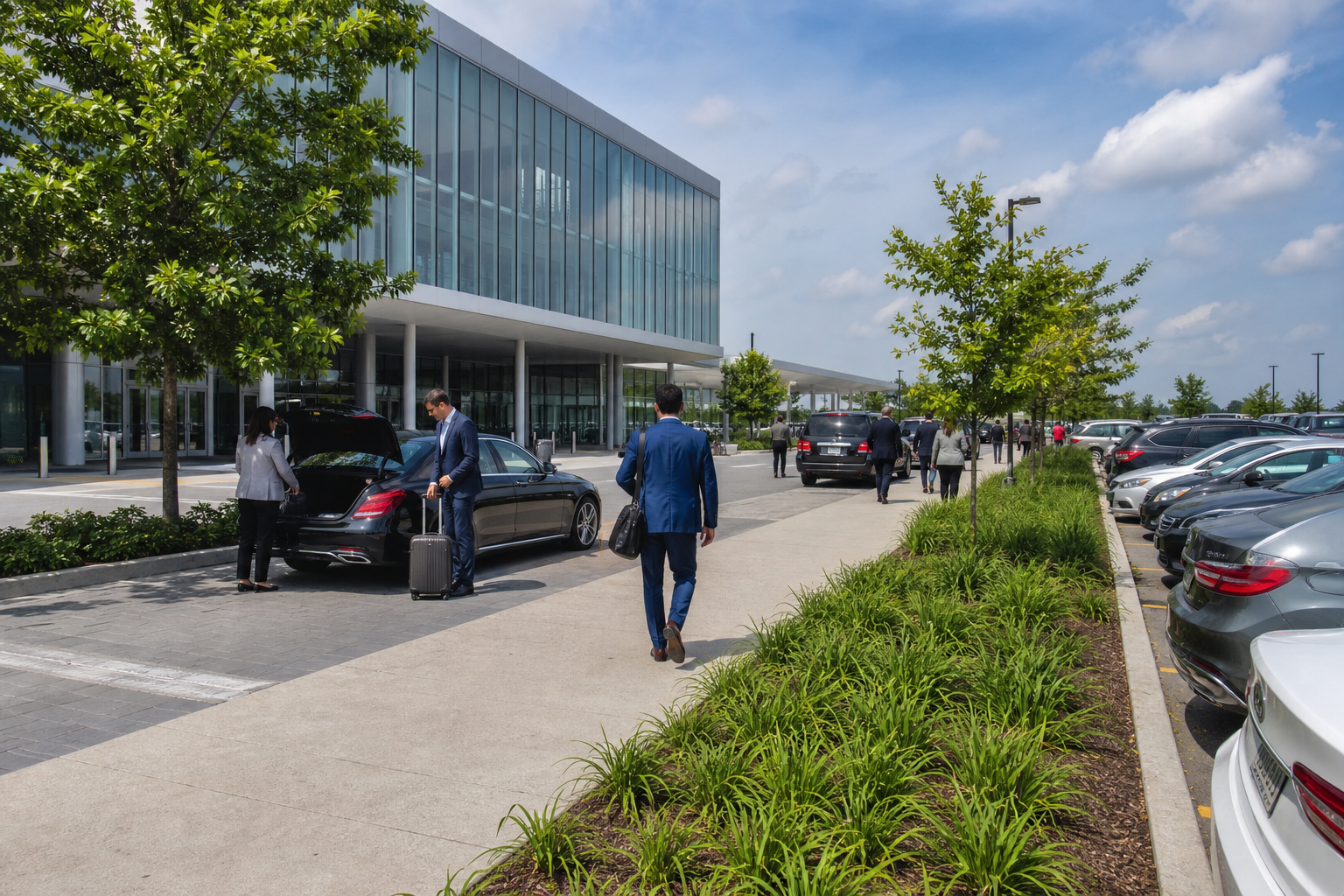
Frequently asked questions

What AV and connectivity questions should I ask when I choose corporate event venue?

Ask for a live AV demonstration, the list of included equipment, the number of technician hours and the venue’s backup plan for equipment failure. Run a Wi-Fi speed test on site and request guaranteed minimum bandwidth in writing.

How do I verify Halal catering and schedule a representative tasting?

Request current Halal certification documents and the certifier’s name. Schedule a tasting that mirrors your final menu and guest count. If the venue refuses a tasting or cannot provide certification, treat that as a serious red flag.

Which contract clauses are immediate red flags for corporate bookings?

Vague cancellation and attrition terms, unlimited or undefined “subject to change” fees and demands for large nonrefundable deposits without performance commitments. Always get fee caps and cancellation remedies in writing.

How many parking spaces should I confirm for a 500-guest corporate event in Mississauga?

Confirm the venue’s parking map and ask how many spaces are reserved for guests, staff and vendors. The venue lists roughly 700 on-site spots, but you should confirm peak-day allocations and overflow plans in writing (Mississauga Convention Centre).

When is it acceptable to rely on third-party vendors rather than in-house services?

Rely on third parties when they offer specialised capabilities not provided in-house and when contract terms clearly assign liability for vendor errors. If the venue refuses to accept responsibility for third-party failures, this is a red flag.

Ready to verify these items in person or remotely? Request a tour or tailored quote through the Mississauga Convention Centre planning page at choose a corporate event venue that fits?

Inexpensive reception venues near me explained: what to expect and check

Inexpensive reception venues near me explained: what to expect and check

Inexpensive reception venues near me explained: what to expect and check

Searches for “inexpensive reception venues near me” aim to find lower-cost locations for receptions and parties. The phrase is a relative label, not a fixed quality grade. This article defines the term, explains why the label matters for your booking decision, and gives a compact, Mississauga-focused checklist to compare budget options in Mississauga, Toronto, and the wider GTA.

Definition: what ‘inexpensive reception venue near me’ usually means

An “inexpensive reception venue near me” typically describes a venue whose headline rental price is below average for the local market because the location reduces included services or limits amenities. Lower headline cost is often achieved by one or more of these design choices: a simpler room or community-hall style space, limited in-house staffing, a requirement to use outside caterers or pay corkage, shortened event hours, or fewer built-in production elements like lighting and in-house AV.

Why precise price ranges are not used

Local markets and seasons vary, so the same venue could be inexpensive in one neighbourhood and average in another. Because pricing fluctuates by date, group size, and included services, avoid assuming a single number when searching for “inexpensive reception venues near me”. Instead, compare what is included in the base rate and ask for a sample itemised quote.

How local market factors in Mississauga affect the meaning of “inexpensive”

In Mississauga and the GTA, convenience to major highways and to Toronto Pearson International Airport increases a venue’s baseline value, so venues near these corridors tend to price higher. Venues that trade off amenities for location or flexibility may appear inexpensive but add cost through a la carte fees.

Why the label matters when you book a reception

Choosing a venue purely on the lowest headline rate increases the risk of hidden fees, vendor coordination work, and day-of problems. That tradeoff matters because a reception requires coordinated food service, traffic flow, audiovisual production, and guest comfort. Small savings on rent can easily be exceeded by charges for table setup, extra hours, cleanup, or rental of sound and lighting equipment.

Typical hidden costs to watch for

  • Corkage or mandatory external caterer fees when the venue lacks in-house catering
  • Hourly overtime for event staff or security
  • Set-up and strike fees for tables, chairs, and décor
  • Charges for in-house AV, microphones, or technician time if not included
  • Cleaning fees or damage deposits withheld after the event

How service gaps affect the day-of timeline and guest experience

When a venue offers fewer included services, the planner typically juggles multiple vendors. That increases coordination time and the chance of miscommunication at set-up. The result can be delayed meal service, audio problems during speeches, or mismatched décor and lighting, which directly affects guest satisfaction.

Common features and tradeoffs of inexpensive venues

Common features and tradeoffs of inexpensive venues — inexpensive reception venues near me

Lower-cost reception venues often make tradeoffs across space, food, production, and staffing. Recognising the pattern helps you estimate real value.

Space and capacity tradeoffs

  • Simpler rooms with basic finishes rather than formal ballrooms
  • Fixed layouts that limit flexibility for ceremony, cocktail hour, and reception flow
  • Smaller or shared washroom capacity that can slow guest flow at peak times

Catering and food-service tradeoffs

  • No in-house kitchen, which may require an outside caterer or create corkage rules
  • Limited menu variety or fewer options for dietary needs unless you bring a specialised caterer

Production and AV tradeoffs

  • Minimal fixed lighting and no integrated sound system, requiring rentals and technicians
  • Staging or rigging restrictions that limit decor and multimedia presentations

Staffing, timing, and décor tradeoffs

  • Fewer on-site staff for service, coat check, and coordination
  • Stricter move-in and move-out windows to reduce staffing costs
  • Limited or no décor packages included, which increases vendor sourcing work

A local checklist: compare options in Mississauga, Toronto, and the GTA

Use this checklist to compare inexpensive venues side-by-side and to quantify what you would need to add to match a full-service experience.

Capacity and hall layout

Confirm minimum and maximum capacities for the configuration you want. Ask whether rooms combine or partition, and whether floor plans are available. For comparison, Mississauga Convention Centre publishes seven similarly sized halls of about 4,250 square feet each, with a total capacity over 2,200 guests, which allows modular combinations for larger receptions. See the venue website for details.

Parking and transit access

Check on-site parking counts and nearby transit stops. A venue that advertises free, ample parking often reduces guest stress and potential shuttle costs. For example, the Mississauga Convention Centre offers approximately 700 on-site parking spaces, which benefits large events and guests arriving from out of town, and more information is available on the venue site.

Catering and dietary options

Ask whether the venue has in-house catering and which cuisines or dietary accommodations are offered. In-house menus reduce coordination and usually include service staff. The Mississauga Convention Centre lists diverse in-house catering including South Asian, Pakistani Halal, Middle Eastern, Sri Lankan, Caribbean, and Continental options, which can eliminate external caterer fees for culturally specific events. Review menus and sample packages on the wedding reception page.

AV, staging, and technical support

Confirm whether the venue provides built-in AV systems, lights, staging, and an on-site technician. If a venue lacks these, budget rental and technician fees into the total cost. The Mississauga Convention Centre advertises professional audiovisual systems, lighting, staging, and on-site technical support, which streamlines production for ceremonies and speeches.

Accessibility and washroom capacity

Verify accessibility accommodations, elevator access for multi-level venues, and the number of washrooms relative to guest count. These elements affect flow and guest comfort, especially for older or mobility-restricted attendees.

Packages, inclusions, and a la carte items

Ask for the base package and an itemised list of add-ons. A low base price that excludes essentials is not a saving. Request a sample contract that lists what is and is not included so you can compare total costs reliably.

Virtual tours and floor plans

Virtual tours and floor plans let you evaluate a room before an in-person visit. Use them to check sightlines for a stage, dance floor, and dining tables. Many full-service venues provide virtual tours to speed the decision process; request one when you call.

Contracts, deposits, cancellation, and payment terms

Insist on clear deposit schedules and cancellation terms. Avoid venues that require full prepayment well before the event without a clear refund policy. Check online reviews and the venue’s public profile for past client experiences and any payment-related complaints.

Red flags and questions to ask every low-cost venue

Use these red flags and exact questions during your first call or tour to expose hidden risks.

Contract red flags to watch for

  • Vague language about inclusions such as staffing, linens, or AV
  • No itemised sample contract available on request
  • Ambiguous cancellation, damage, or cleaning fees

Service red flags and day-of risks

  • No on-site event manager or coordinator assigned for the day
  • Restrictions on arrival times that prevent full vendor setup
  • Reports of repeated audio or food-service issues in online reviews

Billing red flags including full prepayment demands

A common unhappy experience arises when venues demand full payment long before the event and then fail to deliver agreed services. Check recent guest reviews and the venue’s public profile before sending large deposits.

Decision criteria: when to choose a budget venue and when to invest in full service

Decision criteria: when to choose a budget venue and when to invest in full service — inexpensive reception venues near me

Score options by answering five quick questions: guest count, production complexity, cultural or dietary requirements, out-of-town guest logistics, and your tolerance for vendor coordination. If most answers point to high complexity, a full-service venue reduces risk and often saves time and hidden costs.

Use these questions to score options

  1. Is your guest list under 75 and low on special dietary needs? A budget venue may be fine.
  2. Do you plan multiple staged moments, speeches, or complex AV? Full-service is safer.
  3. Will many guests travel from out of town and need parking or airport access? Prioritise venues near highways and Pearson.
  4. Are you hosting a culturally specific menu needing Halal or regional chefs? In-house multicultural catering can simplify planning.
  5. Do you prefer one point of contact and fewer vendors? Full-service venues reduce coordination work.

If you conclude full service is needed, the Mississauga Convention Centre offers large-capacity halls, integrated AV and technical support, in-house multicultural catering, and abundant parking. Review wedding reception options and request a virtual tour on the venue’s wedding reception page.

Booking checklist, next steps, and a short CTA

Use this ten-point checklist on your first call or tour. Then request a sample contract, schedule a virtual tour, and ask for an itemised quote before you sign.

10 quick items to confirm on your first call

  1. Event date availability and deposit schedule
  2. Base package inclusions and an itemised list of a la carte fees
  3. Capacity for your preferred layout and whether rooms combine
  4. On-site parking count and guest drop-off locations
  5. Whether the venue has in-house catering and sample menus
  6. AV, lighting, and staging inclusions and technician fees
  7. Assigned event manager or day-of coordinator
  8. Move-in and move-out windows for vendors and decor rules
  9. Cancellation and refund terms for deposits and final payments
  10. Access to virtual tours, floor plans, and recent client references

How to use a virtual tour to save time

Request a virtual tour before an in-person visit to confirm sightlines, table placement, and traffic flow. If a venue offers a virtual tour and floor plan, you can eliminate venues that do not meet basic functional needs and focus your site visits on the best matches.

When you need a full-service option that handles catering, AV, staging, and large-capacity requirements in Mississauga, consider contacting the Mississauga Convention Centre. The venue highlights seven large halls, on-site technical support, diverse in-house catering, and generous parking. To request a virtual tour, view wedding reception packages, or ask for an itemised quote, visit the Mississauga Convention Centre wedding reception page: Mississauga Convention Centre wedding reception options.

Frequently asked questions

How does an ‘inexpensive’ reception venue differ from a budget-friendly full-service venue in Mississauga

An inexpensive venue usually reduces headline cost by excluding services or amenities, while a budget-friendly full-service venue includes core services but optimises them for price. Always compare itemised inclusions to decide which option offers true value.

What specific questions should I ask to reveal hidden fees at a low-cost reception hall

Ask for an itemised sample contract, clarify overtime rates, request setup and teardown rules, confirm whether linens, chairs, and tableware are included, and ask about mandatory service charges or cleaning fees.

Are Halal and multicultural catering options commonly available in affordable venues near Mississauga

Availability varies. Some affordable venues partner with outside caterers, while other venues provide in-house multicultural and Halal menus. If cultural dining is essential, prioritise venues with in-house options to reduce coordination; review menu examples on the Mississauga Convention Centre wedding reception page.

When is it safer to choose a full-service venue rather than a cheaper reception hall

Choose full-service when your event has a large guest count, complex production, strict dietary requirements, or many out-of-town guests. Full-service venues reduce vendor juggling and often prevent day-of problems from hidden gaps.

What paperwork and deposit terms are reasonable to expect from reception venues in the GTA

Reasonable venues provide a written, itemised contract, a clear deposit schedule, and defined cancellation and refund terms. Avoid venues that demand full prepayment long before the event without clear protections in writing. Check public reviews and the venue’s business profile before sending large deposits.

Talk with Mississauga Convention Centre

Contact Mississauga Convention Centre to ask about the next step and confirm which options fit your needs.

Corporate Event Team Building Activities for Mississauga Groups

Corporate Event Team Building Activities for Mississauga Groups

Corporate Event Team Building Activities for Mississauga Groups

Quick decision checklist: match objectives to activity format

Start by naming the measurable outcome you expect from your team day. Typical objectives are improved cross-team communication, faster onboarding, leadership discovery, employee recognition, or community impact. Once the objective is clear, use this short flow to pick a format and stop overplanning.

  • If your goal is low-friction morale building, choose light social activities or facilitated icebreakers that run 60 to 90 minutes.
  • If you need measurable collaboration gains, choose experiential challenges, project-based builds, or structured simulations with a debrief led by a certified facilitator.
  • If you want community alignment and brand purpose, choose impact-driven give-back projects that combine volunteering with a team deliverable.
  • If you need long-term behavioural change, consider an organizational development engagement that includes pre-event diagnostics and post-event coaching.

This decision framework follows best practice guidance for choosing formats that align with business goals rather than defaulting to whatever is easiest, as recommended in industry resources on selecting team-building approaches.

Venue suitability checklist for Mississauga events

Evaluate venues against six operational must-haves. If you are considering Mississauga Convention Centre, these checks map directly to the venue’s published features.

  1. Capacity and room flexibility, confirm the room size needed for mixed plenary and breakout sessions. Mississauga Convention Centre lists seven halls of roughly 4,250 square feet each and a combined capacity of over 2,200 guests, which supports modular layouts and parallel activities when you need them. Mississauga Convention Centre
  2. AV and technical support, verify on-site audiovisual systems, streaming capability, and technical staff availability. The venue publishes in-house AV, lighting, staging, and technical support that removes the need for multiple outside vendors. Mississauga Convention Centre
  3. Indoor versus outdoor options, for outdoor challenges and patio receptions, confirm weather contingencies. The Centre offers a customizable outdoor patio plus a virtual tour to preview layouts and flow. Corporate Retreats Mississauga
  4. Parking and travel logistics, check on-site parking and proximity to major routes or airports. The venue advertises about 700 on-site parking spaces and easy access to Toronto Pearson International Airport, which matters for regional or out-of-town attendees. Mississauga Convention Centre
  5. Catering and dietary needs, confirm in-house menus and special dietary support. Mississauga Convention Centre lists diverse in-house catering, including South Asian and Pakistani Halal options, which simplifies culturally specific planning. Mississauga Convention Centre
  6. Accessibility and safety, ensure accessible entrances, washrooms, and emergency procedures are in place. Ask for venue documentation that details capacity limits for each room and evacuation plans.

Activity formats, outcomes, and common pitfalls

Activity formats, outcomes, and common pitfalls — corporate event team building activities

Keep choices simple and intentional. BuildingTeams identifies a practical range of options, from light social activities to deep organizational development, and recommends matching format to outcome rather than vice versa. How to Choose Corporate Team Building

Formats and what they reliably deliver

  • Light social, fast wins for morale and informal networking. Best for recognition events and large groups, but avoid as a substitute for skill-building.
  • Experiential challenges, problem-solving under time and resource constraints. Good for collaboration outcomes; require a focused debrief to capture lessons.
  • Give-back projects, align culture and purpose while producing measurable community benefit. Expect extra logistics for partners and materials.
  • Competitive tournaments, sport or gamified events that increase energy and friendly rivalry. These work if staff are voluntary participants and inclusivity is considered.
  • OD consulting engagements, multi-session programs tied to behaviour change. Use when you need sustained performance improvement rather than a single-day lift.

Common pitfalls to avoid

  • Choosing activities without stakeholder alignment on objectives. Start with the outcome, not the novelty.
  • Failing to build time for reflection. A one-hour debrief multiplies learning from activity time.
  • Forgetting inclusivity. Consider mobility, sensory needs, and cultural dietary requirements when selecting activities.
  • Overloading the schedule. Too many back-to-back sessions erode energy rather than build it. Forbes outlines elements that can unintentionally destroy team-building outcomes and why planning matters. 14 Unhelpful Elements That Can Destroy Team-Building

Timeline and planning milestones with decision stop points

Use a phased approach and establish firm decision stop points so the program does not drift. Industry checklists recommend confirming objectives, venue, vendors, and logistics on a set cadence to protect budget and dates. Refer to a standard corporate event checklist to mirror your milestones. Corporate event checklist and Workshop planning checklist

Six months out

  • Confirm event objective, attendee count range, and budget owner.
  • Book the venue for your preferred date and request floor plans and AV specs.
  • Decide activity format and shortlist providers for proposals and availability.
  • Assign a run-of-show owner and set weekly planning checkpoints.

Three months out

  • Finalize vendor contracts, including insurance, cancellation terms, and deliverables.
  • Lock menus and confirm dietary needs, including Halal or other cultural requests.
  • Confirm AV streaming and hybrid participation requirements with the venue tech team.
  • Develop a staffing and volunteer plan for activity facilitation and safety.

30 days out

  • Circulate final attendee list, session assignments, and the run-of-show.
  • Collect waivers if the activity requires physical participation or third-party partners request them.
  • Perform a full technical rehearsal for AV, microphones, and live streaming.
  • Create a weather and contingency plan for any outdoor elements on the patio or grounds.

Vendor selection and briefing checklist

Choose vendors who demonstrate clear alignment with your objectives. BuildingTeams suggests evaluating providers across outcome fit, facilitation quality, measurement approach, and social impact when relevant. How to Choose Corporate Team Building

Selection criteria and red flags

  • Must have, documented learning outcomes, sample run-of-show, facilitator bios, capacity limits, and reference events.
  • Prefer, on-site setup and teardown timelines that match your venue access windows, and experience working at similar-sized facilities in the GTA.
  • Red flags, vague measurement, unwillingness to sign insurance or safety documents, or no contingency options for weather or no-shows.

Essential briefing items to include in the contract

  • Clear deliverables and time blocks, setup and teardown windows, cancellation policy, and insurance requirements.
  • Minimum facilitator-to-participant ratio and backup facilitator details.
  • Detailed safety plan and any medical or mobility accommodations required.
  • Data use and measurement methods if the provider collects feedback or assessment data.

Logistics, AV, accessibility, and catering considerations

Logistics, AV, accessibility, and catering considerations — corporate event team building activities

Do not rely on assumptions. Confirm everything in writing with the venue and vendors. Standard corporate checklists highlight AV, hybrid streaming capability, and attendee travel as high-priority confirmations. Workshop corporate checklist

  • AV and hybrid, confirm camera angles, bandwidth, laptop inputs, and a point person for live streaming. Mississauga Convention Centre offers in-house AV and technical support to simplify these confirmations. Mississauga Convention Centre
  • Parking and transit, share precise directions and parking allowances with attendees. The Centre advertises nearly 700 on-site parking spots which helps simplify arrival logistics. Mississauga Convention Centre
  • Catering, confirm plated versus buffet service, labeling for allergens, and availability of Halal and other culturally specific menus. Using in-house options reduces coordination complexity. Mississauga Convention Centre
  • Accessibility, verify accessible entrances, elevator access, and seating plans for guests with mobility or sensory needs.

Common objections and practical mitigations

  • Budget constraints, scale activity duration, choose in-house catering, or schedule team-building for the afternoon after a working session to reduce rental hours.
  • Weather concerns, always have an indoor fallback and confirm patio contingency windows well before the event.
  • Participant engagement, mix low-stakes options with a single focused experiential challenge and a strong facilitated debrief.
  • Measurement worries, require vendors to include quick pre/post surveys and a one-page impact summary in their proposal.

Local comparisons and next steps

If you are comparing large GTA venues, focus on room modularity, parking, and on-site technical services. Mississauga Convention Centre’s seven modular halls, on-site AV, diverse in-house catering, patio option, and virtual tour make it a practical choice for many team-building formats. For planners who want to see layouts and sample packages, review the Centre’s corporate retreats overview to visualize options. Corporate Retreats Mississauga

Frequently asked questions

What size groups can Mississauga Convention Centre comfortably host for team-building activities

The Centre lists seven halls of approximately 4,250 square feet each and a combined capacity over 2,200 guests, which supports both intimate breakouts and large plenary activities. Confirm the exact capacity required for your chosen layout with venue staff. Mississauga Convention Centre

Can the venue support hybrid or fully virtual participation with professional AV and streaming

Yes. The venue publishes in-house audiovisual systems, lighting, staging, and on-site technical support. Include a technical rehearsal in your run-of-show and confirm bandwidth and camera requirements with the venue tech team. Mississauga Convention Centre

Does Mississauga Convention Centre provide Halal and other culturally specific catering for team events

Yes. The Centre’s in-house menus include South Asian, Pakistani Halal, Middle Eastern, Sri Lankan, Caribbean, and Continental options which simplifies planning for multicultural teams. Confirm menu details and labeling with the catering manager. Mississauga Convention Centre

What weather or contingency plans are available when using the outdoor patio for activities

Always set an indoor fallback and confirm the patio’s usable hours, tenting options, and access windows with the venue. The Centre’s customizable patio and virtual tour help you plan layout and contingency transitions in advance. Corporate Retreats Mississauga

How far in advance should we book the venue and team-building vendors to secure our preferred date and program

Best practice is to book the venue as soon as objectives and dates are firm and to shortlist vendors at the six-month decision point. Industry checklists recommend locking vendors three months out and confirming final logistics 30 days before the event. Perk corporate checklist and Workshop planning checklist

Ready to evaluate space options or book a site tour? Visit Mississauga Convention Centre to view floor plans, review catering menus, or schedule a virtual or in-person tour. Mississauga Convention Centre

Before You Book: What Questions Should You Ask About Event Spaces Near Me?

Before You Book: What Questions Should You Ask About Event Spaces Near Me?

Before You Book: What Questions Should You Ask About Event Spaces Near Me?

Searching for event spaces near me can feel overwhelming when dates, budgets, and technical needs collide. This article gives a focused, red-flag checklist of direct questions to ask on the first call, during a site visit, and before you sign. Use these questions to rule out mismatches fast, verify critical numbers, and spot hidden contract or operational risks so you can shortlist venues that truly fit your needs.

Quick pre-call red flags to screen venues

Start by saving time. Ask four high-impact questions on your first call or email. If a venue answers vaguely, treat that as a red flag.

Is my date available and how long do you hold provisional bookings?

If a venue cannot confirm availability quickly or refuses a reasonable provisional hold, you risk losing the space or paying for duplicate holds. A short, clear provisional policy is a good sign.

What are your minimum and maximum capacities for this type of event?

Ask for capacities by layout, not a single number. Fire-code or certified capacities for banquet, theatre, and cocktail formats remove guesswork and help compare venues fairly.

Do you require exclusive use of in-house vendors, or do you allow outside caterers and AV partners?

Some venues mandate in-house suppliers. That can be convenient, or costly, depending on your needs. If your event requires a specialist vendor, a ban on outside vendors is a red flag unless the in-house offering clearly matches your brief.

What is your deposit, cancellation, and refund policy?

Ask for the exact deposit schedule and cancellation tiers. Vague answers or one-sided cancellation language are contract red flags you should resolve up front.

Capacity, room configuration, and layout flexibility

Layouts determine guest flow, production sightlines, and comfort. Bring your guest count and ask for floorplans and certified capacities.

Can you provide fire-code capacities and sample floorplans for my guest count?

Demand floorplans that show your guest count in realistic seatings. If a venue hesitates to provide floorplans or only offers generic sketches, that is a red flag for planning surprises later.

How do your rooms combine and divide, and are movable-wall schedules published?

Some venues offer modular halls that can be combined for larger groups. For example, Mississauga Convention Centre provides seven similarly sized halls of about 4,250 square feet each and flexible configurations that support parallel or combined events. See their flexible event spaces for examples of modular layouts and configuration options on the site flexible event spaces and the venue main page for details about halls and capacity Mississauga Convention Centre.
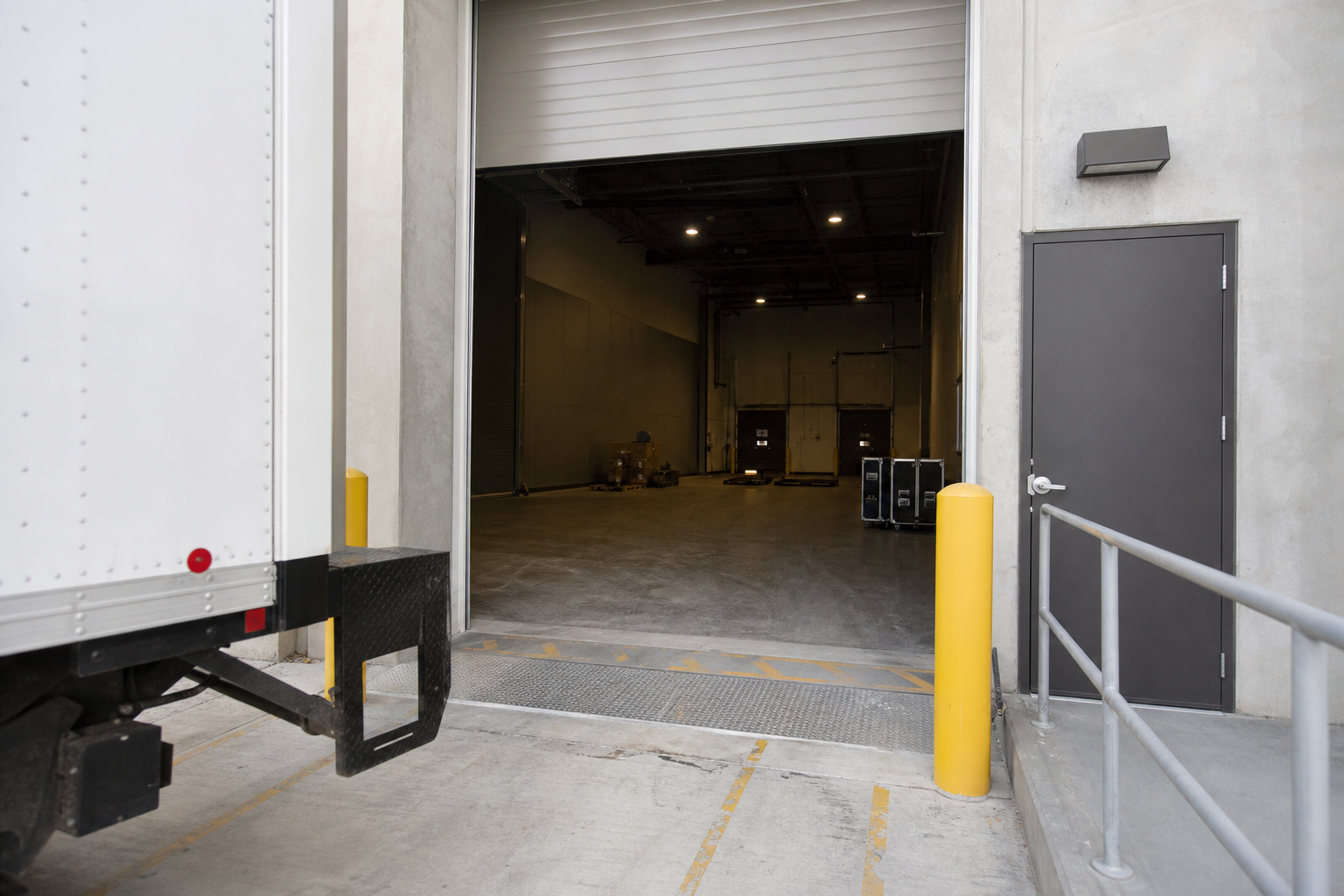
Do parallel events share foyers, washrooms, or loading areas?

If separate events will overlap, confirm how traffic, parking, and services are separated. Shared back-of-house access can cause delays and guest confusion during peak periods.

Parking, access, and GTA logistics

Parking, access, and GTA logistics — event spaces near me

For local and out-of-town guests, access is a make or break factor. Ask clear, numeric questions about parking and proximity to transport nodes.

How many on-site parking spaces are available, and are they free?

Numbers matter. For example, Mississauga Convention Centre lists roughly 700 on-site parking spaces and markets that parking as an accessibility advantage. Ask whether overflow options exist and whether any parking fees apply Mississauga Convention Centre.
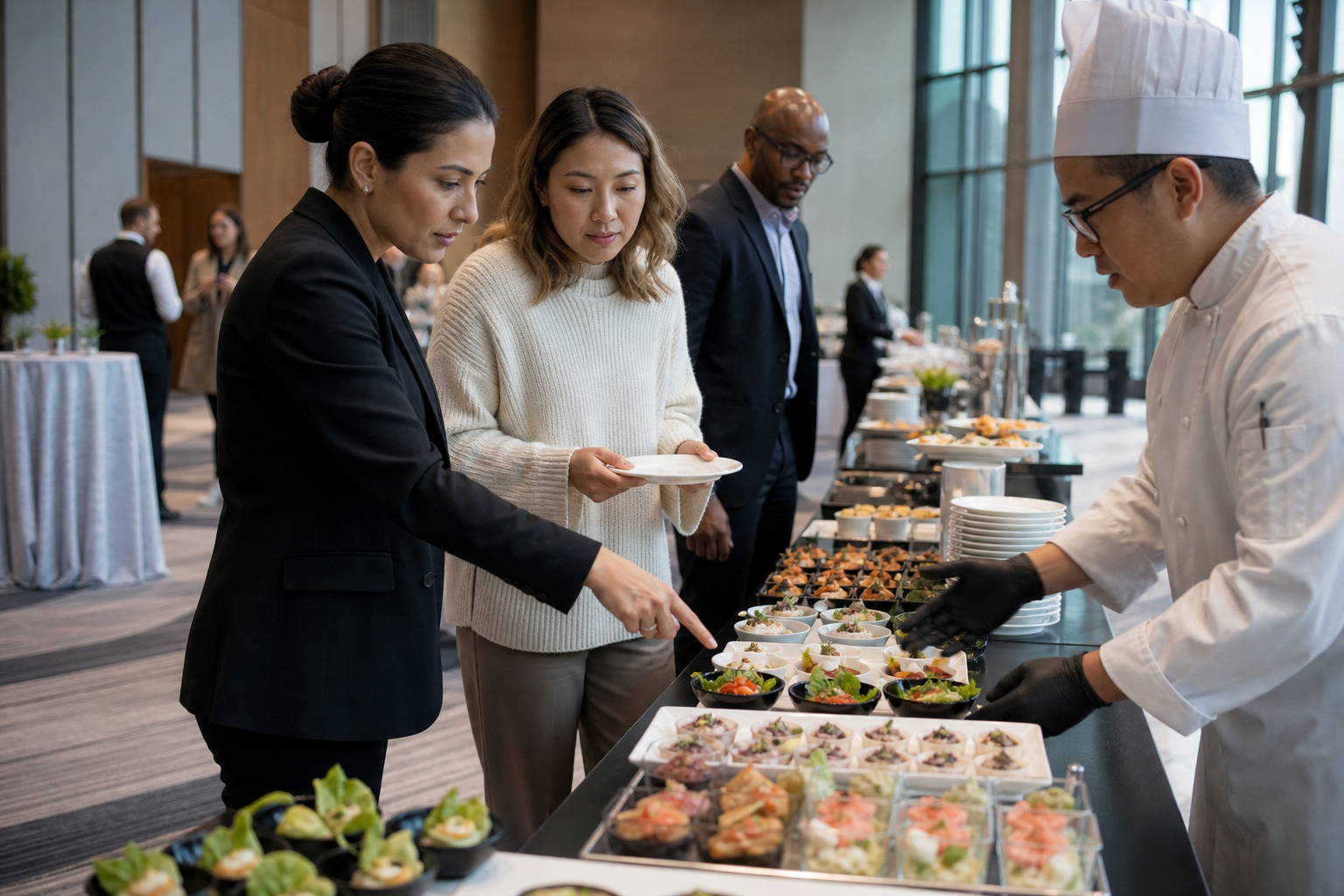
How close is the venue to major highways and airports?

If many attendees are flying or traveling from other cities, proximity to Toronto Pearson International Airport and major highways reduces travel friction. Mississauga Convention Centre explicitly cites its location minutes from major highways and Pearson as a selling point on the venue site Mississauga Convention Centre.
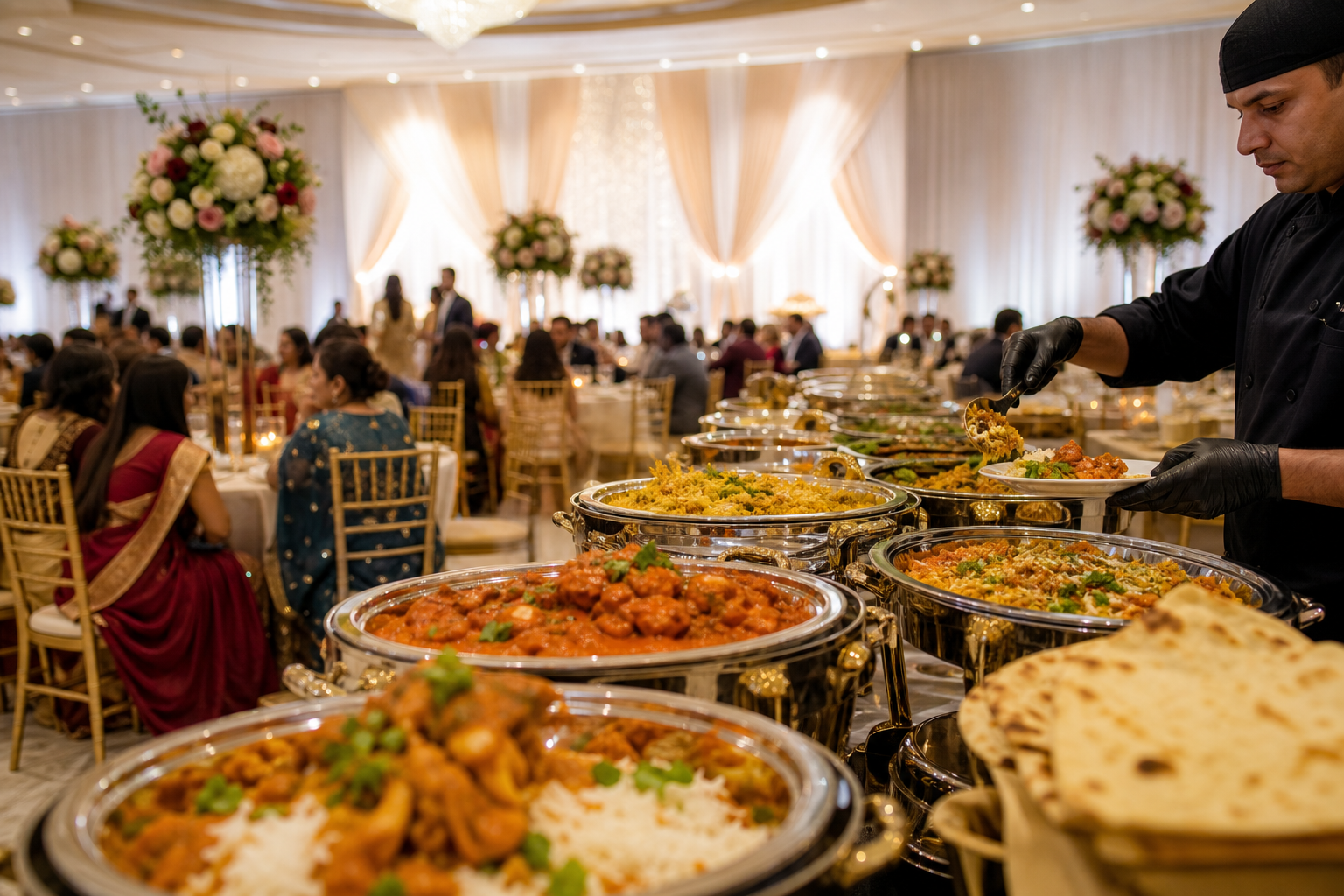
What transit, drop-off, and dedicated loading options are available for guests without cars?

Make sure a clear drop-off, coach parking, or transit stop is nearby. If the venue cannot give practical transit advice or loading details, that is a red flag for guest logistics.

AV, production, and technical support red flags

Production failures create visible problems. Ask exact technical questions and request a technical walk or test before you book.

Do you provide in-house AV, lighting, staging, and on-site technical crew?

Many venues bundle AV services, which reduces coordination. Mississauga Convention Centre lists professional audiovisual systems, lighting, staging, and on-site technical support among its in-house services. Confirm who is included in the package and what hours are billed separately Mississauga Convention Centre.
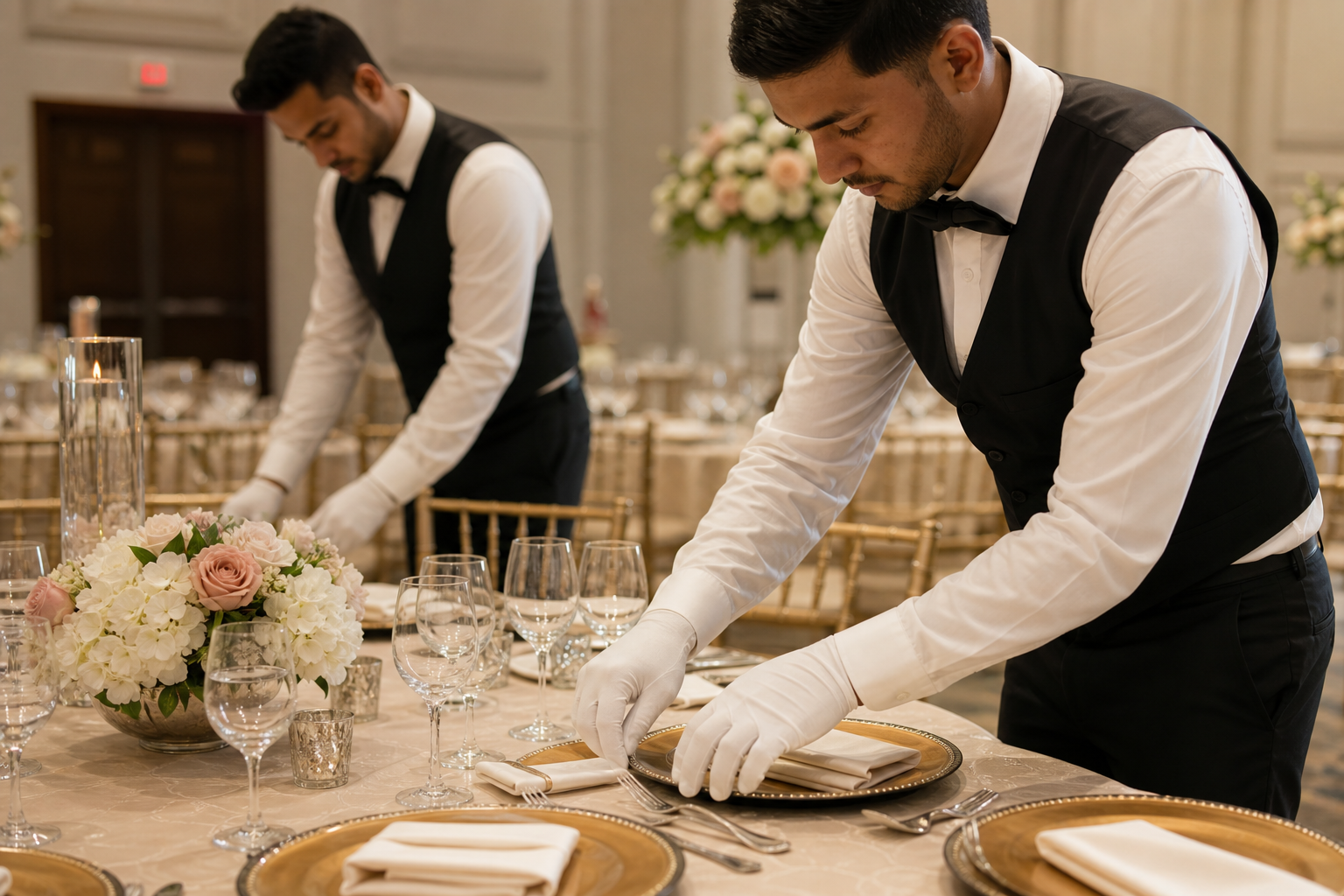
Can I test microphones, projectors, and livestream bandwidth during a site visit?

Ask to test your exact setup. If a venue denies testing or cannot produce technical specifications for power, rigging, and broadband, consider that a red flag for production reliability.

What are rigging load limits, stage dimensions, and power distribution specs?

Large productions need published rigging and power specs. Vague technical answers often hide constraints that will force expensive workarounds later.

Catering, dietary needs, and cultural menu checks

Food is central to many events. Ask direct questions about in-house catering, Halal options, and tasting policies.

Are Halal and other dietary requirements prepared in-house and documented?

If your guests require Halal or culturally specific menus, request written confirmation of how those diets are handled. Mississauga Convention Centre lists Pakistani Halal and other regional menus among its in-house options on the venue site Mississauga Convention Centre. If a venue is evasive about Halal handling or refuses to document it, treat that as a red flag.

Do you offer tasting appointments and sample menus for my event size?

Insist on a tasting when food is central. If a venue declines tastings or only offers samples that do not represent the final service level, that is a sign you may not get the expected quality.

Can the kitchen handle plated service, multiple dietary tracks, and cultural ceremonies?

For plated dinners, synchronized service and adequate kitchen capacity matter. Ask for examples of similar events they have executed.

Contracts, timing rules, and hidden fees to watch for

Contracts, timing rules, and hidden fees to watch for — event spaces near me

Contracts reveal hidden costs. Ask contract questions that uncover overtime rates, inclusions, and insurance requirements.

What is the deposit schedule, and what refunds apply if I must cancel?

Demand the deposit and cancellation calendar in writing. Industry checklists recommend clear deposit and cancellation language to avoid disputes later KneesUp Venues.

What setup and teardown windows are included, and when do overtime rates start?

Ask exactly what times are included, and request penalties or overtime charges in writing. Event-planning authorities urge asking about setup access and music curfews as essential pre-booking checks zkipster.

Are there cleaning fees, corkage charges, service charges, or required insurance?

List all potential fees in the contract. If the venue refuses to itemize fees, or adds ambiguous terms, mark that as a major red flag.

Service quality signals, references, and reviews that matter

Qualitative signals help validate the team you will work with. Use references and reviews to measure consistency.

Can you provide references for recent events similar in size and type?

Ask for names and contact details of events executed in the last year. If the venue cannot produce similar references, treat that as a red flag.

Do you respond to negative reviews and how do you handle on-site problems?

Check public reviews and how the team replies. Unanswered or repetitive negative feedback are warning signs. If the venue avoids discussing problem resolution, consider that a signal to move on.

Is the sales team responsive and transparent during the planning period?

Slow replies, evasive answers, or frequent last-minute changes during sales often continue after booking. Reliable responsiveness before a contract is a strong positive sign.

Decision checklist and next steps

Use this one-page checklist during your next site visit or phone call. If any item returns a vague answer, pause and get it in writing.

  • Confirm event date and provisional hold policy in writing.
  • Get certified capacities and a signed floorplan addendum for your layout.
  • Obtain a written list of inclusions, staff hours, and what equipment is provided.
  • Confirm setup and teardown windows and any music or noise curfews.
  • Verify in-house AV staffing, rigging specs, and test options for production items.
  • Request written confirmation for dietary handling, Halal preparation, and tasting appointments.
  • Obtain a full fee schedule including overtime, cleaning, corkage, and insurance requirements.
  • Ask for two recent references for similar events and review recent public feedback.

If you need a local alternative on a tighter budget, municipal facilities can offer lower-cost options and a simpler rental process. See the City of Mississauga guidance on renting city facilities for availability and procedures rent City facilities and spaces for your event.

Frequently asked questions

Is on-site Halal catering available and how is it certified?

Ask the venue to confirm whether Halal preparation is handled in-house and to provide documentation on sourcing and preparation practices. Mississauga Convention Centre lists Pakistani Halal and other regional menus among its in-house options on the venue site Mississauga Convention Centre. If you need certification, request written proof or supplier details before signing.
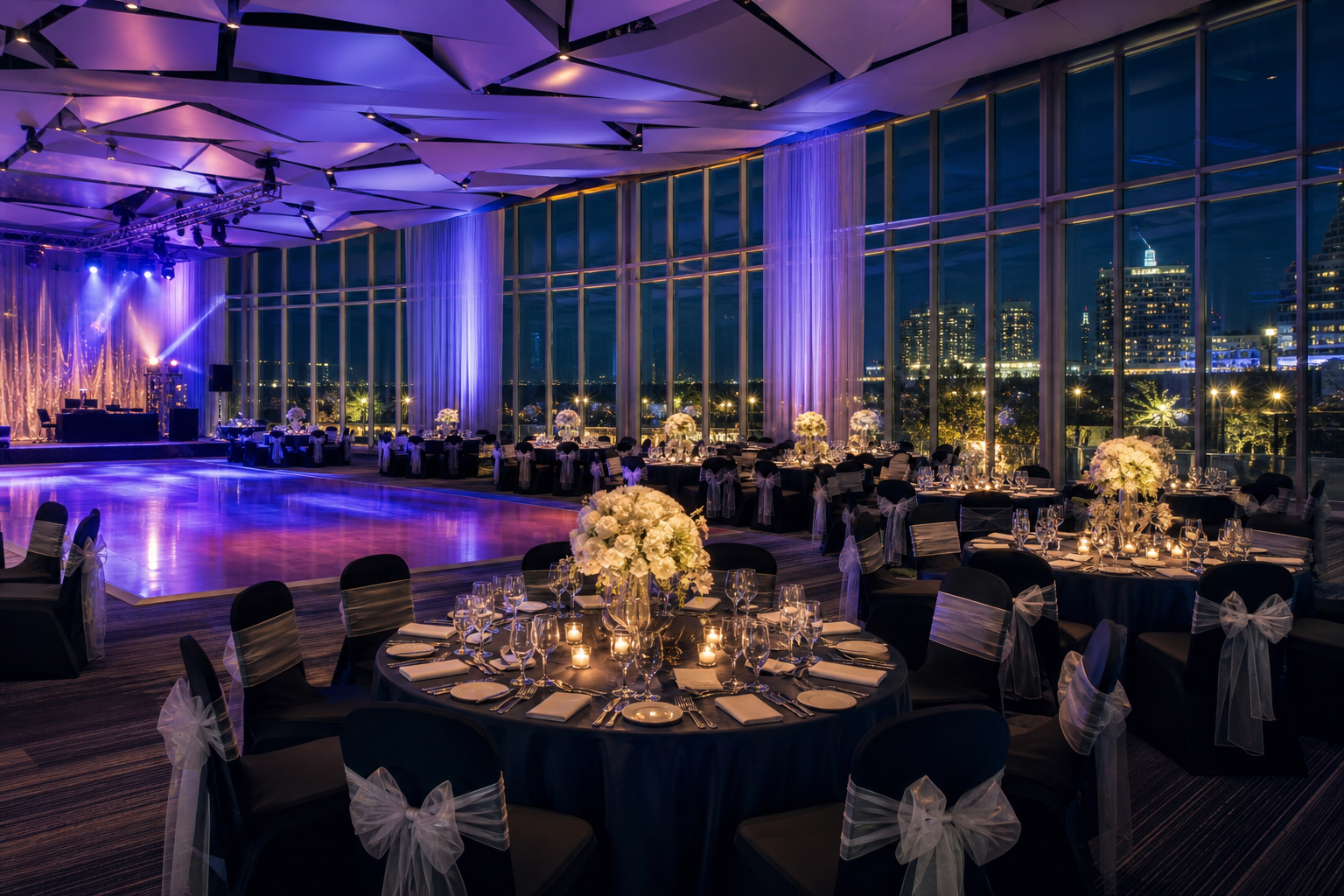
How many free on-site parking spaces are available and is overflow parking supported?

Request an exact parking count and whether there are charges for event days. For example, Mississauga Convention Centre cites approximately 700 on-site parking spaces as part of its accessibility offerings Mississauga Convention Centre. If you expect overflow, verify nearby lots or shuttle options in writing.
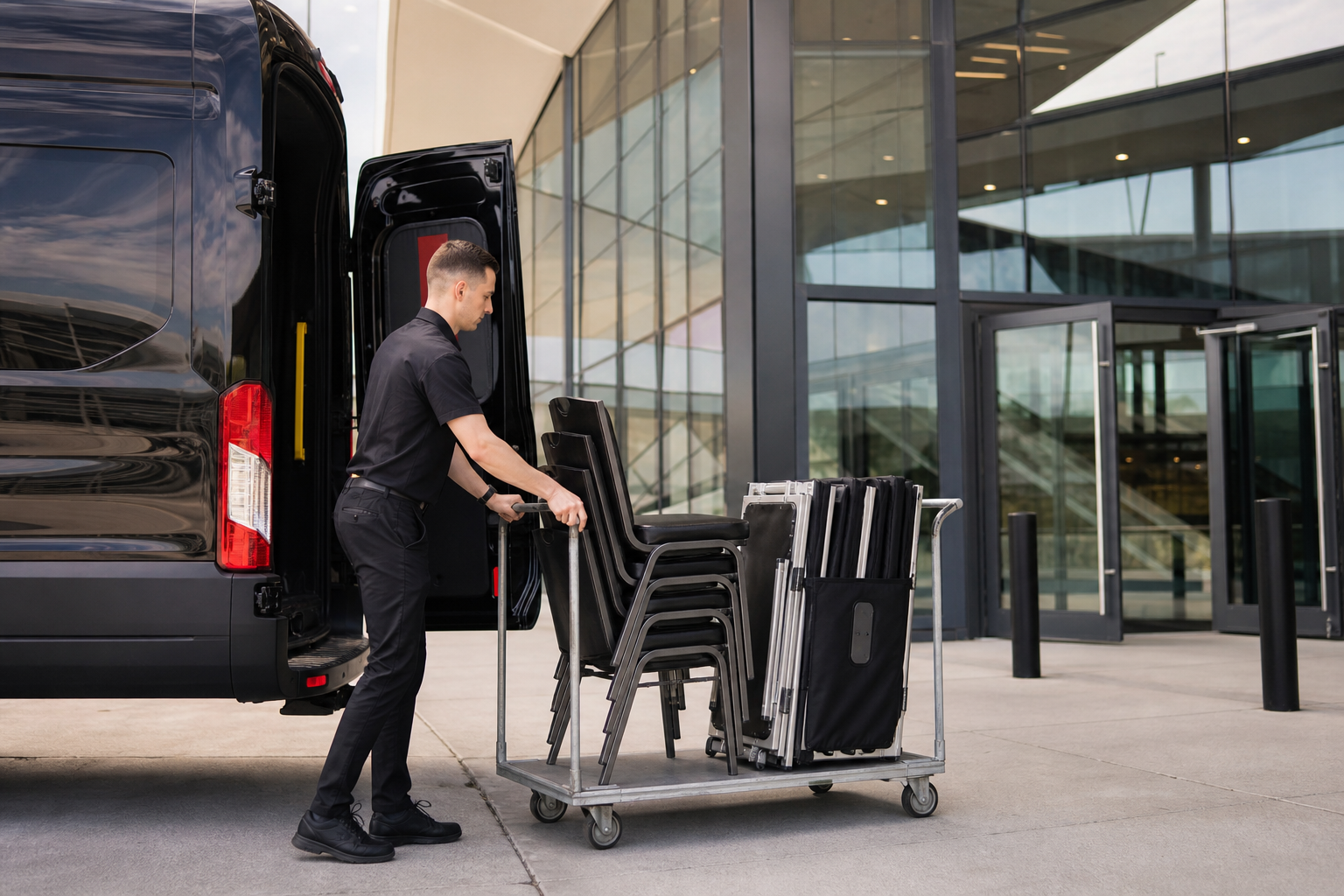
Can I schedule a virtual tour or a technical walk with your AV technician before signing?

Yes. Ask for a virtual tour or an on-site technical walk to test microphones, projectors, and bandwidth. A venue that refuses these tests or cannot provide technical specifications is a red flag for production risk.

What setup and teardown windows are included, and when do noise or music curfews apply?

Get exact times in the contract. Many event planners recommend confirming setup access well before guest arrival and understanding when amplified music must end to avoid overtime penalties. See event planning checklists that highlight these questions as essential zkipster and KneesUp Venues.

What documents or references should I get in writing before paying a deposit?

Insist on a written itemization of inclusions, a signed floorplan, deposit and cancellation terms, any additional fee schedule, and proof of insurance or vendor requirements. If the venue will not provide those documents, do not pay a deposit until they do.

Ready to compare modular halls, AV capabilities, and in-house menus in person or online? Request a virtual tour or a tailored quote at Mississauga Convention Centre.
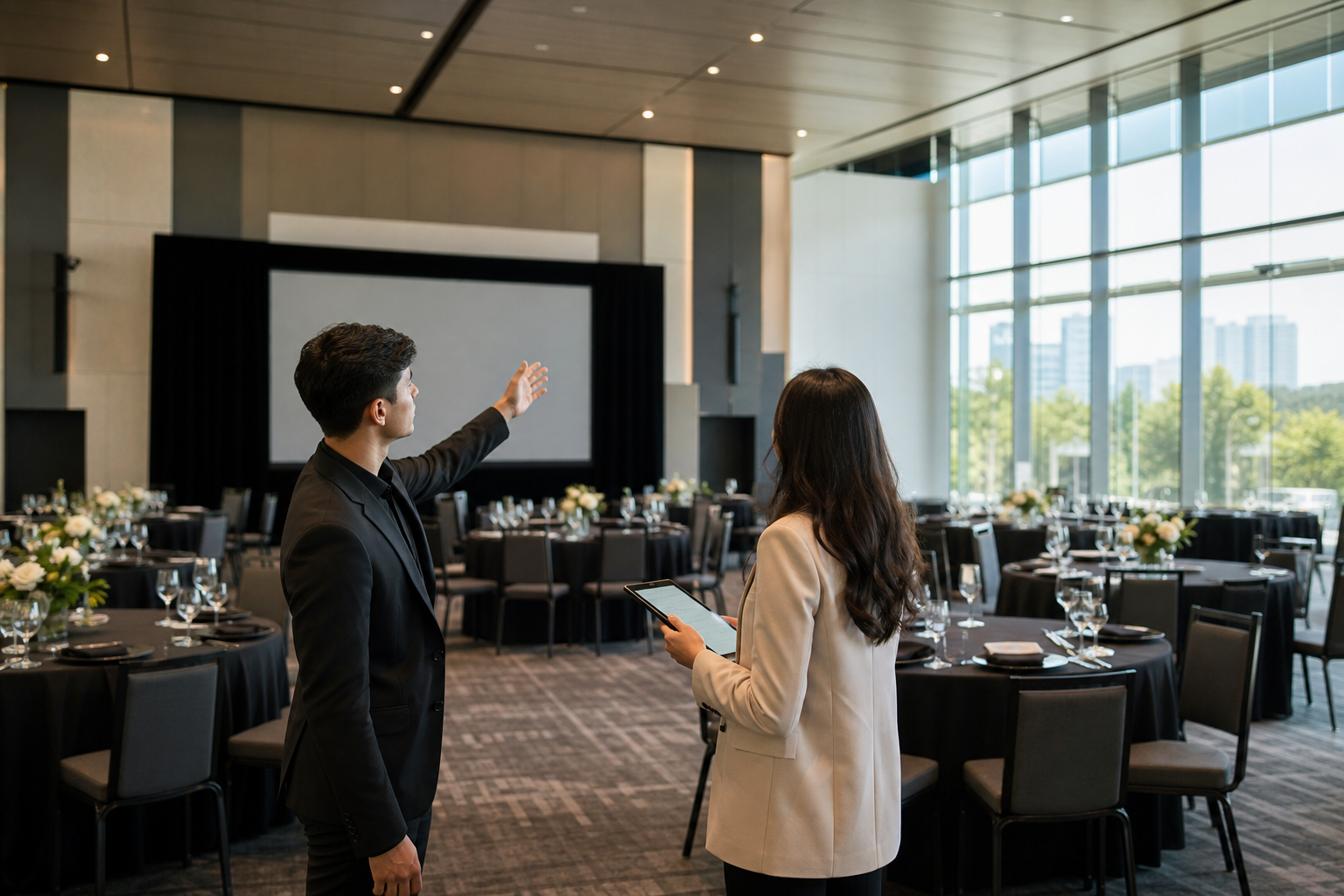
How to choose the right event venue near me in the GTA

How to choose the right event venue near me in the GTA

How to choose the right event venue near me in the GTA

Key Takeaways

  • Confirm venue logistics: hours, travel times, and on-site parking availability.
  • Verify capacity and modular layouts to accommodate your guest count effectively.
  • Utilize in-house AV, lighting, and technical support to streamline event production.
  • Discuss catering options, including culturally specific menus and dietary needs.
  • Conduct a focused site visit or virtual tour to validate venue suitability.

1. Quick local check: hours, travel and parking

Start by confirming basic logistics so you can rule venues in or out quickly. Note the venue’s published hours and contact channel, then confirm travel times for your main attendee groups: local commuters, suburban drivers and out‑of‑town arrivals. For ‘near me’ searches, verify proximity to major highways and the nearest international airport, plus whether the site lists on‑site parking or relies on street or nearby lot parking.

On-site parking capacity is a major arrival‑flow determinant. If a venue advertises substantial on-site parking, you can plan arrivals in waves, consider valet lanes or shuttle pick‑up points, and map directional signage more confidently. Always ask the venue to confirm parking counts and layout in writing before you finalize arrival plans.

2. Verify capacity and modular layouts for your guest count

Translate your final guest count into clear room requirements. Many convention centres offer modular halls that can be combined or partitioned — this flexibility matters when you need a main plenary plus breakouts, an exhibit floor, or a banquet plus dance floor.

Use a simple checklist to convert numbers into room needs: list your headcount, preferred seating style (banquet, theatre, classroom), space for staging and AV, and circulation needs (registration, coat check, vendor aisles). Then confirm whether the venue publishes floorplans or sample room setups; many venues provide downloadable layouts and preset configurations you can adapt. If available, review the venue’s floorplans and sample configurations to check sightlines and service access before a site visit (see venue floorplans and sample layouts for an example of how centres present configurations venues for conferences mississauga).

Practical examples planners use to model space (illustrative): set aside one modular hall for an intimate banquet or breakout suite; combine two or more halls for a mid‑size conference with a main stage and registration hall; reserve multiple contiguous halls for exhibitions or a gala with a large dance floor. Use these templates to request a room map and a written confirmation of maximum capacities and door placements.

3. Reduce vendor load: confirm in-house AV, lighting, staging and technical support

3. Reduce vendor load: confirm in-house AV, lighting, staging and technical support — event venues near me

In-house production capabilities can dramatically cut coordination time. Ask the venue for an equipment inventory and technical rider that lists microphones, soundboards, wired and wireless mics, video projectors, screens, LED or house lighting, stage modules and truss availability. Request names and contact details for the on-site technical lead, and confirm how labour for load‑in/out, show calls and cueing is billed.


Create a short AV spec sheet to share with the venue technical team: required inputs for presenter laptops, speaker line‑array needs, livestream feed expectations, and any special cueing or playback requirements. If you plan temporary rigging, tents or complex staging, request the venue’s documentation on load ratings and inspection schedules and cross‑check those practices with provincial guidance for temporary event structures (Ontario safety guidelines for temporary performance/event structures).

When you receive the venue’s technical rider, compare it line‑by‑line with your run of show and mark items that will require external rental or a dedicated technician. Getting that list early reduces last‑minute surprises and clarifies who supplies crew and consumables (cables, gel, adapters).

4. Match menus and dietary needs: in-house catering and culturally specific options

Confirm whether the venue provides in‑house catering and what cuisines and service styles are available. If in‑house menus include culturally specific offerings, discuss how those menus are prepared and served to meet attendee expectations and religious dietary needs. Ask for sample menus, portion sizes per guest, and examples of plated vs buffet service to model quantities and staffing.

Use a catering confirmation checklist when you talk to the food and beverage manager: lead time for final counts, written policies for substitutions and missing items, separate preparation and storage when religious or allergy needs apply, and whether menu tastings are provided before contract signing. If you require Halal, vegetarian, gluten‑free or other specific services, request written procedures for separate storage and service lines and have those procedures inserted into the event contract.

Sample menu items you might request when specifying culturally focused service (examples to help planners define preferences): biryani or pilau and kebabs for South Asian menus; spiced rice and mezze for Middle Eastern themes; island‑style curries or jerk preparations for Caribbean menus; and continental platters and mixed salads for multi‑cuisine receptions. Use these examples to build a tailored tasting and to compare quotes from the venue and external caterers.

5. Preview, plan and run a focused site visit or virtual tour

5. Preview, plan and run a focused site visit or virtual tour — event venues near me

Start with the venue’s virtual tour or photo gallery to eliminate layouts that won’t work. A virtual walkthrough helps you check circulation, sightlines, and how an outdoor patio or ceremony area reads in real conditions before you travel to the site. Public examples of outdoor event presentations can help set expectations for scale and weather‑planning visuals.

For the in‑person visit, use a focused site‑visit checklist so you and your key vendors can validate fit quickly. Bring your event footprint plan and check these items during the walkthrough:

  • Arrival flow: main drop‑off, signage positions and parking flow.
  • Load‑in and service access: loading dock width, elevator access, vendor route to the event space.
  • Staging and rigging: proposed stage location, truss points and clearance to lighting fixtures.
  • Food service paths: kitchen pass‑throughs, staging for plated service and buffet lines, and server circulation.
  • Technical checks: power availability, internet access, and likely cable runs for AV.
  • Accessibility: entry ramps, accessible washrooms and elevator routes for guests with mobility needs.
  • Backup plans: alternate indoor locations for ceremonies or contingency flow in case of weather.

Photograph any constraints and mark them on a plan to include in your contract addendum. A brief, focused walk-through can save time and ensure all your needs are met.

Sources & References

Questions About event venues near me?

To explore the questions covered in this article, contact Mississauga Convention Centre and confirm the details that apply to your situation.