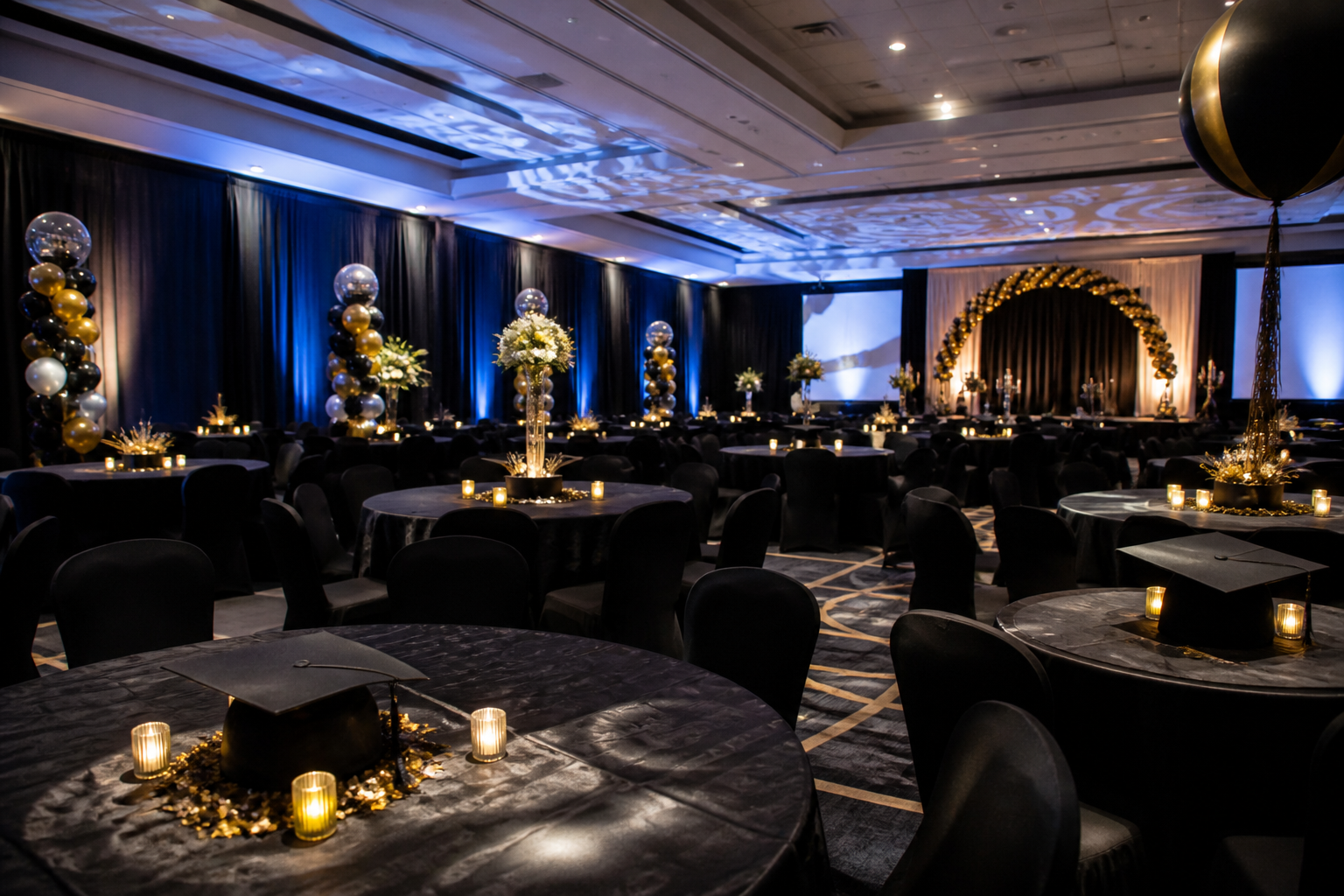
Mississauga Convention Centre

Graduation party venues: key criteria, layouts, and planning timeline

graduation party venues

Graduation party venues: key criteria, layouts, and planning timeline

Choosing between graduation party venues can feel overwhelming—especially when availability tightens and options vary widely in size, style, and services. This guide breaks the decision into clear steps you can compare side by side, from capacity and layout to catering, AV, accessibility, contracts, and an actionable planning timeline. Whether you’re hosting a small family celebration or a large school-sponsored event, you’ll find a structured approach to pick the right space and lock in critical details on time.

Match the venue to your celebration goals

Start with the outcome you want your guests to experience. The right venue aligns with your atmosphere, activities, and program structure.

  • Atmosphere: formal banquet, casual mingle, outdoor vibe, or late-night dance?
  • Program: short welcome remarks, awards segment, graduate walk-through, slideshow, DJ/band, photo ops?
  • Guest mix: families with young children, multi-generational attendees, classmates and friends, faculty?
  • Duration: quick reception (1–2 hours), full dinner (3–4 hours), or an extended celebration?

Clarifying these points first narrows the list of graduation party venues to those that genuinely fit the occasion instead of forcing your plans into a mismatched space.

Venue types and their best fits

Different spaces shine for different formats. Consider how each category supports your program and guest comfort.

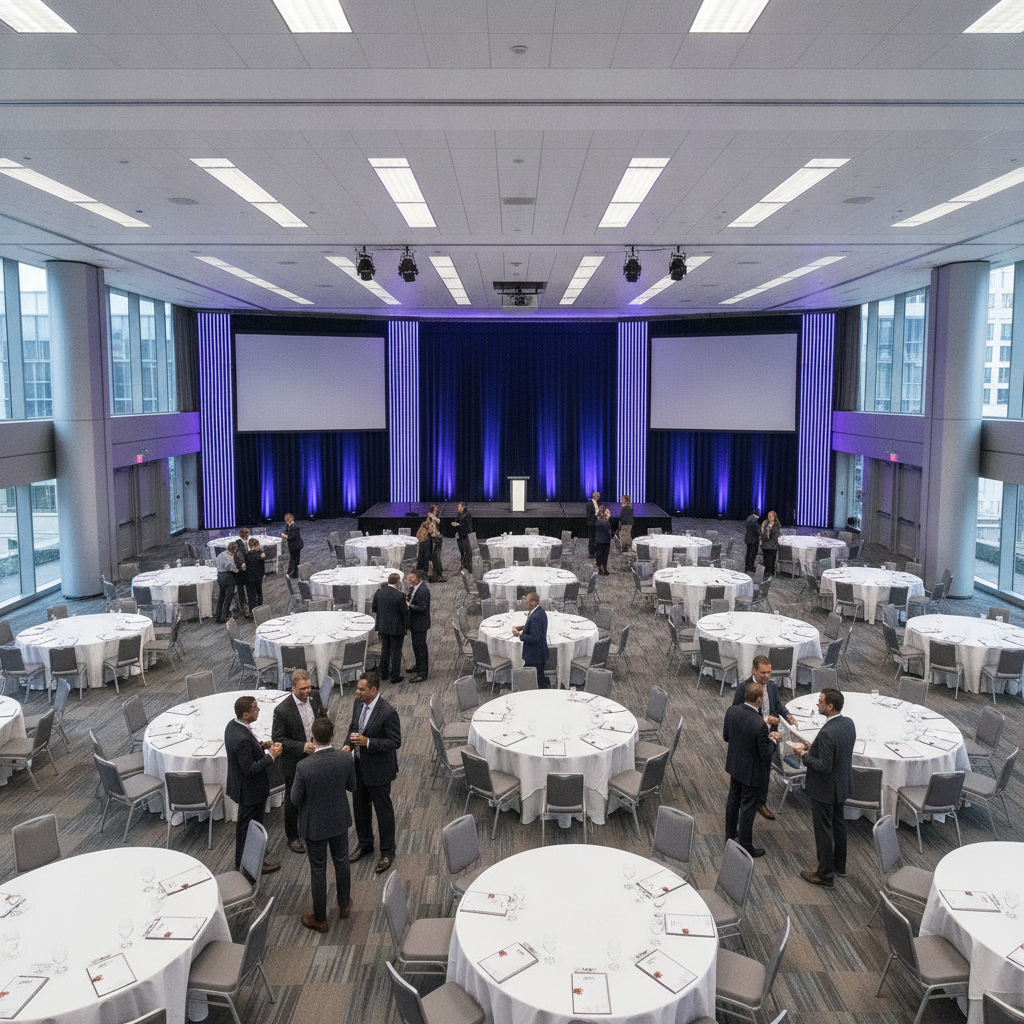
  • Banquet and ballroom venues: best for seated dinners, podium remarks, and dancing with a centralized stage and AV.
  • Community centers and school facilities: practical for larger cohorts and budget-friendly, often with basic AV.
  • Restaurants and private dining rooms: strong for intimate groups where food experience is the priority.
  • Outdoor patios and gardens: perfect for daytime receptions and photo-friendly backdrops; plan for weather contingencies.
  • Hybrid/multi-room facilities: useful when you want separate zones for reception, program, and dance party without re-setting the same room.

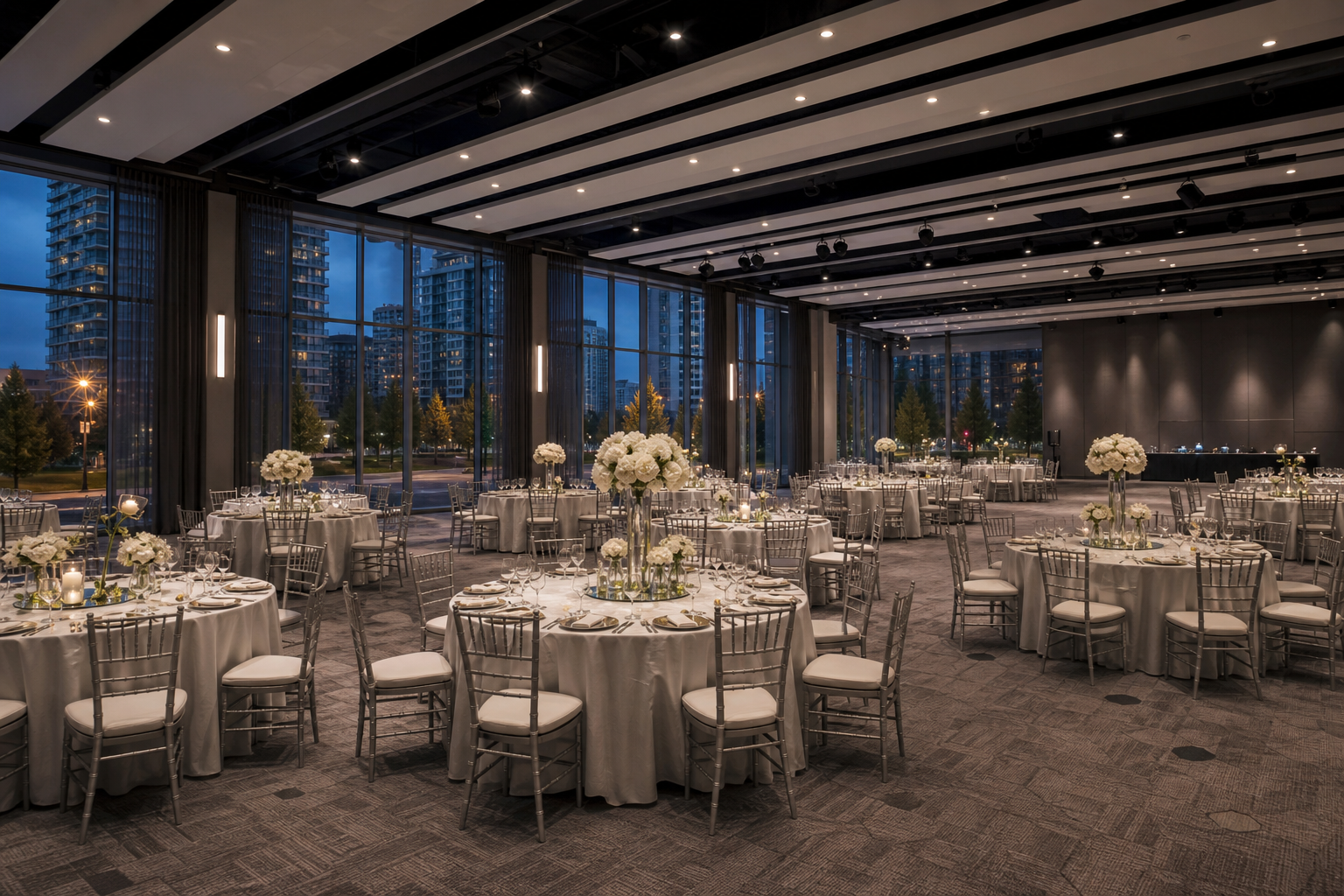
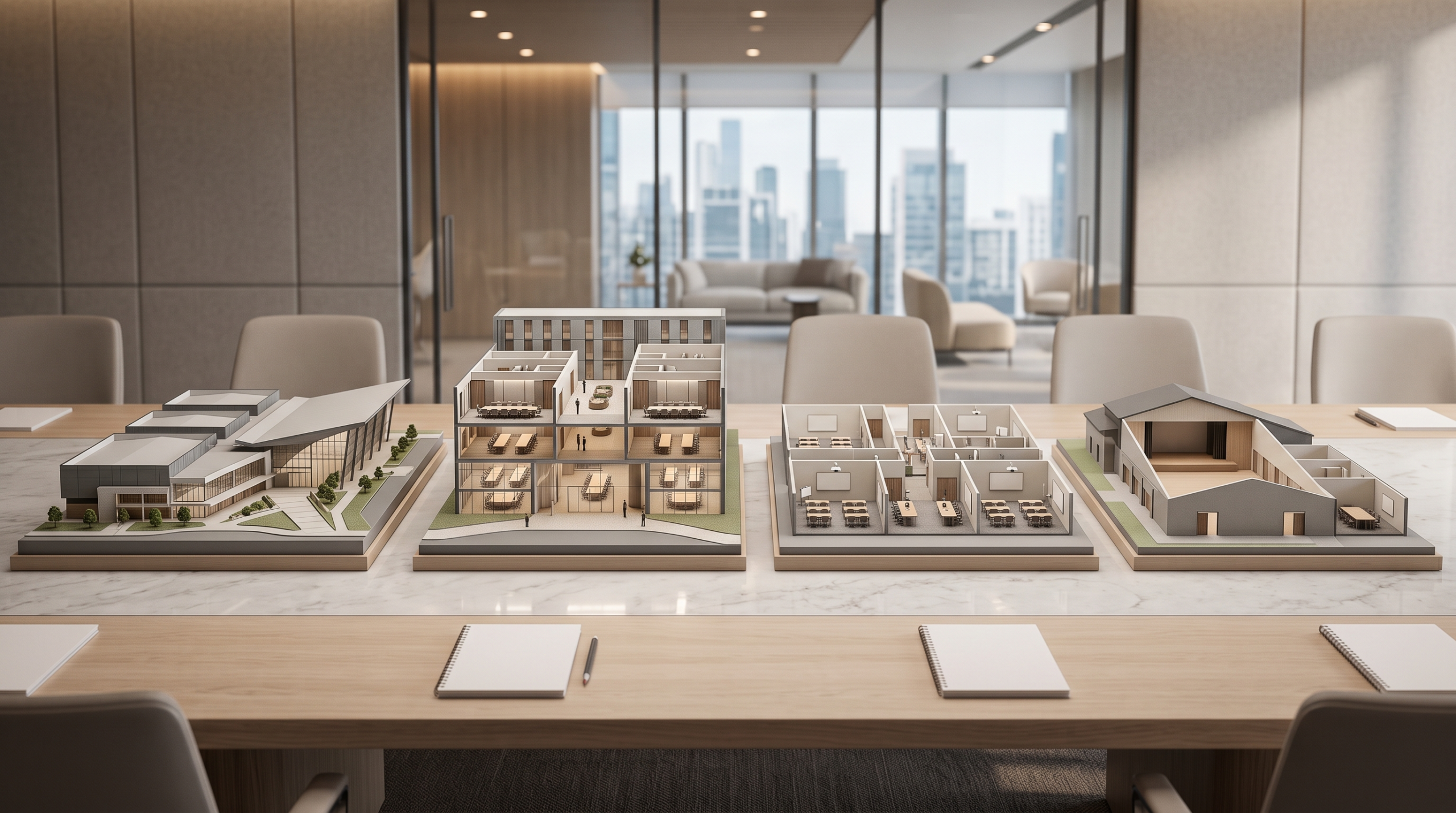
If you’re exploring flexible room configurations and want inspiration on seating and staging options, you can review sample layout ideas in a conference-focused context that also apply to celebrations by browsing a resource on venues for conferences in Mississauga: compare room setups, staging, and flow concepts.

Capacity, flow, and layout

Capacity is more than a maximum number; it affects sightlines, acoustics, and overall comfort. Evaluate:

  • True seated capacity with your preferred table sizes and dance floor.
  • Standing reception vs. plated dinner capacity (these can differ significantly).
  • Flow between zones: entrance and check-in, coat area, photo backdrop, bar/buffet lines, stage, and washrooms.
  • Stage placement and sightlines for slideshows, speeches, and awards.
  • Ceiling height and pillar locations that could block views or sound.

Create a draft floor plan before you book. Confirm dimensions for tables, stage, screens, and any décor pieces (balloon arches, step-and-repeat banners). Ask for a scaled diagram and a sample seating chart that matches your headcount range.

Food and beverage choices

Food shapes the guest experience, and graduation crowds can be diverse. Clarify the venue’s approach before you commit.

  • Service style: plated, buffet, chef stations, family-style, or a mix.
  • Menu flexibility: vegetarian, vegan, Halal, Kosher-style, nut-free, gluten-free, and kid-friendly options.
  • Timing: how long buffets remain open; pacing for courses and speeches.
  • Non-alcoholic focus: mocktails, premium soft drinks, and coffee/tea service for mixed-age events.
  • Outside catering: whether permitted and what conditions apply (kitchen access, certificates, cleanup).

Ask to see a sample banquet event order or menu package so you can compare apples to apples across graduation party venues.

AV and entertainment essentials

Even a simple celebration usually needs microphones and a screen. Clarify what’s included and who operates it.

  • Core needs: podium mic, wireless handhelds, house speakers, projector/LED screens, and confidence monitors if available.
  • Playback: laptop inputs, adapters, and how slideshows/videos are tested in advance.
  • Lighting: dimmable house lights, spotlighting for awards, dance lighting if applicable.
  • DJ/band integration: power locations, sound checks, and any in-house policies.
  • Onsite support: who handles setup, cues, and troubleshooting during the event.

Schedule a brief tech walkthrough and request a run-of-show with cue points for slides, walk-up music, and awards announcements.

Accessibility, parking, and guest comfort

Thoughtful logistics make a big difference for multi-generational guests.

  • Accessible routes: step-free entries, elevators, and accessible washrooms.
  • Parking and drop-off: proximity to entrances and wayfinding for first-time visitors.
  • Wayfinding and signage: clear room names and floor plans for larger venues.
  • Green rooms or quiet spaces: a place for graduates or speakers to stage.
  • Climate and acoustics: HVAC control and sound management between adjacent rooms.

Budget and contract checkpoints

Compare written proposals line by line. Graduation party venues may structure packages differently; align them to your priorities before deciding.

  • What’s included: room rental, tables/chairs/linens, basic AV, staging, and staffing.
  • Food and beverage minimums: clarify service charges, taxes, and any per-person thresholds.
  • Time blocks: load-in, event start/end, and teardown—plus overtime rates.
  • Décor and vendor policies: candles, confetti, rigging, outside vendors, insurance, and security.
  • Payment schedule and methods: deposit requirements and due dates.
  • Change policies: guest count deadlines, menu finalization, and floor-plan sign-off.
  • Contingencies: inclement weather backup for outdoor elements; force majeure language.
  • Post-event obligations: cleanup responsibilities, loss/damage clauses, and when you must vacate.

Request a sample contract and a detailed estimate before you place a deposit. Confirm all verbal promises in writing.

Sample floor plans and seating to consider

Use these common layouts as a starting point and adapt to your headcount and program.

  • Banquet rounds with central dance floor: maximizes mingling and dance access.
  • Rounds plus stage thrust: improves visibility for awards and graduate walk-ups.
  • Cocktail reception with high-tops and lounge zones: ideal for come-and-go celebrations.
  • Theater seating with reception overflow: good for short ceremonies followed by mingling.
  • Hybrid: family-style dining for VIP tables near stage, rounds farther back, and lounge in the foyer.

Request scaled diagrams that show aisle widths, stage stairs, accessible seating, and emergency exits.

Décor, themes, and photo moments

Graduation visuals should feel personal and celebratory without hindering traffic flow.

  • Entrance feature: a welcome sign and photo spot that doesn’t block check-in.
  • School colors and accents: table runners, uplighting, napkins, or a minimal stage backdrop.
  • Memory wall: framed photos, yearbook pages, or a digital slideshow loop in the foyer.
  • Practical centerpieces: low-profile designs that preserve sightlines.
  • Wayfinding décor: tasteful signs guiding guests to the program area, buffet, and restrooms.

Coordinate with the venue on placement guidelines, power outlets for lighted features, and any restrictions on adhesives or rigging.

Safety, supervision, and house rules

Mixed-age celebrations benefit from clear expectations. Ask how the venue manages common scenarios.

  • Chaperone ratios for school-sponsored events.
  • Policies for re-entry, outside food, helium balloons, and open flames.
  • Emergency contacts, first-aid access, and incident reporting.
  • Noise curfews and music volume limits.
  • Secure storage for gifts, certificates, and AV gear.

Request the venue’s standard house rules in writing and include them in your guest communications.

Planning timeline: 12 weeks to event day

Adjust this outline to your lead time and scale. The structure helps you lock key decisions before details stack up.

  • 12–10 weeks: define goals, guest count range, and budget; shortlist graduation party venues; confirm preferred dates and holds.
  • 10–8 weeks: tour top venues, review sample floor plans, AV packages, and menus; request itemized proposals and contracts.
  • 8–7 weeks: book the venue with deposit; draft a run-of-show; line up primary vendors (DJ/band, photographer); plan décor concept.
  • 7–6 weeks: send save-the-date or invites; confirm slideshow assets; gather dietary needs; plan awards/certificate logistics.
  • 6–4 weeks: finalize menu; approve preliminary floor plan; coordinate signage and rental add-ons; confirm parking/arrival instructions.
  • 4–3 weeks: AV testing plan; collect speeches; assign chaperones or volunteer roles; order print materials.
  • 2 weeks: finalize headcount; lock seating chart; confirm load-in and vendor schedule; share emergency contacts and house rules.
  • 1 week: walkthrough with venue contact; cue-to-cue review for AV; pack day-of kits (tape, markers, chargers, USB backups).
  • Event day: arrive early; verify signage; test mics and playback; brief emcee and volunteers; enjoy the celebration.

Day-of coordinator checklist

Assign a single point of contact to stay in sync with the venue and vendors.

  • Room readiness: tables, chairs, linens, stage, and reserved signs in place.
  • AV test: podium, wireless mics, screen playback, and lighting levels.
  • Signage and wayfinding: entrance, program area, restrooms, and photo stations.
  • Timeline: cue music, speeches, awards pacing, and buffet/dessert timing.
  • Safety: walkway clearance, taped cables, and accessible seating maintained.
  • Wrap-up: pack awards, gifts, signage; confirm lost-and-found; sign any closing documents.

Frequently asked questions

What’s the best seating for a mixed-age graduation celebration?

Banquet rounds near the stage for families and honorees, with lounge or high-top areas at the perimeter for friends who prefer to mingle, is a versatile hybrid. Keep aisles wide for accessibility and photography, and place younger guests closer to the dance floor if you have evening entertainment.

What AV items are worth testing in advance?

Microphone levels and clarity, slideshow playback on the exact screen and cable path, walk-up music cues, lighting dimming for videos, and any specialty inputs from DJs or guest performers. Bring adapters and a USB backup of media.

Conclusion and next steps

When you evaluate graduation party venues, focus on fit: a layout that supports your program, a menu that respects your guests, AV that works on cue, and logistics that make arrival and flow intuitive. Put every promise in writing, ask for scaled floor plans, and build in time for a final walkthrough. With the essentials locked, you can concentrate on the moments that make the milestone memorable.
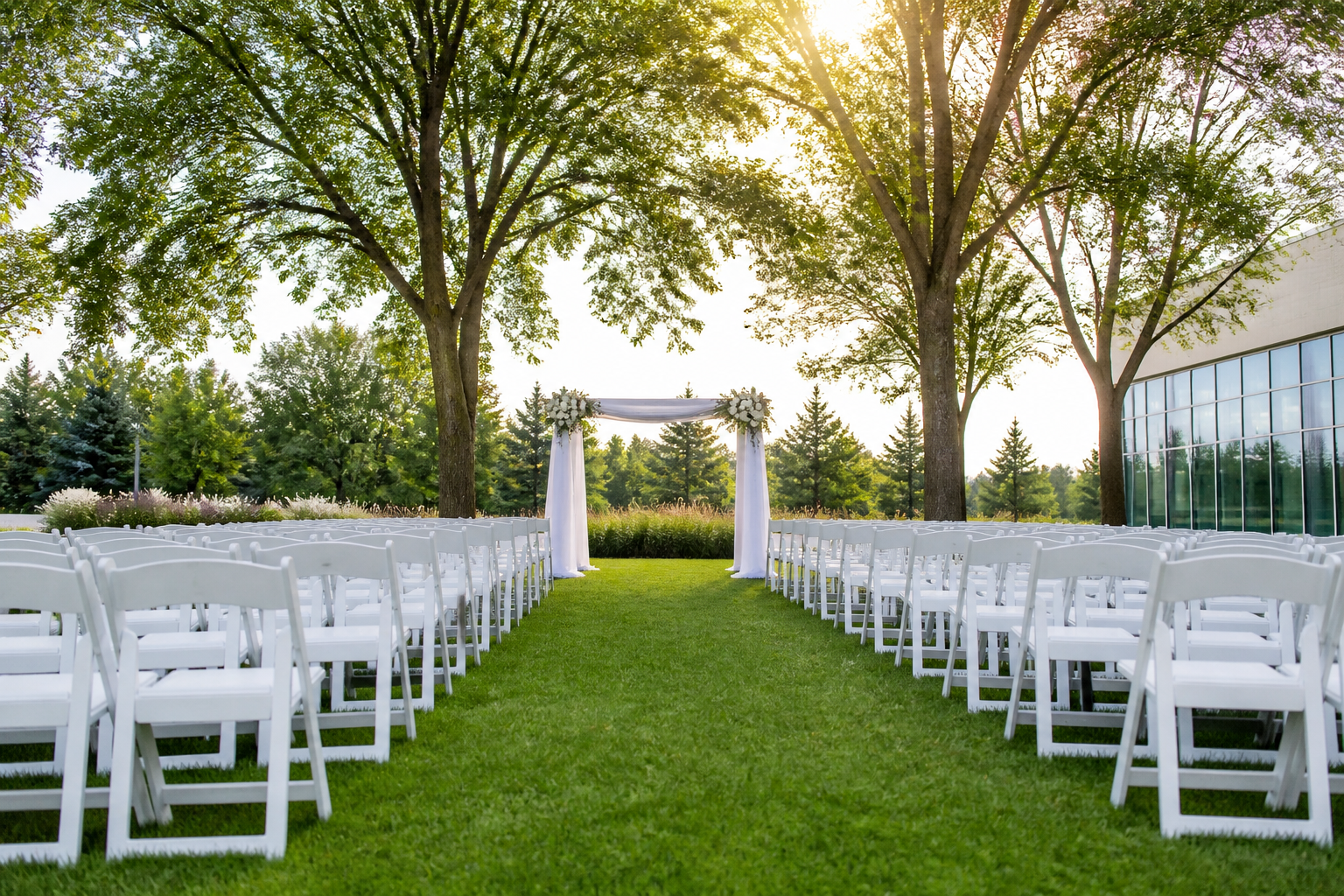
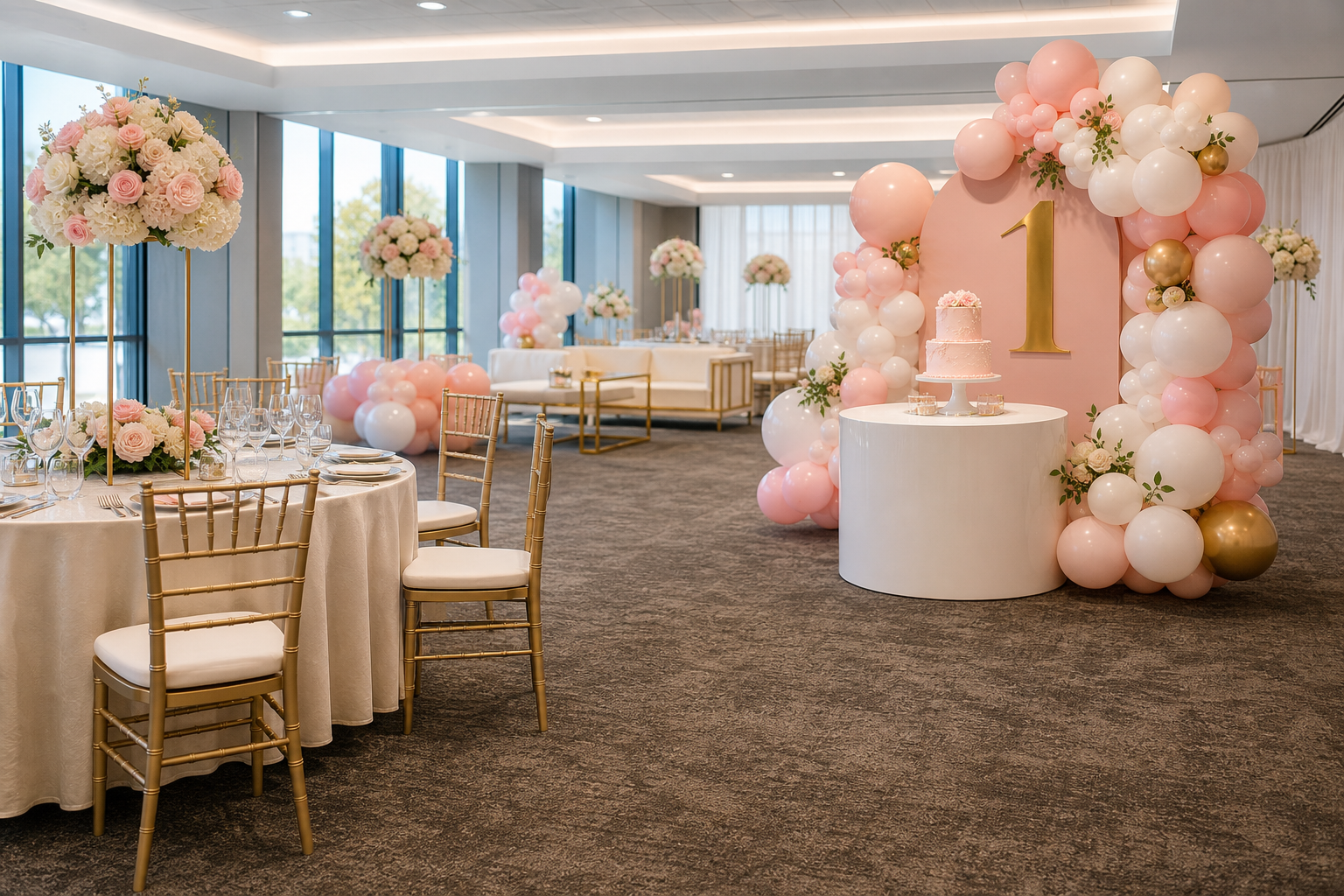
Choosing Outdoor Wedding Ceremony Venues: A Practical Checklist That Works Rain or Shine

outdoor wedding ceremony venues

Choosing Outdoor Wedding Ceremony Venues: A Practical Checklist That Works Rain or Shine

The setting where you exchange vows shapes how your day looks, sounds, and feels. With so many outdoor wedding ceremony venues to compare—beaches, gardens, courtyards, rooftops, wineries, estates, patios—it helps to evaluate them using the same practical criteria. Use this step-by-step checklist to tour spaces, ask sharper questions, and make a confident decision that holds up beautifully in sun, wind, or surprise showers.

Start with your vision and non‑negotiables

Before walking any site, write down what matters most. Clear priorities simplify tradeoffs later.

  • Ambiance: natural garden, waterfront, modern rooftop, rustic farm, formal estate, urban courtyard, or forest setting.
  • Time of day: golden hour glow, midday brightness, twilight string‑light mood, or a starlit evening.
  • Ceremony style: religious, civil, cultural traditions, length of service, readings, live music, and procession order.
  • Guest count: seated capacity for ceremony, standing room for overflow, and ADA considerations.
  • Convenience: proximity to getting‑ready spaces, restrooms, and reception location.
  • Photo priorities: skyline, water, gardens, architectural details, or a secluded backdrop.

Share this list with each venue during tours. You’ll quickly learn which spaces match your style without costly workarounds.

Guest experience and accessibility

Comfort drives how warmly your ceremony is remembered. Audit basics from curb to seat.

  • Arrival: clear signage, easy navigation, and ample parking or rideshare drop‑off locations.
  • Mobility: smooth paths for wheelchairs, walkers, strollers, and dressy footwear; minimal steep grades or gravel where possible.
  • Seating: sturdy, comfortable chairs, shade options, and aisle width for processional and photo angles.
  • Facilities: restrooms within a short walk, water stations, and climate comfort (shade, fans, blankets, umbrellas depending on season).
  • Wayfinding: ushers, programs, or discreet signs that guide guests from arrival to seating without bottlenecks.

Weather, shade, and rock‑solid backup plans

Great outdoor wedding ceremony venues anticipate the sky’s mood swings. Ask pointed “what if” questions and insist on specifics.

  • Rain plan: defined covered location, tent size and lead times, floor protection, and guest circulation if rain starts mid‑ceremony.
  • Heat and sun: shade at guest seating and altar during your scheduled hour; availability of parasols, fans, cold water, or misters.
  • Wind: microphone wind screens, decor anchoring, candle alternatives, and secure floral mechanics.
  • Cold or shoulder seasons: heaters, blankets, or adjusted ceremony length; nearby warm‑up areas.
  • Decision deadlines: the exact time the weather call must be made for tents or room flips, and who makes it.

Pro tip: stand where your altar will be at your planned time of day. Check sun angle, shadows, and glare for both you and your guests.

Sound, lighting, and power you can count on

Vows should feel intimate and clear. Outdoors, audio and lighting rarely “just work.” Verify the infrastructure.

  • Acoustics: traffic, fountains, surf, birds, and wind can mask speech; ask to demo microphones on site.
  • Microphones: lavalier or head‑worn mics for officiant and couple, handheld for readers, and a speaker layout that avoids feedback.
  • Power: nearby outlets with dedicated circuits, cable covers for safety, and contingency for battery‑powered gear.
  • Lighting: aisle and altar illumination near sunset, safe pathway lighting, and no harsh backlighting for photography.
  • Quiet zones: agreements to pause nearby lawn care, fountains, or HVAC during the ceremony window.

Layout, flow, and decor that feel effortless

Great layout reads as calm to guests and as control to your vendor team. Map it from first arrival to recessional.

  • Staging: altar focal point, width for the wedding party, and space for cultural elements (mandap, chuppah, arch, or ceremonial tables).
  • Aisle: length for music cues and pacing; surfaces that work for heels; petal toss or confetti policies.
  • Transitions: efficient route to cocktails or photos, avoiding long guest waits or double‑backs.
  • Decor rules: attachment methods, open flame restrictions, ceiling or tree load limits, and biodegradable toss options.
  • Comfort stations: water, sunscreen, bug spray, tissues, and discreet trash points that keep the site pristine.

Rules, permits, and insurance you should confirm

Many outdoor spaces operate under municipal, private, or venue rules. Clarify requirements early.

  • Permits: sound amplification, park use, beach access, drone use, and photography permissions where applicable.
  • Load‑in/load‑out: start times, vehicle access, and route protection for landscaping or historical features.
  • Restrictions: alcohol policies, glassware limits, sparklers or fireworks rules, and pet participation guidelines.

If a public space tempts you, ask about exclusive use or timed reservations so your processional isn’t competing with passersby.

Vendor coordination and a realistic timeline

The best outdoor ceremonies run on a crisp clock. Expect a written plan with roles, cues, and backups.

  • Rehearsal: on‑site run‑through with your officiant and key participants; mic checks and cue‑to‑cue timing.
  • Point person: a single coordinator who owns the weather call, ceremony start, and transitions.
  • Music plan: prelude length, processional beats, any live‑music setup time, and a failover playlist.
  • Photo sequence: family formals list, shady backup locations, and a rain route that preserves your shot list.
  • Vendor parking: reserved spaces close to the site, plus a map that prevents delays.

Budget signals and contract clarity

Outdoor wedding ceremony venues often layer rentals and contingencies. Build a budget that reflects what the day actually needs.

  • Included vs. rented: chairs, arch, audio, power, tenting, heaters, restroom trailers, lighting, and decor.
  • Weather line items: tent hold deposits, last‑minute delivery fees, floor protection, and contingency labor.
  • Logistics fees: setup/tear‑down windows, overtime, security, parking attendants, and cleanup.
  • Payment schedule: deposit, milestones, weather‑call triggers, and refund policies for force majeure.
  • Change process: who can authorize add‑ons on the day and how they’re documented.

Ask venues to price the “real day”—including audio, shade, and a plan B—so quotes are apples‑to‑apples.

Photography, video, and privacy considerations

Outdoors offers stunning light and depth, but also distractions. Protect the intimacy of your vows and the clarity of your visuals.

  • Backdrop control: ability to angle seating to avoid parked cars, construction, or public walkways in frame.
  • Quiet window: coordination to pause nearby activity; signage asking visitors to avoid the ceremony zone if applicable.
  • Unplugged vs. shared: decide whether guests keep phones away or are encouraged to capture moments.
  • Drone policy: flight permissions, pilot certifications where required, and safety perimeters.
  • Golden hour: confirm timing and shade pockets; scout a rainy‑day portrait plan that’s still photogenic.

Sustainability and comfort details guests notice

Thoughtful touches reduce waste and keep guests comfortable—especially valuable outdoors.

  • Programs and signs: reusable chalkboards or minimal prints; QR codes where appropriate.
  • Hydration: refill stations and recyclable cups; chilled water ready as guests seat.
  • Shade and warmth: parasols, fans, lap blankets, and discreet heaters depending on season.
  • Bug control: citronella alternatives, venue‑approved repellents, and timed treatments well before guests arrive.
  • Clean exit: compost and recycling plans; eco‑friendly toss items (like petals or bubbles) if allowed.

How to walk the site like a planner

Bring this rapid audit on tours to compare venues side by side—and take photos from your guests’ perspective.

  1. Stand at the altar location and scan 360°: light, wind, noise, and sight lines.
  2. Trace the guest journey: arrival, seating, ceremony view, recessional, and first drink.
  3. Listen for sound: does traffic, water, or wind overpower normal speaking voices?
  4. Check power and pathways: outlets, cable runs, and safe, level routes for guests and vendors.
  5. Open the rain plan: physically inspect the backup space or tent footprint and visualize the room flip.
  6. Time the walk: distance to restrooms and cocktail hour, in the shoes you’ll actually wear.
  7. Confirm rules on decor, sound, drones, candles, and send‑offs—and get them in writing.

Sample questions to ask every outdoor venue

  • What’s the maximum seated capacity at my chosen layout, and how wide is the center aisle?
  • What’s the audio plan: number of mics, speaker placement, power access, and rain backup?
  • If weather turns mid‑ceremony, how do you transition guests and protect decor without long delays?
  • Which rentals are included versus third‑party, and when do weather‑contingent costs lock in?
  • What are your restrictions around florals, confetti, open flames, drones, and amplified sound?
  • Who is the day‑of decision‑maker, and when is the final go/no‑go call for tents or indoor flip?

Red flags to watch for

  • No on‑site power near the ceremony area or unsafe cable paths.
  • Hard sun directly in guests’ eyes during your time slot with no shade remedy.
  • Strict noise curfews you discover after signing.
  • Hidden delivery limitations that make tenting or decor impractical.

FAQs

Is a tent always necessary for an outdoor ceremony?

Not always. If the venue has a covered backup nearby and the forecast is favorable, you may not need one. However, if rain protection would require a tent, ask about hold deposits, lead times, and what surface protection is needed to keep guests comfortable.

What sound setup is best for vows outdoors?

Plan for at least one microphone on the officiant and a discreet mic for the couple, plus a handheld for readings. Test on site to account for wind and ambient noise, and confirm power access and cable safety.

Next steps

A practical next step

To discuss the options that apply to your situation, contact Mississauga Convention Centre and request the relevant details before moving forward.

How to choose a 1st birthday party venue that keeps babies happy and guests relaxed

1st birthday party venue

How to choose a 1st birthday party venue that keeps babies happy and guests relaxed

Your baby’s first birthday is a milestone for the whole family. The right 1st birthday party venue should make it easy for little ones to nap, snack, and play safely—while adults can mingle, enjoy a meal, and take great photos. This guide walks you through the core decisions, questions to ask, and a day-of plan that helps you host confidently without getting lost in the details.

Decision factors that matter most

Start with the essentials and work outward. A great venue for a first birthday balances baby comfort with adult convenience.

  • Guest count and age mix: Tally adults, toddlers, and babies. Plan for strollers, car seats, and grandparents who may prefer seating near quieter areas.
  • Location and travel: Choose a venue reasonably close to most guests or easy to find. Consider parking availability and accessibility for families carrying gear.
  • Indoor vs. outdoor: Outdoor spaces are bright and airy but need a weather backup. Indoor spaces offer climate control and predictable acoustics.
  • Date and time: Late morning or early afternoon often aligns with baby wake windows. Aim for a 2–3 hour event to prevent overtired meltdowns.
  • Food approach: Decide on simple finger foods for toddlers and a straightforward menu for adults. Check the venue’s policies for outside food, cakes, cultural dishes, or specialty diets.

Safety and comfort checks

Baby comfort is the top reason parents love a venue—or leave early. Make a quick safety sweep part of your site visit.

  • Entrances and elevators: Step-free access for strollers and mobility devices.
  • Clean floors and stable furniture: Smooth surfaces, no loose cables, and tables that won’t tip.
  • Quiet corners: A small, dimmable area or side room can double as a nursing nook or nap space.
  • Restrooms with changing space: Confirm changing tables and room to maneuver a stroller.
  • Temperature control: Babies overheat quickly; adjustable heating/cooling matters.
  • Sound level: Avoid booming speakers near the toddler zone. Test the room’s echo if you plan music.
  • Secure décor plan: Keep balloons and banners out of reach of tiny hands. Use removable, child-safe hanging tools.

Pack a small venue kit: outlet covers, painter’s tape, zip ties, a compact first-aid pouch, spare pacifiers, and extra wipes. Even if the venue has supplies, having your own reduces last-minute stress.

Room layout and flow

A clear layout makes the event feel effortless. Sketch your floor plan before you book to confirm the venue can support it.

  • Welcome zone: A check-in spot for gifts and cards, plus stroller parking. Keep it uncluttered to prevent bottlenecks.
  • Main seating: Mix low and regular-height seating if you can. Ensure aisles wide enough for strollers.
  • Toddler play area: Soft mats, board books, stacking cups, and a bubble machine. Place it away from hot drink stations and high-traffic paths.
  • Feeding corner: High chairs and wipeable surfaces. If you expect bottle warming, ask about access to hot water.
  • Cake and photo backdrop: Good natural light or adjustable lighting helps. Keep a 3–4 foot buffer so excited toddlers don’t topple the cake.
  • Nursing/nap nook: A quieter corner with a chair and small table for essentials. If a separate room is available, even better.

Pro tip: Walk from the entrance to each zone carrying a diaper bag and a child in your arms—if you can do it smoothly, guests likely can, too.

Food, allergies, and cake plans

Food should be simple, safe, and clearly labeled. Babies and toddlers taste with their hands; plan for mess and minimize risk.

  • Labeling: Use large, legible cards for common allergens. Separate kid-friendly items from adult dishes.
  • Finger foods: Soft fruit slices, cheese cubes, mini sandwiches, or steamed veggies are easy wins.
  • Warmers and refrigeration: Confirm what the venue can provide or permit for food safety.
  • Outside food policy: Ask about bringing a smash cake, cultural sweets, or specialty items; confirm any restrictions in writing.
  • Hydration station: Water jugs and cups at toddler height reduce spills at adult buffets.

For the cake moment, pre-cut a small portion for photos and keep the rest chilled or covered. Set out extra napkins, baby wipes, and a trash bin within arm’s reach.

Schedule and timeline

A gentle timeline keeps energy up and tears down. Plan around the birthday baby’s best wake window.

  • 0:00–0:20 Welcome – Guests arrive, drop gifts, settle in. Soft music and bubbles in the play area.
  • 0:20–0:50 Activities – Simple crafts, story time, or a sensory bin.
  • 0:50–1:20 Food – Serve adults and toddlers together; keep lines short.
  • 1:20–1:40 Cake and photos – Position the family near good light; designate one photographer to avoid crowding.
  • 1:40–2:00 Free play and goodbyes – Offer favor bags by the exit. Start light cleanup.

Build 15–30 minutes of buffer time into your venue booking for late arrivals, diaper changes, and quick resets between segments.

Activities and entertainment that actually work

At age one, simple, sensory-rich play beats complex entertainment. Choose a few low-effort stations and let kids explore.

  • Soft play corner: Foam blocks, mats, and a small tunnel.
  • Bubble station: Battery bubble blower plus towels for drips.
  • Music moment: Shakers, scarves, and a short sing-along.
  • Quiet table: Board books, chunky crayons, and stickers for older siblings.
  • Photo booth: A simple backdrop with a few props; keep trip hazards out of the frame.

If you hire performers, choose calm, short sets and confirm any sound limits or space needs with the venue in advance.

Budget and contract basics

Keep costs predictable with a short list of must-haves. Then confirm the rules in writing.

  • Core budget buckets: Venue, food and cake, décor, activities/entertainment, photography, favors.
  • Hidden line items: Setup and teardown windows, cleaning requirements, service fees, rentals (high chairs, mats), and delivery access.
  • Policies to confirm: Outside food, candles/sparklers, wall mounting, confetti, glitter, helium balloons, amplified music, and parking.
  • Payment terms: Get due dates, acceptable payment methods, and refund/postponement terms in writing.

Questions to ask on a site visit

Use this list to evaluate any space quickly and consistently.

  • Is the entrance step-free and wide enough for double strollers?
  • How many high chairs are available? Are changing tables in nearby restrooms?
  • What are the rules for décor (balloons, wall hangings, backdrop stands)?
  • Are there restrictions on outside food or specialty cakes?
  • Is there a safe, out-of-the-way area for gifts and stroller parking?

Sustainability and sanity savers

Small choices reduce waste and keep the party manageable.

  • Decor you’ll reuse: Neutral banners, fabric table runners, and photo backdrops that work for future birthdays.
  • Real or sturdy reusables: Opt for durable plates and cups if allowed; designate one rinse bin to streamline cleanup.
  • Simple favors: Board book swaps, seed packets, or bubbles instead of trinkets.
  • Digital invites and QR menus: Reduce paper and make updates easy.

Day-of checklist

Print this and hand it to a helper so you can focus on your child and guests.

  • Arrive early to set up welcome table, stroller parking, and gift station.
  • Toddler zone: lay mats, set out toys, and secure any cables.
  • Feeding corner: position high chairs, wipes, napkins, and trash bin.
  • Cake area: prep table, plates, forks, and a backup cake knife; confirm lighting.
  • Photo backdrop: test a quick photo for exposure and framing.
  • Allergy labels: place cards in front of each dish before guests arrive.
  • Hydration station: water jugs, cups, and towels for spills.
  • Emergency kit: diapers, wipes, bandages, stain remover, and extra outfits.
  • Assign roles: greeter, photographer, cake helper, and cleanup lead.
  • Set a timer for cake time and group photo so you don’t miss the moment.

Frequently asked questions

How long should a first birthday party last?

Two to three hours works well for most families. It’s long enough to welcome guests, serve food, and enjoy cake without pushing babies past their wake windows. If travel times are longer, consider a slightly extended welcome period so latecomers don’t miss the main moments.

What time of day is best for a 1st birthday party?

Late morning to early afternoon usually aligns with typical nap schedules. Choose a time when the birthday child is most alert. If your child is a midday napper, an early lunch party with cake before nap time can be ideal.

What should I put in the toddler play area?

Think soft and simple: foam mats, stacking cups, large blocks, board books, and a bubble machine. Avoid tiny pieces and keep the area away from hot beverages and heavy foot traffic. A small gate or furniture boundary helps define the space.

Do I need entertainment for a first birthday?

Not necessarily. Most one-year-olds are happiest exploring a few sensory stations. If you add entertainment, keep it brief, gentle, and at a comfortable volume.

How can I handle food allergies safely?

A practical next step

To discuss the options that apply to your situation, contact Mississauga Convention Centre and request the relevant details before moving forward.

Wedding venue decisions that matter: a practical checklist and timeline

wedding venue

Wedding venue decisions that matter: a practical checklist and timeline

The right wedding venue anchors your date, shapes your guest experience, and sets the tone for everything from décor to dinner. With so many options—and so many moving parts—it helps to follow a structured process. This guide offers a concise, vendor-neutral framework, a practical checklist, and a timeline you can adapt to your planning window. Use it to compare venues fairly, prepare for site visits, and surface the details that most often affect budget, logistics, and stress levels.

Define your vision and constraints

Before you send a single inquiry, get specific about what you’re solving for. A clear vision prevents wasted tours and makes quotes more accurate.

  • Guest count: Establish a realistic minimum, likely range, and absolute maximum. Capacity drives everything from room selection to staffing and layout.
  • Format: Ceremony and reception in one place, or ceremony off-site with reception only? Consider cocktail hour, plated dinner vs. stations, dance floor, and late-night plans.
  • Season and time: Daytime vs. evening, weekday vs. weekend, and indoor vs. outdoor preferences. Lighting, temperature, and photography opportunities change with the clock.
  • Style: Formal ballroom, contemporary minimalism, rustic charm, cultural traditions—choose what truly fits rather than forcing a space to be something it isn’t.
  • Non-negotiables: Accessibility needs, dietary requirements, religious or cultural elements, and any must-have features like a separate getting-ready room.
  • Budget approach: Decide whether you want an all-in venue with in-house services or a bring-your-own vendor model. Both can work; clarity is what keeps costs predictable.

Budget and capacity: the two anchors

Most surprises trace back to unclear guest counts or incomplete budgets. Ground your search in numbers that reflect the whole experience, not just the rental fee.

  • Space for movement: Ensure there’s room for a sweetheart table, DJ or band, dessert or late-night station, and accessible pathways for guests and servers.
  • Budget categories to track: Venue rental, food and beverage, service and staffing, audiovisual needs, décor and florals, entertainment, rentals, transportation, insurance, and contingency.
  • Bundled vs. a la carte: Some venues include tables, chairs, basic linens, and standard AV. Others price each element separately. Build a like-for-like comparison so lower line items don’t mask higher add-ons.
  • Taxes and fees: Confirm what is taxed and at what rate, and identify mandatory fees or surcharges. Small percentages add up over large headcounts.

Location, flow, and guest experience

Your wedding venue is more than a backdrop; it’s the engine room for comfort and timing. A thoughtful flow saves minutes at every transition and keeps energy high.

  • Travel and arrival: Consider typical traffic patterns for your day and time, proximity to transit, and clarity of directions or signage. Build buffers into your schedule.
  • Parking and drop-off: Determine the number of on-site spots, overflow options, and accessible drop-off areas. Ask where rideshare cars queue and how that’s managed at peak times.
  • Wayfinding: Look for intuitive paths between ceremony, cocktails, and reception. Minimize bottlenecks at bars, photo booths, and restrooms.
  • Noise and neighbors: If you’re envisioning live music or outdoor mingling, check typical sound levels and any time limitations the venue enforces.
  • Back-of-house: Confirm dedicated space for vendor load-in, staging, catering prep, and storage. Efficient back-of-house logistics reduce delays you’d otherwise feel on the dance floor.

Services, catering, and technical needs

Food, sound, and lighting shape how your wedding feels hour to hour. Whether services are provided in-house or externally, map the essentials up front.

  • Catering model: Is catering in-house, preferred, or open-vendor? If open, clarify kitchen access, equipment, rentals, and cleanup expectations.
  • Menu planning: Note dietary accommodations you need to offer. If tastings are available, ask how menus are finalized and when counts and selections are due.
  • Alcohol service: Verify service model and what documentation or staffing the venue requires. Clarify last call timing and storage policies.
  • AV basics: Confirm microphone types, speakers, screens, and lighting that are included versus rented. Ask about power access, dimming options, and tech support during your event.
  • Entertainment: Identify stage or performance space needs, floor load for bands, and any restrictions on haze, confetti, or special effects.

Dates, holds, and decision timing

Popular dates can move quickly. A simple timeline helps you act decisively without feeling rushed.

  1. 12–18+ months out: Shortlist three to five venues that fit your guest count, style, and budget approach. Request base pricing and package outlines.
  2. 10–14 months out: Tour your top choices (in person or virtually). Bring your checklist, floorplans, and a draft schedule to test flow.
  3. 9–12 months out: Ask for itemized proposals based on your specific headcount, format, and date. Request sample floorplans.
  4. 8–10 months out: Place a hold if allowed and review the contract terms. Align on payment schedules, key dates, and cancellation or change policies.
  5. 6–9 months out: Finalize your booking once you’re satisfied you have apples-to-apples comparisons. Reserve room blocks or transportation as needed.

Note: Timelines vary by region and season. If you’re flexible on date, you may find more availability and options.

Site visit essentials

Walk your wedding venue with purpose. Use your visit to verify the details that most influence comfort, photos, and timing.

  • Lighting check: Visit at the same time of day as your event if possible. Look at natural light, dimming controls, and how lighting affects photos and video.
  • Sound test: Stand where your guests will sit. Can you hear a spoken vow without strain? Ask about sound checks and volume guidelines.
  • Flow rehearsal: Trace the steps from ceremony to cocktail hour to reception as if you’re a guest. Identify potential bottlenecks and discuss alternatives.
  • Photo spots: Note indoor and outdoor backdrops and where group photos can happen without blocking service routes.
  • Plan B: If any part of your plan depends on weather, review the indoor fallback with equal care—capacity, layout, and look.

Questions to ask before you book

These questions help you uncover true fit and total cost. Customize them to your plans.

Availability and scheduling

  • What is the standard event start and end time, and what are the options and costs to extend?
  • What are the load-in and load-out windows for vendors, and who coordinates access?

Space and layout

  • Are there private rooms for getting ready, childcare, or vendor staging?

Catering and beverage

  • Is catering in-house, preferred-vendor-only, or open? If open, what are the requirements for external vendors?
  • How are dietary accommodations handled, and when are final counts due?
  • What beverage service options exist, and how is glassware, staffing, and last call managed?

AV and entertainment

  • Which microphones, speakers, and lighting are included, and is on-site technical support available?
  • Are there volume guidelines, curfews, or restrictions on special effects?
  • Where can entertainers or a DJ set up, and what power is available?

Logistics and guest comfort

  • Where do guests park and enter, and how are directional signs handled?

Costs, payments, and policies

  • What deposits are due when, and what is the schedule for remaining payments?
  • What are your change, cancellation, and postponement policies?
  • Which taxes, service charges, or mandatory fees apply?

Make an apples-to-apples comparison

Quotes are only comparable when they reflect the same assumptions. Create a one-page comparison for each finalist that includes:

  • Capacity at your target layout and a sketch of ceremony/cocktail/reception flow
  • Itemized venue, catering, and service costs with taxes and fees
  • Included items (tables, chairs, linens, basic AV) and required rentals
  • Staffing assumptions (service ratios, setup/teardown details)
  • Timeline for decisions and deposits, plus cancellation/change terms
  • Key differentiators that matter to you (accessibility, lighting quality, photo spots)

Rank each venue by must-haves first, nice-to-haves second, and bonus perks last. This keeps the focus on fit and feasibility, not just headline numbers.

Contract and policy basics

Event agreements contain important obligations and timelines. Read carefully and ask clarifying questions before you sign. For legal questions, seek advice from a qualified professional; this article does not provide legal guidance.

  • Named spaces and hours: Confirm exactly which rooms you’re reserving and during which time windows, including vendor access.
  • Payment schedule: Note deposit amounts, due dates, acceptable payment methods, and consequences of late payment.
  • Counts and cutoffs: Record dates for final guest counts, menu selections, floorplans, and seating charts.
  • Change and cancellation terms: Understand policies for date changes, postponements, or cancellations.
  • Vendor responsibilities: Clarify insurance, licensing, and cleanup requirements if using external vendors.
  • Damages and conduct: Review responsibilities for property care and any restrictions affecting décor or entertainment.

Sample day-of run of show

Use this as a starting point to visualize timing. Adjust for religious or cultural elements, travel, or photo priorities.

  1. Morning: Getting-ready time; vendor load-in; décor setup; sound and lighting checks.
  2. Pre-ceremony: First look and wedding party photos; guest arrival and ushers in place.
  3. Ceremony: Processional, vows, recessional; transition to cocktail hour.
  4. Cocktail hour: Couple’s portraits and family photos; venue resets ceremony space if necessary.
  5. Reception: Grand entrance, first dance, welcome toast; dinner service and speeches.
  6. Evening: Cake or dessert moment; open dancing; late-night snack if planned.
  7. Close: Last call; send-off; teardown and vendor load-out within agreed window.

Common pitfalls and how to avoid them

  • Underestimating space needs: A room can be “big enough” but feel tight once you add a dance floor, band, and dessert stations. Ask for floorplans at your guest count.
  • Forgetting back-of-house logistics: Vendor access, staging space, and power affect setup speed and reliability.
  • Ignoring lighting and acoustics: These influence energy and photos more than most décor choices.
  • Not accounting for buffer time: Build cushions for transitions, portraits, and vendor resets.
  • Comparing by headline price only: Always convert to per-guest totals with all fees and typical service added.

FAQ

What should be included in a wedding venue quote?

Look for an itemized estimate that reflects your exact guest count, room(s), event hours, and layout. Typical inclusions or add-ons might involve tables and chairs, basic linens, place settings, service staffing, standard audiovisual equipment, and setup/teardown. Confirm taxes, fees, and any minimums so you can compare fairly.

What’s the best way to handle a weather backup?

Treat your indoor fallback like the primary plan. Confirm capacity, seating, and décor options; identify how quickly you can pivot; and note who decides and by what time. Ensure any vendors impacted by the switch know their revised setup locations.

Next step

A practical next step

To discuss the options that apply to your situation, contact Mississauga Convention Centre and request the relevant details before moving forward.

Event spaces: a decision checklist for layout, flow, and production success

event spaces

Event spaces: a decision checklist for layout, flow, and production success

Key Takeaways

  • Mapping your program before venue tours helps clarify essential requirements.
  • Choosing the right type of space can enhance the overall experience of your event.
  • Effective layout and seating arrangements can prevent bottlenecks and improve guest comfort.
  • Understanding audiovisual and lighting essentials is crucial for a successful production.
  • Accessibility and guest care are vital for ensuring a positive experience for all attendees.

Choosing between event spaces can feel like comparing apples to orchestras—every venue has moving parts you only notice when they’re missing. This practical checklist helps you evaluate any space for meetings, conferences, weddings, galas, exhibitions, school formals, birthdays, and cultural celebrations. Use it to align your program, people, and production so the day runs smoothly and looks intentional.

Map your program first

Great venue decisions begin with a clear program. Before touring event spaces, outline what must happen, where, and when. This turns abstract preferences into concrete requirements.

  • Define your core moments: welcome, general session, breakout or mingling time, meal service, stage program, entertainment, and farewells.
  • Estimate guest flows by segment: VIPs, presenters, vendors, families with children, elders, and guests with mobility needs.
  • Identify production needs: stage size, presentation screens, microphones, lighting looks, and recording or streaming.
  • Spot potential bottlenecks: coat check, registration, buffet lines, bar service, washrooms, photo areas, and parking entry/exit.
  • List “soft spaces”: green rooms, prayer or quiet rooms, rehearsal corners, stroller parking, and vendor prep areas.

With these mapped, you can ask targeted questions on tours and quickly rule in—or out—event spaces that cannot support your flow.

Choose the right type of space for your format

Different event formats thrive in different environments. Match the space to the experience you want to create, then back it up with logistics.

  • Ballrooms and banquet halls: Flexible, often divisible, suited to seated meals, dancing, stages, and lighting looks.
  • Conference and meeting rooms: Best for presentations, learning, and agenda-driven sessions with integrated audiovisual.
  • Exhibition floors and trade spaces: Favor open spans, high ceilings, and strong power distribution for booths and demos.
  • Outdoor patios and courtyards: Great for ceremonies, cocktail hours, and photo moments; plan for weather and sound.
  • Black-box or studio spaces: Ideal when lighting and staging design lead; you build the environment inside a neutral shell.
  • Social lounges and hybrid spaces: Work for networking-heavy programs, tastings, and interactive activations.

Consider how easily each type adapts across the day. A room that transitions from ceremony to reception or from plenary to gala saves time, budget, and guest energy.

Layout and seating decisions that prevent bottlenecks

Layout determines comfort more than décor. When reviewing floor plans, layer in the realities of movement, service, and sightlines.

  • Stage and sightlines: Ensure most seats face the focal point without pillars or competing screens.
  • Aisles and circulation: Leave clear, intuitive paths to exits, washrooms, bars, and the dance floor or expo zones.
  • Food and beverage flow: Space out service points; separate bars from buffets to distribute lines.
  • Technical zones: Reserve space for sound and lighting control, camera positions, and cable runs that don’t cross traffic.
  • Accessibility: Plan barrier-free routes and seating with companions; keep essential amenities on the same level when possible.
  • Transitions: If you’re flipping a room, identify a nearby holding area for guests and a staging area for staff.

Ask venues to share scalable sample layouts for your format—ceremony + reception, conference + gala, or expo + plenary—and confirm turnaround times between segments.

Audiovisual and lighting essentials

Production elevates content from audible to memorable. Align your program needs with the space’s built-in capabilities.

  • Audio: Clarify microphone types, speaker coverage for your room shape, and backup options.
  • Visuals: Confirm screen sizes, projector or LED options, and the ability to feed multiple rooms if you’re running parallel sessions.
  • Lighting: Look for controllable house lights, stage lighting options, and dimming for video playback.
  • Power and rigging: Validate safe, sufficient power and approved rigging points for heavier installations.
  • Technical support: Ask about on-site technicians during rehearsals and live segments, and response times for issues.
  • Recording and streaming: Identify camera positions, audio feeds, and quiet control locations.

Even if you bring outside vendors, understanding a room’s baseline systems helps you budget time and equipment realistically.

Catering and cultural considerations

Food anchors memory. Ensure menus and service respect your community and event pacing.

  • Menu diversity: Consider options that reflect your guests, including regional and Halal-friendly selections where needed.
  • Service style: Match plated, family-style, buffet, or station concepts to your agenda and room flow.
  • Dietary transparency: Request clear labeling or programs that identify ingredients and allergens.
  • Timing: Coordinate courses with speeches or entertainment to keep service smooth and focused.
  • Non-alcoholic hospitality: Plan inclusive beverage offerings and late-night refueling if your event stretches on.

When possible, align tasting notes with the exact kitchen and team serving your event date, and confirm how last-minute counts or substitutions are handled.

Accessibility and guest care

Accessibility isn’t only about compliance—it’s about comfort. Build guest care into every touchpoint.

  • Arrival: Provide clear directions, visible signage from the entrance, and an intuitive registration or greeting point.
  • Mobility: Confirm accessible entries, elevators where needed, and seating options that avoid tight corners or long detours.
  • Wayfinding: Use consistent naming and color-coding for rooms and activities. Place maps where decisions happen.
  • Quiet and prayer spaces: Offer dedicated areas away from speakers and foot traffic.
  • Care stations: Think water points, stroller parking, and easy access to restrooms without cutting through dense seating.

Proactive guest care reduces interruptions and keeps your timeline intact.

Logistics, parking, and load-in

Great design fails if vendors and guests can’t move. Review how people and materials enter, circulate, and exit.

  • Vendor access: Confirm dedicated load-in doors, dock height, elevator access, and protected paths to the room.
  • Staging areas: Identify pre-set zones for rentals, florals, cases, and returns to avoid hallway clutter.
  • Parking: Clarify on-site availability, overflow options, and any time-based gate considerations.
  • Turnover plans: For back-to-back events, ask how the venue resets spaces, cleans, and verifies technical readiness.
  • Emergency readiness: Note exit routes and how announcements would be made if needed.

Ask the venue to walk you through a real load-in timeline to ensure smooth operations.

Sources & References

  • Event Venue Checklist – Event Manager Blog
  • Choosing the Right Venue – MeetingsNet
  • <a href="https://www.eventbrite.com/blog/choosing-event-venue-ds00-ds00-ds00-ds00-ds00-ds00-ds00-ds00-ds00-ds00-ds00-ds00-ds00-ds00-ds00-ds00-ds00-ds00-ds00-ds00-ds00-ds00-ds00-ds00-ds00-ds00-ds00-ds00-ds00-ds00-ds00-ds00-ds00-ds00-ds00-ds00-ds00-ds00-ds00-ds00-ds00-ds00-ds00-ds00-ds00-ds00-ds00-ds00-ds00-ds00-ds00-ds00-ds00-ds00-ds00-ds00-ds00-ds00-ds00-ds00-ds00-ds00-ds00-ds00-ds00-ds00-ds00-ds00-ds00-ds00-ds00-ds00-ds00-ds00-ds00-ds00-ds00-ds00-ds00-ds00-ds00-ds00-ds00-ds00-ds00-ds00-ds00-ds00-ds00-ds00-ds00-ds00-ds00-ds00-ds00-ds00-ds00-ds00-ds00-ds00-ds00-ds00-ds00-ds00-ds00-ds00-ds00-ds00-ds00-ds00-ds00-ds00-ds00-ds00-ds00-ds00-ds00-ds00-ds00-ds00-ds00-ds00-ds00-ds00-ds00-ds00-ds00-ds00-ds00-ds00-ds00-ds00-ds00-ds00-ds00-ds00-ds00-ds00-ds00-ds00-ds00-ds00-ds00-ds00-ds00-ds00-ds00-ds00-ds00-ds00-ds00-ds00-ds00-ds00-ds00-ds00-ds00-ds00-ds00-ds00-ds00-ds00-ds00-ds00-ds00-ds00-ds00-ds00-ds00-ds00-ds00-ds00-ds00-ds00-ds00-ds00-ds00-ds00-ds00-ds00-ds00-ds00-ds00-ds00-ds00-ds00-ds00-ds00-ds00-ds00-ds00-ds00-ds00-ds00-ds00-ds00-ds00-ds00-ds00-ds00-ds00-ds00-ds00-ds00-ds00-ds00-ds00-ds00-ds00-ds00-ds00-ds00-ds00-ds00-ds00-ds00-ds00-ds00-ds00-ds00-ds00-ds00-ds00-ds00-ds00-ds00-ds00-ds00-ds00-ds00-ds00-ds00-ds00-ds00-ds00-ds00-ds00-ds00-ds00-ds00-ds00-ds00-ds00-ds00-ds00-ds00-ds00-ds00-ds00-ds00-ds00-ds00-ds00-ds00-ds00-ds00-ds00-ds00-ds00-ds00-ds00-ds00-ds00-ds00-ds00-ds00-ds00-ds00-ds00-ds00-ds00-ds00-ds00-ds00-ds00-ds00-ds00-ds00-ds00-ds00-ds00-ds00-ds00-ds00-ds00-ds00-ds00-ds00-ds00-ds00-ds00-ds00-ds00-ds00-ds00-ds00-ds00-ds00-ds00-ds00-ds00-ds00-ds00-ds00-ds00-ds00-ds00-ds00-ds00-ds00-ds00-ds00-ds00-ds00-ds00-ds00-ds00-ds00-ds00-ds00-ds00-ds00-ds00-ds00-ds00-ds00-ds00-ds00-ds00-ds00-ds00-ds00-ds00-ds00-ds00-ds00-ds00-ds00-ds00-ds00-ds00-ds00-ds00-ds00-ds00-ds00-ds00-ds00-ds00-ds00-ds00-ds00-ds00-ds00-ds00-ds00-ds00-ds00-ds00-ds00-ds00-ds00-ds00-ds00-ds00-ds00-ds00-ds00-ds00-ds00-ds00-ds00-ds00-ds00-ds00-ds00-ds00-ds00-ds00-ds00-ds00-ds00-ds00-ds00-ds00-ds00-ds00-ds00-ds00-ds00-ds00-ds00-ds00-ds00-ds00-ds00-ds00-ds00-ds00-ds00-ds00-ds00-ds00-ds00-ds00-ds00-ds00-ds00-ds00-ds00-ds00-ds00-ds00-ds00-ds00-ds00-ds00-ds00-ds00-ds00-ds00-ds00-ds00-ds00-ds00-ds00-ds00-ds00-ds00-ds00-ds00-ds00-ds00-ds00-ds00-ds00-ds00-ds00-ds00-ds00-ds00-ds00-ds00-ds00-ds00-ds00-ds00-ds00-ds00-ds00-ds00-ds00-ds00-ds00-ds00-ds00-ds00-ds00-ds00-ds00-ds00-ds00-ds00-ds00-ds00-ds00-ds00-ds00-ds00-ds00-ds00-ds00-ds00-ds00-ds00-ds00-ds00-ds00-ds00-ds00-ds00-ds00-ds00-ds00-ds00-ds00-ds00-ds00-ds00-ds00-ds00-ds00-ds00-ds00-ds00-ds00-ds00-ds00-ds00-ds00-ds00-ds00-ds00-ds00-ds00-ds00-ds00-ds00-ds00-ds00-ds00-ds00-ds00-ds00-ds00-ds00-ds00-ds00-ds00-ds00-ds00-ds00-ds00-ds00-ds00-ds00-ds00-ds00-ds00-ds00-ds00-ds00-ds00-ds00-ds00-ds00-ds00-ds00-ds00-ds00-ds00-ds00-ds00-ds00-ds00-ds00-ds00-ds00-ds00-ds00-ds00-ds00-ds00-ds00-ds00-ds00-ds00-ds00-ds00-ds00-ds00-ds00-ds00-ds00-ds00-ds00-ds00-ds00-ds00-ds00-ds00-ds00-ds00-ds00-ds00-ds00-ds00-ds00-ds00-ds00-ds00-ds00-ds00-ds00-ds00-ds00-ds00-ds00-ds00-ds00-ds00-ds00-ds00-ds00-ds00-ds00-ds00-ds00-ds00-ds00-ds00-ds00-ds00-ds00-ds00-ds00-ds00-ds00-ds00-ds00-ds00-ds00-ds00-ds00-ds00-ds00-ds00-ds00-ds00-ds00-ds00-ds00-ds00-ds00-ds00-ds00-ds00-ds00-ds00-ds00-ds00-ds00-ds00-ds00-ds00-ds00-ds00-ds00-ds00-ds00-ds00-ds00-ds00-ds00-ds00-ds00-ds00-ds00-ds00-ds00-ds00-ds00-ds00-ds00-ds00-ds00-ds00-ds00-ds00-ds00-ds00-ds00-ds00-ds00-ds00-ds00-ds00-ds00-ds00-ds00-ds00-ds00-ds00-ds00-ds00-ds00-ds00-ds00-ds00-ds00-ds00-ds00-ds00-ds00-ds00-ds00-ds00-ds00-ds00-ds00-ds00-ds00-ds00-ds00-ds00-ds00-ds00-ds00-ds00-ds00-ds00-ds00-ds00-ds00-ds00-ds00-ds00-ds00-ds00-ds00-ds00-ds00-ds00-ds00-ds00-ds00-ds00-ds00-ds00-ds00-ds00-ds00-ds00-ds00-ds00-ds00-ds00-ds00-ds00-ds00-ds00-ds00-ds00-ds00-ds00-ds00-ds00-ds00-ds00-ds00-ds00-ds00-ds00-ds00-ds00-ds00-ds00-ds00-ds00-ds00-ds00-ds00-ds00-ds00-ds00-ds00-ds00-ds00-ds00-ds00-ds00-ds00-ds00-ds00-ds00-ds00-ds00-ds00-ds00-ds00-ds00-ds00-ds00-ds00-ds00-ds00-ds00-ds00-ds00-ds00-ds00-ds00-ds00-ds00-ds00-ds00-ds00-ds00-ds00-ds00-ds00-ds00-ds00-ds00-ds00-ds00-ds00-ds00-ds00-ds00-ds00-ds00-ds00-ds00-ds00-ds00-ds00-ds00-ds00-ds00-ds00-ds00-ds00-ds00-ds00-ds00-ds00-ds00-ds00-ds00-ds00-ds00-ds00-ds00-ds00-ds00-ds00-ds00-ds00-ds00-ds00-ds00-ds00-ds00-ds00-ds00-ds00-ds00-ds00-ds00-ds00-ds00-ds00-ds00-ds00-ds00-ds00-ds00-ds00-ds00-ds00-ds00-ds00-ds00-ds00-ds00-ds00-ds00-ds00-ds00-ds00-ds00-ds00-ds00-ds00-ds00-ds00-ds00-ds00-ds00-ds00-ds00-ds00-ds00-ds00-ds00-ds00-ds00-ds00-ds00-ds00-ds00-ds00-ds00-ds00-ds00-ds00-ds00-ds00-ds00-ds00-ds00-ds00-ds00-ds00-ds00-ds00-ds00-ds00-ds00-ds00-ds00-ds00-ds00-ds00-ds00-ds00-ds00-ds00-ds00-ds00-ds00-ds00-ds00-ds00-ds00-ds00-ds00-ds00-ds00-ds00-ds00-ds00-ds00-ds00-ds00-ds00-ds00-ds00-ds00-ds00-ds00-ds00-ds00-ds00-ds00-ds00-ds00-ds00-ds00-ds00-ds00-ds00-ds00-ds00-ds00-ds00-ds00-ds00-ds00-ds00-ds00-ds00-ds00-ds00-ds00-ds00-ds00-ds00-ds00-ds00-ds00-ds00-ds00-ds00-ds00-ds00-ds00-ds00-ds00-ds00-ds00-ds00-ds00-ds00-ds00-ds00-ds00-ds00-ds00-ds00-ds00-ds00-ds00-ds00-ds00-ds00-ds00-ds00-ds00-ds00-ds00-ds00-ds00-ds00-ds00-ds00-ds00-ds00-ds00-ds00-ds00-ds00-ds00-ds00-ds00-ds00-ds00-ds00-ds00-ds00-ds00-ds00-ds00-ds00-ds00-ds00-ds00-ds00-ds00-ds00-ds00-ds00-ds00-ds00-ds00-ds00-ds00-ds00-ds00-ds00-ds00-ds00-ds00-ds00-ds00-ds00-ds00-ds00-ds00-ds00-ds00-ds00-ds00-ds00-ds00-ds00-ds00-ds00-ds00-ds00-ds00-ds00-ds00-ds00-ds00-ds00-ds00-ds00-ds00-ds00-ds00-ds00-ds00-ds00-ds00-ds00-ds00-ds00-ds00-ds00-ds00-ds00-ds00-ds00-ds00-ds00-ds00-ds00-ds00-ds00-ds00-ds00-ds00-ds00-ds00-ds00-ds00-ds00-ds00-ds00-ds00-ds00-ds00-ds00-ds00-ds00-ds00-ds00-ds00-ds00-ds00-ds00-ds00-ds00-ds00-ds00-ds00-ds00-ds00-ds00-ds00-ds00-ds00-ds00-ds00-ds00-ds00-ds00-ds00-ds00-ds00-ds00-ds00-ds00-ds00-ds00-ds00-ds00-ds00-ds00-ds00-ds00-ds00-ds00-ds00-ds00-ds00-ds00-ds00-ds00-ds00-ds00-ds00-ds00-ds00-ds00-ds00-ds00-ds00-ds00-ds00-ds00-ds00-ds00-ds00-ds00-ds00-ds00-ds00-ds00-ds00-ds00-ds00-ds00-ds00-ds00-ds00-ds00-ds00-ds00-ds00-ds00-ds00-ds00-ds00-ds00-ds00-ds00-ds00-ds00-ds00-ds00-ds00-ds00-ds00-ds00-ds00-ds00-ds00-ds00-ds00-ds00-ds00-ds00-ds00-ds00-ds00-ds00-ds00-ds00-ds00-ds00-ds00-ds00-ds00-ds00-ds00-ds00-ds00-ds00-ds00-ds00-ds00-ds00-ds00-ds00-ds00-ds00-ds00-ds00-ds00-ds00-ds00-ds00-ds00-ds00-ds00-ds00-ds00-ds00-ds00-ds00-ds00-ds00-ds00-ds00-ds00-ds00-ds00-ds00-ds00-ds00-ds00-ds00-ds00-ds00-ds00-ds00-ds00-ds00-ds00-ds00-ds00-ds00-ds00-ds00-ds00-ds00-ds00-ds00-ds00-ds00-ds00-ds00-ds00-ds00-ds00-ds00-ds00-ds00-ds00-ds00-ds00-ds00-ds00-ds00-ds00-ds00-ds00-ds00-ds00-ds00-ds00-ds00-ds00-ds00-ds00-ds00-ds00-ds00-ds00-ds00-ds00-ds00-ds00-ds00-ds00-ds00-ds00-ds00-ds00-ds00-ds00-ds00-ds00-ds00-ds00-ds00-ds00-ds00-ds00-ds00-ds00-ds00-ds00-ds00-ds00-ds00-ds00-ds00-ds00-ds00-ds00-ds00-ds00-ds00-ds00-ds00-ds00-ds00-ds00-ds00-ds00-ds00-ds00-ds00-ds00-ds00-ds00-ds00-ds00-ds00-ds00-ds00-ds00-ds00-ds00-ds00-ds00-ds00-ds00-ds00-ds00-ds00-ds00-ds00-ds00-ds00-ds00-ds00-ds00-ds00-ds00-ds00-ds00-ds00-ds00-ds00-ds00-ds00-ds00-ds00-ds00-ds00-ds00-ds00-ds00-ds00-ds00-ds00-ds00-ds00-ds00-ds00-ds00-ds00-ds00-ds00-ds00-ds00-ds00-ds00-ds00-ds00-ds00-ds00-ds00-ds00-ds00-ds00-ds00-ds00-ds00-ds00-ds00-ds00-ds00-ds00-ds00-ds00-ds00-ds00-ds00-ds00-ds00-ds00-ds00-ds00-ds00-ds00-ds00-ds00-ds00-ds00-ds00-ds00-ds00-ds00-ds00-ds00-ds00-ds00-ds00-ds00-ds00-ds00-ds00-ds00-ds00-ds00-ds00-ds00-ds00-ds00-ds00-ds00-ds00-ds00-ds00-ds00-ds00-ds00-ds00-ds00-ds00-ds00-ds00-ds00-ds00-ds00-ds00-ds00-ds00-ds00-ds00-ds00-ds00-ds00-ds00-ds00-ds00-ds00-ds00-ds00-ds00-ds00-ds00-ds00-ds00-ds00-ds00-ds00-ds00-ds00-ds00-ds00-ds00-ds00-ds00-ds00-ds00-ds00-ds00-ds00-ds00-ds00-ds00-ds00-ds00-ds00-ds00-ds00-ds00-ds00-ds00-ds00-ds00-ds00-ds00-ds00-ds00-ds00-ds00-ds00-ds00-ds00-ds00-ds00-ds00-ds00-ds00-ds00-ds00-ds00-ds00-ds00-ds00-ds00-ds00-ds00-ds00-ds00-ds00-ds00-ds00-ds00-ds00-ds00-ds00-ds00-ds00-ds00-ds00-ds00-ds00-ds00-ds00-ds00-ds00-ds00-ds00-ds00-ds00-ds00-ds00-ds00-ds00-ds00-ds00-ds00-ds00-ds00-ds00-ds00-ds00-ds00-ds00-ds00-ds00-ds00-ds00-ds00-ds00-ds00-ds00-ds00-ds00-ds00-ds00-ds00-ds00-ds00-ds00-ds00-ds00-ds00-ds00-ds00-ds00-ds00-ds00-ds00-ds00-ds00-ds00-ds00-ds00-ds00-ds00-ds00-ds00-ds00-ds00-ds00-ds00-ds00-ds00-ds00-ds00-ds00-ds00-ds00-ds00-ds00-ds00-ds00-ds00-ds00-ds00-ds00-ds00-ds00-ds00-ds00-ds00-ds00-ds00-ds00-ds00-ds00-ds00-ds00-ds00-ds00-ds00-ds00-ds00-ds00-ds00-ds00-ds00-ds00-ds00-ds00-ds00-ds00-ds00-ds00-ds00-ds00-ds00-ds00-ds00-ds00-ds00-ds00-ds00-ds00-ds00-ds00-ds00-ds00-ds00-ds00-ds00-ds00-ds00-ds00-ds00-ds00-ds00-ds00-ds00-ds00-ds00-ds00-ds00-ds00-ds00-ds00-ds00-ds00-ds00-ds00-ds00-ds00-ds00-ds00-ds00-ds00-ds00-ds00-ds00-ds00-ds00-ds00-ds00-ds00-ds00-ds00-ds00-ds00-ds00-ds00-ds00-ds00-ds00-ds00-ds00-ds00-ds00-ds00-ds00-ds00-ds00-ds00-ds00-ds00-ds00-ds00-ds00-ds00-ds00-ds00-ds00-ds00-ds00-ds00-ds00-ds00-ds00-ds00-ds00-ds00-ds00-ds00-ds00-ds00-ds00-ds00-ds00-ds00-ds00-ds00-ds00-ds00-ds00-ds00-ds00-ds00-ds00-ds00-ds00-ds00-ds00-ds00-ds00-ds00-ds00-ds00-ds00-ds00-ds00-ds00-ds00-ds00-ds00-ds00-ds00-ds00-ds00-ds00-ds00-ds00-ds00-ds00-ds00-ds00-ds00-ds00-ds00-ds00-ds00-ds00-ds00-ds00-ds00-ds00-ds00-ds00-ds00-ds00-ds00-ds00-ds00-ds00-ds00-ds00-ds00-ds00-ds00-ds00-ds00-ds00-ds00-ds00-ds00-ds00-ds00-ds00-ds00-ds00-ds00-ds00-ds00-ds00-ds00-ds00-ds00-ds00-ds00-ds00-ds00-ds00-ds00-ds00-ds00-ds00-ds00-ds00-ds00-ds00-ds00-ds00-ds00-ds00-ds00-ds00-ds00-ds00-ds00-ds00-ds00-ds00-ds00-ds00-ds00-ds00-ds00-ds00-ds00-ds00-ds00-ds00-ds00-ds00-ds00-ds00-ds00-ds00-ds00-ds00-ds00-ds00-ds00-ds00-ds00-ds00-ds00-ds00-ds00-ds00-ds00-ds00-ds00-ds00-ds00-ds00-ds00-ds00-ds00-ds00-ds00-ds00-ds00-ds00-ds00-ds00-ds00-ds00-ds00-ds00-ds00-ds00-ds00-ds00-ds00-ds00-ds00-ds00-ds00-ds00-ds00-ds00-ds00-ds00-ds00-ds00-ds00-ds00-ds00-ds00-ds00-ds00-ds00-ds00-ds00-ds00-ds00-ds00-ds00-ds00-ds00-ds00-ds00-ds00-ds00-ds00-ds00-ds00-ds00-ds00-ds00-ds00-ds00-ds00-ds00-ds00-ds00-ds00-ds00-ds00-ds00-ds00-ds00-ds00-ds00-ds00-ds00-ds00-ds00-ds00-ds00-ds00-ds00-ds00-ds00-ds00-ds00-ds00-ds00-ds00-ds00-ds00-ds00-ds00-ds00-ds00-ds00-ds00-ds00-ds00-ds00-ds00-ds00-ds00-ds00-ds00-ds00-ds00-ds00-ds00-ds00-ds00-ds00-ds00-ds00-ds00-ds00-ds00-ds00-ds00-ds00-ds00-ds00-ds00-ds00-ds00-ds00-ds00-ds00-ds00-ds00-ds00-ds00-ds00-ds00-ds00-ds00-ds00-ds00-ds00-ds00-ds00-ds00-ds00-ds00-ds00-ds00-ds00-ds00-ds00-ds00-ds00-ds00-ds00-ds00-ds00-ds00-ds00-ds00-ds00-ds00-ds00-ds00-ds00-ds00-ds00-ds00-ds00-ds00-ds00-ds00-ds00-ds00-ds00-ds00-ds00-ds00-ds00-ds00-ds00-ds00-ds00-ds00-ds00-ds00-ds00-ds00-ds00-ds00-ds00-ds00-ds00-ds00-ds00-ds00-ds00-ds00-ds00-ds00-ds00-ds00-ds00-ds00-ds00-ds00-ds00-ds00-ds00-ds00-ds00-ds00-ds00-ds00-ds00-ds00-ds00-ds00-ds00-ds00-ds00-ds00-ds00-ds00-ds00-ds00-ds00-ds00-ds00-ds00-ds00-ds00-ds00-ds00-ds00-ds00-ds00-ds00-ds00-ds00-ds00-ds00-ds00-ds00-ds00-ds00-ds00-ds00-ds00-ds00-ds00-ds00-ds00-ds00-ds00-ds00-ds00-ds00-ds00-ds00-ds00-ds00-ds00-ds00-ds00-ds00-ds00-ds00-ds00-ds00-ds00-ds00-ds00-ds00-ds00-ds00-ds00-ds00-ds00-ds00-ds00-ds00-ds00-ds00-ds00-ds00-ds00-ds00-ds00-ds00-ds00-ds00-ds00-ds00-ds00-ds00-ds00-ds00-ds00-ds00-ds00-ds00-ds00-ds00-ds00-ds00-ds00-ds00-ds00-ds00-ds00-ds00-ds00-ds00-ds00-ds00-ds00-ds00-ds00-ds00-ds00-ds00-ds00-ds00-ds00-ds00-ds00-ds00-ds00-ds00-ds00-ds00-ds00-ds00-ds00-ds00-ds00-ds00-ds00-ds00-ds00-ds00-ds00-ds00-ds00-ds00-ds00-ds00-ds00-ds00-ds00-ds00-ds00-ds00-ds00-ds00-ds00-ds00-ds00-ds00-ds00-ds00-ds00-ds00-ds00-ds00-ds00-ds00-ds00-ds00-ds00-ds00-ds00-ds00-ds00-ds00-ds00-ds00-ds00-ds00-ds00-ds00-ds00-ds00-ds00-ds00-ds00-ds00-ds00-ds00-ds00-ds00-ds00-ds00-ds00-ds00-ds00-ds00-ds00-ds00-ds00-ds00-ds00-ds00-ds00-ds00-ds00-ds00-ds00-ds00-ds00-ds00-ds00-ds00-ds00-ds00-ds00-ds00-ds00-ds00-ds00-ds00-ds00-ds00-ds00-ds00-ds00-ds00-ds00-ds00-ds00-ds00-ds00-ds00-ds00-ds00-ds00-ds00-ds00-ds00-ds00-ds00-ds00-ds00-ds00-ds00-ds00-ds00-ds00-ds00-ds00-ds00-ds00-ds00-ds00-ds00-ds00-ds00-ds00-ds00-ds00-ds00-ds00-ds00-ds00-ds00-ds00-ds00-ds00-ds00-ds00-ds00-ds00-ds00-ds00-ds00-ds00-ds00-ds00-ds00-ds00-ds00-ds00-ds00-ds00-ds00-ds00-ds00-ds00-ds00-ds00-ds00-ds00-ds00-ds00-ds00-ds00-ds00-ds00-ds00-ds00-ds00-ds00-ds00-ds00-ds00-ds00-ds00-ds00-ds00-ds00-ds00-ds00-ds00-ds00-ds00-ds00-ds00-ds00-ds00-ds00-ds00-ds00-ds00-ds00-ds00-ds00-ds00-ds00-ds00-ds00-ds00-ds00-ds00-ds00-ds00-ds00-ds00-ds00-ds00-ds00-ds00-ds00-ds00-ds00-ds00-ds00-ds00-ds00-ds00-ds00-ds00-ds00-ds00-ds00-ds00-ds00-ds00-ds00-ds00-ds00-ds00-ds00-ds00-ds00-ds00-ds00-ds00-ds00-ds00-ds00-ds00-ds00-ds00-ds00-ds00-ds00-ds00-ds00-ds00-ds00-ds00-ds00-ds00-ds00-ds00-ds00-ds00-ds00-ds00-ds00-ds00-ds00-ds00-ds00-ds00-ds00-ds00-ds00-ds00-ds00-ds00-ds00-ds00-ds00-ds00-ds00-ds00-ds00-ds00-ds00-ds00-ds00-ds00-ds00-ds00-ds00-ds00-ds00-ds00-ds00-ds00-ds00-ds00-ds00-ds00-ds00-ds00-ds00-ds00-ds00-ds00-ds00-ds00-ds00-ds00-ds00-ds00-ds00-ds00-ds00-ds00-ds00-ds00-ds00-ds00-ds00-ds00-ds00-ds00-ds00-ds00-ds00-ds00-ds00-ds00-ds00-ds00-ds00-ds00-ds00-ds00-ds00-ds00-ds00-ds00-ds00-ds00-ds00-ds00-ds00-ds00-ds00-ds00-ds00-ds00-ds00-ds00-ds00-ds00-ds00-ds00-ds00-ds00-ds00-ds00-ds00-ds00-ds00-ds00-ds00-ds00-ds00-ds00-ds00-ds00-ds00-ds00-ds00-ds00-ds00-ds00-ds00-ds00-ds00-ds00-ds00-ds00-ds00-ds00-ds00-ds00-ds00-ds00-ds00-ds00-ds00-ds00-ds00-ds00-ds00-ds00-ds00-ds00-ds00-ds00-ds00-ds00-ds00-ds00-ds00-ds00-ds00-ds00-ds00-ds00-ds00-ds00-ds00-ds00-ds00-ds00-ds00-ds00-ds00-ds00-ds00-ds00-ds00-ds00-ds00-ds00-ds00-ds00-ds00-ds00-ds00-ds00-ds00-ds00-ds00-ds00-ds00-ds00-ds00-ds00-ds00-ds00-ds00-ds00-ds00-ds00-ds00-ds00-ds00-ds00-ds00-ds00-ds00-ds00-ds00-ds00-ds00-ds00-ds00-ds00-ds00-ds00-ds00-ds00-ds00-ds00-ds00-ds00-ds00-ds00-ds00-ds00-ds00-ds00-ds00-ds00-ds00-ds00-ds00-ds00-ds00-ds00-ds00-ds00-ds00-ds00-ds00-ds00-ds00-ds00-ds00-ds00-ds00-ds00-ds00-ds00-ds00-ds00-ds00-ds00-ds00-ds00-ds00-ds00-ds00-ds00-ds00-ds00-ds00-ds00-ds00-ds00-ds00-ds00-ds00-ds00-ds00-ds00-ds00-ds00-ds00-ds00-ds00-ds00-ds00-ds00-ds00-ds00-ds00-ds00-ds00-ds00-ds00-ds00-ds00-ds00-ds00-ds00-ds00-ds00-ds00-ds00-ds00-ds00-ds00-ds00-ds00-ds00-ds00-ds00-ds00-ds00-ds00-ds00-ds00-ds00-ds00-ds00-ds00-ds00-ds00-ds00-ds00-ds00-ds00-ds00-ds00-ds00-ds00-ds00-ds00-ds00-ds00-ds00-ds00-ds00-ds00-ds00-ds00-ds00-ds00-ds00-ds00-ds00-ds00-ds00-ds00-ds00-ds00-ds00-ds00-ds00-ds00-ds00-ds00-ds00-ds00-ds00-ds00-ds00-ds00-ds00-ds00-ds00-ds00-ds00-ds00-ds00-ds00-ds00-ds00-ds00-ds00-ds00-ds00-ds00-ds00-ds00-ds00-ds00-ds00-ds00-ds00-ds00-ds00-ds00-ds00-ds00-ds00-ds00-ds00-ds00-ds00-ds00-ds00-ds00-ds00-ds00-ds00-ds00-ds00-ds00-ds00-ds00-ds00-ds00-ds00-ds00-ds00-ds00-ds00-ds00-ds00-ds00-ds00-ds00-ds00-ds00-ds00-ds00-ds00-ds00-ds00-ds00-ds00-ds00-ds00-ds00-ds00-ds00-ds00-ds00-ds00-ds00-ds00-ds00-ds00-ds00-ds00-ds00-ds00-ds00-ds00-ds00-ds00-ds00-ds00-ds00-ds00-ds00-ds00-ds00-ds00-ds00-ds00-ds00-ds00-ds00-ds00-ds00-ds00-ds00-ds00-ds00-ds00-ds00-ds00-ds00-ds00-ds00-ds00-ds00-ds00-ds00-ds00-ds00-ds00-ds00-ds00-ds00-ds00-ds00-ds00-ds00-ds00-ds00-ds00-ds00-ds00-ds00-ds00-ds00-ds00-ds00-ds00-ds00-ds00-ds00-ds00-ds00-ds00-ds00-ds00-ds00-ds00-ds00-ds00-ds00-ds00-ds00-ds00-ds00-ds00-ds00-ds00-ds00-ds00-ds00-ds00-ds00-ds00-ds00-ds00-ds00-ds00-ds00-ds00-ds00-ds00-ds00-ds00-ds00-ds00-ds00-ds00-ds00-ds00-ds00-ds00-ds00-ds00-ds00-ds00-ds00-ds00-ds00-ds00-ds00-ds00-ds00-ds00-ds00-ds00-ds00-ds00-ds00-ds00-ds00-ds00-ds00-ds00-ds00-ds00-ds00-ds00-ds00-ds00-ds00-ds00-ds00-ds00-ds00-ds00-ds00-ds00-ds00-ds00-ds00-ds00-ds00-ds00-ds00-ds00-ds00-ds00-ds00-ds00-ds00-ds00-ds00-ds00-ds00-ds00-ds00-ds00-ds00-ds00-ds00-ds00-ds00-ds00-ds00-ds00-ds00-ds00-ds00-ds00-ds00-ds00-ds00-ds00-ds00-ds00-ds00-ds00-ds00-ds00-ds00-ds00-ds00-ds00-ds00-ds00-ds00-ds00-ds00-ds00-ds00-ds00-ds00-ds00-ds00-ds00-ds00-ds00-ds00-ds00-ds00-ds00-ds00-ds00-ds00-ds00-ds00-ds00-ds00-ds00-ds00-ds00-ds00-ds00-ds00-ds00-ds00-ds00-ds00-ds00-ds00-ds00-ds00-ds00-ds00-ds00-ds00-ds00-ds00-ds00-ds00-ds00-ds00-ds00-ds00-ds00-ds00-ds00-ds00-ds00-ds00-ds00-ds00-ds00-ds00-ds00-ds00-ds00-ds00-ds00-ds00-ds00-ds00-ds00-ds00-ds00-ds00-ds00-ds00-ds00-ds00-ds00-ds00-ds00-ds00-ds00-ds00-ds00-ds00-ds00-ds00-ds00-ds00-ds00-ds00-ds00-ds00-ds00-ds00-ds00-ds00-ds00-ds00-ds00-ds00-ds00-ds00-ds00-ds00-ds00-ds00-ds00-ds00-ds00-ds00-ds00-ds00-ds00-ds00-ds00-ds00-ds00-ds00-ds00-ds00-ds00-ds00-ds00-ds00-ds00-ds00-ds00-ds00-ds00-ds00-ds00-ds00-ds00-ds00-ds00-ds00-ds00-ds00-ds00-ds00-ds00-ds00-ds00-ds00-ds00-ds00-ds00-ds00-ds00-ds00-ds00-ds00-ds00-ds00-ds00-ds00-ds00-ds00-ds00-ds00-ds00-ds00-ds00-ds00-ds00-ds00-ds00-ds00-ds00-ds00-ds00-ds00-ds00-ds00-ds00-ds00-ds00-ds00-ds00-ds00-ds00-ds00-ds00-ds00-ds00-ds00-ds00-ds00-ds00-ds00-ds00-ds00-ds00-ds00-ds00-ds00-ds00-ds00-ds00-ds00-ds00-ds00-ds00-ds00-ds00-ds00-ds00-ds00-ds00-ds00-ds00-ds00-ds00-ds00-ds00-ds00-ds00-ds00-ds00-ds00-ds00-ds00-ds00-ds00-ds00-ds00-ds00-ds00-ds00-ds00-ds00-ds00-ds00-ds00-ds00-ds00-ds00-ds00-ds00-ds00-ds00-ds00-ds00-ds00-ds00-ds00-ds00-ds00-ds00-ds00-ds00-ds00-ds00-ds00-ds00-ds00-ds00-ds00-ds00-ds00-ds00-ds00-ds00-ds00-ds00-ds00-ds00-ds00-ds00-ds00-ds00-ds00-ds00-ds00-ds00-ds00-ds00-ds00-ds00-ds00-ds00-ds00-ds00-ds00-ds00-ds00-ds00-ds00-ds00-ds00-ds00-ds00-ds00-ds00-ds00-ds00-ds00-ds00-ds00-ds00-ds00-ds00-ds00-ds00-ds00-ds00-ds00-ds00-ds00-ds00-ds00-ds00-ds00-ds00-ds00-ds00-ds00-ds00-ds00-ds00-ds00-ds00-ds00-ds00-ds00-ds00-ds00-ds00-ds00-ds00-ds00-ds00-ds00-ds00-ds00-ds00-ds00-ds00-ds00-ds00-ds00-ds00-ds00-ds00-ds00-ds00-ds00-ds00-ds00-ds00-ds00-ds00-ds00-ds00-ds00-ds00-ds00-ds00-ds00-ds00-ds00-ds00-ds00-ds00-ds00-ds00-ds00-ds00-ds00-ds00-ds00-ds00-ds00-ds00-ds00-ds00-ds00-ds00-ds00-ds00-ds00-ds00-ds00-ds00-ds00-ds00-ds00-ds00-ds00-ds00-ds00-ds00-ds00-ds00-ds00-ds00-ds00-ds00-ds00-ds00-ds00-ds00-ds00-ds00-ds00-ds00-ds00-ds00-ds00-ds00-ds00-ds00-ds00-ds00-ds00-ds00-ds00-ds00-ds00-ds00-ds00-ds00-ds00-ds00-ds00-ds00-ds00-ds00-ds00-ds00-ds00-ds00-ds00-ds00-ds00-ds00-ds00-ds00-ds00-ds00-ds00-ds00-ds00-ds00-ds00-ds00-ds00-ds00-ds00-ds00-ds00-ds00-ds00-ds00-ds00-ds00-ds00-ds00-ds00-ds00-ds00-ds00-ds00-ds00-ds00-ds00-ds00-ds00-ds00-ds00-ds00-ds00-ds00-ds00-ds00-ds00-ds00-ds00-ds00-ds00-ds00-ds00-ds00-ds00-ds00-ds00-ds00-ds00-ds00-ds00-ds00-ds00-ds00-ds00-ds00-ds00-ds00-ds00-ds00-ds00-ds00-ds00-ds00-ds00-ds00-ds00-ds00-ds00-ds00-ds00-ds00-ds00-ds00-ds00-ds00-ds00-ds00-ds00-ds00-ds00-ds00-ds00-ds00-ds00-ds00-ds00-ds00-ds00-ds00-ds00-ds00-ds00-ds00-ds00-ds00-ds00-ds00-ds00-ds00-ds00-ds00-ds00-ds00-ds00-ds00-ds00-ds00-ds00-ds00-ds00-ds00-ds00-ds00-ds00-ds00-ds00-ds00-ds00-ds00-ds00-ds00-ds00-ds00-ds00-ds00-ds00-ds00-ds00-ds00-ds00-ds00-ds00-ds00-ds00-ds00-ds00-ds00-ds00-ds00-ds00-ds00-ds00-ds00-ds00-ds00-ds00-ds00-ds00-ds00-ds00-ds00-ds00-ds00-ds00-ds00-ds00-ds00-ds00-ds00-ds00-ds00-ds00-ds00-ds00-ds00-ds00-ds00-ds00-ds00-ds00-ds00-ds00-ds00-ds00-ds00-ds00-ds00-ds00-ds00-ds00-ds00-ds00-ds00-ds00-ds00-ds00-ds00-ds00-ds00-ds00-ds00-ds00-ds00-ds00-ds00-ds00-ds00-ds00-ds00-ds00-ds00-ds00-ds00-ds00-ds00-ds00-ds00-ds00-ds00-ds00-ds00-ds00-ds00-ds00-ds00-ds00-ds00-ds00-ds00-ds00-ds00-ds00-ds00-ds00-ds00-ds00-ds00-ds00-ds00-ds00-ds00-ds00-ds00-ds00-ds00-ds00-ds00-ds00-ds00-ds00-ds00-ds00-ds00-ds00-ds00-ds00-ds00-ds00-ds00-ds00-ds00-ds00-ds00-ds00-ds00-ds00-ds00-ds00-ds00-ds00-ds00-ds00-ds00-ds00-ds00-ds00-ds00-ds00-ds00-ds00-ds00-ds00-ds00-ds00-ds00-ds00-ds00-ds00-ds00-ds00-ds00-ds00-ds00-ds00-ds00-ds00-ds00-ds00-ds00-ds00-ds00-ds00-ds00-ds00-ds00-ds00-ds00-ds00-ds00-ds00-ds00-ds00-ds00-ds00-ds00-ds00-ds00-ds00-ds00-ds00-ds00-ds00-ds00-ds00-ds00-ds00-ds00-ds00-ds00-ds00-ds00-ds00-ds00-ds00-ds00-ds00-ds00-ds00-ds00-ds00-ds00-ds00-ds00-ds00-ds00-ds00-ds00-ds00-ds00-ds00-ds00-ds00-ds00-ds00-ds00-ds00-ds00-ds00-ds00-ds00-ds00-ds00-ds00-ds00-ds00-ds00-ds00-ds00-ds00-ds00-ds00-ds00-ds00-ds00-ds00-ds00-ds00-ds00-ds00-ds00-ds00-ds00-ds00-ds00-ds00-ds00-ds00-ds00-ds00-ds00-ds00-ds00-ds00-ds00-ds00-ds00-ds00-ds00-ds00-ds00-ds00-ds00-ds00-ds00-ds00-ds00-ds00-ds00-ds00-ds00-ds00-ds00-ds00-ds00-ds00-ds00-ds00-ds00-ds00-ds00-ds00-ds00-ds00-ds00-ds00-ds00-ds00-ds00-ds00-ds00-ds00-ds00-ds00-ds00-ds00-ds00-ds00-ds00-ds00-ds00-ds00-ds00-ds00-ds00-ds00-ds00-ds00-ds00-ds00-ds00-ds00-ds00-ds00-ds00-ds00-ds00-ds00-ds00-ds00-ds00-ds00-ds00-ds00-ds00-ds00-ds00-ds00-ds00-ds00-ds00-ds00-ds00-ds00-ds00-ds00-ds00-ds00-ds00-ds00-ds00-ds00-ds00-ds00-ds00-ds00-ds00-ds00-ds00-ds00-ds00-ds00-ds00-ds00-ds00-ds00-ds00-ds00-ds00-ds00-ds00-ds00-ds00-ds00-ds00-ds00-ds00-ds00-ds00-ds00-ds00-ds00-ds00-ds00-ds00-ds00-ds00-ds00-ds00-ds00-ds00-ds00-ds00-ds00-ds00-ds00-ds00-ds00-ds00-ds00-ds00-ds00-ds00-ds00-ds00-ds00-ds00-ds00-ds00-ds00-ds00-ds00-ds00-ds00-ds00-ds00-ds00-ds00-ds00-ds00-ds00-ds00-ds00-ds00-ds00-ds00-ds00-ds00-ds00-ds00-ds00-ds00-ds00-ds00-ds00-ds00-ds00-ds00-ds00-ds00-ds00-ds00-ds00-ds00-ds00-ds00-ds00-ds00-ds00-ds00-ds00-ds00-ds00-ds00-ds00-ds00-ds00-ds00-ds00-ds00-ds00-ds00-ds00-ds00-ds00-ds00-ds00-ds00-ds00-ds00-ds00-ds00-ds00-ds00-ds00-ds00-ds00-ds00-ds00-ds00-ds00-ds00-ds00-ds00-ds00-ds00-ds00-ds00-ds00-ds00-ds00-ds00-ds00-ds00-ds00-ds00-ds00-ds00-ds00-ds00-ds00-ds00-ds00-ds00-ds00-ds00-ds00-ds00-ds00-ds00-ds00-ds00-ds00-ds00-ds00-ds00-ds00-ds00-ds00-ds00-ds00-ds00-ds00-ds00-ds00-ds00-ds00-ds00-ds00-ds00-ds00-ds00-ds00-ds00-ds00-ds00-ds00-ds00-ds00-ds00-ds00-ds00-ds00-ds00-ds00-ds00-ds00-ds00-ds00-ds00-ds00-ds00-ds00-ds00-ds00-ds00-ds00-ds00-ds00-ds00-ds00-ds00-ds00-ds00-ds00-ds00-ds00-ds00-ds00-ds00-ds00-ds00-ds00-ds00-ds00-ds00-ds00-ds00-ds00-ds00-ds00-ds00-ds00-ds00-ds00-ds00-ds00-ds00-ds00-ds00-ds00-ds00-ds00-ds00-ds00-ds00-ds00-ds00-ds00-ds00-ds00-ds00-ds00-ds00-ds00-ds00-ds00-ds00-ds00-ds00-ds00-ds00-ds00-ds00-ds00-ds00-ds00-ds00-ds00-ds00-ds00-ds00-ds00-ds00-ds00-ds00-ds00-ds00-ds00-ds00-ds00-ds00-ds00-ds00-ds00-ds00-ds00-ds00-ds00-ds00-ds00-ds00-ds00-ds00-ds00-ds00-ds00-ds00-ds00-ds00-ds00-ds00-ds00-ds00-ds00-ds00-ds00-ds00-ds00-ds00-ds00-ds00-ds00-ds00-ds00-ds00-ds00-ds00-ds00-ds00-ds00-ds00-ds00-ds00-ds00-ds00-ds00-ds00-ds00-ds00-ds00-ds00-ds00-ds00-ds00-ds00-ds00-ds00-ds00-ds00-ds00-ds00-ds00-ds00-ds00-ds00-ds00-ds00-ds00-ds00-ds00-ds00-ds00-ds00-ds00-ds00-ds00-ds00-ds00-ds00-ds00-ds00-ds00-ds00-ds00-ds00-ds00-ds00-ds00-ds00-ds00-ds00-ds00-ds00-ds00-ds00-ds00-ds00-ds00-ds00-ds00-ds00-ds00-ds00-ds00-ds00-ds00-ds00-ds00-ds00-ds00-ds00-ds00-ds00-ds00-ds00-ds00-ds00-ds00-ds00-ds00-ds00-ds00-ds00-ds00-ds00-ds00-ds00-ds00-ds00-ds00-ds00-ds00-ds00-ds00-ds00-ds00-ds00-ds00-ds00-ds00-ds00-ds00-ds00-ds00-ds00-ds00-ds00-ds00-ds00-ds00-ds00-ds00-ds00-ds00-ds00-ds00-ds00-ds00-ds00-ds00-ds00-ds00-ds00-ds00-ds00-ds00-ds00-ds00-ds00-ds00-ds00-ds00-ds00-ds00-ds00-ds00-ds00-ds00-ds00-ds00-ds00-ds00-ds00-ds00-ds00-ds00-ds00-ds00-ds00-ds00-ds00-ds00-ds00-ds00-ds00-ds00-ds00-ds00-ds00-ds00-ds00-ds00-ds00-ds00-ds00-ds00-ds00-ds00-ds00-ds00-ds00-ds00-ds00-ds00-ds00-ds00-ds00-ds00-ds00-ds00-ds00-ds00-ds00-ds00-ds00-ds00-ds00-ds00-ds00-ds00-ds00-ds00-ds00-ds00-ds00-ds00-ds00-ds00-ds00-ds00-ds00-ds00-ds00-ds00-ds00-ds00-ds00-ds00-ds00-ds00-ds00-ds00-ds00-ds00-ds00-ds00-ds00-ds00-ds00-ds00-ds00-ds00-ds00-ds00-ds00-ds00-ds00-ds00-ds00-ds00-ds00-ds00-ds00-ds00-ds00-ds00-ds00-ds00-ds00-ds00-ds00-ds00-ds00-ds00-ds00-ds00-ds00-ds00-ds00-ds00-ds00-ds00-ds00-ds00-ds00-ds00-ds00-ds00-ds00-ds00-ds00-ds00-ds00-ds00-ds00-ds00-ds00-ds00-ds00-ds00-ds00-ds00-ds00-ds00-ds00-ds00-ds00-ds00-ds00-ds00-ds00-ds00-ds00-ds00-ds00-ds00-ds00-ds00-ds00-ds00-ds00-ds00-ds00-ds00-ds00-ds00-ds00-ds00-ds00-ds00-ds00-ds00-ds00-ds00-ds00-ds00-ds00-ds00-ds00-ds00-ds00-ds00-ds00-ds00-ds00-ds00-ds00-ds00-ds00-ds00-ds00-ds00-ds00-ds00-ds00-ds00-ds00-ds00-ds00-ds00-ds00-ds00-ds00-ds00-ds00-ds00-ds00-ds00-ds00-ds00-ds00-ds00-ds00-ds00-ds00-ds00-ds00-ds00-ds00-ds00-ds00-ds00-ds00-ds00-ds00-ds00-ds00-ds00-ds00-ds00-ds00-ds00-ds00-ds00-ds00-ds00-ds00-ds00-ds00-ds00-ds00-ds00-ds00-ds00-ds00-ds00-ds00-ds00-ds00-ds00-ds00-ds00-ds00-ds00-ds00-ds00-ds00-ds00-ds00-ds00-ds00-ds00-ds00-ds00-ds00-ds00-ds00-ds00-ds00-ds00-ds00-ds00-ds00-ds00-ds00-ds00-ds00-ds00-ds00-ds00-ds00-ds00-ds00-ds00-ds00-ds00-ds00-ds00-ds00-ds00-ds00-ds00-ds00-ds00-ds00-ds00-ds00-ds00-ds00-ds00-ds00-ds00-ds00-ds00-ds00-ds00-ds00-ds00-ds00-ds00-ds00-ds00-ds00-ds00-ds00-ds00-ds00-ds00-ds00-ds00-ds00-ds00-ds00-ds00-ds00-ds00-ds00-ds00-ds00-ds00-ds00-ds00-ds00-ds00-ds00-ds00-ds00-ds00-ds00-ds00-ds00-ds00-ds00-ds00-ds00-ds00-ds00-ds00-ds

Catering halls: compare menus, spaces, and services for a seamless event

catering halls

Catering halls: compare menus, spaces, and services for a seamless event

Choosing among catering halls can feel overwhelming—so many menus, room sizes, and add‑on services to weigh. The good news: a structured approach makes decisions faster and more reliable, whether you’re planning a wedding, gala, banquet, conference dinner, prom, or milestone celebration. This guide walks you through the criteria that matter most, the questions venues expect and respect, and practical checklists you can apply on your very next site visit.

What catering halls offer

At their core, catering halls combine an event-ready space with food and beverage service under one roof. That integration simplifies vendor coordination and can improve timeline control on the day of your event. Typical inclusions vary, but often encompass:

  • Dedicated rooms or ballrooms with defined capacity ranges and configurable layouts
  • In-house catering with set menus and options to customize courses and service style
  • Event essentials such as tables, chairs, standard linens, flatware, glassware, and service staff
  • House audiovisual (AV) capabilities for speeches, presentations, and entertainment
  • Load-in access, parking arrangements, and day-of coordination touchpoints

Because offerings differ significantly, the smartest way to compare catering halls is to break your decision into five workstreams: space, menu, service, logistics, and commercial terms.

Space and layout checks

Start with the physical fit. A room that’s too small restricts flow; one that’s too large can dilute energy and inflate décor costs. Align your event vision to the venue’s hard realities:

  • Capacity and comfort: Ask for maximum seated and standing capacities by layout (banquet rounds, theatre, classroom, cocktail), and what guest count the venue recommends for comfort—not just the legal maximum.
  • Flow mapping: Sketch how guests will move between ceremony, cocktail hour, dinner, dessert, presentations, and dance floor. Confirm doors, pillars, ceiling heights, rigging points, and any line-of-sight constraints.
  • Adjacent spaces: If you need green rooms, prayer or quiet areas, exhibitor staging, or photo backdrops, identify them during the walkthrough.
  • Acoustics and noise bleed: Ask to hear the room when empty and, if possible, during a live event to gauge echo and sound containment.
  • Accessibility: Verify elevators, ramps, accessible restrooms, and seating plans that support mobility devices.

Pro tip: Take photos and note exact room names during tours so your floorplan revisions stay aligned with the venue’s internal terminology.

Menus are the centerpiece of most experiences in catering halls. Comparing options requires clarity about guest needs and the event’s pacing:

  • Cuisine range: Review sample menus for variety across appetizers, mains, sides, and desserts. Look for vegetarian and vegan options as part of the core offering rather than last‑minute substitutions.
  • Allergens and dietary accommodations: Ask how the kitchen handles nut-free, gluten-free, dairy-free, or other restrictions. Clarify labeling on buffet cards and plating indicators for staff.
  • Religious and cultural considerations: Confirm processes for Halal or other faith-based requirements, including sourcing, storage, and kitchen protocols.
  • Tastings: Check if tastings are offered, what’s included, and the lead time to schedule them.
  • Service style alignment: Plated, buffet, family-style, or stations each change timeline, staffing, and guest interaction. Pick the style that supports your program (speeches, awards, or dancing).
  • Beverage approach: Understand options such as host bar, drink tickets, wine service with dinner, or non-alcoholic pairings.

Document menu choices early, then build your run of show around how long each service style typically takes. That creates realistic expectations for speakers, performers, or program milestones.

AV, lighting, and program flow

Great content falls flat without the right technical support. Even for social events, clean audio and intentional lighting elevate the experience. When evaluating catering halls, align on the following:

  • Audio: Microphones (wired, wireless, lapel), speaker placement, mixers, and an operator if your program includes multiple sources.
  • Video: Screens or projection, sightlines, switching between laptop feeds, and compatibility with your content aspect ratio.
  • Lighting: Dimming controls, stage wash for podiums or head table, dance-floor effects, and color temperature for photos.
  • Power and rigging: Confirm circuits, outlets near the stage, and any limitations on hanging décor or lighting.
  • Rehearsal: Ask about a run-through slot to test microphones, walk cues, and confirm content formatting.

Share a draft agenda with the venue in advance. A short tech advance that lists every cue, mic handoff, and content change prevents surprises.

Staffing and guest experience

The difference between a good event and a great one often comes down to people. Clarify these service elements:

  • Point of contact: Who is your planning contact and who leads on the event day?
  • Service ratios: Typical server-to-guest guidelines for the chosen service style.
  • Coat check, registration, ushers: What’s included or available as an add-on?
  • Vendor coordination: Procedures for DJs, live bands, photographers, décor teams, or photo booths.
  • Back-of-house flow: Location of prep spaces and timing for vendor load-in and strike.

Capture names, call times, and on-site phone numbers in a shared contact sheet your team can access on event day.

Logistics, parking, and access

Smooth arrivals and efficient load-ins reduce stress dramatically. Compare catering halls on:

  • Parking: On-site capacity, proximity to entrances, and any overflow plan.
  • Transit access: Nearby stops and how you’ll communicate directions in guest communications.
  • Load-in paths: Dock access, elevators, and time windows for vendors.
  • Signage: Options for wayfinding from lobby to registration to ballroom.
  • Cloakrooms and restrooms: Adequacy for peak times like pre-function or intermission.

Draft a guest arrival map with arrows and quick notes. Include it in calendar invites or event microsites so fewer people stop at the entrance desk asking for directions.

Budgeting without surprises

Even without negotiating line items, a clear budget framework helps you compare apples to apples across venues:

  • Food and beverage: Base menus, upgrades, specialty stations, late-night snacks, and beverage structure.
  • Room and setup: Any room rental, minimum spend requirements, early access fees, or reset charges between ceremony and reception.
  • AV and lighting: Included gear versus third-party rental needs and operator support.
  • Décor and enhancements: Linens beyond standard, centerpieces, draping, staging, or custom backdrops.
  • Labor and overtime: Service staff, security (if required), coat check, and after-hours fees.
  • Taxes and service charges: Understand how service charges apply and what they cover.
  • Contingency: Reserve a buffer for last-minute guest count changes or program additions.

Request a sample banquet event order (BEO) or a pro forma that aligns with your anticipated guest count. Use the same assumptions when requesting quotes from multiple catering halls so each estimate reflects a consistent scope.

Timeline from shortlist to contract

Work backward from your target event date and place key decisions on a simple timeline:

  • Months out: Define vision, guest count range, and budget; build a shortlist of catering halls; request proposals.
  • After proposals: Conduct site visits and tastings; refine floorplans and run of show.
  • Before signing: Confirm holds, deposit structure, cancellation and attrition terms, and any exclusivity on vendors.
  • Post-contract: Lock in menu selections, AV plan, and staffing assumptions; schedule a tech advance and final walkthrough.
  • Event week: Reconfirm counts and timelines; share contact sheets; label deliveries; finalize signage and seating charts.

Keep version control across documents. Title files with dates and version numbers so your team and venue always reference the latest plan.

Site visit walkthrough checklist

Use this list during tours to capture specifics that influence guest comfort and production flow:

  • Measure the stage area and confirm dance floor dimensions
  • Stand at likely podium position and test sightlines to all tables
  • Identify power outlets for DJ/band, screens, and photo booths
  • Check ambient lighting and dimming during daytime and after sunset (if relevant)
  • Locate storage for gifts, prizes, or swag and confirm staff oversight
  • Walk load-in path from dock to ballroom; time it and note any chokepoints
  • Confirm HVAC controls, including pre-cooling or pre-heating options before doors open
  • Verify restroom proximity and capacity for peak intermissions

Take short videos of key areas. They help remote stakeholders visualize the space and speed approvals.

Contract questions to ask

Before you commit, align on the fine print. These questions make comparisons between catering halls much clearer:

  • What is the deposit schedule and when are final payments due?
  • What are cancellation, postponement, and force majeure terms?
  • Are there food and beverage minimums by day of week or season?
  • Which vendors are exclusive, preferred, or open choice? Are certificates of insurance required?
  • What décor or rigging limitations apply (open flames, confetti, ceiling attachments)?
  • Are tastings included and how many attendees can participate?
  • What are the policies on outside food items (e.g., specialty desserts) and handling?

Ask for all verbal commitments to be reflected in the final contract or addendum so expectations remain clear for both sides.

Sample decision matrix

To make your final choice more objective, score each venue 1–5 across categories that reflect your priorities, then total the results:

  • Room fit and flow
  • Menu alignment and dietary accommodations
  • AV and lighting support
  • Logistics (parking, load-in, access)
  • Service approach and staffing clarity
  • Contract flexibility and transparency
  • Total estimated cost versus value

Invite two or three stakeholders to score independently. Differences in perspective often reveal blind spots to resolve before signing.

FAQs

How far in advance should I book a catering hall?

Lead times depend on your date and guest count, but many planners begin inquiries several months in advance to secure preferred rooms and tasting windows. If your event falls on a high-demand date, start earlier and ask the venue about tentative holds while you finalize details.

What’s the best way to compare menu proposals?

Create a shared baseline: identical guest count, the same number of courses, comparable beverage structures, and similar service styles. Then assess variety, dietary accommodations, tasting availability, and the venue’s ability to pace service alongside your program.

Do I need my own AV vendor if the hall has in-house equipment?

It depends on your program. Many events run smoothly with house systems for speeches and basic playback. If you have complex switching, live performances, or strict branding and lighting needs, discuss whether in-house capabilities meet your spec or if a third-party vendor is recommended.

What should I include in a final walkthrough?

Confirm floorplans, seating charts, signage placements, power drops, mic types, lighting looks, arrival maps, and timing for each run-of-show cue. Rehearse critical transitions (grand entrance, awards, first dance, or keynote handoffs) and align on a backup plan for delays.

How can I keep last-minute changes under control?

Set a firm internal deadline for guest counts, communicate it to attendees, and build a small contingency into seating and menu counts. Use a single point of contact for the venue and circulate an updated contact sheet and versioned documents the week of the event.

Next steps

A practical next step

To discuss the options that apply to your situation, contact Mississauga Convention Centre and request the relevant details before moving forward.

Banquet halls: a comparison checklist for smoother, smarter event planning

banquet halls

Banquet halls: a comparison checklist for smoother, smarter event planning

Choosing among banquet halls can feel overwhelming—especially when availability is tight and proposals don’t always line up apples-to-apples. This comparison checklist distills the essentials so you can evaluate venues clearly, ask targeted questions on tours, and avoid hidden costs or last-minute surprises. Whether you’re planning a wedding, gala, prom, corporate meeting, or cultural celebration, use the sections below to build a short list, conduct site visits efficiently, and make a confident decision.

Types and layouts: match the room to your event format

Not all banquet halls are designed the same way. The best fit depends on what you’ll do in the room and how guests will move throughout your event.

  • Room format: ballroom, divisible hall, meeting suites, pre-function foyer, outdoor patio, or combination spaces.
  • Ceiling height and sightlines: confirm unobstructed views for stages, dance floors, and projection.
  • Load-in logistics: routes for décor, staging, and vendor equipment; elevator access if applicable.
  • Green rooms and storage: holding spaces for performers, speakers, gifts, or vendor supplies.
  • Flow points: coat check, registration, bar placement, buffet lines, dessert or late-night stations.

Tip: Sketch your agenda (ceremony, cocktail hour, seated dinner, presentations, dancing) and map each segment to a zone. The fewer resets your team needs between segments, the smoother the experience for guests.

Capacity and flow: plan for comfort, not just maximums

Capacities are often quoted as “up to” numbers under ideal conditions. Validate comfort levels for your preferred setup.

  • Guest count ranges: ask for round-table, banquet, classroom, theater, and cocktail capacities for the same room.
  • Dance floor and stage: clarify how these reduce table counts and where they’re typically placed.
  • Aisles and accessibility: ensure safe spacing for servers, mobility devices, and photo/video teams.
  • Overflow and adjacent spaces: identify how spillover can be accommodated if RSVPs run high.

Bring a draft floor plan to your tour. Confirm pillar locations, emergency exits, and exact dimensions so your seating, staging, and décor fit as intended.

Catering and bar: align menus with guest expectations

Food anchors guest satisfaction. When comparing banquet halls, ask how menus are developed and delivered from kitchen to table.

  • Menu style: plated, buffet, family-style, chef stations, or hybrid.
  • Dietary needs: vegetarian, vegan, gluten-free, nut-free, and faith-based considerations.
  • Tasting policy: how tastings are scheduled and what samples reflect the final service.
  • Timing: course pacing and strategies to serve large rooms without long gaps.
  • Bar options: host, cash, toonie, non-alcoholic pairings, corkage policies, and last-call procedures.

Request a sample banquet event order (BEO) showing service timelines, courses, and staffing assumptions. It clarifies expectations across culinary and service teams.

AV, lighting, and acoustics: protect presentations and dance floors

Clear sound and purposeful lighting are just as important as décor. Explore the technical foundation during your site visit.

  • Audio coverage: built-in speakers, subwoofers, and zones to avoid hot spots or dead zones.
  • Microphones: wired, wireless, and lapel options; mixing and feedback management.
  • Projection and LED displays: screen sizes, throw distances, and line-of-sight checks from the back row.
  • Lighting: stage washes, pin-spotting for centerpieces, dance-floor effects, and dimmable house lights.
  • Power and rigging: dedicated circuits for bands/DJs, safe cabling paths, and ceiling load considerations.

Ask to play a track and walk the perimeter to test audio clarity. For speaking segments, have someone talk into the mic at stage level while you listen from multiple seating zones.

Accessibility, parking, and wayfinding: support every guest

Great events are inclusive by design. Check practical details that affect arrivals, comfort, and timing.

  • Parking and drop-off: quantity, distance to entrance, covered options, and accessible spaces.
  • Transit proximity: how guests will navigate the last mile if they use rideshare or public transit.
  • Entrances and paths: ramps, elevators, and door widths for wheelchairs and strollers.
  • Restrooms: accessible stalls, baby-changing stations, and distribution across floors.
  • Signage: temporary wayfinding for registration, coat check, and room-to-room transitions.

Share an arrival map and schedule with guests in advance—include parking notes, entrance names, and recommended arrival windows to reduce congestion.

Contracts and policies: read for clarity and contingencies

Before you fall in love with chandeliers and linens, scrutinize the paperwork. Consistent comparisons across banquet halls start with uniform data points.

  • Hold timelines and deposits: amounts due, payment schedule, and consequences for missed dates.
  • Minimums and inclusions: food-and-beverage minimums, room rentals, standard linens, basic AV, and staffing ratios.
  • Resets and overtime: labor charges for flips, late load-outs, or extended bar service.
  • Cancellations and attrition: refund windows, rebooking options, and guest count adjustments.
  • Outside vendors: approval processes, insurance requirements, and venue coordination expectations.

Request a sample invoice and BEO alongside the contract so you can see how policies translate into line items and day-of execution.

Budgeting and hidden costs: get to a true all-in number

Two proposals can look similar at the top line but diverge at the bottom. Build an apples-to-apples comparison with a standardized worksheet.

  • Core items: room rental, menu package, bar package, service charges, gratuities, and taxes.
  • Production: additional lighting, staging, drape, screens, consoles, and power distribution.
  • Décor: linens beyond standard sizes/colors, chargers, upgraded chairs, floral, and backdrops.
  • Staffing: coat check, security, ushers, restroom attendants, and extended service teams.
  • Miscellaneous: cake cutting, corkage, late-night snacks, vendor meals, and rehearsal access.

List each item per venue, then compute per-guest and total costs. Flag any proposal line that says “TBD” or “estimate”—follow up for a not-to-exceed number or a defined range with triggers.

Timeline and tours: plan your path to contract

A clear timeline reduces stress and increases your leverage when comparing banquet halls.

  1. Shortlist: select three to five venues that match your date range, capacity, and general location preferences.
  2. Discovery call: confirm availability windows, rough pricing structure, and core inclusions.
  3. On-site tour: walk the load-in route, test AV, inspect restrooms, and stand at the back row to test sightlines.
  4. Hold and proposal: place a soft hold if allowed while you review a detailed, itemized proposal.
  5. References and verification: confirm venue details that matter to you; read recent public feedback.
  6. Contract review: align the contract with your proposal and BEO; confirm payment schedule and contingency clauses.

Build in buffer time for décor mock-ups and tastings. If you need approvals from committees or families, schedule decision dates ahead of hold expirations.

Décor, ambience, and photo readiness: design for the room you have

Great design complements architecture rather than fighting it. Observe the room’s natural style in daylight and under event lighting.

  • Base palette: wall tones, carpeting, chandeliers, and trims you’ll be styling around.
  • Lighting control: dimmer zones and color temperatures that match your aesthetic and photo needs.
  • Photo spots: entry features, staircases, patios, or art walls for portraits and group shots.
  • Ceiling treatments: feasibility of hanging florals, fabric, or signage within venue guidelines.
  • Scents and sound: avoid competing elements like strong floral fragrances near buffets or bass-heavy speakers near speeches.

Bring fabric swatches and centerpiece samples on your tour to evaluate how colors render under house and stage lighting.

Questions to ask on a tour

  • What’s the most common room layout for my guest count, and what are the alternatives if weather or program changes?
  • How do you handle simultaneous room resets, and what labor or timing constraints should I plan for?
  • What are the latest load-in and earliest load-out times my vendors can count on?
  • Which AV and décor items are in-house versus third-party, and how does that affect costs and support?
  • What contingency do you recommend if a speaker, band, or key vendor is delayed?
  • Can you walk me through a recent event with a similar agenda—what went smoothly, and what would you change?

Red flags and tradeoffs to consider

  • Unclear minimums or service charges that are only revealed after you place a hold.
  • Rigid timelines that don’t account for vendor setup realities.
  • AV limitations that require costly workarounds to achieve basic coverage and visibility.
  • Insufficient storage or back-of-house space, creating clutter in guest areas.
  • Parking or wayfinding gaps that could bottleneck guest arrivals.

Every venue involves tradeoffs. Document them side by side so your final choice reflects what matters most to your guests and program.

Sample comparison matrix (copy this into your worksheet)

  • Capacity and layout: room size, ceiling height, max comfortable seating with stage/dance floor.
  • Kitchen and service: menu style options, dietary support, tasting policy, pacing plan.
  • Production: built-in audio, screens/displays, lighting zones, power access.
  • Logistics: load-in route, storage, green room, vendor access windows.
  • Guest experience: parking count, transit proximity, accessibility paths, restroom distribution.
  • Inclusions: linens, chairs, basic AV, staffing ratios, setup/breakdown support.
  • Policies: deposits, minimums, cancellations, outside vendor rules, insurance.
  • Budget: rental, F&B, bar, production, décor, staffing, taxes/fees, contingency (10–15%).

Score each venue on a simple 1–5 scale per category, then weight categories according to your priorities. A weighted total clarifies the best overall fit, not just the lowest price.

FAQs

How far in advance should I book banquet halls?

Lead times vary by season and day of the week. Popular dates can be claimed well in advance. If your date is fixed, start outreach early and consider multiple acceptable dates to improve your options. If your date is flexible, ask venues for near-term openings or weekdays that may offer broader availability.

What’s the difference between a venue’s maximum capacity and a comfortable capacity?

Maximum capacity typically reflects tight layouts without extras like dance floors or stages. Comfortable capacity accounts for real-world spacing: aisles for servers, a stage footprint, AV gear, and accessible routes. Always review a scaled floor plan for your exact agenda.

How can I reduce audiovisual issues on event day?

Lock down inputs, outputs, and power needs in writing; confirm mic types and quantities; schedule a sound check with all speakers or band members; and test playback and presentations from the devices you’ll use on the day. If you’re bringing third-party vendors, ensure they coordinate with the venue on load-in paths and timing.

What should be included in a banquet event order (BEO)?

A BEO typically outlines timelines, room setups, menu courses, service notes, AV requirements, and staffing assumptions. Review it line by line against your contract and run of show so everyone operates from the same plan.

How do I compare menu packages fairly across venues?

Create a normalized list of inclusions (number of courses, portion styles, late-night options, bar tiers) and request updated proposals that mirror the same structure. This removes guesswork and exposes where upgrades or substitutions affect the total.

Next step

A practical next step

To discuss the options that apply to your situation, contact Mississauga Convention Centre and request the relevant details before moving forward.

A Practical Guide to Corporate Events

corporate events

A Practical Guide to Corporate Events

Corporate events bring people together to inform, align, celebrate, and accelerate business outcomes. Whether you’re planning a leadership retreat, all-hands meeting, customer conference, sales kickoff, trade show, gala, or training seminar, success hinges on a clear purpose, a realistic plan, and disciplined execution. This practical guide distills the essentials—from goal-setting and budgets to content, logistics, and measurement—so you can deliver a professional event that meets stakeholder expectations and respects attendee time.

Set clear goals and choose the right format

Start with the “why.” When your purpose is explicit, every decision—from venue size to speaker lineup—becomes easier and more defensible.

  • Information: product updates, leadership announcements, quarterly results
  • Inspiration: culture-building, recognition, mission and values
  • Interaction: cross-functional collaboration, customer intimacy, partner enablement
  • Instruction: skills training, compliance refreshers, onboarding
  • Influence: media briefings, investor days, analyst summits

Match goals to the appropriate format and scale:

  • Town hall or all-hands: high-density updates with moderated Q&A
  • Conference or summit: multi-track sessions, keynotes, and networking
  • Workshop or training: hands-on learning, small groups, outcomes-focused
  • Trade show or exhibition: product showcases, demos, lead capture
  • Gala or awards: recognition, stewardship, and stakeholder engagement

Plan objectives and budget

A concise business case keeps stakeholders aligned and secures timely approvals. Summarize the objective, target audience, expected outcomes, success metrics, and major cost drivers. Attach a draft budget that covers:

  • Venue: room rental, setup/teardown, labor, security
  • Audiovisual and staging: sound, projection/displays, lighting, streaming/recording
  • Food and beverage: coffee breaks, receptions, meals, dietary accommodations
  • Content: speaker fees, facilitation, materials, signage
  • Marketing and registration: website, email, ads, platform fees, design
  • Staffing and operations: event team, registration desk, hosts, cleanup
  • Travel and lodging: staff/speakers, ground transport
  • Contingency: typically 10–15% of total budget for overruns

Note dependencies and assumptions (e.g., attendance range, sponsorship offsets). Create a cost-per-attendee view to evaluate efficiency and to compare scenarios such as one long day versus two shorter days.

Create a timeline and working checklists

Backward-plan from event day, adding buffers for contracts, creative approvals, and shipping. A sample high-level timeline:

  • 12–16 weeks: define goals, audience, budget; shortlist venues; hold dates
  • 10–12 weeks: negotiate contracts; book AV; outline agenda; recruit speakers
  • 8–10 weeks: launch registration/site; confirm F&B plan; start marketing
  • 6–8 weeks: collect bios/decks; finalize room layouts; draft show flow
  • 4–6 weeks: order signage; confirm rentals; lock menus; collect dietary needs
  • 2–4 weeks: rehearse keynotes; finalize run of show; ship materials
  • Event week: onsite checks; AV tests; speaker briefings; registration prep
  • Post-event: surveys, debrief, reconciliations, and reporting

Maintain checklists for operations (deliveries, load-in/load-out), registration (badges, wayfinding, help desk scripts), show calling (cues, transitions, backups), and risk (permits, insurance, emergency contacts).

Select a venue and vendors with clear criteria

Use objective criteria to evaluate options. Score each venue/vendor against your needs rather than comparing on price alone.

  • Capacity and layout: plenary size, breakout rooms, exhibits, green rooms
  • Flow and wayfinding: registration placement, traffic patterns, signage zones
  • Accessibility: step-free routes, elevators, seating, assisted-listening options
  • Power and rigging: loads, drop locations, ceiling heights, union rules where applicable
  • Acoustics and lighting: speech intelligibility, adjustable lighting scenes, blackout capability
  • Catering options: service styles, dietary accommodations, menu flexibility
  • Technology: in-house AV, bandwidth, wired drops, recording/streaming options
  • Logistics: parking, loading docks, storage, security, vendor access windows
  • Commercial terms: hold policy, deposit schedule, cancellation terms, overtime rates

Request detailed floor plans, sample banquet event orders (BEOs), and a single point of contact for escalations. Align contract terms with your timeline and risk tolerances.

Design a purposeful program and content mix

People remember what they experience, not just what they hear. Balance plenary moments with interactive formats that create connection and practical takeaways.

  • Keynotes and fireside chats for vision and narrative
  • Breakouts for role-specific depth and hands-on practice
  • Panels with diverse perspectives and timeboxed Q&A
  • Live demos, poster sessions, or product labs for tangible learning
  • Networking built into the agenda (structured matchmaking, topic tables)

Set speaker expectations early: audience level, message hierarchy, time limits, and deliverables (bios, headshots, slides). Standardize templates for consistency and accessibility (high-contrast colors, minimum font sizes, descriptive image text).

Prioritize attendee experience and accessibility

Frictionless experiences drive satisfaction and attendance at future events. Consider the end-to-end journey:

  • Registration: simple forms, instant confirmations, calendar holds, clear policies
  • Pre-event communications: agenda, maps, transport tips, FAQs, contact info
  • Arrival: signage hierarchy, staffed help desks, mobile badge pick-up
  • Comfort: seating variety, quiet zones, device charging, cloakroom
  • Accessibility: reserved seating, wheelchair access, interpreters or captioning where needed
  • Wayfinding: branded floor decals, session boards, and consistent iconography
  • Community: icebreakers, photo spots, and shared activities that align with brand values

Publish a code of conduct and a clear route for assistance. Empower staff to solve problems on the first contact.

Get the AV and technology right

Good content fails without intelligible audio and clear visuals. Lock the technical plan early and rehearse under show conditions.

  • Audio: PA coverage for the room, appropriate microphones (handheld, lav, podium), spare batteries
  • Video: screen sizes for sightlines, high-lumen projection or LED, confidence monitors
  • Lighting: stage wash for faces, scene presets for transitions, dimmable house lights
  • Computers and playback: primary and backup machines, slide clickers, timers
  • Network: dedicated bandwidth for streaming/demos, wired connections for reliability
  • Recording/streaming: camera placements, audio feed from the board, privacy notices
  • Show control: a documented run of show with cues, comms headsets, and a show caller

Conduct a full tech check for every session: inputs, levels, walk-up music, walk-out transitions, and emergency procedures. Keep printed backups of presentations and cue sheets.

Plan food and beverage with intention

Menus influence energy, pace, and inclusivity. Align F&B with the program design and attendee needs.

  • Timing: break service near session transitions to minimize disruptions
  • Service style: plated for formal segments, stations or buffets for networking, grab-and-go for tight turnarounds
  • Dietary accommodations: clearly labeled vegetarian, vegan, gluten-free, and other needs collected during registration
  • Beverages: water stations in all rooms, coffee/tea cadence aligned with energy dips
  • Food safety: temperature control, allergen protocols, and clean, intuitive labeling

Publish menus ahead of time and place signage at entry points. Build sufficient space for queuing and staff circulation.

Manage risk, safety, and compliance

Identify risks early and assign owners. Typical categories include health and safety, crowd management, weather (for outdoor components), equipment failure, speaker cancellations, and data/privacy exposure (for registration and streaming).

  • Contracts: clarify cancellation, force majeure, overtime, and indemnification
  • Insurance: confirm required coverages with your risk team and venue
  • Emergency planning: evacuation routes, medical contacts, incident reporting
  • Data protection: minimize PII collected; secure registration exports and badge data
  • Permissions: music licensing, recording releases, photography consent notices

Note: This guide provides general planning information and is not legal or regulatory advice. For matters involving contracts, insurance, permits, privacy, or other regulated requirements, consult qualified legal, risk, or compliance professionals.

Measure outcomes and ROI

Define metrics before launch so you can design the program to capture them. Blend leading and lagging indicators:

  • Reach: registrations, check-ins, unique session scans
  • Engagement: session attendance, dwell time, Q&A volume, polling responses
  • Satisfaction: survey scores, open comments, net promoter-style intent
  • Pipeline: leads captured, meetings booked, follow-up conversions (where relevant)
  • Enablement: post-event certification rates, content adoption, performance lift
  • Efficiency: budget variance, cost per attendee, sponsor value delivery

Close the loop with a concise readout: what worked, what to change, and which assets (keynotes, recordings, guides) should be repurposed for ongoing enablement.

Embed sustainable and inclusive practices

Responsible planning reduces waste and expands participation.

  • Materials: digital agendas; reusable signage systems; badge recycling
  • Food: right-sized orders, donation pathways for surplus where feasible
  • Transport: communicate public transit options and carpooling details
  • Vendors: ask about sustainability policies and inclusive workforce practices
  • Accessibility: captioning options, step-free access, clear print materials
  • Wellbeing: quiet rooms, hydration, and mindful scheduling of breaks

FAQ

How do I right-size a venue for my corporate event?

Work from the agenda backward. Estimate peak plenary attendance, the number of simultaneous breakouts, and any exhibits or poster zones. Compare those needs with room capacities in your preferred layout (theater, classroom, rounds). Confirm ceiling heights, stage depth, and sightlines for the largest room. Finally, ensure there’s space for registration, catering, storage, and green rooms, not just the sessions themselves.

What should a run of show include?

A solid run of show lists every cue with timing, owner, and dependencies: doors open, walk-in music, lights to preset, intro video, mic assignments, speaker walk-ons/offs, transitions, Q&A, and walk-out music. Include contingency cues (e.g., if a speaker runs short or long) and contact details for decision-makers. Distribute final copies to stage management, AV, and hosts.

How can I keep sessions engaging for a mixed audience?

Vary the pace every 10–15 minutes. Use concise segments, live polls, brief demos, and planned Q&A. Provide clear takeaways, such as a one-page summary or checklist. For highly technical content, create parallel tracks or level labels so attendees can self-select appropriately.

How early should I confirm speakers and collect presentations?

Confirm speakers 8–10 weeks out, with a clear content brief and deadlines. Collect final decks 10–14 days before the event to allow quality checks, formatting for accessibility, and rehearsal under show conditions. Always keep offline backups onsite.

What common budget pitfalls should I watch for?

Overtime labor, rush print fees, additional power drops, last-minute rental adds, and underestimated internet/AV needs are frequent culprits. Protect your budget with a 10–15% contingency, clear approval gates for changes, and early technical site surveys.

Next steps

A practical next step

To discuss the options that apply to your situation, contact Mississauga Convention Centre and request the relevant details before moving forward.

A Practical Guide to Wedding Reception Venues

wedding reception venues

A Practical Guide to Wedding Reception Venues

A Practical Guide to Wedding Reception Venues

Selecting the right wedding reception venue shapes the flow of your celebration, the guest experience, and your overall budget. This practical guide offers clear frameworks, checklists, and questions so you can compare options side by side and choose with confidence.

Start with your vision

Before touring spaces or requesting proposals, align on the kind of celebration you want to host. This establishes criteria you can measure each venue against.

  • Ambiance: classic ballroom, modern minimalist, rustic, garden, industrial-chic, or museum/gallery style.
  • Formality: black-tie, cocktail-chic, semi-formal, or casual.
  • Format: plated dinner, family-style, buffet, stations, brunch, dessert reception, or cocktail-only.
  • Timeline: traditional sequence (cocktail hour → dinner → speeches → dancing) or a mixed-format flow.
  • Guest experience: quiet conversations vs. energetic dancing; lounge vignettes vs. banquet seating.
  • Cultural and ceremonial needs: prayer spaces, stage areas, baraat or dhol considerations, tea ceremonies, or other traditions.

Capture your must-haves, nice-to-haves, and deal-breakers. Everything else in this guide ties back to that list.

Guest count and capacity

Capacity affects comfort, flow, and safety. It also influences table counts, staffing, and your per-guest investment.

  • Build a realistic A/B list: an A-list you expect to attend and a B-list for conditional invites.
  • Request capacity by layout: banquet rounds, long tables, mixed lounge + tables, and dance floor included.
  • Ask about maximum comfortable capacity vs. absolute maximum. Comfort typically requires space for service aisles, staging, and dancing.
  • Confirm whether combining rooms or partitions can right-size the space for your number of guests.

Tip: A slightly oversized room can feel intimate with thoughtful lighting, drape, and furniture; an undersized room is harder to fix.

Layout, flow, and guest experience

The best wedding reception venues support a smooth guest journey from arrival to last dance.

  • Arrival and welcome: signage, coat check, registration table (if needed), and bar placement for immediate hospitality.
  • Cocktail hour: proximity to restrooms, outdoor access, and acoustic separation from setup in the main hall.
  • Dinner and speeches: clear sightlines, projector/screen placement, and minimal pillars that obstruct views.
  • Dancing: avoid long transitions; ask where the band/DJ and dance floor fit without overcrowding tables.
  • Quiet zones: consider a lounge or foyer area for guests who want conversation away from the speakers.

Location and access

Even a stunning venue can frustrate guests if it’s hard to reach or lacks practical conveniences.

  • Transit and driving: look for straightforward routes; ask about ride-hailing and drop-off zones.
  • Parking: on-site, nearby lots, valet options, and accessibility features.
  • Nearby accommodations: useful if guests are traveling from out of town.
  • Load-in logistics: confirm loading docks, elevators, and timing for vendors like décor, entertainment, and florals.

What is included vs. what adds cost

Two venues with similar rental fees can differ dramatically once you factor in inclusions and add-ons. Compare total value, not line items in isolation.

  • Included furniture: tables, chairs, dance floor, staging/risers, bars, and lounge pieces.
  • Linens and tabletop: base linens, upgraded fabrics, napkins, chargers, glassware, and flatware.
  • Staffing and service: banquet captains, servers, bartenders, coat check, restroom attendants.
  • Setup and teardown: who moves furniture, places décor, flips rooms between ceremony and reception, and manages late-night strike.
  • Event management: a day-of coordinator or venue manager, timeline oversight, and vendor liaison coverage.
  • Security and compliance: required personnel, permits, or certifications for certain activities.

Catering and bar considerations

Catering often represents the largest portion of the reception budget. Clarify policies early.

  • In-house vs. preferred vs. open catering: some venues require in-house catering; others allow approved caterers or open vendor choices.
  • Menu flexibility: plated, buffet, stations, late-night snacks, dessert tables, and children’s or vendor meals.
  • Culinary traditions and dietary needs: Halal, Kosher-style or supervised, vegetarian, vegan, gluten-free, allergen-aware, and culturally specific menus.
  • Tastings: availability, portion sizes, and when they occur in the planning timeline.
  • Bar service: hosted, cash, or consumption-based bars; specialty cocktails; non-alcoholic signatures; last-call procedures.
  • Cake policy: cutting, plating, or corkage-style fees for outside desserts.

AV, lighting, acoustics, and power

Production elements elevate ambiance and ensure guests can hear toasts and enjoy entertainment.

  • Audio: microphones for speeches, DJ/band inputs, sound coverage plans, and noise restrictions if any.
  • Video: projectors, LED walls, screens, and sightline tests from various tables.
  • Lighting: architectural lighting, pin-spotting for florals, dance floor effects, and dimmable house lights for mood transitions.
  • Power: dedicated circuits for entertainment, catering equipment, and lighting to avoid overloads.
  • Operator support: who runs the board during the event and how changes are handled live.

Outdoor and hybrid options

If you envision an outdoor cocktail hour or a ceremony followed by an indoor reception, make sure you have a solid backup plan.

  • Contingencies: tenting, heaters/fans, and weather thresholds for moving indoors.
  • Surface and accessibility: flat, stable ground for seating and dance floors; accessible routes for all guests.
  • Permits and quiet hours: confirm if any are relevant to your plan.

Budgeting with total cost of ownership

Think beyond the rental rate. Use a total cost of ownership (TCO) lens to compare venues apples to apples.

  1. Fixed venue costs: room rental, mandatory fees, security, and minimums (if applicable).
  2. Food and beverage: per-guest estimates for the format you prefer (e.g., plated vs. buffet) and bar program choices.
  3. Production: AV, lighting, staging, dance floor, and power distribution.
  4. Décor and florals: linens, centerpieces, installations, and rentals.
  5. Staffing and service: event manager, banquet staff, bartenders, and coat check.
  6. Vendors: photography, videography, entertainment, officiant, transportation, and hair/makeup.
  7. Contingency: a buffer for last-mile enhancements or guest count fluctuations.

Create a comparison sheet with these categories for each venue. The lowest sticker price may not be the lowest TCO.

Site visit checklist

Bring a tape measure, sample floor plan, and this checklist to each walkthrough.

  • Room shape and pillars: confirm unobstructed views and traffic flow to bars, buffets, and restrooms.
  • Ceiling height: affects décor scale and acoustics; note rigging points if you plan suspensions.
  • Lighting demo: see the space fully lit and dimmed; test accent lighting if available.
  • Sound check: play a short audio sample to gauge echo and clarity.
  • Kitchen proximity: shorter runs support hot food and quick service.
  • Green rooms: spaces for the couple, family, or entertainment to stage.
  • Load-in path: shortest route from dock to room; measure doorway/elevator clearances for large décor.
  • Restrooms: capacity and cleanliness; proximity to main hall without crowding entrances.
  • Emergency egress: understand exit routes and where not to place large installations.

Timeline and holds

Clarity on dates and holds prevents surprises as you finalize vendors and invitations.

  • Soft vs. firm holds: how long the venue will reserve your date without deposit.
  • Load-in/load-out windows: when vendors can access the room and how overtime is handled.
  • Flip plans: if your ceremony and reception share a space, confirm staff counts and timing for the room flip.
  • Noise and curfew: confirm any quiet hours or end-time requirements relevant to your plan.

Contracts, policies, and protections

Read every clause. Ask questions until you understand the practical impact on your event and budget.

  • Payment schedule: deposit, installments, and final balance due dates.
  • Minimums and guarantees: food & beverage minimums and guest count guarantees—when they lock and how overages work.
  • Cancellation and postponement: fees, timelines, and how date changes are handled.
  • Vendor access rules: approved vendor lists, licenses, and proof-of-insurance requirements.
  • House policies: open flame, sparklers, fog/haze machines, confetti, ceiling rigging, and attachment points.

For legal terms or complex contract questions, consult a qualified attorney for advice tailored to your situation.

Questions to ask every venue

  1. Which items are included (tables, chairs, linens, dance floor, staging), and which are rentals or upgrades?
  2. Is catering in-house, preferred-list, or open? How do tastings and menu customization work?
  3. What are the AV capabilities and on-site technical support options?
  4. What is the standard event timeline, and when do vendors access the space?
  5. What are the payment schedule, minimums (if any), and cancellation/postponement policies?
  6. How are accessibility needs, parking, and guest flow handled from arrival to departure?

Designing for impact within constraints

Great design is about focus, not volume. Concentrate your budget where guests will feel it most.

  • Layered lighting: combine ambient, accent, and dance lighting for mood changes throughout the night.
  • Focal points: entry vignette, stage backdrop, head table, or a dramatic dessert or champagne display.
  • Textiles and texture: upgraded linens or chair styles can transform a room without heavy builds.
  • Scent and sound: subtle fragrance at the entry and curated playlists for transitions elevate the experience.
  • Wayfinding: elegant signage reduces crowding and keeps energy high.

Accessibility and comfort

Design with all guests in mind for a more inclusive celebration.

  • Step-free access and elevator availability where needed.
  • Accessible restrooms near the main space.
  • Table spacing that allows mobility devices and servers to pass easily.
  • Quiet seating options for guests sensitive to noise or crowds.
  • Dietary accommodations communicated early to your caterer.

Sample comparison framework

Use this quick rubric to evaluate wedding reception venues. Score each category from 1–5 and add brief notes.

  1. Space fit: capacity, layout, pillars, ceiling height, outdoor option.
  2. Guest journey: arrivals, cocktail flow, restrooms, bar placement, dancing.
  3. Inclusions and services: furniture, linens, staffing, coordination, setup/teardown.
  4. Catering flexibility: menu options, tastings, dietary/cultural support, late-night service.
  5. Production: AV, lighting, screens, sound quality, power distribution.
  6. Logistics: load-in/out, vendor access, parking, accessibility.
  7. Policies: payment schedule, minimums, cancellation, vendor rules.
  8. TCO estimate: rental + F&B + production + décor + staffing + contingency.

FAQ

Next steps

A practical next step

To discuss the options that apply to your situation, contact Mississauga Convention Centre and request the relevant details before moving forward.

A Practical Guide to Event Center

event center

A Practical Guide to Event Center

An event center is more than a room with chairs. It is a coordinated ecosystem of space, sound, light, people, schedules, and safety that must work in concert for a meeting, celebration, or exhibition to succeed. Whether you are organizing a corporate conference, trade show, school formal, wedding, gala, or milestone celebration, this guide gives you durable frameworks, checklists, and questions you can apply to almost any venue and event type.

Key Takeaways

  • Event centers provide flexible spaces tailored for various occasions, from corporate meetings to weddings.
  • Defining clear requirements is crucial for successful event planning and venue selection.
  • Accessibility and safety are essential considerations for creating inclusive environments.
  • Budgeting should include a contingency for unexpected costs, typically 10-15% of the total budget.
  • Effective AV and acoustics are vital for ensuring content is communicated clearly to attendees.

Event center basics

Event centers typically provide flexible halls or ballrooms, meeting rooms, pre-function areas, and support spaces such as kitchens, storage, green rooms, and loading docks. Many offer in-house audiovisual (AV) infrastructure, staging and lighting, and catering coordination. Your goal as a planner is to match the event’s objectives to the right combination of spaces and services while keeping logistics realistic and budgets clear.

  • Common formats: conferences and seminars, exhibitions and trade shows, corporate meetings and product launches, weddings and receptions, galas and banquets, school proms and graduations, birthdays and anniversaries.
  • Core considerations: capacity and comfort, layout and flow, technical support, catering approach, accessibility, safety, and guest arrival/departure logistics.

Defining your requirements

Begin with a precise brief. Clear requirements shorten your venue search and minimize surprises later.

  1. Purpose and outcomes: What should attendees learn, do, or feel? How will you measure success (registrations, satisfaction scores, sales leads, fundraising total, or social engagement)?
  2. Audience: Headcount range (min/likely/max), attendee profile (age, mobility needs, cultural considerations), and seating preferences (theatre, classroom, banquet, rounds, cocktail).
  3. Program structure: Number of sessions, tracks, or ceremonies; need for breakouts; exhibition footprint; entertainment; dance floor; registration and coat check; photo areas.
  4. Technical needs: Presentation screens, projectors or LED walls, microphones, livestream or recording, stage size, lighting design, power requirements, and internet connectivity expectations.
  5. Catering scope: Meals (plated/buffet/stations), dietary accommodations, non-alcoholic beverages, coffee service, and dessert or late-night options.
  6. Accessibility and inclusion: Ramps/elevators, accessible restrooms, clear sightlines, quiet spaces, and wayfinding signage.
  7. Schedule constraints: Build-in and strike times, early deliveries, rehearsal windows, and overtime contingencies.
  8. Budget parameters: Target range with a 10–15% contingency for taxes, service, rentals, and last-minute changes.

Capacity, layout, and flow

Right-sizing space is foundational. A room that is too large dampens energy and increases cost; too small creates crowding and safety issues.

  • Match format to layout: Theatre (keynotes), classroom (training), rounds (banquets), banquet with stage (galas), cabaret (networking plus visibility), cocktail (mixers), and expo aisles (trade shows).
  • Circulation: Map guest arrival at registration, movement to sessions or exhibits, and transitions to meals. Avoid pinch points at doors, buffets, or bar areas.
  • Zoning: Separate loud and quiet zones; keep service corridors clear; ensure green room/bridal suite/production office access.
  • Ceiling height and rigging: For stages, projection, or décor, confirm ceiling height, rigging points, and approved loads early.

AV and acoustics essentials

Content must be seen and heard clearly. Even simple events benefit from a basic audio and projection plan; complex programs require professional production.

  • Audio: Choose microphone types (handheld, lavalier, podium) and confirm adequate speakers for even coverage without feedback.
  • Visuals: Determine screen size and brightness suitable to room length and ambient light. For wide rooms, consider multiple screens.
  • Lighting: Front light for faces, stage washes for mood, and dimmable house lights for transitions. Avoid backlighting presenters against bright windows.
  • Acoustics: Carpet, drape, and soft finishes reduce echo. In large halls, test speech intelligibility during site visit.
  • Power and signal paths: Verify dedicated power circuits, cable runs that avoid walkways, and safe cable management.

Catering approaches and dietaries

Food shapes the attendee experience and schedule. Choose service styles that match your format and timeline while meeting dietary needs.

  • Service styles: Plated for pacing and formality; buffet for choice and efficiency; action stations for interaction; family-style for communal dining; late-night snacks for extended celebrations.
  • Dietary planning: Collect needs (vegetarian, vegan, gluten-free, nut-free, Halal, etc.) during registration; label items clearly; brief servers on ingredients.
  • Break timing: For conferences, plan 15–20 minute coffee breaks every 90–120 minutes to manage attention and traffic.
  • Allergies and safety: Request ingredient lists and kitchen handling protocols; provide a point of contact for urgent questions on event day.

Accessibility, safety, and comfort

Inclusive, safe environments protect guests and your program.

  • Mobility access: Step-free routes from entrance to seating, stage ramps, and accessible restrooms.
  • Seating: Reserve front rows for those with hearing/vision needs; provide space for mobility devices without blocking egress.
  • Signage and wayfinding: High-contrast signs to registration, restrooms, and session rooms; clear maps for exhibitions.
  • Emergency readiness: Know exits, muster points, and communication protocols; confirm first-aid arrangements.
  • Climate and acoustics: Test HVAC noise and temperature comfort with expected guest count.

Budgeting and hidden costs

Create a transparent budget with realistic buffers. Compare apples-to-apples proposals by standardizing your request for proposal (RFP) and line items.

  • Core lines: Space rental, AV and labor, catering (food, beverages), staffing (servers, techs, security), décor and rentals, printing/signage, insurance, and cleanup/haul-away.
  • Potential add-ons: Power drops, rigging, streaming, specialty lighting, overtime, coat check, green room amenities, and piano tuning.
  • Hold a 10–15% contingency: Events often require last-minute changes in headcount, equipment, or timing.
  • Payment schedules: Note deposits, interim payments, and final due dates; track refund windows.

Timeline and run of show

A disciplined schedule prevents bottlenecks and protects the attendee experience.

  1. Macro timeline: Secure venue and key suppliers; finalize program; open registration; confirm final counts; schedule rehearsals.
  2. Load-in and setup: Stagger vendor arrivals (AV, décor, catering); mark floors for stage and aisles; test all microphones and playback.
  3. Run of show: Minute-by-minute

Sources & References

  • Event Planning Statistics – Event Manager Blog
  • Industry Research – PCMA
  • IAEE Research – International Association of Exhibitions and Events
  • <a href="https://www.eventbrite.com/blog/learning-digital-event-planning-ds00-ds00-ds00-ds00-ds00-ds00-ds00-ds00-ds00-ds00-ds00-ds00-ds00-ds00-ds00-ds00-ds00-ds00-ds00-ds00-ds00-ds00-ds00-ds00-ds00-ds00-ds00-ds00-ds00-ds00-ds00-ds00-ds00-ds00-ds00-ds00-ds00-ds00-ds00-ds00-ds00-ds00-ds00-ds00-ds00-ds00-ds00-ds00-ds00-ds00-ds00-ds00-ds00-ds00-ds00-ds00-ds00-ds00-ds00-ds00-ds00-ds00-ds00-ds00-ds00-ds00-ds00-ds00-ds00-ds00-ds00-ds00-ds00-ds00-ds00-ds00-ds00-ds00-ds00-ds00-ds00-ds00-ds00-ds00-ds00-ds00-ds00-ds00-ds00-ds00-ds00-ds00-ds00-ds00-ds00-ds00-ds00-ds00-ds00-ds00-ds00-ds00-ds00-ds00-ds00-ds00-ds00-ds00-ds00-ds00-ds00-ds00-ds00-ds00-ds00-ds00-ds00-ds00-ds00-ds00-ds00-ds00-ds00-ds00-ds00-ds00-ds00-ds00-ds00-ds00-ds00-ds00-ds00-ds00-ds00-ds00-ds00-ds00-ds00-ds00-ds00-ds00-ds00-ds00-ds00-ds00-ds00-ds00-ds00-ds00-ds00-ds00-ds00-ds00-ds00-ds00-ds00-ds00-ds00-ds00-ds00-ds00-ds00-ds00-ds00-ds00-ds00-ds00-ds00-ds00-ds00-ds00-ds00-ds00-ds00-ds00-ds00-ds00-ds00-ds00-ds00-ds00-ds00-ds00-ds00-ds00-ds00-ds00-ds00-ds00-ds00-ds00-ds00-ds00-ds00-ds00-ds00-ds00-ds00-ds00-ds00-ds00-ds00-ds00-ds00-ds00-ds00-ds00-ds00-ds00-ds00-ds00-ds00-ds00-ds00-ds00-ds00-ds00-ds00-ds00-ds00-ds00-ds00-ds00-ds00-ds00-ds00-ds00-ds00-ds00-ds00-ds00-ds00-ds00-ds00-ds00-ds00-ds00-ds00-ds00-ds00-ds00-ds00-ds00-ds00-ds00-ds00-ds00-ds00-ds00-ds00-ds00-ds00-ds00-ds00-ds00-ds00-ds00-ds00-ds00-ds00-ds00-ds00-ds00-ds00-ds00-ds00-ds00-ds00-ds00-ds00-ds00-ds00-ds00-ds00-ds00-ds00-ds00-ds00-ds00-ds00-ds00-ds00-ds00-ds00-ds00-ds00-ds00-ds00-ds00-ds00-ds00-ds00-ds00-ds00-ds00-ds00-ds00-ds00-ds00-ds00-ds00-ds00-ds00-ds00-ds00-ds00-ds00-ds00-ds00-ds00-ds00-ds00-ds00-ds00-ds00-ds00-ds00-ds00-ds00-ds00-ds00-ds00-ds00-ds00-ds00-ds00-ds00-ds00-ds00-ds00-ds00-ds00-ds00-ds00-ds00-ds00-ds00-ds00-ds00-ds00-ds00-ds00-ds00-ds00-ds00-ds00-ds00-ds00-ds00-ds00-ds00-ds00-ds00-ds00-ds00-ds00-ds00-ds00-ds00-ds00-ds00-ds00-ds00-ds00-ds00-ds00-ds00-ds00-ds00-ds00-ds00-ds00-ds00-ds00-ds00-ds00-ds00-ds00-ds00-ds00-ds00-ds00-ds00-ds00-ds00-ds00-ds00-ds00-ds00-ds00-ds00-ds00-ds00-ds00-ds00-ds00-ds00-ds00-ds00-ds00-ds00-ds00-ds00-ds00-ds00-ds00-ds00-ds00-ds00-ds00-ds00-ds00-ds00-ds00-ds00-ds00-ds00-ds00-ds00-ds00-ds00-ds00-ds00-ds00-ds00-ds00-ds00-ds00-ds00-ds00-ds00-ds00-ds00-ds00-ds00-ds00-ds00-ds00-ds00-ds00-ds00-ds00-ds00-ds00-ds00-ds00-ds00-ds00-ds00-ds00-ds00-ds00-ds00-ds00-ds00-ds00-ds00-ds00-ds00-ds00-ds00-ds00-ds00-ds00-ds00-ds00-ds00-ds00-ds00-ds00-ds00-ds00-ds00-ds00-ds00-ds00-ds00-ds00-ds00-ds00-ds00-ds00-ds00-ds00-ds00-ds00-ds00-ds00-ds00-ds00-ds00-ds00-ds00-ds00-ds00-ds00-ds00-ds00-ds00-ds00-ds00-ds00-ds00-ds00-ds00-ds00-ds00-ds00-ds00-ds00-ds00-ds00-ds00-ds00-ds00-ds00-ds00-ds00-ds00-ds00-ds00-ds00-ds00-ds00-ds00-ds00-ds00-ds00-ds00-ds00-ds00-ds00-ds00-ds00-ds00-ds00-ds00-ds00-ds00-ds00-ds00-ds00-ds00-ds00-ds00-ds00-ds00-ds00-ds00-ds00-ds00-ds00-ds00-ds00-ds00-ds00-ds00-ds00-ds00-ds00-ds00-ds00-ds00-ds00-ds00-ds00-ds00-ds00-ds00-ds00-ds00-ds00-ds00-ds00-ds00-ds00-ds00-ds00-ds00-ds00-ds00-ds00-ds00-ds00-ds00-ds00-ds00-ds00-ds00-ds00-ds00-ds00-ds00-ds00-ds00-ds00-ds00-ds00-ds00-ds00-ds00-ds00-ds00-ds00-ds00-ds00-ds00-ds00-ds00-ds00-ds00-ds00-ds00-ds00-ds00-ds00-ds00-ds00-ds00-ds00-ds00-ds00-ds00-ds00-ds00-ds00-ds00-ds00-ds00-ds00-ds00-ds00-ds00-ds00-ds00-ds00-ds00-ds00-ds00-ds00-ds00-ds00-ds00-ds00-ds00-ds00-ds00-ds00-ds00-ds00-ds00-ds00-ds00-ds00-ds00-ds00-ds00-ds00-ds00-ds00-ds00-ds00-ds00-ds00-ds00-ds00-ds00-ds00-ds00-ds00-ds00-ds00-ds00-ds00-ds00-ds00-ds00-ds00-ds00-ds00-ds00-ds00-ds00-ds00-ds00-ds00-ds00-ds00-ds00-ds00-ds00-ds00-ds00-ds00-ds00-ds00-ds00-ds00-ds00-ds00-ds00-ds00-ds00-ds00-ds00-ds00-ds00-ds00-ds00-ds00-ds00-ds00-ds00-ds00-ds00-ds00-ds00-ds00-ds00-ds00-ds00-ds00-ds00-ds00-ds00-ds00-ds00-ds00-ds00-ds00-ds00-ds00-ds00-ds00-ds00-ds00-ds00-ds00-ds00-ds00-ds00-ds00-ds00-ds00-ds00-ds00-ds00-ds00-ds00-ds00-ds00-ds00-ds00-ds00-ds00-ds00-ds00-ds00-ds00-ds00-ds00-ds00-ds00-ds00-ds00-ds00-ds00-ds00-ds00-ds00-ds00-ds00-ds00-ds00-ds00-ds00-ds00-ds00-ds00-ds00-ds00-ds00-ds00-ds00-ds00-ds00-ds00-ds00-ds00-ds00-ds00-ds00-ds00-ds00-ds00-ds00-ds00-ds00-ds00-ds00-ds00-ds00-ds00-ds00-ds00-ds00-ds00-ds00-ds00-ds00-ds00-ds00-ds00-ds00-ds00-ds00-ds00-ds00-ds00-ds00-ds00-ds00-ds00-ds00-ds00-ds00-ds00-ds00-ds00-ds00-ds00-ds00-ds00-ds00-ds00-ds00-ds00-ds00-ds00-ds00-ds00-ds00-ds00-ds00-ds00-ds00-ds00-ds00-ds00-ds00-ds00-ds00-ds00-ds00-ds00-ds00-ds00-ds00-ds00-ds00-ds00-ds00-ds00-ds00-ds00-ds00-ds00-ds00-ds00-ds00-ds00-ds00-ds00-ds00-ds00-ds00-ds00-ds00-ds00-ds00-ds00-ds00-ds00-ds00-ds00-ds00-ds00-ds00-ds00-ds00-ds00-ds00-ds00-ds00-ds00-ds00-ds00-ds00-ds00-ds00-ds00-ds00-ds00-ds00-ds00-ds00-ds00-ds00-ds00-ds00-ds00-ds00-ds00-ds00-ds00-ds00-ds00-ds00-ds00-ds00-ds00-ds00-ds00-ds00-ds00-ds00-ds00-ds00-ds00-ds00-ds00-ds00-ds00-ds00-ds00-ds00-ds00-ds00-ds00-ds00-ds00-ds00-ds00-ds00-ds00-ds00-ds00-ds00-ds00-ds00-ds00-ds00-ds00-ds00-ds00-ds00-ds00-ds00-ds00-ds00-ds00-ds00-ds00-ds00-ds00-ds00-ds00-ds00-ds00-ds00-ds00-ds00-ds00-ds00-ds00-ds00-ds00-ds00-ds00-ds00-ds00-ds00-ds00-ds00-ds00-ds00-ds00-ds00-ds00-ds00-ds00-ds00-ds00-ds00-ds00-ds00-ds00-ds00-ds00-ds00-ds00-ds00-ds00-ds00-ds00-ds00-ds00-ds00-ds00-ds00-ds00-ds00-ds00-ds00-ds00-ds00-ds00-ds00-ds00-ds00-ds00-ds00-ds00-ds00-ds00-ds00-ds00-ds00-ds00-ds00-ds00-ds00-ds00-ds00-ds00-ds00-ds00-ds00-ds00-ds00-ds00-ds00-ds00-ds00-ds00-ds00-ds00-ds00-ds00-ds00-ds00-ds00-ds00-ds00-ds00-ds00-ds00-ds00-ds00-ds00-ds00-ds00-ds00-ds00-ds00-ds00-ds00-ds00-ds00-ds00-ds00-ds00-ds00-ds00-ds00-ds00-ds00-ds00-ds00-ds00-ds00-ds00-ds00-ds00-ds00-ds00-ds00-ds00-ds00-ds00-ds00-ds00-ds00-ds00-ds00-ds00-ds00-ds00-ds00-ds00-ds00-ds00-ds00-ds00-ds00-ds00-ds00-ds00-ds00-ds00-ds00-ds00-ds00-ds00-ds00-ds00-ds00-ds00-ds00-ds00-ds00-ds00-ds00-ds00-ds00-ds00-ds00-ds00-ds00-ds00-ds00-ds00-ds00-ds00-ds00-ds00-ds00-ds00-ds00-ds00-ds00-ds00-ds00-ds00-ds00-ds00-ds00-ds00-ds00-ds00-ds00-ds00-ds00-ds00-ds00-ds00-ds00-ds00-ds00-ds00-ds00-ds00-ds00-ds00-ds00-ds00-ds00-ds00-ds00-ds00-ds00-ds00-ds00-ds00-ds00-ds00-ds00-ds00-ds00-ds00-ds00-ds00-ds00-ds00-ds00-ds00-ds00-ds00-ds00-ds00-ds00-ds00-ds00-ds00-ds00-ds00-ds00-ds00-ds00-ds00-ds00-ds00-ds00-ds00-ds00-ds00-ds00-ds00-ds00-ds00-ds00-ds00-ds00-ds00-ds00-ds00-ds00-ds00-ds00-ds00-ds00-ds00-ds00-ds00-ds00-ds00-ds00-ds00-ds00-ds00-ds00-ds00-ds00-ds00-ds00-ds00-ds00-ds00-ds00-ds00-ds00-ds00-ds00-ds00-ds00-ds00-ds00-ds00-ds00-ds00-ds00-ds00-ds00-ds00-ds00-ds00-ds00-ds00-ds00-ds00-ds00-ds00-ds00-ds00-ds00-ds00-ds00-ds00-ds00-ds00-ds00-ds00-ds00-ds00-ds00-ds00-ds00-ds00-ds00-ds00-ds00-ds00-ds00-ds00-ds00-ds00-ds00-ds00-ds00-ds00-ds00-ds00-ds00-ds00-ds00-ds00-ds00-ds00-ds00-ds00-ds00-ds00-ds00-ds00-ds00-ds00-ds00-ds00-ds00-ds00-ds00-ds00-ds00-ds00-ds00-ds00-ds00-ds00-ds00-ds00-ds00-ds00-ds00-ds00-ds00-ds00-ds00-ds00-ds00-ds00-ds00-ds00-ds00-ds00-ds00-ds00-ds00-ds00-ds00-ds00-ds00-ds00-ds00-ds00-ds00-ds00-ds00-ds00-ds00-ds00-ds00-ds00-ds00-ds00-ds00-ds00-ds00-ds00-ds00-ds00-ds00-ds00-ds00-ds00-ds00-ds00-ds00-ds00-ds00-ds00-ds00-ds00-ds00-ds00-ds00-ds00-ds00-ds00-ds00-ds00-ds00-ds00-ds00-ds00-ds00-ds00-ds00-ds00-ds00-ds00-ds00-ds00-ds00-ds00-ds00-ds00-ds00-ds00-ds00-ds00-ds00-ds00-ds00-ds00-ds00-ds00-ds00-ds00-ds00-ds00-ds00-ds00-ds00-ds00-ds00-ds00-ds00-ds00-ds00-ds00-ds00-ds00-ds00-ds00-ds00-ds00-ds00-ds00-ds00-ds00-ds00-ds00-ds00-ds00-ds00-ds00-ds00-ds00-ds00-ds00-ds00-ds00-ds00-ds00-ds00-ds00-ds00-ds00-ds00-ds00-ds00-ds00-ds00-ds00-ds00-ds00-ds00-ds00-ds00-ds00-ds00-ds00-ds00-ds00-ds00-ds00-ds00-ds00-ds00-ds00-ds00-ds00-ds00-ds00-ds00-ds00-ds00-ds00-ds00-ds00-ds00-ds00-ds00-ds00-ds00-ds00-ds00-ds00-ds00-ds00-ds00-ds00-ds00-ds00-ds00-ds00-ds00-ds00-ds00-ds00-ds00-ds00-ds00-ds00-ds00-ds00-ds00-ds00-ds00-ds00-ds00-ds00-ds00-ds00-ds00-ds00-ds00-ds00-ds00-ds00-ds00-ds00-ds00-ds00-ds00-ds00-ds00-ds00-ds00-ds00-ds00-ds00-ds00-ds00-ds00-ds00-ds00-ds00-ds00-ds00-ds00-ds00-ds00-ds00-ds00-ds00-ds00-ds00-ds00-ds00-ds00-ds00-ds00-ds00-ds00-ds00-ds00-ds00-ds00-ds00-ds00-ds00-ds00-ds00-ds00-ds00-ds00-ds00-ds00-ds00-ds00-ds00-ds00-ds00-ds00-ds00-ds00-ds00-ds00-ds00-ds00-ds00-ds00-ds00-ds00-ds00-ds00-ds00-ds00-ds00-ds00-ds00-ds00-ds00-ds00-ds00-ds00-ds00-ds00-ds00-ds00-ds00-ds00-ds00-ds00-ds00-ds00-ds00-ds00-ds00-ds00-ds00-ds00-ds00-ds00-ds00-ds00-ds00-ds00-ds00-ds00-ds00-ds00-ds00-ds00-ds00-ds00-ds00-ds00-ds00-ds00-ds00-ds00-ds00-ds00-ds00-ds00-ds00-ds00-ds00-ds00-ds00-ds00-ds00-ds00-ds00-ds00-ds00-ds00-ds00-ds00-ds00-ds00-ds00-ds00-ds00-ds00-ds00-ds00-ds00-ds00-ds00-ds00-ds00-ds00-ds00-ds00-ds00-ds00-ds00-ds00-ds00-ds00-ds00-ds00-ds00-ds00-ds00-ds00-ds00-ds00-ds00-ds00-ds00-ds00-ds00-ds00-ds00-ds00-ds00-ds00-ds00-ds00-ds00-ds00-ds00-ds00-ds00-ds00-ds00-ds00-ds00-ds00-ds00-ds00-ds00-ds00-ds00-ds00-ds00-ds00-ds00-ds00-ds00-ds00-ds00-ds00-ds00-ds00-ds00-ds00-ds00-ds00-ds00-ds00-ds00-ds00-ds00-ds00-ds00-ds00-ds00-ds00-ds00-ds00-ds00-ds00-ds00-ds00-ds00-ds00-ds00-ds00-ds00-ds00-ds00-ds00-ds00-ds00-ds00-ds00-ds00-ds00-ds00-ds00-ds00-ds00-ds00-ds00-ds00-ds00-ds00-ds00-ds00-ds00-ds00-ds00-ds00-ds00-ds00-ds00-ds00-ds00-ds00-ds00-ds00-ds00-ds00-ds00-ds00-ds00-ds00-ds00-ds00-ds00-ds00-ds00-ds00-ds00-ds00-ds00-ds00-ds00-ds00-ds00-ds00-ds00-ds00-ds00-ds00-ds00-ds00-ds00-ds00-ds00-ds00-ds00-ds00-ds00-ds00-ds00-ds00-ds00-ds00-ds00-ds00-ds00-ds00-ds00-ds00-ds00-ds00-ds00-ds00-ds00-ds00-ds00-ds00-ds00-ds00-ds00-ds00-ds00-ds00-ds00-ds00-ds00-ds00-ds00-ds00-ds00-ds00-ds00-ds00-ds00-ds00-ds00-ds00-ds00-ds00-ds00-ds00-ds00-ds00-ds00-ds00-ds00-ds00-ds00-ds00-ds00-ds00-ds00-ds00-ds00-ds00-ds00-ds00-ds00-ds00-ds00-ds00-ds00-ds00-ds00-ds00-ds00-ds00-ds00-ds00-ds00-ds00-ds00-ds00-ds00-ds00-ds00-ds00-ds00-ds00-ds00-ds00-ds00-ds00-ds00-ds00-ds00-ds00-ds00-ds00-ds00-ds00-ds00-ds00-ds00-ds00-ds00-ds00-ds00-ds00-ds00-ds00-ds00-ds00-ds00-ds00-ds00-ds00-ds00-ds00-ds00-ds00-ds00-ds00-ds00-ds00-ds00-ds00-ds00-ds00-ds00-ds00-ds00-ds00-ds00-ds00-ds00-ds00-ds00-ds00-ds00-ds00-ds00-ds00-ds00-ds00-ds00-ds00-ds00-ds00-ds00-ds00-ds00-ds00-ds00-ds00-ds00-ds00-ds00-ds00-ds00-ds00-ds00-ds00-ds00-ds00-ds00-ds00-ds00-ds00-ds00-ds00-ds00-ds00-ds00-ds00-ds00-ds00-ds00-ds00-ds00-ds00-ds00-ds00-ds00-ds00-ds00-ds00-ds00-ds00-ds00-ds00-ds00-ds00-ds00-ds00-ds00-ds00-ds00-ds00-ds00-ds00-ds00-ds00-ds00-ds00-ds00-ds00-ds00-ds00-ds00-ds00-ds00-ds00-ds00-ds00-ds00-ds00-ds00-ds00-ds00-ds00-ds00-ds00-ds00-ds00-ds00-ds00-ds00-ds00-ds00-ds00-ds00-ds00-ds00-ds00-ds00-ds00-ds00-ds00-ds00-ds00-ds00-ds00-ds00-ds00-ds00-ds00-ds00-ds00-ds00-ds00-ds00-ds00-ds00-ds00-ds00-ds00-ds00-ds00-ds00-ds00-ds00-ds00-ds00-ds00-ds00-ds00-ds00-ds00-ds00-ds00-ds00-ds00-ds00-ds00-ds00-ds00-ds00-ds00-ds00-ds00-ds00-ds00-ds00-ds00-ds00-ds00-ds00-ds00-ds00-ds00-ds00-ds00-ds00-ds00-ds00-ds00-ds00-ds00-ds00-ds00-ds00-ds00-ds00-ds00-ds00-ds00-ds00-ds00-ds00-ds00-ds00-ds00-ds00-ds00-ds00-ds00-ds00-ds00-ds00-ds00-ds00-ds00-ds00-ds00-ds00-ds00-ds00-ds00-ds00-ds00-ds00-ds00-ds00-ds00-ds00-ds00-ds00-ds00-ds00-ds00-ds00-ds00-ds00-ds00-ds00-ds00-ds00-ds00-ds00-ds00-ds00-ds00-ds00-ds00-ds00-ds00-ds00-ds00-ds00-ds00-ds00-ds00-ds00-ds00-ds00-ds00-ds00-ds00-ds00-ds00-ds00-ds00-ds00-ds00-ds00-ds00-ds00-ds00-ds00-ds00-ds00-ds00-ds00-ds00-ds00-ds00-ds00-ds00-ds00-ds00-ds00-ds00-ds00-ds00-ds00-ds00-ds00-ds00-ds00-ds00-ds00-ds00-ds00-ds00-ds00-ds00-ds00-ds00-ds00-ds00-ds00-ds00-ds00-ds00-ds00-ds00-ds00-ds00-ds00-ds00-ds00-ds00-ds00-ds00-ds00-ds00-ds00-ds00-ds00-ds00-ds00-ds00-ds00-ds00-ds00-ds00-ds00-ds00-ds00-ds00-ds00-ds00-ds00-ds00-ds00-ds00-ds00-ds00-ds00-ds00-ds00-ds00-ds00-ds00-ds00-ds00-ds00-ds00-ds00-ds00-ds00-ds00-ds00-ds00-ds00-ds00-ds00-ds00-ds00-ds00-ds00-ds00-ds00-ds00-ds00-ds00-ds00-ds00-ds00-ds00-ds00-ds00-ds00-ds00-ds00-ds00-ds00-ds00-ds00-ds00-ds00-ds00-ds00-ds00-ds00-ds00-ds00-ds00-ds00-ds00-ds00-ds00-ds00-ds00-ds00-ds00-ds00-ds00-ds00-ds00-ds00-ds00-ds00-ds00-ds00-ds00-ds00-ds00-ds00-ds00-ds00-ds00-ds00-ds00-ds00-ds00-ds00-ds00-ds00-ds00-ds00-ds00-ds00-ds00-ds00-ds00-ds00-ds00-ds00-ds00-ds00-ds00-ds00-ds00-ds00-ds00-ds00-ds00-ds00-ds00-ds00-ds00-ds00-ds00-ds00-ds00-ds00-ds00-ds00-ds00-ds00-ds00-ds00-ds00-ds00-ds00-ds00-ds00-ds00-ds00-ds00-ds00-ds00-ds00-ds00-ds00-ds00-ds00-ds00-ds00-ds00-ds00-ds00-ds00-ds00-ds00-ds00-ds00-ds00-ds00-ds00-ds00-ds00-ds00-ds00-ds00-ds00-ds00-ds00-ds00-ds00-ds00-ds00-ds00-ds00-ds00-ds00-ds00-ds00-ds00-ds00-ds00-ds00-ds00-ds00-ds00-ds00-ds00-ds00-ds00-ds00-ds00-ds00-ds00-ds00-ds00-ds00-ds00-ds00-ds00-ds00-ds00-ds00-ds00-ds00-ds00-ds00-ds00-ds00-ds00-ds00-ds00-ds00-ds00-ds00-ds00-ds00-ds00-ds00-ds00-ds00-ds00-ds00-ds00-ds00-ds00-ds00-ds00-ds00-ds00-ds00-ds00-ds00-ds00-ds00-ds00-ds00-ds00-ds00-ds00-ds00-ds00-ds00-ds00-ds00-ds00-ds00-ds00-ds00-ds00-ds00-ds00-ds00-ds00-ds00-ds00-ds00-ds00-ds00-ds00-ds00-ds00-ds00-ds00-ds00-ds00-ds00-ds00-ds00-ds00-ds00-ds00-ds00-ds00-ds00-ds00-ds00-ds00-ds00-ds00-ds00-ds00-ds00-ds00-ds00-ds00-ds00-ds00-ds00-ds00-ds00-ds00-ds00-ds00-ds00-ds00-ds00-ds00-ds00-ds00-ds00-ds00-ds00-ds00-ds00-ds00-ds00-ds00-ds00-ds00-ds00-ds00-ds00-ds00-ds00-ds00-ds00-ds00-ds00-ds00-ds00-ds00-ds00-ds00-ds00-ds00-ds00-ds00-ds00-ds00-ds00-ds00-ds00-ds00-ds00-ds00-ds00-ds00-ds00-ds00-ds00-ds00-ds00-ds00-ds00-ds00-ds00-ds00-ds00-ds00-ds00-ds00-ds00-ds00-ds00-ds00-ds00-ds00-ds00-ds00-ds00-ds00-ds00-ds00-ds00-ds00-ds00-ds00-ds00-ds00-ds00-ds00-ds00-ds00-ds00-ds00-ds00-ds00-ds00-ds00-ds00-ds00-ds00-ds00-ds00-ds00-ds00-ds00-ds00-ds00-ds00-ds00-ds00-ds00-ds00-ds00-ds00-ds00-ds00-ds00-ds00-ds00-ds00-ds00-ds00-ds00-ds00-ds00-ds00-ds00-ds00-ds00-ds00-ds00-ds00-ds00-ds00-ds00-ds00-ds00-ds00-ds00-ds00-ds00-ds00-ds00-ds00-ds00-ds00-ds00-ds00-ds00-ds00-ds00-ds00-ds00-ds00-ds00-ds00-ds00-ds00-ds00-ds00-ds00-ds00-ds00-ds00-ds00-ds00-ds00-ds00-ds00-ds00-ds00-ds00-ds00-ds00-ds00-ds00-ds00-ds00-ds00-ds00-ds00-ds00-ds00-ds00-ds00-ds00-ds00-ds00-ds00-ds00-ds00-ds00-ds00-ds00-ds00-ds00-ds00-ds00-ds00-ds00-ds00-ds00-ds00-ds00-ds00-ds00-ds00-ds00-ds00-ds00-ds00-ds00-ds00-ds00-ds00-ds00-ds00-ds00-ds00-ds00-ds00-ds00-ds00-ds00-ds00-ds00-ds00-ds00-ds00-ds00-ds00-ds00-ds00-ds00-ds00-ds00-ds00-ds00-ds00-ds00-ds00-ds00-ds00-ds00-ds00-ds00-ds00-ds00-ds00-ds00-ds00-ds00-ds00-ds00-ds00-ds00-ds00-ds00-ds00-ds00-ds00-ds00-ds00-ds00-ds00-ds00-ds00-ds00-ds00-ds00-ds00-ds00-ds00-ds00-ds00-ds00-ds00-ds00-ds00-ds00-ds00-ds00-ds00-ds00-ds00-ds00-ds00-ds00-ds00-ds00-ds00-ds00-ds00-ds00-ds00-ds00-ds00-ds00-ds00-ds00-ds00-ds00-ds00-ds00-ds00-ds00-ds00-ds00-ds00-ds00-ds00-ds00-ds00-ds00-ds00-ds00-ds00-ds00-ds00-ds00-ds00-ds00-ds00-ds00-ds00-ds00-ds00-ds00-ds00-ds00-ds00-ds00-ds00-ds00-ds00-ds00-ds00-ds00-ds00-ds00-ds00-ds00-ds00-ds00-ds00-ds00-ds00-ds00-ds00-ds00-ds00-ds00-ds00-ds00-ds00-ds00-ds00-ds00-ds00-ds00-ds00-ds00-ds00-ds00-ds00-ds00-ds00-ds00-ds00-ds00-ds00-ds00-ds00-ds00-ds00-ds00-ds00-ds00-ds00-ds00-ds00-ds00-ds00-ds00-ds00-ds00-ds00-ds00-ds00-ds00-ds00-ds00-ds00-ds00-ds00-ds00-ds00-ds00-ds00-ds00-ds00-ds00-ds00-ds00-ds00-ds00-ds00-ds00-ds00-ds00-ds00-ds00-ds00-ds00-ds00-ds00-ds00-ds00-ds00-ds00-ds00-ds00-ds00-ds00-ds00-ds00-ds00-ds00-ds00-ds00-ds00-ds00-ds00-ds00-ds00-ds00-ds00-ds00-ds00-ds00-ds00-ds00-ds00-ds00-ds00-ds00-ds00-ds00-ds00-ds00-ds00-ds00-ds00-ds00-ds00-ds00-ds00-ds00-ds00-ds00-ds00-ds00-ds00-ds00-ds00-ds00-ds00-ds00-ds00-ds00-ds00-ds00-ds00-ds00-ds00-ds00-ds00-ds00-ds00-ds00-ds00-ds00-ds00-ds00-ds00-ds00-ds00-ds00-ds00-ds00-ds00-ds00-ds00-ds00-ds00-ds00-ds00-ds00-ds00-ds00-ds00-ds00-ds00-ds00-ds00-ds00-ds00-ds00-ds00-ds00-ds00-ds00-ds00-ds00-ds00-ds00-ds00-ds00-ds00-ds00-ds00-ds00-ds00-ds00-ds00-ds00-ds00-ds00-ds00-ds00-ds00-ds00-ds00-ds00-ds00-ds00-ds00-ds00-ds00-ds00-ds00-ds00-ds00-ds00-ds00-ds00-ds00-ds00-ds00-ds00-ds00-ds00-ds00-ds00-ds00-ds00-ds00-ds00-ds00-ds00-ds00-ds00-ds00-ds00-ds00-ds00-ds00-ds00-ds00-ds00-ds00-ds00-ds00-ds00-ds00-ds00-ds00-ds00-ds00-ds00-ds00-ds00-ds00-ds00-ds00-ds00-ds00-ds00-ds00-ds00-ds00-ds00-ds00-ds00-ds00-ds00-ds00-ds00-ds00-ds00-ds00-ds00-ds00-ds00-ds00-ds00-ds00-ds00-ds00-ds00-ds00-ds00-ds00-ds00-ds00-ds00-ds00-ds00-ds00-ds00-ds00-ds00-ds00-ds00-ds00-ds00-ds00-ds00-ds00-ds00-ds00-ds00-ds00-ds00-ds00-ds00-ds00-ds00-ds00-ds00-ds00-ds00-ds00-ds00-ds00-ds00-ds00-ds00-ds00-ds00-ds00-ds00-ds00-ds00-ds00-ds00-ds00-ds00-ds00-ds00-ds00-ds00-ds00-ds00-ds00-ds00-ds00-ds00-ds00-ds00-ds00-ds00-ds00-ds00-ds00-ds00-ds00-ds00-ds00-ds00-ds00-ds00-ds00-ds00-ds00-ds00-ds00-ds00-ds00-ds00-ds00-ds00-ds00-ds00-ds00-ds00-ds00-ds00-ds00-ds00-ds00-ds00-ds00-ds00-ds00-ds00-ds00-ds00-ds00-ds00-ds00-ds00-ds00-ds00-ds00-ds00-ds00-ds00-ds00-ds00-ds00-ds00-ds00-ds00-ds00-ds00-ds00-ds00-ds00-ds00-ds00-ds00-ds00-ds00-ds00-ds00-ds00-ds00-ds00-ds00-ds00-ds00-ds00-ds00-ds00-ds00-ds00-ds00-ds00-ds00-ds00-ds00-ds00-ds00-ds00-ds00-ds00-ds00-ds00-ds00-ds00-ds00-ds00-ds00-ds00-ds00-ds00-ds00-ds00-ds00-ds00-ds00-ds00-ds00-ds00-ds00-ds00-ds00-ds00-ds00-ds00-ds00-ds00-ds00-ds00-ds00-ds00-ds00-ds00-ds00-ds00-ds00-ds00-ds00-ds00-ds00-ds00-ds00-ds00-ds00-ds00-ds00-ds00-ds00-ds00-ds00-ds00-ds00-ds00-ds00-ds00-ds00-ds00-ds00-ds00-ds00-ds00-ds00-ds00-ds00-ds00-ds00-ds00-ds00-ds00-ds00-ds00-ds00-ds00-ds00-ds00-ds00-ds00-ds00-ds00-ds00-ds00-ds00-ds00-ds00-ds00-ds00-ds00-ds00-ds00-ds00-ds00-ds00-ds00-ds00-ds00-ds00-ds00-ds00-ds00-ds00-ds00-ds00-ds00-ds00-ds00-ds00-ds00-ds00-ds00-ds00-ds00-ds00-ds00-ds00-ds00-ds00-ds00-ds00-ds00-ds00-ds00-ds00-ds00-ds00-ds00-ds00-ds00-ds00-ds00-ds00-ds00-ds00-ds00-ds00-ds00-ds00-ds00-ds00-ds00-ds00-ds00-ds00-ds00-ds00-ds00-ds00-ds00-ds00-ds00-ds00-ds00-ds00-ds00-ds00-ds00-ds00-ds00-ds00-ds00-ds00-ds00-ds00-ds00-ds00-ds00-ds00-ds00-ds00-ds00-ds00-ds00-ds00-ds00-ds00-ds00-ds00-ds00-ds00-ds00-ds00-ds00-ds00-ds00-ds00-ds00-ds00-ds00-ds00-ds00-ds00-ds00-ds00-ds00-ds00-ds00-ds00-ds00-ds00-ds00-ds00-ds00-ds00-ds00-ds00-ds00-ds00-ds00-ds00-ds00-ds00-ds00-ds00-ds00-ds00-ds00-ds00-ds00-ds00-ds00-ds00-ds00-ds00-ds00-ds00-ds00-ds00-ds00-ds00-ds00-ds00-ds00-ds00-ds00-ds00-ds00-ds00-ds00-ds00-ds00-ds00-ds00-ds00-ds00-ds00-ds00-ds00-ds00-ds00-ds00-ds00-ds00-ds00-ds00-ds00-ds00-ds00-ds00-ds00-ds00-ds00-ds00-ds00-ds00-ds00-ds00-ds00-ds00-ds00-ds00-ds00-ds00-ds00-ds00-ds00-ds00-ds00-ds00-ds00-ds00-ds00-ds00-ds00-ds00-ds00-ds00-ds00-ds00-ds00-ds00-ds00-ds00-ds00-ds00-ds00-ds00-ds00-ds00-ds00-ds00-ds00-ds00-ds00-ds00-ds00-ds00-ds00-ds00-ds00-ds00-ds00-ds00-ds00-ds00-ds00-ds00-ds00-ds00-ds00-ds00-ds00-ds00-ds00-ds00-ds00-ds00-ds00-ds00-ds00-ds00-ds00-ds00-ds00-ds00-ds00-ds00-ds00-ds00-ds00-ds00-ds00-ds00-ds00-ds00-ds00-ds00-ds00-ds00-ds00-ds00-ds00-ds00-ds00-ds00-ds00-ds00-ds00-ds00-ds00-ds00-ds00-ds00-ds00-ds00-ds00-ds00-ds00-ds00-ds00-ds00-ds00-ds00-ds00-ds00-ds00-ds00-ds00-ds00-ds00-ds00-ds00-ds00-ds00-ds00-ds00-ds00-ds00-ds00-ds00-ds00-ds00-ds00-ds00-ds00-ds00-ds00-ds00-ds00-ds00-ds00-ds00-ds00-ds00-ds00-ds00-ds00-ds00-ds00-ds00-ds00-ds00-ds00-ds00-ds00-ds00-ds00-ds00-ds00-ds00-ds00-ds00-ds00-ds00-ds00-ds00-ds00-ds00-ds00-ds00-ds00-ds00-ds00-ds00-ds00-ds00-ds00-ds00-ds00-ds00-ds00-ds00-ds00-ds00-ds00-ds00-ds00-ds00-ds00-ds00-ds00-ds00-ds00-ds00-ds00-ds00-ds00-ds00-ds00-ds00-ds00-ds00-ds00-ds00-ds00-ds00-ds00-ds00-ds00-ds00-ds00-ds00-ds00-ds00-ds00-ds00-ds00-ds00-ds00-ds00-ds00-ds00-ds00-ds00-ds00-ds00-ds00-ds00-ds00-ds00-ds00-ds00-ds00-ds00-ds00-ds00-ds00-ds00-ds00-ds00-ds00-ds00-ds00-ds00-ds00-ds00-ds00-ds00-ds00-ds00-ds00-ds00-ds00-ds00-ds00-ds00-ds00-ds00-ds00-ds00-ds00-ds00-ds00-ds00-ds00-ds00-ds00-ds00-ds00-ds00-ds00-ds00-ds00-ds00-ds00-ds00-ds00-ds00-ds00-ds00-ds00-ds00-ds00-ds00-ds00-ds00-ds00-ds00-ds00-ds00-ds00-ds00-ds00-ds00-ds00-ds00-ds00-ds00-ds00-ds00-ds00-ds00-ds00-ds00-ds00-ds00-ds00-ds00-ds00-ds00-ds00-ds00-ds00-ds00-ds00-ds00-ds00-ds00-ds00-ds00-ds00-ds00-ds00-ds00-ds00-ds00-ds00-ds00-ds00-ds00-ds00-ds00-ds00-ds00-ds00-ds00-ds00-ds00-ds00-ds00-ds00-ds00-ds00-ds00-ds00-ds00-ds00-ds00-ds00-ds00-ds00-ds00-ds00-ds00-ds00-ds00-ds00-ds00-ds00-ds00-ds00-ds00-ds00-ds00-ds00-ds00-ds00-ds00-ds00-ds00-ds00-ds00-ds00-ds00-ds00-ds00-ds00-ds00-ds00-ds00-ds00-ds00-ds00-ds00-ds00-ds00-ds00-ds00-ds00-ds00-ds00-ds00-ds00-ds00-ds00-ds00-ds00-ds00-ds00-ds00-ds00-ds00-ds00-ds00-ds00-ds00-ds00-ds00-ds00-ds00-ds00-ds00-ds00-ds00-ds00-ds00-ds00-ds00-ds00-ds00-ds00-ds00-ds00-ds00-ds00-ds00-ds00-ds00-ds00-ds00-ds00-ds00-ds00-ds00-ds00-ds00-ds00-ds00-ds00-ds00-ds00-ds00-ds00-ds00-ds00-ds00-ds00-ds00-ds00-ds00-ds00-ds00-ds00-ds00-ds00-ds00-ds00-ds00-ds00-ds00-ds00-ds00-ds00-ds00-ds00-ds00-ds00-ds00-ds00-ds00-ds00-ds00-ds00-ds00-ds00-ds00-ds00-ds00-ds00-ds00-ds00-ds00-ds00-ds00-ds00-ds00-ds00-ds00-ds00-ds00-ds00-ds00-ds00-ds00-ds00-ds00-ds00-ds00-ds00-ds00-ds00-ds00-ds00-ds00-ds00-ds00-ds00-ds00-ds00-ds00-ds00-ds00-ds00-ds00-ds00-ds00-ds00-ds00-ds00-ds00-ds00-ds00-ds00-ds00-ds00-ds00-ds00-ds00-ds00-ds00-ds00-ds00-ds00-ds00-ds00-ds00-ds00-ds00-ds00-ds00-ds00-ds00-ds00-ds00-ds00-ds00-ds00-ds00-ds00-ds00-ds00-ds00-ds00-ds00-ds00-ds00-ds00-ds00-ds00-ds00-ds00-ds00-ds00-ds00-ds00-ds00-ds00-ds00-ds00-ds00-ds00-ds00-ds00-ds00-ds00-ds00-ds00-ds00-ds00-ds00-ds00-ds00-ds00-ds00-ds00-ds00-ds00-ds00-ds00-ds00-ds00-ds00-ds00-ds00-ds00-ds00-ds00-ds00-ds00-ds00-ds00-ds00-ds00-ds00-ds00-ds00-ds00-ds00-ds00-ds00-ds00-ds00-ds00-ds00-ds00-ds00-ds00-ds00-ds00-ds00-ds00-ds00-ds00-ds00-ds00-ds00-ds00-ds00-ds00-ds00-ds00-ds00-ds00-ds00-ds00-ds00-ds00-ds00-ds00-ds00-ds00-ds00-ds00-ds00-ds00-ds00-ds00-ds00-ds00-ds00-ds00-ds00-ds00-ds00-ds00-ds00-ds00-ds00-ds00-ds00-ds00-ds00-ds00-ds00-ds00-ds00-ds00-ds00-ds00-ds00-ds00-ds00-ds00-ds00-ds00-ds00-ds00-ds00-ds00-ds00-ds00-ds00-ds00-ds00-ds00-ds00-ds00-ds00-ds00-ds00-ds00-ds00-ds00-ds00-ds00-ds00-ds00-ds00-ds00-ds00-ds00-ds00-ds00-ds00-ds00-ds00-ds00-ds00-ds00-ds00-ds00-ds00-ds00-ds00-ds00-ds00-ds00-ds00-ds00-ds00-ds00-ds00-ds00-ds00-ds00-ds00-ds00-ds00-ds00-ds00-ds00-ds00-ds00-ds00-ds00-ds00-ds00-ds00-ds00-ds00-ds00-ds00-ds00-ds00-ds00-ds00-ds00-ds00-ds00-ds00-ds00-ds00-ds00-ds00-ds00-ds00-ds00-ds00-ds00-ds00-ds00-ds00-ds00-ds00-ds00-ds00-ds00-ds00-ds00-ds00-ds00-ds00-ds00-ds00-ds00-ds00-ds00-ds00-ds00-ds00-ds00-ds00-ds00-ds00-ds00-ds00-ds00-ds00-ds00-ds00-ds00-ds00-ds00-ds00-ds00-ds00-ds00-ds00-ds00-ds00-ds00-ds00-ds00-ds00-ds00-ds00-ds00-ds00-ds00-ds00-ds00-ds00-ds00-ds00-ds00-ds00-ds00-ds00-ds00-ds00-ds00-ds00-ds00-ds00-ds00-ds00-ds00-ds00-ds00-ds00-ds00-ds00-ds00-ds00-ds00-ds00-ds00-ds00-ds00-ds00-ds00-ds00-ds00-ds00-ds00-ds00-ds00-ds00-ds00-ds00-ds00-ds00-ds00-ds00-ds00-ds00-ds00-ds00-ds00-ds00-ds00-ds00-ds00-ds00-ds00-ds00-ds00-ds00-ds00-ds00-ds00-ds00-ds00-ds00-ds00-ds00-ds00-ds00-ds00-ds00-ds00-ds00-ds00-ds00-ds00-ds00-ds00-ds00-ds00-ds00-ds00-ds00-ds00-ds00-ds00-ds00-ds00-ds00-ds00-ds00-ds00-ds00-ds00-ds00-ds00-ds00-ds00-ds00-ds00-ds00-ds00-ds00-ds00-ds00-ds00-ds00-ds00-ds00-ds00-ds00-ds00-ds00-ds00-ds00-ds00-ds00-ds00-ds00-ds00-ds00-ds00-ds00-ds00-ds00-ds00-ds00-ds00-ds00-ds00-ds00-ds00-ds00-ds00-ds00-ds00-ds00-ds00-ds00-ds00-ds00-ds00-ds00-ds00-ds00-ds00-ds00-ds00-ds00-ds00-ds00-ds00-ds00-ds00-ds00-ds00-ds00-ds00-ds00-ds00-ds00-ds00-ds00-ds00-ds00-ds00-ds00-ds00-ds00-ds00-ds00-ds00-ds00-ds00-ds00-ds00-ds00-ds00-ds00-ds00-ds00-ds00-ds00-ds00-ds00-ds00-ds00-ds00-ds00-ds00-ds00-ds00-ds00-ds00-ds00-ds00-ds00-ds00-ds00-ds00-ds00-ds00-ds00-ds00-ds00-ds00-ds00-ds00-ds00-ds00-ds00-ds00-ds00-ds00-ds00-ds00-ds00-ds00-ds00-ds00-ds00-ds00-ds00-ds00-ds00-ds00-ds00-ds00-ds00-ds00-ds00-ds00-ds00-ds00-ds00-ds00-ds00-ds00-ds00-ds00-ds00-ds00-ds00-ds00-ds00-ds00-ds00-ds00-ds00-ds00-ds00-ds00-ds00-ds00-ds00-ds00-ds00-ds00-ds00-ds00-ds00-ds00-ds00-ds00-ds00-ds00-ds00-ds00-ds00-ds00-ds00-ds00-ds00-ds00-ds00-ds00-ds00-ds00-ds00-ds00-ds00-ds00-ds00-ds00-ds00-ds00-ds00-ds00-ds00-ds00-ds00-ds00-ds00-ds00-ds00-ds00-ds00-ds00-ds00-ds00-ds00-ds00-ds00-ds00-ds00-ds00-ds00-ds00-ds00-ds00-ds00-ds00-ds00-ds00-ds00-ds00-ds00-ds00-ds00-ds00-ds00-ds00-ds00-ds00-ds00-ds00-ds00-ds00-ds00-ds00-ds00-ds00-ds00-ds00-ds00-ds00-ds00-ds00-ds00-ds00-ds00-ds00-ds00-ds00-ds00-ds00-ds00-ds00-ds00-ds00-ds00-ds00-ds00-ds00-ds00-ds00-ds00-ds00-ds00-ds00-ds00-ds00-ds00-ds00-ds00-ds00-ds00-ds00-ds00-ds00-ds00-ds00-ds00-ds00-ds00-ds00-ds00-ds00-ds00-ds00-ds00-ds00-ds00-ds00-ds00-ds00-ds00-ds00-ds00-ds00-ds00-ds00-ds00-ds00-ds00-ds00-ds00-ds00-ds00-ds00-ds00-ds00-ds00-ds00-ds00-ds00-ds00-ds00-ds00-ds00-ds00

A Practical Guide to Wedding Venue Costs

wedding venue costs

A Practical Guide to Wedding Venue Costs

Wedding venue costs can feel opaque at first glance because they bundle space, time, staff, and services in different ways. This guide breaks down how venues price, what’s commonly included, and how to compare proposals apples-to-apples—so you can make clear, confident decisions without surprise add-ons.

What influences wedding venue costs

Most venue pricing is a function of demand, scope, and service. Understanding the levers helps you predict where a quote may land and which choices give you the most control.

  • Guest count: More guests often mean larger rooms, more staffing, higher food and beverage quantities, more rentals, and expanded parking or logistics needs.
  • Event length and schedule: Longer access windows (setup, ceremony, cocktail hour, reception, teardown) increase staffing and operational time. Premium dates and peak seasons generally carry higher rates.
  • Room size and configuration: Bigger or more flexible spaces can command higher fees. Partitioned halls or multiple rooms for ceremony, cocktails, and reception may add costs.
  • Service style: Plated dinners typically require more servers per table; buffets require attendants; stations add chefs or attendants. Service ratios impact labor costs.
  • Menu complexity: Multi-course meals, specialty dietary needs, and late-night snacks increase culinary labor and ingredients.
  • Audiovisual and lighting: Microphones, projectors, dance floor lighting, spotlights, staging, and on-site tech support add to the quote.
  • Décor and rentals: Upgraded chairs, linens, chargers, specialty glassware, custom backdrops, or floral installs increase the per-guest or flat rental spend.
  • Logistics: Load-in complexity, vendor coordination, security, coat check, and additional cleaning affect staffing and timeline.
  • Taxes, service charges, and gratuities: These are applied differently by venue and jurisdiction. Always ask what percentage and to which line items they apply.

Common pricing models

Venues typically use one of four models—sometimes a hybrid. None is inherently better; the right fit depends on your priorities and guest experience goals.

  1. Per-person package

    • Bundles food, nonalcoholic beverages (and sometimes alcohol), standard rentals, basic décor, and staff for a fixed price per guest.
    • Pros: Predictable costs that scale with headcount; easier to compare; fewer vendor contracts.
    • Consider: Upgrades (premium bars, late-night snacks, signature lighting) can raise the per-person total; verify exactly what’s included.
  2. Flat room rental

    • One fee for the space and time window; all other services are à la carte (catering, bar, rentals, AV).
    • Pros: Maximum flexibility to customize and source vendors where allowed.
    • Consider: Add-ons accumulate quickly; you’ll need a detailed worksheet to avoid omissions.
  3. Food-and-beverage minimum

    • You commit to spending a minimum on food and drink; the room fee may be reduced or waived if you meet the minimum.
    • Pros: Attractive if your guest count and menu selections naturally exceed the minimum.
    • Consider: Ask what qualifies toward the minimum, what doesn’t, and what happens if you fall short.
  4. Tiered or seasonal pricing

    • Rates vary by date, season, time of day, or day of the week.
    • Pros: Off-peak bookings can unlock meaningful savings.
    • Consider: Availability and timeline flexibility are key to capitalizing on this.

What venue fees often include

Inclusions differ widely. Use this checklist to map any proposal against your needs and reduce guesswork.

  • Space access: Setup, ceremony, cocktail hour, reception, and teardown windows; storage for early drop-offs or late pickups.
  • Layout support: Floor plans, guest flow guidance, and day-of room flips if you’re using the same space for multiple segments.
  • Standard rentals: Banquet tables, cocktail tables, chairs, house linens, napkins, china, glassware, and flatware.
  • Staffing: Banquet captain or coordinator, servers, bartenders, coat check, housekeeping, security depending on headcount.
  • Catering: In-house menu packages, tastings (ask what’s included and when), and dietary accommodations.
  • Bar: Hosted bar, consumption-based, or cash bar options; mixers and garnishes; nonalcoholic alternatives.
  • AV and lighting: House sound system, microphones, projectors, screens, dance floor lighting, and on-site technical support.
  • Parking and access: On-site parking allotments, accessibility features, and load-in instructions for vendors.
  • Compliance items: Permits and insurance requirements for you and your vendors; venue rules and restrictions.

Overlooked and variable expenses

These line items frequently surprise couples. Flag them early so you can plan around them.

  • Service charges and administrative fees: Often a set percentage applied to food, beverage, and labor; not the same as gratuity unless stated.
  • Taxes: Confirm which applicable taxes are added and to which items (room fee, F&B, rentals, service charges).
  • Overtime: Extended hours for setup, teardown, or reception end times may incur additional labor and facility fees.
  • Ceremony fees: If your ceremony is on-site, there may be a separate charge for setup, rehearsal access, and staffing.
  • Power and rigging: Dedicated power drops, staging, truss, or specialty lighting can be billed separately.
  • Vendor surcharges: Some venues apply fees for outside vendors or require vendor insurance and documentation.
  • Tastings and custom menus: Confirm whether tastings are complimentary, limited, or billable, and how customizations are handled.
  • Delivery and handling: Rentals, florals, or décor install/removal outside standard windows may add charges.
  • Damage deposits: Refundable deposits and what constitutes chargeable damage; ask how and when refunds are processed.
  • House vs premium rentals: Upgrades to chairs, linens, chargers, or glassware may carry separate per-item rates.

How to build and compare estimates

Comparing two proposals only works if you standardize the scope. Use this step-by-step approach to create clarity.

  1. Define your scope first: Guest count bands (e.g., must-have vs nice-to-have invites), event segments (ceremony, cocktail hour, reception), service style, and desired timeline.
  2. Create a line-item worksheet: Space rental, catering, bar, staffing, AV/lighting, rentals, décor, ceremony add-ons, logistics (security, coat check), taxes, service charges, and contingency.
  3. Request like-for-like proposals: Share the same scope with each venue. Ask them to label inclusions clearly and list any assumptions.
  4. Normalize for headcount: Convert totals to per-guest figures where practical so you can see how costs scale.
  5. Separate fixed vs variable: Note which costs change with guest count (food, bar, rentals) and which don’t (room fee, base AV).
  6. Identify risk areas: Mark any items marked “estimate,” “market price,” or “subject to change.” Ask for thresholds and what triggers adjustments.
  7. Map taxes and service charges: Record exact percentages and what they apply to. This often makes the biggest difference between proposals.
  8. Build a contingency reserve: Hold a buffer for last-minute adds such as extra staffing, weather plans, or upgrades you may want later.

Smart ways to balance vision and budget

You don’t have to compromise your entire vision to stay on budget. Small strategic shifts can free up resources for what matters most to you.

  • Prioritize guest experience touchpoints: Allocate more to the moments guests will remember—great food, a seamless flow, and music—while simplifying low-impact elements.
  • Optimize headcount bands: If you’re close to a room or staffing threshold, trimming a small number of guests can reduce per-guest and labor-driven costs.
  • Choose a service style that fits: Stations or buffets can be efficient for some menus; plated shines for formal pacing. Match style to your priorities and staffing needs.
  • Leverage included décor: Use house linens and standard place settings as a base; layer statement pieces where they’ll have the biggest effect (head table, entrance, bars).
  • Consolidate segments: Hosting ceremony and reception in the same venue can reduce transportation and setup duplication; confirm associated fees up front.
  • Be flexible on timing: Afternoon or weekday weddings can offer more favorable terms depending on availability.
  • Streamline vendors: When in-house services meet your needs, bundling can simplify planning and reduce coordination risk.

Questions to ask before you book

Bring this checklist to site tours and proposal reviews. Clear answers now help you avoid change orders later.

  • What exact items are included in the base price? Which common upgrades do couples choose most often?
  • What are the setup, access, and teardown windows? What happens if vendors need more time?
  • How are service charges and taxes calculated? To which line items do they apply?
  • What are the AV and lighting inclusions? Are there on-site technicians and what do they cover?
  • What are the policies for outside vendors? Are there preferred lists, fees, or insurance requirements?
  • How are tastings handled—what’s included, when are they scheduled, and how many guests may attend?
  • What payment schedule applies, and what is the policy on date changes or cancellations?
  • Are there noise, décor, flame, or confetti restrictions? What about rigging or ceiling installs?
  • What parking and accessibility features are available for guests and vendors?

Frequently asked questions

Is the service charge the same as a gratuity?

Not necessarily. A service charge is commonly an operational fee allocated to cover administrative and service-related costs and may not go directly to staff as a tip. Gratuities are typically discretionary and may be distributed to service staff. Ask your venue how each is defined, what the percentages are, and which line items they apply to.

Do weekday or off-peak weddings usually cost less?

Rates can vary by date, time, or season depending on a venue’s pricing model and availability. If your timeline is flexible, ask about options outside prime dates and how pricing may differ. Clarify whether any savings affect room rental, packages, or minimums.

What’s the best way to prevent surprise fees?

Request a written, itemized proposal with clear inclusions and exclusions, note all percentages for taxes and service charges, and ask about overtime, ceremony fees, vendor surcharges, and logistics windows. Confirm how changes to guest count, menu, or timeline affect the final invoice.

A practical next step

To discuss the options that apply to your situation, contact Mississauga Convention Centre and request the relevant details before moving forward.

A Practical Guide to Private Party Venues

private party venues

A Practical Guide to Private Party Venues

Whether you are planning a milestone birthday, engagement celebration, anniversary, family reunion, cultural gathering, or a just-because party, the right private party venue can make everything easier. This guide distills the process into concrete steps, questions to ask, and checklists you can reuse for any event style and guest count. Use it to shape your vision, compare options apples-to-apples, and book with confidence.

Define your vision and non‑negotiables

Before you research venues, clarify what matters most. A short, written brief helps you filter choices quickly and communicate consistently with venues and vendors.

  • Occasion and mood: casual cocktail party, formal dinner, interactive stations, cultural program, or mixed-format celebration.
  • Estimated guest count: build a list with A (must-invite), B (nice-to-invite), and C (maybe) tiers to estimate realistic ranges.
  • Date flexibility: note your preferred date plus 2–3 alternates; flexibility often expands your options.
  • Experience priorities: ambiance, dance floor, stage, quiet conversation spaces, outdoor access, or late-night vibe.
  • Dietary needs: vegetarian, vegan, Halal, allergy-aware, kid-friendly, or regionally inspired menus.
  • Program elements: speeches, slideshow, live band, DJ, performances, cultural rituals, games, or awards.
  • Guest mix and mobility: seniors, children, strollers, wheelchairs, out-of-town attendees, and designated drivers.
  • Budget envelope: set a total figure and a per-guest target; keep a 10–15% contingency for add-ons or overruns.

Build a shortlist and plan site visits

Use your brief to narrow down options, then schedule time-efficient site visits. Aim to see 3–5 venues that genuinely fit capacity, style, and logistical needs.

When you tour, bring a checklist and take photos or quick video clips (if allowed) from each corner of the room, the entry, bar, washrooms, and any back-of-house spaces you may use. Capture dimensions of the dance floor, stage area, circulation paths, and any pillars or built-ins that affect sightlines.

  • Capacity fit: ask for seated, cocktail, and mixed-format capacities; confirm whether these numbers include staging, DJ booth, and dance floor.
  • Room flexibility: note partition options, adjoining spaces, or pre-function areas for arrivals, photos, or kids’ activities.
  • Load-in logistics: where vendors park, elevator access, load-in hours, and any restrictions on setup materials.
  • Acoustics and sound control: listen for echo, test background music, and ask about soundproofing to avoid noise spillover.
  • Lighting control: dimmers, spotlighting, color washes, and natural light windows with blackout capability if needed.
  • Power and connectivity: outlets near stage/DJ, dedicated circuits, and reliable Wi‑Fi where applicable.
  • Wayfinding and comfort: signage options, coat check, washroom proximity, and temperature control.

Budget smarter with an apples-to-apples comparison

Venue quotes are structured in different ways. Build a side-by-side worksheet so you can compare total value, not just line items. Ask venues to detail inclusions and exclusions clearly.

  • Space costs: rental fee, minimum spend, service charges, and taxes.
  • Time blocks: access for setup, event, teardown; fees for early load-in or late checkout.
  • Staffing: banquet servers, bartenders, coat check, security, restroom attendants, and overtime policies.
  • Equipment: tables, chairs, linens, china, glassware, flatware, staging risers, podium, easels, and dance floor.
  • AV and lighting: microphones, speakers, projectors, screens, uplighting, spotlighting, and on-site technical support.
  • Décor allowances: candles, confetti, ceiling installations, open flame policies, and attachment methods.
  • Catering: menu pricing, tasting options, special diets, and cake service fees or policies.
  • Bar service: hosted vs. cash bar, consumption vs. package models, corkage, and last-call rules.
  • Vendor policies: approved lists, outside vendor fees, insurance requirements, and certificate deadlines.
  • Parking and transport: on-site spots, valet options, public transit proximity, and shuttle staging areas.

Tip: Request a sample invoice for an event that mirrors your guest count and format. It helps uncover hidden costs and surfaces assumptions early.

Evaluate core amenities and services

The best fit aligns amenities with your program, not just aesthetics. Use the following checklist to ensure no gaps between your plan and the space’s capabilities.

  • Stage and performances: consider riser size, backdrop options, green room access, and safe cable runs.
  • Dance floor: confirm size, placement, and whether it’s included or rented as an add-on.
  • Audio: microphone types (handheld, lavalier), DJ or band inputs, and feedback control measures.
  • Visuals: projection brightness, screen placement relative to windows and pillars, and available monitors.
  • Lighting: preset scenes for dining, speeches, and dancing; ask to preview transitions if possible.
  • Power: dedicated circuits for entertainment and catering equipment to prevent overloads.
  • Back-of-house: prep areas, ice access, and staging space for gifts, favors, or auction items.
  • Outdoor access: patios or courtyards for fresh air, photos, or ceremonies; confirm weather backup plans.

Plan food, beverage, and service style

Food and beverage often define the guest experience. Decide early how you want to serve, then align with a venue’s in-house offerings or approved caterers.

  • Service format: plated, family-style, buffet, stations, or hybrid.
  • Menu strategy: seasonal ingredients, regional inspirations, children’s plates, and late-night snacks.
  • Dietary planning: clearly track vegetarian, vegan, Halal, and allergy needs; gather notes with RSVPs.
  • Tastings and proofs: if offered, schedule decisions after tasting; confirm final menu sign-off dates.
  • Bar design: signature mocktails/cocktails, low/no-alcohol options, and pacing to match the program.
  • Service cues: tray-passed hors d’oeuvres for mingling, then a seated course to reset energy.
  • Cake and desserts: plating fees, display rules, refrigeration, and timing around speeches or toasts.

Map layout, flow, and accessibility

Great parties feel effortless because the layout supports conversation, circulation, and comfort. Sketch zones and run-of-show timing to anticipate bottlenecks.

  • Arrival: clear entry, welcome signage, gift table, and photo backdrop that doesn’t block doors.
  • Mingle zones: standing-height tables near bars or stations; keep pathways open to reduce crowding.
  • Seating strategy: mix round and long tables to balance intimacy and capacity; reserve quiet corners.
  • Stage and dance: set sightlines from most seats; keep speakers angled away from conversation areas.
  • Kids and families: designate stroller parking, kid tables, or activity corners.
  • Mobility: step-free paths, ramps/elevators where applicable, and access to accessible restrooms.
  • Backups: indoor alternative in case of weather shifts for any outdoor component.

Create a simple diagram labeling tables, bars, stations, staging, emergency exits, and vendor placements. Share it with your venue contact and vendors so everyone works from the same map.

Dates, policies, and contracts

Once you narrow to a favorite venue, timing and terms matter. Read contracts fully and keep all confirmations in writing. For legal questions, consult a qualified professional.

  • Holds and deposits: length of complimentary hold (if any), deposit schedule, and forms of payment accepted.
  • Minimums and guarantees: food and beverage minimums, guest count guarantee deadlines, and reduction policies.
  • Rescheduling and cancellation: deadlines, fees, and what happens if the venue must cancel.
  • Decor and safety: open flame, ceiling suspensions, confetti, sparklers, fog/haze, and attachment rules.
  • Noise and timing: sound limits, curfews, last call, and teardown deadlines.
  • Deliveries and pickups: windows for rental drop-off and collection; security for stored items.
  • Final walkthrough: schedule 1–2 weeks prior to confirm layout, timeline, and vendor coordination.

A planning timeline you can adapt

Every event is different, but this reference timeline helps organize decisions in manageable increments. Shift dates earlier or later based on your lead time.

  • 3–8 months out: define budget and guest range; shortlist venues; hold date and request proposals; compare inclusions; select venue and sign.
  • 2–6 months out: confirm menu approach; outline program (speeches, performances); hire DJ/band and photographer; sketch layout and décor direction.
  • 4–8 weeks out: finalize guest list; send invitations; schedule tasting if available; confirm rentals and AV; plan signage and print materials.
  • 2–3 weeks out: collect RSVPs and dietary notes; finalize seating plan; share run-of-show and diagrams with venue and vendors.
  • Event week: reconfirm deliveries and arrival times; prepare emergency kit (tape, markers, chargers, safety pins); pack place cards, favors, gifts, and vendor envelopes.
  • Event day: bring the signed floor plan; assign a point person for vendor questions; keep water and snacks for the host team; enjoy your celebration.

Special considerations by party type

Different celebrations emphasize different elements. Use these prompts to fine-tune your venue fit.

  • Milestone birthdays: prioritize dance floor and DJ sightlines; plan a slideshow station and speech lighting.
  • Engagement parties: ensure a picturesque toast location; set photo backdrop near natural light or feature wall.
  • Anniversaries: balance seating for multi-generational guests; consider soft lighting and acoustic-friendly music zones.
  • Cultural celebrations: confirm space for traditional rituals, modesty considerations, and dietary requirements.
  • Family reunions: designate kids’ play space; add outdoor access or lounge seating for relaxed conversation.

Vendor coordination and run‑of‑show

Well-orchestrated vendor timing prevents bottlenecks and surprises. Share a single-page schedule with contact numbers and key cues.

  • Staggered arrivals: venue access opens; décor/rentals deliver; AV checks; entertainment soundcheck; catering setup; photographer on site.
  • Guest experience beats: doors open; welcome drinks; host greeting; first course; toasts; dance floor open; late-night food; closing.
  • Contingency cues: backup playlist, extra extension cords, and alternative seating plan if final RSVPs shift.
  • Strike and pickup: rentals packed; cake stand/crates collected; lost-and-found review; final walk with venue.

Frequently asked questions

How far in advance should I book a private party venue?

For peak seasons and popular dates, the earlier the better. If you have flexibility, many venues can accommodate bookings on a shorter timeline. Start with your guest range, date options, and a short list of must-have amenities, then inquire to confirm availability and holds.

What is a realistic way to estimate headcount before sending invitations?

Create A/B/C guest tiers and estimate acceptance rates by group (family, close friends, colleagues). Build your venue search around the A-list and a portion of the B-list, leaving a small buffer for last-minute additions. Confirm final guarantees by the venue’s stated deadline.

How can I control bar costs without diminishing the guest experience?

Match your bar model to your program. Examples include a limited hosted selection (beer/wine/signature cocktail) plus a cash bar for premium choices, drink tickets to pace consumption, or a hybrid: hosted cocktail hour followed by wine with dinner and a cash bar after.

What should I bring to a venue site visit?

Your brief, a tape measure or measurement app, sample floor plan ideas, a list of AV needs, and photos of décor inspirations. Ask permission to take reference photos and record short clips of lighting levels and acoustics for later comparison.

Do I need event insurance for a private party?

Requirements vary by venue and event type. Review the venue’s contract and, for specific legal or insurance questions, consult a qualified professional. Vendors may also need to provide certificates by certain deadlines.

Next steps

A practical next step

To discuss the options that apply to your situation, contact Mississauga Convention Centre and request the relevant details before moving forward.

How to Choose a Conference Hall for Your Event

A decision-ready venue selection guide

How to Choose a Conference Hall for Your Event

Short answer: choose a conference hall by converting the agenda into room, layout, attendee-flow, accessibility, production, catering and access requirements. Compare candidates on the same scorecard, tour the exact proposed room and attach every promised inclusion to a written proposal. A venue’s headline capacity or gallery is not enough because the approved occupant load, usable seating and sightlines can change with the setup.

Conference hall selection checklist arranged for an event planner
Choose a hall only after the room, layout, attendee journey, production needs and commercial terms match the event brief.

Key Takeaways

  • Start with a detailed event brief to outline all requirements.
  • Match the conference hall layout to your specific needs for optimal attendee experience.
  • Conduct a thorough site visit to test audiovisual setups and attendee flow.
  • Define catering options based on the agenda and dietary needs.
  • Always confirm accessibility features to ensure an inclusive event.

Start with an event brief, not a guest estimate

Write the purpose, date options, agenda, attendee profile, speakers, sessions, exhibits, meals, networking, registration, production and teardown. Separate the confirmed count from the likely and maximum count. Note mobility, hearing, visual, dietary, language and other accommodation requests through a respectful process.

Turn each agenda block into a functional requirement. A keynote needs sightlines and sound; workshops need movement and separate conversations; exhibits need approved power and loading; meals need service and clearing time. Ask whether the proposed room supports the full sequence without unsafe crowding or disruptive resets.

Mississauga Convention Centre publishes a corporate-events page for initial exploration. Treat it as a conversation starter. Room, date, setup, equipment, food, staffing, price and availability must be confirmed for the actual event.

Match the conference hall to the exact layout

Ask the venue for a scaled plan of the exact proposed room. Mark stage, screens, cameras, technical control, registration, catering, exhibits, doors, aisles and accessible seating. A theatre plan, classroom plan and round-table plan use space differently, so a single headline capacity cannot answer whether the room fits.

Obtain the approved occupant load and setup limits from the venue. Ontario explains that the Fire Code sets minimum requirements for existing buildings and municipal fire departments enforce it. Event planners should not calculate a legal occupant load from marketing dimensions or online formulas.

Requirement Evidence to request Question to resolve
Attendee count Approved setup and occupant load Does the exact layout fit every attendee and worker?
Sightlines Scaled plan and room walk-through Can rear and side seats see screens and speakers?
Breakouts Room assignments and changeover plan Can groups move without agenda delay?
Exhibits Booth, power and aisle plan Are loading and electrical needs approved?
Accessibility Route and accommodation confirmation Can each participant use the full event journey?

Map the attendee journey from arrival to departure

Walk the route from road or transit arrival through parking, drop-off, entrance, registration, coat storage, meeting room, washrooms, meals, breakouts and departure. Confirm signs, queues, elevators and security. An attractive hall can still create friction if the registration line blocks a corridor or a breakout is difficult to find.

Ontario’s guidance on accessibility planning specifically recommends considering barriers when selecting meeting and event spaces. Ask participants what accommodations they need, then confirm the venue response in writing. Do not use “accessible” as a vague yes-or-no label: check entrances, routes, seating, washrooms, parking or drop-off, communication formats and emergency procedures relevant to the event.

For out-of-town attendees, verify the route information you will publish rather than copying an old map. For speakers, suppliers and exhibitors, document loading location, vehicle restrictions, elevators, dollies, storage, access times and onsite contact.

Test audiovisual, acoustics and connectivity

Create an input list before asking for a package: microphones, playback, presentation laptops, confidence monitors, recording, streaming, lighting, staging, hearing support, internet connections and technician coverage. Ask which items are venue-provided, third-party, mandatory or optional. Confirm compatible connections and who supplies adapters and backups.

During the site visit, test speech from the stage and several seats. Check screen sightlines with the proposed lighting and layout. If internet matters, request a technical plan for device count, dedicated connections, guest access, security and support rather than relying on a generic speed statement. Run a production rehearsal for complex or hybrid events.

Define responsibility for setup, sound check, cueing, troubleshooting and teardown. A list of available equipment does not prove it is included, available or suitable on the event date.

Conference venue site visit and contract comparison scorecard
Score every candidate against the same event brief and attach unresolved questions to the written proposal.

Define catering around the agenda

Decide whether the agenda needs breakfast, breaks, lunch, reception or dinner and how long each service window lasts. Ask for the current menu, portion basis, dietary-question process, final-count deadline, substitutions, labelling, beverage service, equipment, staffing, clearing and waste responsibilities. Do not assume a cuisine, price or package from an older page.

Map service areas so food queues do not conflict with registration, exhibits or emergency routes. Ask who handles allergies and cross-contact questions. No broad dietary label should replace ingredient and preparation confirmation for a medically significant allergy.

Use the site visit as an operational rehearsal

  1. Tour the exact room and every attendee route, not only a showcase space.
  2. Place the proposed stage, screens, tables, exhibits and registration on a scaled plan.
  3. Stand at rear and side seats to check sound and sightlines.
  4. Walk speaker and supplier loading routes with

Compare the full contract

Review the full contract for hidden fees, cancellation policies, and liability clauses. Ensure that all verbal agreements made during the negotiation process are documented in the contract. This protects both parties and ensures clarity on what is included in the service.

Watch for red flags

Be cautious of venues that are unwilling to provide references or have a history of negative reviews. Transparency is key; if a venue is hesitant to share information, it may be a sign to look elsewhere.

Frequently asked questions

For more insights on choosing the right conference hall, consider exploring resources from industry leaders such as Event Manager Blog or MeetingsNet.

Sources & References

Build a Corporate Event Venue Requirements Matrix

A corporate event operating-specification guide

Build a Corporate Event Venue Requirements Matrix

Short answer. Build the venue requirements matrix from the agenda, not from a generic amenity list. For every session and transition, record the required space, attendee flow, audiovisual input, food service, accessibility support, vendor dependency, evidence needed, decision owner and confirmation deadline. Use the matrix during venue tours and proposal review so that “available” becomes a specific room, setup, responsibility and written term.

Corporate event venue requirements matrix planning desk

A useful venue brief connects every agenda moment to a requirement, evidence source, owner and decision deadline.

Key Takeaways

  • Start with the business outcome to guide your venue selection.
  • Break down the agenda into specific operational moments for clarity.
  • Document requirements with evidence, ownership, and deadlines in your matrix.
  • Verify venue capacity and layout to ensure a smooth attendee journey.
  • Utilize professional AV support to meet your event’s technical needs.

Start with the business outcome and decision owner

A corporate event can be a meeting, training day, conference, trade show, awards program, fundraising event, product presentation or staff celebration. The format matters, but the business outcome should lead. Decide what attendees must know, decide, practise or experience by the end. Then name one accountable event owner who can settle trade-offs among budget, agenda, attendee experience and risk.

Write three measurable conditions. Examples include completing a defined number of training modules, giving every exhibitor a workable access window, allowing remote participants to hear questions, or serving a meal without delaying the keynote. These are planning examples, not outcome guarantees. They make requirements testable.

Mississauga Convention Centre publishes a corporate-events overview covering several business-event formats. Treat that page as an orientation route. Your actual room, date, setup, services and inclusions need a current event-specific response.

Turn every agenda line into an operating moment

An agenda says “registration, keynote, breakouts, lunch and networking.” Operations asks where the queue forms, when the speaker tests a laptop, how attendees change rooms, who resets seating, when food service begins, where dietary meals are identified and how vendors leave without crossing guest traffic.

Break the day into fifteen- to thirty-minute operating windows, including the invisible ones: load-in, staff briefing, sound check, doors open, transitions, room resets, cleanup and load-out. For each window, record attendee count, room state, technical cue, food action, staff or vendor owner and what must already be complete.

This step exposes conflicts early. A foyer cannot simultaneously support quiet registration, a noisy sponsor build and an unplanned breakfast queue unless the venue and planner have designed that overlap. A room that fits seated guests may not fit a stage, camera platform, accessible routes and service aisles in the same layout.

Build requirements with evidence, ownership and stop conditions

Build a Corporate Event Venue Requirements Matrix article roadmap with 6 key sections

Use this article roadmap to review the key sections in order, then verify current details for your situation before acting.

Matrix field What to record Acceptable evidence
Requirement A specific need tied to an agenda moment Agenda, attendee profile or production brief
Threshold The minimum acceptable condition Approved count, dimension, service time or format
Venue response Proposed room, service or operating method Dated proposal, floor plan or written response
Owner Person responsible for the decision or delivery Responsibility matrix and contact list
Deadline Last safe date to decide or confirm Production schedule and contract milestones
Dependency Another choice that must happen first Decision log
Stop condition An unresolved issue that prevents commitment Risk register and approval rule

Use priority labels sparingly. “Must” means the event fails, becomes unsafe or loses an essential outcome without it. “Should” means a material loss of quality or efficiency. “Could” is optional. If everything is a must, the matrix cannot guide trade-offs.

Verify capacity as a complete room state

Do not ask only how many people fit. Ask for the proposed layout at the expected headcount with stage, screens, camera positions, control desk, sponsor tables, food stations, aisles, accessible routes, coat storage and any backstage area shown. Confirm whether capacity changes under classroom, theatre, banquet or cabaret layouts.

Map the attendee journey from arrival to departure. Review exterior drop-off, registration, elevators or stairs, washrooms, session rooms, refreshments, quiet space and exit. Then map the vendor journey separately: loading, equipment holding, waste, catering movements and teardown. The two paths should cross only where the operation is designed for it.

The venue publishes a page about flexible event spaces. Ask which flexibility applies to your date and agenda, how long a room reset takes, who performs it and what other activity shares adjacent areas.

Define audiovisual and connectivity by input and output

“AV required” is too vague. List each input—presenter laptop, house computer, video playback, lectern microphone, handheld microphone, panel microphones, music source, camera or remote participant—and every output—screen, confidence monitor, room speakers, recording, stream or assistive listening route. Add connector type, resolution, audio format and responsibility for adapters.

For network needs, record the number of staff, speakers, exhibitors and attendees connecting; whether access is general or dedicated; upload as well as download requirements; wired drops; network separation; support hours; and the fallback if a critical stream fails. Do not assume “Wi-Fi included” answers a production requirement.

Mississauga Convention Centre publishes an AV support route. Use the matrix to request a current inventory and responsibility boundary: what

Sources & References

  • Event Venue Requirements: A Comprehensive Guide – Event Manager Blog
  • How to Choose the Right Venue for Your Next Event – Forbes
  • <a href="https://www.eventbrite.com/blog/venue-selection-ds00-ds00-ds00-ds00-ds00-ds00-ds00-ds00-ds00-ds00-ds00-ds00-ds00-ds00-ds00-ds00-ds00-ds00-ds00-ds00-ds00-ds00-ds00-ds00-ds00-ds00-ds00-ds00-ds00-ds00-ds00-ds00-ds00-ds00-ds00-ds00-ds00-ds00-ds00-ds00-ds00-ds00-ds00-ds00-ds00-ds00-ds00-ds00-ds00-ds00-ds00-ds00-ds00-ds00-ds00-ds00-ds00-ds00-ds00-ds00-ds00-ds00-ds00-ds00-ds00-ds00-ds00-ds00-ds00-ds00-ds00-ds00-ds00-ds00-ds00-ds00-ds00-ds00-ds00-ds00-ds00-ds00-ds00-ds00-ds00-ds00-ds00-ds00-ds00-ds00-ds00-ds00-ds00-ds00-ds00-ds00-ds00-ds00-ds00-ds00-ds00-ds00-ds00-ds00-ds00-ds00-ds00-ds00-ds00-ds00-ds00-ds00-ds00-ds00-ds00-ds00-ds00-ds00-ds00-ds00-ds00-ds00-ds00-ds00-ds00-ds00-ds00-ds00-ds00-ds00-ds00-ds00-ds00-ds00-ds00-ds00-ds00-ds00-ds00-ds00-ds00-ds00-ds00-ds00-ds00-ds00-ds00-ds00-ds00-ds00-ds00-ds00-ds00-ds00-ds00-ds00-ds00-ds00-ds00-ds00-ds00-ds00-ds00-ds00-ds00-ds00-ds00-ds00-ds00-ds00-ds00-ds00-ds00-ds00-ds00-ds00-ds00-ds00-ds00-ds00-ds00-ds00-ds00-ds00-ds00-ds00-ds00-ds00-ds00-ds00-ds00-ds00-ds00-ds00-ds00-ds00-ds00-ds00-ds00-ds00-ds00-ds00-ds00-ds00-ds00-ds00-ds00-ds00-ds00-ds00-ds00-ds00-ds00-ds00-ds00-ds00-ds00-ds00-ds00-ds00-ds00-ds00-ds00-ds00-ds00-ds00-ds00-ds00-ds00-ds00-ds00-ds00-ds00-ds00-ds00-ds00-ds00-ds00-ds00-ds00-ds00-ds00-ds00-ds00-ds00-ds00-ds00-ds00-ds00-ds00-ds00-ds00-ds00-ds00-ds00-ds00-ds00-ds00-ds00-ds00-ds00-ds00-ds00-ds00-ds00-ds00-ds00-ds00-ds00-ds00-ds00-ds00-ds00-ds00-ds00-ds00-ds00-ds00-ds00-ds00-ds00-ds00-ds00-ds00-ds00-ds00-ds00-ds00-ds00-ds00-ds00-ds00-ds00-ds00-ds00-ds00-ds00-ds00-ds00-ds00-ds00-ds00-ds00-ds00-ds00-ds00-ds00-ds00-ds00-ds00-ds00-ds00-ds00-ds00-ds00-ds00-ds00-ds00-ds00-ds00-ds00-ds00-ds00-ds00-ds00-ds00-ds00-ds00-ds00-ds00-ds00-ds00-ds00-ds00-ds00-ds00-ds00-ds00-ds00-ds00-ds00-ds00-ds00-ds00-ds00-ds00-ds00-ds00-ds00-ds00-ds00-ds00-ds00-ds00-ds00-ds00-ds00-ds00-ds00-ds00-ds00-ds00-ds00-ds00-ds00-ds00-ds00-ds00-ds00-ds00-ds00-ds00-ds00-ds00-ds00-ds00-ds00-ds00-ds00-ds00-ds00-ds00-ds00-ds00-ds00-ds00-ds00-ds00-ds00-ds00-ds00-ds00-ds00-ds00-ds00-ds00-ds00-ds00-ds00-ds00-ds00-ds00-ds00-ds00-ds00-ds00-ds00-ds00-ds00-ds00-ds00-ds00-ds00-ds00-ds00-ds00-ds00-ds00-ds00-ds00-ds00-ds00-ds00-ds00-ds00-ds00-ds00-ds00-ds00-ds00-ds00-ds00-ds00-ds00-ds00-ds00-ds00-ds00-ds00-ds00-ds00-ds00-ds00-ds00-ds00-ds00-ds00-ds00-ds00-ds00-ds00-ds00-ds00-ds00-ds00-ds00-ds00-ds00-ds00-ds00-ds00-ds00-ds00-ds00-ds00-ds00-ds00-ds00-ds00-ds00-ds00-ds00-ds00-ds00-ds00-ds00-ds00-ds00-ds00-ds00-ds00-ds00-ds00-ds00-ds00-ds00-ds00-ds00-ds00-ds00-ds00-ds00-ds00-ds00-ds00-ds00-ds00-ds00-ds00-ds00-ds00-ds00-ds00-ds00-ds00-ds00-ds00-ds00-ds00-ds00-ds00-ds00-ds00-ds00-ds00-ds00-ds00-ds00-ds00-ds00-ds00-ds00-ds00-ds00-ds00-ds00-ds00-ds00-ds00-ds00-ds00-ds00-ds00-ds00-ds00-ds00-ds00-ds00-ds00-ds00-ds00-ds00-ds00-ds00-ds00-ds00-ds00-ds00-ds00-ds00-ds00-ds00-ds00-ds00-ds00-ds00-ds00-ds00-ds00-ds00-ds00-ds00-ds00-ds00-ds00-ds00-ds00-ds00-ds00-ds00-ds00-ds00-ds00-ds00-ds00-ds00-ds00-ds00-ds00-ds00-ds00-ds00-ds00-ds00-ds00-ds00-ds00-ds00-ds00-ds00-ds00-ds00-ds00-ds00-ds00-ds00-ds00-ds00-ds00-ds00-ds00-ds00-ds00-ds00-ds00-ds00-ds00-ds00-ds00-ds00-ds00-ds00-ds00-ds00-ds00-ds00-ds00-ds00-ds00-ds00-ds00-ds00-ds00-ds00-ds00-ds00-ds00-ds00-ds00-ds00-ds00-ds00-ds00-ds00-ds00-ds00-ds00-ds00-ds00-ds00-ds00-ds00-ds00-ds00-ds00-ds00-ds00-ds00-ds00-ds00-ds00-ds00-ds00-ds00-ds00-ds00-ds00-ds00-ds00-ds00-ds00-ds00-ds00-ds00-ds00-ds00-ds00-ds00-ds00-ds00-ds00-ds00-ds00-ds00-ds00-ds00-ds00-ds00-ds00-ds00-ds00-ds00-ds00-ds00-ds00-ds00-ds00-ds00-ds00-ds00-ds00-ds00-ds00-ds00-ds00-ds00-ds00-ds00-ds00-ds00-ds00-ds00-ds00-ds00-ds00-ds00-ds00-ds00-ds00-ds00-ds00-ds00-ds00-ds00-ds00-ds00-ds00-ds00-ds00-ds00-ds00-ds00-ds00-ds00-ds00-ds00-ds00-ds00-ds00-ds00-ds00-ds00-ds00-ds00-ds00-ds00-ds00-ds00-ds00-ds00-ds00-ds00-ds00-ds00-ds00-ds00-ds00-ds00-ds00-ds00-ds00-ds00-ds00-ds00-ds00-ds00-ds00-ds00-ds00-ds00-ds00-ds00-ds00-ds00-ds00-ds00-ds00-ds00-ds00-ds00-ds00-ds00-ds00-ds00-ds00-ds00-ds00-ds00-ds00-ds00-ds00-ds00-ds00-ds00-ds00-ds00-ds00-ds00-ds00-ds00-ds00-ds00-ds00-ds00-ds00-ds00-ds00-ds00-ds00-ds00-ds00-ds00-ds00-ds00-ds00-ds00-ds00-ds00-ds00-ds00-ds00-ds00-ds00-ds00-ds00-ds00-ds00-ds00-ds00-ds00-ds00-ds00-ds00-ds00-ds00-ds00-ds00-ds00-ds00-ds00-ds00-ds00-ds00-ds00-ds00-ds00-ds00-ds00-ds00-ds00-ds00-ds00-ds00-ds00-ds00-ds00-ds00-ds00-ds00-ds00-ds00-ds00-ds00-ds00-ds00-ds00-ds00-ds00-ds00-ds00-ds00-ds00-ds00-ds00-ds00-ds00-ds00-ds00-ds00-ds00-ds00-ds00-ds00-ds00-ds00-ds00-ds00-ds00-ds00-ds00-ds00-ds00-ds00-ds00-ds00-ds00-ds00-ds00-ds00-ds00-ds00-ds00-ds00-ds00-ds00-ds00-ds00-ds00-ds00-ds00-ds00-ds00-ds00-ds00-ds00-ds00-ds00-ds00-ds00-ds00-ds00-ds00-ds00-ds00-ds00-ds00-ds00-ds00-ds00-ds00-ds00-ds00-ds00-ds00-ds00-ds00-ds00-ds00-ds00-ds00-ds00-ds00-ds00-ds00-ds00-ds00-ds00-ds00-ds00-ds00-ds00-ds00-ds00-ds00-ds00-ds00-ds00-ds00-ds00-ds00-ds00-ds00-ds00-ds00-ds00-ds00-ds00-ds00-ds00-ds00-ds00-ds00-ds00-ds00-ds00-ds00-ds00-ds00-ds00-ds00-ds00-ds00-ds00-ds00-ds00-ds00-ds00-ds00-ds00-ds00-ds00-ds00-ds00-ds00-ds00-ds00-ds00-ds00-ds00-ds00-ds00-ds00-ds00-ds00-ds00-ds00-ds00-ds00-ds00-ds00-ds00-ds00-ds00-ds00-ds00-ds00-ds00-ds00-ds00-ds00-ds00-ds00-ds00-ds00-ds00-ds00-ds00-ds00-ds00-ds00-ds00-ds00-ds00-ds00-ds00-ds00-ds00-ds00-ds00-ds00-ds00-ds00-ds00-ds00-ds00-ds00-ds00-ds00-ds00-ds00-ds00-ds00-ds00-ds00-ds00-ds00-ds00-ds00-ds00-ds00-ds00-ds00-ds00-ds00-ds00-ds00-ds00-ds00-ds00-ds00-ds00-ds00-ds00-ds00-ds00-ds00-ds00-ds00-ds00-ds00-ds00-ds00-ds00-ds00-ds00-ds00-ds00-ds00-ds00-ds00-ds00-ds00-ds00-ds00-ds00-ds00-ds00-ds00-ds00-ds00-ds00-ds00-ds00-ds00-ds00-ds00-ds00-ds00-ds00-ds00-ds00-ds00-ds00-ds00-ds00-ds00-ds00-ds00-ds00-ds00-ds00-ds00-ds00-ds00-ds00-ds00-ds00-ds00-ds00-ds00-ds00-ds00-ds00-ds00-ds00-ds00-ds00-ds00-ds00-ds00-ds00-ds00-ds00-ds00-ds00-ds00-ds00-ds00-ds00-ds00-ds00-ds00-ds00-ds00-ds00-ds00-ds00-ds00-ds00-ds00-ds00-ds00-ds00-ds00-ds00-ds00-ds00-ds00-ds00-ds00-ds00-ds00-ds00-ds00-ds00-ds00-ds00-ds00-ds00-ds00-ds00-ds00-ds00-ds00-ds00-ds00-ds00-ds00-ds00-ds00-ds00-ds00-ds00-ds00-ds00-ds00-ds00-ds00-ds00-ds00-ds00-ds00-ds00-ds00-ds00-ds00-ds00-ds00-ds00-ds00-ds00-ds00-ds00-ds00-ds00-ds00-ds00-ds00-ds00-ds00-ds00-ds00-ds00-ds00-ds00-ds00-ds00-ds00-ds00-ds00-ds00-ds00-ds00-ds00-ds00-ds00-ds00-ds00-ds00-ds00-ds00-ds00-ds00-ds00-ds00-ds00-ds00-ds00-ds00-ds00-ds00-ds00-ds00-ds00-ds00-ds00-ds00-ds00-ds00-ds00-ds00-ds00-ds00-ds00-ds00-ds00-ds00-ds00-ds00-ds00-ds00-ds00-ds00-ds00-ds00-ds00-ds00-ds00-ds00-ds00-ds00-ds00-ds00-ds00-ds00-ds00-ds00-ds00-ds00-ds00-ds00-ds00-ds00-ds00-ds00-ds00-ds00-ds00-ds00-ds00-ds00-ds00-ds00-ds00-ds00-ds00-ds00-ds00-ds00-ds00-ds00-ds00-ds00-ds00-ds00-ds00-ds00-ds00-ds00-ds00-ds00-ds00-ds00-ds00-ds00-ds00-ds00-ds00-ds00-ds00-ds00-ds00-ds00-ds00-ds00-ds00-ds00-ds00-ds00-ds00-ds00-ds00-ds00-ds00-ds00-ds00-ds00-ds00-ds00-ds00-ds00-ds00-ds00-ds00-ds00-ds00-ds00-ds00-ds00-ds00-ds00-ds00-ds00-ds00-ds00-ds00-ds00-ds00-ds00-ds00-ds00-ds00-ds00-ds00-ds00-ds00-ds00-ds00-ds00-ds00-ds00-ds00-ds00-ds00-ds00-ds00-ds00-ds00-ds00-ds00-ds00-ds00-ds00-ds00-ds00-ds00-ds00-ds00-ds00-ds00-ds00-ds00-ds00-ds00-ds00-ds00-ds00-ds00-ds00-ds00-ds00-ds00-ds00-ds00-ds00-ds00-ds00-ds00-ds00-ds00-ds00-ds00-ds00-ds00-ds00-ds00-ds00-ds00-ds00-ds00-ds00-ds00-ds00-ds00-ds00-ds00-ds00-ds00-ds00-ds00-ds00-ds00-ds00-ds00-ds00-ds00-ds00-ds00-ds00-ds00-ds00-ds00-ds00-ds00-ds00-ds00-ds00-ds00-ds00-ds00-ds00-ds00-ds00-ds00-ds00-ds00-ds00-ds00-ds00-ds00-ds00-ds00-ds00-ds00-ds00-ds00-ds00-ds00-ds00-ds00-ds00-ds00-ds00-ds00-ds00-ds00-ds00-ds00-ds00-ds00-ds00-ds00-ds00-ds00-ds00-ds00-ds00-ds00-ds00-ds00-ds00-ds00-ds00-ds00-ds00-ds00-ds00-ds00-ds00-ds00-ds00-ds00-ds00-ds00-ds00-ds00-ds00-ds00-ds00-ds00-ds00-ds00-ds00-ds00-ds00-ds00-ds00-ds00-ds00-ds00-ds00-ds00-ds00-ds00-ds00-ds00-ds00-ds00-ds00-ds00-ds00-ds00-ds00-ds00-ds00-ds00-ds00-ds00-ds00-ds00-ds00-ds00-ds00-ds00-ds00-ds00-ds00-ds00-ds00-ds00-ds00-ds00-ds00-ds00-ds00-ds00-ds00-ds00-ds00-ds00-ds00-ds00-ds00-ds00-ds00-ds00-ds00-ds00-ds00-ds00-ds00-ds00-ds00-ds00-ds00-ds00-ds00-ds00-ds00-ds00-ds00-ds00-ds00-ds00-ds00-ds00-ds00-ds00-ds00-ds00-ds00-ds00-ds00-ds00-ds00-ds00-ds00-ds00-ds00-ds00-ds00-ds00-ds00-ds00-ds00-ds00-ds00-ds00-ds00-ds00-ds00-ds00-ds00-ds00-ds00-ds00-ds00-ds00-ds00-ds00-ds00-ds00-ds00-ds00-ds00-ds00-ds00-ds00-ds00-ds00-ds00-ds00-ds00-ds00-ds00-ds00-ds00-ds00-ds00-ds00-ds00-ds00-ds00-ds00-ds00-ds00-ds00-ds00-ds00-ds00-ds00-ds00-ds00-ds00-ds00-ds00-ds00-ds00-ds00-ds00-ds00-ds00-ds00-ds00-ds00-ds00-ds00-ds00-ds00-ds00-ds00-ds00-ds00-ds00-ds00-ds00-ds00-ds00-ds00-ds00-ds00-ds00-ds00-ds00-ds00-ds00-ds00-ds00-ds00-ds00-ds00-ds00-ds00-ds00-ds00-ds00-ds00-ds00-ds00-ds00-ds00-ds00-ds00-ds00-ds00-ds00-ds00-ds00-ds00-ds00-ds00-ds00-ds00-ds00-ds00-ds00-ds00-ds00-ds00-ds00-ds00-ds00-ds00-ds00-ds00-ds00-ds00-ds00-ds00-ds00-ds00-ds00-ds00-ds00-ds00-ds00-ds00-ds00-ds00-ds00-ds00-ds00-ds00-ds00-ds00-ds00-ds00-ds00-ds00-ds00-ds00-ds00-ds00-ds00-ds00-ds00-ds00-ds00-ds00-ds00-ds00-ds00-ds00-ds00-ds00-ds00-ds00-ds00-ds00-ds00-ds00-ds00-ds00-ds00-ds00-ds00-ds00-ds00-ds00-ds00-ds00-ds00-ds00-ds00-ds00-ds00-ds00-ds00-ds00-ds00-ds00-ds00-ds00-ds00-ds00-ds00-ds00-ds00-ds00-ds00-ds00-ds00-ds00-ds00-ds00-ds00-ds00-ds00-ds00-ds00-ds00-ds00-ds00-ds00-ds00-ds00-ds00-ds00-ds00-ds00-ds00-ds00-ds00-ds00-ds00-ds00-ds00-ds00-ds00-ds00-ds00-ds00-ds00-ds00-ds00-ds00-ds00-ds00-ds00-ds00-ds00-ds00-ds00-ds00-ds00-ds00-ds00-ds00-ds00-ds00-ds00-ds00-ds00-ds00-ds00-ds00-ds00-ds00-ds00-ds00-ds00-ds00-ds00-ds00-ds00-ds00-ds00-ds00-ds00-ds00-ds00-ds00-ds00-ds00-ds00-ds00-ds00-ds00-ds00-ds00-ds00-ds00-ds00-ds00-ds00-ds00-ds00-ds00-ds00-ds00-ds00-ds00-ds00-ds00-ds00-ds00-ds00-ds00-ds00-ds00-ds00-ds00-ds00-ds00-ds00-ds00-ds00-ds00-ds00-ds00-ds00-ds00-ds00-ds00-ds00-ds00-ds00-ds00-ds00-ds00-ds00-ds00-ds00-ds00-ds00-ds00-ds00-ds00-ds00-ds00-ds00-ds00-ds00-ds00-ds00-ds00-ds00-ds00-ds00-ds00-ds00-ds00-ds00-ds00-ds00-ds00-ds00-ds00-ds00-ds00-ds00-ds00-ds00-ds00-ds00-ds00-ds00-ds00-ds00-ds00-ds00-ds00-ds00-ds00-ds00-ds00-ds00-ds00-ds00-ds00-ds00-ds00-ds00-ds00-ds00-ds00-ds00-ds00-ds00-ds00-ds00-ds00-ds00-ds00-ds00-ds00-ds00-ds00-ds00-ds00-ds00-ds00-ds00-ds00-ds00-ds00-ds00-ds00-ds00-ds00-ds00-ds00-ds00-ds00-ds00-ds00-ds00-ds00-ds00-ds00-ds00-ds00-ds00-ds00-ds00-ds00-ds00-ds00-ds00-ds00-ds00-ds00-ds00-ds00-ds00-ds00-ds00-ds00-ds00-ds00-ds00-ds00-ds00-ds00-ds00-ds00-ds00-ds00-ds00-ds00-ds00-ds00-ds00-ds00-ds00-ds00-ds00-ds00-ds00-ds00-ds00-ds00-ds00-ds00-ds00-ds00-ds00-ds00-ds00-ds00-ds00-ds00-ds00-ds00-ds00-ds00-ds00-ds00-ds00-ds00-ds00-ds00-ds00-ds00-ds00-ds00-ds00-ds00-ds00-ds00-ds00-ds00-ds00-ds00-ds00-ds00-ds00-ds00-ds00-ds00-ds00-ds00-ds00-ds00-ds00-ds00-ds00-ds00-ds00-ds00-ds00-ds00-ds00-ds00-ds00-ds00-ds00-ds00-ds00-ds00-ds00-ds00-ds00-ds00-ds00-ds00-ds00-ds00-ds00-ds00-ds00-ds00-ds00-ds00-ds00-ds00-ds00-ds00-ds00-ds00-ds00-ds00-ds00-ds00-ds00-ds00-ds00-ds00-ds00-ds00-ds00-ds00-ds00-ds00-ds00-ds00-ds00-ds00-ds00-ds00-ds00-ds00-ds00-ds00-ds00-ds00-ds00-ds00-ds00-ds00-ds00-ds00-ds00-ds00-ds00-ds00-ds00-ds00-ds00-ds00-ds00-ds00-ds00-ds00-ds00-ds00-ds00-ds00-ds00-ds00-ds00-ds00-ds00-ds00-ds00-ds00-ds00-ds00-ds00-ds00-ds00-ds00-ds00-ds00-ds00-ds00-ds00-ds00-ds00-ds00-ds00-ds00-ds00-ds00-ds00-ds00-ds00-ds00-ds00-ds00-ds00-ds00-ds00-ds00-ds00-ds00-ds00-ds00-ds00-ds00-ds00-ds00-ds00-ds00-ds00-ds00-ds00-ds00-ds00-ds00-ds00-ds00-ds00-ds00-ds00-ds00-ds00-ds00-ds00-ds00-ds00-ds00-ds00-ds00-ds00-ds00-ds00-ds00-ds00-ds00-ds00-ds00-ds00-ds00-ds00-ds00-ds00-ds00-ds00-ds00-ds00-ds00-ds00-ds00-ds00-ds00-ds00-ds00-ds00-ds00-ds00-ds00-ds00-ds00-ds00-ds00-ds00-ds00-ds00-ds00-ds00-ds00-ds00-ds00-ds00-ds00-ds00-ds00-ds00-ds00-ds00-ds00-ds00-ds00-ds00-ds00-ds00-ds00-ds00-ds00-ds00-ds00-ds00-ds00-ds00-ds00-ds00-ds00-ds00-ds00-ds00-ds00-ds00-ds00-ds00-ds00-ds00-ds00-ds00-ds00-ds00-ds00-ds00-ds00-ds00-ds00-ds00-ds00-ds00-ds00-ds00-ds00-ds00-ds00-ds00-ds00-ds00-ds00-ds00-ds00-ds00-ds00-ds00-ds00-ds00-ds00-ds00-ds00-ds00-ds00-ds00-ds00-ds00-ds00-ds00-ds00-ds00-ds00-ds00-ds00-ds00-ds00-ds00-ds00-ds00-ds00-ds00-ds00-ds00-ds00-ds00-ds00-ds00-ds00-ds00-ds00-ds00-ds00-ds00-ds00-ds00-ds00-ds00-ds00-ds00-ds00-ds00-ds00-ds00-ds00-ds00-ds00-ds00-ds00-ds00-ds00-ds00-ds00-ds00-ds00-ds00-ds00-ds00-ds00-ds00-ds00-ds00-ds00-ds00-ds00-ds00-ds00-ds00-ds00-ds00-ds00-ds00-ds00-ds00-ds00-ds00-ds00-ds00-ds00-ds00-ds00-ds00-ds00-ds00-ds00-ds00-ds00-ds00-ds00-ds00-ds00-ds00-ds00-ds00-ds00-ds00-ds00-ds00-ds00-ds00-ds00-ds00-ds00-ds00-ds00-ds00-ds00-ds00-ds00-ds00-ds00-ds00-ds00-ds00-ds00-ds00-ds00-ds00-ds00-ds00-ds00-ds00-ds00-ds00-ds00-ds00-ds00-ds00-ds00-ds00-ds00-ds00-ds00-ds00-ds00-ds00-ds00-ds00-ds00-ds00-ds00-ds00-ds00-ds00-ds00-ds00-ds00-ds00-ds00-ds00-ds00-ds00-ds00-ds00-ds00-ds00-ds00-ds00-ds00-ds00-ds00-ds00-ds00-ds00-ds00-ds00-ds00-ds00-ds00-ds00-ds00-ds00-ds00-ds00-ds00-ds00-ds00-ds00-ds00-ds00-ds00-ds00-ds00-ds00-ds00-ds00-ds00-ds00-ds00-ds00-ds00-ds00-ds00-ds00-ds00-ds00-ds00-ds00-ds00-ds00-ds00-ds00-ds00-ds00-ds00-ds00-ds00-ds00-ds00-ds00-ds00-ds00-ds00-ds00-ds00-ds00-ds00-ds00-ds00-ds00-ds00-ds00-ds00-ds00-ds00-ds00-ds00-ds00-ds00-ds00-ds00-ds00-ds00-ds00-ds00-ds00-ds00-ds00-ds00-ds00-ds00-ds00-ds00-ds00-ds00-ds00-ds00-ds00-ds00-ds00-ds00-ds00-ds00-ds00-ds00-ds00-ds00-ds00-ds00-ds00-ds00-ds00-ds00-ds00-ds00-ds00-ds00-ds00-ds00-ds00-ds00-ds00-ds00-ds00-ds00-ds00-ds00-ds00-ds00-ds00-ds00-ds00-ds00-ds00-ds00-ds00-ds00-ds00-ds00-ds00-ds00-ds00-ds00-ds00-ds00-ds00-ds00-ds00-ds00-ds00-ds00-ds00-ds00-ds00-ds00-ds00-ds00-ds00-ds00-ds00-ds00-ds00-ds00-ds00-ds00-ds00-ds00-ds00-ds00-ds00-ds00-ds00-ds00-ds00-ds00-ds00-ds00-ds00-ds00-ds00-ds00-ds00-ds00-ds00-ds00-ds00-ds00-ds00-ds00-ds00-ds00-ds00-ds00-ds00-ds00-ds00-ds00-ds00-ds00-ds00-ds00-ds00-ds00-ds00-ds00-ds00-ds00-ds00-ds00-ds00-ds00-ds00-ds00-ds00-ds00-ds00-ds00-ds00-ds00-ds00-ds00-ds00-ds00-ds00-ds00-ds00-ds00-ds00-ds00-ds00-ds00-ds00-ds00-ds00-ds00-ds00-ds00-ds00-ds00-ds00-ds00-ds00-ds00-ds00-ds00-ds00-ds00-ds00-ds00-ds00-ds00-ds00-ds00-ds00-ds00-ds00-ds00-ds00-ds00-ds00-ds00-ds00-ds00-ds00-ds00-ds00-ds00-ds00-ds00-ds00-ds00-ds00-ds00-ds00-ds00-ds00-ds00-ds00-ds00-ds00-ds00-ds00-ds00-ds00-ds00-ds00-ds00-ds00-ds00-ds00-ds00-ds00-ds00-ds00-ds00-ds00-ds00-ds00-ds00-ds00-ds00-ds00-ds00-ds00-ds00-ds00-ds00-ds00-ds00-ds00-ds00-ds00-ds00-ds00-ds00-ds00-ds00-ds00-ds00-ds00-ds00-ds00-ds00-ds00-ds00-ds00-ds00-ds00-ds00-ds00-ds00-ds00-ds00-ds00-ds00-ds00-ds00-ds00-ds00-ds00-ds00-ds00-ds00-ds00-ds00-ds00-ds00-ds00-ds00-ds00-ds00-ds00-ds00-ds00-ds00-ds00-ds00-ds00-ds00-ds00-ds00-ds00-ds00-ds00-ds00-ds00-ds00-ds00-ds00-ds00-ds00-ds00-ds00-ds00-ds00-ds00-ds00-ds00-ds00-ds00-ds00-ds00-ds00-ds00-ds00-ds00-ds00-ds00-ds00-ds00-ds00-ds00-ds00-ds00-ds00-ds00-ds00-ds00-ds00-ds00-ds00-ds00-ds00-ds00-ds00-ds00-ds00-ds00-ds00-ds00-ds00-ds00-ds00-ds00-ds00-ds00-ds00-ds00-ds00-ds00-ds00-ds00-ds00-ds00-ds00-ds00-ds00-ds00-ds00-ds00-ds00-ds00-ds00-ds00-ds00-ds00-ds00-ds00-ds00-ds00-ds00-ds00-ds00-ds00-ds00-ds00-ds00-ds00-ds00-ds00-ds00-ds00-ds00-ds00-ds00-ds00-ds00-ds00-ds00-ds00-ds00-ds00-ds00-ds00-ds00-ds00-ds00-ds00-ds00-ds00-ds00-ds00-ds00-ds00-ds00-ds00-ds00-ds00-ds00-ds00-ds00-ds00-ds00-ds00-ds00-ds00-ds00-ds00-ds00-ds00-ds00-ds00-ds00-ds00-ds00-ds00-ds00-ds00-ds00-ds00-ds00-ds00-ds00-ds00-ds00-ds00-ds00-ds00-ds00-ds00-ds00-ds00-ds00-ds00-ds00-ds00-ds00-ds00-ds00-ds00-ds00-ds00-ds00-ds00-ds00-ds00-ds00-ds00-ds00-ds00-ds00-ds00-ds00-ds00-ds00-ds00-ds00-ds00-ds00-ds00-ds00-ds00-ds00-ds00-ds00-ds00-ds00-ds00-ds00-ds00-ds00-ds00-ds00-ds00-ds00-ds00-ds00-ds00-ds00-ds00-ds00-ds00-ds00-ds00-ds00-ds00-ds00-ds00-ds00-ds00-ds00-ds00-ds00-ds00-ds00-ds00-ds00-ds00-ds00-ds00-ds00-ds00-ds00-ds00-ds00-ds00-ds00-ds00-ds00-ds00-ds00-ds00-ds00-ds00-ds00-ds00-ds00-ds00-ds00-ds00-ds00-ds00-ds00-ds00-ds00-ds00-ds00-ds00-ds00-ds00-ds00-ds00-ds00-ds00-ds00-ds00-ds00-ds00-ds00-ds00-ds00-ds00-ds00-ds00-ds00-ds00-ds00-ds00-ds00-ds00-ds00-ds00-ds00-ds00-ds00-ds00-ds00-ds00-ds00-ds00-ds00-ds00-ds00-ds00-ds00-ds00-ds00-ds00-ds00-ds00-ds00-ds00-ds00-ds00-ds00-ds00-ds00-ds00-ds00-ds00-ds00-ds00-ds00-ds00-ds00-ds00-ds00-ds00-ds00-ds00-ds00-ds00-ds00-ds00-ds00-ds00-ds00-ds00-ds00-ds00-ds00-ds00-ds00-ds00-ds00-ds00-ds00-ds00-ds00-ds00-ds00-ds00-ds00-ds00-ds00-ds00-ds00-ds00-ds00-ds00-ds00-ds00-ds00-ds00-ds00-ds00-ds00-ds00-ds00-ds00-ds00-ds00-ds00-ds00-ds00-ds00-ds00-ds00-ds00-ds00-ds00-ds00-ds00-ds00-ds00-ds00-ds00-ds00-ds00-ds00-ds00-ds00-ds00-ds00-ds00-ds00-ds00-ds00-ds00-ds00-ds00-ds00-ds00-ds00-ds00-ds00-ds00-ds00-ds00-ds00-ds00-ds00-ds00-ds00-ds00-ds00-ds00-ds00-ds00-ds00-ds00-ds00-ds00-ds00-ds00-ds00-ds00-ds00-ds00-ds00-ds00-ds00-ds00-ds00-ds00-ds00-ds00-ds00-ds00-ds00-ds00-ds00-ds00-ds00-ds00-ds00-ds00-ds00-ds00-ds00-ds00-ds00-ds00-ds00-ds00-ds00-ds00-ds00-ds00-ds00-ds00-ds00-ds00-ds00-ds00-ds00-ds00-ds00-ds00-ds00-ds00-ds00-ds00-ds00-ds00-ds00-ds00-ds00-ds00-ds00-ds00-ds00-ds00-ds00-ds00-ds00-ds00-ds00-ds00-ds00-ds00-ds00-ds00-ds00-ds00-ds00-ds00-ds00-ds00-ds00-ds00-ds00-ds00-ds00-ds00-ds00-ds00-ds00-ds00-ds00-ds00-ds00-ds00-ds00-ds00-ds00-ds00-ds00-ds00-ds00-ds00-ds00-ds00-ds00-ds00-ds00-ds00-ds00-ds00-ds00-ds00-ds00-ds00-ds00-ds00-ds00-ds00-ds00-ds00-ds00-ds00-ds00-ds00-ds00-ds00-ds00-ds00-ds00-ds00-ds00-ds00-ds00-ds00-ds00-ds00-ds00-ds00-ds00-ds00-ds00-ds00-ds00-ds00-ds00-ds00-ds00-ds00-ds00-ds00-ds00-ds00-ds00-ds00-ds00-ds00-ds00-ds00-ds00-ds00-ds00-ds00-ds00-ds00-ds00-ds00-ds00-ds00-ds00-ds00-ds00-ds00-ds00-ds00-ds00-ds00-ds00-ds00-ds00-ds00-ds00-ds00-ds00-ds00-ds00-ds00-ds00-ds00-ds00-ds00-ds00-ds00-ds00-ds00-ds00-ds00-ds00-ds00-ds00-ds00-ds00-ds00-ds00-ds00-ds00-ds00-ds00-ds00-ds00-ds00-ds00-ds00-ds00-ds00-ds00-ds00-ds00-ds00-ds00-ds00-ds00-ds00-ds00-ds00-ds00-ds00-ds00-ds00-ds00-ds00-ds00-ds00-ds00-ds00-ds00-ds00-ds00-ds00-ds00-ds00-ds00-ds00-ds00-ds00-ds00-ds00-ds00-ds00-ds00-ds00-ds00-ds00-ds00-ds00-ds00-ds00-ds00-ds00-ds00-ds00-ds00-ds00-ds00-ds00-ds00-ds00-ds00-ds00-ds00-ds00-ds00-ds00-ds00-ds00-ds00-ds00-ds00-ds00-ds00-ds00-ds00-ds00-ds00-ds00-ds00-ds00-ds00-ds00-ds00-ds00-ds00-ds00-ds00-ds00-ds00-ds00-ds00-ds00-ds00-ds00-ds00-ds00-ds00-ds00-ds00-ds00-ds00-ds00-ds00-ds00-ds00-ds00-ds00-ds00-ds00-ds00-ds00-ds00-ds00-ds00-ds00-ds00-ds00-ds00-ds00-ds00-ds00-ds00-ds00-ds00-ds00-ds00-ds00-ds00-ds00-ds00-ds00-ds00-ds00-ds00-ds00-ds00-ds00-ds00-ds00-ds00-ds00-ds00-ds00-ds00-ds00-ds00-ds00-ds00-ds00-ds00-ds00-ds00-ds00-ds00-ds00-ds00-ds00-ds00-ds00-ds00-ds00-ds00-ds00-ds00-ds00-ds00-ds00-ds00-ds00-ds00-ds00-ds00-ds00-ds00-ds00-ds00-ds00-ds00-ds00-ds00-ds00-ds00-ds00-ds00-ds00-ds00-ds00-ds00-ds00-ds00-ds00-ds00-ds00-ds00-ds00-ds00-ds00-ds00-ds00-ds00-ds00-ds00-ds00-ds00-ds00-ds00-ds00-ds00-ds00-ds00-ds00-ds00-ds00-ds00-ds00-ds00-ds00-ds00-ds00-ds00-ds00-ds00-ds00-ds00-ds00-ds00-ds00-ds00-ds00-ds00-ds00-ds00-ds00-ds00-ds00-ds00-ds00-ds00-ds00-ds00-ds00-ds00-ds00-ds00-ds00-ds00-ds00-ds00-ds00-ds00-ds00-ds00-ds00-ds00-ds00-ds00-ds00-ds00-ds00-ds00-ds00-ds00-ds00-ds00-ds00-ds00-ds00-ds00-ds00-ds00-ds00-ds00-ds00-ds00-ds00-ds00-ds00-ds00-ds00-ds00-ds00-ds00-ds00-ds00-ds00-ds00-ds00-ds00-ds00-ds00-ds00-ds00-ds00-ds00-ds00-ds00-ds00-ds00-ds00-ds00-ds00-ds00-ds00-ds00-ds00-ds00-ds00-ds00-ds00-ds00-ds00-ds00-ds00-ds00-ds00-ds00-ds00-ds00-ds00-ds00-ds00-ds00-ds00-ds00-ds00-ds00-ds00-ds00-ds00-ds00-ds00-ds00-ds00-ds00-ds00-ds00-ds00-ds00-ds00-ds00-ds00-ds00-ds00-ds00-ds00-ds00-ds00-ds00-ds00-ds00-ds00-ds00-ds00-ds00-ds00-ds00-ds00-ds00-ds00-ds00-ds00-ds00-ds00-ds00-ds00-ds00-ds00-ds00-ds00-ds00-ds00-ds00-ds00-ds00-ds00-ds00-ds00-ds00-ds00-ds00-ds00-ds00-ds00-ds00-ds00-ds00-ds00-ds00-ds00-ds00-ds00-ds00-ds00-ds00-ds00-ds00-ds00-ds00-ds00-ds00-ds00-ds00-ds00-ds00-ds00-ds00-ds00-ds00-ds00-ds00-ds00-ds00-ds00-ds00-ds00-ds00-ds00-ds00-ds00-ds00-ds00-ds00-ds00-ds00-ds00-ds00-ds00-ds00-ds00-ds00-ds00-ds00-ds00-ds00-ds00-ds00-ds00-ds00-ds00-ds00-ds00-ds00-ds00-ds00-ds00-ds00-ds00-ds00-ds00-ds00-ds00-ds00-ds00-ds00-ds00-ds00-ds00-ds00-ds00-ds00-ds00-ds00-ds00-ds00-ds00-ds00-ds00-ds00-ds00-ds00-ds00-ds00-ds00-ds00-ds00-ds00-ds00-ds00-ds00-ds00-ds00-ds00-ds00-ds00-ds00-ds00-ds00-ds00-ds00-ds00-ds00-ds00-ds00-ds00-ds00-ds00-ds00-ds00-ds00-ds00-ds00-ds00-ds00-ds00-ds00-ds00-ds00-ds00-ds00-ds00-ds00-ds00-ds00-ds00-ds00-ds00-ds00-ds00-ds00-ds00-ds00-ds00-ds00-ds00-ds00-ds00-ds00-ds00-ds00-ds00-ds00-ds00-ds00-ds00-ds00-ds00-ds00-ds00-ds00-ds00-ds00-ds00-ds00-ds00-ds00-ds00-ds00-ds00-ds00-ds00-ds00-ds00-ds00-ds00-ds00-ds00-ds00-ds00-ds00-ds00-ds00-ds00-ds00-ds00-ds00-ds00-ds00-ds00-ds00-ds00-ds00-ds00-ds00-ds00-ds00-ds00-ds00-ds00-ds00-ds00-ds00-ds00-ds00-ds00-ds00-ds00-ds00-ds00-ds00-ds00-ds00-ds00-ds00-ds00-ds00-ds00-ds00-ds00-ds00-ds00-ds00-ds00-ds00-ds00-ds00-ds00-ds00-ds00-ds00-ds00-ds00-ds00-ds00-ds00-ds00-ds00-ds00-ds00-ds00-ds00-ds00-ds00-ds00-ds00-ds00-ds00-ds00-ds00-ds00-ds00-ds00-ds00-ds00-ds00-ds00-ds00-ds00-ds00-ds00-ds00-ds00-ds00-ds00-ds00-ds00-ds00-ds00-ds00-ds00-ds00-ds00-ds00-ds00-ds00-ds00-ds00-ds00-ds00-ds00-ds00-ds00-ds00-ds00-ds00-ds00-ds00-ds00-ds00-ds00-ds00-ds00-ds00-ds00-ds00-ds00-ds00-ds00-ds00-ds00-ds00-ds00-ds00-ds00-ds00-ds00-ds00-ds00-ds00-ds00-ds00-ds00-ds00-ds00-ds00-ds00-ds00-ds00-ds00-ds00-ds00-ds00-ds00-ds00-ds00-ds00-ds00-ds00-ds00-ds00-ds00-ds00-ds00-ds00-ds00-ds00-ds00-ds00-ds00-ds00-ds00-ds00-ds00-ds00-ds00-ds00-ds00-ds00-ds00-ds00-ds00-ds00-ds00-ds00-ds00-ds00-ds00-ds00-ds00-ds00-ds00-ds00-ds00-ds00-ds00-ds00-ds00-ds00-ds00-ds00-ds00-ds00-ds00-ds00-ds00-ds00-ds00-ds00-ds00-ds00-ds00-ds00-ds00-ds00-ds00-ds00-ds00-ds00-ds00-ds00-ds00-ds00-ds00-ds00-ds00-ds00-ds00-ds00-ds00-ds00-ds00-ds00-ds00-ds00-ds00-ds00-ds00-ds00-ds00-ds00-ds00-ds00-ds00-ds00-ds00-ds00-ds00-ds00-ds00-ds00-ds00-ds00-ds00-ds00-ds00-ds00-ds00-ds00-ds00-ds00-ds00-ds00-ds00-ds00-ds00-ds00-ds00-ds00-ds00-ds00-ds00-ds00-ds00-ds00-ds00-ds00-ds00-ds00-ds00-ds00-ds00-ds00-ds00-ds00-ds00-ds00-ds00-ds00-ds00-ds00-ds00-ds00-ds00-ds00-ds00-ds00-ds00-ds00-ds00-ds00-ds00-ds00-ds00-ds00-ds00-ds00-ds00-ds00-ds00-ds00-ds00-ds00-ds00-ds00-ds00-ds00-ds00-ds00-ds00-ds00-ds00-ds00-ds00-ds00-ds00-ds00-ds00-ds00-ds00-ds00-ds00-ds00-ds00-ds00-ds00-ds00-ds00-ds00-ds00-ds00-ds00-ds00-ds00-ds00-ds00-ds00-ds00-ds00-ds00-ds00-ds00-ds00-ds00-ds00-ds00-ds00-ds00-ds00-ds00-ds00-ds00-ds00-ds00-ds00-ds00-ds00-ds00-ds00-ds00-ds00-ds00-ds00-ds00-ds00-ds00-ds00-ds00-ds00-ds00-ds00-ds00-ds00-ds00-ds00-ds00-ds00-ds00-ds00-ds00-ds00-ds00-ds00-ds00-ds00-ds00-ds00-ds00-ds00-ds00-ds00-ds00-ds00-ds00-ds00-ds00-ds00-ds00-ds00-ds00-ds00-ds00-ds00-ds00-ds00-ds00-ds00-ds00-ds00-ds00-ds00-ds00-ds00-ds00-ds00-ds00-ds00-ds00-ds00-ds00-ds00-ds00-ds00-ds00-ds00-ds00-ds00-ds00-ds00-ds00-ds00-ds00-ds00-ds00-ds00-ds00-ds00-ds00-ds00-ds00-ds00-ds00-ds00-ds00-ds00-ds00-ds00-ds00-ds00-ds00-ds00-ds00-ds00-ds00-ds00-ds00-ds00-ds00-ds00-ds00-ds00-ds00-ds00-ds00-ds00-ds00-ds00-ds00-ds00-ds00-ds00-ds00-ds00-ds00-ds00-ds00-ds00-ds00-ds00-ds00-ds00-ds00-ds00-ds00-ds00-ds00-ds00-ds00-ds00-ds00-ds00-ds00-ds00-ds00-ds00-ds00-ds00-ds00-ds00-ds00-ds00-ds00-ds00-ds00-ds00-ds00-ds00-ds00-ds00-ds00-ds00-ds00-ds00-ds00-ds00-ds00-ds00-ds00-ds00-ds00-ds00-ds00-ds00-ds00-ds00-ds00-ds00-ds00-ds00-ds00-ds00-ds00-ds00-ds00-ds00-ds00-ds00-ds00-ds00-ds00-ds00-ds00-ds00-ds00-ds00-ds00-ds00-ds00-ds00-ds00-ds00-ds00-ds00-ds00-ds00-ds00-ds00-ds00-ds00-ds00-ds00-ds00-ds00-ds00-ds00-ds00-ds00-ds00-ds00-ds00-ds00-ds00-ds00-ds00-ds00-ds00-ds00-ds00-ds00-ds00-ds00-ds00-ds00-ds00-ds00-ds00-ds00-ds00-ds00-ds00-ds00-ds00-ds00-ds00-ds00-ds00-ds00-ds00-ds00-ds00-ds00-ds00-ds00-ds00-ds00-ds00-ds00-ds00-ds00-ds00-ds00-ds00-ds00-ds00-ds00-ds00-ds00-ds00-ds00-ds00-ds00-ds00-ds00-ds00-ds00-ds00-ds00-ds00-ds00-ds00-ds00-ds00-ds00-ds00-ds00-ds00-ds00-ds00-ds00-ds00-ds00-ds00-ds00-ds00-ds00-ds00-ds00-ds00-ds00-ds00-ds00-ds00-ds00-ds00-ds00-ds00-ds00-ds00-ds00-ds00-ds00-ds00-ds00-ds00-ds00-ds00-ds00-ds00-ds00-ds00-ds00-ds00-ds00-ds00-ds00-ds00-ds00-ds00-ds00-ds00-ds00-ds00-ds00-ds00-ds00-ds00-ds00-ds00-ds00-ds00-ds00-ds00-ds00-ds00-ds00-ds00-ds00-ds00-ds00-ds00-ds00-ds00-ds00-ds00-ds00-ds00-ds00-ds00-ds00-ds00-ds00-ds00-ds00-ds00-ds00-ds00-ds00-ds00-ds00-ds00-ds00-ds00-ds00-ds00-ds00-ds00-ds00-ds00-ds00-ds00-ds00-ds00-ds00-ds00-ds

Conference Centre Options Compared for Your Next Event

Conference venue comparison

Conference Centre Options Compared for Your Next Event

Short answer: A full-service conference centre usually fits multi-session, catered or production-heavy events; a hotel can simplify guest rooms; a training or coworking venue may suit compact daytime programs; and a community or institutional hall can work when the organizer can coordinate more suppliers. Compare usable layout, accessibility, AV, food, staff, transport, contract terms and total cost—not room rental alone.

Conference venue types solve different problems. A board workshop does not need the same arrival flow, backstage space or food service as a trade event, awards program or all-day conference. This comparison uses one set of criteria across four common venue categories so an organizer can identify fit before requesting proposals. It does not rank named competitors or assume any current package, capacity or price.

Four conference venue types compared for event planning
Compare every venue type on the same brief, usable layout, service scope and total commitment.

Define the conference before comparing centres

Write an event brief with date range, planning attendance, format, room sequence, program hours, registration, speakers, exhibitors, food periods, accessibility requests, technical production and decision deadline. Mark every figure as confirmed, planning estimate or unknown. The room search becomes more accurate when a venue can see what will actually happen in each space.

Identify the peak moment. A plenary may hold everyone at once, while breakouts divide the audience. A trade show may need move-in access and storage that a seminar does not. An evening reception may change food, beverage, staffing and transportation requirements. Compare usable layouts, not only a venue’s largest advertised capacity.

Mississauga Convention Centre’s current corporate-events page presents spaces for meetings, conferences, seminars, training, award ceremonies and other business events, along with AV and catering. Confirm the exact room, setup, attendance, menu and production scope in a current proposal.

Compare four common conference venue types

Venue type Often fits Potential strength Question to resolve
Full-service conference centre Conferences, galas, trade events, multi-room programs Event operations, catering and production can be coordinated Which services are in-house, included or exclusive?
Hotel conference floor Programs with many overnight guests Meeting rooms and accommodation can share one location How do room blocks, meeting minimums and public hotel traffic interact?
Training or coworking venue Workshops, board sessions, compact daytime events Built-in small-room and workday infrastructure Can it handle catering, accessibility, privacy and production needs?
Community or institutional hall Budget-controlled or community-led gatherings Flexible use and local familiarity may suit the program Which staff, equipment, food and cleanup must the organizer source?

No category wins automatically. A hotel can be efficient for travellers but unnecessary for a local audience. A training room can feel ideal for a workshop but fail a large registration or catering plan. A conference centre may cost more than a bare room while replacing several supplier and coordination tasks. Ask for a complete scope.

Compare capacity, layout and attendee flow

Request scaled floor plans and capacities for the proposed setup: theatre, classroom, banquet, boardroom, exhibit or mixed use. Then subtract the space needed for stages, cameras, technicians, buffet lines, accessibility clearances, exhibitor booths and registration. Published maximums may not describe the layout your program needs.

Walk the attendee journey from arrival to coat storage, registration, plenary, breakouts, washrooms, meals and departure. Look for bottlenecks, competing sound, long transitions and unclear wayfinding. Speakers and suppliers need a separate journey that may include loading, storage, greenroom, prep and secure equipment areas.

Mississauga Convention Centre publishes a virtual tour and venue-photo route. Use them for initial orientation, then verify measurements, accessibility and the exact spaces through a live walkthrough. Photography and a virtual model cannot confirm event-day setup.

Compare audiovisual, power and hybrid-event responsibilities

List microphones, screens, projection, confidence monitors, playback, lighting, staging, recording, streaming, internet, power and technician hours. Ask which equipment is permanently installed, what is rented, who operates it, and whether outside production partners are allowed. Test the presentation path and internet rather than relying on a general “AV available” statement.

For a hybrid audience, define how remote participants will hear questions, view shared content, access captions and receive technical support. The Government of Canada’s accessible virtual-event guidance emphasizes planning for barriers and building accessibility into the timeline. Ask who owns captioning, interpretation, platform configuration, recordings and consent.

Request a technical rehearsal and a written show flow for production-heavy programs. Backup equipment, file formats, cable routes and speaker arrivals should be assigned to named people. A venue’s AV capability and the organizer’s content readiness are separate responsibilities.

Compare catering by program flow, not menu adjectives

Map food service to the agenda. A plated meal creates different room, staffing and timing needs from a buffet, reception, packaged break or continuous refreshments. Ask about service duration, replenishment, water, dietary-request process, staff meals, vendor meals and what happens when the final guarantee changes.

Confirm whether catering is exclusive, in-house or open to approved outside providers. Review menu pricing, service charges, taxes, minimums, rentals, labour and beverage rules together. A lower menu price may not be lower after equipment, staffing and room resets are added.

Mississauga Convention Centre publishes corporate package information and describes customizable in-house food service on its corporate page. Use those as enquiry routes, not fixed promises. Ask for the current menu, dietary process, complete pricing and written inclusions for the event date.

Compare accessibility, transport and local logistics

The Government of Canada’s Guide to Planning Inclusive Meetings recommends a thorough physical-site check and notes that descriptions of accessibility can vary. Ask registrants about accommodation needs and inspect entrances, routes, stages, seating, washrooms, signage, lighting, sound and emergency procedures for the actual setup.

Compare travel time, public transit, parking, rideshare and taxi access, accessible drop-off, hotels and the effect of peak traffic. For an event with flights, late arrival and weather contingency matter. Do not turn “near the airport” or “parking available” into a complete transport plan without verifying route, quantity, cost and accessible spaces.

Check whether guests can find the right entrance and whether suppliers use the same approach. A clear advance email with map, entrance, room name, accessibility contact and transportation options reduces arrival stress.

Compare the total event commitment and risk

Build a cost ledger that includes room rental, minimum spend, food, beverage, AV, internet, technicians, furniture, linens, security, coat check, staging, power, labour, cleaning, parking, taxes and service charges. Mark each amount as fixed, allowance, per-person, consumption-based or unknown. Compare proposals with the same attendance and scope.

Review deposit, payment dates, final-guarantee deadline, cancellation, attrition, force majeure, damage, insurance, outside suppliers, overtime, noise, signage, recording and change procedures. Have authorized advisers review legal, insurance or tax points. This comparison does not interpret a particular venue contract.

Ask what happens when attendance rises or falls, a room changes, a speaker needs additional equipment, or the program runs late. The answer should identify approval, price and timing effects before the change occurs.

Run the same site-visit test at every venue

  1. Walk the full attendee and supplier journeys.
  2. Measure the proposed layout after stage, AV, catering and accessibility space.
  3. Test sightlines, sound separation, Wi-Fi and presentation connections.
  4. Inspect accessible routes and discuss accommodation requests.
  5. Review loading, storage, kitchen or service paths and waste removal.
  6. Identify the event-day lead, technician and escalation contact.
  7. Mark every included, optional and outside-supplier item on the proposal.
  8. Leave with open questions, owners and a response deadline.
Conference Centre Options Compared for Your Next Event article roadmap with 6 key sections
Use this article roadmap to review the key sections in order, then verify current details for your situation before acting.

Common mistakes to avoid

  • Comparing maximum capacity instead of the usable planned layout.
  • Choosing a room before mapping registration, meals, breakouts and supplier flow.
  • Treating AV available as a complete technical production plan.
  • Checking accessibility from a website description without a site review.
  • Comparing room rental while omitting food minimums, labour, service charges and technology.
  • Assuming a hotel, conference centre or community hall is always cheaper by category.
  • Signing before change, cancellation, overtime and final-guarantee rules are clear.

Frequently asked questions

Is a conference centre better than a hotel?

It depends. A conference centre may fit complex event operations, while a hotel can simplify accommodation. Compare the actual program, services, contract and total cost.

How much space does my conference need?

Start with the setup, stage, AV, catering, exhibits and accessible circulation—not attendee count alone. Ask for a scaled plan.

What should a venue proposal include?

It should identify rooms, dates, setups, capacities, services, equipment, food, staffing, taxes, service charges, payment terms, change rules and material exclusions.

Can a virtual tour replace a site visit?

No. It can narrow options, but a live inspection is needed to test routes, measurements, accessibility, sound, technology and operations.

Take a documented next step

Review Mississauga Convention Centre’s corporate-event options, then send the same event brief through the contact page. Request a current room plan, site visit and written proposal covering layout, accessibility, AV, catering, staffing, complete charges and contract terms.

This is general conference-venue planning information. It does not confirm current capacity, availability, price, package, parking, accessibility, equipment, menu or contract terms for any venue. Verify the event date and setup through a current proposal and site visit.

How to Choose a Corporate Event Venue That Fits

Corporate venue buyer guide

How to Choose a Corporate Event Venue That Fits

Short answer: write the event brief before viewing venues, then compare each option against the same requirements for room layout, guest access, agenda flow, AV, catering, staffing, total cost and contract risk. Tour the operational spaces—not only the main room—and require every inclusion, assumption and deadline in writing before signing.

Corporate event organizer comparing venue layout, access, AV and catering
Choose the venue against the agenda, guest journey and contract—not the ballroom photo alone.

Build the event brief before asking for venue prices

A venue cannot quote the right event if the organizer has not defined it. Start with the event purpose, audience, preferred date range, expected attendance range, agenda, room uses, food moments, production needs and accessibility requests. Mark which items are essential, preferred or optional.

Describe the event format rather than naming only a headcount. A leadership meeting with confidential breakouts, a town hall with livestreaming and an awards dinner with a stage may involve similar attendance but very different rooms, staffing and technology. Include registration, coat storage, speaker preparation, exhibitor loading, networking, prayer or quiet space and post-event teardown if they matter.

Set a working budget that includes venue, food and beverage, service, AV, staging, internet, décor, rentals, security, parking or transportation, taxes and contingency. Do not assume a feature shown on a general venue page is included in a package. Ask each venue to quote against the same written brief.

Test room layout against the agenda

Capacity is not a single universal number. It changes with room setup, stage size, dance floor, exhibition booths, buffet stations, AV control, accessibility routes and fire-safety limits. Ask for the proposed floor plan for your agenda and attendance—not a maximum figure from a brochure.

Walk through the day minute by minute. Can guests move from registration to the first session without a queue conflict? Are breakouts close enough for short transitions? Will catering resets create noise beside a presentation? Can speakers reach the stage without crossing guest traffic? Is there a secure place for equipment and personal belongings?

Mississauga Convention Centre publishes a corporate events overview and pages for multiple corporate formats. Use those pages to identify possibilities, then request the room plan, setup, shared-space conditions and current availability for the actual event. A website category does not reserve a date or prove that one layout fits.

Agenda element Venue evidence to request Possible conflict
Registration Entrance plan, queue space and staffing Overlap with another event or weather exposure
Plenary session Scaled layout, sightlines and stage position Columns, low screens or excessive room depth
Breakouts Room list, transition time and sound separation Long walks or noise bleed
Meals and breaks Service plan, timing and reset responsibility Queues that delay the agenda
Load-in and load-out Access route, dock rules and booked times Supplier delays or shared access

Review the complete guest journey and accessibility

Guest experience begins before the main room. Check directions, transit or driving access, parking arrangements, drop-off, weather protection, entrance, registration, washrooms, seating, stage access and emergency information. Ask attendees about accommodation needs early and create a confidential response process.

Ontario’s accessibility guidance for businesses and non-profits emphasizes identifying and removing barriers. The province’s Building Code accessibility overview discusses barrier-free paths, public washrooms and accessible seating for applicable buildings and renovations. Compliance questions are not answered by a generic “accessible” label; verify the route and services that the specific event will use.

During the tour, trace the journey with actual equipment and room setup in mind. Check doorway clearances, elevator availability if relevant, seating options, companion seating, microphone access, visual content, captions, hearing support, service-animal procedures and accessible emergency communication. Record who owns each requested accommodation.

Corporate event venue scorecard with evidence fields and red flags
Use the same weighted criteria and evidence request for every shortlisted venue.

Specify AV, internet and operational responsibilities

“AV included” is not a specification. List the number and type of microphones, screens, aspect ratio, confidence monitor, presentation connection, playback, lighting, recording, livestream, captions, technician coverage and rehearsal time. Ask what is venue-owned, third-party or organizer-supplied.

Mississauga Convention Centre has a public AV support page. For a real inquiry, request an equipment and labour schedule tied to the event. Confirm internet capacity and access method for speakers, staff and guests; do not rely on a general Wi-Fi statement for a hybrid or high-use programme.

Create one production responsibility matrix. It should name who receives decks, switches presentations, cues music, controls room lights, places lectern microphones, manages remote speakers and approves overtime. Require a backup plan for critical content. Schedule a technical rehearsal for complex events and state whether rehearsal time and staff are included.

Evaluate catering, dietary needs and service flow

Compare more than menu names. Ask when dietary information is collected, how substitutions are confirmed, how dishes are identified, who guests should speak with and how service fits the agenda. Dietary preference, intolerance, coeliac disease and food allergy are not interchangeable, so preserve the wording supplied by the guest.

Health Canada’s common food allergens guidance identifies Canada’s priority allergens. Event organizers should not diagnose or promise an allergen-free environment. They should pass accurate information to the caterer, ask how ingredients and cross-contact risks are managed, and communicate the venue’s documented response to the guest.

The venue publishes information about customized menus. Confirm the menu, service style, minimums, substitutions, beverage terms, staffing, timing and allergy process for the event. Ask whether vendor meals, speaker timing, late arrivals and leftover handling affect the quote.

Compare the full proposal and contract

Put every venue into the same comparison sheet. Normalize quantities, taxes and assumptions. Separate fixed charges, per-person charges, optional items and variable labour. If one proposal bundles services, ask for enough detail to compare scope without forcing the venue to reveal proprietary pricing.

Category Example weight Decision gate
Room and agenda fit 25% Scaled plan supports every programmed use
Access and guest journey 15% Requested accommodations and routes are documented
AV and production 15% Equipment, labour, rehearsal and backup ownership are clear
Catering and service 15% Menu, dietary process and timing are confirmed
Operations and staffing 10% Named venue contact and responsibility matrix
Total cost 10% All assumptions, fees and taxes are visible
Contract flexibility and risk 10% Cancellation, changes and liability reviewed

Read the contract for deposit schedule, cancellation, postponement, attrition or minimums, final-count deadline, menu deadline, outside suppliers, insurance, damage, security, alcohol, overtime, force majeure, room changes and dispute terms. Obtain professional advice where the value or risk warrants it. Verbal assurances should be added to the written agreement.

Questions to ask during the site visit

  1. Which exact rooms and support areas are held for this event?
  2. What other events may share entrances, washrooms, corridors or loading access?
  3. Which setup is permitted for the expected attendance and agenda?
  4. What is included in the AV, internet and technician scope?
  5. How are accessibility requests documented and delivered?
  6. How are food allergies and dietary requests communicated to service staff?
  7. Who is the event-day decision maker, and when does that person come on duty?
  8. What can change after signing, and which deadlines or fees apply?
  9. What is the backup plan for room, power, internet or supplier disruption?
  10. Which items discussed today will appear in the proposal and contract?

Use the venue’s virtual tour for orientation, but keep an in-person or live guided review for operational details when practical.

Red flags and common venue-selection mistakes

  • Choosing from photos before building the agenda and responsibility matrix.
  • Comparing maximum capacities rather than event-specific floor plans.
  • Assuming parking, equipment, décor or staffing is included because it appears online.
  • Failing to trace an accessible route through every event space.
  • Accepting “AV included” without an equipment and labour schedule.
  • Collecting dietary information without confirming the caterer’s process.
  • Ignoring shared-space, loading, noise and transition conflicts.
  • Comparing base prices while omitting labour, rentals, service, tax or overtime.
  • Relying on verbal promises that do not appear in the contract.
  • Signing before key internal stakeholders approve the plan and risk.

Frequently asked questions

How many corporate venues should an organizer compare?

There is no required number. Shortlist enough credible options to compare fit and commercial terms without creating unnecessary work. A strong event brief often eliminates unsuitable options before a tour.

What matters more than venue capacity?

The event-specific room plan, sightlines, transitions, support spaces, accessibility, production footprint and service flow. Capacity alone does not show whether the agenda works.

When should AV be discussed?

During the first detailed inquiry. AV affects layout, power, internet, staffing, rehearsal, budget and supplier access. Late decisions can create avoidable changes.

Does a proposal hold the event date?

Not necessarily. Ask what constitutes a hold or confirmed booking, how long a hold lasts and which deposit and signed-document requirements apply. Do not assume availability from an inquiry.

Request a decision-ready venue proposal

Send Mississauga Convention Centre the event purpose, date range, attendance range, agenda, room uses, accessibility needs, food requirements and AV scope through its contact page. Ask for a current proposal and site visit tied to those requirements. Confirm every capacity, inclusion, price, deadline and available date in writing before treating the venue as selected.

Venue for Corporate Events: 7 Halls That Fit Big Teams

A venue for corporate events is a professional space that brings rooms, AV, catering, and show control under one plan so meetings and conferences start on time. In Mississauga, proximity to highways and Toronto Pearson helps VIPs arrive reliably, while on-site parking and technicians keep transitions tight.

Quick answer: Mississauga Convention Centre is a venue for corporate events with seven similarly sized halls, in-house multicultural (Halal-friendly) catering, integrated AV, staging, and on-site technicians. Near highways and the airport, it reduces vendor juggling for meetings, conferences, trade shows, and galas across the GTA.

By Mississauga Convention Centre — Last updated: 2026-07-13

Overview and At-a-Glance

Here are the facts planners ask for first, presented without fluff.

Capacity Over 2,200 guests across seven halls (~4,250 sq ft each)
Parking Approx. 700 free on-site spots
Dietary/options Multicultural menus; Halal-friendly (South Asian, Pakistani, Middle Eastern, Sri Lankan, Caribbean, Continental)
Key services AV systems, lighting, staging, on-site technical support; custom décor; outdoor patio; virtual tour
Service area Mississauga, Toronto, Brampton, and the wider GTA
Hours Open daily 9:00 AM – 8:00 PM
Rating Google rating 4.4 (120+ reviews)

Local planning tip for Mississauga teams

If your keynote lands at 7:00 AM, plan a driver straight from Toronto Pearson and we’ll route backstage via our service corridor—no lobby delays. For commuters, the Hurontario St At Derry Rd stop and HWY 407 Park and Ride help stagger arrivals and prevent foyer crowding.

Local considerations for 75 Derry Rd W

  • Leverage the Hurontario St At Derry Rd bus stop for staff shuttles and attendee overflow close to doors.
  • Stage carpools and charters at the nearby HWY 407 Park and Ride to smooth peak egress.
  • Winter agenda: add 10 minutes for coat check and snow-clearing coordination so your doors open on time.

Why Corporate Planners in Mississauga Choose a Full-Service Convention Centre

  • Risk off your plate: One accountable team handles mics, lights, podium swaps, and menu timing.
  • Real-time course correction: If a panel runs long, the kitchen offsets service pacing and AV updates cues live.
  • Inclusive by default: Halal-friendly and multicultural menus are planned, labeled, and staged to prevent bottlenecks.
  • Arrival certainty: Minutes from the airport with ~700 parking spots keeps VIP arrivals predictable.
  • Parallel programming: Seven halls allow concurrent tracks without sound bleed or hallway gridlock.

Sensory snapshot: during a 400-person coffee break, the foyer hums with conversation; you’ll smell fresh cardamom and dark roast from the urns, and see crisp gobo arrows guiding traffic to sessions. That’s how we keep crowds moving without barking directions.

What Mississauga Convention Centre Offers for Corporate Events

  • Corporate formats: Meetings, conferences, seminars, trade shows, product launches, gala dinners.
  • End-to-end production: Room sets, staging, projection, lecterns, and on-site technicians are coordinated in one plan.
  • Culinary range: South Asian, Pakistani Halal, Middle Eastern, Sri Lankan, Caribbean, and Continental menus.
  • 56-year muscle memory: We’ve repeated complex formats for years—like an annual Diwali gala for a Fortune 500 team—so run sheets are tested, not theoretical.

Opinionated guidance we stand by: for audiences above 300, split your program—main stage plus two breakouts. Sightlines and projection read cleaner in adjacent halls than packing a single room. For executives who want quiet prep, reserve a greenroom behind the stage with a direct back-of-house path.

Halal-friendly multicultural corporate buffet with biryani, grilled skewers, colorful salads, and chutneys at Mississauga Convention Centre

Spaces Built for Every Corporate Format — Meetings to Galas

  • Main stage + breakouts: Keynote in one hall, breakouts next door with shared tech packages and synchronized cues.
  • Exhibit-ready foyers: Perimeter demo pods and tabletop exhibits plug into pre-run power; cable mats keep aisles clean.
  • Banquet transitions: Lighting presets and practiced crews mean rooms flip faster than a fresh slide deck loads.
  • Patio resets: Step outside between sessions to reset energy and hold VIP photo moments.

Layout examples live in our flexible event spaces guide and corporate gala guide.

In-House Catering That Reflects Your Team (Halal, South Asian, Continental & More)

  • Halal pathways: Verified Halal production for luncheons, galas, and VIP dining.
  • Balanced lines: We split stations by cuisine to keep queues even and conversations flowing.
  • Allergen clarity: Labels and separated prep reduce cross-contact risk; follow recognized food allergy guidance.
  • Service styles: Buffet, plated, family-style, or chef stations matched to pace and program.

During service you’ll smell warm spices from biryani and hear the quiet clink of china, not the scramble of last-minute trays. That calm is intentional planning, not luck.

AV, Staging, and Technical Support Included

  • Unified control: Audio, projection, lighting, and staging under one crew means faster fixes.
  • Rehearsal discipline: We book cue-to-cue windows and lock slide decks early so operators can program scenes.
  • Exhibitor support: Power drops and risers are planned from your floor plan; techs handle day-of tweaks.
  • Documentation: Stage plots and spec sheets minimize surprises for MCs and agency partners.

Sight test: with the keynote wash on and LED uplights set, you’ll see a clean skin tone on camera and readable 16:9 decks without blown-out whites. That’s what dialed-in looks like.

AV technician adjusting a digital mixing console and stage lighting during a keynote rehearsal at Mississauga Convention Centre

Planning a Corporate Event in Mississauga: What to Ask Any Venue

  • AV ownership: Who runs audio, projection, and lighting? Ask for the lead technician’s name.
  • Parallel rooms: How many breakouts can run without sound bleed? Request a floor plan.
  • Menu pathways: Confirm Halal-friendly and allergen-aware options and how lines are balanced.
  • Parking and transit: Get current parking counts and guidance for peak arrivals.
  • Rehearsals: Lock in a cue-to-cue and slide freeze time for the keynote.

For flight timing and transit planning, reference Toronto Pearson’s official travel advisories and MiWay’s route updates for the Hurontario corridor.

What guests say:

“Great place for family functions.” — Ajit, 5★ Google review

“The food was amazing and got so many compliments… the serving staff was incredible too—friendly, attentive, and always making sure everyone was taken care of.” — Daulat Singh Dabola, 5★ Google review

Average Google rating: 4.4 based on 120+ reviews.

FAQs from Corporate Event Planners

Can you run a keynote, exhibits, and breakouts at the same time?

Yes. With seven similarly sized halls (~4,250 sq ft each), we often stage a keynote in one room, exhibits in a foyer or adjacent hall, and multiple breakouts in parallel. Our in-house AV team manages sound isolation, signage, and timing so flows stay clear.

Do you offer Halal-friendly options for corporate groups?

Yes. Our culinary team offers Halal-friendly menu pathways, along with South Asian, Pakistani, Middle Eastern, Sri Lankan, Caribbean, and Continental selections. We coordinate allergen-aware plating and clear labeling to keep lines moving and guests comfortable.

Is AV provided in-house or through third parties?

AV, lighting, staging, and technician support are provided in-house. This keeps rehearsals tight and reduces risk during showtime. We’ll share tech specs and stage plots in advance and coordinate with your emcee, agency partner, or broadcast vendor.

What about parking and public transit access?

We offer approximately 700 free on-site parking spots. For public transit, the Hurontario St At Derry Rd bus stop is nearby, and the HWY 407 Park and Ride is close for carpools and charters. We’ll help build arrival and departure windows into your agenda.

Plan with one partner.

Book a planning call to review layouts, AV cues, and multicultural menus. We’ll assign a single producer-level contact and map your timeline end to end.

Start with our corporate events overview or browse recent corporate highlights.

Key takeaways

  • One venue, one plan: space, AV, staging, and catering are coordinated in-house.
  • Seven flexible halls support keynotes, breakouts, exhibits, and galas without venue changes.
  • Multicultural, Halal-friendly catering fits Mississauga’s workforce.
  • Parking and transit nearby streamline arrivals and load-out.

Ready to map your agenda? Explore our corporate events overview and see staging ideas in the corporate gala guide.

Corporate Retreats Mississauga: Better Team Days in 2026

Corporate retreats are intentional off-site team days that align priorities, deepen trust, and reset momentum. In Mississauga, Mississauga Convention Centre streamlines this with flexible halls, halal-inclusive in-house catering, and professional AV minutes from Pearson—so planners manage one coordinated plan, not a patchwork of vendors.

Quick answer: Book corporate retreats at Mississauga Convention Centre to get space, tech, and halal-inclusive catering under one roof—near major highways and the airport. Seven flexible halls, on-site technicians, and a customizable outdoor patio keep your agenda tight and your team focused.

By Preet Dass — Mississauga Convention Centre
Last updated: July 12, 2026

Capacity Over 2,200 guests across seven halls (~4,250 sq ft each)
Parking Approximately 700 free on-site spots
Service area Mississauga, Toronto, Brampton, and the GTA
Hours Open daily, 9:00 AM – 8:00 PM
Dietary/options Halal option available; South Asian, Pakistani Halal, Middle Eastern, Sri Lankan, Caribbean, Continental menus
Key services In-house AV, lighting, staging, and on-site technical support
Location benefits Near Toronto Pearson International Airport and major highways
Virtual tour Available to streamline planning
Rating Google 4.4 average from 120+ reviews

Mississauga arrival shortcut for morning kickoffs

For 8:00 AM agendas near the Hurontario & Derry corridor, route carpools to the nearby HWY 407 Park and Ride and direct transit riders to the Hurontario St At Derry Rd stop. This staggers arrivals cleanly and keeps your opening remarks on time.

Overview: Corporate Retreats at Mississauga Convention Centre

  • One plan, one team: Space, AV, lighting/staging, and catering coordinated on-site.
  • Indoor–outdoor flexibility: Modern ballrooms plus a customizable patio for fresh-air sessions.
  • GTA-friendly access: Minutes from major highways and Pearson for regional and fly-in teams.

Explore formats on our corporate events page and central resources in the planning hub.

Why Mississauga Convention Centre Works for Corporate Retreats

In our experience, retreats fail when logistics overrun content. We prevent the usual snags:

  • No AV–F&B gaps: Floor staff and technicians share one run-of-show. The mic is live before the first plate lands.
  • Clear movement: Wide foyers and signage reduce bottlenecks between plenary and breakouts.
  • Cultural fit: A halal option and regional menus respect observance and taste—without confusing third-party coordination.

We recommend using indoor plenary + patio networking for momentum. For leadership updates, keep the speech under 18 minutes and move to structured table prompts—faster engagement, less drift.

Compare ideas with our successful event checklists and elegant corporate venues tips.

What’s Included — No Third-Party Coordination Required

  • AV & lighting: Projection, sound, stage wash, and cueing handled by our technicians.
  • Layouts: Theater, classroom, cabaret, rounds, or mixed formats with fast turns.
  • Breakouts: Parallel tracks across multiple halls; foyer zones for ad hoc huddles.
  • Wayfinding: Branded signage and clear sightlines reduce late arrivals.
  • Catering flow: Coffee breaks, working lunches, and gala service slotted between content blocks.

Avoid this: outsourcing AV while compressing lunch to 30 minutes. It routinely adds 20–30 minutes of drift. Keep lunch at 45 and let our AV team preflight mics and playback during coffee.

See how this aligns with our corporate packages approach and planning hub.

Halal-friendly corporate catering buffet with biryani, grilled chicken skewers, salads, and naan at a Mississauga retreat venue

Space Options for Every Retreat Format

Practical room-sizing estimates

  • Single-hall theater: plan ~300–360 seats with stage and center aisle.
  • Cabaret (partial rounds): plan ~180–220 participants with facilitation space.
  • Classroom: plan ~160–200 seats for laptop work and notetaking.

These are planning ranges; we’ll right-size based on staging, aisles, and presenter needs. For example, a leadership offsite of 150 works best as one plenary in cabaret with 6–7 per table and 20 ft aisles for swift service.

Formats that work

  • Vision alignment: Theater + stage wash, quick Q&A, then small-group prompts.
  • Skills training: Classroom with power access and confident audio coverage.
  • Product showcase: Tabletop exhibits in foyer; demo zone in an adjacent hall.
  • Recognition dinner: Banquet rounds, spotlighting, and tight stage transitions.
Retreat goal Suggested setup Why it helps
Executive update Theater + stage Clear sightlines and fast transitions to Q&A.
Cross-team work Cabaret rounds Easy eye contact; no chair-spinning.
Training Classroom Table space for devices and worksheets.
Networking Reception + patio Natural mixing; fresh air between sessions.

We recommend skipping too many micro-breakouts for groups under 120; keep one room and rotate table leads to reduce transition loss. Browse product launch staging ideas for main-stage inspiration.

Outdoor patio breakout space at a Mississauga corporate retreat venue with lounge seating and greenery

Catering That Reflects Your Team (Halal, Continental & More)

  • Halal option available: Inclusive planning without juggling external suppliers.
  • Menu pairings that work: Aromatic biryani + grilled skewers for working lunches; lighter salad bowls before afternoon workshops.
  • Service styles: Plated, buffet, or stations matched to flow and timing.

For planning background on corporate meal pacing, review this practical corporate catering guide to help align your agenda and portions.

How to Book Your Corporate Retreat

  1. Define outcomes: Alignment, training, celebration—or a blend. This drives room and run-of-show choices.
  2. Pick a window: Hold 2–3 viable dates for availability and travel coordination.
  3. Right-size the space: We’ll advise based on staging and movement needs.
  4. Design the flow: Build cue sheets so AV, floor staff, and catering sync.
  5. Preview & confirm: Use our virtual tour, then a walk-through to finalize.
  6. Execute & optimize: Expect real-time support for changes and timing.

Use this handy event planning checklist to capture agenda details, and keep travel simple with organized arrivals—car service details such as corporate shuttles can help staggered teams land on time.

Start your brief on our corporate events page and scan ideas in corporate packages and corporate celebration tips.

Local considerations for 75 Derry Rd W

  • Transit timing: The Hurontario St At Derry Rd stop has frequent service—use it for staggered arrivals.
  • Carpool & transfers: The nearby HWY 407 Park and Ride simplifies carpools and regional transfers.
  • Seasonal comfort: Schedule patio sessions for mid-morning or golden hour to avoid midday sun and to boost engagement.

Frequently Asked Questions

How far in advance should we reserve for a corporate retreat?

Reserve as soon as you have goals, a date range, and estimated headcount. Spring and fall windows fill first. Holding two or three dates speeds approvals and improves room configuration and travel coordination.

What AV and technical support are included?

Projection, sound, stage lighting, and cueing are handled by on-site technicians aligned to your run-of-show. Share your content flow—keynotes, panels, workshops—and we’ll align playback, microphones, and transitions.

Can we host parts of the retreat outdoors?

Yes. The customizable outdoor patio works for networking, coffee breaks, and light workshops. Pair patio time with indoor plenaries to balance comfort, AV requirements, and weather resiliency.

Do you offer halal menu options for corporate groups?

Yes. Halal is available as an option within our in-house catering. We also offer South Asian, Pakistani Halal, Middle Eastern, Sri Lankan, Caribbean, and Continental menus to reflect your team’s tastes.

Average rating: 4.4 (Google, 120+ reviews)

“Great place for family functions.” — Ajit (June 2026)

“The food was amazing and got so many compliments… the serving staff was incredible too—friendly, attentive, and always making sure everyone was taken care of.” — Daulat Singh Dabola (June 2026)

Key takeaways

  • One venue, one coordinated plan: space, AV, and catering managed in-house.
  • Seven flexible halls plus a patio fit summits, workshops, showcases, and dinners.
  • Halal option available with diverse regional cuisines for inclusive planning.
  • Minutes from Pearson and major highways with approximately 700 free parking spots.